Hindu Kush Feminized Seeds
By Ivan K., DSS Genetics · Updated April 2026

Hindu Kush Feminized Seeds
SKU: DSS-HIKU-FEM-5PK
Pack Size
Quantity
Disclaimer: For informational purposes only — not medical advice. Consult a healthcare professional before use.
About This Strain
Hindu Kush Feminized Seeds — Complete Strain Profile
Hindu Kush Feminized Seeds – Strain Overview
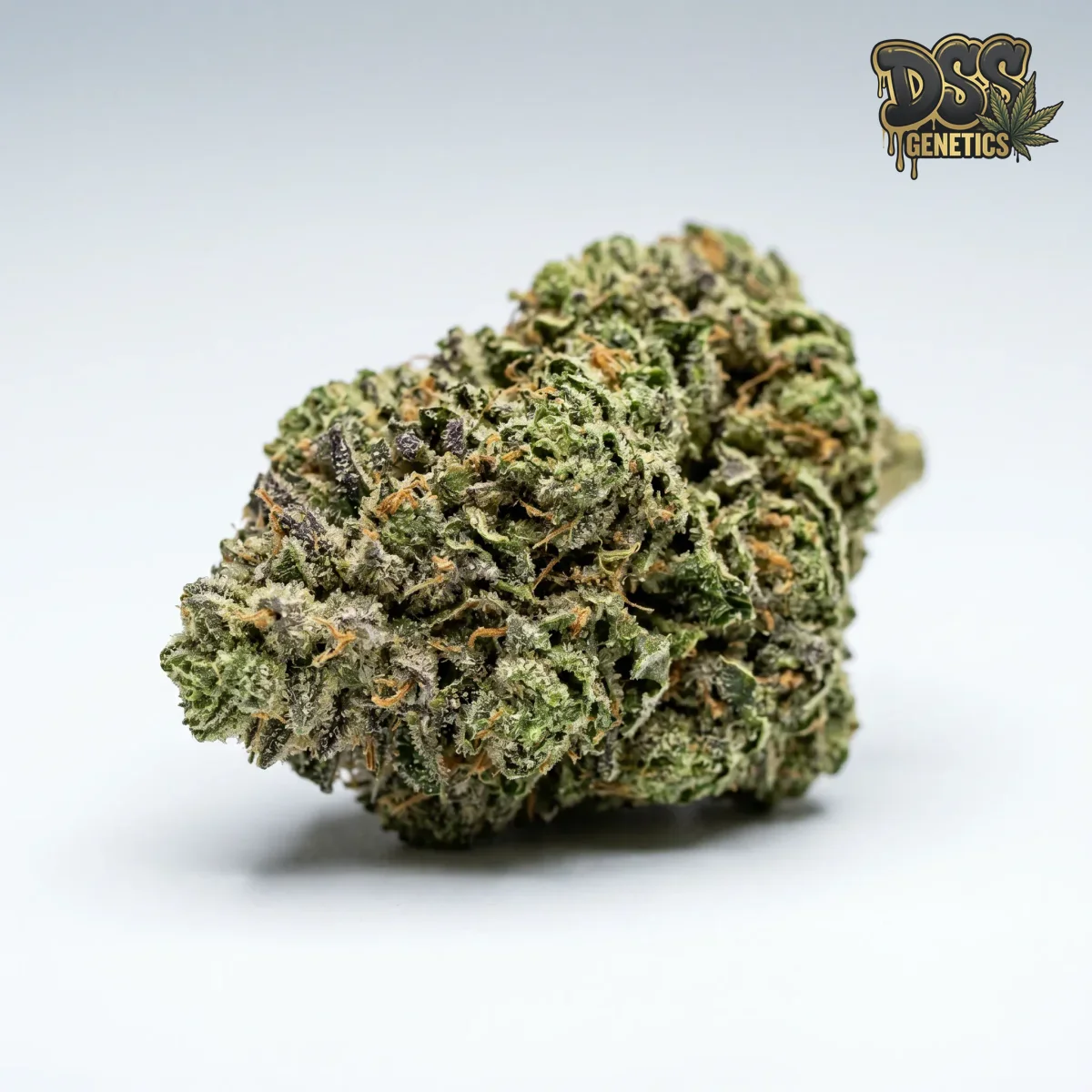
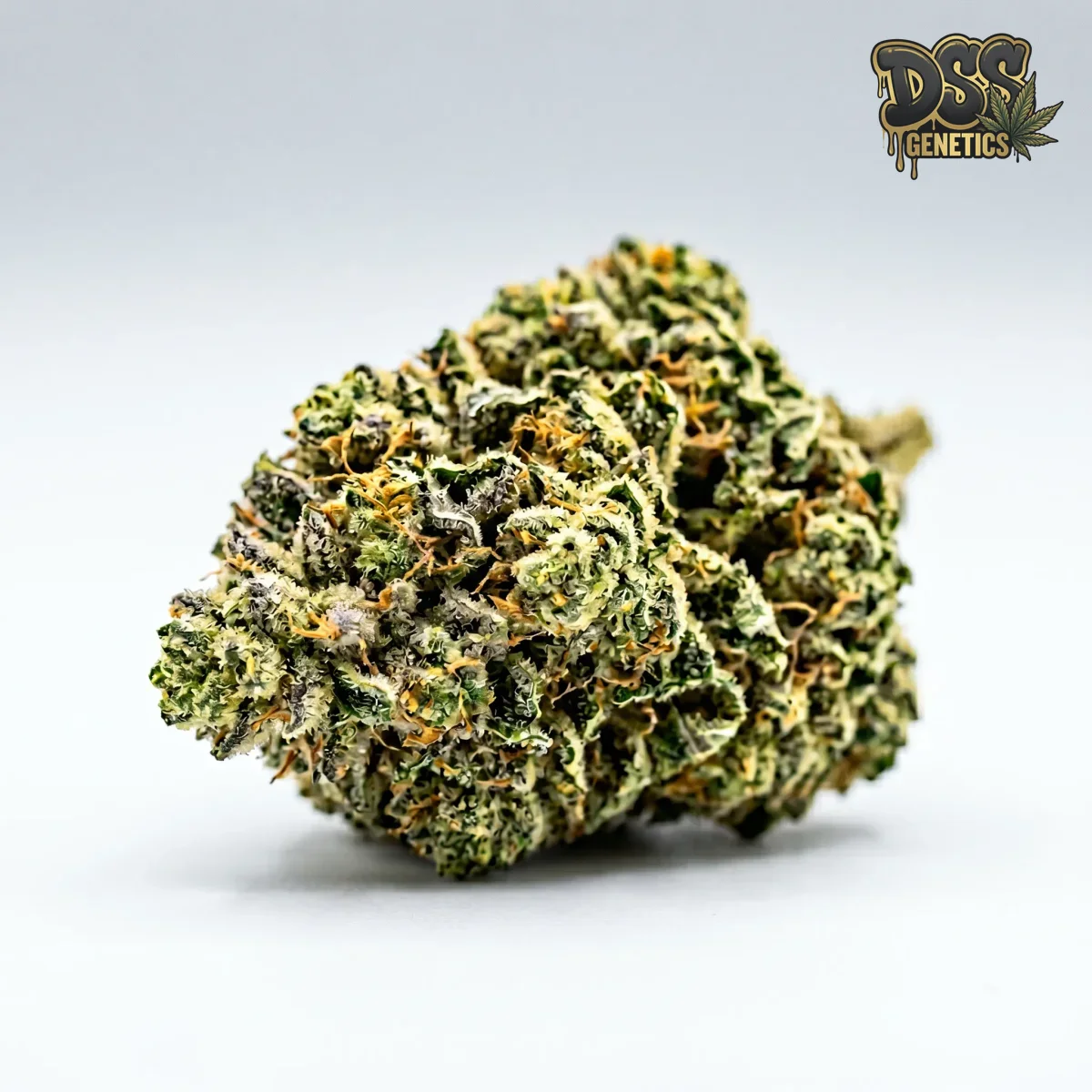
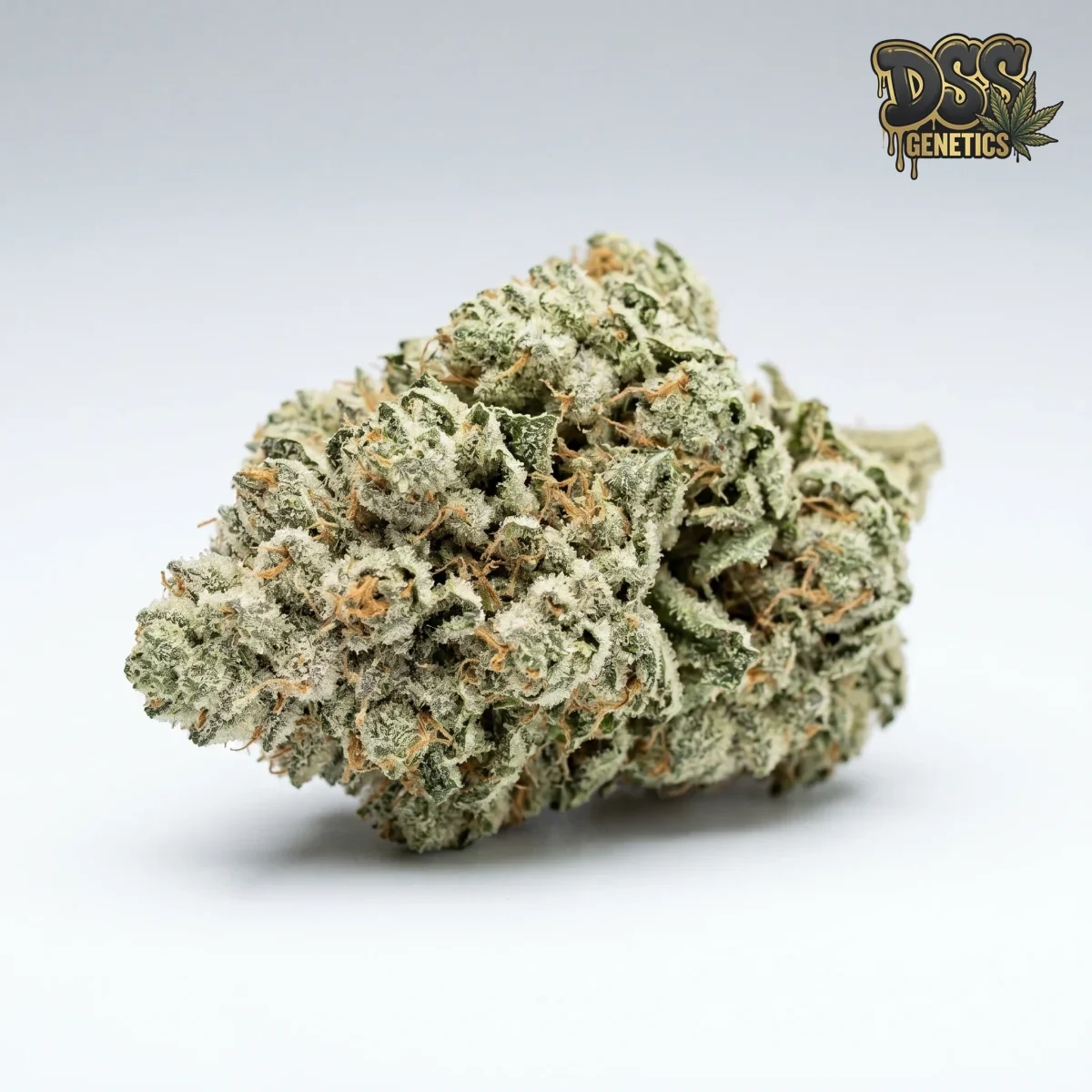
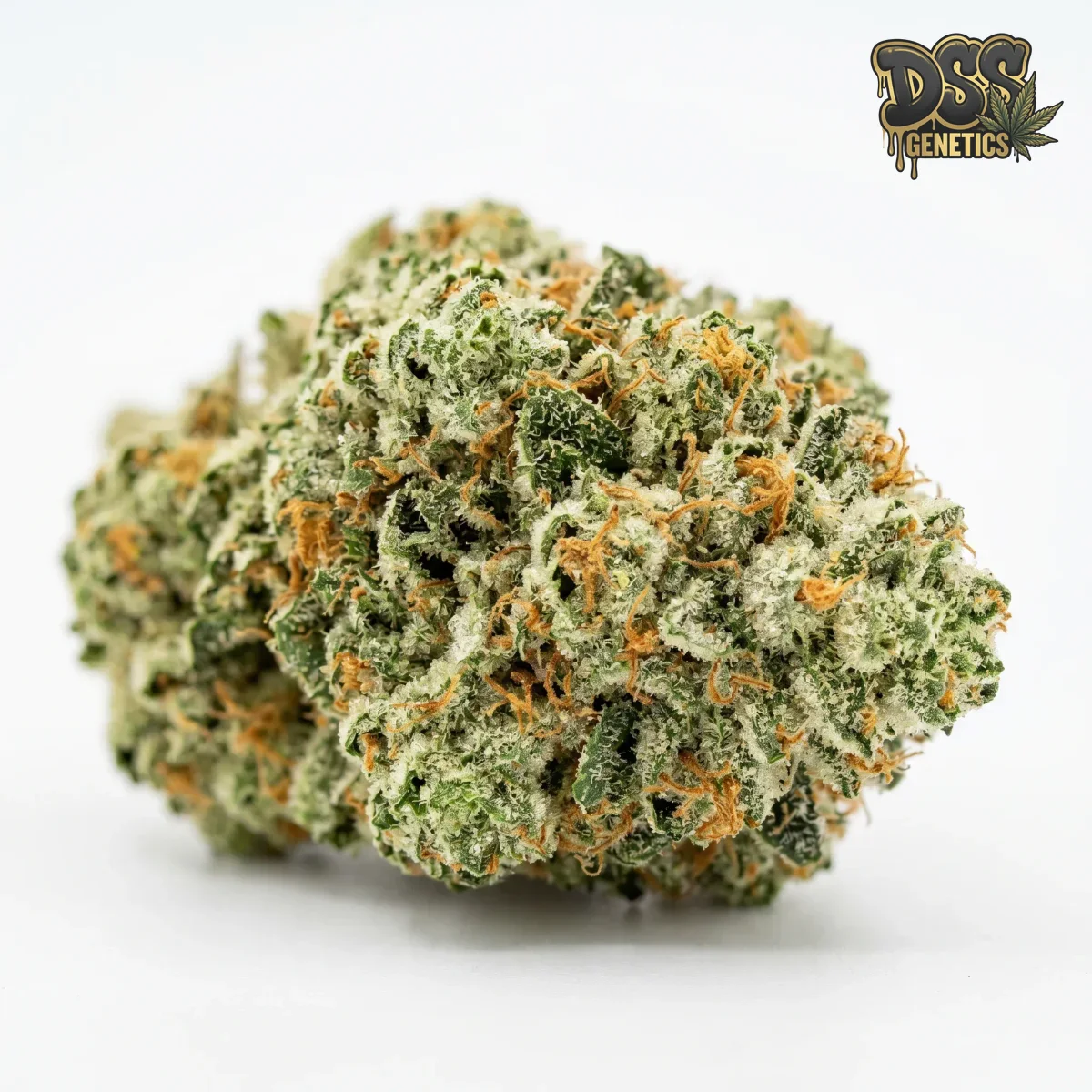
Hindu Kush Feminized is a 65% indica-dominant hybrid born from crossing the legendary landrace Hindu Kush with the tropical sweetness of Mango — a pairing that bridges ancient mountain genetics with modern flavor engineering. The result is a medium-sized plant that punches well above its size, delivering 18–20% THC with a terpene profile that blends pine resin, ripe berry, and earthy spice in a way few indica-leaning strains can match. If you're searching for something rooted in cannabis history but refined for today's garden, this is it.
The Hindu Kush landrace has been cultivated for centuries in the mountain range stretching between Pakistan and Afghanistan — one of the oldest cannabis-growing regions on earth. Introducing Mango genetics softened the traditionally heavy, resin-drenched Kush character with a fruity brightness that makes this strain far more approachable than pure landrace descendants. It's one of the most rewarding options in our best indica collection, and with an easy difficulty rating, it's equally at home in a first-time grow tent or a seasoned grower's greenhouse.

Effects and Medical Benefits
Hindu Kush opens with a warm cerebral wave — not the sharp electric onset you'd expect from a high-sativa strain, but a gradual lifting of mood that settles into focused, gentle euphoria within the first ten minutes. The sativa fraction (35%) carries the early experience, coaxing out creativity and a light energetic buzz before the indica body slowly draws in around it like a weighted blanket on a cold evening.
What makes this high particularly interesting is how long it sustains balance. Most indica-heavy hybrids tip quickly into sedation, but Hindu Kush holds that middle ground — relaxed but not couch-locked, happy but not scattered — for the better part of two hours. The tingly physical sensation that emerges mid-high is one of this strain's most distinctive traits, spreading from the shoulders downward in a way that feels almost medicinal in its thoroughness.
Users commonly report these effects:
- Deep relaxation without sedation — the body settles while the mind stays present and engaged
- Sustained happiness and euphoria — mood elevation that doesn't spike and crash
- Creative and slightly energetic — ideal for low-intensity creative work during the first hour
- Full-body tingling — a signature Kush physical quality that spreads progressively from head to toe
On the medical side, Hindu Kush is regularly chosen for:
- Chronic pain — the deep body relaxation provides real physical relief without complete mental shutdown
- Stress — the long-lasting euphoria interrupts the anxiety feedback loop effectively
- Depression — the Mango genetics contribute a brightness to the mood shift that pure Kush strains often lack
- Insomnia — higher doses lean into the indica side, making sleep come more easily for those who struggle
The modest CBD content (0.1–0.4%) contributes more than the raw numbers suggest. Even at low concentrations, CBD interacts with the cannabinoid and terpene profile to modulate the psychoactive experience — a phenomenon well-documented through the entourage effect — softening THC's sharper edges and potentially extending the anti-inflammatory window of the high.
Aroma, Flavor and Terpene Profile
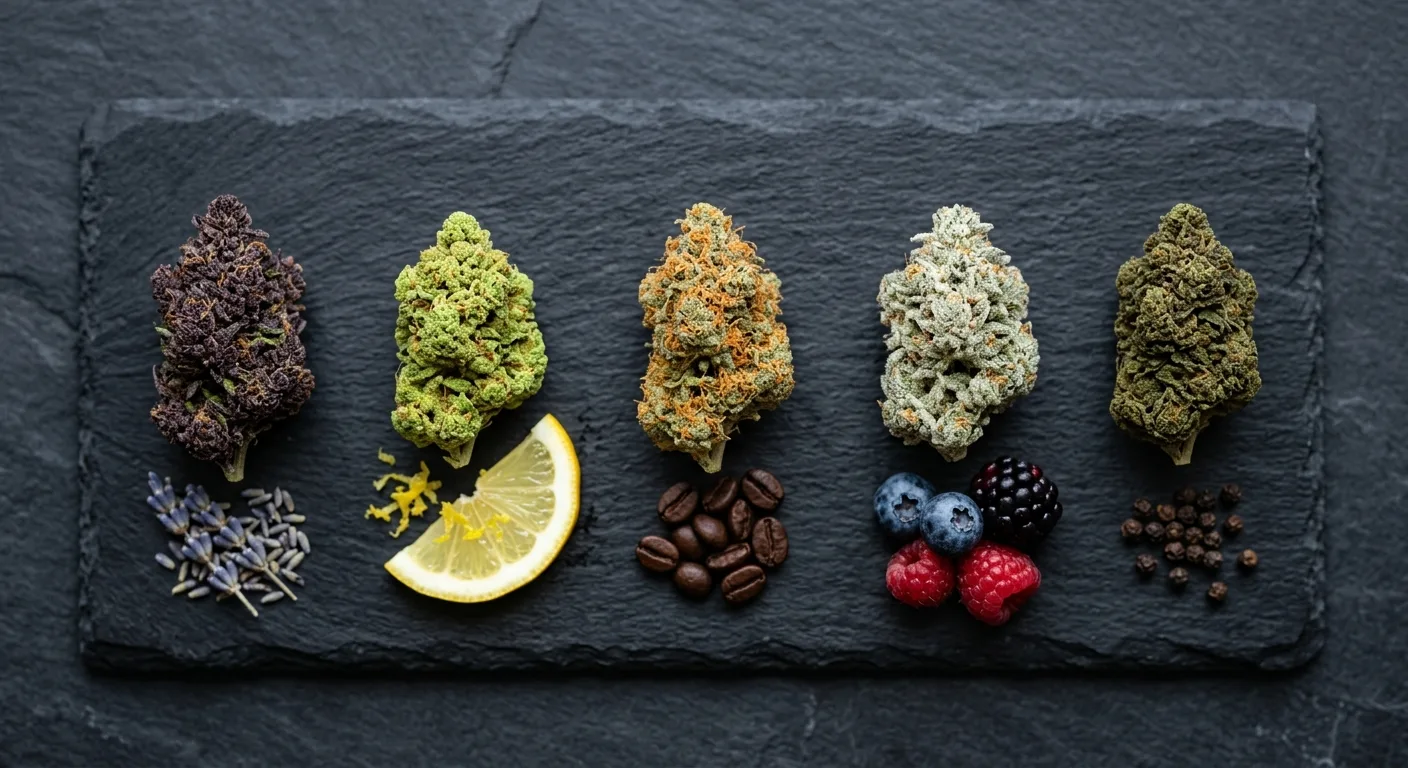
Break open a cured Hindu Kush bud and the first thing that hits you is pine — sharp, resinous, and unmistakably Kush. But beneath it, the Mango parentage announces itself as a ripe, tropical sweetness that softens the edge of the resin and pulls the nose toward something almost fruit-stand familiar. It's an unusual contrast that works beautifully, like smelling a pine forest right next to a fruit market.
The flavor expands on that promise. The inhale is earthy and piney with a spicy back note that recalls black pepper — warm and slightly sharp. The exhale opens into berry and sweet tropical fruit, a direct inheritance from the Mango side of the family, followed by a faint diesel character that lingers on the palate. The complexity here is genuine; each hit reveals a slightly different emphasis depending on temperature and cure quality.
Pinene anchors the top of this profile with the crisp, sharp pine aroma that defines the strain's identity on first encounter. Beyond its contribution to scent, pinene has been studied for its potential to counteract short-term memory impairment associated with THC and for supporting respiratory function — which makes it a medically interesting terpene in a strain already used for stress and pain management. This is where the resinous, almost mentholated quality of Hindu Kush originates.
Myrcene works through the mid-profile with its characteristic earthy, slightly musky, and faintly fruity character — the same terpene found in ripe mango fruit, which is no coincidence given this strain's parentage. Myrcene is widely understood to enhance THC's ability to cross the blood-brain barrier, potentially deepening and extending the psychoactive experience. It's also central to the sedative quality that emerges in the later stages of this high.
Caryophyllene delivers the spicy, peppery warmth on the exhale — the terpene that makes this strain feel grounded rather than floral. It's the only terpene known to directly bind to CB2 receptors in the endocannabinoid system, offering anti-inflammatory effects that complement the pain-relief profile of this strain without adding to the psychoactive load. For medical users particularly, this terpene's presence matters.
Trace contributions from ocimene and linalool weave in the sweeter, more floral notes that prevent the profile from becoming too heavy or resinous. These terpenes also carry well-documented anxiolytic and calming properties that align with why this strain performs so reliably for stress and depression relief.
Growing Hindu Kush Seeds
Hindu Kush feminized is genuinely easy to grow — not marketing language, but a function of its landrace heritage. The Hindu Kush mountain range produces some of the harshest growing conditions on earth, and the genetics carry that resilience into the modern garden. Plants tolerate minor temperature swings, recover from beginner feeding mistakes, and structure themselves predictably enough that even first-time growers can hit good yields without advanced techniques.
That said, easy doesn't mean the same as unremarkable. What we've found over dozens of grows is that the difference between a good Hindu Kush harvest and a great one comes down to environmental precision in the final three weeks of flower. The medium-sized plants develop dense, resin-heavy buds that benefit from close attention to humidity as they fatten up. Keep relative humidity between 40–45% in late flower and maintain daytime temperatures in the 70–78°F range — the Kush genetics will respond with exceptional resin production and a terpene expression that makes the final product genuinely special.
Indoor growers will find the plant's medium stature perfect for standard grow tents. Vertical growth is manageable without aggressive topping, but the structure responds well to low-stress training if canopy evenness is a priority. The 8–9 week flowering window is tight enough to allow multiple annual runs without rushing the plant.
Outdoors, Hindu Kush thrives in climates with warm days and cool nights — which mirrors its native growing region closely. It handles dryer conditions better than most hybrids, though consistent watering during the vegetative stretch will substantially improve final yield. Harvest typically falls in early to mid-October in the Northern Hemisphere.
Key growing tips for Hindu Kush:
- Training: Apply LST during early veg to open the canopy and improve light penetration to lower bud sites — the medium height makes this easy to manage
- Humidity control: Target 50–60% RH during vegetative growth, then step down to 40–45% as buds develop density in late flower
- Nutrients: Follow a conservative feeding schedule — this strain doesn't need heavy nutrients, and overfeeding nitrogen in flower will mute terpene expression noticeably
- Indoor environment: Read our indoor growing guide for ventilation tips — airflow across those dense buds is your best defense against late-flower mold
- Outdoor timing: Start seeds 4–6 weeks before your last frost date and follow our outdoor growing guide to time the vegetative stretch correctly for your latitude
Yield and Flowering Time
Hindu Kush feminized flowers in 56–63 days — a tight 8-to-9-week window that makes it one of the faster-finishing indica-dominant strains available. Indoor yields land at 1.2–1.4 oz/ft², which is solid performance for a strain at this difficulty level and makes it an appealing option in our easy-to-grow collection. Outdoor plants are genuinely impressive: 14–18 oz per plant is achievable with adequate sun hours and proper soil preparation, making this a strong candidate for anyone building out a high-yield outdoor garden.
The flowering window is consistent and predictable, which matters for planning grow cycles. Unlike some hybrids that can stretch their stated flowering time by a week or more under suboptimal conditions, Hindu Kush tends to finish on schedule when temperature and light schedules are managed correctly — a direct benefit of its landrace stability.
To maximize your harvest:
- Trichome timing: Harvest when 70–80% of trichomes are milky white with 10–20% amber for the classic Kush body effect — pushing to 30% amber deepens sedation significantly
- Late-flower feeding: Flush nutrients during the final 10–14 days of the flowering stage to allow the terpene profile to express fully and eliminate any residual mineral taste
- Humidity in final weeks: Drop to 40–45% RH during the last two weeks to maximize resin density and minimize any mold risk on the dense, compact buds
- Drying and curing: Slow dry for 7–10 days at 60–65°F and 55–60% RH, then cure in sealed jars for a minimum of 3 weeks — the pine and berry terpenes develop noticeably with extended curing time
Why Buy Hindu Kush Seeds from DSS Genetics?
Every Hindu Kush feminized seed ships with our full germination guarantee — if it doesn't sprout following our germination guide, we replace it, no questions asked. Orders arrive in discreet, unmarked packaging, and every seed is stored under controlled conditions to protect viability from our warehouse to your door.
- Germination guaranteed — every seed is backed by our replacement promise if it fails to sprout
- Discreet shipping — plain, unmarked packaging on every order
- Spend $100+ — receive free premium seeds added to your order automatically
- Optimal seed storage — temperature and humidity-controlled storage ensures maximum germination rates from purchase through planting
Frequently Asked Questions
Is Hindu Kush feminized a good strain for beginner growers?
Yes — Hindu Kush is rated easy difficulty and is one of the most forgiving strains you can start with. Its landrace heritage gives it natural resilience to minor environmental fluctuations, and the medium plant size makes it manageable in a standard grow tent. Browse our full easy-to-grow collection if you're comparing beginner-friendly options, and check our germination guide before you start for the best possible success rate.
What does the Hindu Kush high feel like?
The high starts with a warm, mood-lifting euphoria driven by the sativa fraction — creative and lightly energetic — before the 65% indica genetics settle in with deep body relaxation and a distinctive full-body tingling. It's well-balanced for the first 60–90 minutes before leaning toward relaxation and eventual sedation. Medical users frequently choose it for pain relief, stress, and depression, while recreational users appreciate the long, stable duration of the experience.
How long does Hindu Kush take to flower indoors?
Hindu Kush feminized flowers in 56–63 days (8–9 weeks) — a reliable, consistent window that rarely stretches under normal indoor conditions. Indoor yields reach 1.2–1.4 oz/ft² and outdoor plants produce 14–18 oz each. Read our flowering stage guide for specific tips on light schedules, humidity management, and nutrient timing during bud development, and our harvest timing guide to nail the perfect trichome window.
How does Hindu Kush compare to other indica strains in terms of flavor?
Most pure-indica and Kush-dominant strains lean heavily toward earth, fuel, and hash — which is exactly what you'd expect from the mountain landrace genetics. What separates Hindu Kush feminized is the Mango parentage, which introduces genuine berry and tropical sweetness into a profile that still carries the classic pine and spicy diesel character. If you love traditional Kush flavor but want more complexity, this strain delivers it. Explore our best indica strains for more comparisons, or check the fast-flowering collection if the 8–9 week timeline is a priority in your grow planning.
Medical Disclaimer: This information is for educational purposes only and should not be considered medical advice. Always consult a healthcare professional before using cannabis for medical purposes. Individual results may vary.
Frequently Asked Questions
Hindu Kush — Common Questions Answered
What is Hindu Kush?
Hindu Kush is a balanced hybrid cannabis strain (65% Indica / 35% Sativa) bred from Hindu Kush x Mango. It produces THC levels of 18–20% and CBD levels of 0.1–0.4%. Known for its relaxing, happy, euphoric effects and pine, sweet, earthy flavor profile.
Is Hindu Kush easy to grow?
Yes, Hindu Kush is an excellent choice for beginners. It has a forgiving growth pattern and doesn't require advanced techniques to produce good yields. Growing difficulty: Easy. It thrives in temperate climates and reaches a medium plant size.
How long does Hindu Kush take to flower?
Hindu Kush has a flowering time of 56–63 days. Switch to a 12/12 light cycle to initiate flowering. Expected yields are 1.2 to 1.4 oz/ft² indoors and 14 to 18 oz/plant outdoors.
What are the effects of Hindu Kush?
Hindu Kush delivers relaxing, happy, euphoric, creative, energetic, tingly effects. Many growers report it helps with pain, stress, depression, insomnia. With THC levels of 18–20%, it provides a moderate to strong experience suitable for most users.
Can I grow Hindu Kush indoors and outdoors?
Yes, Hindu Kush performs well both indoors and outdoors. Indoor yields average 1.2 to 1.4 oz/ft², while outdoor grows can produce 14 to 18 oz/plant. It prefers temperate conditions. Its medium height is manageable in most indoor setups.
What does "feminized" mean for Hindu Kush seeds?
Feminized Hindu Kush seeds are bred to produce only female plants, which are the ones that develop smokable buds. This eliminates the need to identify and remove male plants, saving time and maximizing your grow space. Over 99% of feminized seeds will produce female plants.
Grower Reviews
Real grow experiences from our community
Similar Strains

Get 10% Off Your First Order
Join our newsletter for exclusive deals, growing tips, and new strain drops.