Purple Haze Autoflower Seeds
By Ivan K., DSS Genetics · Updated April 2026

Purple Haze Autoflower Seeds
SKU: DSS-PUHA-AUTO-5PK
Pack Size
Quantity
Disclaimer: For informational purposes only — not medical advice. Consult a healthcare professional before use.
About This Strain
Purple Haze Autoflower Seeds — Complete Strain Profile
Purple Haze Autoflower Seeds – Strain Overview
Purple Haze Autoflower is the result of crossing the legendary Purple Haze with Auto Purple — a pairing that preserves the psychedelic sativa energy of the original while adding ruderalis resilience and a striking violet palette. The genetics lean 60% sativa and 40% indica, delivering THC levels of 15–20% with just 0.01–1% CBD, making this a strain built primarily for the mind. If you've been chasing the classic 1960s-inspired head high in an autoflowering format, this is as close as modern breeding gets.
What sets this strain apart from other purple autos is the balance it strikes between sativa cerebral lift and indica-anchored calm — it never becomes overwhelming, but it never lets you settle into passivity either. The terpene profile is unusually sophisticated for an autoflower, dominated by Limonene at 3.47% and Linalool at 1.84%, which push this well beyond the average skunky auto. Growers who want something visually stunning and genuinely interesting to smoke should explore our full best autoflower collection for related options.
Effects and Medical Benefits
The high opens fast — within minutes you'll notice a brightening behind the eyes and a gentle but unmistakable elevation in mood. This is the Limonene doing its work early, pushing euphoria to the front before the indica genetics ease in underneath to create a grounded, functional calm. At 15–20% THC, the experience stays accessible without losing its character.
What makes Purple Haze Auto distinctive is the way the effects layer across time. The first 30–45 minutes are almost purely sativa in feel — focused, energetic, slightly dreamlike. Then the indica influence settles into the shoulders and lower back like a slow exhale, leaving you relaxed without being sedated. Most users land in a sustained sweet spot of happy, social, and clear-headed.
Users commonly report these effects:
- Euphoria and uplift — bright, fast-acting cerebral elevation that doesn't spiral into anxiety
- Focused energy — functional clarity suited to creative tasks, conversation, or light activity
- Deep relaxation — indica warmth that settles in gradually without inducing couch-lock
- Sustained happiness — mood elevation that holds steady through the duration of the session
On the medical side, Purple Haze Auto is frequently chosen for:
- Insomnia — the indica tail makes winding down significantly easier at moderate-to-higher doses
- Chronic pain — Caryophyllene at 0.48% contributes direct anti-inflammatory support through CB2 receptor activity
- Depression — the Limonene-driven euphoria and mood elevation provide reliable short-term relief
- Stress — the hybrid balance creates calm without shutdown, ideal for daytime stress management
The CBD content (up to 1%) may be modest, but in combination with Linalool's anxiolytic properties and Caryophyllene's CB2 activity, this strain demonstrates how the entourage effect can amplify therapeutic outcomes well beyond what THC percentage alone would suggest.
Aroma, Flavor and Terpene Profile
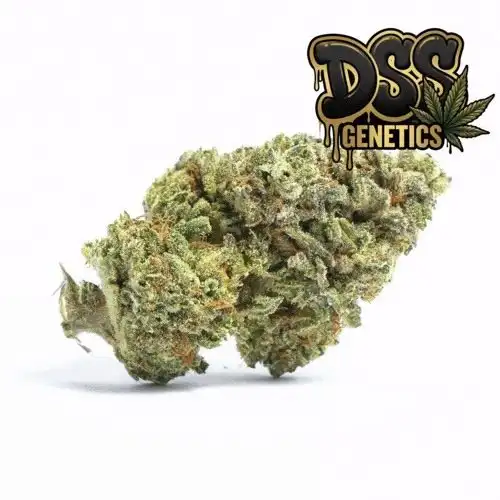
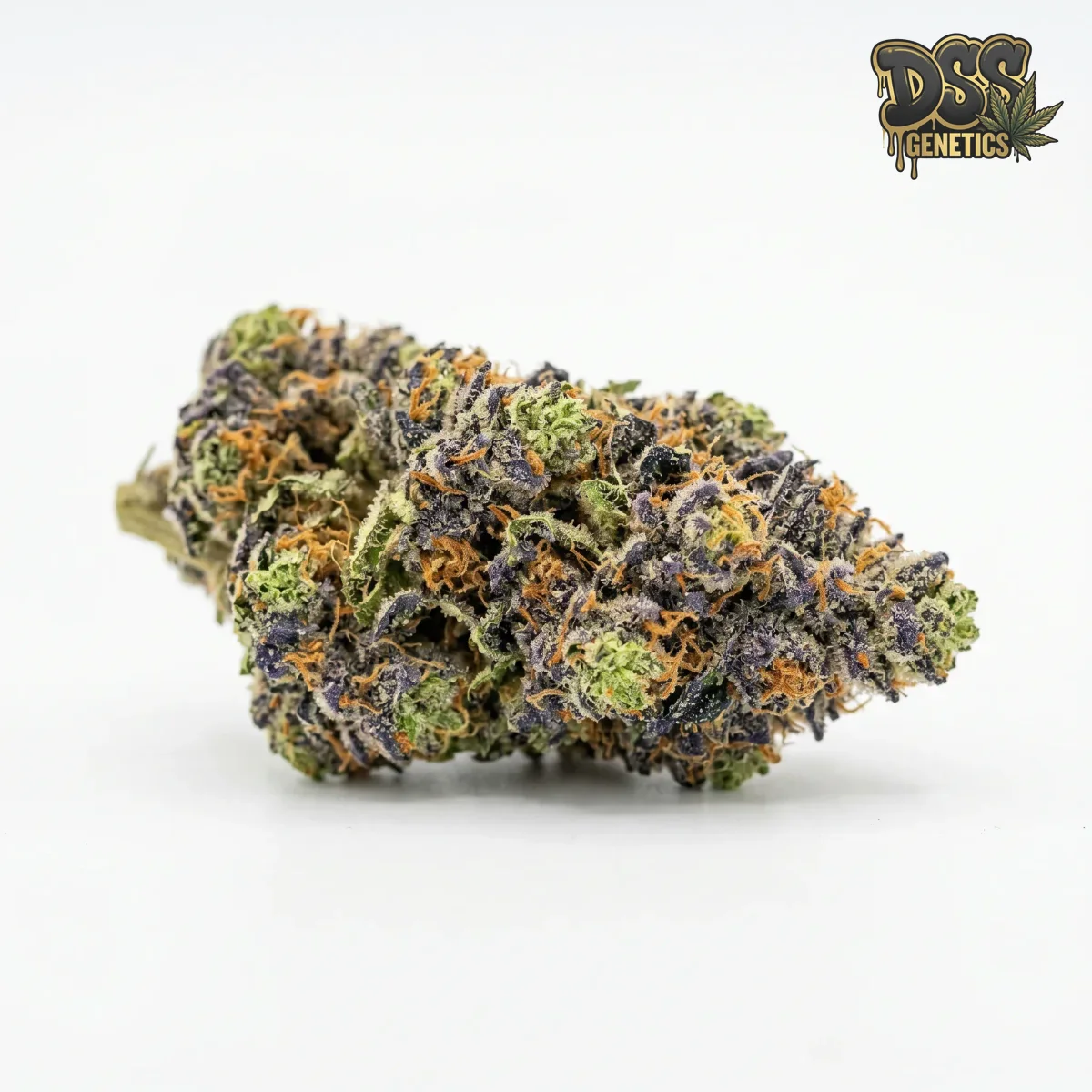
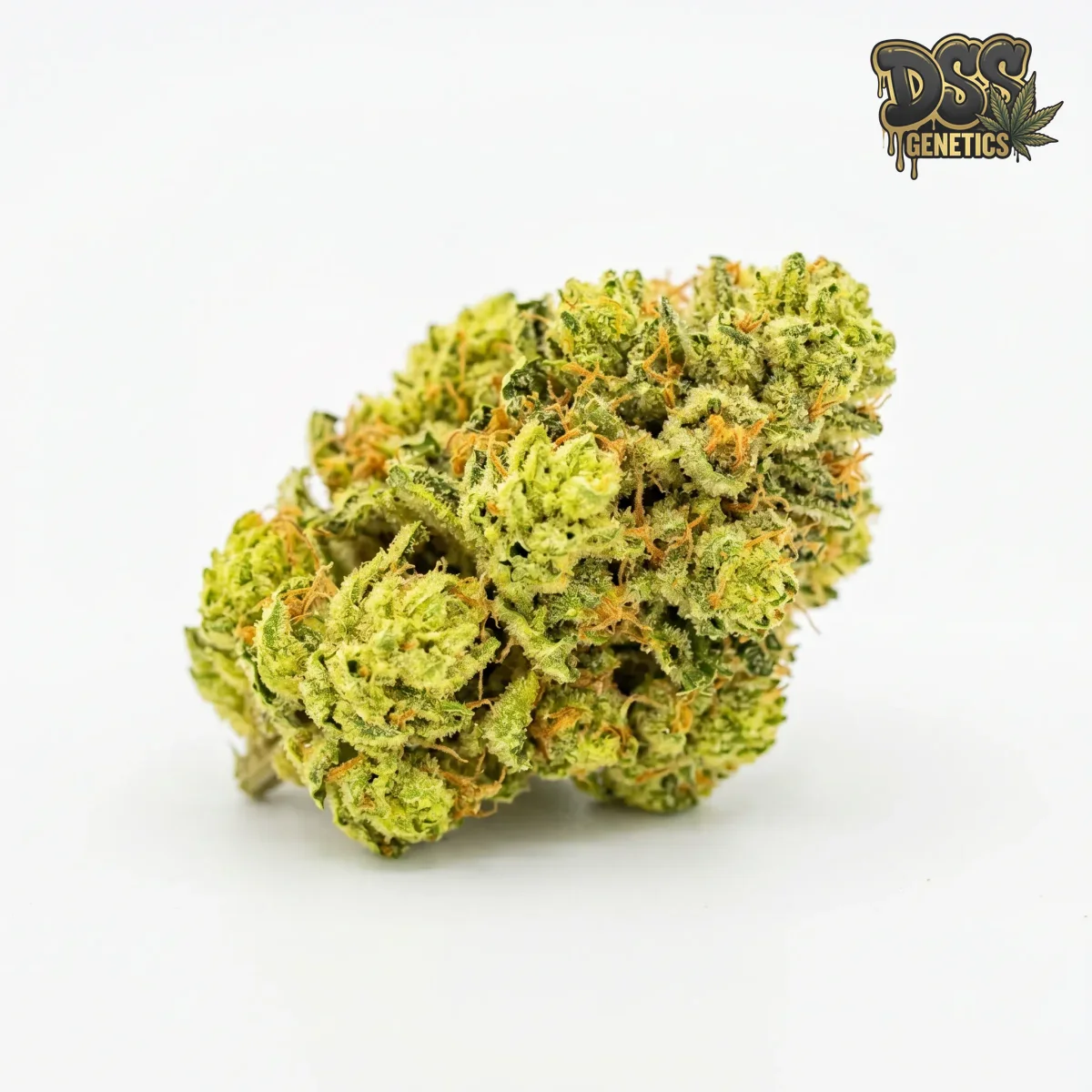
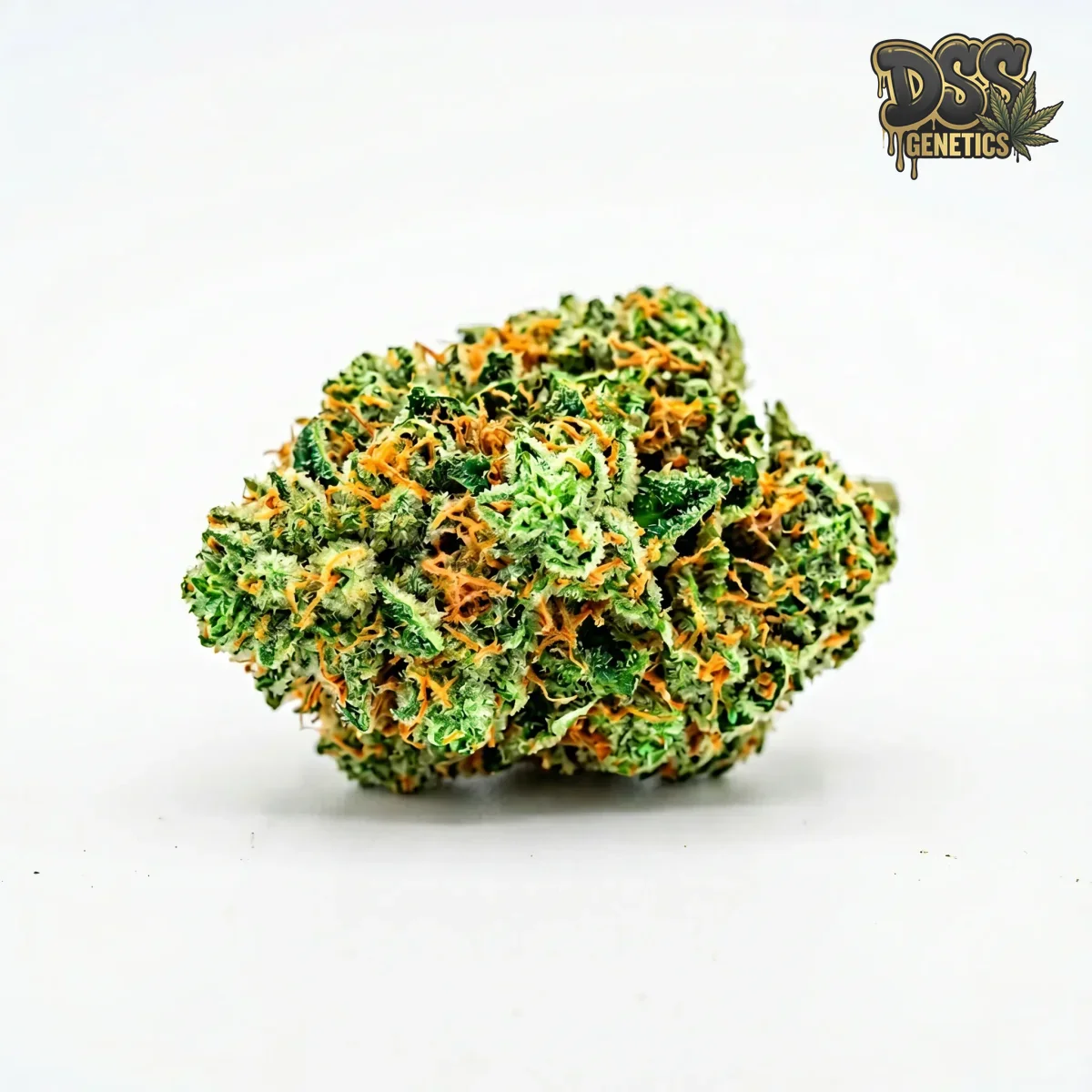
Crack open a jar of properly cured Purple Haze Auto and the first thing that hits you is citrus — bright, sharp lemon zest riding on top of something sweeter beneath it. Then the berry emerges, somewhere between fresh blueberry and blackcurrant, followed by a thread of diesel that keeps the whole profile from becoming too sweet. It's a complex, layered aroma that rewards a slow, attentive sniff.
On the exhale, the flavor shifts. The lemon stays, but the diesel fades and a soft earthiness takes its place, giving the smoke a rounded, almost floral finish. That floral quality comes from the Linalool, and once you know to look for it, you'll notice it every time — a lavender-like smoothness that lingers on the palate well after the session ends.
Terpinolene at 1.22% deserves special mention because it's frequently overlooked in strain descriptions despite being one of the most interesting terpenes in cannabis. In Purple Haze Auto, it contributes fresh herbal and slightly piney notes that sharpen the citrus edge and add complexity to what would otherwise be a straightforward lemon-berry profile. Research suggests Terpinolene has uplifting and mildly sedative properties depending on dose, which aligns perfectly with this strain's dual-mode effect profile.
Limonene is the dominant terpene here at a notable 3.47% — that's a high concentration by any standard, and it's primarily responsible for the brightness of both the aroma and the cerebral effects. Limonene has been studied for its potential to reduce anxiety and elevate mood, and in our experience, strains with Limonene above 3% consistently produce a more reliably euphoric, upbeat session than lower-Limonene counterparts.
Linalool at 1.84% is the quiet anchor of the profile. Most people associate Linalool with lavender, and in Purple Haze Auto it shows up as a smooth, almost soapy sweetness that softens the diesel edge and adds to the strain's sedative tail. This terpene is well-documented for its anxiolytic and sleep-supporting properties, which helps explain why the indica phase of this high feels so physically comfortable.
Caryophyllene at 0.48% is the only terpene known to directly interact with the endocannabinoid system's CB2 receptors, behaving more like a cannabinoid than a typical aromatic compound. Its presence here adds a faint spicy warmth to the flavor and contributes meaningfully to the strain's pain-relieving and stress-reducing properties without adding any psychoactive load.
Myrcene at 0.32% rounds out the lower notes — earthy, slightly musky, and grounding. While it's the least concentrated of the five dominant terpenes here, Myrcene plays a significant supporting role by potentially increasing cell membrane permeability and enhancing how quickly THC crosses the blood-brain barrier, contributing to the fast onset this strain is known for.
Growing Purple Haze Autoflower Seeds
We'll be straightforward: this is rated a difficult autoflower, and that rating is honest. The sativa dominance means she's sensitive to environmental stress in ways that more indica-leaning autos simply aren't, and the autoflowering timeline leaves almost no room for recovery if she gets knocked off course. Purple Haze Auto rewards growers who plan ahead and respond quickly — not those who set and forget.
The ideal indoor environment sits between 70–82°F during the day with a slight drop to 65–70°F at night during late flower. That temperature differential is worth pursuing — it's one of the key triggers for the deep purple coloration in the buds and leaves that makes this strain so visually striking. Keep relative humidity at 50–60% through the vegetative and early flowering stages, then bring it down to 40–45% in the final two to three weeks to protect the dense canopy from botrytis.
Because this is an autoflower, topping is generally not recommended — the plant simply doesn't have enough time to recover before flowering begins. Low-stress training (LST) is far more effective here. Begin bending and tying main branches outward at around days 14–18, before the pre-flower sites appear, to open the canopy and maximize light penetration to lower bud sites. What we've found over dozens of grows is that growers who do one well-timed LST session in week two consistently outperform those who either skip training entirely or attempt more aggressive techniques too late.
Nutrient timing matters more with autos than with photoperiod strains because there's no extended vegetative window to correct deficiencies. Start with a light nitrogen-forward feed in weeks one through three, transition to a balanced growth formula in weeks three through five, then shift heavily toward phosphorus and potassium as soon as the first real flowers appear. Watch the leaves closely — this strain shows early signs of nitrogen toxicity with clawing and deep green darkening before most growers expect any problems.
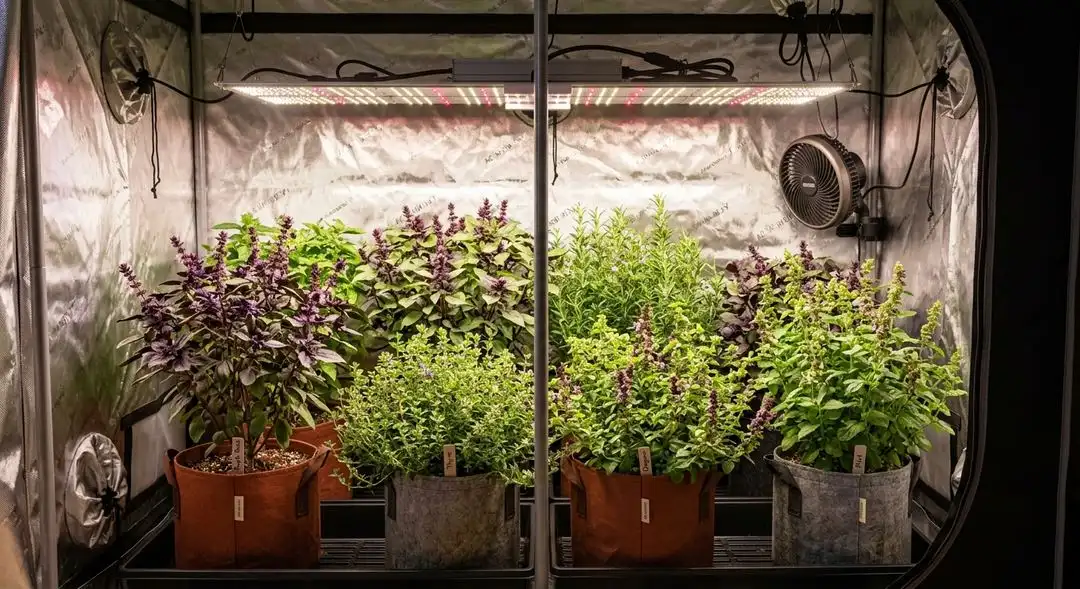
Key growing tips for Purple Haze Autoflower:
- Training: Use LST only — begin at days 14–18 before pre-flowers appear; avoid topping or FIMing given the auto timeline
- Environment: Maintain 70–82°F days and drop to 65–70°F at night in late flower to trigger and deepen purple pigmentation
- Nutrients: Follow a precise autoflower nutrient schedule — heavy veg nitrogen weeks 1–3, transition weeks 3–5, bloom-heavy from first flowers onward; watch for early nitrogen toxicity
- Indoor setup: A full-spectrum LED running 18/6 produces the best results — check our indoor growing guide for light height and DLI targets specific to sativa-dominant autos
- Outdoor growing: Purple Haze Auto performs well outdoors in warm, dry climates — see our outdoor growing guide for timing multiple autoflower runs in a single season to maximize annual yield
Yield and Flowering Time
Purple Haze Auto flowers in 56–70 days from seed — a wider window than many autos, reflecting the sativa influence on development pace. Faster phenotypes finish closer to 8 weeks; the more sativa-leaning expressions often need the full 10. Don't rush harvest based on calendar days alone — trichome inspection is the only reliable method. Indoor yields land at 1.1–1.5 oz/ft² when grown well, and outdoor plants in favorable conditions produce 2–4 oz/plant. For growers looking to compare across the spectrum, our high-yield collection provides useful benchmarks.
The yield numbers are honest for an autoflower of this genetics — you won't hit them without dialing in the environment and training. Growers who skip LST or let humidity climb above 55% in late flower consistently see the lower end of that range. Those who execute well can push indoor numbers toward the top. The outdoor ceiling of 4 oz/plant is very achievable in Mediterranean or continental climates with long summer days and dry falls.
To maximize your harvest:
- Trichome timing: Harvest when 60–70% of trichomes are milky white with 10–15% amber — this captures peak Limonene expression before terpene degradation begins
- Late-flower humidity: Drop to 40–45% RH in the final two weeks to prevent botrytis in the denser phenotypes and sharpen the citrus-lemon aroma
- Flush timing: If growing in soil, begin a clean water flush 10–14 days before harvest to clear residual nutrients and allow full terpene expression at cure
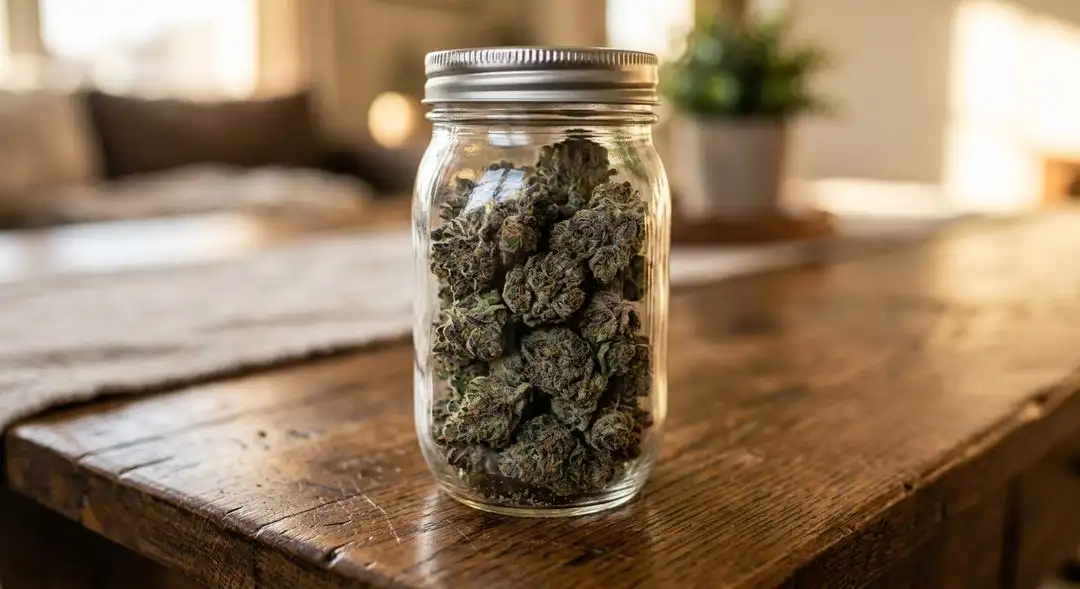
- Drying and curing: Dry slowly for 10–14 days at 60–65°F and 55–60% RH — rushing this process at higher temperatures destroys the Linalool and Limonene that give this strain its distinctive floral-citrus character
Why Buy Purple Haze Seeds from DSS Genetics?
Every Purple Haze Autoflower seed leaves our facility with a full germination guarantee — if it doesn't sprout following our germination guide, we replace it, no questions asked. Orders ship discreetly in plain, discreet packaging with no cannabis-related branding on the outside.
- Germination guaranteed — every seed is backed by our replacement policy; we stand behind our genetics completely
- Discreet shipping — plain, unmarked packaging on every order
- Spend $100+ — receive complimentary premium seeds included with your order automatically
- Optimal seed storage — temperature- and humidity-controlled from our warehouse to your door, preserving maximum germination viability
Frequently Asked Questions
Is Purple Haze Autoflower difficult to grow for beginners?
Yes — this strain is honestly rated as difficult, and we don't recommend it as a first grow. The sativa genetics make her more environmentally sensitive than indica-dominant or balanced autos, and the tight autoflowering timeline means mistakes are hard to recover from. If you're newer to growing, we'd suggest starting with something from our easy-to-grow collection to build your environmental control skills first. Once you're comfortable managing humidity, temperature swings, and autoflower nutrient timing, Purple Haze Auto becomes very rewarding.
How long does Purple Haze Autoflower take from seed to harvest?
Expect 56–70 days from germination to harvest, depending on phenotype. Faster-finishing expressions tend to be slightly more indica in structure; the slower, more sativa-leaning plants often take the full 10 weeks and reward the patience with larger buds and more complex terpene development. Our flowering stage guide covers how to read trichome development accurately so you harvest at the right moment for your target effect profile — earlier for more energetic and cerebral, later for deeper relaxation and sedation.
What makes Purple Haze Auto different from regular Purple Haze?
The original Purple Haze is a photoperiod strain requiring a 12/12 light flip to flower and typically taking 10–12 weeks in bloom alone. Purple Haze Auto flowers automatically regardless of light schedule, completing seed-to-harvest in under 10 weeks and staying at a manageable medium height. The trade-off is a slightly lower yield ceiling and a more demanding cultivation profile — this auto carries the sativa sensitivity of its parent genetics into the autoflower format. Growers who want the classic Purple Haze experience without committing to a full photoperiod grow will find this a compelling option. Browse our best sativa collection for other options in the sativa-dominant category.
What terpenes are in Purple Haze Autoflower and
Medical Disclaimer: This information is for educational purposes only and should not be considered medical advice. Always consult a healthcare professional before using cannabis for medical purposes. Individual results may vary.
Frequently Asked Questions
Purple Haze — Common Questions Answered
What is Purple Haze?
Purple Haze is a balanced hybrid cannabis strain (60% Sativa / 40% Indica) bred from Purple Haze x Auto Purple. It produces THC levels of 15–20% and CBD levels of 0.01–1%. Known for its relaxing, happy, euphoric effects and sweet, earthy, citrus flavor profile.
Is Purple Haze easy to grow?
Purple Haze is considered an advanced-level strain that requires experience with training techniques, environmental control, and nutrient management for best results. Growing difficulty: Difficult. It thrives in temperate climates and reaches a medium plant size.
How long does Purple Haze take to flower?
Purple Haze has a flowering time of 56–70 days. Switch to a 12/12 light cycle to initiate flowering. Expected yields are 1.1 to 1.5 oz/ft² indoors and 2 to 4 oz/plant outdoors.
What are the effects of Purple Haze?
Purple Haze delivers relaxing, happy, euphoric, uplifting, energetic, focused effects. Many growers report it helps with insomnia, pain, depression, stress. With THC levels of 15–20%, it provides a moderate to strong experience suitable for most users.
What does Purple Haze smell and taste like?
Purple Haze's dominant terpenes are Myrcene (0.32%), Caryophyllene (0.48%), Limonene (3.47%), Linalool (1.84%), Terpinolene (1.22%), which give it a sweet, earthy, citrus, lemon, berry, diesel flavor and aroma profile.
Can I grow Purple Haze indoors and outdoors?
Yes, Purple Haze performs well both indoors and outdoors. Indoor yields average 1.1 to 1.5 oz/ft², while outdoor grows can produce 2 to 4 oz/plant. It prefers temperate conditions. Its medium height is manageable in most indoor setups.
Grower Reviews
Real grow experiences from our community
Get 10% Off Your First Order
Join our newsletter for exclusive deals, growing tips, and new strain drops.