Purple Haze Feminized Seeds
By Ivan K., DSS Genetics · Updated April 2026

Purple Haze Feminized Seeds
SKU: DSS-PUHA-FEM-5PK
Pack Size
Quantity
Disclaimer: For informational purposes only — not medical advice. Consult a healthcare professional before use.
About This Strain
Purple Haze Feminized Seeds — Complete Strain Profile
Purple Haze Feminized Seeds – Strain Overview
Purple Haze is a legendary cross of Haze and Purple Thai — a pairing that captures the dreamy psychedelia of classic 1960s sativa culture and grounds it with the deep color and body warmth of Southeast Asian landrace genetics. At 60% indica and 40% sativa, this hybrid sits in a genuinely interesting middle ground: cerebral enough to spark creativity, physical enough to melt tension from the shoulders down. THC ranges from 16–19%, delivering real potency without the overwhelming intensity of modern ultra-high-THC cultivars.
What makes Purple Haze stand apart from countless purple-branded novelties is its authentic heritage. The Haze lineage brings that unmistakable bright, citrus-edged mental lift, while Purple Thai contributes rich anthocyanin pigmentation, a spicy-woody depth, and a grounding body effect. Together they produce something rare — a strain that rewards both casual afternoon sessions and dedicated evening wind-downs. It belongs comfortably among our best indica strains, even with its meaningful sativa influence.
Effects and Medical Benefits
The high opens with a warm cerebral surge — not the sharp, almost anxious rush of a pure sativa, but something softer and more expansive. Within the first ten minutes, most users notice a gentle euphoric lift that clears mental fog and draws out a playful, creative mindset. This is the Haze lineage doing exactly what it's famous for.
Over the next thirty to sixty minutes, the indica fraction from Purple Thai begins its quiet work. A wave of physical relaxation spreads through the body without pulling you fully into sedation — it's more like a release of held tension than a knockout. At moderate doses this balance is remarkably functional. At higher doses, expect a heavier body sink and genuine sleepiness toward the tail end.
Users consistently report these four core effects:
- Relaxing — progressive body ease that builds gradually rather than arriving all at once
- Euphoric — a warm, emotionally positive mental state that softens stress without dulling perception
- Uplifting — mood elevation that feels genuine rather than forced or jittery
- Creative — loosened associative thinking that makes this a favourite for artists, writers, and musicians
On the medical side, Purple Haze has built a loyal following among patients managing:
- Stress and chronic tension — the combined euphoric and relaxing profile addresses both the mental and physical dimensions simultaneously
- Insomnia — especially at higher doses when the indica influence fully takes hold in the final hours of the experience
- Depression — the mood-elevating and creative effects make it a meaningful option for those dealing with low motivation or persistent low mood
- Pain — mild to moderate analgesic properties, particularly useful for tension headaches and generalised body aches
The 0.5–1% CBD content contributes more than its modest percentage suggests. Working alongside the dominant terpene profile — particularly the high humulene fraction — it engages the entourage effect to broaden the anti-inflammatory and calming response in ways that isolated THC alone cannot replicate.
Aroma, Flavor and Terpene Profile
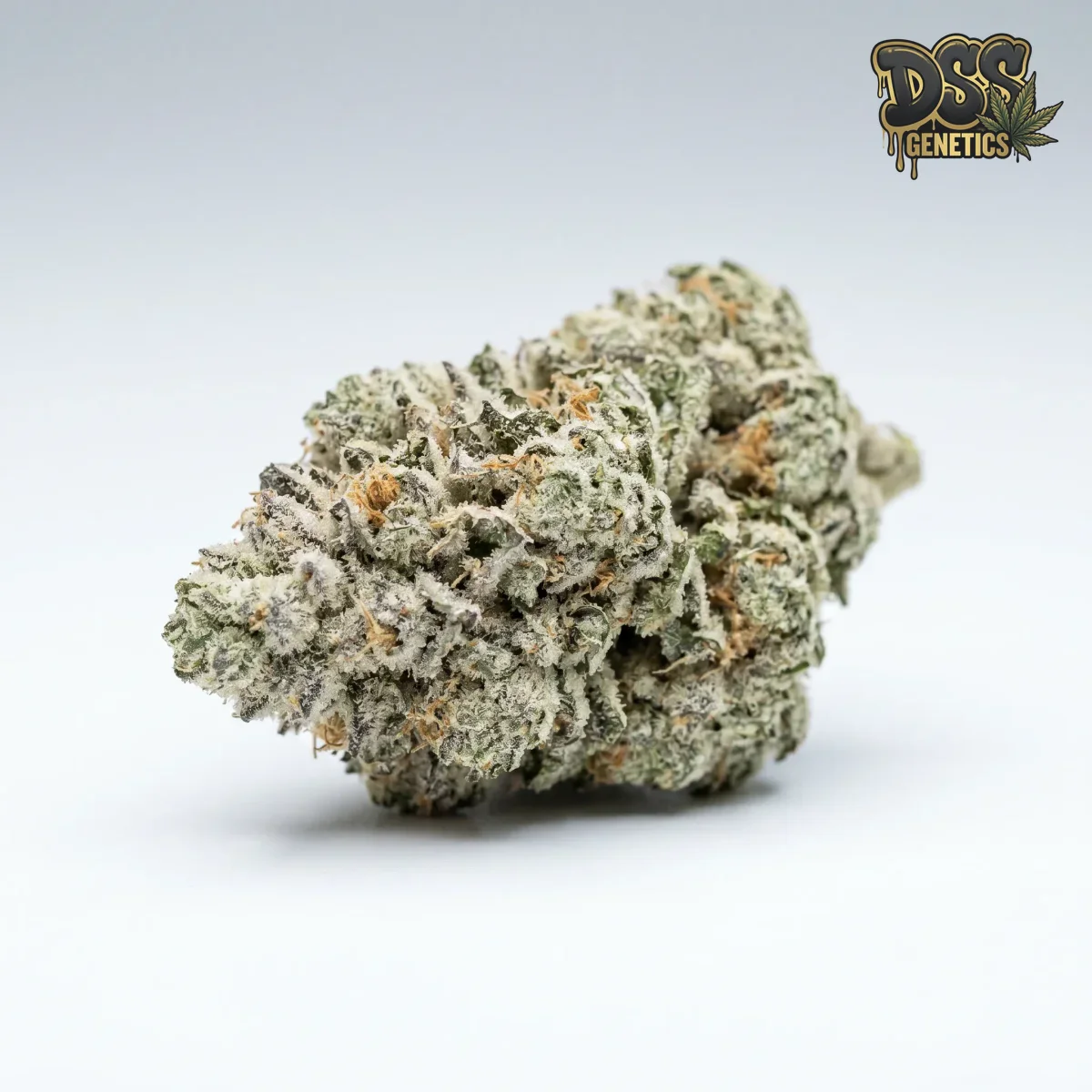
Break open a cured Purple Haze bud and the first thing that hits is a bright lemon-citrus sharpness, almost like zesting a lemon over a bowl of sweet berries. Underneath that top note sits something earthier — a faint diesel petrol quality that grounds the sweetness without dominating it. As the bud warms between your fingers, a woody spiciness emerges from deeper in the terpene profile, rounding the experience into something genuinely complex.
On the inhale, sweetness arrives first — a candied citrus quality that coats the palate pleasantly. The exhale reveals the spicy, woody backbone, and a faint diesel aftertaste lingers for several minutes. It's a flavor profile that feels genuinely multi-layered rather than one-dimensional, which is part of what makes Purple Haze memorable long after the effects have faded.
Three terpenes build this profile, and their interaction is what gives Purple Haze its distinctive character.
Humulene sits at the top of the profile at 0.74% — an unusually high concentration that immediately sets Purple Haze apart from most sweet or fruity hybrids. Humulene carries earthy, woody, and subtly spicy aromas reminiscent of fresh hops. Beyond its aromatic contribution, humulene has demonstrated anti-inflammatory properties in research and may contribute to the strain's appetite-neutral character, which is notable in a cannabis variety — many users report it doesn't trigger the aggressive hunger response associated with high-myrcene strains.
At 0.48%, Caryophyllene is the second most abundant terpene, and its spicy, peppery warmth is what you're detecting in that woody exhale. Caryophyllene is the only terpene known to directly bind to CB2 receptors in the endocannabinoid system, functioning as a dietary cannabinoid without psychoactivity. This interaction is thought to contribute to the strain's anti-inflammatory and mild analgesic properties — meaningful context for medical users targeting pain or inflammation.
Myrcene at 0.32% anchors the base of the aroma with its characteristic earthy, musky warmth. In Purple Haze, myrcene operates as a bridge between the citrus brightness of the top notes and the spicy depth below them — it softens the diesel edge and adds a faintly fruity sweetness that prevents the profile from becoming too sharp or astringent. Myrcene also facilitates THC absorption across the blood-brain barrier, which helps explain why the onset of Purple Haze feels smooth and full rather than abrupt.
Growing Purple Haze Seeds
Purple Haze is rated difficult, and that rating is earned. This is not a strain to choose as a first grow — it demands attentive environmental management, working knowledge of training techniques, and the patience to navigate a longer-than-average flowering window. That said, growers who've put in the hours on easier varieties will find Purple Haze genuinely rewarding, both in terms of the visual spectacle during flower and the quality of the final product.
The sativa influence from the Haze parent means plants will stretch significantly during the early flowering transition — sometimes doubling in height over the first two to three weeks after the flip. Indoor growers who don't account for this will run out of vertical space quickly. Begin low-stress training during the vegetative stage and implement a SCROG net before the stretch begins. Outdoor growers have more headroom, but still need to plan for a plant that wants to grow tall before it settles into bud production.
Temperature management matters more with Purple Haze than with most indica-dominant hybrids. The ideal daytime range during flowering is 68–79°F (20–26°C). Dropping nighttime temperatures to 60–65°F (15–18°C) in the final two to three weeks of flowering actively encourages anthocyanin expression — this is what triggers the deep purple and violet coloration the strain is famous for. Without that temperature differential, you'll grow quality cannabis, but you'll miss the visual signature that makes Purple Haze, Purple Haze.
Humidity control is non-negotiable with this strain. Keep relative humidity between 50–60% through the vegetative stage, then step it down to 40–50% during early flower, and drop it to 38–42% in the final two weeks before harvest. The dense bud structure inherited from the Thai genetics creates real botrytis risk if humidity climbs above 50% during late flower. Good airflow — oscillating fans inside the canopy, not just above it — is as important as the numbers on your hygrometer.
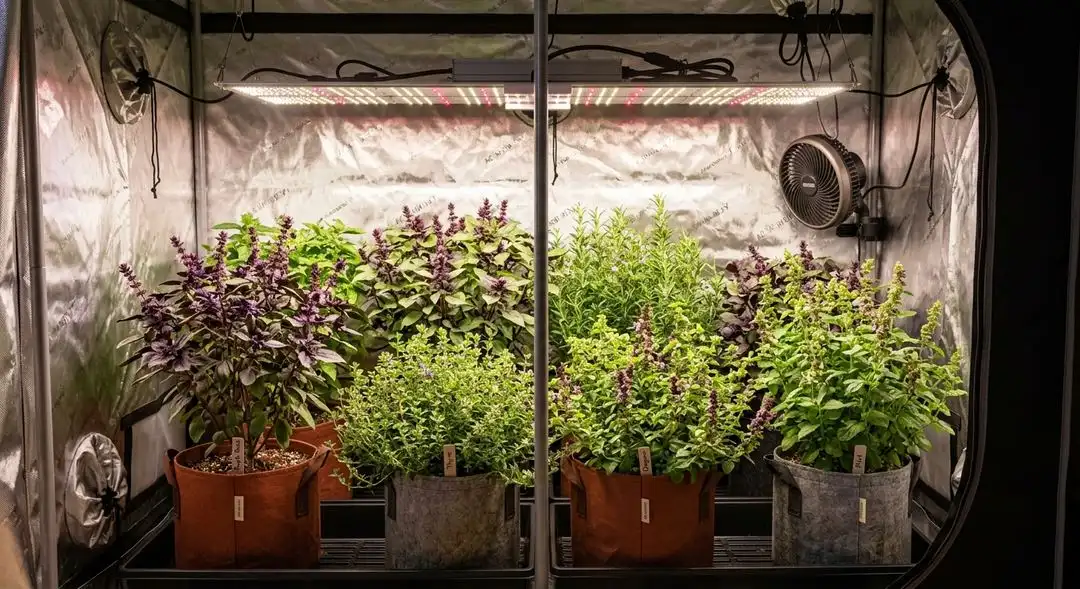
What we've found over dozens of grows with Purple Haze is that the strain responds especially well to a light-touch nutrient approach during the first half of flowering. Pushing nitrogen too hard post-flip delays the color development and can produce loose, airy bud structure. Transition to a phosphorus and potassium-forward feed around day 21 of flowering, and keep nitrogen at maintenance levels only from that point forward. The results in bud density, resin coverage, and final color are noticeably better.
- Training: Start LST and SCROG training early in veg — this strain's sativa stretch demands canopy management before the flowering flip
- Temperature cycling: Drop nighttime temps to 60–65°F in the final three weeks to trigger the purple pigmentation that defines this variety
- Nutrient timing: Follow a phosphorus-forward nutrient schedule from day 21 of flower onward — avoid excess nitrogen post-flip
- Indoor environment: Use our indoor growing guide to set up airflow inside the canopy, not just above it — dense buds trap moisture at the base
- Outdoor timing: In northern latitudes, start outdoors no earlier than late spring — consult our outdoor growing guide to time the harvest before autumn rains arrive during the long flowering window
Yield and Flowering Time
Purple Haze flowers in 65–70 days — a longer window than most indica-dominant hybrids, and a direct reflection of the Haze parent's equatorial heritage. Patience through that full window is essential. Harvesting early to save a week shortchanges both yield and the terpene development that makes this strain worth growing in the first place. Indoor growers working with optimised light, training, and environmental control can expect 1.6–2 oz/ft². Outdoor plants given full-season space and adequate sunlight regularly produce 21–25 oz/plant — genuinely impressive numbers that place Purple Haze among the highest-yielding strains for outdoor cultivation.
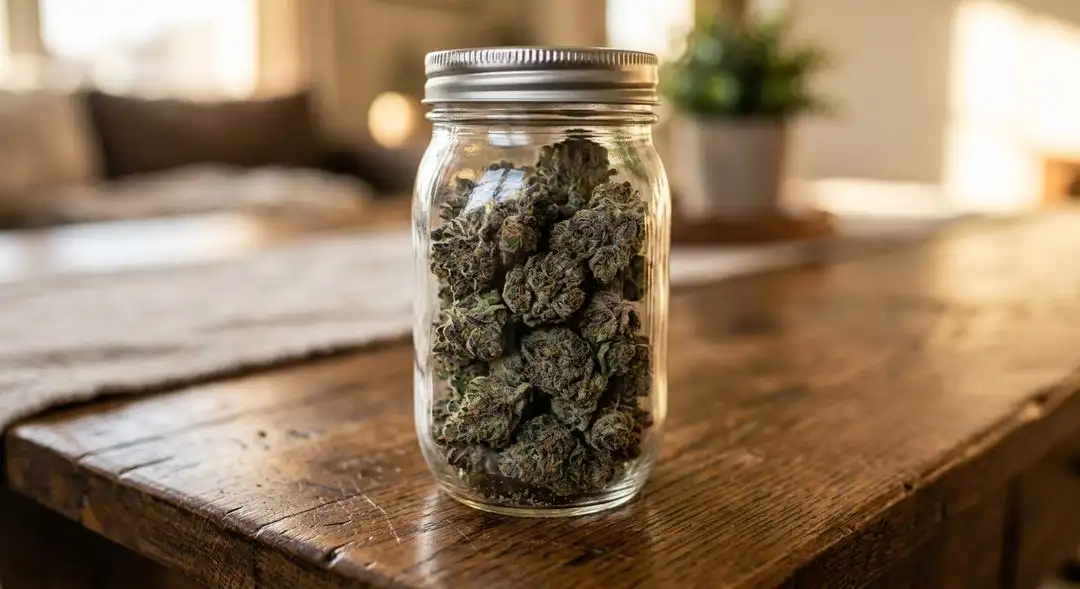
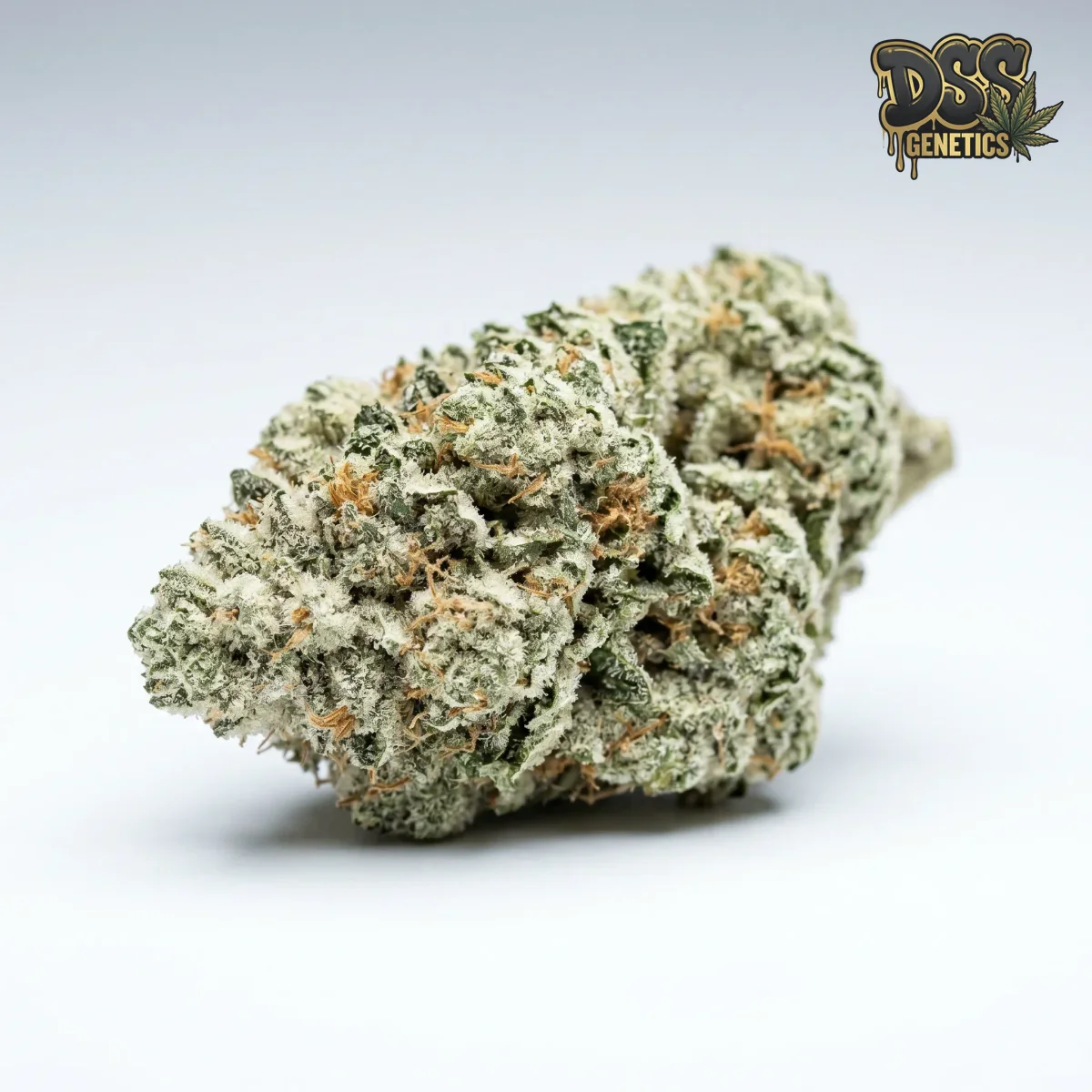
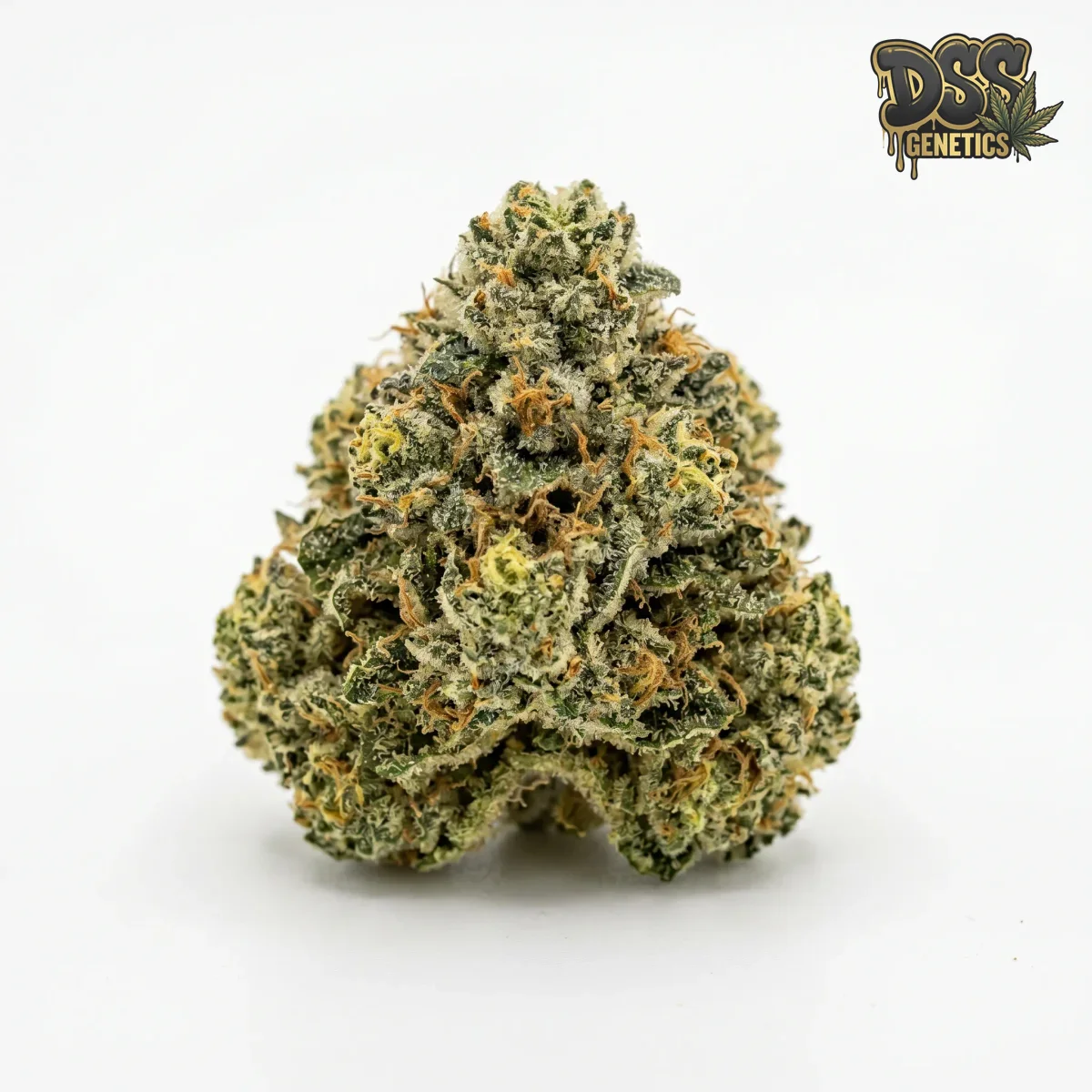
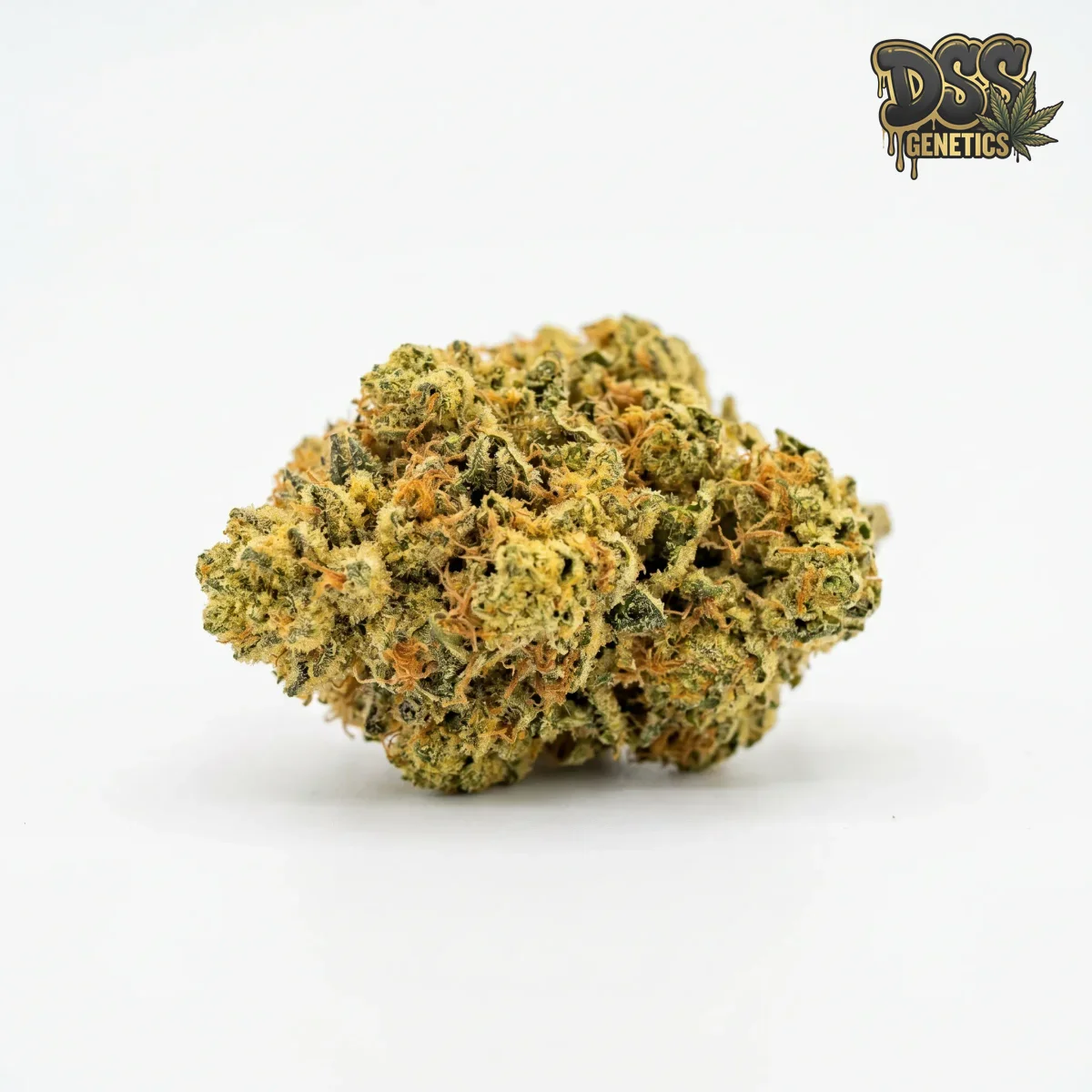
The buds that develop over that 65–70 day window are dense, resinous, and visually striking — deep green calyxes giving way to violet and purple hues in the final weeks, wrapped in a layer of trichomes that catches light like frost. At harvest, the citrus-diesel aroma intensifies dramatically, signalling that the terpene profile is fully developed and the window is open.
To maximize your harvest:
- Trichome check: Target 65–75% milky-white trichomes with 15–20% amber — this ratio captures the euphoric-relaxing balance at its peak before sedation dominates
- Final week humidity: Drop to 38–42% RH in the last 7–10 days before harvest to concentrate terpenes and protect against late-stage mold on dense colas
- Flush timing: Begin a plain-water flush 10–14 days before harvest in soil grows to clear residual nutrient salts and allow full terpene expression
- Drying and curing: Dry slowly for 10–14 days at 60–65°F and 55–60% RH — Purple Haze's complex terpene profile, particularly the humulene fraction, degrades quickly with aggressive drying, so take this stage seriously
Why Buy Purple Haze Seeds from DSS Genetics?
Every Purple Haze seed shipped from DSS Genetics comes with a full germination guarantee — if a seed fails to sprout under proper conditions, we replace it, no interrogation required. Orders ship discreetly in plain, discreet packaging that gives nothing away from the outside.
- Germination guaranteed — every seed backed by our replacement promise; follow our germination guide for best results
- Discreet shipping — plain, unmarked packaging on every order
- Spend $100 or more — receive complimentary premium seeds added to your order automatically
- Optimal seed storage — seeds are stored at controlled temperature and humidity from production through to dispatch, ensuring maximum viability when they reach you
Frequently Asked Questions
Is Purple Haze suitable for beginner growers?
Purple Haze is rated difficult, and we'd be doing beginners a disservice by softening that assessment. The strain requires active temperature management to express its purple coloration, careful humidity control to prevent botrytis on dense buds, and confident training skills to manage the sativa stretch during the flowering transition. If you're newer to growing, we'd recommend building experience with an easy-to-grow strain first, then returning to Purple Haze once you're comfortable managing environment and training. Growers who understand the vegetative stage and have used SCROG or LST before will be well-positioned for a successful run.
What THC level does Purple Haze reach?
Purple Haze tests at 16–19% THC — solidly potent without reaching the extreme levels of newer highest-THC strains. For many users, this is actually the sweet spot: strong enough for genuine recreational and medical effect, but manageable enough to use during the day without total cognitive shutdown. The 0.5–1% CBD content and the high humulene terpene fraction (0.74%) contribute to a rounded, smooth effect profile that feels more nuanced than raw THC percentages alone suggest.
How do I get the best purple color from Purple Haze?
The purple and violet hues in Purple Haze are triggered by anthocyanin pigments responding to cold temperatures — not by any nutrient trick or light manipulation. The most reliable method is introducing a nighttime temperature drop to 60–65°F (15–18°C) during the final two to three weeks of the 65–70 day flowering period. The contrast between day and night temperatures stimulates anthocyanin production in the calyxes and leaves. Genetics does the rest. Trying to force colour with nitrogen manipulation or pH adjustments typically does more harm than good — trust the temperature differential and let the Purple Thai heritage do its work.
How does Purple Haze compare to other sativa-influenced strains for managing depression?
Purple Haze sits in a useful position for users managing depression. Its 40% sativa influence from the Haze parent brings genuine mood elevation and
Medical Disclaimer: This information is for educational purposes only and should not be considered medical advice. Always consult a healthcare professional before using cannabis for medical purposes. Individual results may vary.
Frequently Asked Questions
Purple Haze — Common Questions Answered
What is Purple Haze?
Purple Haze is a balanced hybrid cannabis strain (60% Indica / 40% Sativa) bred from Haze x Purple Thai. It produces THC levels of 16–19% and CBD levels of 0.5–1%. Known for its relaxing, euphoric, uplifting effects and sweet, citrus, lemon flavor profile.
Is Purple Haze easy to grow?
Purple Haze is considered an advanced-level strain that requires experience with training techniques, environmental control, and nutrient management for best results. Growing difficulty: Difficult. It thrives in temperate climates and reaches a medium plant size.
How long does Purple Haze take to flower?
Purple Haze has a flowering time of 65–70 days. Switch to a 12/12 light cycle to initiate flowering. Expected yields are 1.6 to 2 oz/ft² indoors and 21 to 25 oz/plant outdoors.
What are the effects of Purple Haze?
Purple Haze delivers relaxing, euphoric, uplifting, creative effects. Many growers report it helps with stress, insomnia, depression, pain. With THC levels of 16–19%, it offers a mild, manageable experience suitable for all tolerance levels.
What does Purple Haze smell and taste like?
Purple Haze's dominant terpenes are Myrcene (0.32%), Caryophyllene (0.48%), Humulene (0.74%), which give it a sweet, citrus, lemon, diesel, spicy, woody flavor and aroma profile.
Can I grow Purple Haze indoors and outdoors?
Yes, Purple Haze performs well both indoors and outdoors. Indoor yields average 1.6 to 2 oz/ft², while outdoor grows can produce 21 to 25 oz/plant. It prefers temperate conditions. Its medium height is manageable in most indoor setups.
What does "feminized" mean for Purple Haze seeds?
Feminized Purple Haze seeds are bred to produce only female plants, which are the ones that develop smokable buds. This eliminates the need to identify and remove male plants, saving time and maximizing your grow space. Over 99% of feminized seeds will produce female plants.
Grower Reviews
Real grow experiences from our community
Get 10% Off Your First Order
Join our newsletter for exclusive deals, growing tips, and new strain drops.