Triple XL Autoflower Seeds
By Ivan K., DSS Genetics · Updated April 2026

Triple XL Autoflower Seeds
SKU: DSS-TRXL-AUTO-5PK
Pack Size
Quantity
Disclaimer: For informational purposes only — not medical advice. Consult a healthcare professional before use.
About This Strain
Triple XL Autoflower Seeds — Complete Strain Profile
Triple XL Autoflower Seeds – Strain Overview
Triple XL Autoflower is an 80% indica-dominant powerhouse built from four carefully selected genetics: Northern Lights #5, Big Bud, Green Crack, and Ruderalis. That lineage is no accident — NL#5 brings legendary resin production and body-numbing calm, Big Bud contributes the oversized, dense bud structure the name promises, and Green Crack injects an unmistakable sativa brightness that keeps the high from turning into a one-dimensional sedation. The Ruderalis backbone ties it all together with autoflowering genetics that let this strain flip to flower without any light schedule changes.
THC sits between 17–21% — strong enough to satisfy experienced users, approachable enough that newer growers won't be overwhelmed on their first harvest. With CBD measuring 0.1–1%, this strain leans squarely into the recreational and light-medical space. If you're looking for a forgiving, fast-finishing plant that rewards even first-time growers with substantial harvests, Triple XL belongs in your next grow alongside the rest of our best autoflower seeds.
Effects and Medical Benefits
The high opens quickly — within minutes of the first exhale, a warm euphoric wave settles behind the eyes and spreads across the temples. That initial lift is clearly the Green Crack genetics at work, pushing a light creative energy and mental brightness that feels sociable and motivated. It's not a racy, anxiety-inducing sativa buzz — it's cleaner than that, more like your thoughts getting organized rather than scattered.
As the first 20–30 minutes pass, the indica weight from NL#5 and Big Bud starts to assert itself. The body softens. Muscles that held tension quietly let go. The euphoria doesn't disappear — it shifts from energetic to pleasantly settled, the kind of headspace where a film, a conversation, or a creative project all feel equally appealing. At higher doses, the calming effect deepens considerably, making this an excellent choice for late afternoons and evenings.
Users commonly report these effects:
- Euphoric mental lift — fast-acting cerebral brightness that arrives before the body effects set in
- Creative and uplifting — moderate doses open lateral thinking without overstimulating
- Full-body relaxation — the indica majority gradually unwinds physical tension from shoulders to feet
- Calming and sedating — higher doses lean into genuine tranquility, ideal for unwinding at the end of the day
On the medical side, Triple XL is consistently chosen for relief from:
- Chronic stress — the euphoric onset interrupts stress loops before the relaxation deepens them further
- Anxiety — moderate doses calm without the paranoia that high-THC sativa-heavy strains can trigger
- Depression — the uplifting, creative phase provides genuine mood elevation rather than simple sedation
- Insomnia — evening use at full dose typically leads to extended, restful sleep
- Migraines — the myrcene and caryophyllene combination provides both vasodilatory and anti-inflammatory support during attacks
The 0.1–1% CBD range is modest, but it's not irrelevant. Even at low concentrations, CBD modulates THC's binding behavior at CB1 receptors, smoothing out sharp edges in the psychoactive experience while the terpene-cannabinoid matrix works through the entourage effect to potentially amplify anti-inflammatory and anxiolytic outcomes beyond what either compound delivers alone.
Aroma, Flavor and Terpene Profile
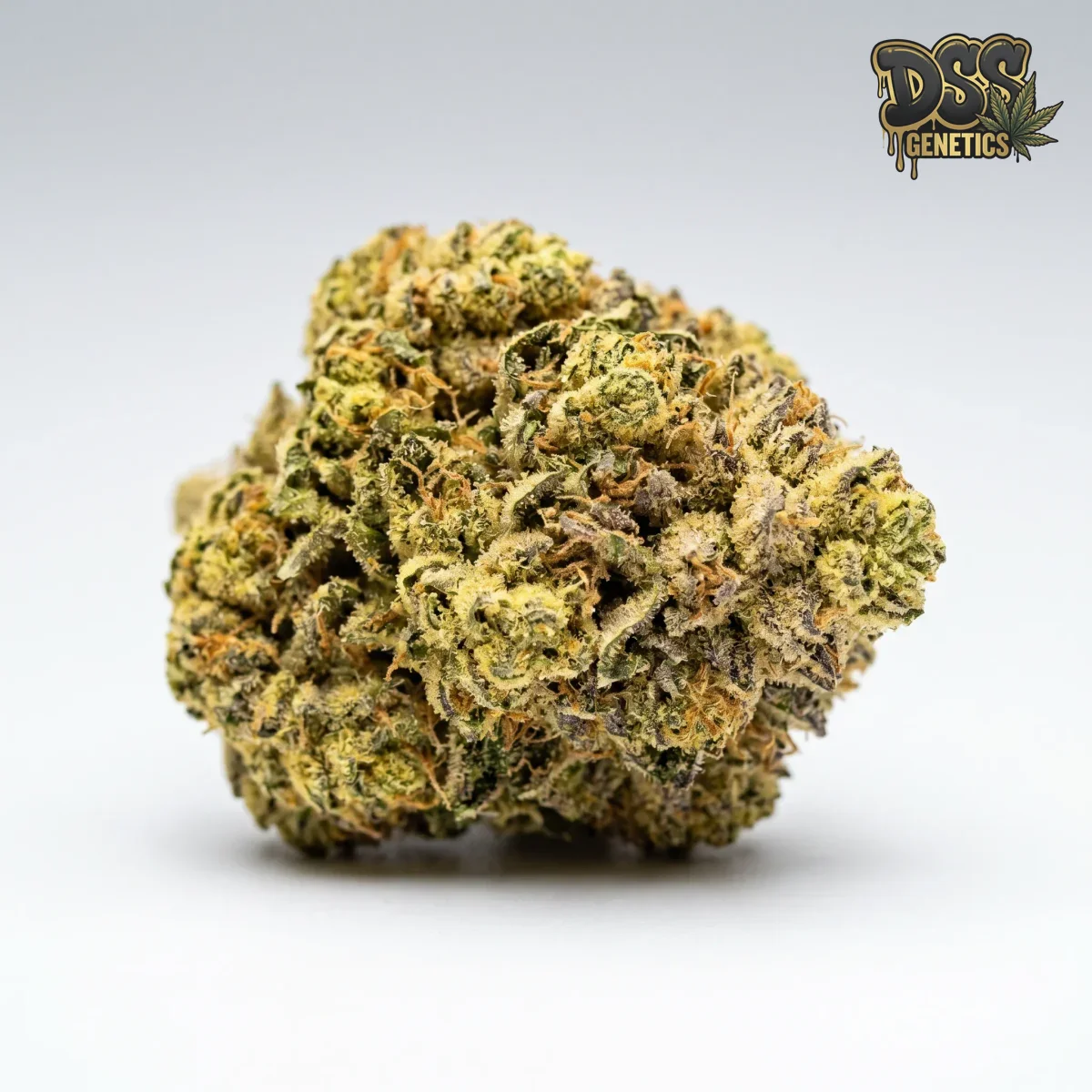
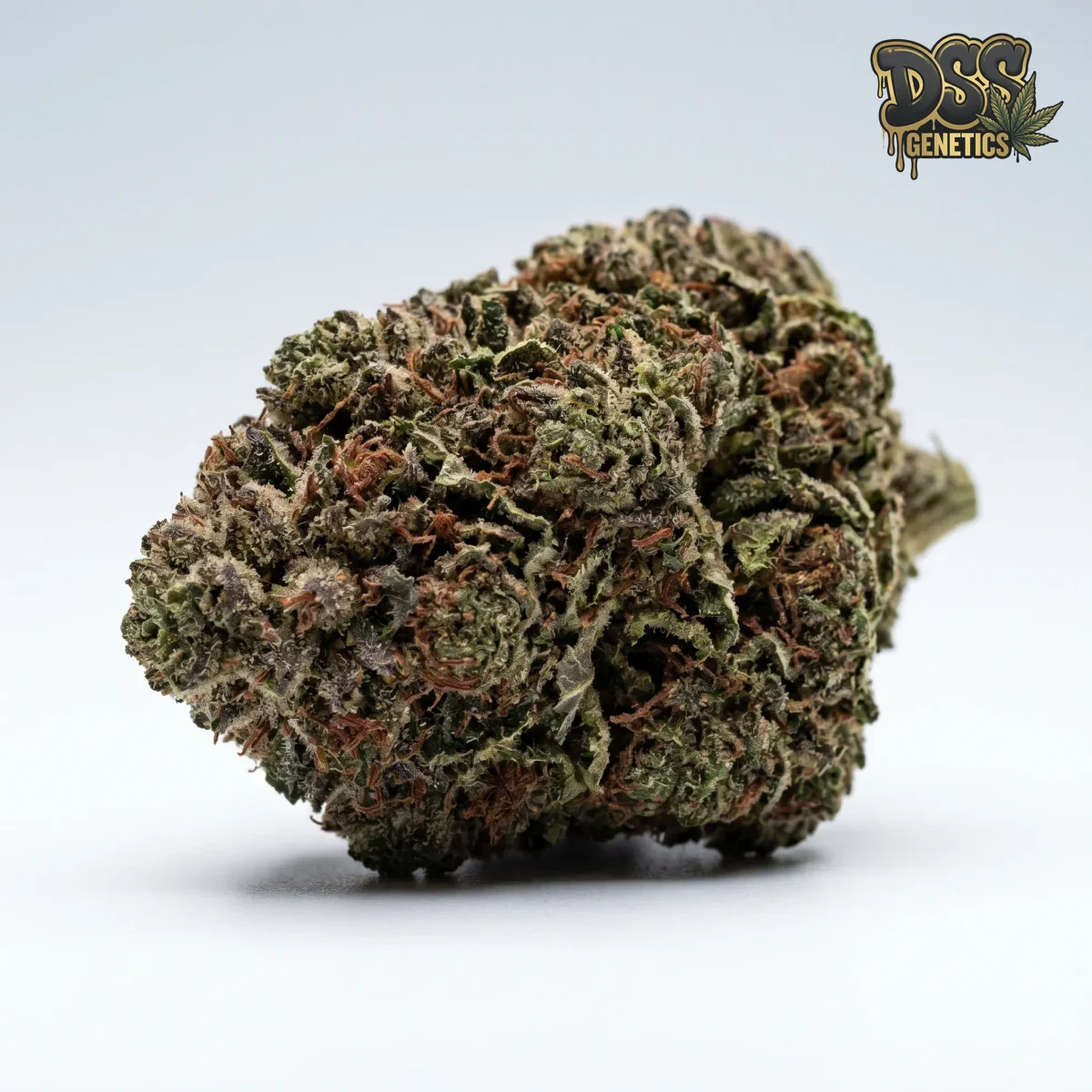
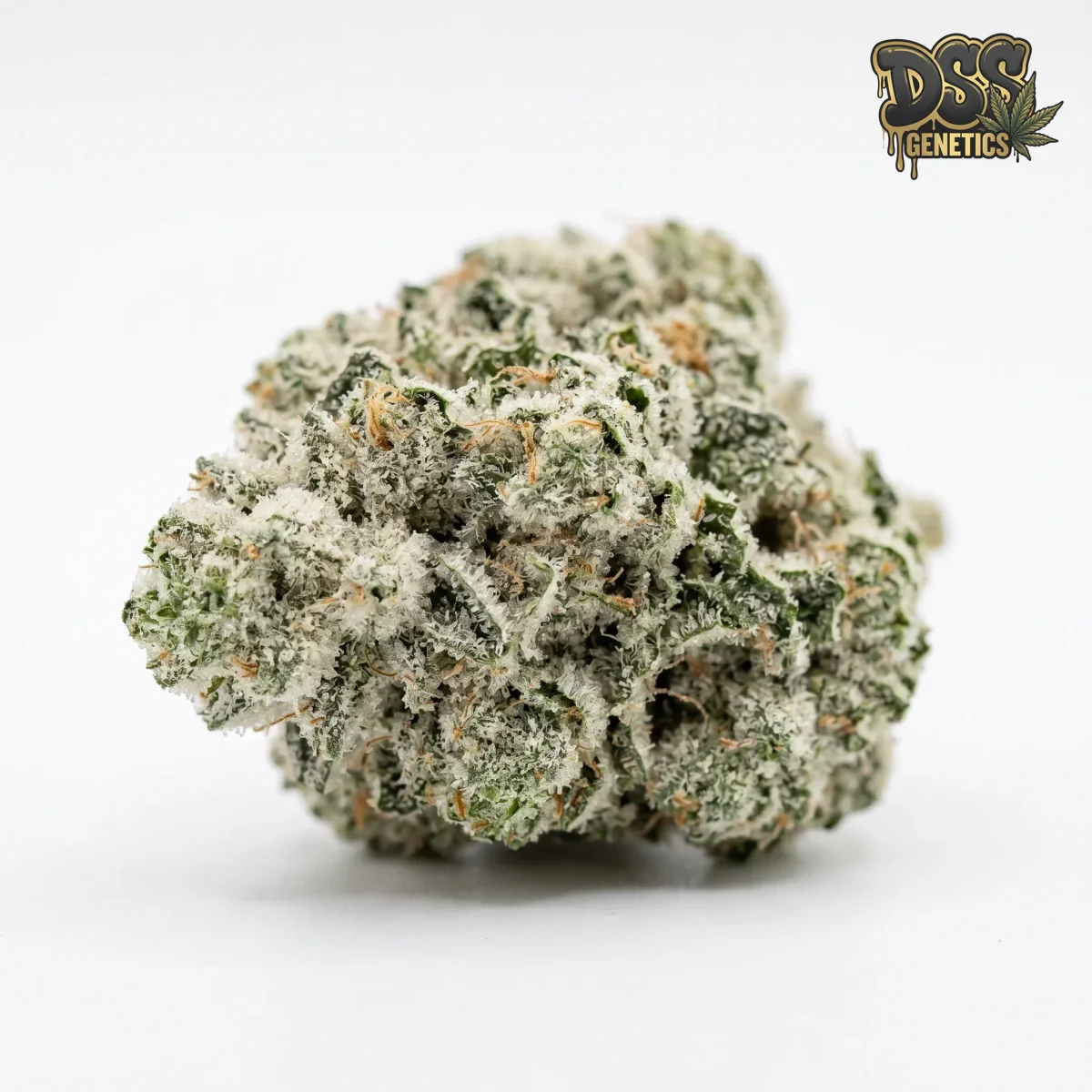
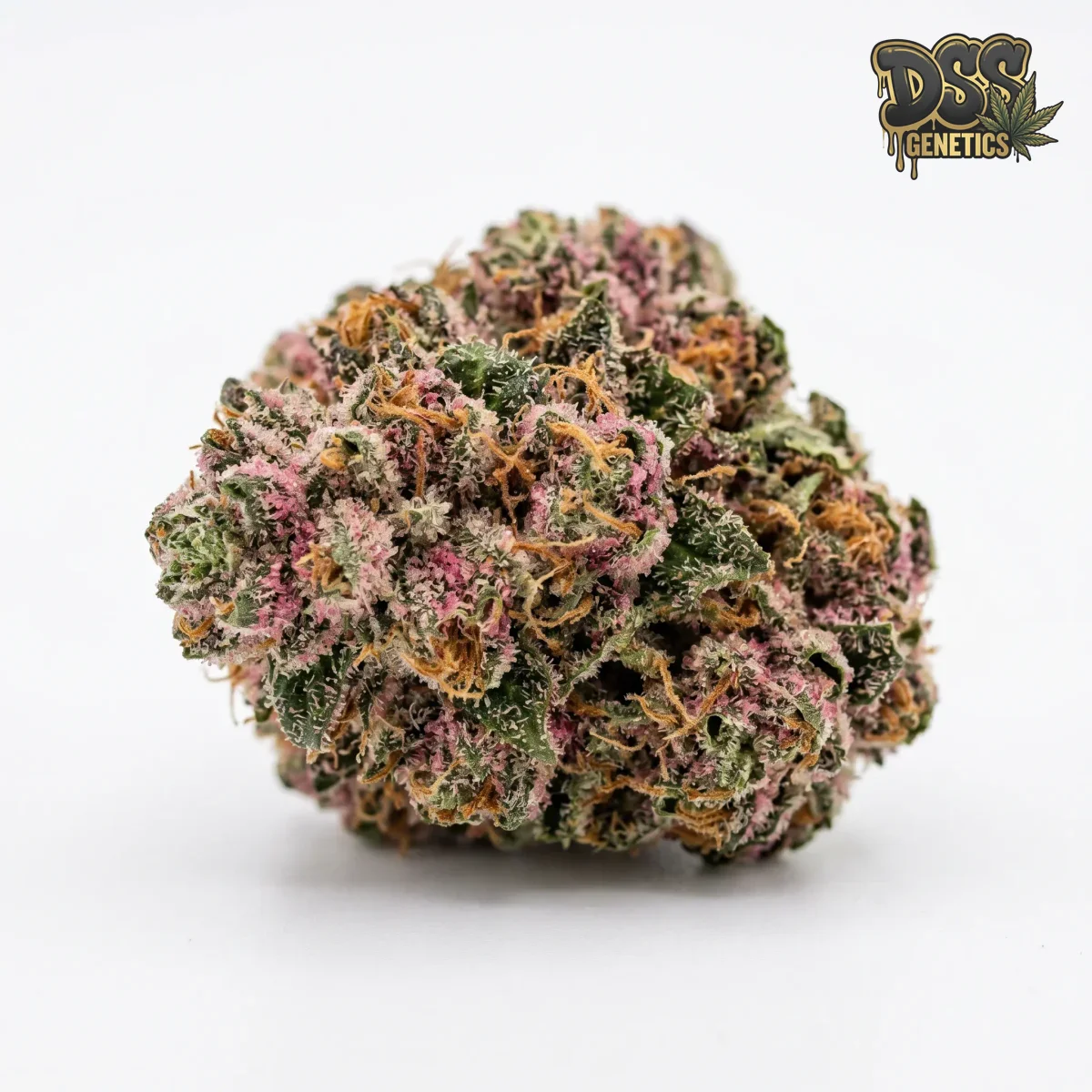
Crack open a jar of Triple XL and the first thing that hits you is earth — deep, damp, almost mushroom-like earth — immediately followed by a sharp citrus brightness that cuts through like fresh lemon zest scraped over dark soil. That contrast is what makes this terpene profile memorable. It doesn't smell like a single note. It smells like something with layers, and each layer reveals itself at a different moment: in the jar, on the break, on the exhale, and again in the lingering aftertaste.
Burning or vaporizing Triple XL brings out the skunky undercurrent that the NL#5 lineage never fully hides. It's not overpowering — it reads as classic cannabis funk, the kind that old-school growers recognize as a quality marker. A subtle spice emerges mid-exhale, almost like white pepper meeting dried herbs, and the finish lands on something unexpectedly floral — light, clean, and slightly sweet against the earthy base.
Myrcene at 0.38% anchors the entire profile. This is the terpene responsible for that wet-earth, musky depth that greets you on the first sniff. Beyond aroma, myrcene is the most abundant terpene found in cannabis and carries significant research interest for its potential to increase the permeability of the blood-brain barrier — which may explain why myrcene-rich strains tend to feel heavier and more physical than their THC percentage alone would suggest. In Triple XL, it's the backbone that makes the indica effects feel as substantial as they do.
Caryophyllene at 0.41% is the most therapeutically unique terpene in this profile, and its presence at the highest concentration here is meaningful. Unlike every other cannabis terpene, caryophyllene binds directly to CB2 receptors in the endocannabinoid system — making it functionally a dietary cannabinoid as well as a terpene. It contributes the warm spice and pepper notes on the exhale, and its CB2 activity adds genuine anti-inflammatory and analgesic properties without any psychoactive component. For medical users targeting migraines or stress-related inflammation, this is the terpene doing the heavy lifting.
Limonene completes the triangle. Expressed here in the citrus brightness that cuts through the earthy base, limonene brings mood elevation and anxiolytic potential alongside its clean lemon-citrus scent. It's the terpene most responsible for Triple XL's uplifting onset — the initial mental brightness that arrives before the indica weight sets in. Limonene also demonstrates antifungal properties on the plant itself, which contributes to Triple XL's resilience during the grow.
Growing Triple XL Seeds
Triple XL earns its easy difficulty rating honestly. The autoflowering Ruderalis genetics remove the single biggest variable in cannabis cultivation — light schedule management — and the plant's compact, medium structure makes environmental control straightforward even in modest grow spaces. What we've found over dozens of grows with strains carrying this NL#5 x Big Bud lineage is that the biggest risk isn't complexity, it's complacency. Easy strains get neglected, and neglect during weeks 3–5 (peak vegetative development for autoflowers) directly limits final yields.
Indoors, keep temperatures between 70–80°F (21–27°C) during lights-on and avoid dropping below 65°F (18°C) during dark periods. Autoflowers are more sensitive to temperature stress than photoperiod strains because they can't recover lost time — every day of stress is a day they can't get back. Humidity should sit between 50–60% RH during the vegetative phase, then step down to 40–50% RH once buds begin forming to reduce mold pressure on the dense Big Bud-style flower structure.
Outdoors, Triple XL performs across a wide range of climates. The autoflowering cycle makes it genuinely viable in northern latitudes where photoperiod strains struggle to finish before frost. Plants reach medium height — typically 60–90cm — and the contained structure handles wind exposure better than taller sativa-leaning varieties. In warm temperate climates, back-to-back outdoor grows in the same season are entirely feasible given the 49–65 day flowering window. Our outdoor growing guide covers soil preparation and sun placement strategies that translate directly to Triple XL's feeding and light preferences.
Feeding follows a standard autoflower curve with one important caveat from the Big Bud genetics: this plant wants more phosphorus and potassium during mid-to-late flower than most autoflowers of similar size. The large, dense bud development that Big Bud contributes is metabolically expensive. In our experience, growers who treat Triple XL like a light feeder because it's an autoflower often leave 15–20% of potential yield on the table. Consult the nutrient guide for autoflower-specific feeding schedules and watch the fan leaves for early potassium deficiency signs — marginal yellowing with brown tips — which signals it's time to push the bloom formula harder.
Key growing tips for Triple XL Autoflower:
- Start in the final container: Autoflowers don't benefit from transplanting — the recovery stress costs days you can't recover. Start seeds in a 3–5 gallon pot and follow our germination guide for direct-to-medium sowing
- Low-stress training only: LST during weeks 2–4 opens the canopy and dramatically improves light penetration to lower bud sites — see the training techniques guide for autoflower-specific LST timing that avoids stress-induced delays
- pH discipline matters more than you think: Keep root-zone pH between 6.0–6.8 in soil (5.5–6.2 in hydro). Drifting outside this range locks out the phosphorus this strain needs during the flowering stage
- 18/6 light schedule throughout: Triple XL doesn't require a 12/12 flip, and running 18/6 from seed to harvest gives the plant maximum daily light energy. Some growers push 20/4 — we've seen modest yield gains but also higher heat management requirements
- Indoor environment precision: Follow our indoor growing guide for VPD management — matching temperature and humidity targets during transition from vegetative to flower is the single highest-impact environmental intervention for autoflower density
Yield and Flowering Time
Triple XL delivers 2.6–3.2 oz/ft² indoors and 3–7 oz/plant outdoors, with the wide outdoor range reflecting the significant impact of soil quality, sun hours, and container size on autoflower performance. The 49–65 day flowering window is seed-to-harvest for autoflowers — plants that finish at 49 days in optimal conditions versus 65 days in suboptimal ones aren't a different strain, they're the same strain responding to environment. Dialing in temperature, humidity, and nutrition consistently pushes plants toward the faster, heavier end of that range.
These numbers make Triple XL one of the more productive autoflowers in its THC class — most autoflowers trading at 17–21% THC top out at 2–2.5 oz/ft² indoors. The Big Bud contribution to bud density and structure is directly responsible for the extra weight, and it's why this strain earned a place in our high-yield seed collection. For growers running perpetual autoflower cycles, the combination of speed and output makes Triple XL a logical cornerstone strain. It also sits firmly in our easy-to-grow collection and represents some of the best genetics available in our best indica seeds lineup.
To maximize your harvest:
- Trichome reading: Target 70–80% cloudy/milky trichomes with 10–20% amber for peak THC and balanced sedation — harvesting fully clear trichomes sacrifices potency, while waiting for 30%+ amber pushes the high toward heavy sedation
- Late-flower humidity: Drop to 40–45% RH in the final 10–14 days to harden bud structure, concentrate terpenes, and protect dense flowers from late-stage botrytis
- Nutrient flush: Run clean pH-adjusted water for the final 7–10 days before harvest — the Big Bud genetics pack significant nutrient storage capacity, and flushing prevents harsh mineral taste in the cure
- Drying and curing: Slow dry for 10–14 days at 60–65°F and 55–60% RH before jarring. The myrcene and caryophyllene terpene content in this profile is volatile enough that rushing the dry through heat or low humidity causes measurable aroma loss
Why Buy Triple XL Seeds from DSS Genetics?
Every Triple XL Autoflower seed ships with a full germination guarantee — if your seed doesn't sprout following standard germination practice, we replace it without hassle. Orders ship in discreet, plain packaging with no indication of contents, and free shipping applies automatically to qualifying orders.
- Germination guaranteed — every seed backed by our replacement policy, no questions asked
- Discreet shipping — plain, unmarked packaging on every order
- Spend $100+ — receive complimentary premium seeds added to your order automatically
- Optimal seed storage — every batch stored at controlled temperature and humidity to ensure maximum viability from our warehouse to your grow space
Frequently Asked Questions
Is Triple XL Autoflower a good strain for first-time growers?
Triple XL is one of the most beginner-friendly autoflowers we carry. The autoflowering cycle removes light schedule management entirely, the medium plant size fits comfortably in standard grow tents, and the genetics are forgiving of minor environmental fluctuations. Start seeds directly in their final 3–5 gallon container following our germination guide, and you'll avoid the transplant stress that slows early autoflower development. For growers wanting to compare options before committing, our easy-to-grow collection lists all beginner-rated strains side by side.
How long does Triple XL Autoflower take from seed to harvest?
Triple XL flowers in 49–65 days from seed — that's the full seed-to-harvest window for this autoflower, not just the flowering phase counted from flip. Most grows land in the 55–60 day range under optimal conditions. The faster end of that window requires consistent temperatures of 70–80°F, proper VPD management, and adequate phosphorus and potassium during bud development. Our flowering stage guide covers the week-by-week development markers you can use to track where your plant sits in the cycle and predict your harvest window accurately.
What are the dominant terpenes in Triple XL Autoflower?
Triple XL's terpene profile is anchored by three compounds. Caryophyllene (0.41%)
Medical Disclaimer: This information is for educational purposes only and should not be considered medical advice. Always consult a healthcare professional before using cannabis for medical purposes. Individual results may vary.
Frequently Asked Questions
Triple XL — Common Questions Answered
What is Triple XL?
Triple XL is a indica-dominant cannabis strain (80% Indica / 20% Sativa) bred from NL#5 x Big Bud x Green Crack x Ruderalis. It produces THC levels of 17–21% and CBD levels of 0.1–1%. Known for its relaxing, euphoric, uplifting effects and earthy, citrus, skunky flavor profile.
Is Triple XL easy to grow?
Yes, Triple XL is an excellent choice for beginners. It has a forgiving growth pattern and doesn't require advanced techniques to produce good yields. Growing difficulty: Easy. It thrives in temperate climates and reaches a medium plant size.
How long does Triple XL take to flower?
Triple XL has a flowering time of 49–65 days. Switch to a 12/12 light cycle to initiate flowering. Expected yields are 2.6 to 3.2 oz/ft² indoors and 3 to 7 oz/plant outdoors.
What are the effects of Triple XL?
Triple XL delivers relaxing, euphoric, uplifting, creative, energetic, calming effects. Many growers report it helps with stress, anxiety, depression, insomnia, migraines. With THC levels of 17–21%, it provides a moderate to strong experience suitable for most users.
What does Triple XL smell and taste like?
Triple XL's dominant terpenes are Myrcene (0.38%), Caryophyllene (0.41%), Limonene, which give it a earthy, citrus, skunky, spicy, floral flavor and aroma profile. Limonene adds citrusy brightness and may elevate mood.
Can I grow Triple XL indoors and outdoors?
Yes, Triple XL performs well both indoors and outdoors. Indoor yields average 2.6 to 3.2 oz/ft², while outdoor grows can produce 3 to 7 oz/plant. It prefers temperate conditions. Its medium height is manageable in most indoor setups.
Grower Reviews
Real grow experiences from our community
Get 10% Off Your First Order
Join our newsletter for exclusive deals, growing tips, and new strain drops.