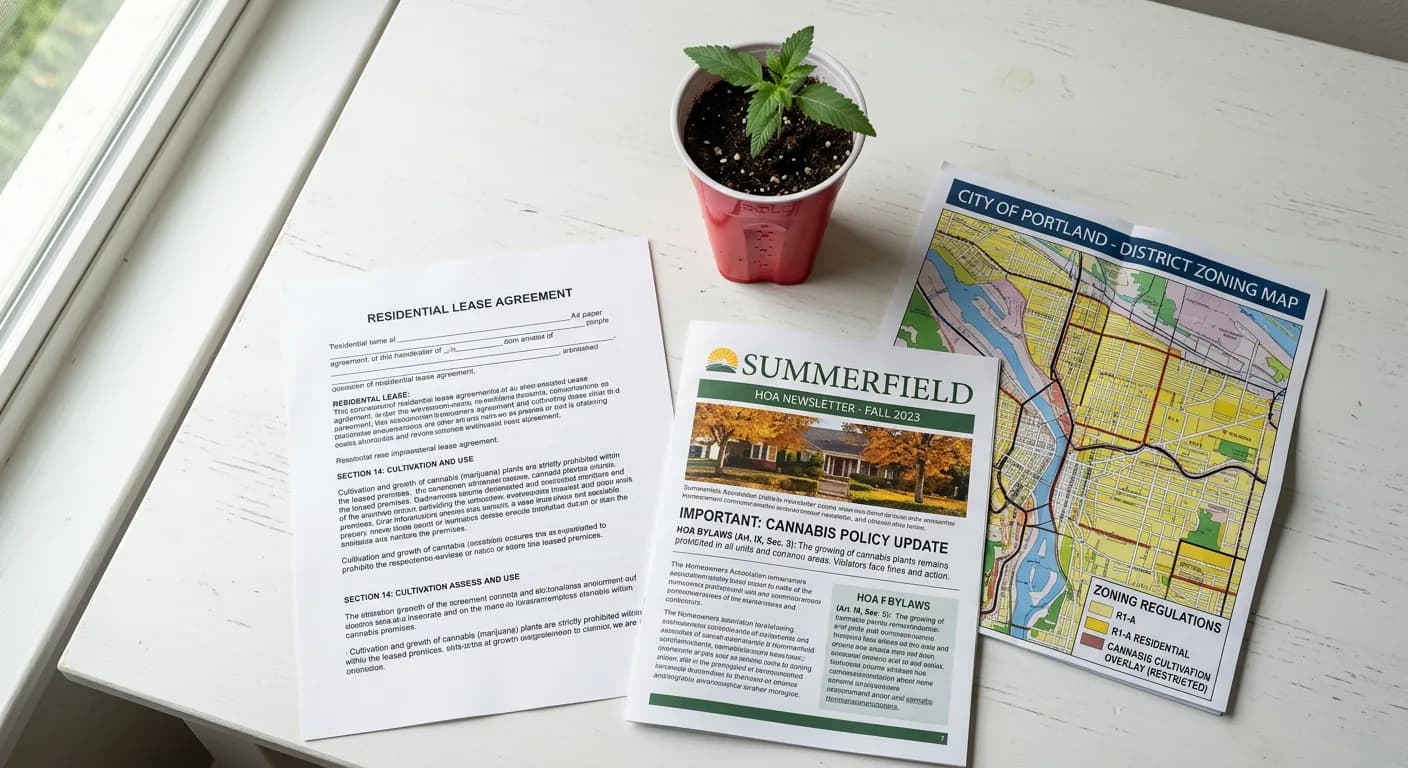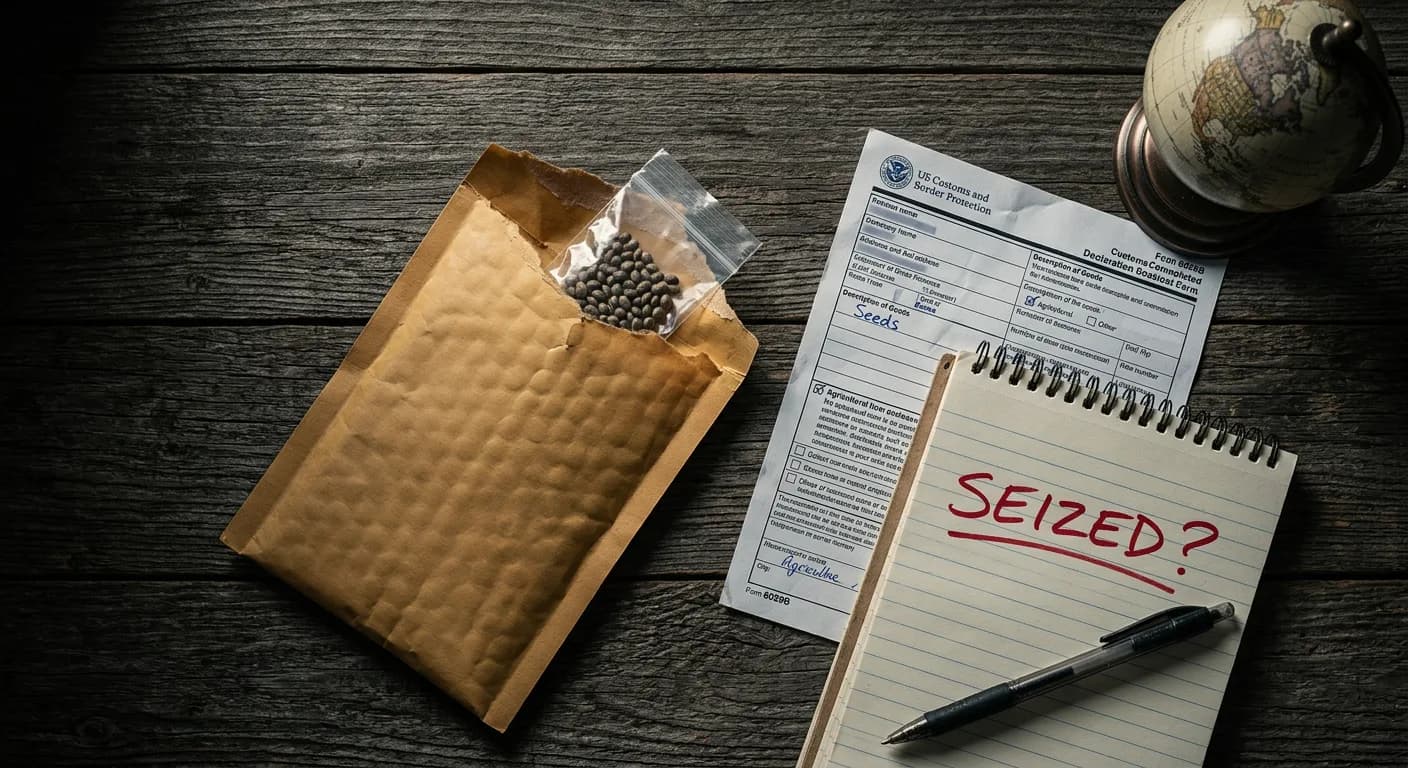
Every week, thousands of growers across America type the same question into Google: how do seed banks ship cannabis seeds legally without getting caught? The answers they find are almost always unsatisfying — a paragraph of vague hedging, an outdated forum post, or a seed bank sales page pretending the whole question doesn't exist.
The reality is messier, more interesting, and far more navigable than most sources admit. Shipping cannabis seeds legally sits at the collision point of federal scheduling law, the 2018 Farm Act's hemp genetics provisions, international customs enforcement priorities, and decades of well-developed seed bank logistics. This guide pulls all of it apart so you can make informed decisions.
Legal Notice: This article is for educational and informational purposes only. Cannabis laws vary dramatically by state and country. Nothing here constitutes legal advice. Always consult a qualified attorney and verify your local laws before purchasing, possessing, or germinating cannabis seeds.
The Federal Law Framework: What the Rules Actually Say
Under federal law, cannabis seeds are currently classified as a Schedule I controlled substance under the Controlled Substances Act (CSA) — the same category as heroin. This classification applies regardless of whether the seeds have germinated, and it applies to the genetics themselves, not just the plant's psychoactive potential.
When a package crosses state lines via USPS, FedEx, or UPS, it enters federal jurisdiction. That means a seed shipment from Colorado to California — two fully legal recreational states — technically violates the same federal law as a shipment from a prohibition state.
The DEA's 2024 Rescheduling Context
In May 2024, the DEA formally proposed rescheduling cannabis from Schedule I to Schedule III — a seismic shift that, if finalized, would dramatically change the federal legal landscape. However, as of 2025, rescheduling has not been finalized and cannabis seeds remain Schedule I under active enforcement guidelines.
What the rescheduling proposal has done is signal a de-prioritization of low-level cannabis enforcement at the federal level. The DOJ and DEA have both publicly indicated that personal-use cannabis activities are not a priority for federal prosecution, a stance that has practical implications for how seed shipping enforcement actually plays out on the ground.
Legal Nuance: The CSA makes it illegal to transfer, ship, or import Schedule I substances — including seeds — across state or national borders without DEA registration. But federal prosecutorial discretion means the law as written and the law as enforced are two very different things. No federal case in recent public records documents prosecution solely for importing personal-quantity cannabis seeds.
The 2018 Farm Act's Hemp Genetics Carve-Out
The 2018 Agriculture Improvement Act (Farm Bill) legalized hemp — defined as cannabis with 0.3% THC or less by dry weight — at the federal level. Section 10113 of the Act, and particularly the genetics provisions in Section 7606's successor language, created a legal pathway for hemp seed and genetics transfer across state lines with proper USDA licensing.
Several domestic seed banks have used this hemp genetics framework creatively. Because a cannabis seed itself contains 0% THC (THC is only produced in mature plant tissue), some legal arguments position seeds as botanically analogous to hemp genetics rather than marijuana. Courts have not definitively ruled on this argument, but it forms part of how several US-based seed banks justify domestic operations.
The short version: cannabis seeds are federally illegal to ship, but enforcement is minimal for personal quantities, rescheduling is in progress, and the hemp genetics carve-out creates real legal grey space that domestic seed banks actively navigate.
For the complete picture of what's legal in your specific state, read our detailed guide: Are Cannabis Seeds Legal in the US? Complete 2026 Guide.
How Domestic Seed Banks Operate Legally Inside the US
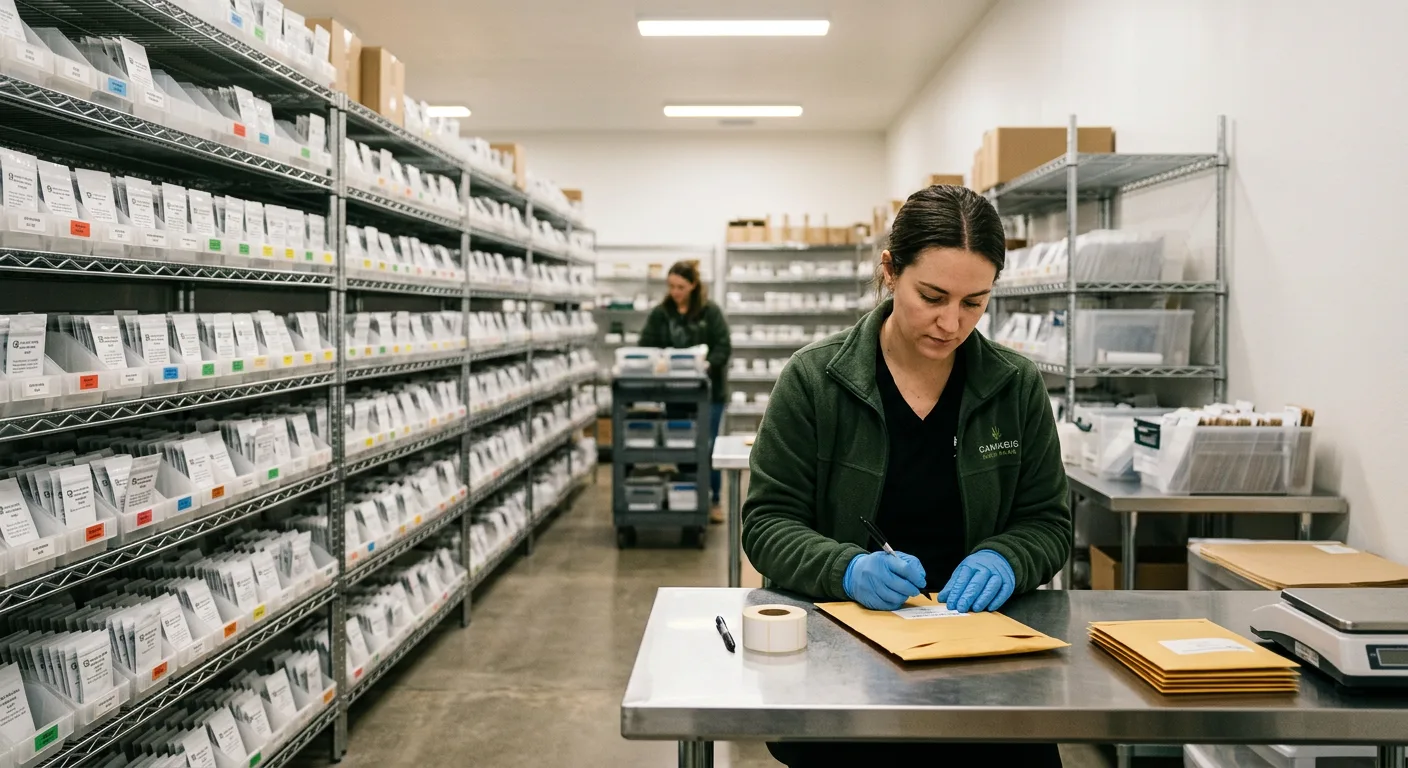
Domestic US seed banks — those operating warehouses or fulfillment centers within the United States — use two primary legal frameworks to justify their businesses. Understanding these frameworks explains why you see certain language on their websites and why their operations look the way they do.
The 'Collector's Item' Framework
The most widely used approach positions cannabis seeds as collectible novelty items or souvenir genetics — sold with the explicit understanding they are not intended for germination. This isn't a legal fiction invented by seed banks; it's a genuine legal grey area that has been tested in several jurisdictions.
Under this framework, the seed bank is technically selling botanical specimens or collectibles, not controlled substances with intent to manufacture cannabis. The customer's subsequent decision to germinate the seeds is their own legal responsibility. This approach mirrors how some paraphernalia retailers operate — selling items with a nominal legal use.
Why seed banks use 'collector's item' language: It's not just marketing boilerplate. That language is part of a considered legal posture designed to separate the point of sale from the act of cultivation. Read the fine print on any reputable seed bank's terms of service and you'll find germination disclaimers prominently placed.
Leveraging the Hemp Genetics Provision
A growing number of domestic seed banks have sought USDA hemp producer licenses or structured their businesses under state hemp programs that allow licensed genetics transfer. Under these structures, they argue their seed inventory qualifies as hemp genetics until planted and grown above the 0.3% THC threshold.
This approach is most viable in states with robust hemp licensing frameworks — Colorado, Oregon, and Kentucky in particular have developed detailed hemp genetics licensing that some cannabis seed banks have used as operational cover.
State-Level Licensed Operations
In the 24 states where recreational cannabis is legal and the additional states with medical programs, licensed cannabis businesses can legally transfer seeds within state borders. Some seed banks operate as licensed cannabis businesses in their home state while also running a separate collector's-item seed catalog for interstate sales.
| Factor | US Domestic Seed Bank | International Seed Bank |
|---|---|---|
| Legal framework | Collector's items / hemp genetics | Legal in origin country; import risk at US border |
| Shipping speed | 3–7 business days | 10–30+ days depending on origin |
| Customs risk | None (domestic shipment) | ~5–15% seizure rate estimated |
| Stealth packaging | Common but less elaborate | Highly developed, often multi-layer |
| Reshipping guarantees | Less common | Standard industry practice |
| Strain selection | Growing but limited | Extensive, decades of genetics |
| Payment options | Credit cards often accepted | Crypto, bank transfer, money order common |
International Shipping Realities: Netherlands, UK, Spain & Canada to the US
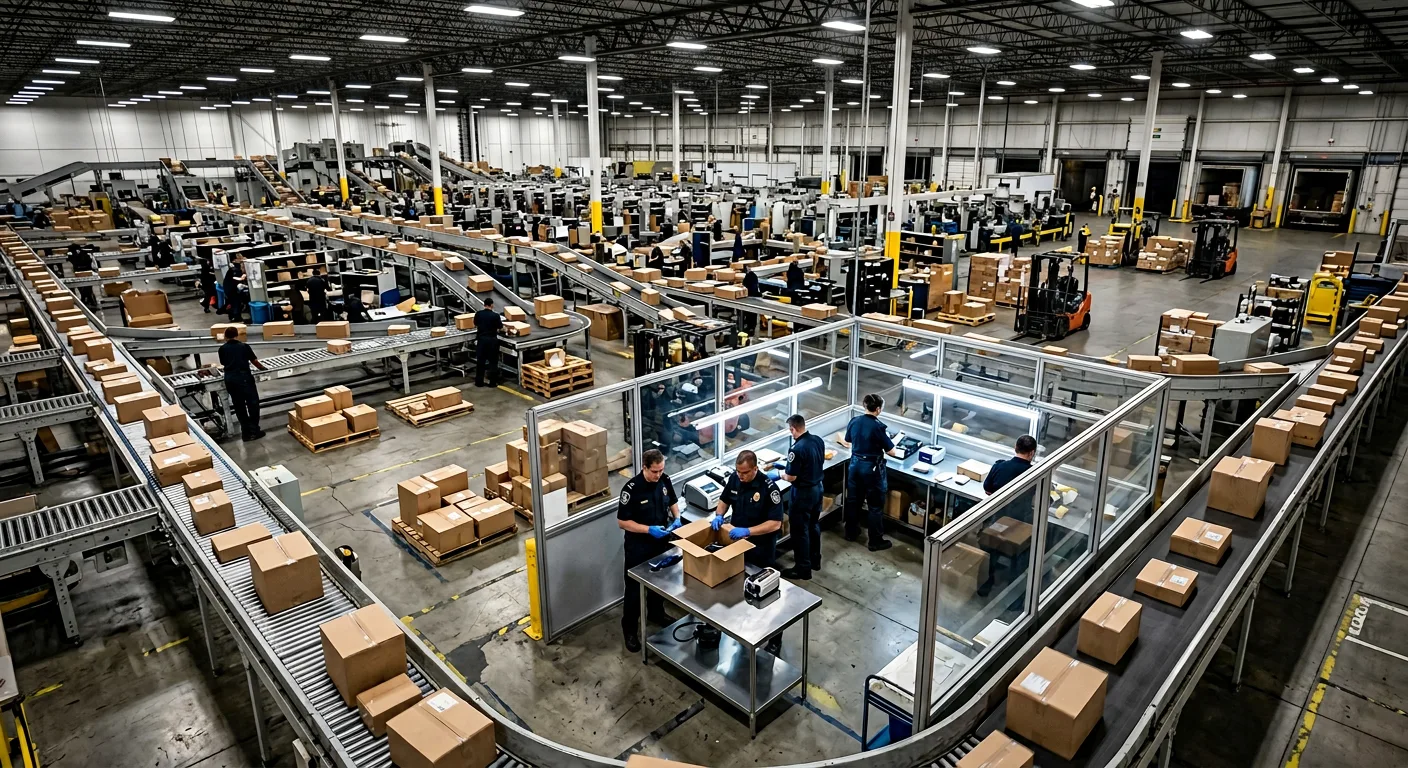
The majority of the world's most established cannabis seed banks are based in the Netherlands, United Kingdom, Spain, and Canada — countries where selling cannabis seeds as collector's items is explicitly legal or tolerated. Getting those seeds into the United States is where things get complicated.
Where the Biggest Seed Banks Are Based and Why
The Netherlands legalized the sale of cannabis seeds as collectibles in the 1980s, making Amsterdam the birthplace of the commercial seed bank industry. Companies like Dutch Passion (founded 1987) and Sensi Seeds (founded 1985) built decades of genetics in this environment. Spain followed a similar model through cannabis social clubs and seed retailers. The UK legalized seed sales as collectors' items with explicit 'not for germination' disclaimers. Canada's legalization in 2018 opened further licensed export pathways, though Health Canada export permits add complexity.
How CBP Actually Screens International Mail
US Customs and Border Protection (CBP) processes approximately 200 million international mail packages annually at its International Mail Facilities (IMFs) — located in New York, Los Angeles, Chicago, Miami, and San Francisco. The screening process uses X-ray scanning, physical inspection of flagged packages, and trained narcotics dogs.
Cannabis seeds are extremely small. A typical order of 10 seeds weighs less than 1 gram and fits inside an envelope smaller than a business card. CBP's primary enforcement priorities at mail facilities are:
- Fentanyl and synthetic opioids (highest priority since 2019)
- Counterfeit goods and intellectual property violations
- Prohibited agricultural products (fresh produce, soil, unprocessed plant matter)
- Commercial-quantity drug shipments with trafficking indicators
Personal-quantity cannabis seed packages simply don't register as a significant enforcement target given these priorities. CBP's own publicly available enforcement statistics don't even break out cannabis seeds as a separate seizure category — they're typically folded into broader 'marijuana' or 'cannabis' plant material seizures.
Estimated seizure rates for international cannabis seed shipments range from 5% to 15% of packages, based on community reporting on forums like r/microgrowery and data compiled by seed bank customer service records. No official government dataset isolates cannabis seeds specifically.
The Agricultural Inspection Variable
Beyond drug enforcement, USDA's Animal and Plant Health Inspection Service (APHIS) has authority over plant materials entering the US to prevent agricultural pests and diseases. Seeds can be seized under APHIS authority even if CBP doesn't flag them as controlled substances. This is a separate enforcement channel that reputable international seed banks address through proper drying and packaging of seeds to eliminate pest risk.
What Actually Happens If Customs Seizes My Cannabis Seeds?
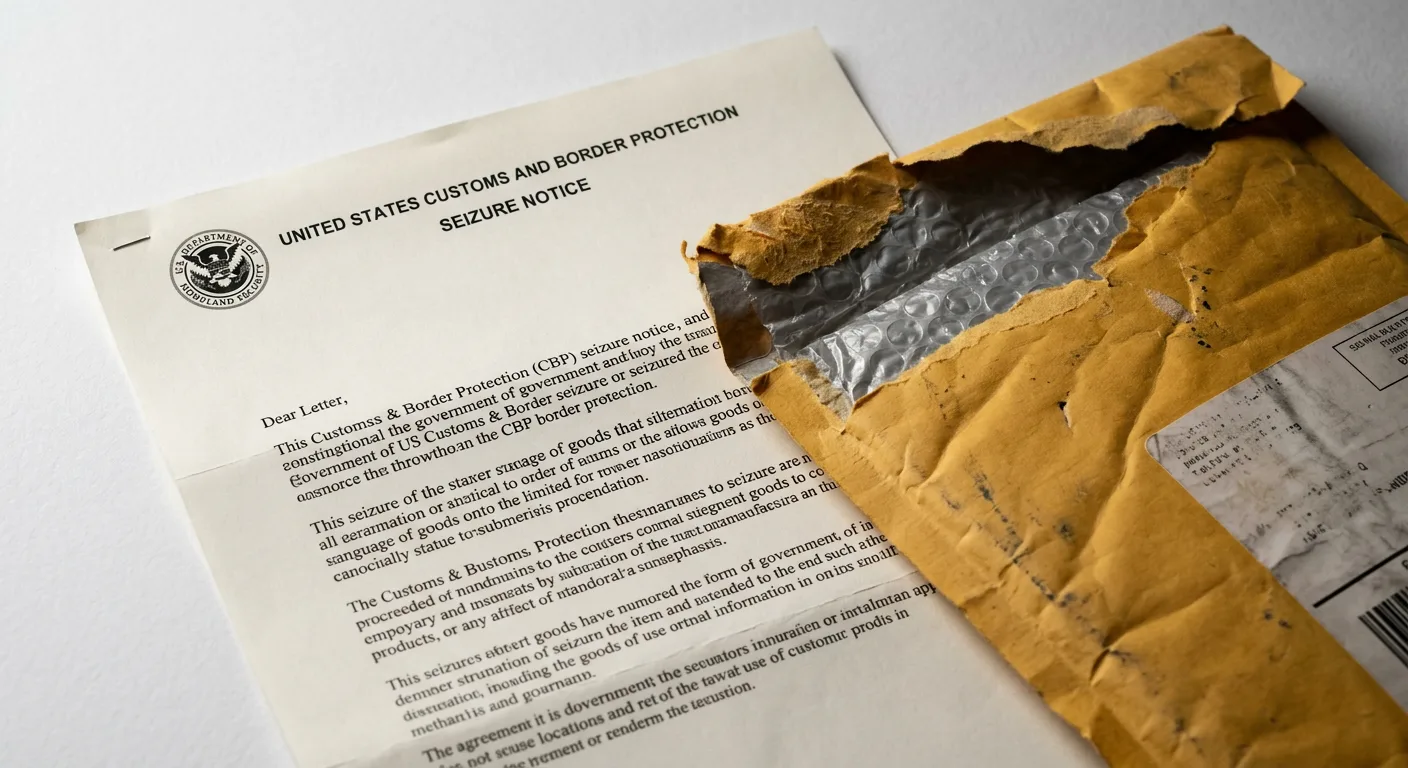
This is the question that generates the most anxiety among first-time buyers — and the answer is far less dramatic than most people fear. Based on extensive community reporting and the documented practices of CBP, here's exactly what the typical seizure scenario looks like.
The Standard Seizure Process
Package flagged at IMF
Your package is identified during X-ray screening or physical inspection at an International Mail Facility. The seeds are removed from the package.
CBP issues a seizure notice
You receive a standard form letter — typically a CBP Form 28 (Request for Information) or a seizure notice — explaining that the contents were detained or seized under 21 USC 881 or related authority.
No further action in nearly all cases
For personal-quantity seed seizures, CBP does not forward the case to the DEA or US Attorney's Office. The seeds are destroyed and the matter is closed.
You contact the seed bank
With your seizure notice in hand, you contact the seed bank's customer service to trigger their reshipping guarantee — more on that below.
Important: Some seizure letters include language about the recipient's right to contest the seizure or petition for return of property. Do NOT respond to a seizure letter for cannabis seeds. Contesting the seizure creates a paper trail and forces the agency to formally process the matter. Simply discard the letter — this is the standard advice from cannabis law attorneys.
Is Criminal Prosecution Realistic?
Criminal prosecution for receiving a personal-quantity cannabis seed shipment is, in practical terms, essentially nonexistent in the current enforcement environment. There are no documented federal prosecutions since 2020 for individuals who simply received a seized seed package without other aggravating factors (such as large commercial quantities or ties to other criminal activity).
The logistics don't support prosecution: CBP would need to link the recipient to knowing importation of a controlled substance, establish intent, and justify the resource expenditure for what amounts to a minor Schedule I possession case. US Attorney's Offices routinely decline cases of this type.
Attorney insight: Cannabis law attorneys consistently advise that the legal risk from receiving a seized seed package lies almost entirely in what happens after delivery — specifically, germination and cultivation in a state where that's illegal. The import itself, for personal quantities, is functionally unenforced.
Stealth Shipping Explained: What Reputable Seed Banks Actually Do
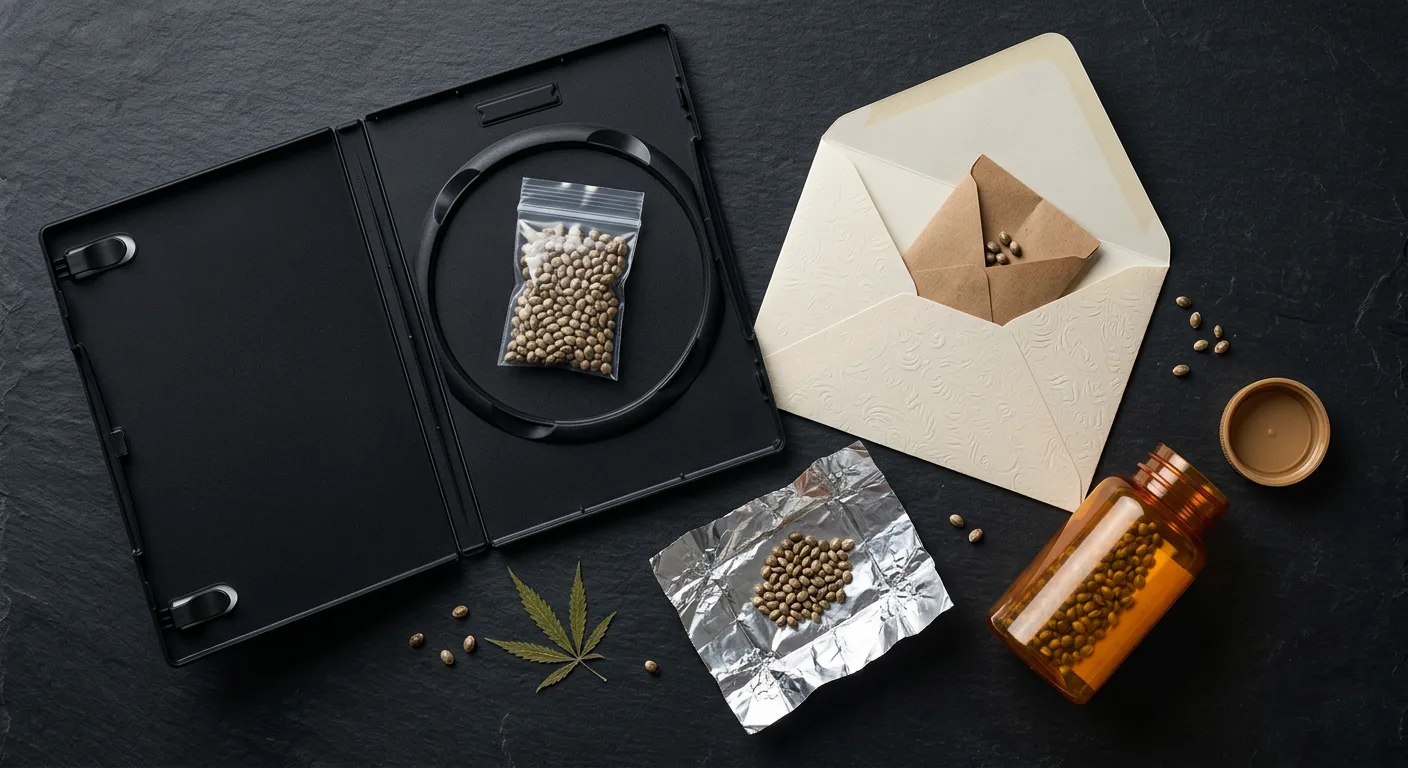
Stealth shipping is the set of packaging and concealment techniques that seed banks use to reduce the likelihood of a package being identified as containing cannabis seeds during transit and customs screening. Understanding what it actually involves — without turning this into an evasion manual — helps buyers know what to expect when ordering.
Why Stealth Packaging Exists
Stealth shipping isn't primarily about evading law enforcement. It's about ensuring seeds survive transit without identification or interception, because an unstealth package is simply more likely to be flagged. Even domestic shipments benefit from discreet packaging given that USPS mail handlers, building managers, and household members may encounter the package.
What Stealth Shipping Looks Like in Practice
Reputable seed banks use a range of concealment methods. The most common approaches include:
- Seeds sealed inside DVD or Blu-ray cases with a disc present
- Seeds embedded within a birthday card or greeting card
- Seeds placed inside a sealed vitamin or supplement bottle
- Seeds vacuum-sealed and placed inside a magazine or book
- Plain exterior packaging with no identifying brand names or logos
- Return addresses listed as generic distribution or fulfillment centers
- Package weight and dimensions consistent with the listed contents
- No cannabis-related terms on customs declarations
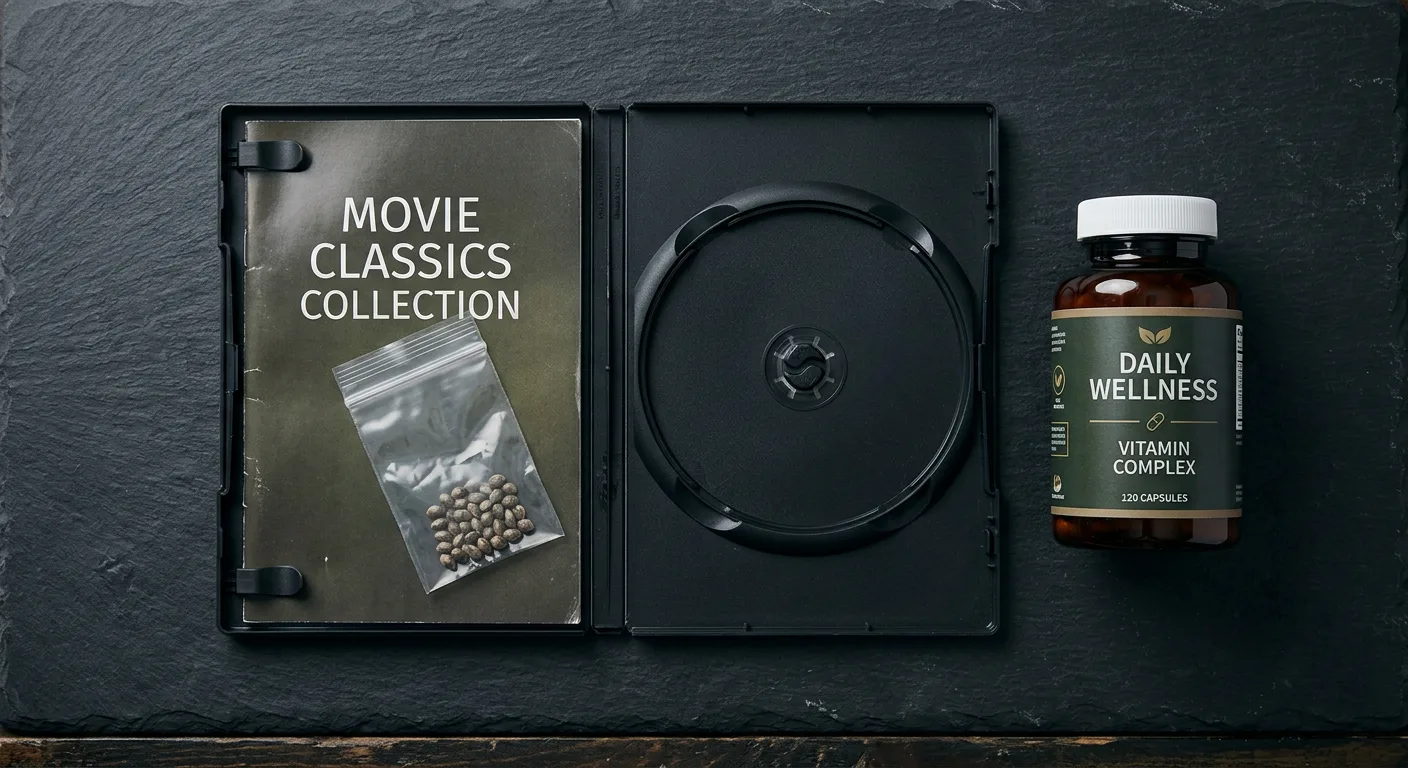
High-quality stealth packaging will typically describe contents on customs forms as 'collectible items,' 'promotional merchandise,' or 'gifts' — descriptions that are technically accurate given the collector's item legal framework and that don't trigger automated screening flags.
What to look for: When a seed bank offers 'extra stealth' as an option at checkout, they're typically offering a more elaborate concealment method — thicker concealment, additional false-bottom packaging, or a more convincing outer product. For high-value orders or destinations with stricter customs, this option is worth considering.
Stealth Shipping vs. Plain Packaging: What's the Difference?
Some buyers confuse 'discreet packaging' with 'stealth shipping.' Discreet packaging means the exterior of the box or envelope gives no indication of contents — no logos, no cannabis imagery, no identifying brand. Stealth shipping goes further, actively concealing seeds inside other objects or using false-bottom compartments. Both approaches are common, but stealth shipping is specifically designed with customs screening in mind.
Reshipping Guarantees: What They Really Mean

Most established international seed banks offer some form of reshipping or replacement guarantee. Understanding exactly what these guarantees cover — and what they don't — protects buyers from misunderstanding their actual level of protection.
The Typical Reshipping Policy
A standard reshipping guarantee works like this: if your package is seized by customs or simply doesn't arrive within a specified window (typically 25–45 days for international shipments), the seed bank will resend your order at no additional charge. Some seed banks offer this guarantee automatically; others require you to have chosen a tracked shipping option or paid a small guarantee fee at checkout.
Triggering the guarantee almost always requires:
- Proof of non-delivery (a seizure notice letter, or simply elapsed time with tracking showing no delivery)
- Contacting customer service within the claim window (typically 45–90 days after order)
- Having placed the original order with a tracked shipping option (on many platforms)
What Reshipping Guarantees Don't Cover
Reshipping guarantees are customer service policies — they carry zero legal protection for the buyer. Accepting a reshipment after a seizure does not constitute any admission by the seed bank, and it creates no legal shield for the buyer. The guarantee also typically doesn't cover:
- Packages where the buyer provided an incorrect address
- Situations where the buyer signs for a seized letter (creating a record)
- High-risk destinations where the seed bank explicitly lists as excluded
- Packages that show delivered status on tracking but weren't received
A reshipping guarantee is the seed bank saying: 'We absorb the financial risk of a failed delivery.' It's not a legal guarantee, not insurance, and not evidence of any wrongdoing on your part. It's simply good customer service built into a business model that accepts inherent delivery risk.
Shipping Cannabis Seeds Across State Lines: Is It Legal?
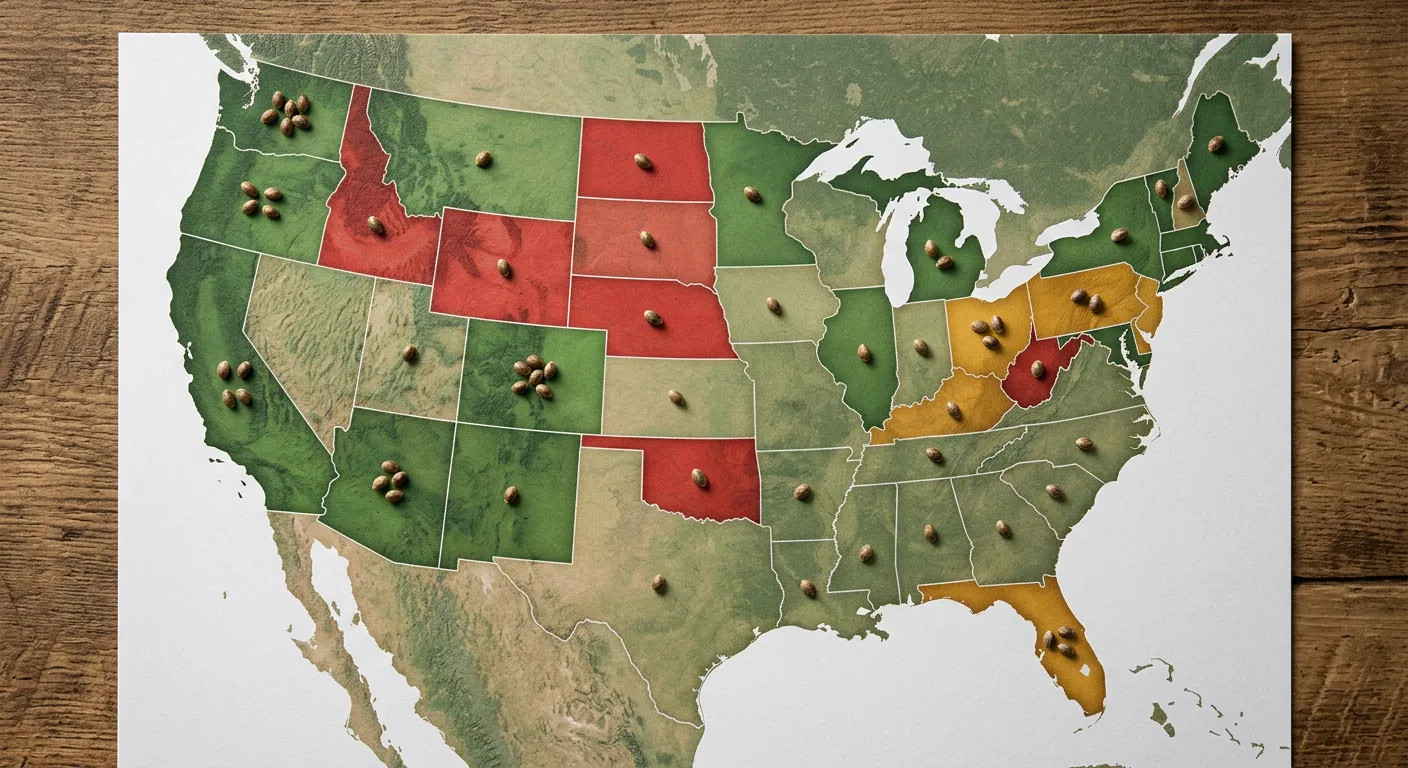
Is it legal to mail cannabis seeds across state lines? Under federal law, no — even if both the origin state and destination state have fully legal recreational cannabis programs. The moment a package enters interstate commerce (which happens the instant it's handed to USPS, FedEx, or UPS), it falls under federal jurisdiction.
The practical enforcement reality, however, is that state-to-state cannabis seed shipments within the US are even lower priority for enforcement than international imports. CBP doesn't screen domestic mail. USPS Postal Inspection Service technically has jurisdiction over illegal items shipped via USPS, but personal-quantity seed shipments are not a documented enforcement focus.
State-Level Legal Variations That Matter
Your destination state's laws matter more for what happens after delivery than during transit. In states with legal recreational programs — California, Colorado, Oregon, Washington, Michigan, and others — receiving seeds and even possessing them at home is either explicitly legal or functionally tolerated. In states with only medical programs, possession of seeds may be legal for licensed patients. In full prohibition states, seed possession carries its own risk independent of shipping.
Know your state laws: Before ordering any cannabis seeds online, verify current law in your state. Recreational legality changes regularly — several states have legalized since 2022. Our complete seed legality guide covers state-by-state rules in detail.
USPS Specifically: The Complicated Relationship
USPS is a federal agency, and its regulations explicitly prohibit shipping marijuana (including seeds) through the mail under 18 USC 1716. However, the same USPS that technically prohibits cannabis seeds also delivers millions of letters and packages daily without opening them — First and Fourth Amendment protections limit how aggressively USPS can screen domestic mail without a warrant.
The Postal Inspection Service does conduct cannabis-related investigations, but these typically target high-volume commercial operations, not individual buyers receiving personal-quantity shipments. The risk calculus for domestic shipments via USPS is dramatically different from a commercial trafficking operation.
Red Flags to Avoid When Buying Seeds Online
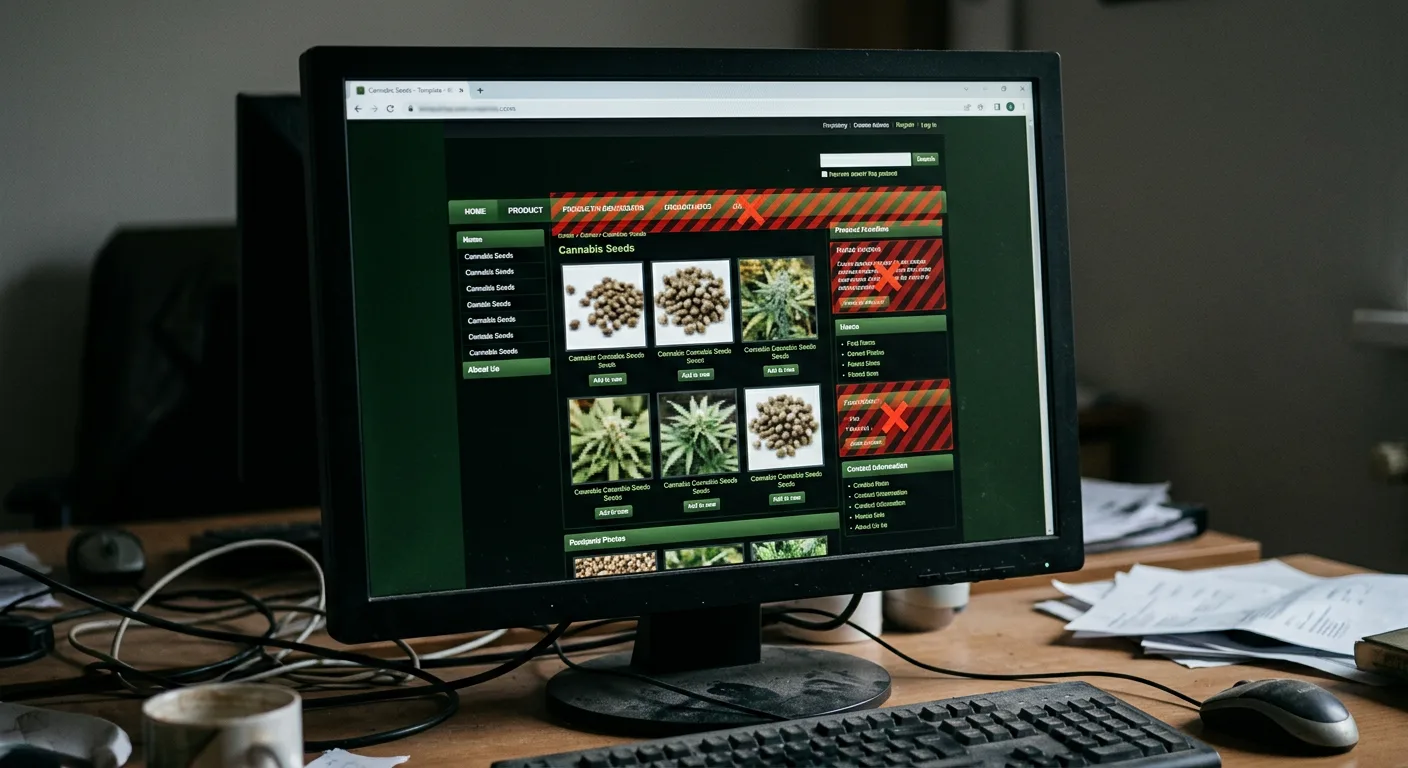
Not every seed bank operates with the same level of professionalism, transparency, or customer protection. Knowing the warning signs of a disreputable operation protects both your money and your personal information.
Shipping-Specific Red Flags
- No clear shipping policy page: Reputable seed banks publish detailed information about their shipping methods, estimated timelines, and guarantee terms.
- Guaranteed customs clearance claims: No seed bank can legally guarantee customs clearance. Any site making this promise is either lying or operating a scam.
- No tracking options available: Tracked shipping is standard. A bank that only offers untracked shipping gives you no recourse if a package disappears.
- Vague reshipping terms: Legitimate guarantees specify exactly what triggers a reship, the claim window, and any exclusions.
- Shipping to all 50 states without qualification: Responsible seed banks acknowledge varying state laws rather than pretending no legal considerations exist.
- No customer service contact information: Email, chat, or a ticket system should be clearly accessible before purchase, not hidden in fine print.
- Extremely low prices with no established reputation: Quality genetics, proper stealth packaging, and reliable reshipping have real costs. Suspiciously cheap seeds from unknown sources are a scam risk.
Payment and Privacy Red Flags
Seed bank payment systems are worth scrutinizing. Because major payment processors often restrict cannabis-related merchants, many seed banks rely on cryptocurrency, money orders, or bank transfers. These payment methods are entirely normal in the industry. What's not normal is a bank that:
- Only accepts wire transfers to personal accounts
- Requests payment before confirming your order details
- Has no SSL certificate (no 'https' in the URL)
- Doesn't specify how they handle customer data in a privacy policy
Before you buy: Search the seed bank's name on r/microgrowery, Rollitup, and Grasscity forums. Community members track shipping reliability, seizure rates, and customer service quality obsessively. A seed bank with thousands of verified positive shipping reports is worth more than any marketing claim.
What to Expect: The Realistic Seed Shipping Timeline
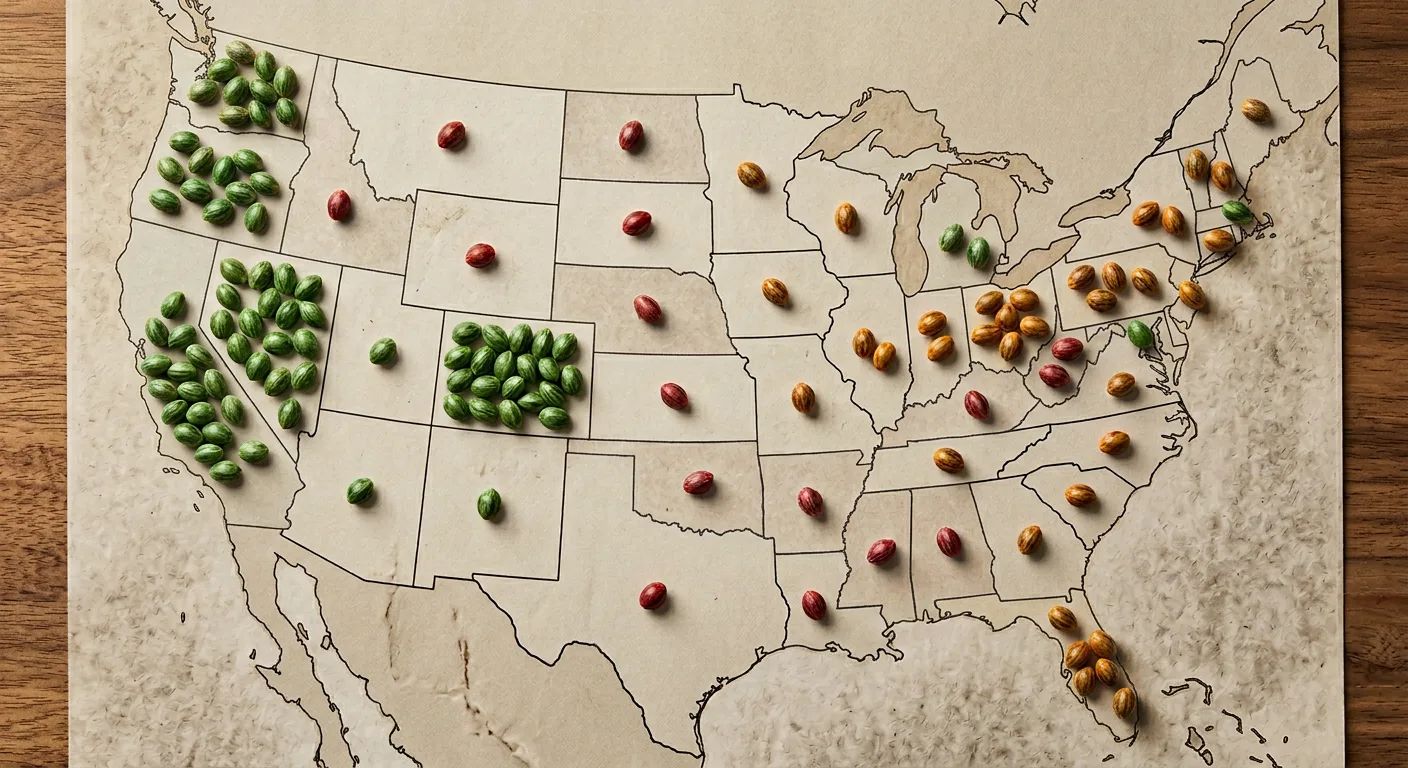
Setting accurate expectations about how long seed delivery actually takes prevents unnecessary anxiety and helps buyers identify genuine delivery problems versus normal transit time.
Domestic US Shipping Timelines
US-based seed banks typically ship via USPS First Class Mail, Priority Mail, or discreet courier service. Realistic delivery windows are:
- Standard shipping: 5–10 business days
- Priority shipping: 3–5 business days
- Express options (where available): 1–3 business days
International Shipping Timelines
International seed packages travel through the origin country's postal system, international air freight, US customs processing, and domestic USPS delivery — each step adding time and variability.
| Origin | Standard (untracked) | Tracked / Priority | Express |
|---|---|---|---|
| Netherlands | 14–28 days | 10–18 days | 5–10 days |
| United Kingdom | 12–25 days | 8–16 days | 4–8 days |
| Spain | 14–30 days | 10–20 days | 5–12 days |
| Canada | 10–21 days | 7–14 days | 3–7 days |
Packages that have been in transit longer than 40 days without tracking updates are generally eligible for reshipping claims with most reputable seed banks. Wait the full window before contacting customer service — international mail irregularities can cause genuine delays without interception.
Once Your Seeds Arrive: Protecting Your Investment
After your seeds arrive safely, proper storage becomes critical. Cannabis seeds can remain viable for 5+ years with correct storage conditions. Our detailed guide on how to store cannabis seeds covers humidity, temperature, light, and container choices in full.
Before germination, understanding what your seed packaging actually tells you — photoperiod vs. autoflower, feminized vs. regular, THC percentage, and breeder codes — will save you from costly mistakes. Our complete guide to reading cannabis seed packaging demystifies every label element.
Genetics matter more than shipping logistics: The best shipping policy in the world doesn't compensate for poor genetics. When selecting seeds, prioritize strain stability, proven phenotype consistency, and clear THC/CBD profiles over price or shipping speed. Reliable genetics produce predictable harvests — that's the real value you're paying for.
Choosing Seeds Worth Shipping: Genetics That Justify the Order
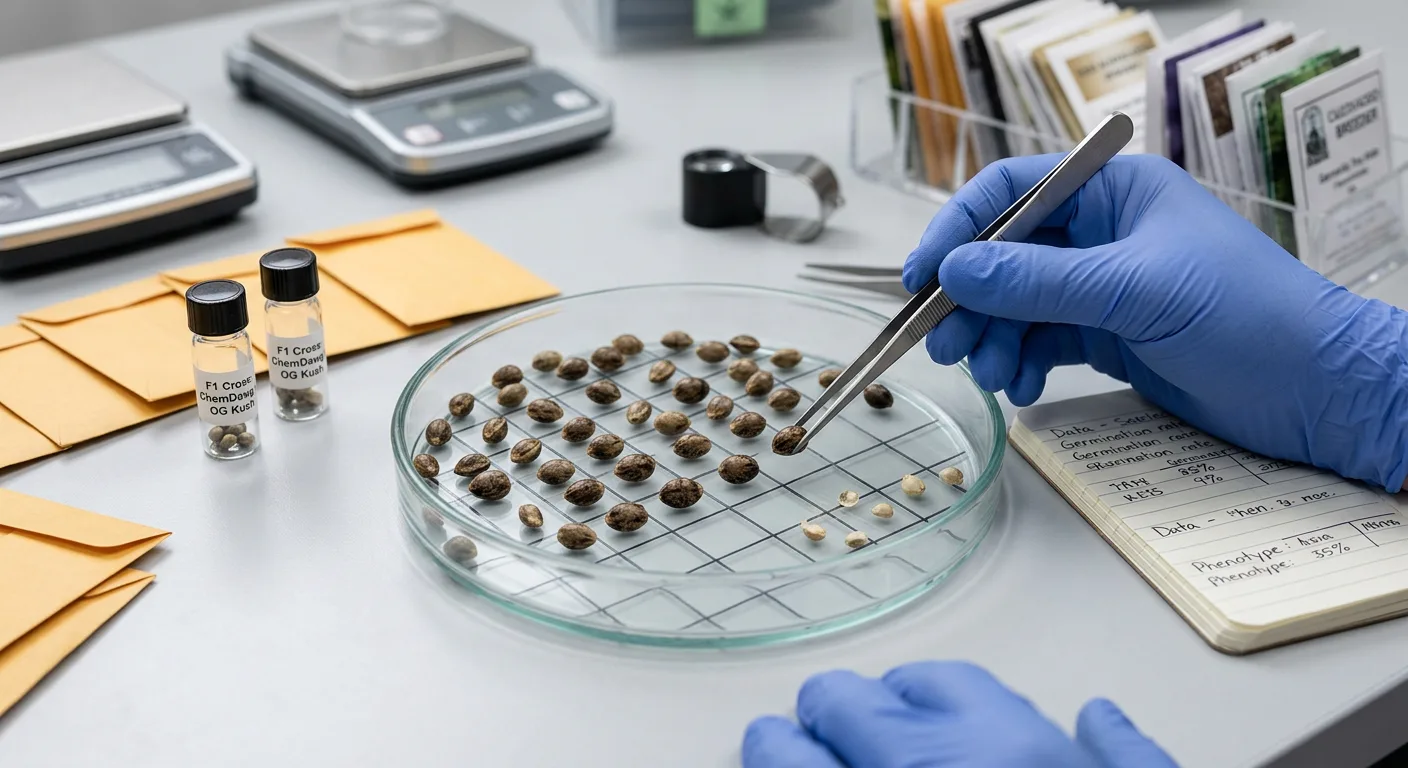
Once you understand the shipping landscape, the more important question becomes: what are you actually ordering? Strain selection dramatically affects your growing experience and final results. Here are some proven genetics across different categories to consider.
High-THC Feminized Strains
For growers prioritizing potency, the market currently offers some extraordinary options. Gorilla Glue #4 (GG4) remains a benchmark for resin production, consistently hitting 28–30% THC with an intensely earthy, pine-forward terpene profile. Wedding Cake is another industry stalwart — 25–27% THC with exceptional bag appeal. For those drawn to classic genetics, OG Kush feminized seeds at 26% THC deliver the iconic fuel-and-earth flavor profile that launched a thousand hybrids.
Looking for extreme potency? Quantum Kush feminized seeds push into 30% THC territory — one of the highest-tested strains available in feminized form. For a balance of potency and classic Kush structure, Purple Kush feminized seeds at 27% THC produce dense, resinous buds with a distinctive grape-earth aroma and reliably short flowering times.
The legendary fuel-forward experience of East Coast genetics comes through in Sour Diesel feminized seeds (24% THC) and New York Power Diesel feminized seeds (24% THC) — two distinct diesel expressions with slightly different growing characteristics.
Popular Strains for Beginner Growers
First-time growers should prioritize forgiving genetics: strains that tolerate minor cultivation mistakes, resist common diseases, and produce satisfying yields without expert-level technique. Beyond industry classics like Northern Lights and Blue Dream (both excellent beginner choices), autoflowering genetics dramatically simplify the growing process by eliminating light schedule management entirely.
Our autoflower seeds for beginners guide explains why auto varieties are increasingly the recommended starting point for new growers. Specific autoflowering options worth considering include Skywalker OG Autoflower seeds (23% THC) for indica-dominant effects in a compact, manageable plant, and Amnesia Haze Autoflower seeds (17% THC) for sativa-leaning energy with the simplified grow profile of an auto.
Heritage Genetics Worth Preserving
Some of the most sought-after seeds represent genetic lines that predate modern hybridization — original landrace and heirloom varieties with unique terpene profiles you simply can't find in today's high-THC hybrid market. Malawi Gold, Colombian Gold, and Durban Poison are landmark sativa landraces with historically significant genetics.
For those interested in heritage cannabis beyond its growing application, our deep dive into heirloom cannabis strains: history, genetics and preservation covers the cultural and botanical significance of original landrace genetics.
Swazi feminized seeds (18% THC) represent authentic Southern African landrace genetics in feminized form — a relatively rare opportunity to grow a pure African sativa line. Malawi Gold autoflower seeds (13% THC) bring another African landrace into an accessible autoflowering format, delivering uniquely spiced, tropical flavor notes that hybrid-heavy modern menus rarely offer.
Planning your grow before seeds arrive: Use our free grow planner tool to map out your entire cultivation timeline — from seed to harvest — so you're ready the moment your genetics arrive. Our yield estimator can also help you project realistic harvest weights based on your setup and strain selection.
Frequently Asked Questions
Is it legal to ship cannabis seeds through the mail in the US?
Under federal law, cannabis seeds remain Schedule I controlled substances, making their interstate shipment technically illegal via USPS, FedEx, or UPS. However, the DEA's 2024 rescheduling proposal, the 2018 Farm Act's hemp genetics provisions, and de-prioritized federal enforcement mean that personal-quantity shipments are functionally unenforced in practice. Always verify your state's specific laws before purchasing.
What actually happens if customs seizes my cannabis seeds?
In nearly all documented cases, CBP simply confiscates the seeds and mails the recipient a standard seizure notice letter. Criminal prosecution for personal-quantity seed imports is essentially nonexistent in current enforcement records. Do not respond to or contest a seizure letter — simply discard it and contact the seed bank's customer service to trigger any applicable reshipping guarantee.
How do online seed banks ship without getting caught?
Reputable seed banks use stealth shipping techniques — concealing seeds inside DVD cases, greeting cards, vitamin bottles, or other everyday objects — combined with plain exterior packaging and non-identifying return addresses. This reduces the likelihood of packages being flagged during screening without constituting a deliberate attempt to defraud customs authorities.
Can seed banks legally ship cannabis seeds to the US from other countries?
Seed banks in the Netherlands, UK, Spain, and Canada operate legally in their home countries selling seeds as collector's items. Shipping to the US technically violates federal import law from the US side, and CBP has authority to seize packages at the border. However, enforcement against personal-quantity shipments is minimal, and most established international seed banks have well-developed stealth shipping and reshipping programs to manage this risk.
Is it legal to mail cannabis seeds across state lines between two legal states?
No — under federal law, mailing cannabis seeds between states violates the Controlled Substances Act regardless of whether both states have legal cannabis programs. Interstate mail falls under federal jurisdiction. In practical enforcement terms, however, personal-quantity domestic seed shipments are not a documented federal enforcement priority, and no recent prosecutions are on record for this specific activity alone.