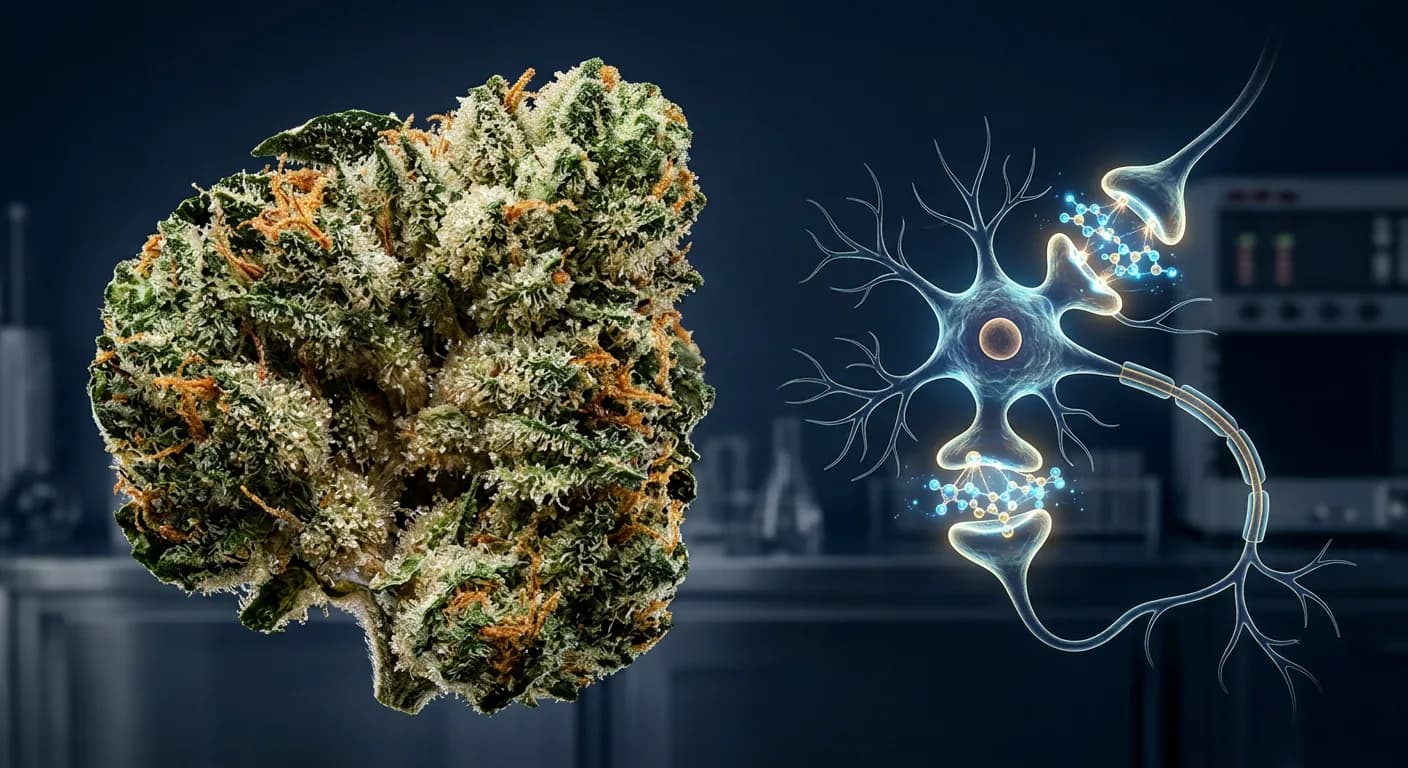
CBDV, cannabidivarin, is one of the most scientifically interesting minor cannabinoids you've probably never heard of. It's a non-intoxicating compound that looks almost identical to CBD on paper, yet it's attracted serious pharmaceutical investment for conditions as diverse as autism spectrum disorder, Rett syndrome, and epilepsy . For parents and caregivers researching cannabis for neurological conditions, and for growers curious about breeding beyond THC and CBD, CBDV is a compound worth understanding.
This guide unpacks what the CBDV cannabinoid actually is, how it differs structurally from CBD, what human and animal research has found so far, and what remains genuinely unknown. We've written it with the caution the science deserves: promising signals, but a field still early in its development.
What Is CBDV? A Minor Cannabinoid Homolog of CBD
CBDV (cannabidivarin) is a non-intoxicating phytocannabinoid produced naturally in Cannabis sativa. Unlike THC, it does not cause a high. It's classified as a minor cannabinoid because it typically appears in only small or trace quantities compared to CBD and THC, making it rare in most commercial cultivars .
If CBD is the well-studied older sibling, CBDV is the quieter one researchers are now paying close attention to. Its chemical backbone closely mirrors CBD, but a subtle difference in side-chain length changes how it interacts with the body, and has opened the door to neurological research programs that wouldn't have made sense with CBD alone .
CBDV is a non-psychoactive cannabinoid structurally related to CBD but with a shorter propyl side chain. It's being investigated for neurological conditions including autism spectrum disorder and epilepsy, though most evidence remains preclinical .
Is CBDV the same as CBD?
No. CBDV and CBD share the same molecular formula and overall skeleton, but they differ in the length of one carbon side chain. That seemingly small structural change is enough to shift how the molecule binds and modulates certain receptors and ion channels . They're close relatives, not identical twins.
Chemical Structure: How CBDV Differs from CBD

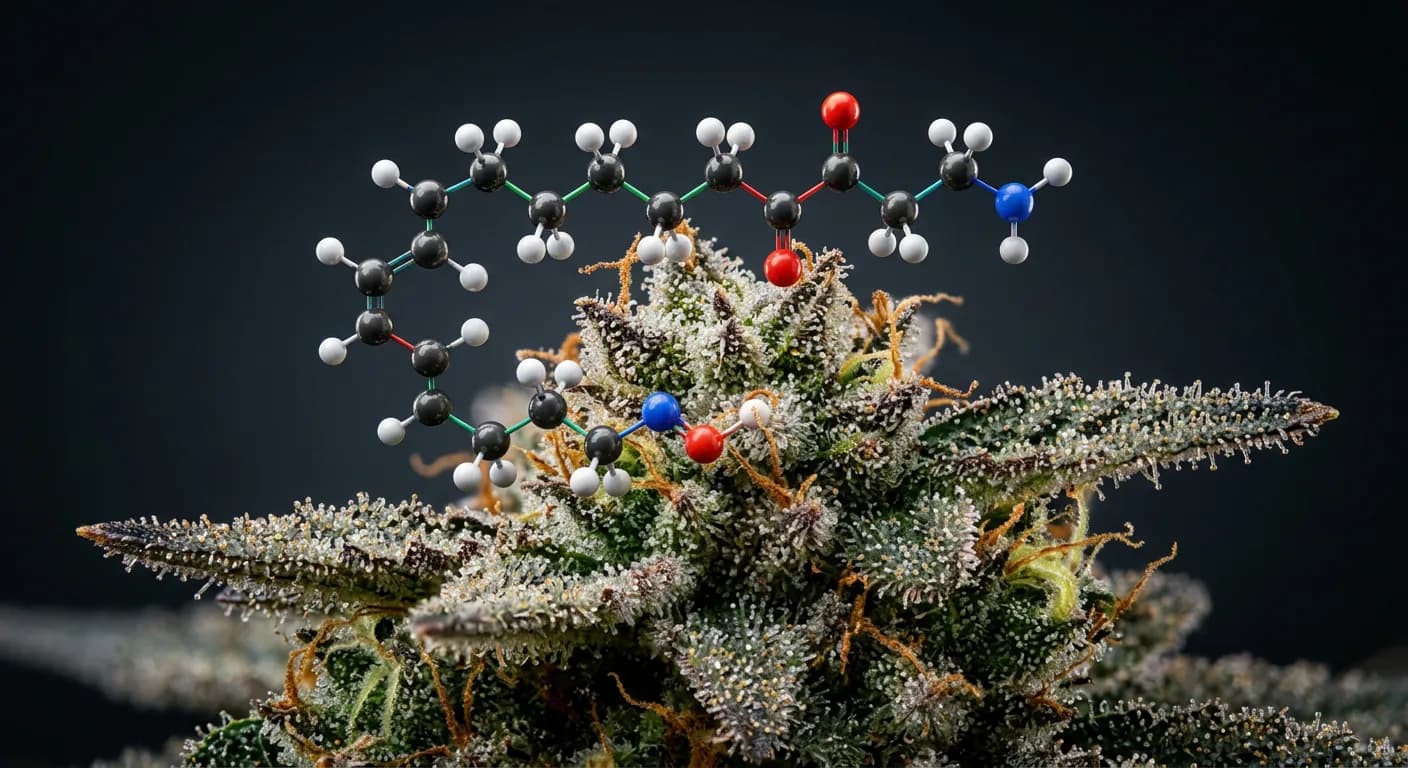
CBDV is a structural homolog of CBD. The two molecules share the same core but differ in their alkyl side chain: CBDV carries a 3-carbon propyl side chain, while CBD carries a 5-carbon pentyl side chain . That two-carbon difference is the entire structural story, and it's why CBDV is often called the "propyl analog" of CBD .
This pattern, a pentyl cannabinoid paired with a propyl homolog, repeats across the cannabis plant. THC has its propyl counterpart THCV. CBG has CBGV. CBC has CBCV. In every case, the propyl version is produced through a different biosynthetic starting point, and tends to appear in smaller quantities .
CBDV vs CBD vs CBDA vs THCV at a glance
| Cannabinoid | Side Chain | Intoxicating? | Typical Abundance | Primary Research Focus |
|---|---|---|---|---|
| CBD | 5-carbon (pentyl) | No | High in hemp | Epilepsy, anxiety, inflammation |
| CBDA | 5-carbon (pentyl, acid form) | No | Raw, pre-heat plant material | Nausea, inflammation (early) |
| CBDV | 3-carbon (propyl) | No | Trace / minor | Neurological: ASD, Rett, epilepsy |
| THCV | 3-carbon (propyl) | Dose-dependent | Trace / minor | Appetite, metabolic |
For a deeper breakdown of the acid-to-neutral transformation, see our guide on CBDA vs CBD. The endocannabinoid system context, which governs how all of these compounds interact with the body, is covered in our endocannabinoid system pillar guide.
Discovery and Historical Background

CBDV was first identified in 1969 by Vollner, Bieniek, and Korte, and published in Tetrahedron Letters under the title "Hashish. XX. Cannabidivarin, a new hashish constituent" . It sat in relative scientific obscurity for decades, a known but understudied constituent of cannabis, until renewed interest in minor cannabinoids revived research in the 2010s.
The compound's modern era really began when GW Pharmaceuticals (the company behind Epidiolex, the CBD-based epilepsy drug) built a pipeline around it. They initiated a Phase 2 clinical study of CBDV in epilepsy in May 2015, and later announced preliminary Phase 2a results for their CBDV pipeline compound GWP42006 on February 21, 2018 .
CBDV's discovery predates the identification of the CB1 and CB2 receptors by more than twenty years, which is part of why early researchers didn't know what to do with it. Its pharmacology only began making sense once broader endocannabinoid science matured .
Regulatory milestones
The European Medicines Agency granted CBDV orphan drug designations for Rett Syndrome (October 2017) and Fragile X Syndrome (February 2018), recognizing it as a candidate for rare conditions with limited treatment options . Orphan designation is regulatory, not efficacy, it signals pharmaceutical interest and potential, not proven benefit.
How CBDV Occurs in the Cannabis Plant
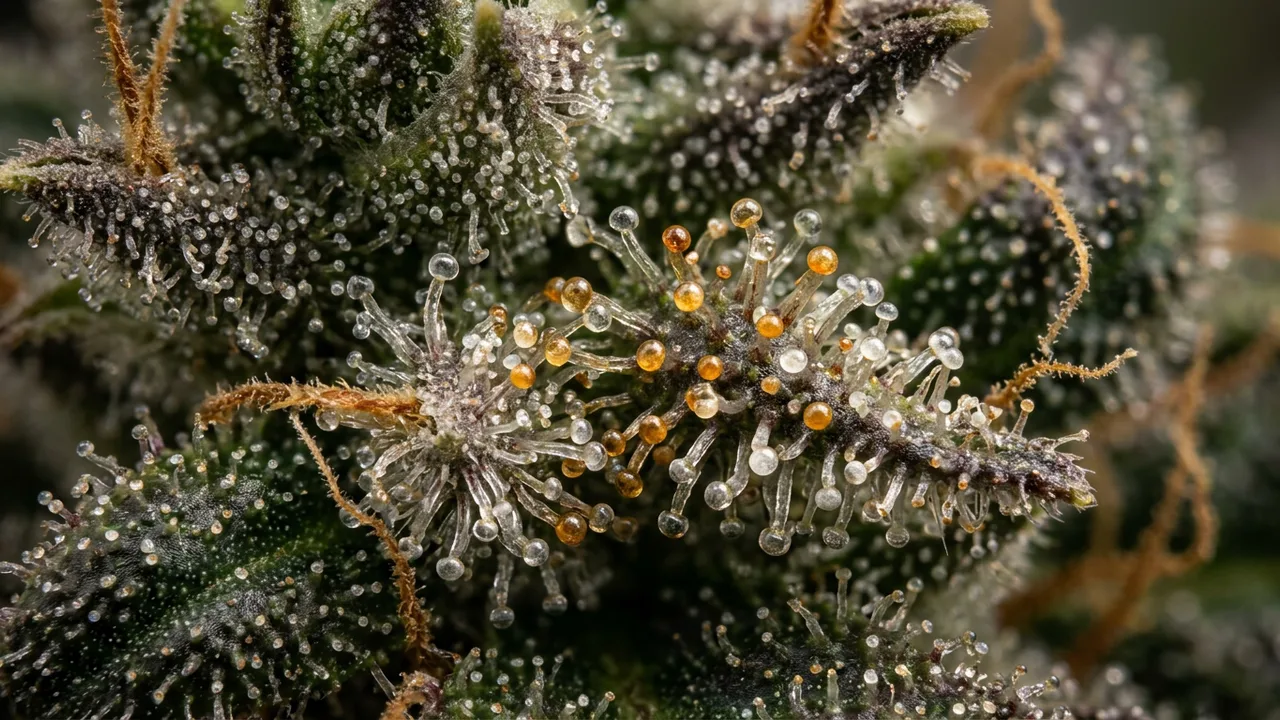
CBDV exists in only small or trace amounts in most cannabis cultivars. It tends to appear at slightly higher levels in certain high-CBD, low-THC varieties and in some landrace genetics, though precise numeric concentrations for specific strains aren't well-documented in peer-reviewed literature . This is one of the honest gaps in the field: community claims about "CBDV strains" outrun the published data.
What is well-established: CBDV production is genetically determined. If the plant doesn't carry the genetic architecture to produce propyl cannabinoids, no amount of environmental tweaking will generate meaningful CBDV. This is why strain selection matters far more than nutrients or light for minor cannabinoid content. Our trichome biology guide explains the cellular side of this process.
What strains are high in CBDV?
Published, peer-reviewed data on specific CBDV concentrations by strain is sparse. What growers and researchers consistently report is that CBDV tends to show up in higher proportions among:
- Certain high-CBD, low-THC cultivars bred from hemp-type lineages
- Some African and Asian landrace genetics, particularly those historically associated with propyl cannabinoid expression
- Purpose-bred chemotype lines selectively crossed for minor cannabinoid content
For growers interested in landrace parentage, our landrace strains guide covers the genetic background. Classic sativa-leaning landrace varieties like Swazi and Malawi Gold come from regions historically associated with diverse cannabinoid profiles, though CBDV content is not the primary reason most growers choose them.
Be cautious with CBDV strain claims. The seed market includes cultivars marketed as "high CBDV" with little or no independent lab verification. Without a certificate of analysis showing CBDV by percentage, treat the claim as marketing rather than data. Our COA reading guide explains how to verify.
What the Research Actually Shows

Here is where honesty matters. The strongest claim we can support from cited, peer-reviewed sources is this: CBDV shows promising preclinical signals across several neurological and inflammatory models, but confirmed human clinical efficacy remains limited . Most of the current evidence comes from laboratory and animal studies rather than completed human outcome trials .
Anticonvulsant activity in animal models
CBDV has demonstrated anticonvulsant activity in rodent models of seizure . This is the most consistent preclinical finding, and it's what drove the early GW Pharmaceuticals epilepsy program. Importantly, results in rodent seizure models do not automatically translate into confirmed human benefit, they justify further investigation, not a treatment claim.
Inflammation and gut models
CBDV has been studied for its potential to counteract intestinal inflammation in mice, and for effects on cytokine expression in biopsies from pediatric ulcerative colitis patients . Again, these are mechanistic and tissue-level findings: they're scientifically encouraging, but they're not the same as a clinical trial showing the compound reduces disease in patients.
Nausea signaling
Research has examined CBDV's potential to produce CB1 receptor inverse agonism relevant to nausea symptoms in rats . For a broader look at the nausea literature across cannabinoids, our nausea strain guide goes into more detail.
Muscle and dystrophy models
CBDV has also been investigated for effects on muscle quality and performance in dystrophic mdx mice, a standard research model for Duchenne muscular dystrophy . This is one of several directions researchers are probing beyond neurology.
Pharmacokinetics
Plasma and brain pharmacokinetic profiling of CBDV has been conducted in rats and mice after oral and intraperitoneal dosing, establishing basic absorption and distribution parameters researchers need before designing human trials .
Across every research area, seizures, inflammation, nausea, muscle disease, CBDV shows interesting signals at the preclinical level. What it has not yet done is accumulate the kind of randomized controlled trial evidence that would justify treatment claims .
CBDV and Autism Spectrum Disorder Research

Autism spectrum disorder (ASD) has become the most closely watched CBDV research frontier. The compound is being actively studied for potential application in ASD, and this is where some of the only CITE-grade human neuroimaging data on CBDV comes from .
The single-dose MRS neuroimaging study
A single-dose magnetic resonance spectroscopy (MRS) trial examined CBDV's effects on brain excitation and inhibition systems, specifically measuring Glx (glutamate + glutamine) and GABA+, in adults with and without ASD . MRS lets researchers non-invasively look at neurotransmitter-related metabolite levels in living brain tissue.
The study applied a Cramér-Rao lower bound (CRLB) threshold of 15% to exclude low-quality Glx and GABA+ measurements, a standard quality-control step for this kind of spectroscopy . Cleaner data in, more trustworthy conclusions out.
The findings suggested that CBDV targets subcortical excitatory systems, with the degree of response correlating with each participant's baseline metabolite levels . In plain language: CBDV appeared to nudge the brain's excitation/inhibition balance, and how much it nudged depended on where that person's chemistry started.
The baseline-dependence finding is important. It suggests CBDV may not produce uniform effects across all patients, individual neurochemistry could predict who responds. That's consistent with a broader pattern in cannabinoid neuroscience, where starting state often shapes outcome .
Rett and Fragile X syndromes
CBDV carries EMA orphan drug designations for Rett Syndrome (October 2017) and Fragile X Syndrome (February 2018) . Both conditions involve neurodevelopmental disruption with strong genetic bases, and both are areas where novel mechanistic approaches are badly needed. Orphan designation supports development; it does not confirm efficacy.
CBDV's Effects on Neuronal Activity
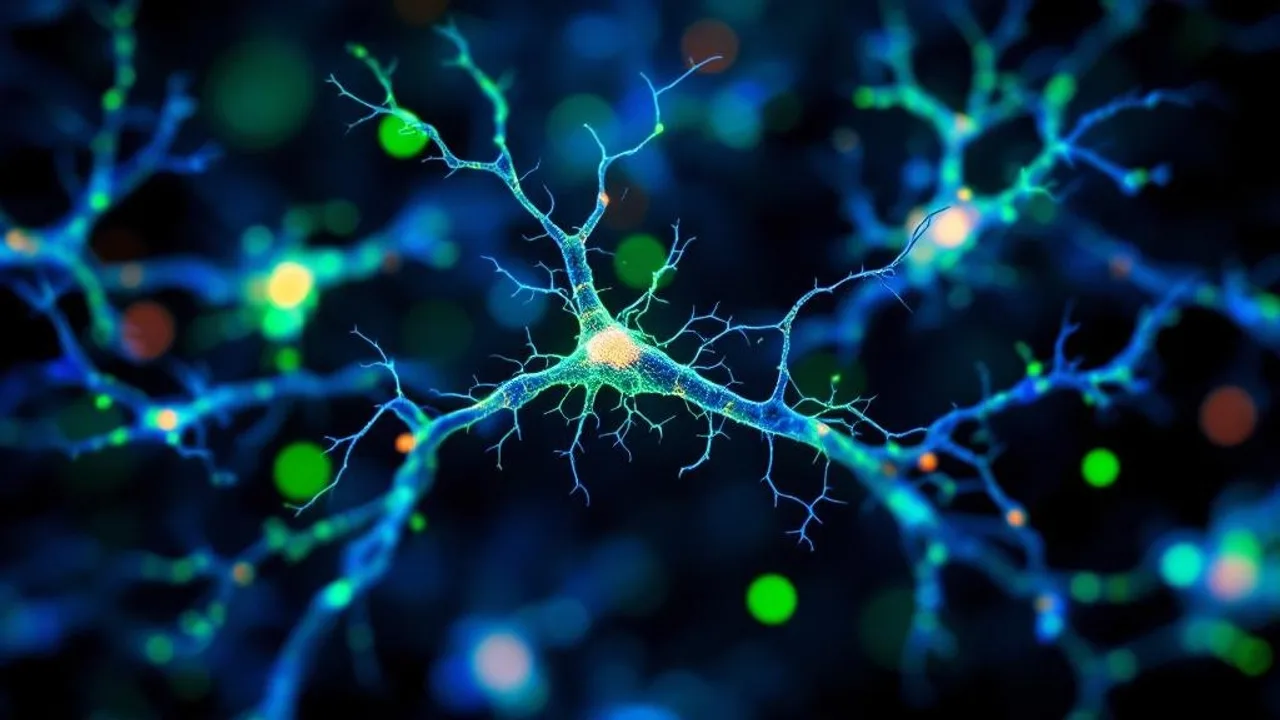
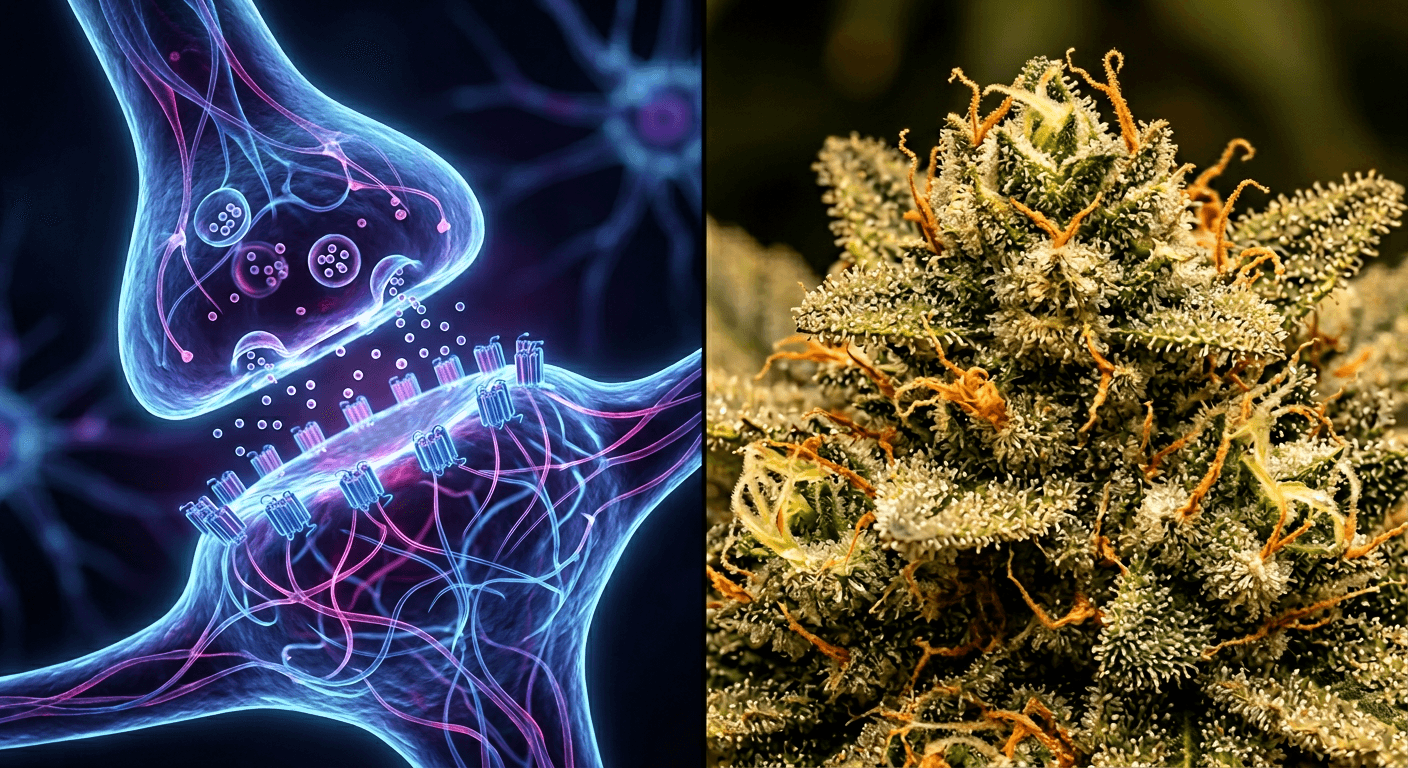
Beyond the ASD imaging work, a separate line of research has looked directly at how CBDV changes electrical activity in neurons. A study in hippocampal neurons from mouse embryos found that THC, CBD, and CBDV each modulate neuronal firing differently . They are not interchangeable, the three compounds produced distinct electrophysiological signatures.
This matters because it undercuts a common assumption that CBDV is "basically CBD with a shorter tail." At the level of how neurons actually fire, the compounds diverge . That divergence is part of why pharma programs treat CBDV as a distinct drug candidate rather than a CBD substitute.
CBDV, CBD, and THC are structurally related but functionally different at the neuronal level. In hippocampal neuron models, each cannabinoid produced a distinct modulation pattern on cell firing .
Clinical Development and Pharmaceutical Interest

GW Pharmaceuticals has funded much of the CBDV research conducted to date . Their program included:
May 2015: Phase 2 epilepsy study
GW initiated a Phase 2 clinical study of CBDV in epilepsy, opening the modern clinical-development chapter for the compound .
October 2017: Rett Syndrome orphan designation
The European Medicines Agency granted CBDV orphan drug designation for Rett Syndrome .
February 2018: Fragile X orphan designation + Phase 2a readout
EMA added Fragile X Syndrome orphan designation, and on February 21, 2018, GW announced preliminary Phase 2a results for its CBDV pipeline compound GWP42006 .
The fact that a major cannabinoid pharmaceutical company structured an entire pipeline around CBDV, separate from its CBD program, tells you something about how the industry views the compound. But pharmaceutical interest is not proof of benefit. Plenty of Phase 2 programs across pharma do not reach approval.
Current Limitations and What Remains Unknown
We want to be direct about what the evidence does and doesn't support. There are two framings of CBDV in the marketplace, and they're very different from each other.
Position 1 (common in marketing): CBDV significantly reduces seizures and is effective for nausea, inflammation, pain, and mood, framed as established benefits. This framing generally comes from product-marketing sources, not peer-reviewed literature.
Position 2 (supported by cited research): CBDV's therapeutic benefits are early-stage, based mostly on preclinical and animal data, and should be viewed as a developing research area rather than a confirmed therapeutic . This is the position supported by the actual cited evidence base.
If a product page or brand claims CBDV "treats" autism, epilepsy, Rett syndrome, or Fragile X syndrome, that claim exceeds what published research currently supports. Promising preclinical signals are not the same as proven clinical efficacy. Always speak with a qualified neurologist or developmental specialist for these conditions.
Genuine gaps in the evidence
- Quantitative CBDV concentrations in specific named strains are not well-documented in peer-reviewed literature
- Human clinical trial efficacy endpoints and dosing for CBDV in epilepsy, ASD, Rett, and Fragile X are not available from cited sources
- Head-to-head comparative pharmacology of CBDV vs CBD in humans has not been established
- Consumer product dosing guidelines and long-term safety profile in humans remain thin
- Receptor-level mechanism details (TRPV channels, GPR55, GPR6) are referenced in secondary sources but not well-corroborated in the peer-reviewed material we cite
Growing Implications for CBDV Content in 2026
For home growers and breeders, the practical takeaway is simple: CBDV content is genetically determined, so strain selection matters more than anything else you can do in the grow room. You cannot fertilize, train, or light your way to meaningful CBDV in a cultivar that lacks the genetic pathway .
The realistic path for hobby growers interested in CBDV is:
- Choose high-CBD or landrace-leaning genetics with a known chemotype, rather than THC-dominant hybrids
- Verify with lab testing: request or commission a full cannabinoid panel COA that specifically includes CBDV and CBDVA, not just CBD and THC
- Preserve phenotypes that test well through cloning or seed stock, since propyl-cannabinoid expression tends to cluster in specific phenotype lines
Our phenotype hunting guide covers the process of selecting and preserving specific chemotype expressions. For genetics context, see our strain genetics guide, and for related minor cannabinoids, our CBN guide and CBG guide provide parallel context.
If CBDV is your actual goal, budget for lab testing up front. A $100–$150 full cannabinoid panel from a licensed lab is the only way to know what you're actually producing. Marketing claims on seed packaging are not a substitute for data, our THC percentage accuracy guide explains why packaged numbers are often unreliable.
Tools for planning a minor-cannabinoid-focused grow
If you're designing a grow specifically to explore minor cannabinoids, a few of our free tools help:
- Grow Planner, schedule veg/flower timing
- VPD Calculator, keep environmental stress low so genetic expression is clean
- Yield Estimator, set realistic expectations for lower-yielding landrace-leaning lines
For genetic reliability, our germination guarantee ensures you start with viable seed, essential when you're investing in a specialty chemotype project.
Key Takeaways on the CBDV Cannabinoid
CBDV is a non-intoxicating propyl homolog of CBD with the same molecular formula but a 3-carbon rather than 5-carbon side chain . First identified in 1969 , it's emerged as a serious pharmaceutical research candidate: especially for autism spectrum disorder, Rett syndrome, and epilepsy .
The honest summary: CBDV shows real, repeatable preclinical signals and has generated some of the first human neuroimaging data on a minor cannabinoid . But it's still a developing research area, not a confirmed therapeutic . For growers and patients alike, the most valuable thing we can do right now is track the science accurately, and resist marketing that outpaces the evidence.
Frequently Asked Questions
Is CBDV the same as CBD?
No. CBDV and CBD share the same molecular formula and overall structure but differ in side-chain length, CBDV has a 3-carbon propyl chain, CBD has a 5-carbon pentyl chain . That structural difference translates to different effects on neuronal firing and different research applications .
What strains are high in CBDV?
Peer-reviewed data on specific CBDV percentages by strain is limited. CBDV tends to show up more in certain high-CBD low-THC cultivars and in some African and Asian landrace genetics. The only reliable way to confirm CBDV content is a lab-issued certificate of analysis that specifically tests for CBDV .
Does CBDV get you high?
No. CBDV is a non-intoxicating/non-psychoactive cannabinoid: it does not produce the intoxication associated with THC .
Has CBDV been proven to treat autism or epilepsy?
No. CBDV is being actively researched for both, including a single-dose MRS neuroimaging study in adults with ASD and a GW Pharmaceuticals Phase 2 epilepsy program initiated in 2015 . Most evidence remains preclinical or early-stage human work: it has not been proven as a treatment for either condition .
When was CBDV discovered?
CBDV was first identified in 1969 by Vollner, Bieniek, and Korte, and published in Tetrahedron Letters . Modern pharmaceutical interest only picked up in the 2010s with GW Pharmaceuticals' clinical program.
Sources & References
This article was researched and fact-checked using 5 verified sources including 2 peer-reviewed studies, 3 community resources.
- Effects of cannabidivarin (CBDV) on brain excitation and inhibition systems in adults with and without Autism Spectrum Disorder (ASD): a single dose trial during magnetic resonance spectroscopy - PMC , pmc.ncbi.nlm.nih.gov/articles/PMC6868232 [Research]
- THC, CBD and minor cannabinoid CBDV differently modulate hippocampal neurons firing - ScienceDirect, sciencedirect.com/science/article/abs/pii/S0161813X25000397 [Research]
- Cannabidivarin - Wikipedia, en.wikipedia.org/wiki/Cannabidivarin [Community]
- CBDV vs. CBD: How Are They Different? – R&R CBD, rrmeds.com/blogs/learn/cbdv-vs-cbd [Community]
- What is CBDV? Uses, Effects & Benefits of Cannabidivarin – Neurogan , neurogan.com/blogs/news/what-is-cbdv [Community]