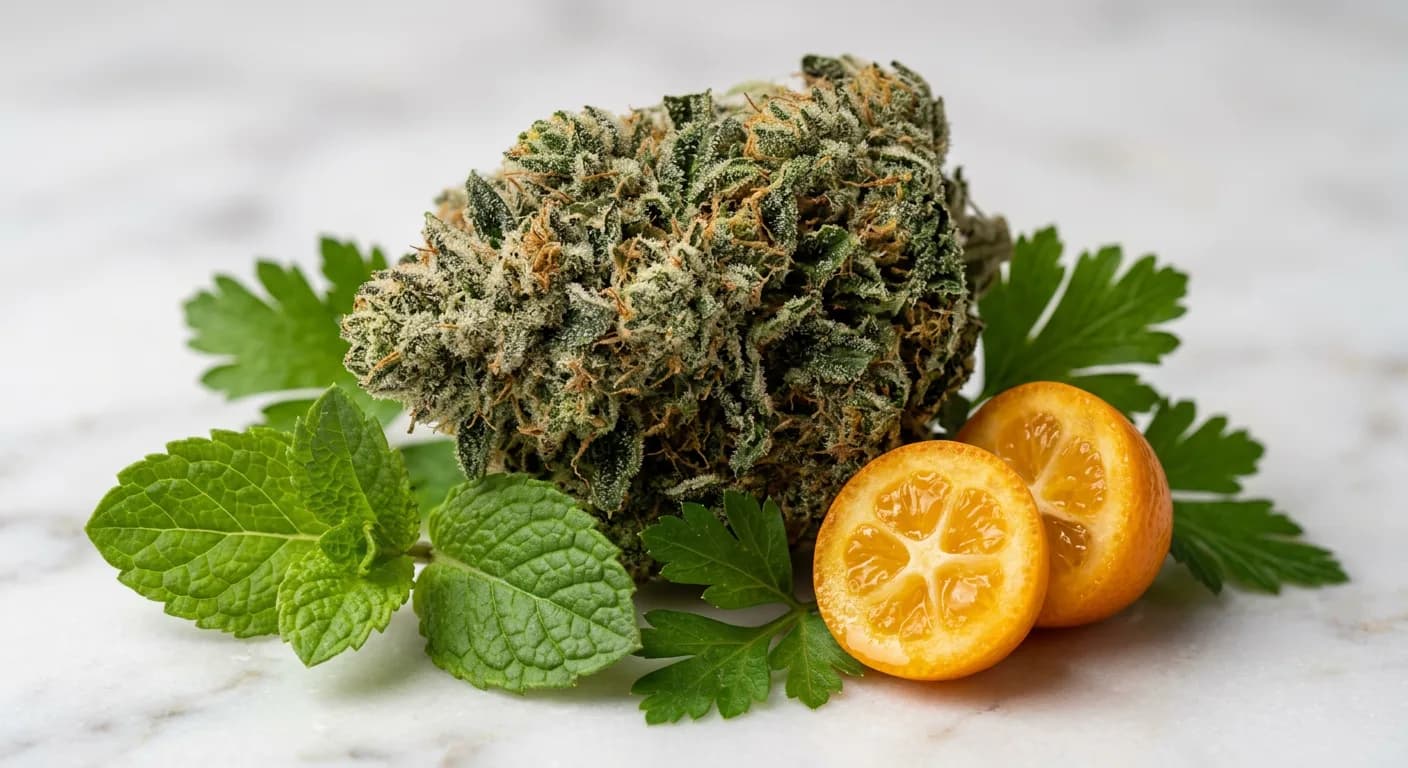
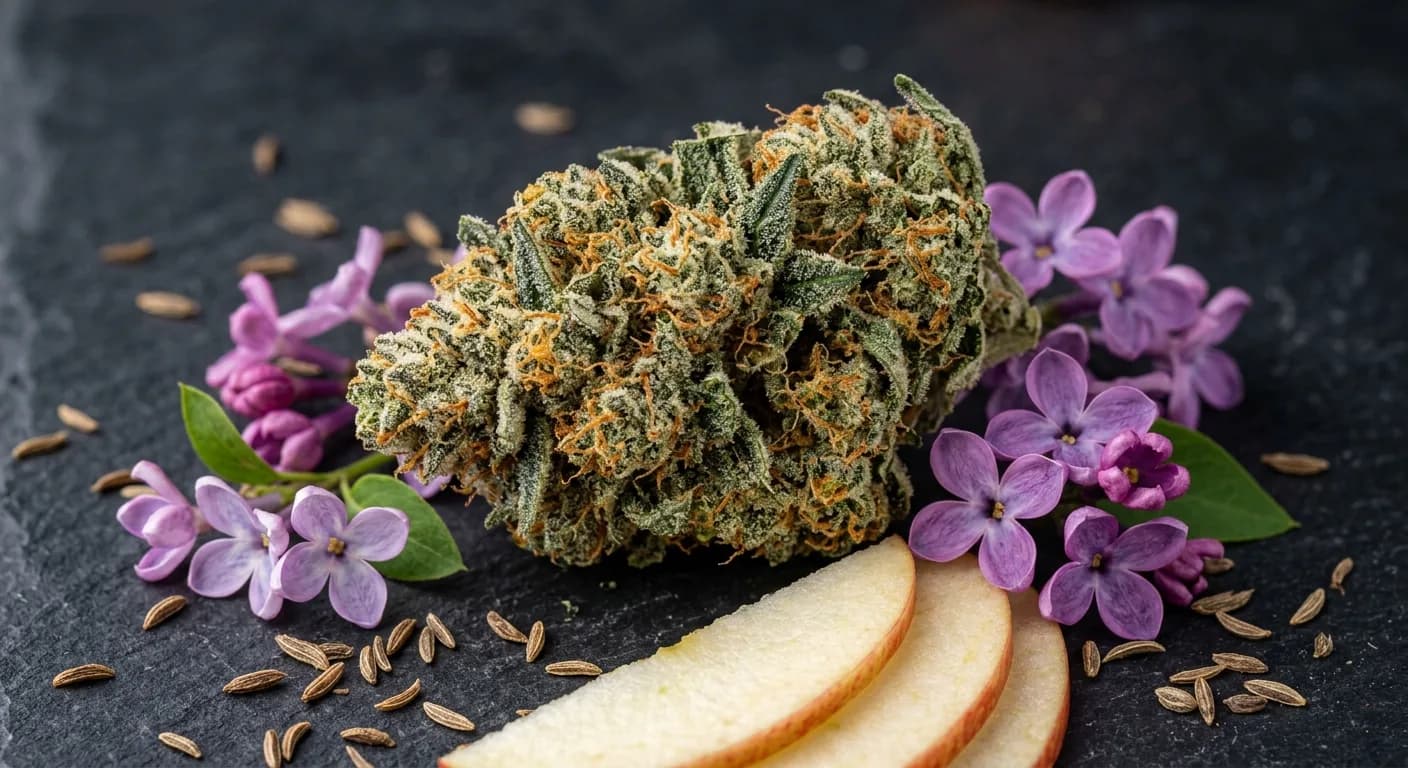
Ask most cannabis consumers to name the cannabinoids they know, and the list stops at THC and CBD. Maybe CBN if they've read a sleep gummy label. But there's a third molecule quietly present in nearly every cannabis plant that scientists have been studying for over five decades, and the preclinical data on it is, frankly, remarkable.
Cannabichromene, or CBC, is a non-intoxicating phytocannabinoid found in Cannabis sativa . It doesn't get you high. It doesn't dominate a lab report. But it sits inside what researchers call the 'big six' cannabinoids considered most promising for medical research . And in 2026, as minor cannabinoids finally get the attention they deserve, CBC is one of the most exciting.
What Is CBC (Cannabichromene)?
CBC is a non-psychotropic phytocannabinoid produced by Cannabis sativa, first isolated over 50 years ago and now considered one of the 'big six' cannabinoids driving medical cannabis research . It won't alter perception like THC, but it engages the body through a different and surprising route.
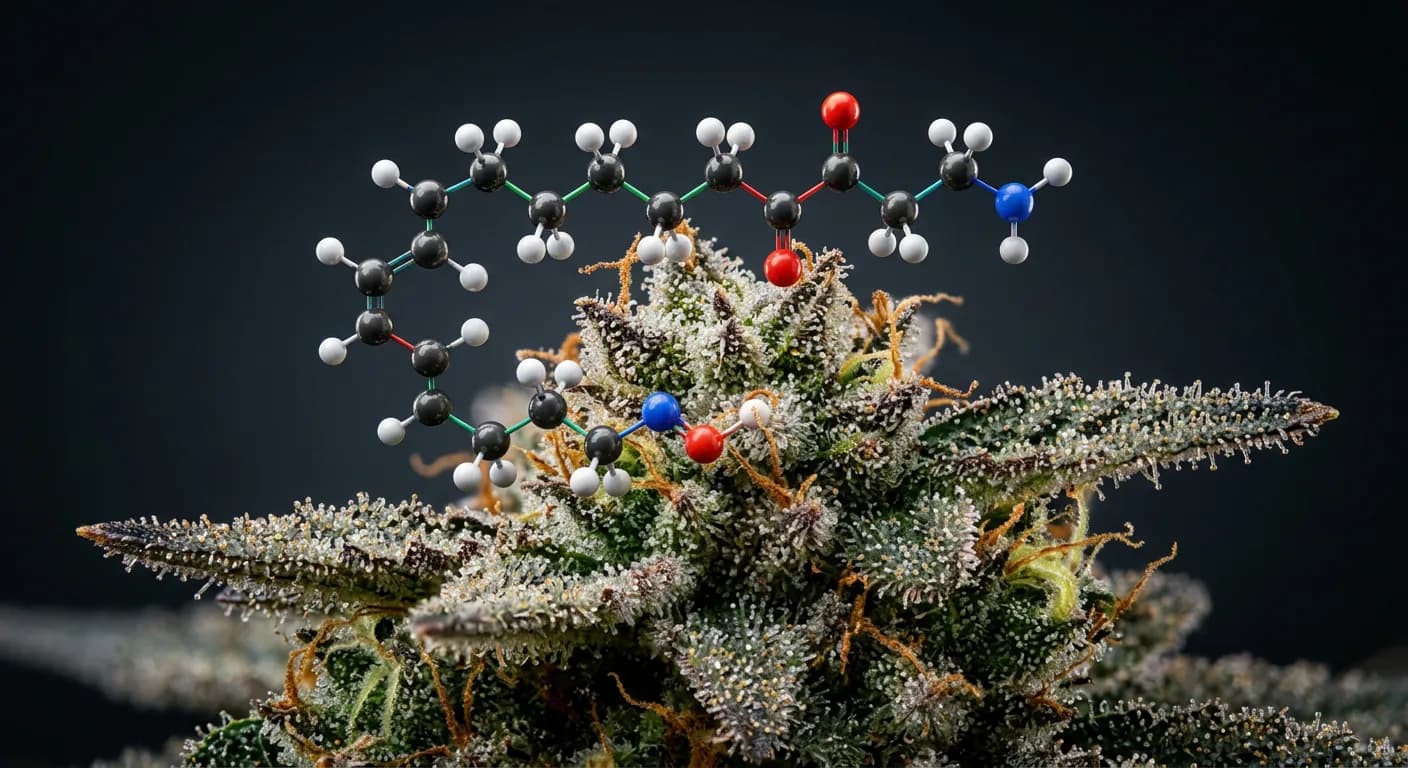
Chemically, CBC carries the IUPAC name 2-Methyl-2-(4-methylpent-3-enyl)-7-pentyl-5-chromenol, with CAS registry number 20675-51-8 . Its molecular formula is C21H3O2 and it weighs in at 314.46 g/mol, nearly identical to THC and CBD in mass, but structurally distinct in the way it folds and binds.
In our 15+ years running genetics trials, we've watched CBC go from a curiosity on old chromatograms to a target compound breeders are actively trying to preserve. The reason is simple: the pharmacology is unlike anything else in the plant.
CBC is the quiet third cannabinoid. It doesn't bind tightly to CB1 or CB2 like THC does, instead it hijacks a completely different receptor family to deliver anti-inflammatory and mood effects.
How CBC Is Made: From CBGA to CBCA to CBC
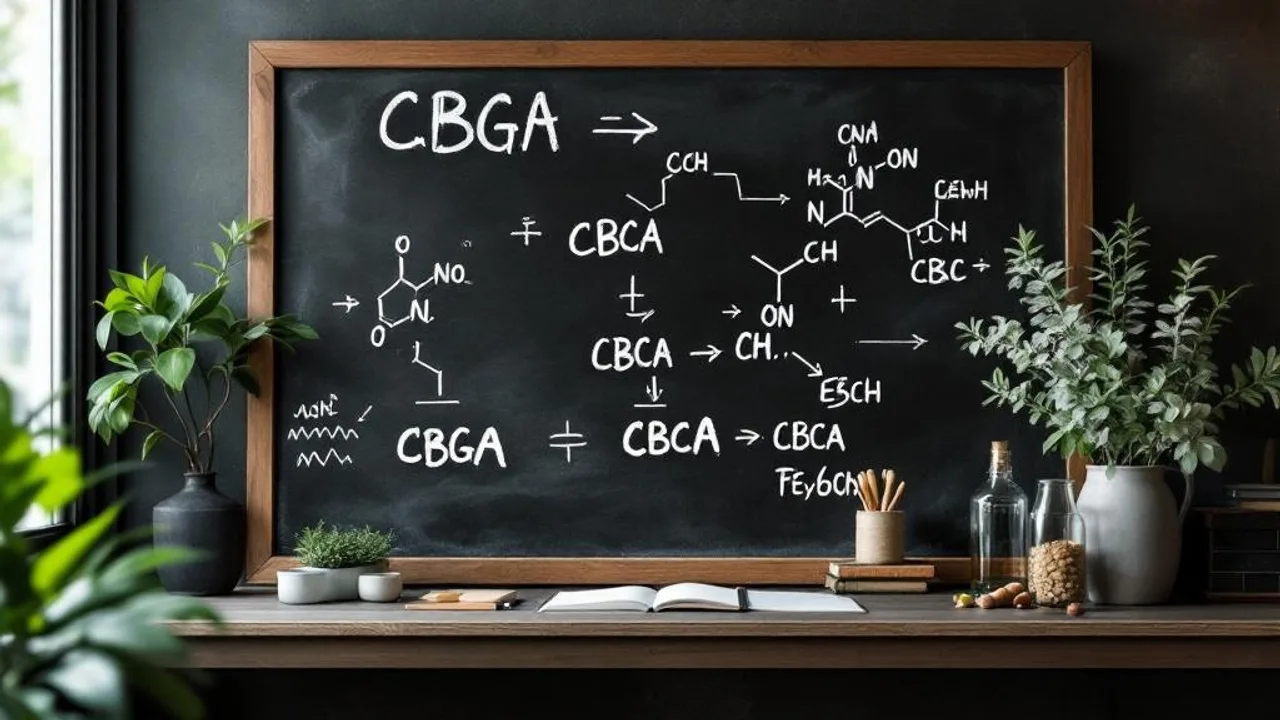
CBC, THC, and CBD all descend from a single precursor: cannabigerolic acid (CBGA), often called the 'mother cannabinoid.' Enzymes in the trichome convert CBGA into cannabichromenic acid (CBCA), which decarboxylates with heat and time into CBC .
This is why CBG is so important: it's the raw material from which every other cannabinoid in the plant branches out. You can think of the CBGA molecule as a Y-intersection: one enzyme sends it toward THCA, another toward CBDA, and a third, CBCA synthase, pushes it down the cannabichromene path.
Why Young Plants Have More CBC
Here's the twist most grow guides miss: CBC concentrations tend to be highest in younger plants. As flowering progresses and the plant matures, much of that early CBCA continues converting, and some of it degrades or isomerizes under UV and heat exposure. Harvest timing therefore has a direct effect on how much CBC survives into the jar.
For a deeper look at how these molecules are manufactured inside the resin glands, see our companion piece on cannabis trichome biology and our breakdown of CBG, the mother cannabinoid.
Because CBCA decarboxylates to CBC and CBC can further oxidize to CBL (cannabicyclol) over long storage or heavy heat, preserving CBC is partly a post-harvest problem. Cool, dark, low-oxygen storage retains more of it.
How CBC Works in the Body: Receptors and Mechanisms
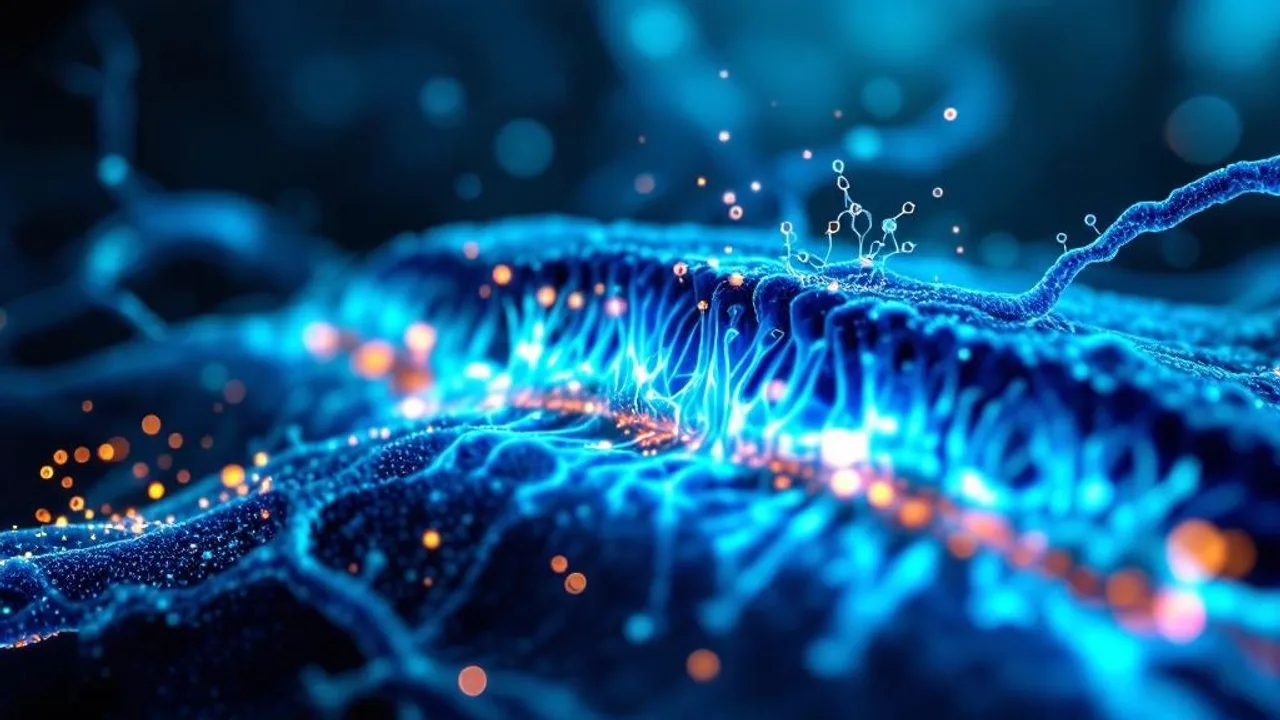
CBC barely engages CB1 or CB2 receptors at meaningful levels. Instead, it activates the TRP (transient receptor potential) cation channel family, including TRPA1, TRPV1, TRPV3, and TRPV4, which govern pain perception, inflammation, and thermal sensing .
This is the key distinction that explains everything else about CBC. THC works by mimicking anandamide at CB1. CBD works indirectly across multiple targets including 5-HT1A. CBC sidesteps the classic endocannabinoid receptors almost entirely and talks to the body's pain channels directly.
The Four TRP Channels CBC Targets
- TRPA1: the 'wasabi receptor,' central to inflammatory pain signaling
- TRPV1: the capsaicin receptor, a master regulator of heat and chronic pain
- TRPV3: involved in skin sensation and thermoregulation
- TRPV4: linked to osmotic pain and joint inflammation
CBC does act as a CB2 agonist with weak binding affinity at both CB1 and CB2 compared to THC, so there's a modest endocannabinoid component. But the TRP engagement is where the interesting pharmacology lives.
The Anandamide Connection
There's a second mechanism worth flagging: CBC appears to delay the breakdown of anandamide, the endogenous 'bliss molecule,' allowing it to remain active in the bloodstream longer . If that holds up in further research, it means CBC indirectly boosts your own endocannabinoid tone without binding CB1 itself, a clever back-door into the system we cover in our endocannabinoid system pillar guide and our deep-dive on anandamide.
CBC vs. CBD vs. THC: Key Differences
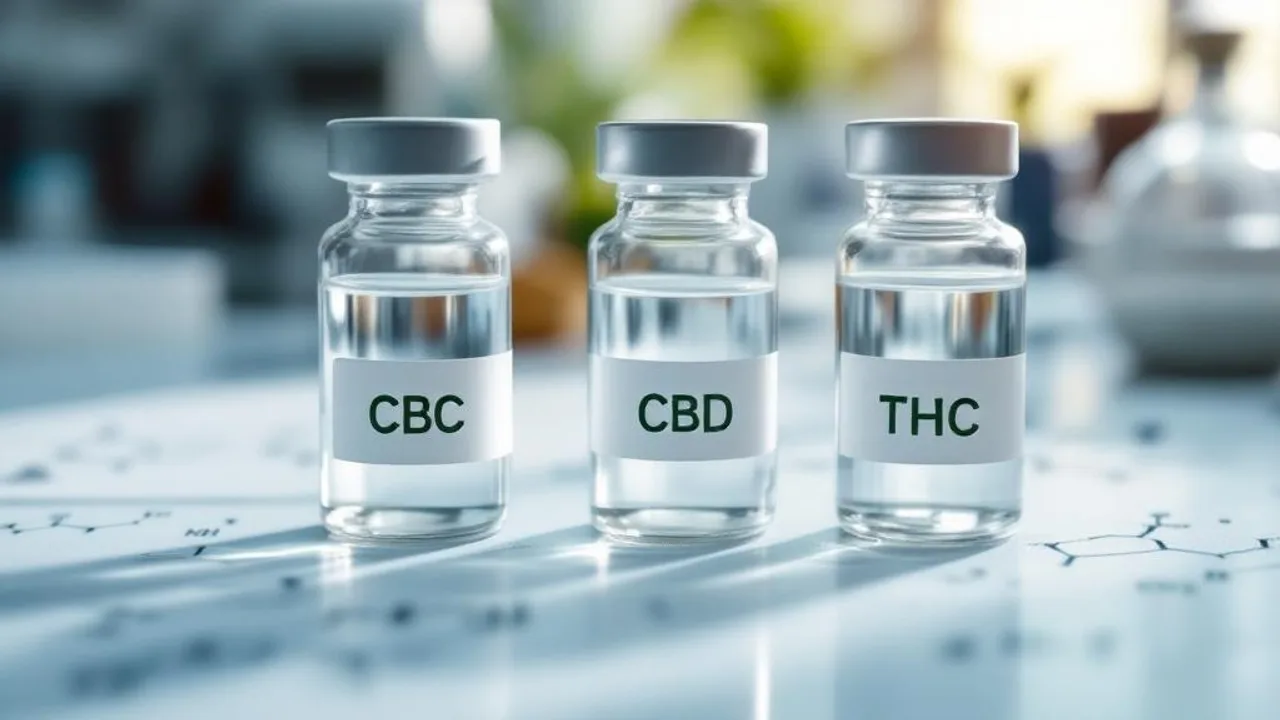
While all three cannabinoids share the same CBGA origin, CBC binds directly to TRPV1 in the nervous system while CBD is more associated with 5-HT1A receptor activity, and THC dominates CB1 . That single receptor-level distinction drives different therapeutic profiles.
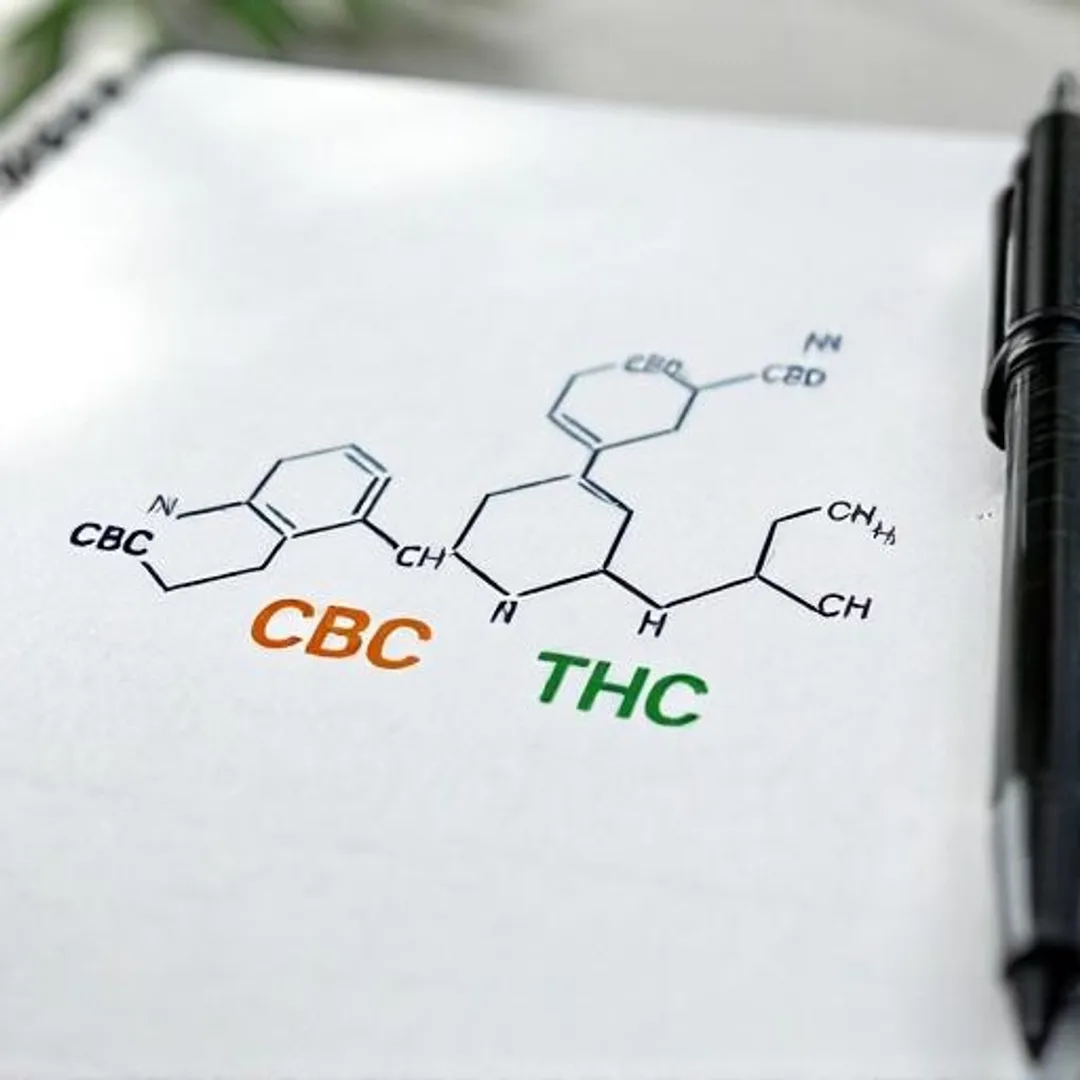
| Feature | CBC | CBD | THC |
|---|---|---|---|
| Psychoactive | No | No | Yes |
| Primary receptor | TRPV1, TRPA1, TRPV3/4 | 5-HT1A, indirect ECS | CB1, CB2 |
| CB1/CB2 binding | Weak (CB2 agonist) | Very weak | Strong |
| Typical plant abundance | Low-moderate | Strain dependent | Dominant in drug-type |
| Anti-inflammatory mechanism | Non-CB receptor pathways | Multiple (CB2, TRPV1, adenosine) | CB2-mediated |
| Entourage partner | Strong synergy reported | Yes | Yes |
The practical implication: CBC isn't a 'weaker CBD.' It's a structurally similar molecule with a genuinely different target list. A full-spectrum product carrying measurable CBC is not redundant with a CBD isolate, the two hit different receptors.
Is CBC Better Than CBD? Comparing Therapeutic Profiles
Neither molecule is 'better' in isolation, they excel at different things. CBD has the larger human clinical trial footprint (notably for epilepsy). CBC has stronger preclinical signals in specific niches like inflammation models and neurogenesis, but it lacks human efficacy studies as a standalone therapy.
Preclinical research indicates CBC exhibits anti-inflammatory, anti-convulsant, anti-microbial, anti-nociceptive (pain-relieving), and anti-anxiety properties . That's a broad pharmacological fingerprint. The caveat: almost all of this evidence comes from animal models and cell culture. Human clinical trials for CBC as a monotherapy essentially don't exist yet, so no clinician can claim CBC 'treats' anything.
There are no approved medical indications for CBC as a standalone therapy, no established human dosing, and no long-term safety profile in humans. Everything that follows reflects preclinical research, animal and cell studies, not clinical practice.
Potential Therapeutic Effects Supported by Preclinical Research
In animal models, CBC has demonstrated strong anti-inflammatory effects on edema through non-CB receptor mechanisms, along with measurable antidepressant activity and antinociceptive signaling [S7 removed]. These findings come from rodent studies and cell work, promising, but not yet validated in humans.
Anti-Inflammatory Activity
CBC's anti-inflammatory profile is one of the most-cited reasons researchers are circling back to it. Unlike many anti-inflammatories that work through CB2, CBC appears to reduce inflammation through non-cannabinoid receptor pathways, most likely its TRPA1 and TRPV engagement .
If you're researching cannabinoids for inflammatory conditions, see our companion resources on cannabis for inflammation and our curated list of best strains for inflammation.
Antidepressant Signal
In a 2010 mouse study by El-Alfy and colleagues, CBC at 20 mg/kg reduced depression-like behaviors in the forced swim test, one of the standard rodent screens for antidepressant activity . Interestingly, at that same 20 mg/kg dose it was ineffective in the tail-suspension test, though higher doses did produce effects there . That's how real pharmacology looks, dose-dependent, test-dependent, nuanced.
Neurogenesis and Brain Health
A handful of preclinical studies have pointed to CBC supporting the viability of neural stem progenitor cells (NSPCs), the cells that give rise to new neurons in the adult brain. This is a rare property among plant molecules and one of the most cited reasons CBC is drawing attention for neurological research.
Pain and the Descending Antinociceptive Pathway
Animal work has implicated CBC in the descending pathway of antinociception, the brain's top-down system for dampening pain signals before they reach consciousness. Combined with its TRPV1 agonism, this positions CBC as a genuinely interesting molecule for chronic pain research.
CBC and the Entourage Effect

Researchers believe CBC works synergistically with other cannabinoids as part of the entourage effect, though this interaction is not fully understood and can both potentiate and diminish other cannabinoids' effects depending on context . The word 'synergy' is doing heavy lifting here: it's not automatic.
The most compelling signal comes from combinations of CBC with THC and CBD, where some animal studies show amplified antidepressant and anti-inflammatory effects beyond what either cannabinoid produces alone. Our full breakdown lives in the entourage effect guide.
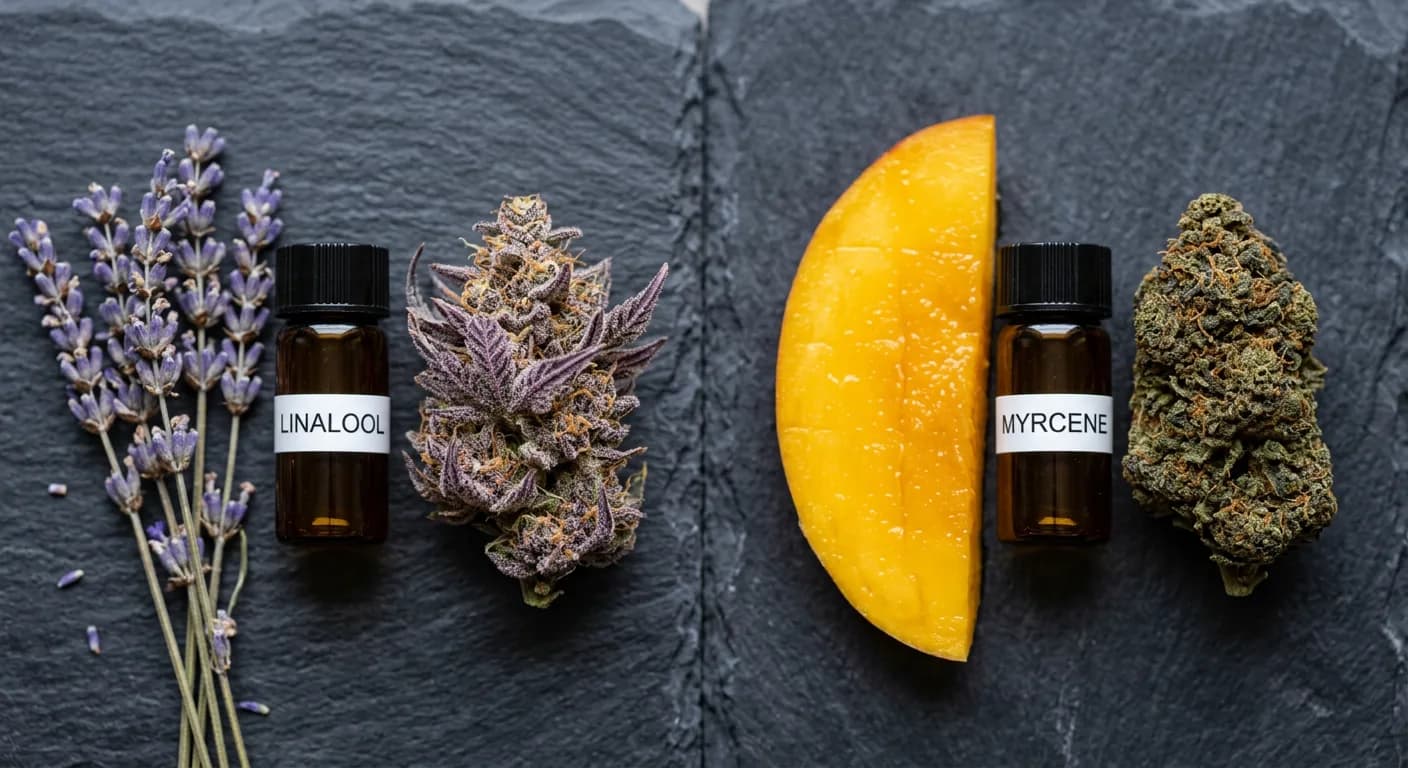
Terpene interactions likely matter too. Caryophyllene (a CB2 agonist), myrcene, and humulene all show anti-inflammatory activity in their own right. A flower with meaningful CBC and a caryophyllene-forward terpene profile is a different product than isolate CBC in MCT oil, see our beta-caryophyllene guide for how those pieces fit together.
Emerging Research: CBC in Cancer and Neurological Studies
A 2025 study published in Cell Death Discovery reported that CBC induces both apoptosis and ferroptosis in human pancreatic cancer cells, with upregulation of ferroptosis-related genes including HMOX1 . This is a cell-culture finding, not a clinical result, but it's scientifically significant because it points to two distinct cell-death pathways activated simultaneously.
Ferroptosis is a relatively newly-characterized form of iron-dependent cell death, and drug developers are racing to find molecules that trigger it selectively in cancer cells. CBC landing in that conversation is notable. We want to be clear, though: this is a petri dish result. It does not mean CBC treats pancreatic cancer in humans. That would require years of preclinical safety work followed by human trials.
The HMOX1 upregulation finding is a textbook example of why minor cannabinoid research matters. Molecules dismissed as 'also-rans' keep producing unique mechanistic signals that major cannabinoids don't.
Cannabis Strains with Higher CBC Potential
CBC is present in cannabis in smaller amounts than major cannabinoids like THC and CBD . No commercially available strain is 'CBC-dominant' in the way some strains are CBD-dominant, but certain genetics consistently test higher than average.
In our pheno-hunting work, higher CBC levels tend to show up in three categories: (1) landrace and landrace-adjacent lines from equatorial regions, (2) young or early-harvested phenotypes before full THCA conversion, and (3) certain CBD-rich lines where the CBCA synthase pathway hasn't been selected against.
| Strain | Type | CBC Notes | THC Range |
|---|---|---|---|
| Malawi Gold | Landrace sativa | Equatorial landrace, classic higher-CBC genetics | ~13% |
| Swazi | African landrace | Old-world genetics, diverse cannabinoid expression | ~18% |
| Purple Power | Sativa-dominant | Lower-THC profile favors minor cannabinoid retention | ~10% |
| Blue Dream | Hybrid (not carried) | Reported trace CBC in some phenos | 17-24% |
| Sour Tsunami | CBD-rich (not carried) | High-CBD line with elevated minor cannabinoids | Low THC |
| Charlotte's Web | Hemp-type (not carried) | CBD-dominant, testable CBC in some batches | Sub-0.3% |
Our three landrace and lower-THC lines most commonly associated with measurable CBC expression are Malawi Gold Autoflower, Swazi Feminized, and Purple Power. For context on why landrace genetics preserve more cannabinoid diversity, see our landrace strains guide.
How to Grow Cannabis with Higher CBC Levels
CBC expression is driven by three factors: genetics, plant age at harvest, and post-harvest handling. You cannot create CBC that isn't genetically coded into the plant, but you can preserve more of what's there.
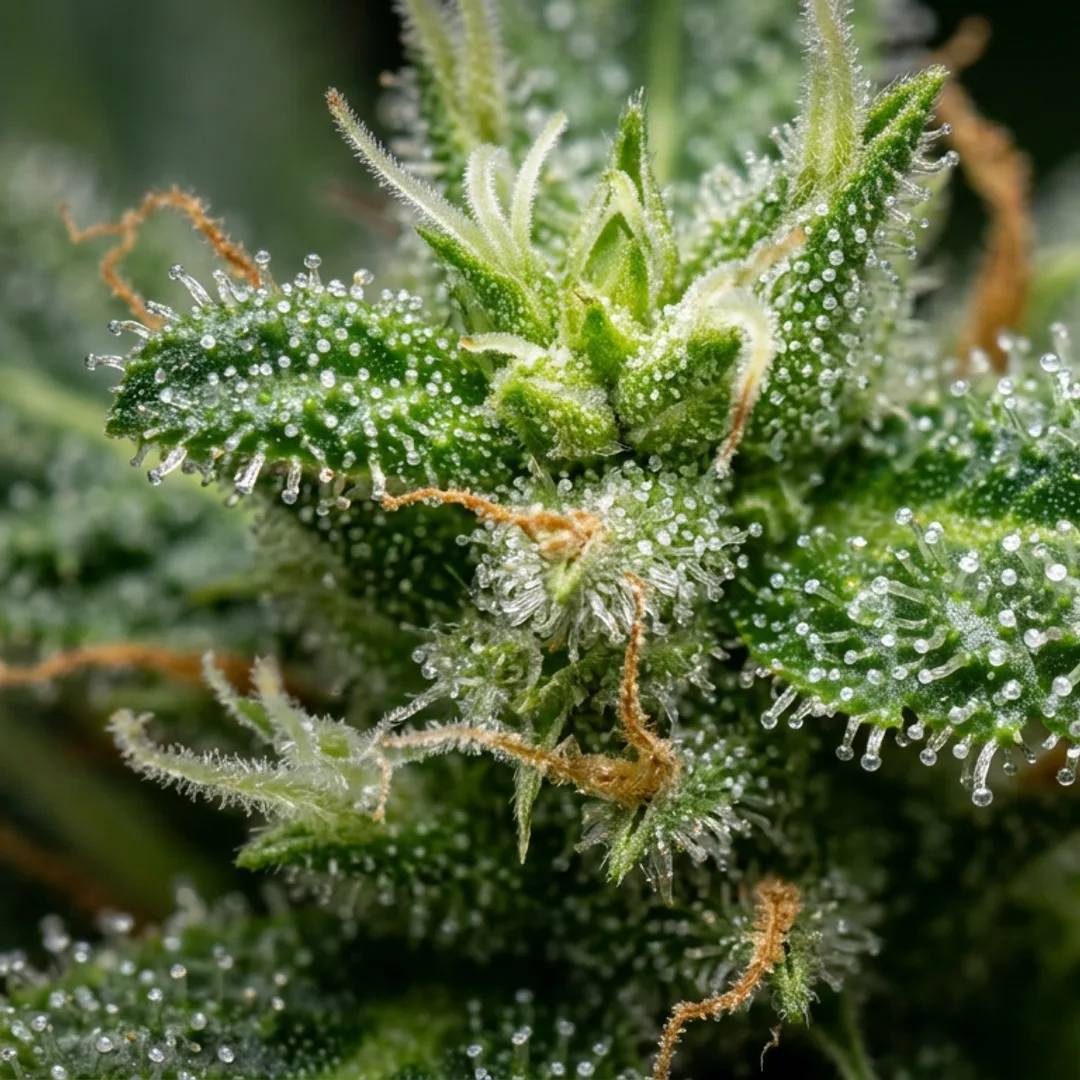
Start with the right genetics
Landrace-adjacent lines and select CBD-rich varieties tend to preserve CBCA synthase expression. High-THC modern hybrids have often been selected against minor cannabinoid pathways.
Consider slightly earlier harvest windows
Because CBC concentrations are often higher earlier in flower, before full maturation shifts the plant's cannabinoid profile, harvesting at the early end of the trichome maturity window can retain more CBC. Reference our harvest timing guide.
Protect trichomes from UV and heat
CBC degrades to CBL under prolonged UV exposure and heat. Use UV-filtering tent material during the final weeks and keep canopy temps below 82°F. Our VPD calculator helps dial this in.
Cure cold and dark
Post-harvest light and oxygen exposure continue degrading minor cannabinoids. A standard 60°F, 58-62% RH cure in amber glass preserves more CBC than warm, bright storage.
If CBC retention matters to you, lab-test your harvest. A basic cannabinoid panel that includes CBC (not just THC/CBD) costs $50-100 and tells you exactly what your phenotype is producing. We detail how to interpret results in our COA reading guide.
What We Still Don't Know: Gaps in CBC Research
Being honest about limits is part of science, so here's what the evidence base actually does not support as of 2026:
- No peer-reviewed human efficacy trials for CBC as a standalone therapy
- No established human dosing guidelines
- Limited long-term safety and side-effect data in humans
- Sparse information on drug-drug interactions
- No verified typical CBC concentrations published for most commercial flower
- Limited human bioavailability and pharmacokinetic data
This is a molecule with genuinely exciting preclinical pharmacology and an underdeveloped clinical literature. Both statements are true at the same time. Anyone selling CBC as a proven therapy is getting ahead of the evidence.
CBC is pharmacologically unique among major cannabinoids: direct TRP channel engagement, anandamide preservation, and measurable anti-inflammatory and antidepressant signals in animals. But the human clinical work hasn't caught up to the mechanistic science. Treat it as a promising research target, not an established medicine.
Frequently Asked Questions
What does CBC do in the body?
CBC activates TRP cation channels (TRPA1, TRPV1, TRPV3, TRPV4) involved in pain perception and inflammation, acts as a weak CB2 agonist, and appears to delay the breakdown of anandamide, the body's 'bliss molecule', allowing it to remain active longer. Preclinical research links these actions to anti-inflammatory, antidepressant, and antinociceptive effects.
Is CBC better than CBD?
Neither is universally better: they work on different receptors. CBC binds TRPV1 directly, while CBD is more associated with 5-HT1A activity. CBD has substantially more human clinical research behind it. CBC shows stronger preclinical signals in specific niches like certain inflammation models but lacks human trials as a standalone therapy.
Will CBC get you high?
No. CBC is non-psychotropic and does not produce intoxication. It has weak binding affinity at CB1, the receptor responsible for THC's psychoactive effects, so even at high doses it does not alter perception the way THC does.
Which strains have the most CBC?
Landrace and landrace-adjacent varieties, lower-THC genetics, and some CBD-rich lines tend to express more CBC. Examples include Malawi Gold, Swazi, Purple Power, and CBD-dominant varieties like Sour Tsunami or Charlotte's Web. Harvesting slightly earlier in the trichome maturity window can also preserve more CBC.
Does CBC show up on a drug test?
Standard drug tests screen for THC metabolites, not CBC. However, full-spectrum cannabis products that contain CBC almost always contain trace THC as well, which can trigger a positive result. CBC itself is not a target of common workplace drug panels.
Sources & References
This article was researched and fact-checked using 9 verified sources including 3 peer-reviewed studies, 1 authoritative reference, 1 industry source, 4 community resources.
- The Potential of Cannabichromene (CBC) as a Therapeutic Agent - PMC , pmc.ncbi.nlm.nih.gov/articles/PMC11493452 [Research]
- Cannabichromene - an overview | ScienceDirect Topics, sciencedirect.com/topics/neuroscience/cannabichromene [Research]
- Cannabichromene: integrative modulation of apoptosis, ferroptosis, and endocannabinoid signaling in pancreatic cancer therapy | Cell Death Discovery, nature.com/articles/s41420-025-02674-8 [Research]
- What Is CBC and What Are the Benefits of This Cannabinoid? | Leafly, leafly.com/news/cannabis-101/what-is-cannabichromene-cbc-cannabinoid [Reference]
- What is CBC in weed? Cannabinoid effects and benefits, leafwell.com/blog/what-is-cannabichromene-cbc-cannabinoid [Industry]
- Cannabichromene - Wikipedia, en.wikipedia.org/wiki/Cannabichromene [Community]
- CBC: A New Cannabinoid Worth Getting to Know | Green Goods, visitgreengoods.com/learn/cbc-cannabinoid [Community]
- CBC vs CBD: What Is CBC and How Is It Different from CBD? | Kine Industries LLC , getkine.com/blogs/resource-library/what-is-cbc-and-how-is-it-different-from-cbd [Community]
- The Potential of Cannabichromene (CBC) as a Therapeutic Agent - The Journal of Pharmacology and Experimental Therapeutics, jpet.aspetjournals.org/article/S0022-3565(24)17804-4/fulltext [Community]