Ice Feminized Seeds
By Ivan K., DSS Genetics · Updated April 2026

Ice Feminized Seeds
SKU: DSS-ICE-FEM-5PK
Pack Size
Quantity
Disclaimer: For informational purposes only — not medical advice. Consult a healthcare professional before use.
About This Strain
Ice Feminized Seeds — Complete Strain Profile
Ice Feminized Seeds – Strain Overview
Ice Feminized is an 80% indica-dominant powerhouse bred from the legendary Ice 2000 crossed with Supergirl — a pairing that locks in the frosty, resin-drenched genetics Ice 2000 built its reputation on while adding the vigorous, manageable growth structure Supergirl is known for. The result tests at 13–18% THC with up to 1% CBD, landing in a sweet spot that satisfies both recreational users chasing deep body relaxation and medical growers who need reliable therapeutic output without overwhelming potency.
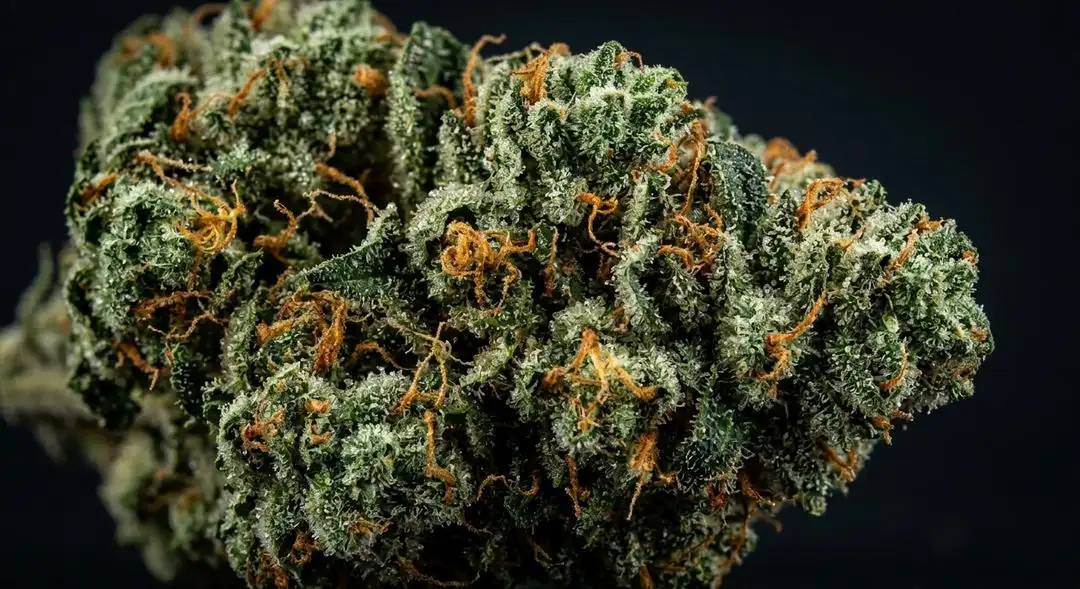
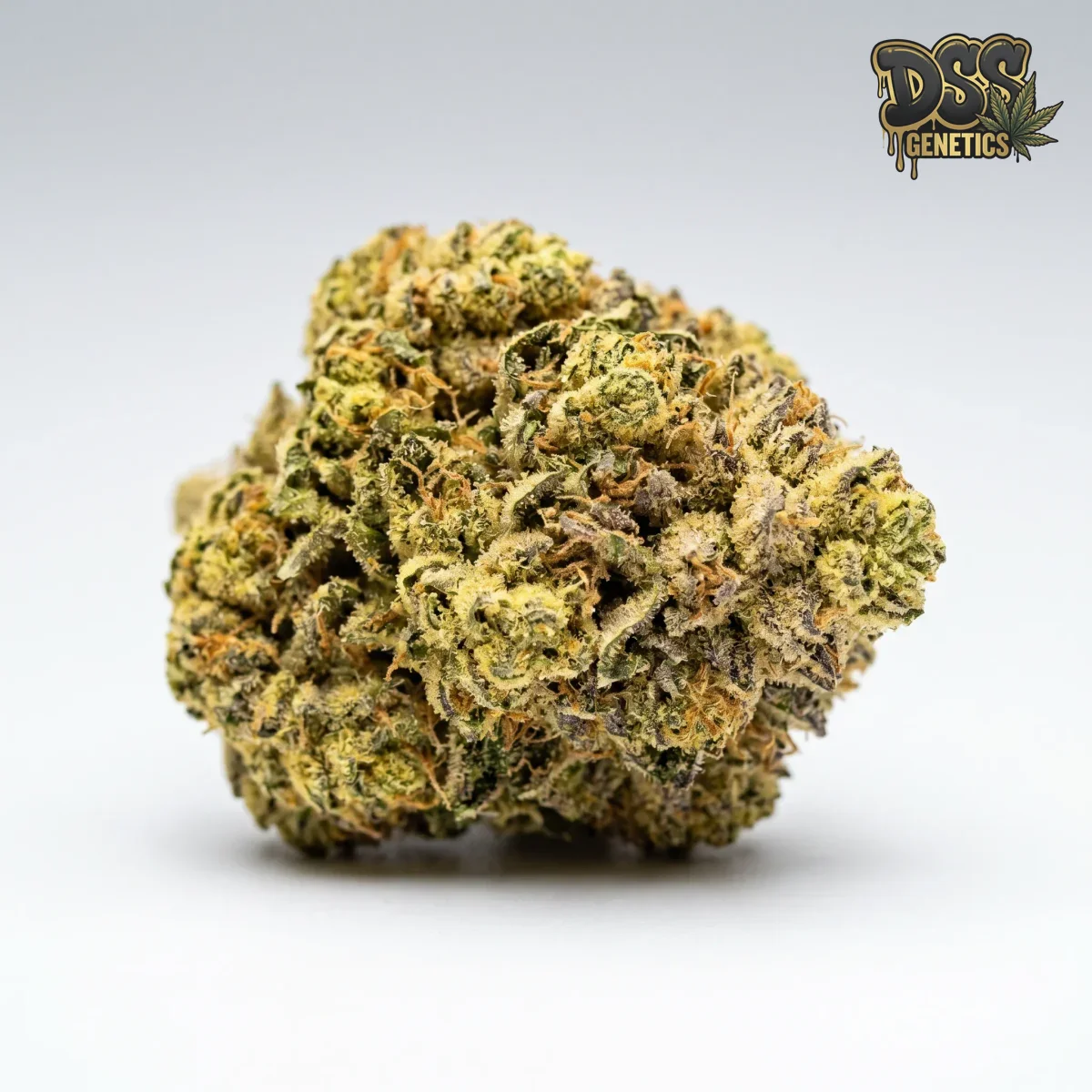
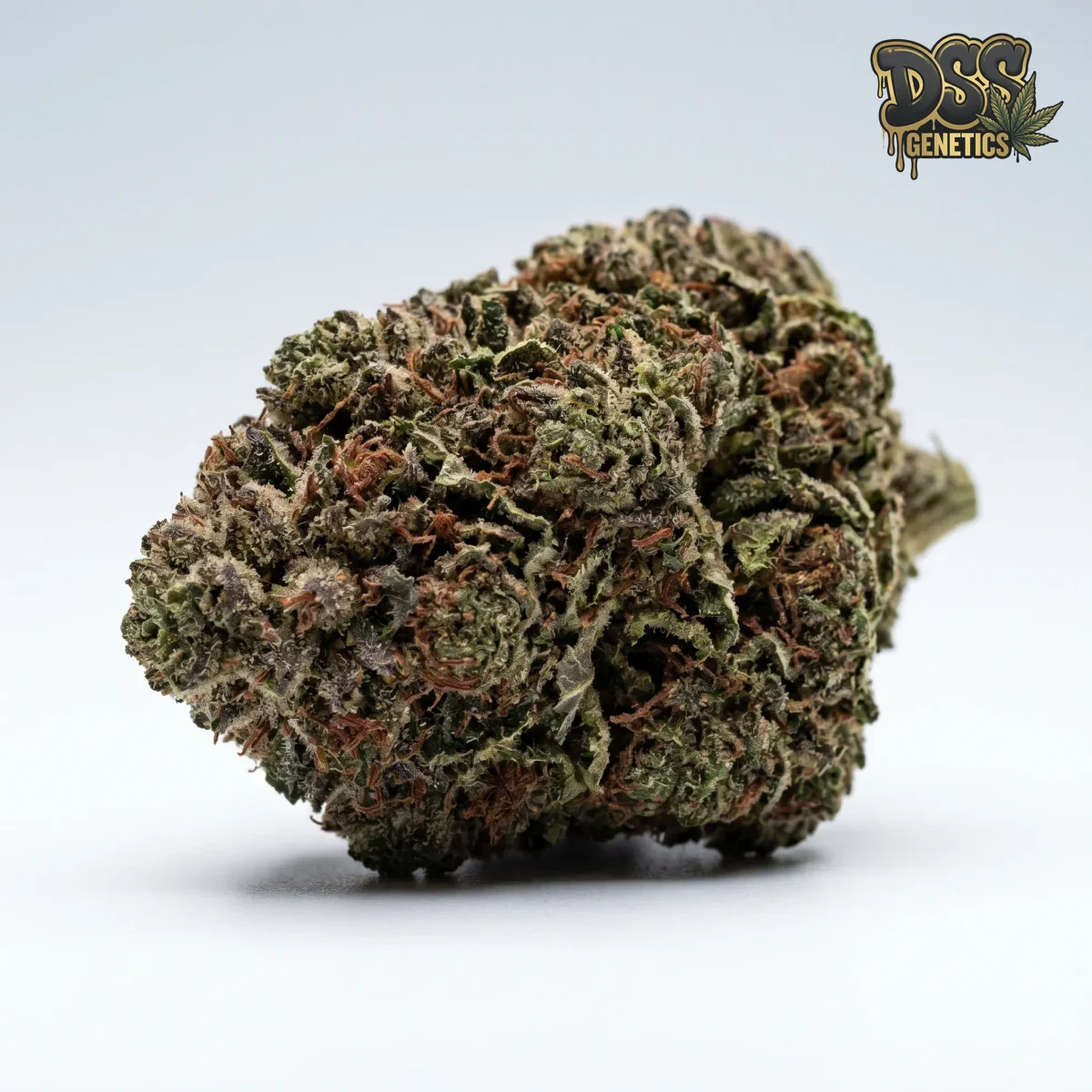
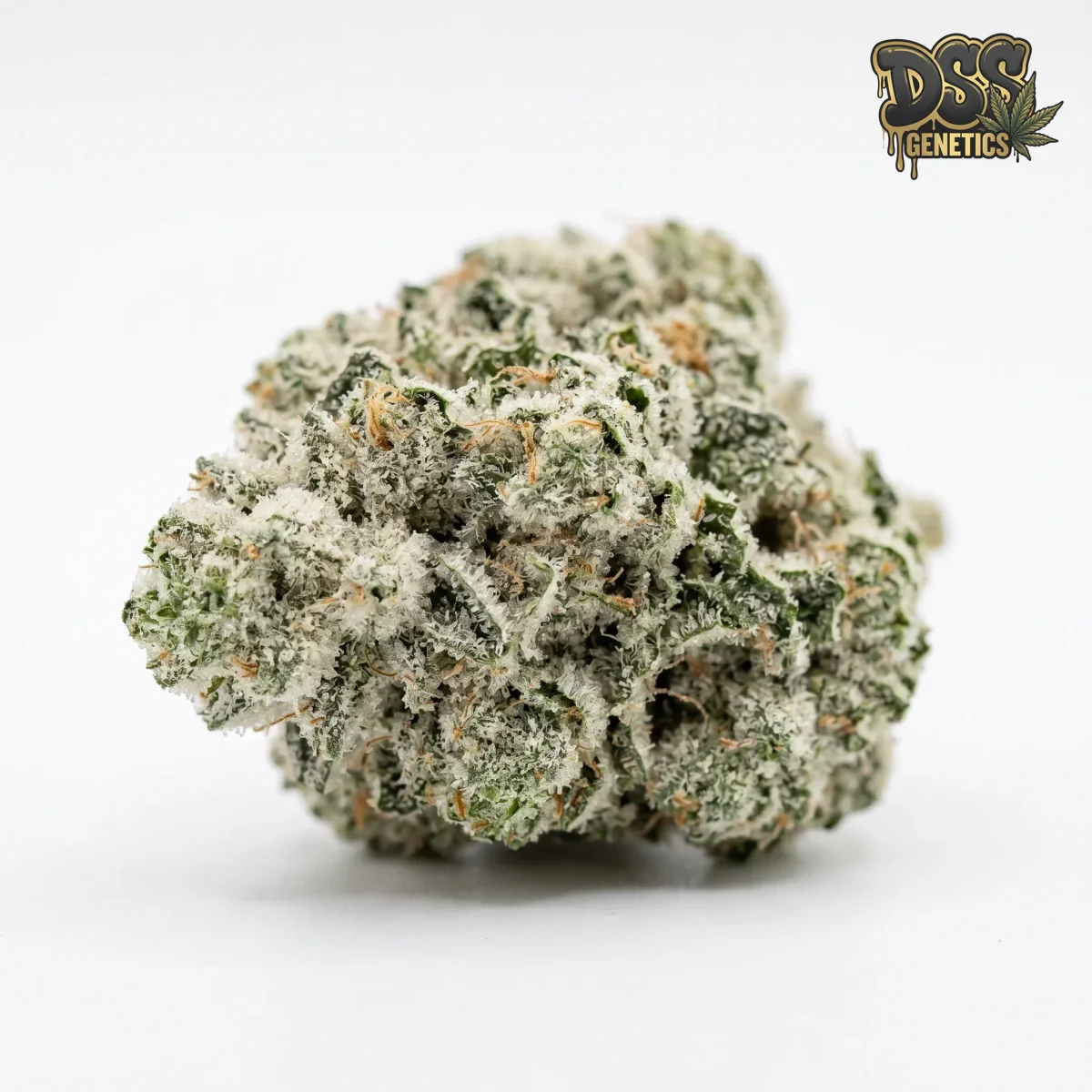
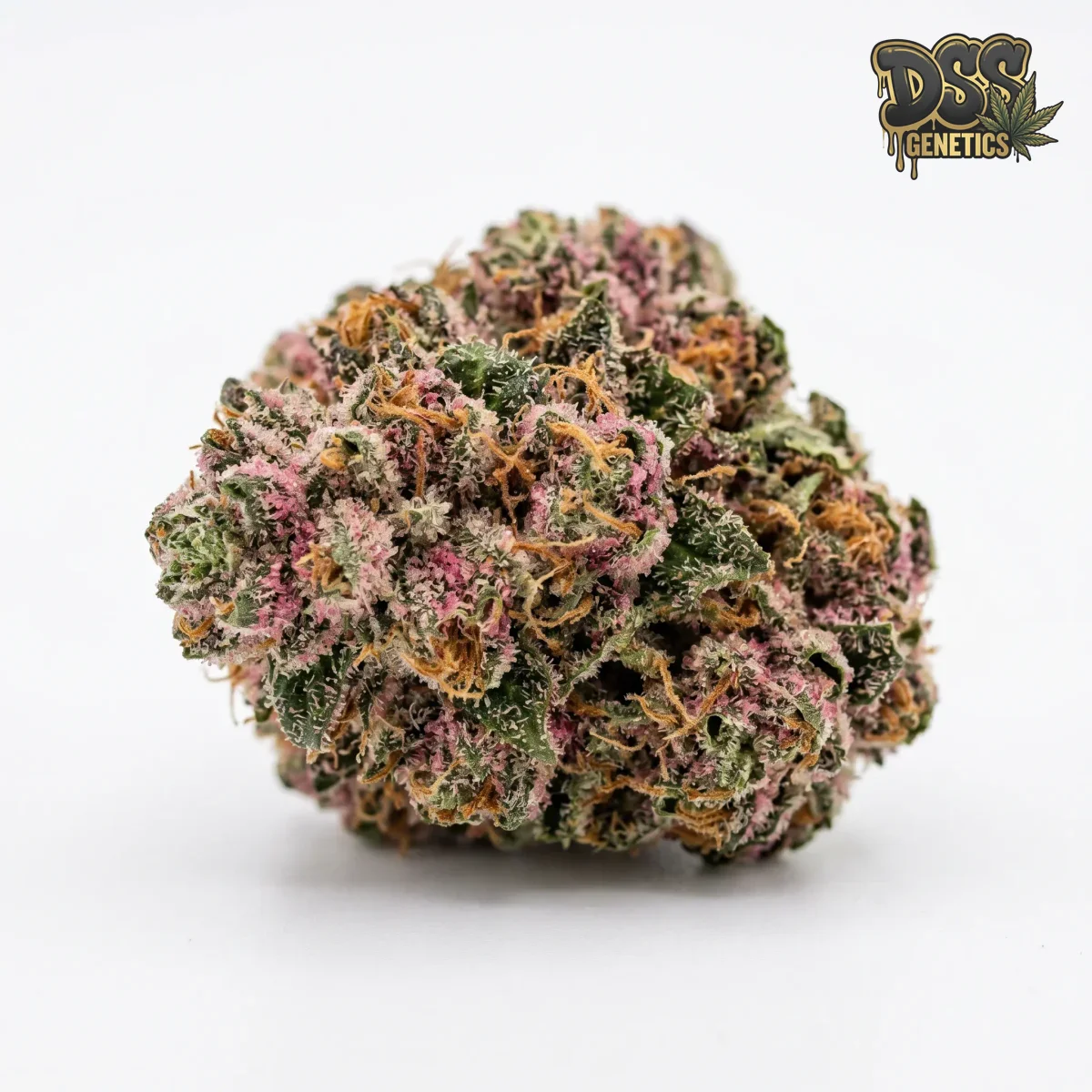
What separates Ice from the crowded indica field is the sheer trichome density coating every calyx and sugar leaf at harvest — the name isn't marketing fluff, it's a literal description of what these buds look like under light. If you're building out your garden with strains that deliver consistent results without punishing learning curves, Ice belongs in your next run alongside other proven performers from our easy-to-grow collection.
Effects and Medical Benefits
Ice opens with a quiet mental shift rather than a jolting cerebral rush — within the first ten minutes most users notice tension dissolving from the shoulders and jaw before any significant head change registers. That's the indica backbone asserting itself early, and it's one of the reasons Ice works so well in the evening rather than fighting against productivity mid-day.
From there, the body effect deepens steadily over thirty to forty-five minutes into something genuinely sedative. The 13–18% THC range means experienced users can calibrate the dose with confidence, while newcomers won't find themselves locked to the couch after a single session — though higher-end doses will absolutely get you there.
Users consistently report these effects across dozens of grows and harvests:
- Full-body relaxation — a heavy, warming physical calm that works from the neck down
- Gentle mental unwinding — thoughts slow without the anxious edge some high-THC indicas can produce
- Sedation at higher doses — genuine sleep-onset support when consumed in larger amounts before bed
- Mood softening — not euphoric exactly, but a quiet contentment that makes stressful evenings manageable
On the medical side, Ice has built a loyal following among growers who consume their own harvests specifically for symptom management:
- Chronic pain — the deep muscle relaxation addresses tension-based and nerve pain effectively
- Inflammation — caryophyllene's direct CB2 receptor activity adds a targeted anti-inflammatory layer
- Stress — the gradual onset prevents the spiked cortisol response some faster-acting strains trigger
- Anxiety — the moderate THC ceiling makes this far less likely to amplify anxious thinking than strains above 25%
- Insomnia — evening consumption, especially at higher doses, reliably shortens sleep onset for most users
The CBD content — ranging from 0.1% up to 1% depending on phenotype — may seem modest, but it's enough to contribute meaningfully through the entourage effect, potentially amplifying caryophyllene's anti-inflammatory signaling and softening the psychoactive edge just enough to make the experience more therapeutically accessible.
Aroma, Flavor and Terpene Profile
Break open a dried Ice bud and the first thing that registers is a cold, clean pine — not the artificial Christmas-tree scent of some strains, but something closer to real forest floor with damp earth underneath it. That foundation gives way almost immediately to a sweeter layer, a faint citrus brightness that keeps the earthy base from feeling heavy or dank. The exhale brings out the skunk and pepper, rounding the experience into something complex enough that you'll want to take a second hit just to catch what you missed the first time.
Fresh-growing plants in late flower carry a sharp, almost mentholated pine smell through the room — it's one of the more distinctive canopy aromas we've encountered with indica-leaning strains, and it intensifies significantly in the final two weeks before harvest.
Myrcene sits at 0.50% in Ice's profile, and its presence explains a lot about how this strain behaves physically. Myrcene is the terpene most directly associated with the sedative, heavy-body quality of indica varieties — it's thought to increase cell membrane permeability in ways that may accelerate THC's crossing of the blood-brain barrier. That earthy, slightly overripe-fruit character you detect underneath the pine is myrcene doing its thing, and it ties directly to why Ice feels heavier than its THC percentage might suggest on paper.
Caryophyllene leads the measured terpenes at 0.58%, contributing the peppery, spiced warmth that shows up most on the exhale and in the aftertaste. What makes caryophyllene genuinely interesting — and medically significant — is that it's the only terpene known to directly bind to cannabinoid receptors, specifically the CB2 receptors concentrated in immune tissue and the gut. This means it delivers anti-inflammatory and analgesic effects through a completely separate mechanism from THC, effectively giving Ice a two-pathway approach to pain and inflammation relief. If you're growing Ice specifically for its therapeutic properties, caryophyllene's presence at this concentration is a meaningful part of the equation.
Limonene appears in Ice's terpene profile without a published percentage, but its sensory fingerprint is easy to find — it's the citrus brightness that lifts the aroma away from purely earthy territory and gives the flavor profile its slight sweetness on the front end. Beyond aroma, limonene has shown mood-elevating properties in research contexts, which likely contributes to the gentle emotional softening users report during the come-up. It may also work synergistically with caryophyllene to support the anxiety-reducing qualities of the overall experience.
Growing Ice Seeds
Ice is rated easy, and in practice that assessment holds up — this is a strain that tolerates the kinds of minor errors that end badly for more demanding genetics. Slight nutrient imbalances, modest temperature swings, imperfect training execution: Ice absorbs these without the dramatic deficiency responses or hermaphrodite risk that plague less forgiving varieties.
That said, easy doesn't mean thoughtless. Ice rewards growers who pay attention to a few specific variables, and understanding those variables is the difference between a good harvest and an exceptional one.
The plant structure is medium height, which makes Ice genuinely versatile — it fits comfortably in standard 4×4 or 5×5 tents without aggressive topping, and outdoors it stays manageable enough that privacy screening remains practical. The indica-dominant architecture produces tight internodal spacing and thick lateral branching, which creates natural canopy density that benefits from some airflow management in the final weeks of flower.
Temperature-wise, Ice performs best with daytime canopy temperatures between 70–80°F (21–27°C) and a modest night drop to 65–70°F (18–21°C). That 10°F diurnal swing in late flower can push the resin production noticeably, and it's one of the reasons outdoor Ice plants grown in climates with cool autumn nights consistently show the heaviest trichome coverage. Humidity should stay in the 40–50% range during vegetative growth — drop to 40–45% once flowering is established, and push it down to 38–42% in the final two weeks to protect the dense bud structure and maximize terpene concentration.
What we've found over dozens of grows with this strain: Ice responds particularly well to a phosphorus-forward feeding approach entering week three of flower. Bumping P from a standard bloom ratio up by about 15–20% at that transition point — while keeping nitrogen low — visibly accelerates trichome development by harvest. Don't push it too hard earlier than week three, though; early flower overfeeding with phosphorus creates the kind of lockout that costs you time you don't have in a 55–60 day window.
Outdoors, Ice handles a surprisingly wide range of climates as long as the harvest window falls before sustained autumn rain arrives. Plants in full sun with good airflow can achieve the upper end of the 8–13 oz/plant yield range without much intervention. In wetter climates, proactive airflow management and some canopy thinning in the final three weeks reduces botrytis risk considerably.
Key growing tips for Ice Feminized:
- Training: LST and light topping during veg opens the canopy effectively — Ice's branching structure responds well and produces multiple flowering sites that fill in evenly
- Indoor environment: Maintain 70–80°F with 40–45% RH during flower; increase airflow around dense upper colas in the final two weeks to prevent moisture buildup
- Nutrient timing: Follow a phosphorus-forward bloom schedule from week three of flower, tapering nitrogen sharply at the transition from vegetative to reproductive growth
- Indoor setup: Medium plant height fits well in standard tents — review our indoor growing guide for light placement recommendations that match Ice's canopy spread
- Outdoor placement: Full sun exposure with good air circulation maximizes resin production — see our outdoor growing guide for regional timing recommendations and late-season humidity management
Yield and Flowering Time
Ice finishes its flowering cycle in 55–60 days — one of the faster turnarounds in the indica-dominant category and a meaningful advantage for growers running multiple cycles annually or working with outdoor windows that close early. That speed doesn't come at the expense of bud density or resin production; in our experience, the compressed timeline actually concentrates terpene development in a way that slightly slower indicas don't always match.
Indoor yields run 0.7 to 1 oz/ft², which is solid for a strain this accessible to beginners. With proper canopy management through training techniques and an optimized light schedule, pushing toward the top of that range is realistic for growers in their second or third run with Ice. Outdoors, plants yield 8–13 oz per plant — a wide range that reflects how responsive Ice is to environmental quality and available sun hours. If you're specifically hunting for strains that punch above their difficulty rating in terms of harvest volume, browse our high-yield collection for context on how Ice compares to other varieties in its class.
To maximize your harvest:
- Trichome monitoring: Target 60–70% milky trichomes with 20–30% amber for peak sedative effect — harvesting earlier shifts the experience toward more cerebral, less body-heavy territory
- Late-flower humidity: Drop to 38–42% in the final two weeks to protect the dense bud structure from botrytis and maximize terpene retention in the resin glands
- Final flush: Run plain water for the last 7–10 days before harvest to clear accumulated salts and allow terpene expression to come forward without mineral interference
- Drying and curing: Slow-dry for 10–14 days at 60–65°F and 58–62% RH before jarring — Ice's terpene profile genuinely improves with a 4–6 week cure, particularly the pine and citrus top notes that fade with aggressive drying
Why Buy Ice Seeds from DSS Genetics?
Every Ice Feminized seed ships with our full germination guarantee — if it doesn't sprout under proper conditions, we replace it without argument. Orders go out in discreet, plain packaging with no cannabis-related branding anywhere on the outside.
- Germination guaranteed — every seed backed by our replacement policy; check our germination guide for optimal sprouting conditions
- Discreet shipping — plain, unmarked packaging on every order
- Spend $100 or more — receive free premium seeds included with your order automatically
- Proper cold-chain storage — seeds are stored at controlled temperature and humidity from warehouse to your door, maintaining viability until you're ready to pop them
Frequently Asked Questions
Is Ice a good strain for first-time growers?
Yes — Ice is genuinely one of the more forgiving indicas available, and its easy difficulty rating reflects real-world grow performance rather than marketing optimism. The plant tolerates minor nutrient errors, adapts to both indoor and outdoor environments, and finishes in 55–60 days without requiring advanced techniques. If you want to build your foundation with reliable genetics, browsing our full easy-to-grow collection alongside Ice gives you a good sense of where it sits in the beginner-friendly spectrum. We also recommend reviewing the vegetative stage guide before your first run to understand how Ice's branching structure develops.
What THC level does Ice Feminized reach?
Ice tests at 13–18% THC depending on phenotype, growing conditions, and harvest timing. That range makes it moderate-potency by today's standards — meaningful enough for experienced consumers to feel a strong effect, but approachable enough that it won't overwhelm users building their tolerance. If you're specifically chasing maximum potency, our highest-THC strains catalog has options that push well above 25%. If Ice's profile appeals but you want something with more CBD balance, check the high-CBD collection for comparison.
What does Ice smell and taste like?
Ice opens with cold, clean pine and damp earth, followed by a sweet citrus brightness that keeps the aroma from sitting too heavily in earthy-skunk territory. The exhale brings peppery warmth and a slight skunky edge that lingers. The three key terpenes driving this profile are Myrcene (0.50%), responsible for the earthy-musky base and the heavy body effect; Caryophyllene (0.58%), delivering the peppery spice and anti-inflammatory CB2 receptor activity; and Limonene, adding the citrus brightness and mood-softening qualities that round out the experience.
How long does Ice take to flower, and what yields can I expect?
Ice completes its flowering cycle in 55–60 days from the switch to 12/12 lighting — fast for an 80% indica and a genuine advantage for growers on tight schedules or limited outdoor seasons. Indoor
Medical Disclaimer: This information is for educational purposes only and should not be considered medical advice. Always consult a healthcare professional before using cannabis for medical purposes. Individual results may vary.
Frequently Asked Questions
Ice — Common Questions Answered
What is Ice?
Ice is a indica-dominant cannabis strain (80% Indica / 20% Sativa) bred from Ice 2000 x Supergirl. It produces THC levels of 13–18% and CBD levels of 0.1–1%. Known for its relaxing effects and pine, sweet, earthy flavor profile.
Is Ice easy to grow?
Yes, Ice is an excellent choice for beginners. It has a forgiving growth pattern and doesn't require advanced techniques to produce good yields. Growing difficulty: Easy. It thrives in temperate climates and reaches a medium plant size.
How long does Ice take to flower?
Ice has a flowering time of 55–60 days. Switch to a 12/12 light cycle to initiate flowering. Expected yields are 0.7 to 1 oz/ft² indoors and 8 to 13 oz/plant outdoors.
What are the effects of Ice?
Ice delivers relaxing effects. Many growers report it helps with pain, inflammation, stress, anxiety, insomnia. With THC levels of 13–18%, it offers a mild, manageable experience suitable for all tolerance levels.
What does Ice smell and taste like?
Ice's dominant terpenes are Myrcene (0.50%), Caryophyllene (0.58%), Limonene, which give it a pine, sweet, earthy, citrus, skunky, peppery flavor and aroma profile. Limonene adds citrusy brightness and may elevate mood.
Can I grow Ice indoors and outdoors?
Yes, Ice performs well both indoors and outdoors. Indoor yields average 0.7 to 1 oz/ft², while outdoor grows can produce 8 to 13 oz/plant. It prefers temperate conditions. Its medium height is manageable in most indoor setups.
What does "feminized" mean for Ice seeds?
Feminized Ice seeds are bred to produce only female plants, which are the ones that develop smokable buds. This eliminates the need to identify and remove male plants, saving time and maximizing your grow space. Over 99% of feminized seeds will produce female plants.
Grower Reviews
Real grow experiences from our community
Similar Strains

Get 10% Off Your First Order
Join our newsletter for exclusive deals, growing tips, and new strain drops.