Purple Urkle Feminized Seeds
By Ivan K., DSS Genetics · Updated April 2026

Purple Urkle Feminized Seeds
SKU: DSS-PUUR-FEM-5PK
Pack Size
Quantity
Disclaimer: For informational purposes only — not medical advice. Consult a healthcare professional before use.
About This Strain
Purple Urkle Feminized Seeds — Complete Strain Profile
Purple Urkle Feminized Seeds – Strain Overview
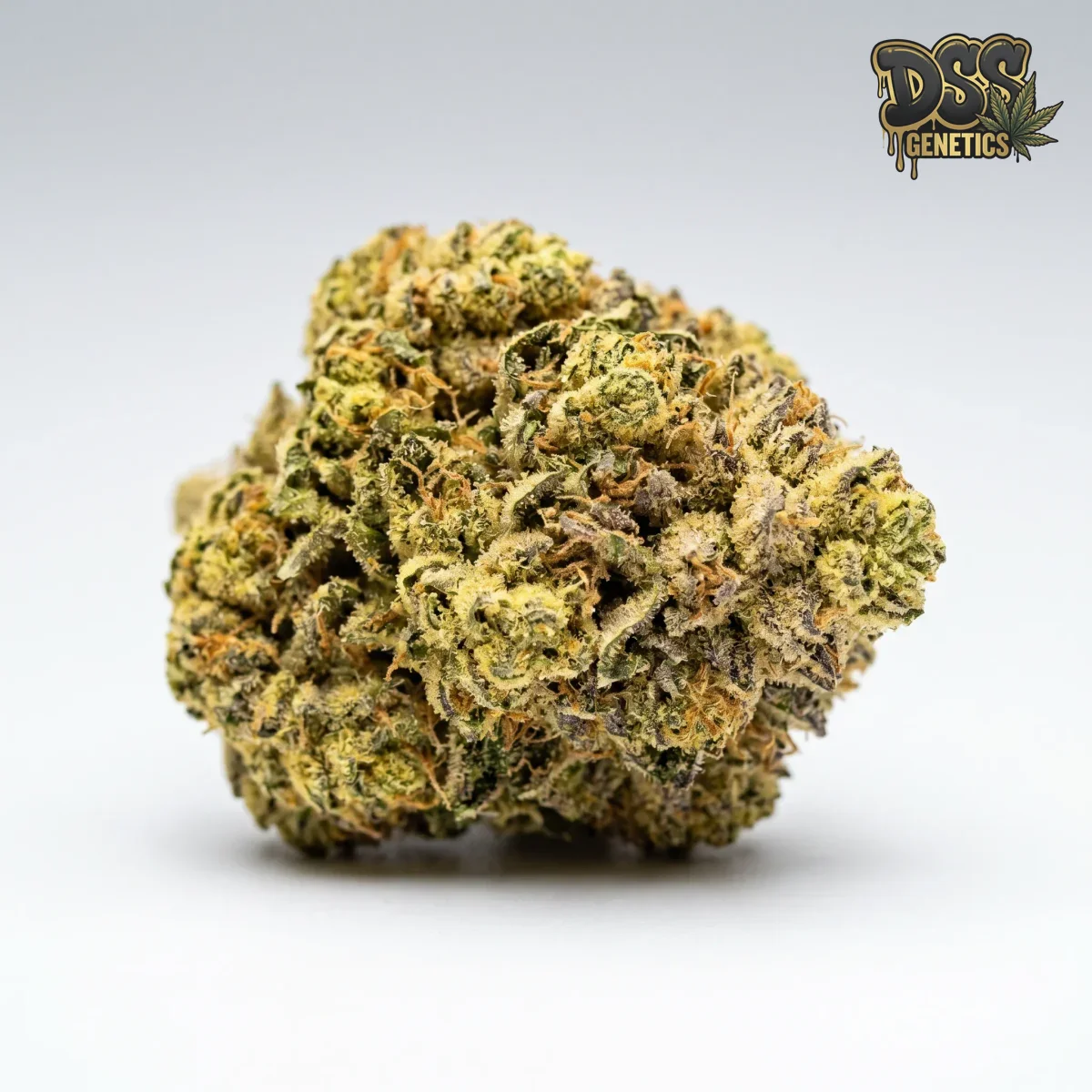
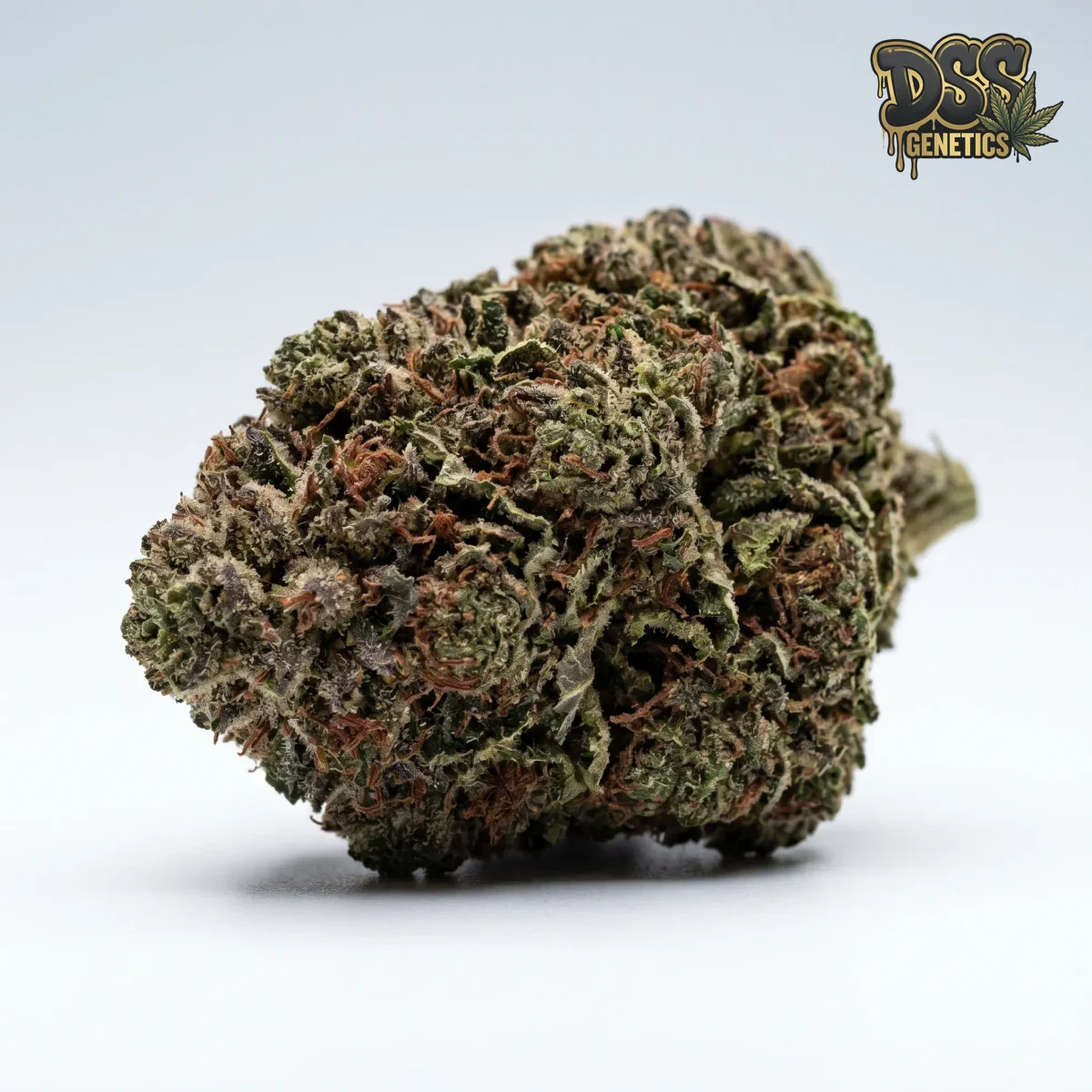
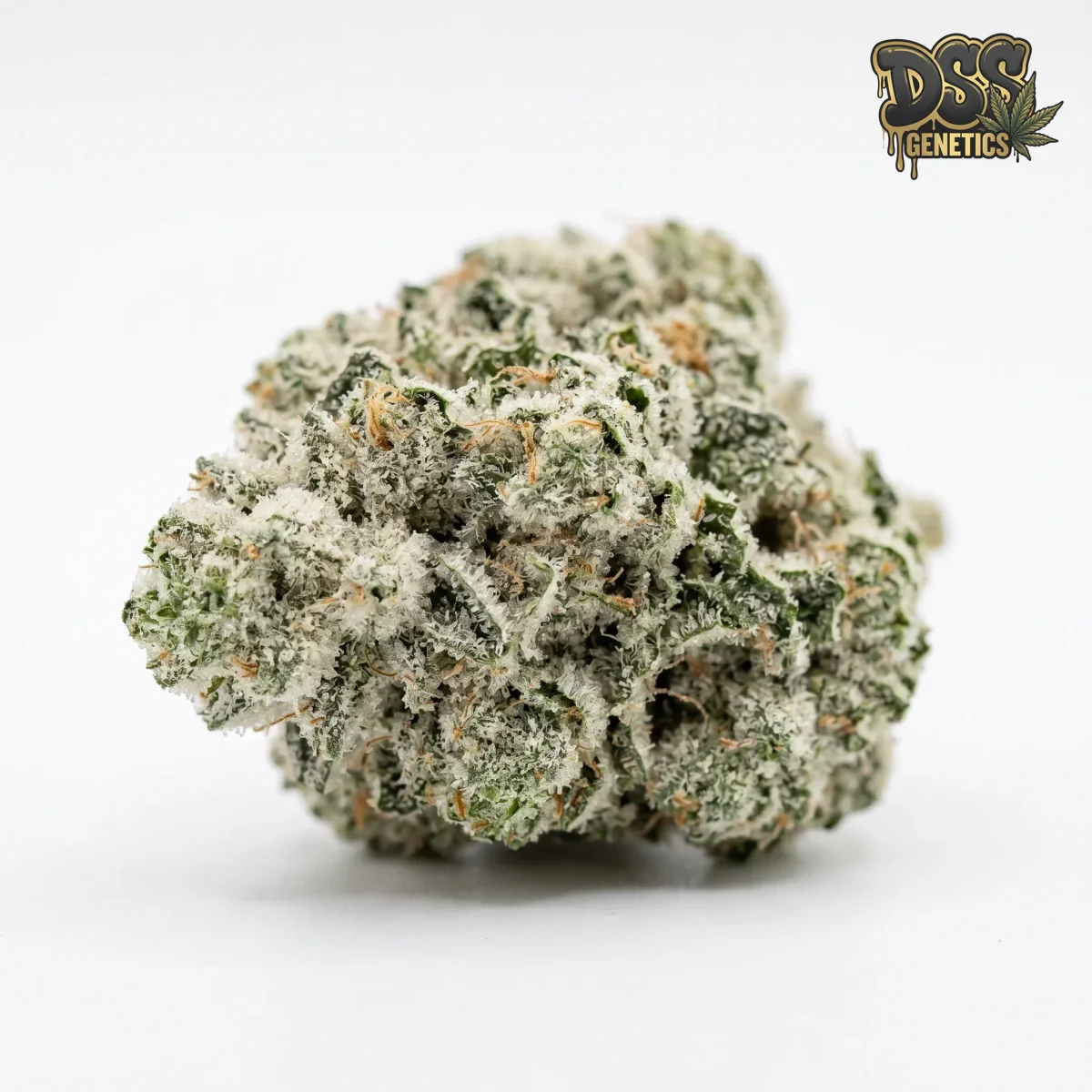
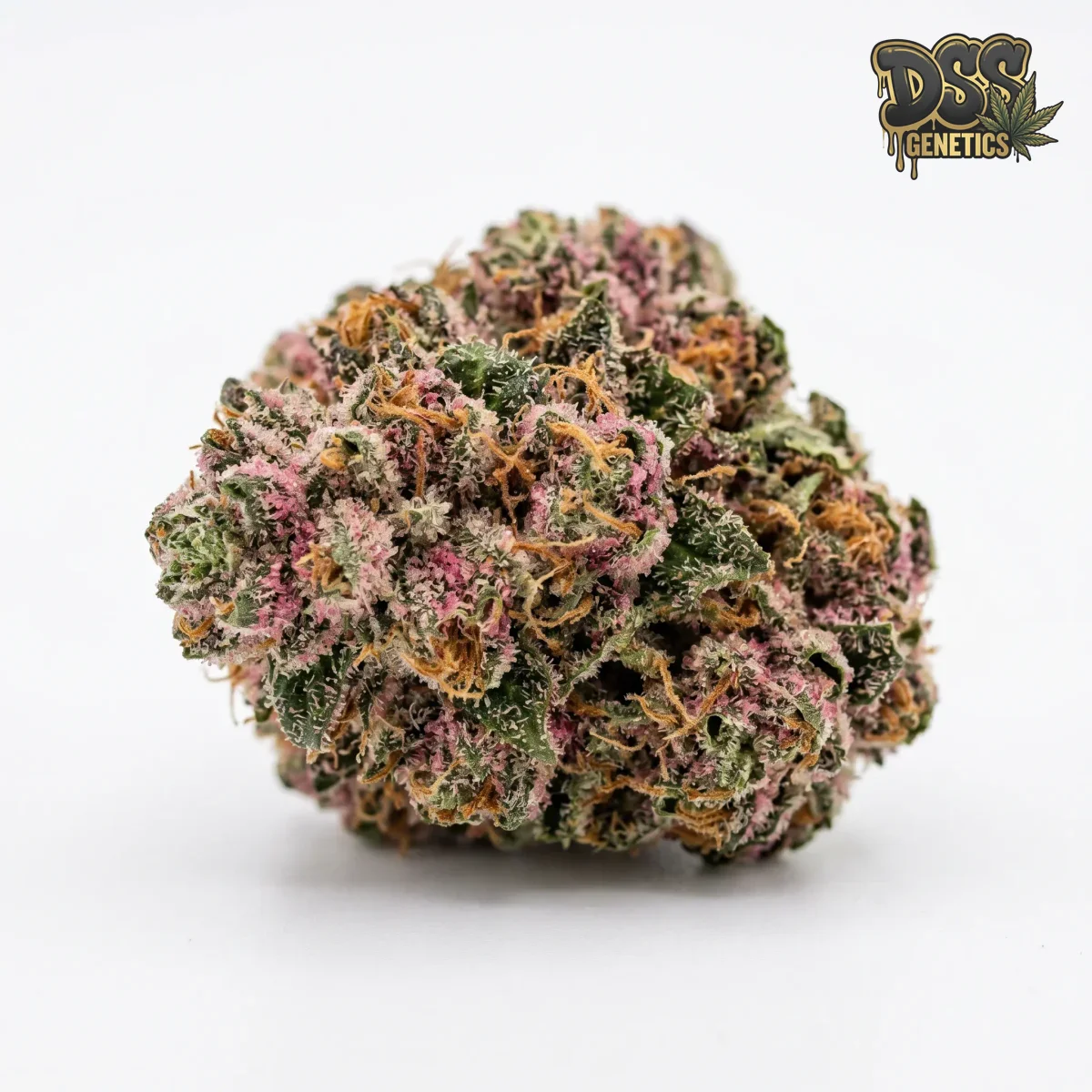
Purple Urkle is a legendary West Coast indica tracing its roots directly to Mendocino Purps, the famed Northern California landrace family that put Humboldt County on the cannabis map. This 80% indica / 20% sativa cultivar carries 18–22% THC, producing dense, resin-heavy buds that blush deep violet under cooler night temperatures — a visual signature that made Purple Urkle a cult favourite long before purple strains became trendy.
What separates Purple Urkle from the flood of purple-marketed genetics on today's market is its authentic lineage and genuinely complex terpene profile. The grape-and-berry sweetness isn't cosmetic — it's baked into the strain's DNA. If you're building out a collection of heavy-hitting, fast-finishing indicas, Purple Urkle belongs alongside the best in our best indica seeds lineup.
Effects and Medical Benefits
Purple Urkle opens with a wave of warm euphoria that settles behind the eyes first — the sativa fraction from its Mendocino heritage doing its brief, cheerful work before the indica takes over. Within 20–30 minutes, that mental lift softens into a broad, full-body calm that unspools tension from the shoulders down to the feet.
At moderate doses, the experience stays functional and social. Push the dose higher and Purple Urkle earns its reputation as a genuine evening strain — the kind that turns a couch into quicksand in the best possible way. Users consistently report these effects:
- Warm euphoria — an immediate mood lift that replaces stress with quiet contentment
- Deep physical relaxation — muscles release tension progressively over the first hour
- Gentle mental calm — thoughts slow without becoming foggy at moderate doses
- Heavy sedation — pronounced couch-lock at higher doses, ideal for evening and nighttime use
On the medical side, Purple Urkle's indica-dominant chemistry makes it a reliable choice for patients managing:
- Chronic pain — the body-heavy effect is particularly useful for muscle and joint discomfort
- Anxiety — the calming progression quiets racing thoughts without inducing paranoia
- Depression — the initial euphoric uplift can lift mood during low periods
- Insomnia — at higher doses, the sedating finish makes falling asleep significantly easier
Though CBD sits low at 0.01–0.2%, the terpene matrix in Purple Urkle contributes meaningfully to its therapeutic character through the entourage effect. Myrcene amplifies the sedative quality of THC, linalool brings anxiolytic properties, and caryophyllene acts directly on CB2 receptors — together they create a more rounded, body-focused experience than THC alone would produce.
Aroma, Flavor and Terpene Profile
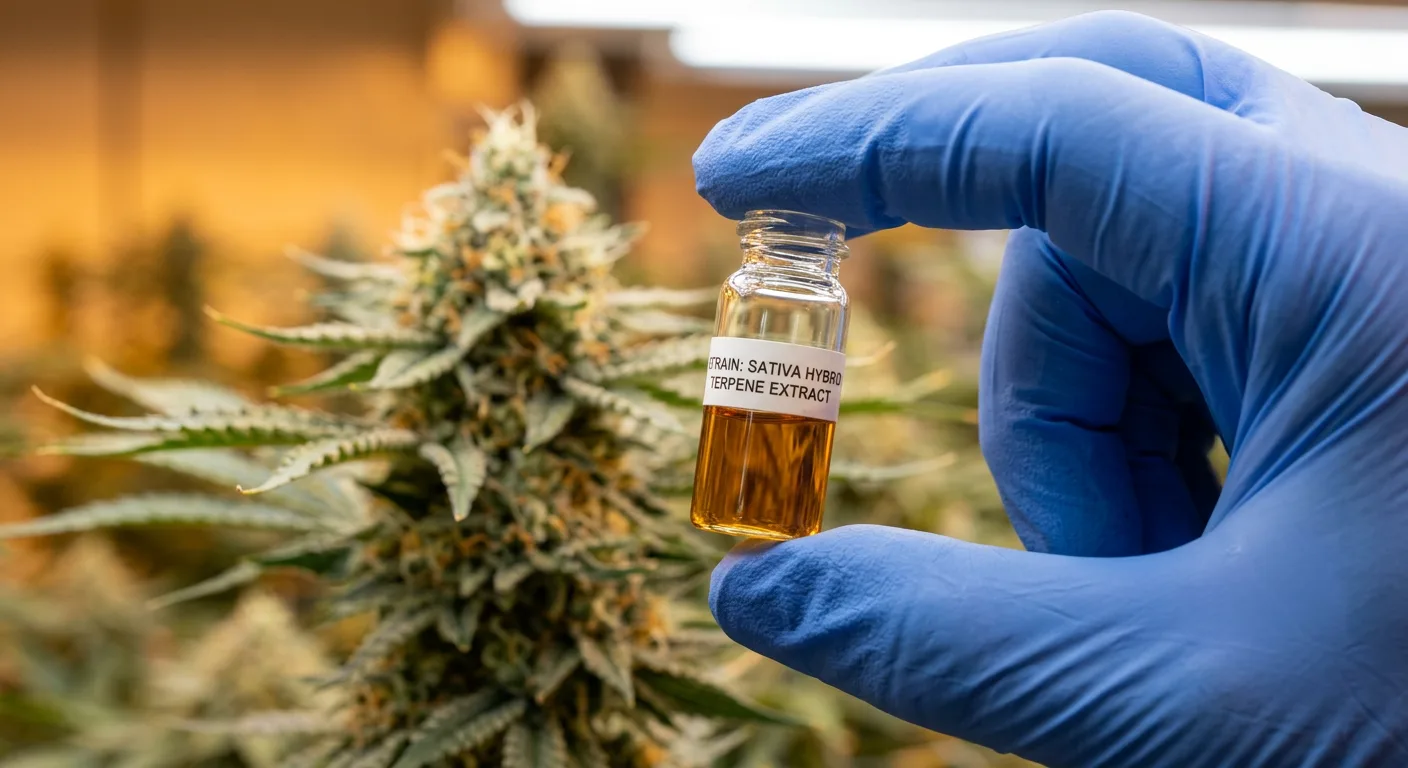
Open a jar of properly cured Purple Urkle and the first impression is unmistakably grape — not artificial candy-grape, but the deep, slightly fermented sweetness of Concord grapes left in a warm kitchen. Underneath that fruit note sits a bed of damp earth and pine resin, with a faint skunkiness that reminds you this is serious cannabis, not a novelty.
On the inhale, berry and sweet grape dominate. The exhale shifts the experience toward pine and earthy musk, with that characteristic skunk note appearing as an accent rather than a distraction. The finish is clean and slightly sweet — the kind of flavour profile that makes Purple Urkle genuinely pleasant to smoke or vaporise.
Myrcene is the anchor of this profile, responsible for the earthy, slightly tropical muskiness that runs beneath everything else. It's the most abundant terpene in cannabis broadly, and in Purple Urkle it's doing double duty — contributing to aroma while also lowering the resistance of the blood-brain barrier to THC, which partially explains why this strain hits with such reliable body weight even at 18% THC. Myrcene is the primary driver of Purple Urkle's sedative, tension-releasing finish.
Caryophyllene brings a warm, peppery spice that sharpens the exhale and adds complexity to what could otherwise be a one-dimensional sweet profile. It's the only known terpene that directly activates CB2 receptors in the endocannabinoid system — functioning more like a cannabinoid than a terpene in that respect. This is a significant part of why Purple Urkle has such consistent anti-inflammatory and analgesic reports from medical users.
Linalool is the quietest member of this terpene trio, but arguably the most important for the strain's anxiolytic reputation. Recognisable as the dominant scent in lavender, linalool works on GABA pathways in the brain — the same mechanism targeted by many pharmaceutical anxiety medications. In Purple Urkle, it smooths the transition between the euphoric opening and the sedative body phase, preventing the kind of anxious edge that high-THC indicas can sometimes produce.
Humulene fills out the earthy, woody depth of the aroma. It's the terpene shared between cannabis and hops, and it carries a subtle herbal bitterness that grounds Purple Urkle's sweeter notes. Research has also pointed to humulene's potential appetite-suppressing properties — relatively unusual in a high-myrcene indica, and worth noting for medical patients.
Growing Purple Urkle Seeds
Purple Urkle is rated easy difficulty, and in practice that reputation holds up. The Mendocino Purps lineage was selected and stabilised in the wet, cool conditions of Northern California's Emerald Triangle — which means this strain is naturally resistant to temperature swings and moderate humidity fluctuations that would stress less robust genetics.
What we've found over dozens of grows is that Purple Urkle rewards growers who pay attention to night temperatures. Dropping the grow room to 60–65°F (15–18°C) for the final two to three weeks of flowering is the single most reliable method for triggering the anthocyanin expression that produces those distinctive purple hues. Without that temperature differential, the buds will still finish well — they'll just be greener. During the active flowering phase, keep daytime temperatures in the 70–79°F (21–26°C) range with 45–55% relative humidity.
The plant structure is compact and medium-sized, making it well-suited to standard indoor tent setups. Branching is moderate, and the internodal spacing stays tight — a trait inherited from its indica-dominant Mendocino heritage. Outdoors, Purple Urkle finishes early enough to harvest before the autumn rain season in most northern climates, which is one reason it became so popular with Humboldt County outdoor growers in the first place.
One genuine challenge with this strain is late-flower bud density. Purple Urkle produces tightly packed, resinous colas that can trap humidity against the stem if airflow is insufficient. We've seen botrytis (bud rot) develop in the final week before harvest in grows where humidity crept above 55% with stagnant air. A dedicated oscillating fan aimed at the canopy and a dehumidifier on standby eliminate this risk almost entirely.
Key growing tips for Purple Urkle:
- Training: Responds excellently to low-stress training (LST) early in veg — bending main stems outward opens the canopy and dramatically increases bud sites without the recovery time of topping
- Nutrients: A moderate feeder — follow a standard phosphorus and potassium ramp from week three of flower, but avoid overloading nitrogen, which can mask the purple colour development
- Vegetative stage: Keep the veg period to 4–6 weeks to maintain manageable plant height and maximise the number of flowering sites
- Indoor environment: Run 600W HPS or equivalent LED at 18–24 inches during late veg, and check our indoor growing guide for tent layout recommendations that suit medium-height strains
- Outdoor timing: In temperate climates, plant out after last frost and follow our outdoor growing guide for soil preparation — Purple Urkle thrives in living soil with good drainage and a slightly acidic pH of 6.0–6.5
Yield and Flowering Time
Purple Urkle finishes in 55–60 days from the flip to 12/12, placing it firmly in the fast-flowering category for a strain of this potency and effect quality. Indoor yields run 1.1–1.3 oz/ft², which is solid for an 80% indica with such compact structure. Outdoors, the plant stretches its potential considerably — expect 26–35 oz/plant in full-sun conditions with adequate root space, which puts it well above average for the category. For growers focused on maximising returns, pairing Purple Urkle with the rest of our high-yield seeds collection gives you a well-rounded harvest calendar.
To maximise your harvest:
- Trichome check: Harvest when 70–80% of trichomes are cloudy/milky with 10–20% amber for peak body effect — going heavier on amber pushes the sedation further and softens the euphoric opening
- Late-flower humidity: Drop relative humidity to 40–45% in the final two weeks to protect dense colas from botrytis and concentrate terpene production
- Flush timing: Begin flushing with plain pH-balanced water 10–14 days before expected harvest to clear residual nutrients and improve the final flavour, particularly the grape and berry notes
- Drying and curing: Dry slowly for 10–14 days at 60–65°F with 55–60% RH — Purple Urkle's terpene profile, especially the linalool and myrcene, degrades quickly with high heat or fast drying, so patience here directly affects the grape-and-berry intensity in the final product
Why Buy Purple Urkle Seeds from DSS Genetics?
Every Purple Urkle feminized seed ships with our full germination guarantee — if it doesn't sprout under proper conditions, we replace it without question. Orders ship discreetly in discreet, unmarked packaging with no cannabis-related branding visible on the outside. Follow our germination guide to give your seeds the best possible start.
- Germination guaranteed — every seed is backed by our replacement promise, no hoops to jump through
- Discreet shipping — plain, unmarked packaging on every order
- Spend $100+ — receive complimentary premium seeds added to your order automatically
- Proper cold-chain storage — seeds are stored at controlled temperature and humidity from packaging through to delivery, preserving viability and germination rates
Frequently Asked Questions
Is Purple Urkle easy to grow for beginners?
Yes — Purple Urkle is rated easy difficulty and is one of the more forgiving indica cultivars available. Its Mendocino Purps heritage gives it natural resilience to temperature fluctuations and moderate humidity variation. The main thing to watch is airflow in late flower, since the dense bud structure can trap moisture. Beginners who want something equally manageable but with faster turnaround should explore our easy-to-grow strains collection for comparison.
How long does Purple Urkle take to flower?
Purple Urkle finishes in 55–60 days from the switch to 12/12 lighting indoors. That's a relatively fast finish for an indica of this potency, and it's one of the traits that made the strain popular with outdoor growers in Northern California who needed to beat the autumn rain. For detailed week-by-week guidance, our flowering stage guide covers nutrient timing, humidity management, and trichome development checkpoints.
What makes Purple Urkle turn purple?
The purple colouration comes from anthocyanins — the same pigments responsible for purple in blueberries and red cabbage. In Purple Urkle, anthocyanin expression is triggered by cooler temperatures during the final two to three weeks of flowering. Dropping night-time temperatures to 60–65°F (15–18°C) while keeping daytime temps in the 70–79°F range creates the differential that activates the colour. The genetics are already there from the Mendocino Purps lineage — temperature is just the switch. Avoid excessive nitrogen feeding in late flower, as high nitrogen can suppress colour development regardless of temperature.
What conditions is Purple Urkle best suited for medically?
Purple Urkle is most consistently reported for pain relief, anxiety reduction, and depression management. The linalool content gives it genuine anxiolytic properties, while caryophyllene's direct action on CB2 receptors contributes to its anti-inflammatory and analgesic profile. At higher doses, it's also effective for insomnia. The combination of myrcene, linalool, and caryophyllene working alongside 18–22% THC through the entourage effect produces a more complete therapeutic response than the cannabinoid content alone would suggest.
Medical Disclaimer: This information is for educational purposes only and should not be considered medical advice. Always consult a healthcare professional before using cannabis for medical purposes. Individual results may vary.
Frequently Asked Questions
Purple Urkle — Common Questions Answered
What is Purple Urkle?
Purple Urkle is a indica-dominant cannabis strain (80% Indica / 20% Sativa) bred from Mendocino Purps. It produces THC levels of 18–22% and CBD levels of 0.01–0.2%. Known for its relaxing, euphoric, energetic effects and pine, sweet, earthy flavor profile.
Is Purple Urkle easy to grow?
Yes, Purple Urkle is an excellent choice for beginners. It has a forgiving growth pattern and doesn't require advanced techniques to produce good yields. Growing difficulty: Easy. It thrives in temperate climates and reaches a medium plant size.
How long does Purple Urkle take to flower?
Purple Urkle has a flowering time of 55–60 days. Switch to a 12/12 light cycle to initiate flowering. Expected yields are 1.1 to 1.3 oz/ft² indoors and 26 to 35 oz/plant outdoors.
What are the effects of Purple Urkle?
Purple Urkle delivers relaxing, euphoric, energetic, sedating, calming effects. Many growers report it helps with pain, anxiety, depression. With THC levels of 18–22%, it provides a moderate to strong experience suitable for most users.
What does Purple Urkle smell and taste like?
Purple Urkle's dominant terpenes are Myrcene, Caryophyllene, Linalool, Humulene, which give it a pine, sweet, earthy, berry, grape, skunky flavor and aroma profile. Myrcene contributes earthy, herbal notes and is associated with relaxing effects.Caryophyllene provides spicy, peppery notes and may help with inflammation.
Can I grow Purple Urkle indoors and outdoors?
Yes, Purple Urkle performs well both indoors and outdoors. Indoor yields average 1.1 to 1.3 oz/ft², while outdoor grows can produce 26 to 35 oz/plant. It prefers temperate conditions. Its medium height is manageable in most indoor setups.
What does "feminized" mean for Purple Urkle seeds?
Feminized Purple Urkle seeds are bred to produce only female plants, which are the ones that develop smokable buds. This eliminates the need to identify and remove male plants, saving time and maximizing your grow space. Over 99% of feminized seeds will produce female plants.
Grower Reviews
Real grow experiences from our community
Similar Strains
Growing Guides & Articles
Get 10% Off Your First Order
Join our newsletter for exclusive deals, growing tips, and new strain drops.