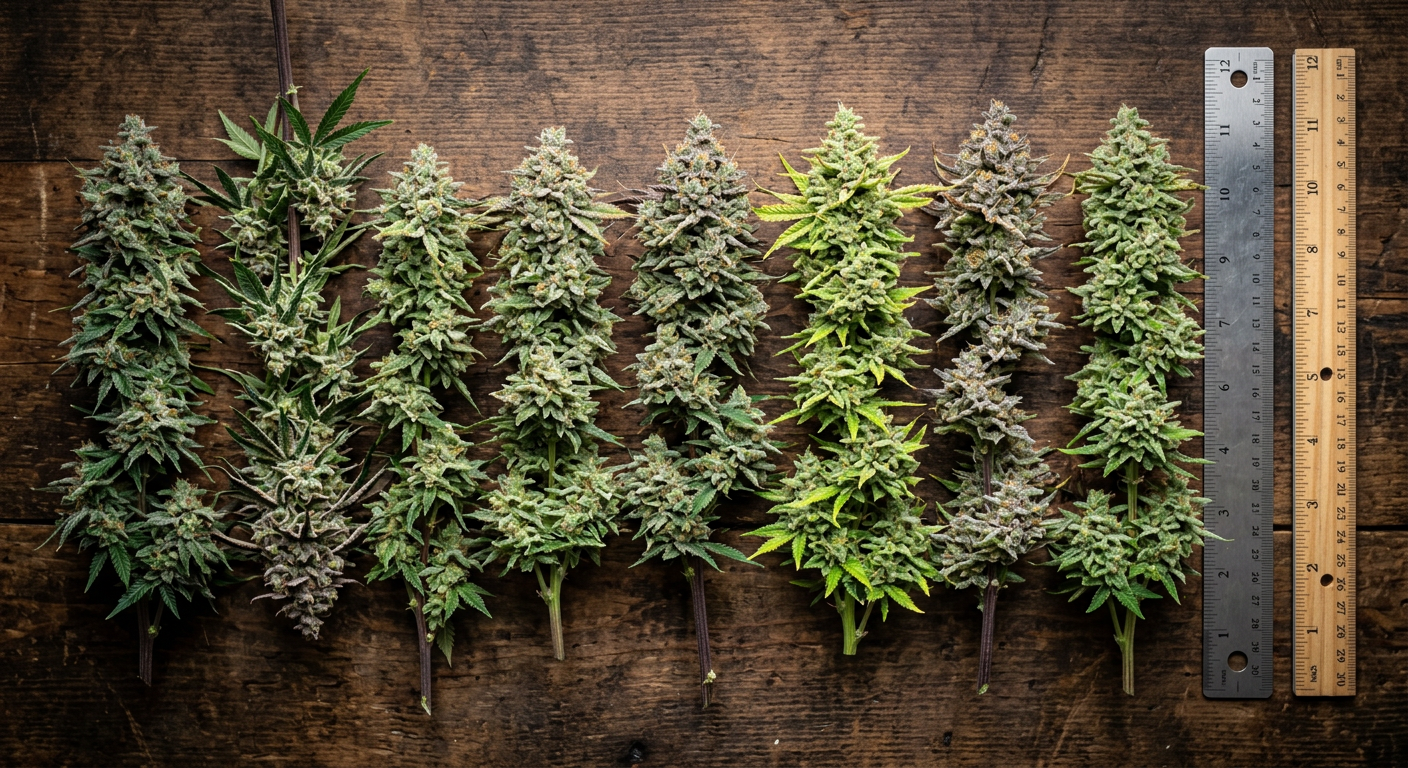
Picture this: two growers start with the same tent, the same lights, and the same nutrients. One pulls 180 grams per plant. The other pulls 480 grams. The difference? Strain selection. Choosing from the best yielding cannabis strains is the single highest-leverage decision you make before a single seed hits soil.
This guide breaks down the top heavy-producer strains by category — indoor, outdoor, and autoflower — with real gram expectations, ideal conditions, and the training techniques that unlock maximum potential. No vague promises. Just actionable data growers can actually use.
What Makes a Cannabis Strain a Heavy Producer?
The best yielding cannabis strains share a specific set of genetic and structural traits. Understanding these traits helps you predict performance before you ever germinate a seed.
Heavy producers combine three core advantages: efficient light conversion, vigorous branching architecture, and dense calyx stacking. When these traits align with the right environment, yield numbers climb fast.
Key Genetic Traits of High Yield Strains
- Indica-dominant structure: Shorter internodal spacing creates more bud sites per branch
- Sativa stretch: Controlled height increase during early flower opens the canopy for light penetration
- Large calyx-to-leaf ratio: More flower tissue per square centimeter means denser, heavier buds
- Long flowering windows: 9–11 week strains often accumulate more biomass than fast finishers
- Vigorous root systems: Strong feeders convert nutrients to bud mass more efficiently
Cannabis yield is largely a function of photosynthesis efficiency. Strains with broader leaves and tighter internode spacing capture more photons per unit of canopy space. Research consistently shows that light intensity at the canopy (PPFD 800–1,200 µmol/m²/s) is the single strongest environmental predictor of final yield — often more impactful than strain genetics alone.
The Three Pillars of Yield Potential
Every gram you harvest traces back to three factors working together. Weak performance in any one pillar caps your total output regardless of the other two.
- Genetics: The ceiling your strain sets — no technique overcomes poor breeding
- Environment: Light intensity, VPD, CO2, and temperature determine how close you get to that ceiling
- Training: How you shape the plant to expose all bud sites to your light source
For a deep dive into how genetics determines yield potential at the molecular level, visit our Cannabis Genetics Guide — the pillar resource that ties every strain recommendation in this article together.
Top 5 Best Yielding Indoor Cannabis Strains
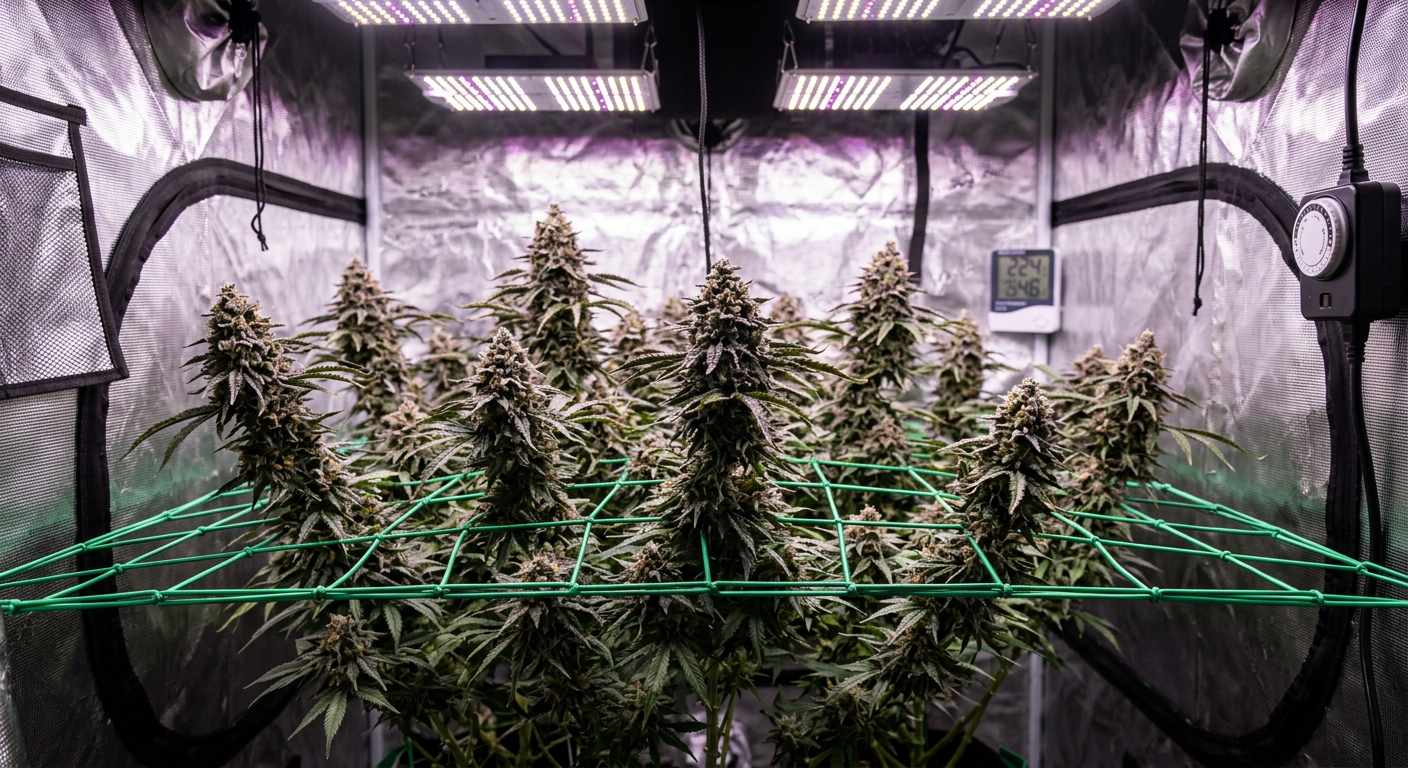
The best yielding indoor cannabis strains deliver 500–800g/m² under optimized 600W+ lighting with proper training. Indoor grows reward strains with controlled height, dense structure, and fast nutrient uptake that converts efficiently under artificial light.
Each strain below includes realistic yield ranges for beginner, intermediate, and expert growers — because what a seed company prints on a packet and what you pull on your first run are rarely the same number.
🏆 #1 — Northern Lights x Big Bud Feminized
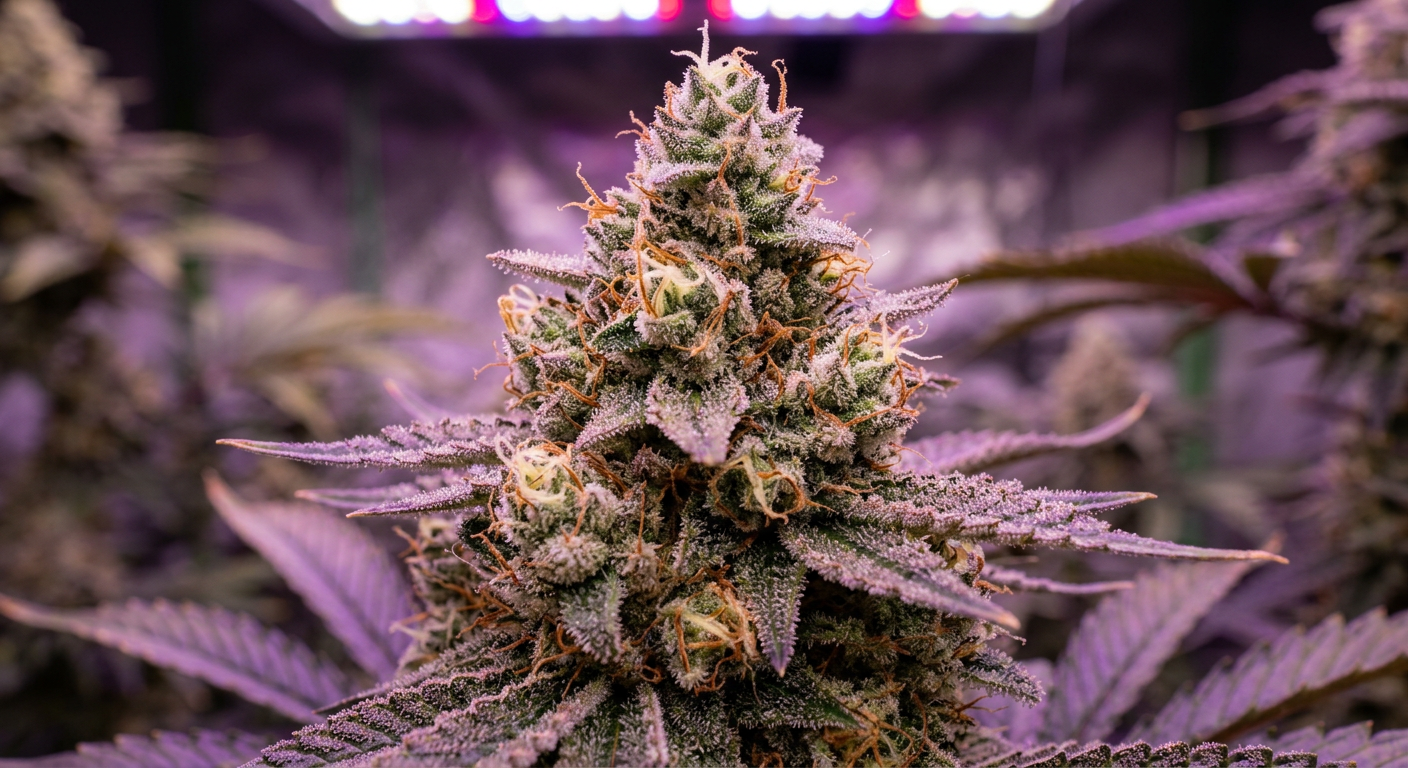
This cross is engineered for one purpose: maximum indoor biomass. Northern Lights brings legendary resin production and compact structure. Big Bud adds the genetics responsible for some of the heaviest individual buds ever documented in cultivation history.
- Indoor Yield: 550–750g/m² | 150–300g/plant
- THC: 20% | Flowering: 8–9 weeks
- Height: 80–120cm indoors
- Best Training: ScrOG, LST, or light defoliation at week 3 of flower
- Grow Difficulty: Beginner-friendly
Run Northern Lights x Big Bud in coco/perlite (70/30) with an EC of 1.8–2.2 in peak flower. The strain's Indica structure means it responds exceptionally well to ScrOG nets set at 40–50cm above the pot — filling the net fast and producing a sea of identical cola tops.
👉 Shop Northern Lights x Big Bud Feminized Seeds
#2 — Wonder Woman Feminized
Wonder Woman earned its name through consistent overperformance relative to its compact size. This feminized strain produces extraordinarily thick, resinous buds that bulk up significantly in the final two weeks of flower — a trait growers call "the late surge."
- Indoor Yield: 500–700g/m² | 120–250g/plant
- THC: 22% | Flowering: 8–9 weeks
- Height: 70–110cm indoors
- Best Training: SOG (Sea of Green) or multi-topping
- Grow Difficulty: Beginner-friendly
👉 Shop Wonder Woman Feminized Seeds
#3 — Super Skunk Feminized
Super Skunk is the workhorse of commercial indoor cultivation. A direct Skunk #1 × Afghani cross, it inherits both the Skunk's explosive yield genetics and the Afghani's legendary resilience to stress, overfeeding, and humidity swings that would collapse lesser strains.
- Indoor Yield: 500–650g/m² | 130–220g/plant
- THC: 20% | Flowering: 8 weeks
- Height: 60–100cm indoors
- Best Training: LST, topping at node 4–5
- Grow Difficulty: Beginner-friendly
For newer growers learning training methods for the first time, our guide on Topping Cannabis Plants pairs perfectly with this strain's growth structure.
👉 Shop Super Skunk Feminized Seeds
#4 — New York Power Diesel Feminized
New York Power Diesel delivers Sativa-dominant yields with an Indica-acceptable height — the combination indoor growers chase hardest. At 24% THC, it's also one of the most potent heavy producers on this list, making it a rare dual-threat for yield and quality.
- Indoor Yield: 500–650g/m² | 140–280g/plant
- THC: 24% | Flowering: 9–10 weeks
- Height: 100–160cm indoors (top early to control)
- Best Training: ScrOG strongly recommended to manage stretch
- Grow Difficulty: Intermediate
👉 Shop New York Power Diesel Feminized Seeds
#5 — Skunk Special Feminized
Skunk Special offers one of the best grams-per-watt ratios of any feminized strain available. Its multi-branching growth pattern creates dozens of secondary cola sites that bulk equally to the main top — turning even modest 400W grows into impressive harvests.
- Indoor Yield: 450–600g/m² | 110–200g/plant
- THC: 24% | Flowering: 8 weeks
- Height: 70–120cm indoors
- Best Training: LST + defoliation at flip
- Grow Difficulty: Beginner-friendly
👉 Shop Skunk Special Feminized Seeds
Top 5 Best Yielding Outdoor Cannabis Strains
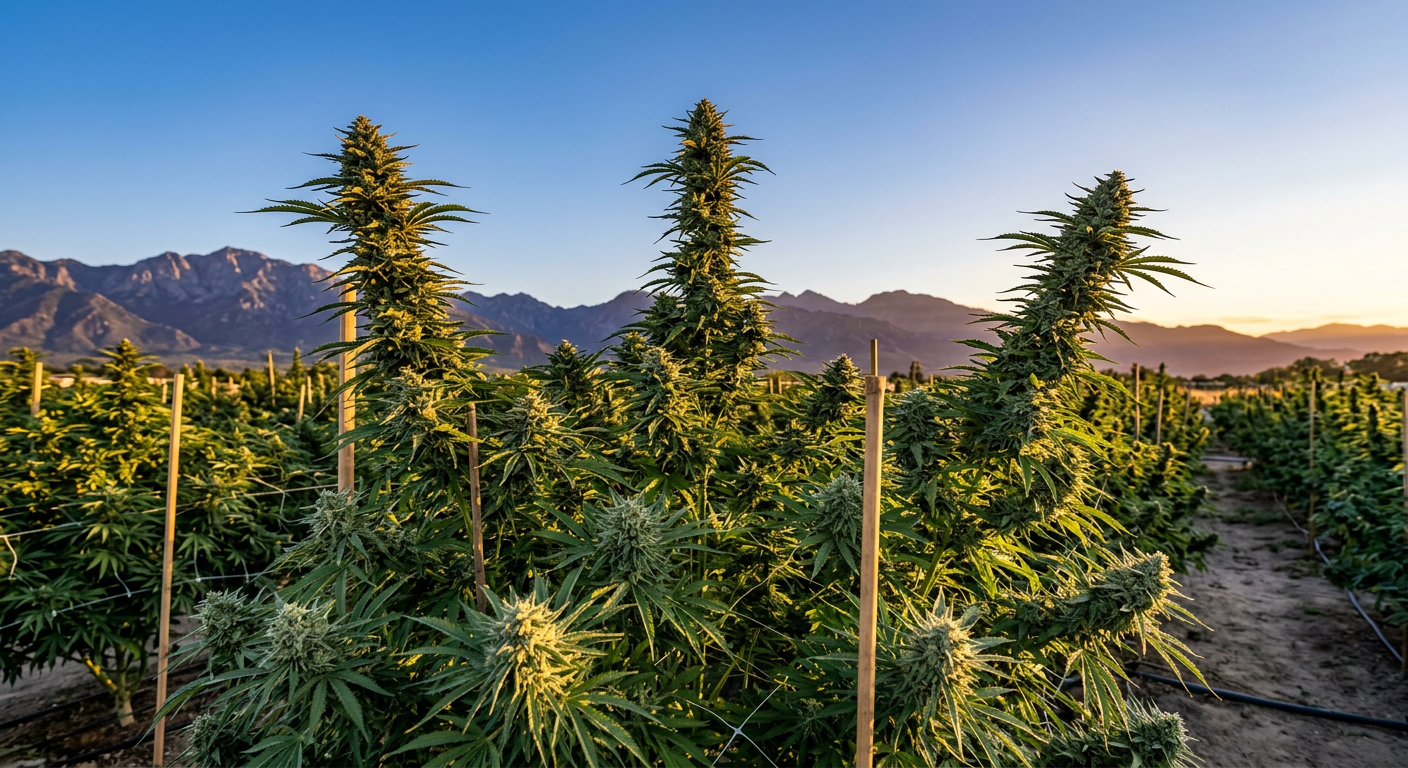
The best yielding outdoor cannabis strains exploit full sun, unrestricted root zones, and long growing seasons to produce 500–1,500g per plant. Outdoor genetics prioritize vigor, mold resistance, and the ability to handle temperature swings without sacrificing bud development.
Outdoor yields scale dramatically with latitude and season length. Growers in Mediterranean or temperate climates with 180+ day growing seasons consistently hit the top of these ranges.
🌿 #1 — Purple Power Feminized
Purple Power is an outdoor specialist bred to maximize yield in cooler climates where many heavy producers fail. Its early finishing time (late September) and extraordinary resistance to mold make it the top choice for Northern European and Pacific Northwest growers chasing big outdoor numbers.
- Outdoor Yield: 500–900g/plant
- THC: 10% | Harvest: Late September
- Height: 150–250cm outdoors
- Climate Suitability: Temperate, Northern European, Pacific NW
- Mold Resistance: Excellent
Purple Power's lower THC percentage (10%) is a deliberate tradeoff. The energy the plant doesn't invest in maximum resin density goes directly into bud mass and branch production — making it one of the heaviest per-plant producers available for outdoor cultivation in challenging climates.
👉 Shop Purple Power Feminized Seeds
#2 — Swazi Feminized
Swazi is a landrace-derived African Sativa with millennia of adaptation to hot, sunny conditions. In full-sun Southern US, Mediterranean, or subtropical climates, Swazi plants regularly stretch past 3 meters and produce sprawling, resin-coated colas that take weeks to trim.
- Outdoor Yield: 600–1,200g/plant in ideal conditions
- THC: 18% | Harvest: Late October–November
- Height: 200–350cm outdoors
- Climate Suitability: Hot, sunny, subtropical/Mediterranean
- Mold Resistance: Good (open bud structure)
To understand what makes Swazi's landrace genetics so unique for outdoor performance, read our Landrace Cannabis Strains Guide.
#3 — Super Lemon Haze Feminized
Super Lemon Haze combines Lemon Skunk and Super Silver Haze genetics into one of the most productive Sativa-dominant strains ever bred. Outdoors, its energetic vegetative growth leads to enormous plants with hundreds of individual bud sites across cascading lateral branches.
- Outdoor Yield: 500–1,000g/plant
- THC: 23% | Harvest: Mid–Late October
- Height: 180–280cm outdoors
- Climate Suitability: Mediterranean, Southern Europe, California
- Mold Resistance: Moderate (watch humidity in late flower)
👉 Shop Super Lemon Haze Feminized Seeds
#4 — Sour Diesel Feminized
Few strains have the outdoor reputation of Sour Diesel. Its vigorous Sativa growth pushes enormous root systems that feed towering plants producing dense, fuel-scented colas from top to bottom. Experienced outdoor growers consistently rank it among their highest-volume harvests.
- Outdoor Yield: 500–900g/plant
- THC: 24% | Harvest: Late October
- Height: 200–300cm outdoors
- Climate Suitability: Warm temperate, Mediterranean, Southern US
- Mold Resistance: Moderate
👉 Shop Sour Diesel Feminized Seeds
#5 — Northern Lights x Amnesia Haze Feminized
This cross merges Northern Lights' compact productivity with Amnesia Haze's explosive Sativa vigor — creating a hybrid that behaves outdoors like a controlled explosion. The Haze genetics drive the plant wide and tall while the Northern Lights ancestry keeps bud structure tight and dense.
- Outdoor Yield: 500–900g/plant
- THC: 24% | Harvest: Mid October
- Height: 150–250cm outdoors
- Climate Suitability: Temperate to Mediterranean
- Mold Resistance: Good
👉 Shop Northern Lights x Amnesia Haze Feminized Seeds
Best Yielding Autoflower Strains for Fast Harvests
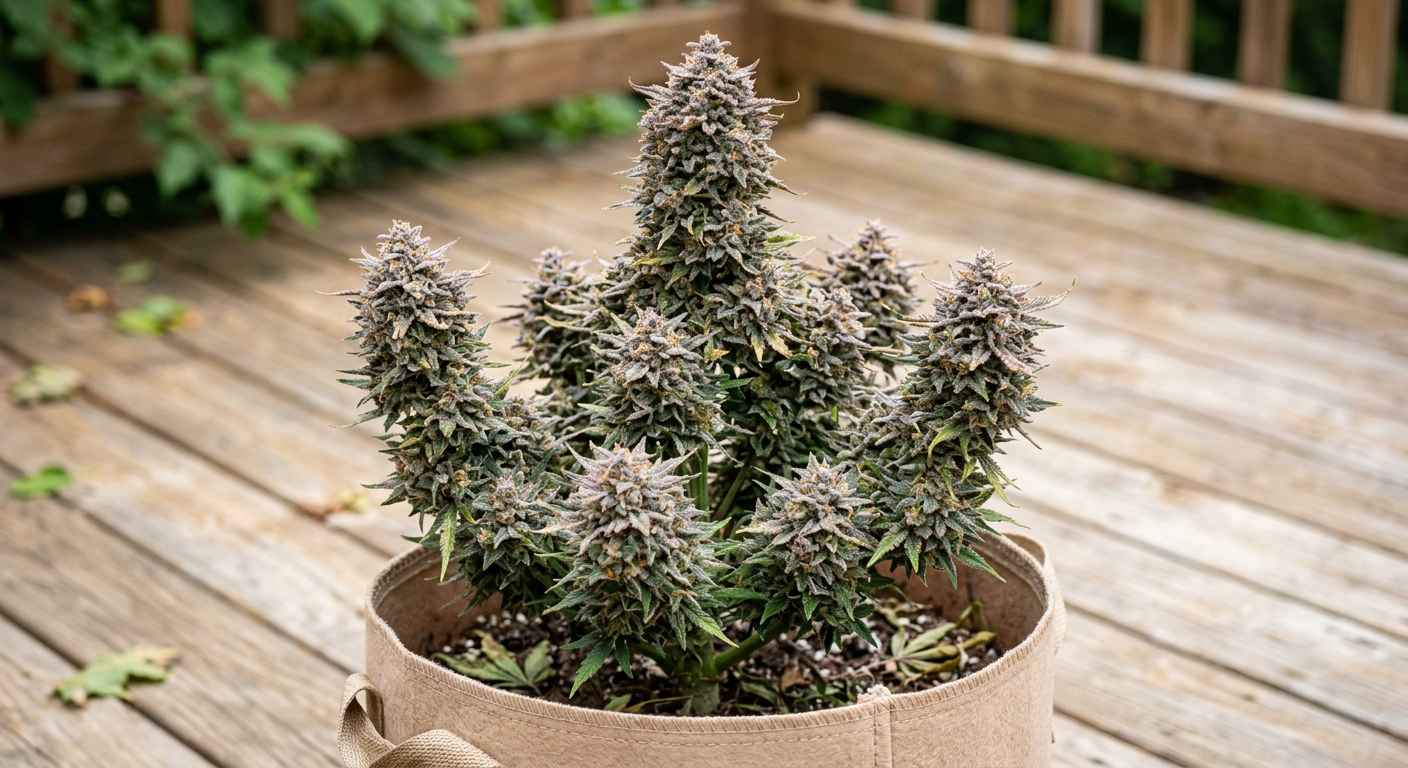
The best yielding autoflower strains produce 80–200g per plant indoors in just 70–85 days from seed. While individual plant yields are smaller than photoperiod strains, autoflowers allow 4–5 complete harvests per year under 18/6 lighting — often exceeding annual photoperiod totals.
Modern autoflower breeding has dramatically closed the yield gap. Today's best autos bear little resemblance to the small, airy plants of a decade ago.
⚡ #1 — Amnesia Haze Autoflower
Amnesia Haze Auto delivers the signature Haze experience — cerebral, uplifting, complex — in an 80-day package. It's one of the few autoflowers that genuinely rivals photoperiod Hazes in bud density and aroma, making it the top auto pick for growers who refuse to compromise on quality for speed.
- Indoor Yield: 80–150g/plant | 350–450g/m²
- THC: 17% | Seed to Harvest: 75–85 days
- Height: 60–100cm
- Light Schedule: 18/6 recommended throughout
👉 Shop Amnesia Haze Autoflower Seeds
#2 — Skywalker OG Autoflower
Skywalker OG Auto is the heavyweight Indica of the autoflower world. At 23% THC and with buds that stack like dense purple-tinged rocks, it produces far more weight per run than most autos. Ideal for growers who want fast turnarounds without sacrificing the knockout effect of a true OG.
- Indoor Yield: 90–170g/plant | 400–500g/m²
- THC: 23% | Seed to Harvest: 70–80 days
- Height: 50–90cm
- Light Schedule: 20/4 or 18/6
👉 Shop Skywalker OG Autoflower Seeds
#3 — Holy Grail Kush Autoflower
Holy Grail Kush Auto packs 20% THC into a compact 75-day grow cycle. Its Kosher Kush × Papaya lineage creates bud structures that look and weigh more like small photoperiod plants — dense, sticky, and stacked with calyxes from the first node up.
- Indoor Yield: 80–160g/plant | 350–450g/m²
- THC: 20% | Seed to Harvest: 70–80 days
- Height: 60–100cm
- Light Schedule: 18/6 throughout
For a full comparison of autoflower vs photoperiod performance, yield expectations, and which to choose for your setup, read our Autoflower vs Photoperiod Complete Guide.
👉 Shop Holy Grail Kush Autoflower Seeds
Never stress-train autoflowers aggressively. Unlike photoperiod plants, autos cannot pause flowering to recover from topping stress. Stick to LST (low-stress training) only — gentle bending and tying from week 2–3 is all that's needed to open the canopy and boost yield without stunting growth.
Indoor vs Outdoor Yield: A Side-by-Side Comparison
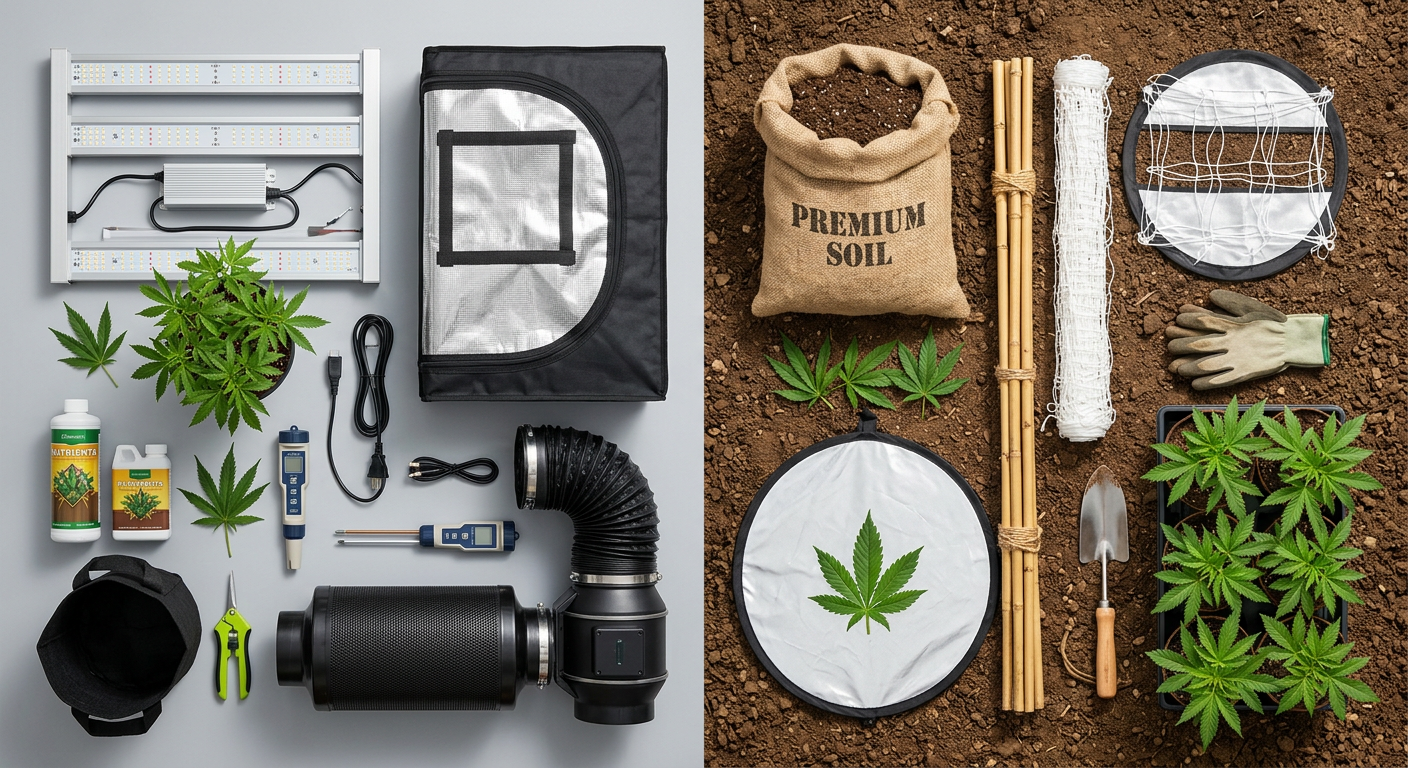
Indoor and outdoor yields operate in completely different scales and units of measurement. Indoor yields are measured per square meter of canopy; outdoor yields are measured per individual plant. Comparing them directly requires converting both to a common baseline.
The table below compares the key performance metrics of indoor vs outdoor cultivation for the same genetics, using a 4-plant, 4m² indoor setup vs a 4-plant outdoor plot as the baseline.
| Factor | Indoor (4m² | 4 Plants) | Outdoor (4 Plants | Full Sun) |
|---|---|---|
| Peak Yield Range | 400–800g total (100–200g/plant) | 1,000–4,000g total (250–1,000g/plant) |
| Cycle Length | 3–4 months (veg + flower) | 5–7 months (spring to fall) |
| Runs Per Year | 2–4 photoperiod | 4–5 auto | 1 (photoperiod) | 2–3 (auto) |
| Light Cost | $80–$200/month electricity | Free (sunlight) |
| Climate Control Needed | Full (temp, humidity, CO2) | Partial (humidity, wind, pests) |
| Mold Risk | Controlled with proper VPD | Higher in late season rain |
| Best For | Year-round, consistent quality | Maximum per-plant volume, lower cost |
| Training Response | Excellent (ScrOG, SOG, topping) | Excellent (staking, bending, supercropping) |
Outdoor plants produce more grams per plant than indoor plants — often 5–10x more. But indoor grows deliver more harvests per year, more consistent quality, and full environmental control. For maximum annual volume, combine both: run 2 indoor photoperiod cycles plus a full outdoor season for total yearly output that neither method achieves alone.
Managing your indoor environment correctly is the foundation of high yield. Our VPD for Cannabis Complete Guide explains exactly how vapor pressure deficit affects bud development and final weight — one of the most underused levers available to indoor growers.
How to Maximize Cannabis Yield: 7 Proven Techniques
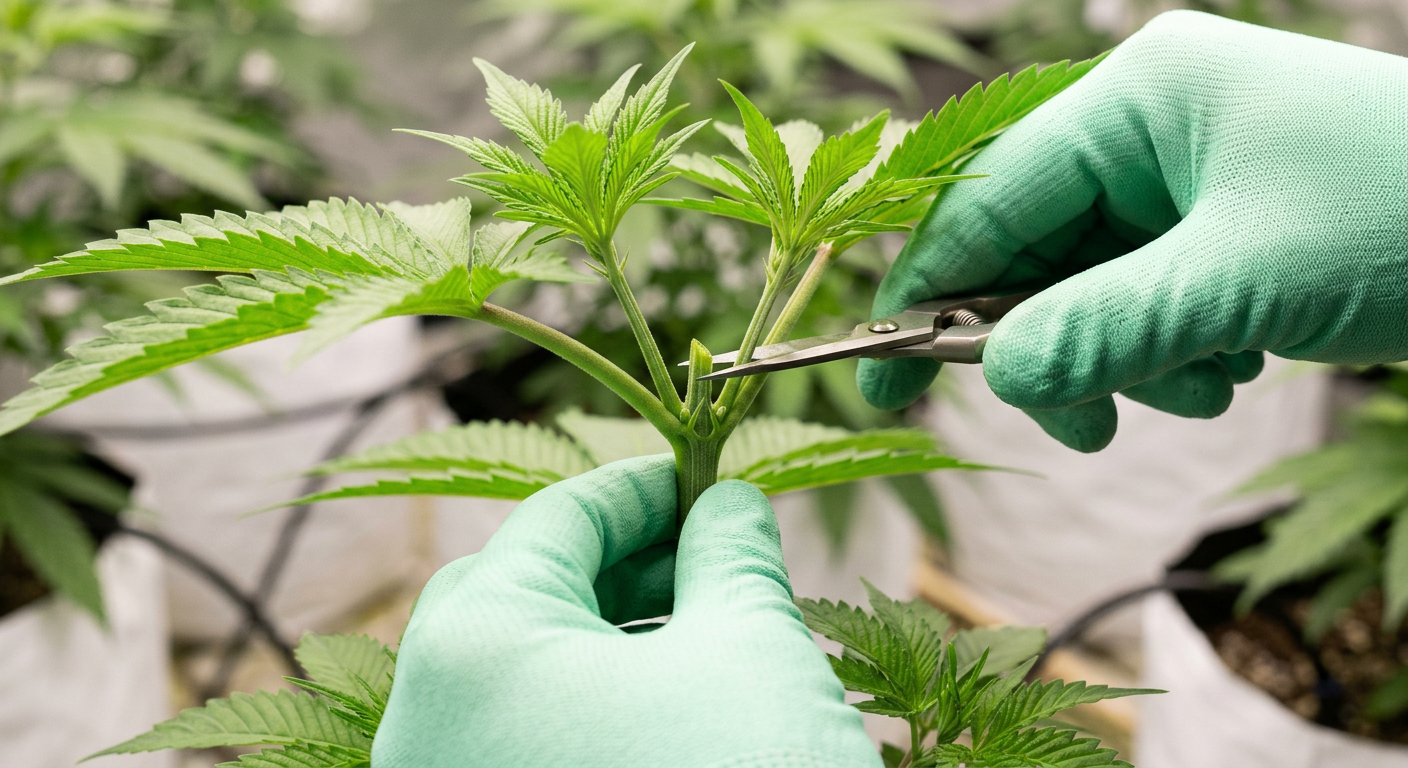
Learning how to maximize cannabis yield means stacking marginal gains across every phase of the grow cycle. No single technique doubles your harvest — but applying all seven consistently can triple it compared to unmanaged grows of the same strain.
These techniques apply to both indoor and outdoor cultivation, with notes on where each matters most.
ScrOG Training (Screen of Green)
Install a net 40–50cm above your pots and weave branches through it during late veg. This creates a flat, even canopy where every bud site receives equal light intensity. Growers using ScrOG consistently report 30–50% yield increases over untopped plants under identical conditions. See our full ScrOG Growing Guide for setup instructions.
Optimize Light Intensity (PPFD 800–1,200 µmol/m²/s)
Most hobby growers underlight their canopy. High-yield strains need 800–1,000 µmol/m²/s at the canopy during veg and 1,000–1,200 during flower. Use a PAR meter (not a lux meter) to verify actual PPFD at canopy level — lux readings are meaningless for predicting cannabis yield.
Control VPD in Flowering (0.8–1.2 kPa)
Vapor Pressure Deficit drives transpiration, which drives nutrient uptake, which drives bud mass accumulation. Flowering plants kept at 68–78°F with 40–55% relative humidity hit the 0.8–1.2 kPa sweet spot where stomata stay open and carbon is fixed at peak rates. Every degree or humidity point off target costs grams.
Extend Vegetative Time to 8+ Weeks
The bigger the root ball and canopy at flower flip, the more sites exist to produce bud. Most beginners flip too early. An extra 2–3 weeks of veg on a vigorous strain like Super Skunk or Wonder Woman can add 40–80% more bud sites before a single flower forms.
Strategic Defoliation at Week 3 of Flower
Remove large fan leaves blocking light to lower bud sites at day 21 of flower (not before, not after). This "lollipop" approach focuses plant energy on the top 12–18 inches of the canopy where buds will be largest. Remove no more than 20–30% of leaf mass in a single session to avoid stress.
Feed Potassium-Heavy in Late Flower (PK Boost)
Weeks 5–8 of flower are the primary bud-swelling phase. Boost phosphorus and potassium (PK 13/14 or equivalent) while dropping nitrogen to near zero. This triggers the plant's final fattening push. Match EC to 2.0–2.4 in coco or 1.6–1.8 in soil for optimal uptake without salt lockout.
Harvest at Peak Trichome Ripeness — Not Calendar Date
Harvesting 5–7 days early is one of the most common yield mistakes. A 30x jeweler's loupe or digital microscope reveals trichome color: harvest when 70–80% are milky white with 20–30% amber for peak weight AND potency. Our Harvest Timing Guide shows exactly what to look for at each stage.
CO2 supplementation at 1,200–1,500 ppm combined with high-intensity LED lighting (1,000+ µmol/m²/s) can increase yield by 20–40% compared to ambient CO2 grows. This combination only pays off when all other variables — VPD, nutrition, training — are already optimized. CO2 amplifies a good grow; it cannot rescue a bad one.
Yield Comparison Table: All Featured Strains at a Glance
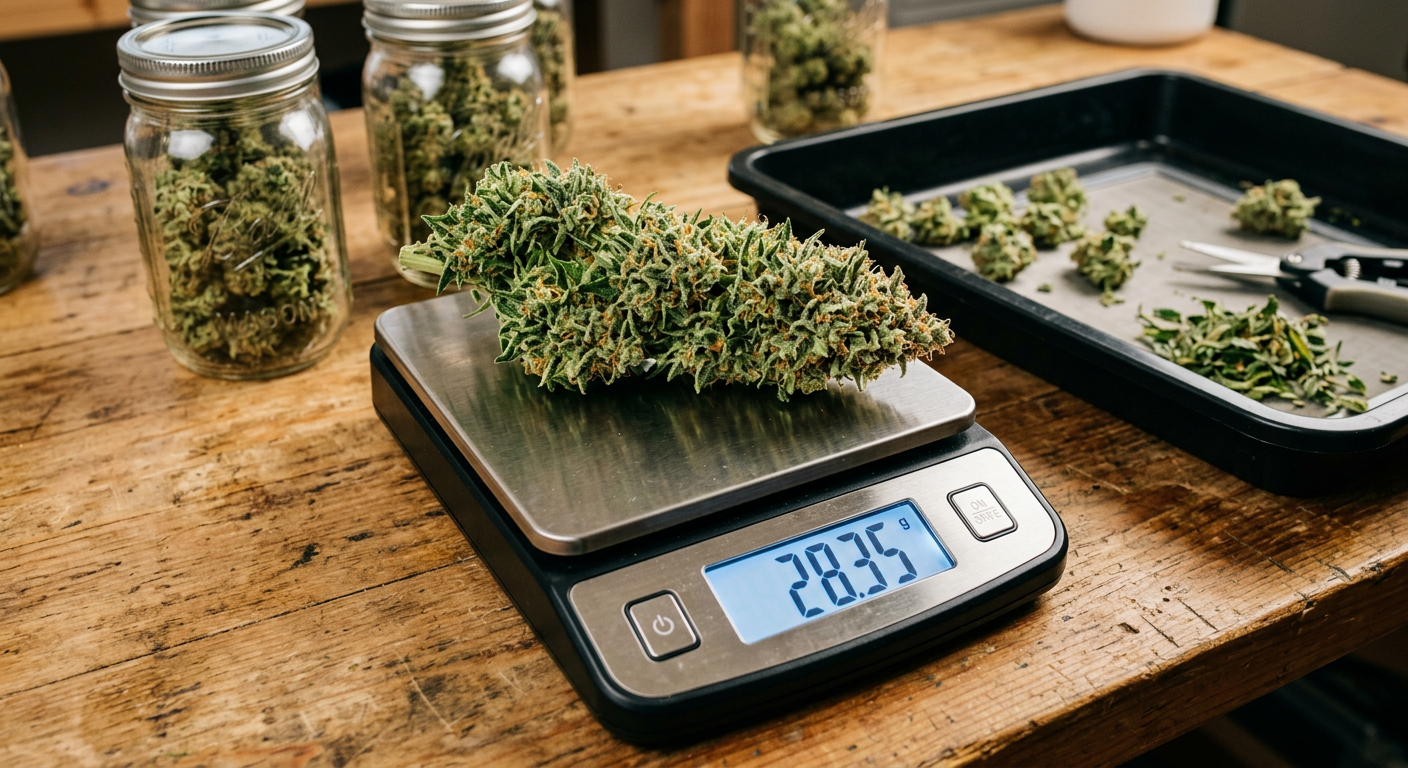
The yield comparison table below gives you a quick-scan overview of every strain featured in this guide. Use it to match strain selection to your specific grow setup, space, and experience level before you buy seeds.
Yields shown represent realistic ranges for growers with 1–3 years of experience under proper conditions — not theoretical maximums from controlled research environments.
| Strain | Type | Indoor Yield | Outdoor Yield | THC | Flower Time | Difficulty |
|---|---|---|---|---|---|---|
| NL x Big Bud | Feminized | 550–750g/m² | 400–700g/plant | 20% | 8–9 wks | Beginner |
| Wonder Woman | Feminized | 500–700g/m² | 400–600g/plant | 22% | 8–9 wks | Beginner |
| Super Skunk | Feminized | 500–650g/m² | 350–600g/plant | 20% | 8 wks | Beginner |
| NY Power Diesel | Feminized | 500–650g/m² | 400–700g/plant | 24% | 9–10 wks | Intermediate |
| Skunk Special | Feminized | 450–600g/m² | 350–600g/plant | 24% | 8 wks | Beginner |
| Purple Power | Feminized | 400–550g/m² | 500–900g/plant | 10% | 8 wks | Beginner |
| Swazi | Feminized | 350–500g/m² | 600–1,200g/plant | 18% | 10–12 wks | Intermediate |
| Super Lemon Haze | Feminized | 500–650g/m² | 500–1,000g/plant | 23% | 9–10 wks | Intermediate |
| Sour Diesel | Feminized | 450–600g/m² | 500–900g/plant | 24% | 10–11 wks | Intermediate |
| NL x Amnesia Haze | Feminized | 500–650g/m² | 500–900g/plant | 24% | 9 wks | Intermediate |
| Amnesia Haze Auto | Autoflower | 350–450g/m² | 80–150g/plant | 17% | 75–85 days | Beginner |
| Skywalker OG Auto | Autoflower | 400–500g/m² | 90–160g/plant | 23% | 70–80 days | Beginner |
| Holy Grail Kush Auto | Autoflower | 350–450g/m² | 80–150g/plant | 20% | 70–80 days | Beginner |
When comparing strains by yield, always normalize for flowering time. A strain yielding 700g/m² in 10 weeks produces fewer grams per week than one yielding 600g/m² in 8 weeks. Divide total yield by flowering weeks to calculate true productivity rate — the metric commercial growers actually optimize for.
Common Yield-Killing Mistakes and How to Avoid Them
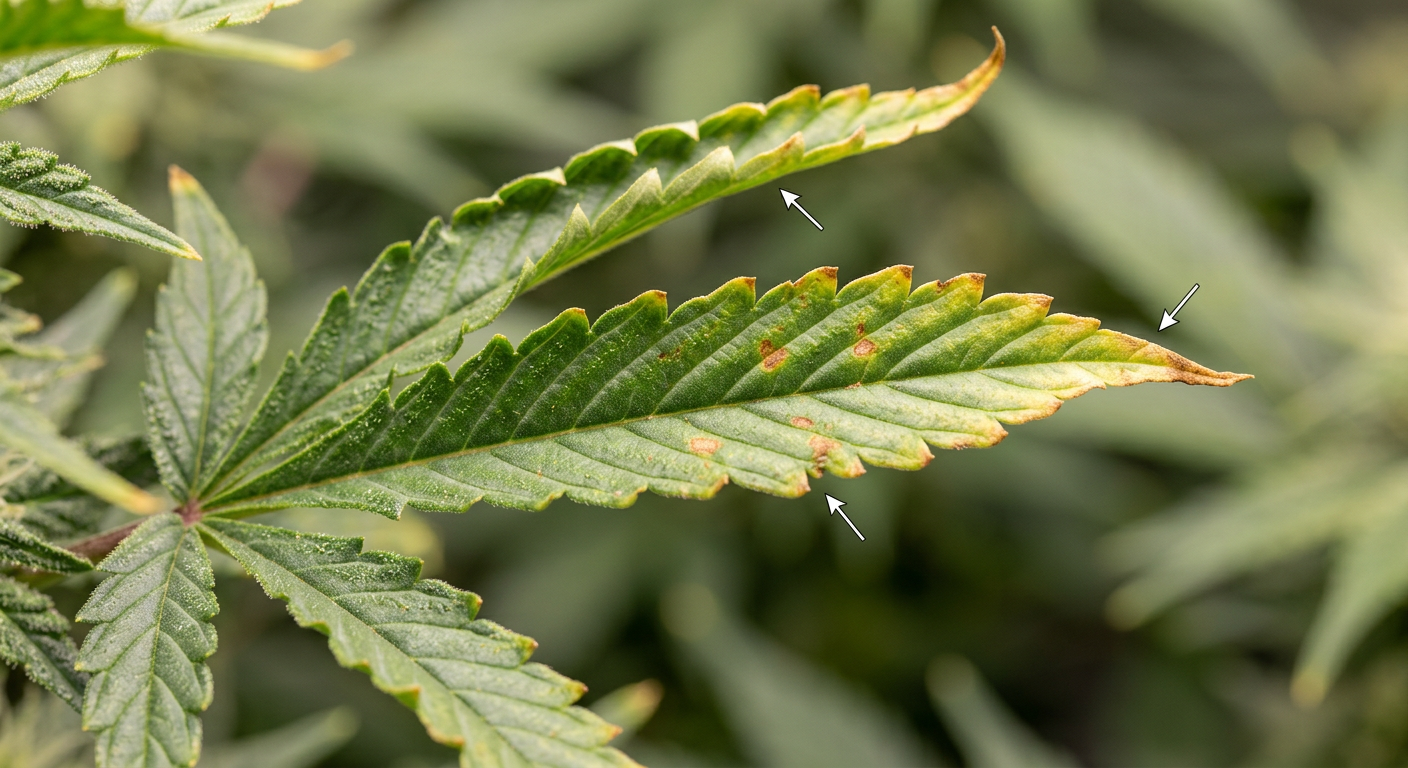
Even the best yielding cannabis strains produce disappointing harvests when growers make preventable mistakes. These are the most common yield killers — ranked by how often they appear in beginner and intermediate grow reports.
Identifying and eliminating just two or three of these issues often adds 30–60% to a harvest with zero additional inputs.
- 🚫 Flipping to flower too early — Plants need 8+ vegetative weeks to build the structure that holds a heavy harvest
- 🚫 Underlit canopy — Budget LEDs claiming 1000W draw only 100–200W actual; measure PPFD, not wattage
- 🚫 Poor VPD management — High humidity in flower causes mold; low humidity in veg slows growth and yield
- 🚫 Harvesting too early — Trichomes still clear or milky mean buds are still gaining weight daily
- 🚫 Overwatering in soil — Wet-dry cycles drive root development; constantly wet soil suffocates roots and slows nutrient uptake
- 🚫 Skipping training entirely — One main cola wastes 60–70% of your light on open air below the canopy
- 🚫 Wrong container size — Roots bound in a 3-gallon pot will never feed a plant capable of 200g+ output; use 5–10 gallon minimum
- 🚫 pH drift — Soil pH above 7.0 or below 6.0 locks out phosphorus and potassium precisely when flowering plants need them most
- 🚫 Nutrient burn from overfeeding — Burned tips indicate salt buildup that blocks water uptake and reduces final weight
- 🚫 Ignoring mold prevention — Botrytis (bud rot) in week 7 of flower can destroy an entire crop in 72 hours
Bud rot is the single most devastating late-flower yield killer. Dense, high-yield strains like Northern Lights x Big Bud and Wonder Woman are especially vulnerable due to their tightly packed cola structure. Keep airflow strong, maintain RH below 50% in weeks 6–8 of flower, and inspect every cola by hand at least twice weekly. Learn the prevention protocols in our Cannabis Mold Prevention Guide.
Fixing the #1 Yield Mistake: Container and Root Zone Management
Undersized containers are the most underestimated yield limiter. A plant genetically capable of producing 300g of dried flower needs a root zone that can support that level of biomass production. Use these minimum container sizes:
- Small plants (under 90cm): 5-gallon fabric pot minimum
- Medium plants (90–150cm): 7–10 gallon fabric pot
- Large plants (150cm+) indoors: 10–15 gallon fabric pot
- Outdoor plants: In-ground or 25–50 gallon Smart Pot for maximum growth
Fabric pots air-prune roots at the container wall, encouraging a dense, fibrous root ball rather than circling tap roots. This increases uptake capacity and supports bigger final yields. For a complete guide on when and how to transplant into final containers, visit our Transplanting Cannabis Guide.
Environment Checklist for Peak Yield Performance
Before blaming a strain for underperforming, verify these environmental targets are consistently met throughout the grow cycle. Most "low yield" reports trace back to one or two parameters chronically outside these ranges.
- ✅ Veg Temperature: 72–82°F (22–28°C) lights on | 65–75°F lights off
- ✅ Flower Temperature: 68–78°F (20–26°C) lights on | 60–70°F lights off
- ✅ Veg Humidity: 55–70% RH
- ✅ Flower Humidity: 40–50% RH (weeks 1–6) | 35–45% (weeks 7+)
- ✅ Light Cycle: 18/6 veg | 12/12 flower (photoperiod) | 18/6 or 20/4 for autos
- ✅ PPFD at Canopy: 600–900 µmol/m²/s veg | 900–1,200 flower
- ✅ Soil pH: 6.0–7.0 | Coco/Hydro pH: 5.8–6.2
- ✅ Airflow: Gentle canopy movement, full air exchange every 1–3 minutes
See our detailed Cannabis Temperature Control Guide and Humidity Control Guide for stage-by-stage environmental targets with troubleshooting breakdowns.
Research on cannabis biomass accumulation shows that the final 10–14 days before harvest contribute 15–25% of total bud weight as calyxes swell with trichomes and resins mature. This "late push" is powered by available potassium and phosphorus. Growers who flush nutrients too early (more than 10 days before harvest in soil) often sacrifice significant weight from buds that never complete their final swelling phase.
Frequently Asked Questions About High Yield Cannabis Strains

These are the most common questions growers ask when choosing and cultivating high yield cannabis strains. Each answer is backed by cultivation data and real grow experience.
What is the highest yielding cannabis strain for indoor grows?
Northern Lights x Big Bud Feminized consistently tops indoor yield charts at 550–750g/m² under 600W+ lighting with ScrOG training. Wonder Woman and Super Skunk are close runners-up at 500–700g/m², with the added advantage of shorter flowering times that allow an extra harvest cycle annually. Genetics matter, but environment — especially PPFD above 900 µmol/m²/s — determines whether a high-yield strain reaches its ceiling.
How many grams per plant should I expect from high yield outdoor strains?
In full sun with 180+ days of growing season, heavy outdoor producers like Swazi (600–1,200g/plant) and Super Lemon Haze (500–1,000g/plant) are realistic for experienced growers. Beginners in their first outdoor season should target 200–400g/plant as a realistic benchmark. Soil quality, root zone size, training, and rainfall management are the primary variables that separate 300g plants from 1,000g plants.
Can autoflowers really compete with photoperiod strains for total annual yield?
Yes — when calculated on an annual basis rather than per-harvest basis. A single photoperiod indoor run might yield 600g/m² in 4 months. Three autoflower runs in that same 4-month window can collectively produce 900–1,200g/m². Modern autos like Skywalker OG Auto and Holy Grail Kush Auto produce 400–500g/m² per run, making them genuinely competitive with photoperiod strains when annual output is the metric.
Does training really make that big a difference to cannabis yield?
Training is the highest-ROI skill in cannabis cultivation. Studies on canopy light distribution show that an untrained plant with a single main cola receives maximum light on less than 15% of its total bud sites. ScrOG training can expose 70–85% of bud sites to direct light. This translates directly to yield: experienced ScrOG growers regularly report 40–100% more harvest weight from identical strains versus untopped, single-cola plants in the same space.
What is the best medium for maximizing cannabis yield indoors?
Coco coir (70%) + perlite (30%) in fabric pots consistently outperforms soil for maximum yield in controlled testing. Coco provides excellent oxygen-to-water ratios, fast nutrient uptake, and near-hydroponic growth rates while retaining the forgiveness of a solid medium. Growers using coco with optimized EC (1.8–2.2 in flower) and pH (5.8–6.2) routinely achieve yield numbers 20–35% higher than comparable soil grows under identical lighting and training conditions.