What Are Cannabis Trichomes? The Plant's Chemical Defense System
Cannabis trichome biology starts with a deceptively simple question: why does a plant cover itself in sticky, resin-filled crystals? The answer goes back millions of years of evolutionary pressure — and it has nothing to do with getting humans high.
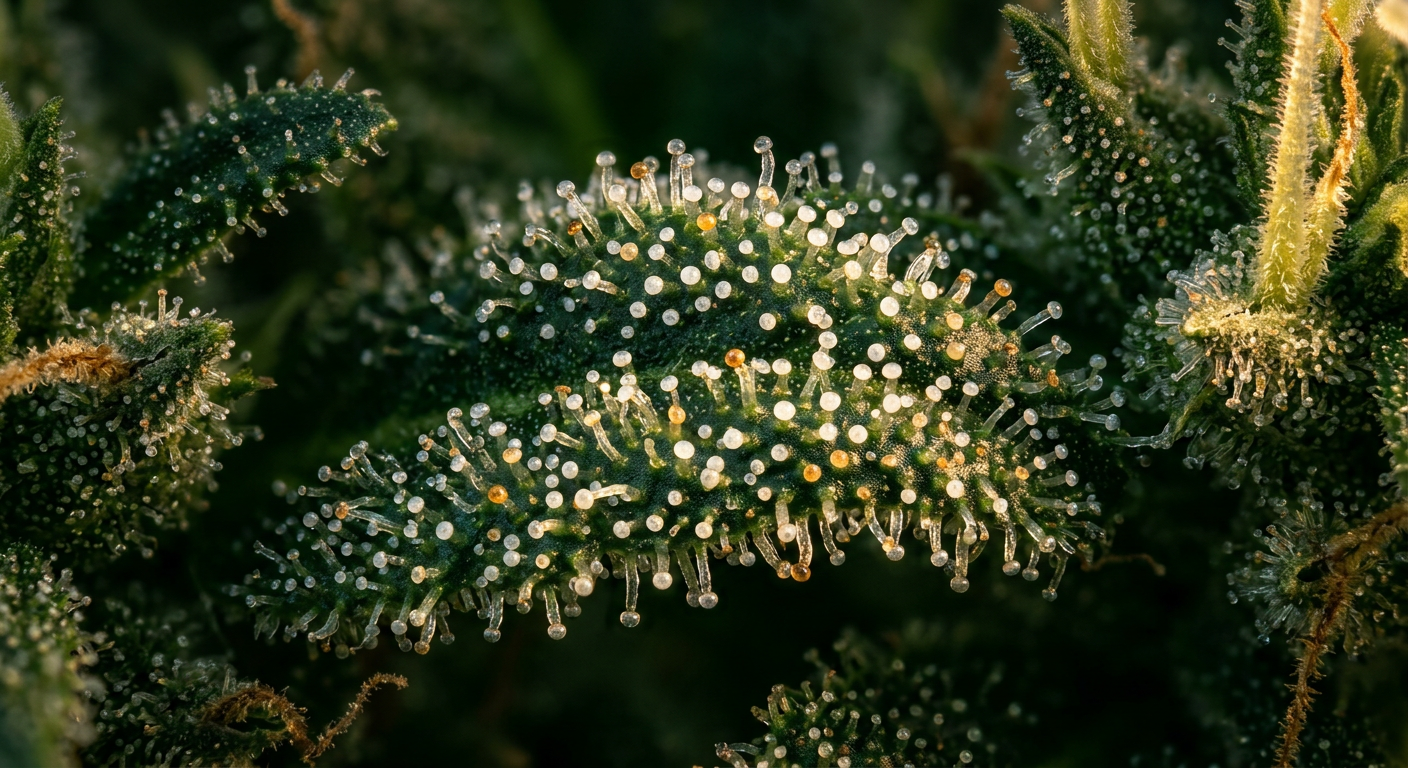
Trichomes are epidermal outgrowths — microscopic glandular structures that emerge from the surface of leaves, bracts, and calyxes during the flowering stage. In cannabis, they serve three primary survival functions:
- UV-B radiation shielding: Terpenes and cannabinoids inside trichome heads absorb UV-B light, protecting the reproductive tissues from photodamage at high altitudes or in intense equatorial sun.
- Predator deterrence: The resin is physically sticky, trapping small insects like fungus gnats and spider mites. Certain terpenes (β-caryophyllene, limonene) also repel larger herbivores.
- Pathogen resistance: Resin creates a physical barrier against fungal spores and bacteria attempting to colonize flower tissue.
Trichomes didn't evolve to produce psychoactive compounds for humans — they evolved as a chemical defense toolkit. The cannabinoids and terpenes we value are evolutionary byproducts of a plant protecting its seeds.
Understanding this evolutionary context directly informs how growers can encourage more trichome production: replicate the stressors the plant evolved to defend against, and it responds by ramping up resin output. More on that in section four.
The Three Types of Trichomes on Cannabis — and Why They're Not Equal
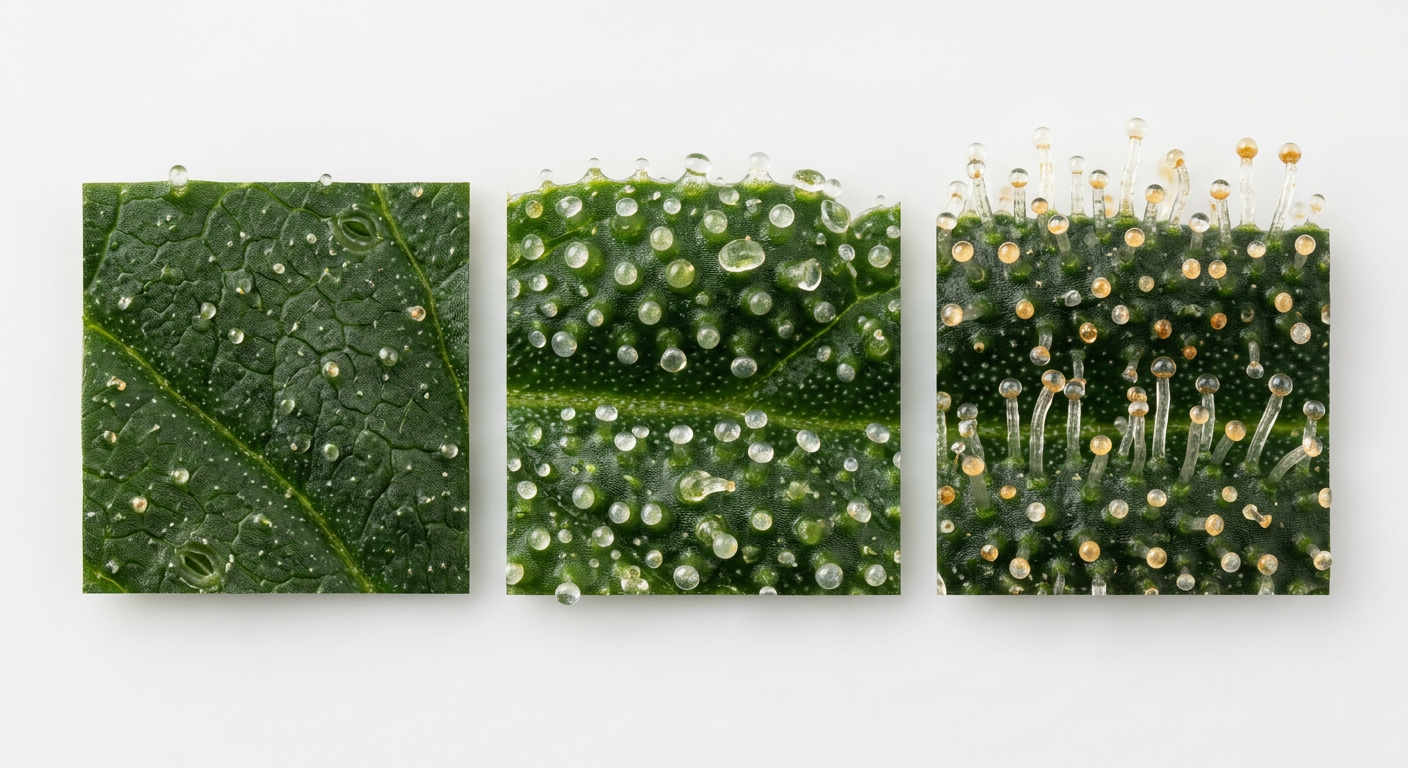
Not all trichomes on a cannabis plant perform the same function or produce the same quantity of cannabinoids. There are three structurally distinct types, each with a different role in the plant's chemistry.
Bulbous Trichomes
Bulbous trichomes are the smallest type — just 15 to 30 micrometers in diameter, making them invisible to the naked eye and difficult to resolve even under a basic loupe. They consist of only 1 to 4 cells and appear across the entire surface of the plant, including stems and fan leaves.
Their contribution to total cannabinoid output is minimal. Researchers have detected small amounts of cannabinoids in bulbous trichomes, but they are not considered primary production sites. Their exact function remains partially understood, though some evidence suggests a role in surface moisture regulation.
Capitate-Sessile Trichomes
Capitate-sessile trichomes are more complex — they have a distinct round head sitting directly on a very short stalk (essentially stalkless, hence "sessile"). They range from 25 to 100 micrometers and are densely distributed across leaf surfaces, where they are most active during vegetative growth.
These trichomes do produce cannabinoids and terpenes, but at lower concentrations than their stalked counterparts. During early flowering they contribute meaningfully to the plant's total terpene profile, particularly on sugar leaves close to the bud. They're most relevant in the context of making hash or concentrates from trim material.
Capitate-Stalked Trichomes — The Primary THC Factories
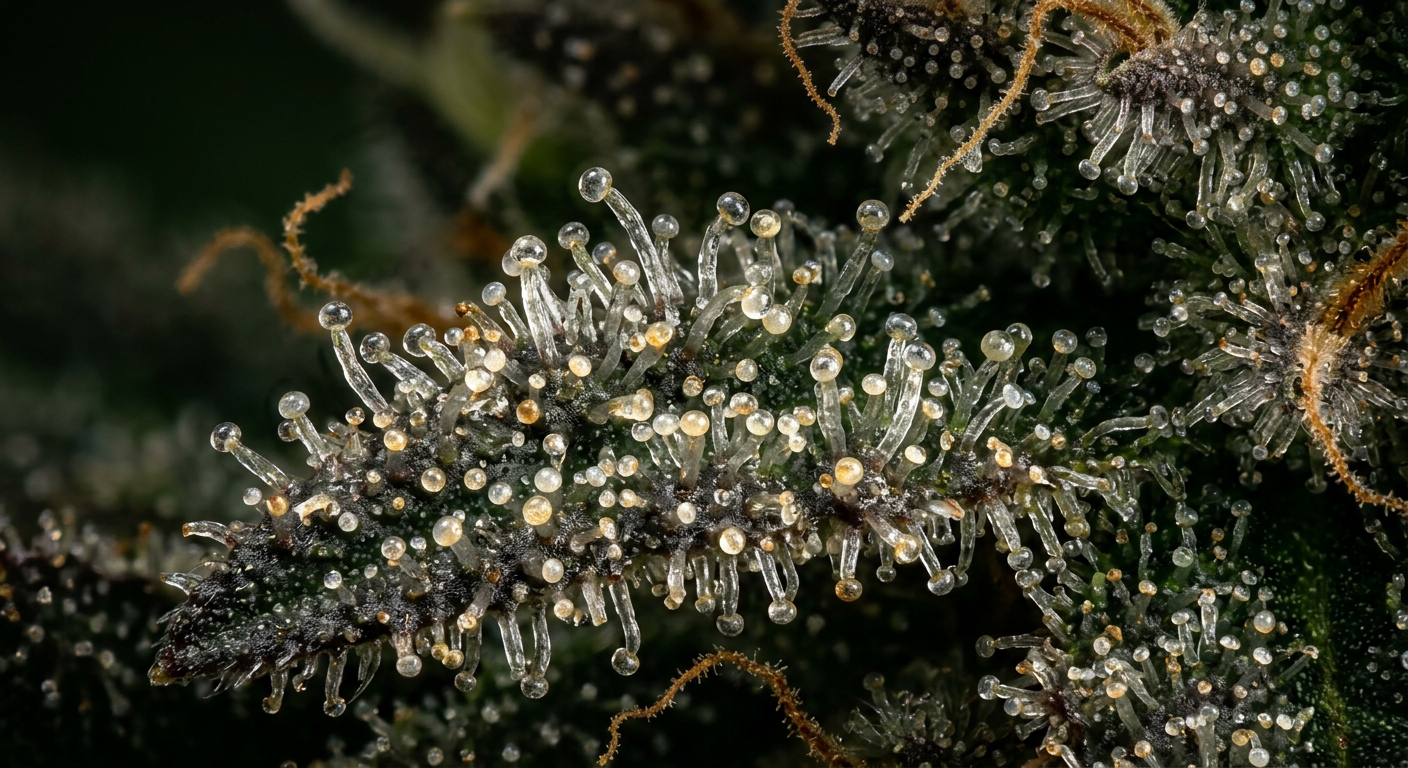
Capitate-stalked trichomes are the dominant source of cannabinoids in cannabis — particularly THCA, CBDA, and terpenes. They reach 150 to 500 micrometers in length, making them visible to the naked eye as the "frosty" coating on premium buds and easily examined under a 30x–60x jeweler's loupe.
Structurally, a capitate-stalked trichome has three distinct zones:
- Stalk cells: A column of elongated epidermal cells that lift the secretory head away from the plant surface, providing thermal insulation for the metabolically active head.
- Disc cells (secretory cells): A disc of 8 to 16 highly metabolically active cells arranged around the base of the head. These cells contain dense networks of endoplasmic reticulum and leucoplasts — the actual biosynthesis machinery.
- The subcuticular space (head): A cavity between the disc cells and the outer cuticle where finished cannabinoids and terpenes accumulate. This is the resin reservoir you see as the translucent or amber globe atop a mature trichome.
Science note: Proteomic studies of isolated capitate-stalked trichome heads have confirmed the presence of all enzymes in the cannabinoid biosynthesis pathway — THCA synthase, CBDA synthase, and the upstream polyketide and terpenoid pathway enzymes. The disc cells are essentially miniature chemical reactors running continuously during flowering.
Capitate-stalked trichomes are concentrated almost exclusively on the calyxes, bracts, and small sugar leaves directly surrounding the flowers — the parts of the plant you want to preserve at harvest. Fan leaves carry far fewer of them, which is why trimmed fan leaf material produces much weaker concentrates.
| Trichome Type | Size | Stalk | Location | Cannabinoid Output |
|---|---|---|---|---|
| Bulbous | 15–30μm | None | Whole plant surface | Trace amounts |
| Capitate-Sessile | 25–100μm | Very short | Leaves, stems | Low–moderate |
| Capitate-Stalked | 150–500μm | Long (multi-cell) | Bracts, calyxes, sugar leaves | High (primary source) |
Inside the Trichome: How Cannabis Biosynthesizes Cannabinoids
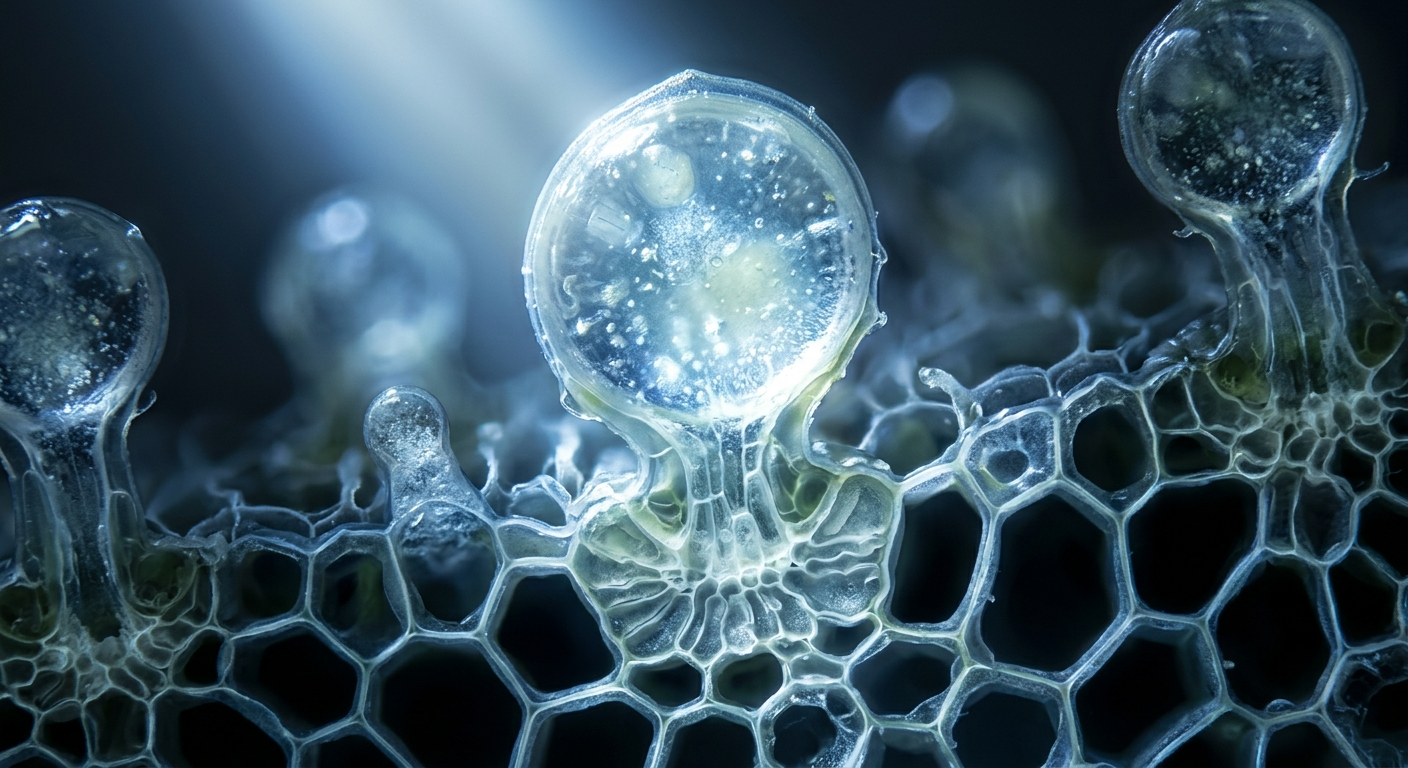
The cannabinoid biosynthesis pathway inside a trichome head is one of the most studied secondary metabolic pathways in plant biology — and understanding it reveals exactly why some strains produce 30% THC while others cap out at 15%. The process runs in two parallel branches that converge at a critical junction molecule.
Step 1 — The MEP and MVA Pathways Build the Carbon Scaffolding
All cannabinoids start as simple 5-carbon isoprene units produced in the disc cells via two pathways: the methylerythritol phosphate (MEP) pathway in plastids, and the mevalonate (MVA) pathway in the cytosol. These produce geranyl pyrophosphate (GPP) — a 10-carbon precursor that feeds into terpene biosynthesis — and sets up the terpenoid half of the cannabinoid molecule.
Step 2 — The Polyketide Branch Produces Olivetolic Acid
Simultaneously, a separate pathway converts acetyl-CoA through a polyketide synthase enzyme into olivetolic acid — a 22-carbon molecule. This is the "fatty acid" half of the cannabinoid structure. The enzyme olivetolic acid cyclase (OAC) is essential here; plants lacking functional OAC produce little to no cannabinoids regardless of other genetic factors.
Step 3 — CBGA: The Mother Cannabinoid
CBGA Formation — The Critical Junction
Geranyl pyrophosphate combines with olivetolic acid via the enzyme geranylpyrophosphate:olivetolate geranyl transferase (GOT) to produce cannabigerolic acid (CBGA). CBGA is the precursor to every major cannabinoid. No CBGA = no THC, CBD, or CBC. This step is rate-limiting — it determines the total cannabinoid ceiling for any given trichome.
Step 4 — Synthase Enzymes Determine the Cannabinoid Profile
From CBGA, three competing synthase enzymes each pull the molecule toward a different end product. The ratio of these enzymes — encoded entirely in the plant's genetics — determines whether a strain is THC-dominant, CBD-dominant, or produces significant CBC:
- THCA synthase: Converts CBGA → tetrahydrocannabinolic acid (THCA). High expression = high-THC phenotypes.
- CBDA synthase: Converts CBGA → cannabidiolic acid (CBDA). Dominant in hemp and CBD-rich strains.
- CBCA synthase: Converts CBGA → cannabichromenic acid (CBCA). Found in many strains at low levels.
All of these are produced in their acidic forms (THCA, not THC) inside the living trichome. They only convert to their neutral, active forms (THC, CBD) through decarboxylation — the application of heat that removes the carboxyl group. This is why raw cannabis doesn't produce intoxication, and why decarbing before cooking edibles matters.
Genetics determine the ratio of THCA synthase to CBDA synthase in disc cells. No growing technique can change a CBD-dominant plant into a THC-dominant one — the enzyme ratio is written in the DNA. This is why seed selection is your single most powerful tool for achieving target cannabinoid profiles.
CBGA that isn't captured by any synthase enzyme remains as CBG in the final product — which is why most high-THC strains contain only trace CBG (the synthases have consumed virtually all available CBGA). Strains bred specifically for CBG are selected for non-functional THCA and CBDA synthase genes, leaving CBGA unconverted.
This biosynthesis pathway connects directly to the broader story of how cannabinoids interact with the human body — a topic covered in depth in our endocannabinoid system guide, which explains how THCA-derived THC (post-decarboxylation) binds to CB1 and CB2 receptors to produce its effects.
What Controls Trichome Density and Cannabinoid Concentration
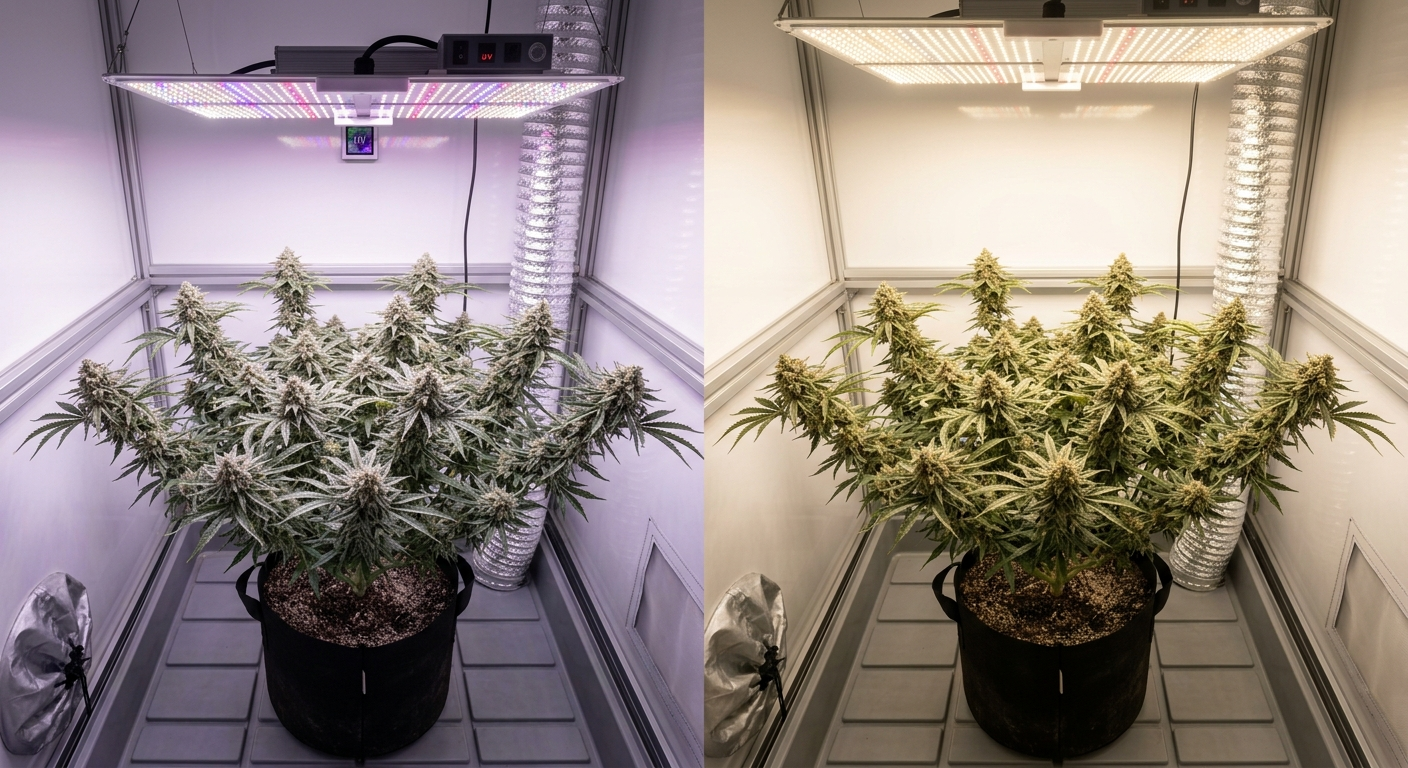
Trichome density and cannabinoid concentration are not the same thing — a plant can have dense trichome coverage but moderate THC, or fewer but larger trichomes loaded with cannabinoids. Both variables matter, and both are shaped by overlapping factors.
Genetics: The Non-Negotiable Foundation
Genetics account for the majority of variance in trichome density and cannabinoid concentration across cannabis varieties. Selective breeding over decades has produced strains with dramatically different trichome expression profiles. A strain like Quantum Kush (30% THC) carries gene variants that drive high THCA synthase expression, dense capitate-stalked trichome initiation, and large secretory head formation — traits that no environmental input can fully replicate in a genetically average plant.
When pheno hunting for high-resin expression, you're selecting for individuals that naturally upregulate these genetic programs. The variation within a seed batch reflects heterozygosity at key loci controlling trichome density, synthase gene expression, and head size.
UV-B Light Stress
UV-B radiation (280–315nm wavelength) is one of the most reliably documented environmental stimulants for trichome upregulation. Research has shown that cannabis plants exposed to supplemental UV-B during late flowering increase both trichome density and THCA concentration, consistent with the evolutionary UV-protection hypothesis.
In practice, this means:
- CMH (ceramic metal halide) and full-spectrum LEDs with UV output outperform standard HPS for trichome stimulation.
- Adding a dedicated UV-B supplement lamp during the final 2–3 weeks of flowering can enhance resin production in already-resinous genetics.
- Outdoor plants grown at altitude (higher natural UV-B exposure) often show elevated trichome density versus lowland grows of the same strain.
If you're using an LED fixture, check its spectral output chart for UV content. Broad-spectrum LEDs that include UV-A and UV-B wavelengths will encourage more trichome development in genetically predisposed strains during the final weeks of flower.
Temperature Differentials (Day/Night)
Significant temperature drops at night during late flowering — often called "nighttime lows" — are associated with increased terpene and resin production. The mechanism appears to involve slowing terpene volatilization (preventing aromatic compounds from evaporating before they accumulate in the trichome head) and triggering mild cold-stress responses that upregulate secondary metabolite synthesis.
A 10–15°F (5–8°C) drop between day and night temperatures during weeks 6–8 of flowering is a well-established technique for boosting resin quality in many genetics. See our cannabis temperature control guide for specific stage-by-stage ranges.
Moderate Water Stress in Late Flower
Mild, controlled water deficit during the final 1–2 weeks of flowering is practiced by many experienced growers to concentrate terpenes and cannabinoids in the trichome head. The proposed mechanism: slight drought stress triggers abscisic acid (ABA) signaling, which has downstream effects on secondary metabolite accumulation.
This is distinct from severe water stress, which damages the plant, reduces yield, and degraded resin quality. The goal is a controlled, brief drying cycle — not wilting to the point of cellular damage.
Harvest Timing
Cannabinoid concentration peaks at a specific point in trichome development and then declines as THCA oxidizes to CBN (cannabinol). Harvesting too early captures less-than-peak THC; harvesting too late loses potency to degradation. Trichome color is the most practical tool for monitoring this window — which we cover in full detail in the next section.
The Clear → Cloudy → Amber Progression: What's Actually Happening Chemically
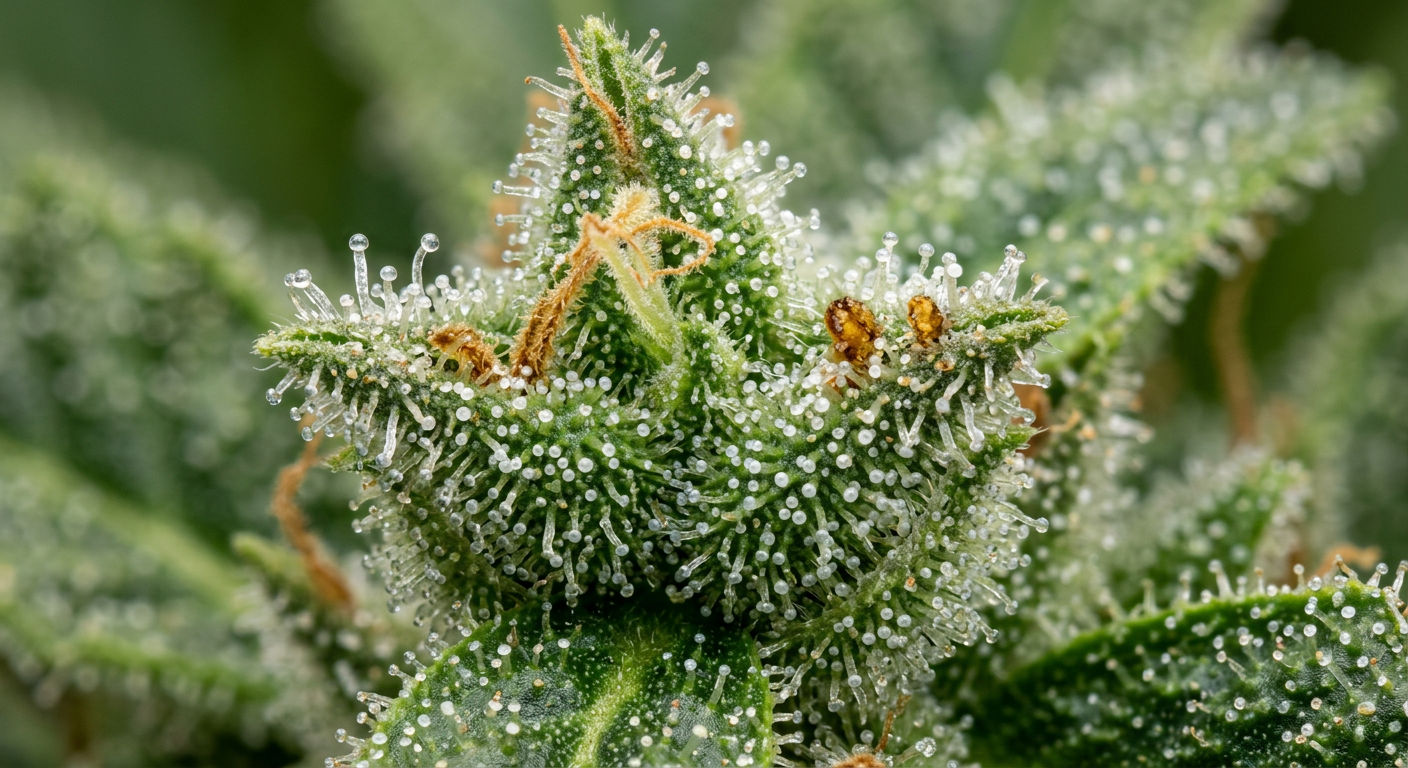
The trichome color progression from clear to milky white to amber is not aesthetic — it reflects specific biochemical changes occurring inside the secretory head as the plant ages. Understanding the chemistry behind each stage lets you make harvest decisions based on what's actually in the trichome, not just what it looks like.
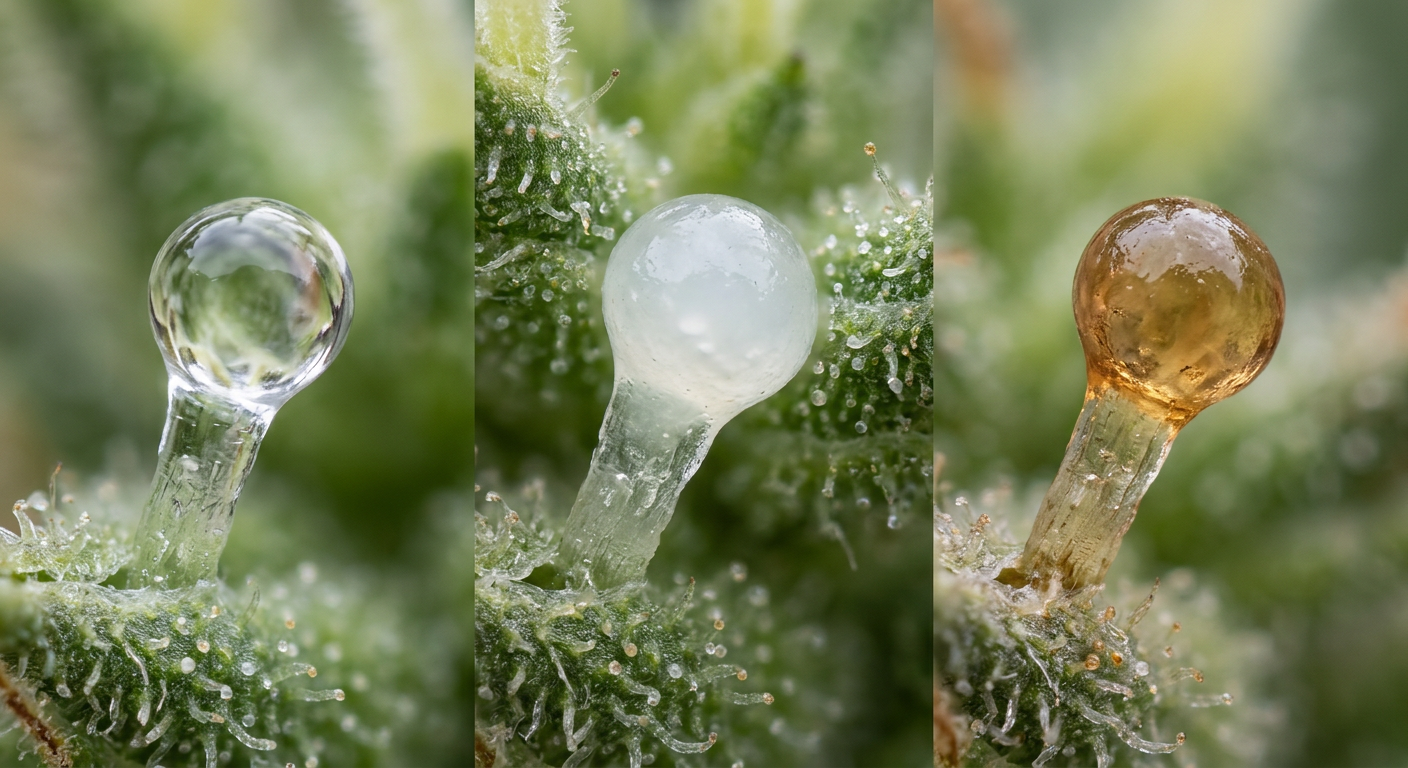
Clear Trichomes — Immature, Filling
In the early-to-mid flowering stage, trichome heads appear transparent or glass-clear. The subcuticular cavity is actively filling with newly synthesized THCA, terpenes, and other metabolites, but the concentration is not yet at maximum. The disc cells are metabolically very active, and biosynthesis is running at full capacity.
Harvesting at this stage yields lower overall cannabinoid content and an incomplete terpene profile. The effect profile tends toward an energetic, sometimes anxious high due to the presence of early-stage terpenes that haven't yet reached full expression.
Cloudy (Milky White) Trichomes — Peak THCA
The transition to a milky white or opaque appearance signals that the subcuticular space has reached maximum fill — the resin has become so dense that light scatters rather than passing through, producing the white appearance (the same physics that makes milk white despite being mostly water). This is the point of maximum THCA concentration per trichome head.
A plant with predominantly cloudy trichomes is at or near peak THC potential. After decarboxylation, this material will test at its genetic maximum for THCA/THC. The terpene profile is also fully expressed at this stage.
Amber Trichomes — THC Oxidizing to CBN
The amber color develops as THCA undergoes non-enzymatic oxidation to cannabinolic acid (CBNA), which further converts to CBN upon decarboxylation. This process is driven by exposure to oxygen, heat, and light — the trichome head slowly losing its volatile terpenes (evaporation through micro-perforations in the cuticle) and undergoing oxidative degradation of cannabinoids.
Amber trichomes do not represent "more potency" — they represent THC converting to CBN. While CBN has its own effects (associated with sedation), if peak THC is your target, harvest before amber percentage exceeds your target window. Most high-THC cultivars are optimal at 10–20% amber.
The practical takeaway: different target amber percentages produce different effect profiles. Check out our detailed harvest timing guide for specific recommendations by desired effect — this article focuses on the biochemistry behind the decision.
Assessing Trichome Density: Tools and Techniques for Growers
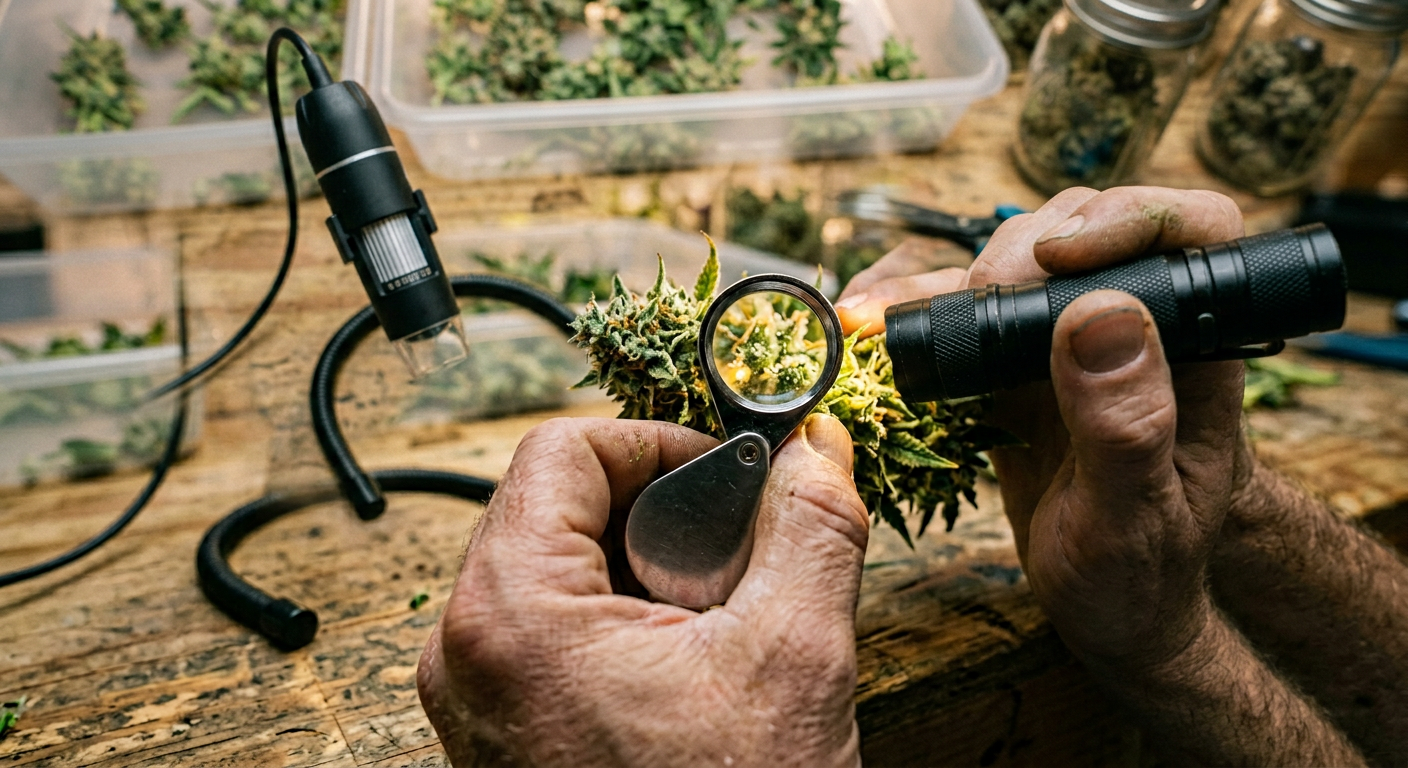
Growers working on pheno hunting, breeding selection, or simply optimizing their current crop need a practical method for evaluating trichome density and maturity. The tools range from basic to sophisticated, and the right choice depends on your goals.
The 30x–60x Jeweler's Loupe
A jeweler's loupe in the 30x–60x magnification range is the minimum practical tool for trichome assessment. At 30x, capitate-stalked trichomes are clearly visible and color changes (clear/cloudy/amber) are distinguishable. At 60x, individual head morphology becomes clearer.
- Cost: $10–$30 for quality optics
- Portable — can assess live plants in the field or grow room
- Requires good lighting (LED torch from below the calyx)
- Learning curve: 3–5 sessions before consistent reads
- Limitation: hand tremor makes 60x+ views difficult
- Best for: routine harvest timing checks
Digital Microscopes and USB Cameras
Digital microscopes (100x–1000x, USB-connected to a phone or laptop screen) provide magnification levels that resolve individual disc cells and allow photography for side-by-side comparison across harvest windows or phenotype evaluations. These are invaluable for serious pheno hunting because you can document trichome architecture across multiple plants in the same batch and compare them objectively.
When pheno hunting for high-resin expression, photograph trichomes on a standardized calyx from each candidate plant at the same day of flowering under the same magnification. Compare head size, density per square millimeter, and cuticle thickness — not just color. Larger heads with dense packing on the same surface area = higher cannabinoid potential per gram of flower.
Quantifying Density for Breeding Selection
For systematic breeding work, trichome density can be semi-quantitatively assessed by counting trichomes per defined area in a digital image. A standardized approach:
Standardize Your Sample
Take images from the same calyx position (third calyx from the tip of the main cola) on each candidate plant, at the same magnification and day of flowering.
Use a Grid Overlay
Apply a grid overlay in free software (ImageJ works well) and count capitate-stalked trichomes per grid square. Average 5 fields per plant for reliable data.
Record Head Diameter
In addition to count, note the average head diameter. A lower-density population of large-headed trichomes can outperform a denser population of small ones in total resin volume.
Cross-Reference with Aroma
High trichome density and large heads correlate with intense aroma at the same developmental stage. Plants that smell intensely at week 5 of flower with clear trichomes are strong pheno hunt candidates.
Use our grow planner tool to log observations across pheno hunt candidates and track harvest windows systematically.
Trichome Density and THC Percentage: What the Relationship Actually Looks Like
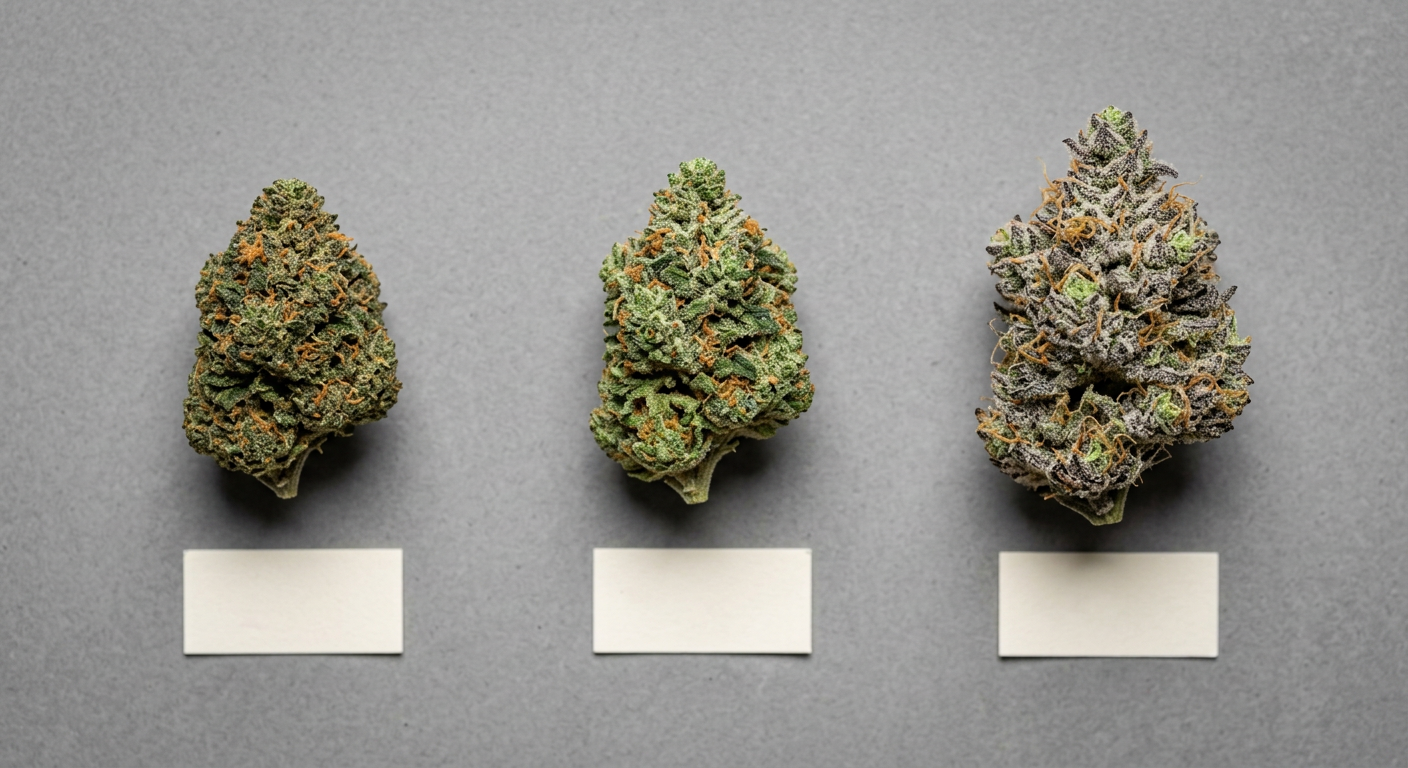
Trichome density and THC percentage have a positive correlation — but it's not a simple linear one, and density alone is not a reliable predictor of lab-tested THC percentage. Here's why the relationship is more nuanced than it first appears.
Total cannabinoid output per gram of dried flower depends on three compounding variables:
- Trichome density (capitate-stalked trichomes per cm² of calyx surface)
- Head volume (the amount of resin each trichome head can store — determined by genetics)
- THCA synthase expression ratio (what percentage of CBGA is converted to THCA vs. CBDA or CBCA)
A strain with moderate density but large heads and high THCA synthase expression can outperform a strain with very high density but small heads and lower synthase expression. This is why visual "frostiness" is an imperfect proxy for tested THC content — it reflects density and head size but not the enzyme ratio inside those heads.
Visual frostiness tells you about trichome density and maturity. Lab testing tells you about THCA synthase expression efficiency. Both matter, but only genetics controls the ceiling. Start with high-expression genetics if peak THC is the goal.
That said, within the same genetic line — same strain, same phenotype — higher trichome density does reliably correlate with higher cannabinoid yield per gram. Environmental factors that increase trichome density (UV-B, mild stress) will meaningfully increase yield in a high-synthase-expression strain.
Strain Genetics and Trichome Expression: What the Breeding History Tells You
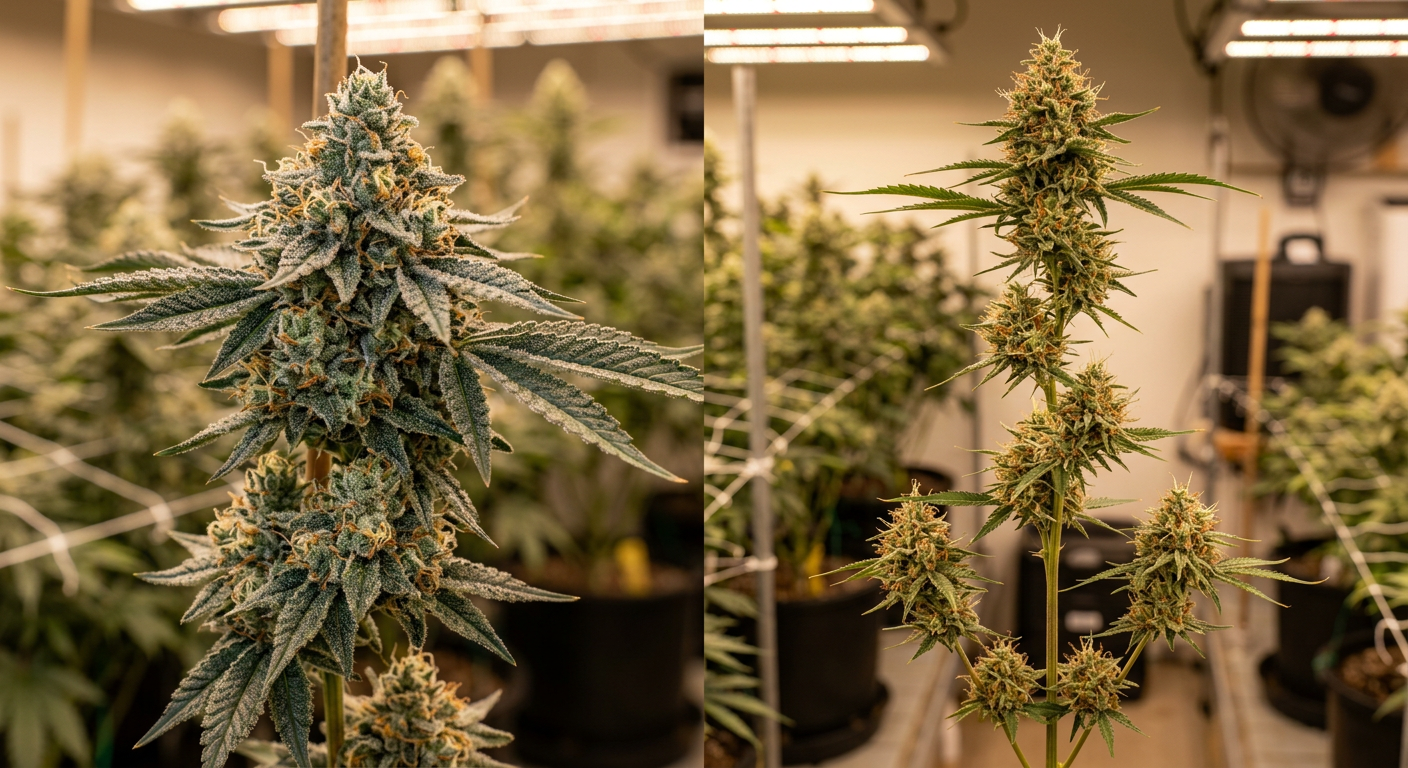
Resin production is one of the most heritable traits in cannabis breeding, which is why certain lineages consistently produce high-trichome phenotypes regardless of growing conditions. Understanding the genetics behind trichome expression helps growers choose starting material intelligently.
OG and Kush Lineages
OG Kush derivatives and true Kush genetics from the Hindu Kush mountain range are among the most reliably resinous cannabis lineages. The environmental history of these plants — surviving UV-intense, temperature-variable highland conditions — selected strongly for heavy resin production over generations. Modern OG-derived strains like OG Kush (26% THC) and Purple Kush (27% THC) carry this legacy directly.
Haze and Sativa-Dominant Hybrids
Original Haze genetics from equatorial regions evolved under intense equatorial UV — producing a different resin profile that emphasizes terpene richness and complex cannabinoid blends over raw THCA density. Haze-influenced strains like Super Lemon Haze (23% THC) and Northern Lights x Amnesia Haze (24% THC) combine the terpene richness of sativa lineages with improved resin density from indica crosses.
Modern High-Resin Hybrids
Contemporary breeding programs have pushed trichome expression further than either pure indica or sativa lines could achieve alone. Crosses like Wedding Cake, Gelato, and Runtz (popular industry standards the market knows well) leverage heterosis — hybrid vigor — to express higher trichome density than either parent line. Our catalog includes comparable high-resin hybrids: Black Widow (26% THC), New York Power Diesel (24% THC), and White Widow (25% THC) all represent decades of selection for trichome-dense expression.
Lower-Resin Varieties and Their Role
Not every cannabis variety is bred for maximum trichome density. Hemp varieties, landrace sativas like Swazi (18% THC), and traditional ceremonial strains prioritize different traits — fiber yield, specific terpene profiles, or adaptability. These plants still produce functional trichomes; they simply express different genetic programs for resin volume and cannabinoid ratios.
For breeders, low-resin varieties can be valuable as crosses when they carry other desirable traits (disease resistance, unique terpene profiles, vigor). The F1 hybrid may inherit trichome density from the resinous parent while gaining the vigor or resistance traits of the lower-resin parent.
When selecting seeds for maximum resin production, look beyond the marketed THC percentage. Research the lineage — strains with OG Kush, White Widow, or Gorilla Glue (not in our catalog but widely recognized for trichome density) in their background consistently express high capitate-stalked trichome density across diverse growing environments.
A Note on Autoflowering Genetics
The Ruderalis genetics that underpin autoflowering strains were historically associated with lower resin production — an adaptation to the short, mild Arctic summers in which they evolved. Modern autoflowering hybrids have largely overcome this through backcrossing with high-resin photoperiod genetics. Strains like Skywalker OG Autoflower (23% THC) and Holy Grail Kush Autoflower (20% THC) demonstrate that autoflowering plants are now capable of competitive trichome expression, though the ceiling remains slightly below the best photoperiod genetics.
Practical Applications: Protecting and Maximizing Your Trichomes at Every Stage
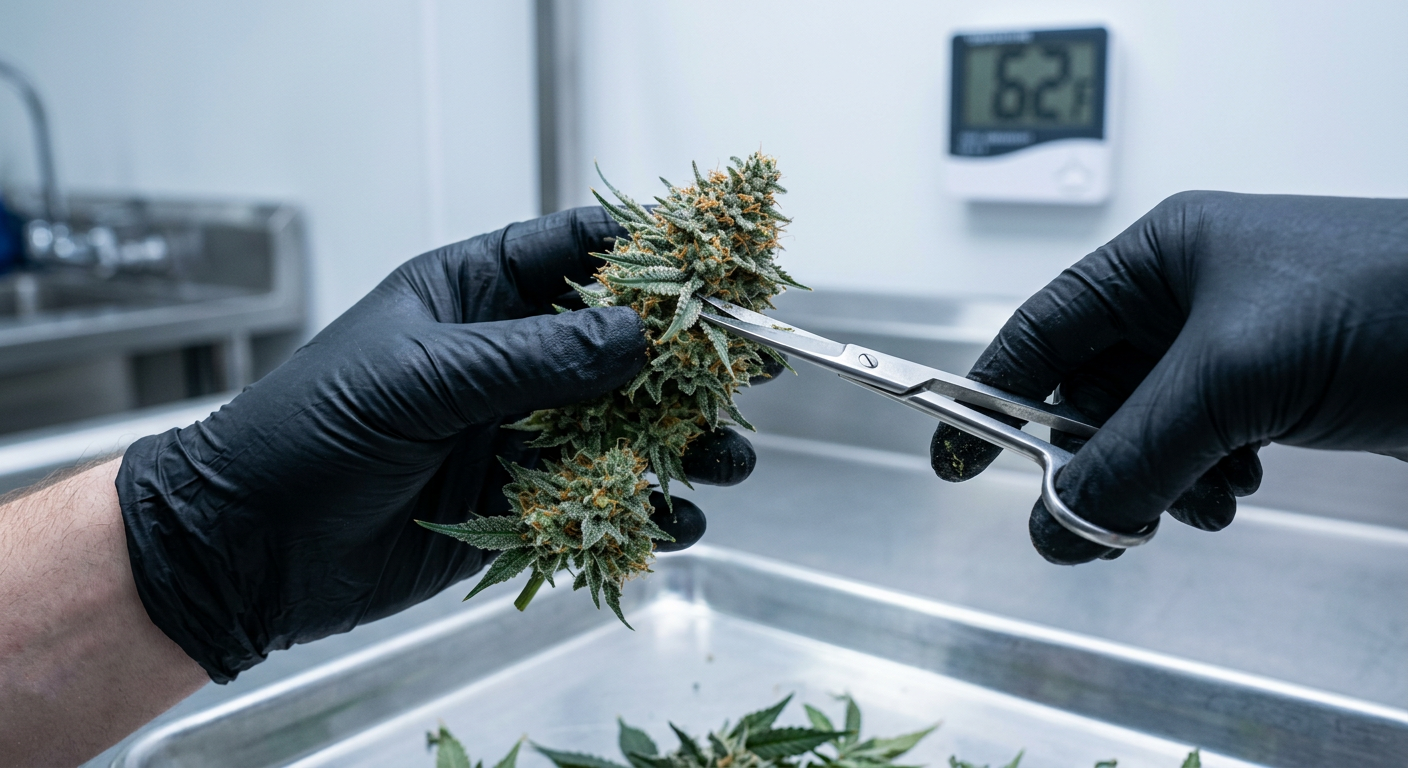
Knowing the biology of trichomes changes how you handle your plants from late vegetative through post-harvest. Trichomes are physically fragile — the stalks can shear off, and the heads rupture easily — and every unnecessary contact with the plant during late flower represents potential lost resin.
During Late Flowering
- Minimize physical contact with flowering branches — trichomes shear from mechanical agitation
- Maintain VPD in the correct range to avoid excessive humidity that can encourage mold on resin-dense buds — see our VPD calculator for stage-specific targets
- Implement the temperature differential protocol (10–15°F night drop) from week 6 onward
- Add UV-B supplementation in the final 3 weeks if your lighting lacks UV output
- Begin mild water restriction in the final 7–10 days before target harvest
- Keep airflow gentle — oscillating fans on low prevent hot spots without mechanically stressing resin glands
At Harvest
Temperature at the time of harvest affects trichome preservation. Cold temperatures (below 65°F / 18°C) firm up the resin, making trichomes less likely to rupture during handling. Many concentrate producers deliberately work in cold rooms for exactly this reason.
Handle harvested branches by the main stem, not the buds. Every time you grab a cola directly, you are mechanically rupturing trichome heads and transferring resin to your hands rather than keeping it on the plant. Use gloves when precise trichome preservation matters.
During Drying and Curing
Trichomes continue to undergo chemical changes after harvest. During drying, THCA slowly decarboxylates at room temperature (faster at higher temperatures), and terpenes continue to evaporate. A slow dry at 60–65°F (15–18°C) with 55–60% relative humidity over 10–14 days minimizes both terpene loss and premature THCA decarboxylation, preserving both potency and aroma in the final product.
During curing, residual enzymatic activity in the plant continues to convert chlorophyll and break down harsh compounds — while terpenes redistribute within the bud and the flavor profile develops. Proper curing doesn't increase the amount of THC in the flower, but it significantly improves the smoothness and complexity of the final smoke by completing the biochemical transformation that started in the living trichome.
For a complete picture of how yield, potency, and density relate to your growing setup, our yield estimator tool can help model expected output based on genetics and environment before you commit to a grow.
High-Resin Strain Selection: Building Your Grow Around Trichome Biology
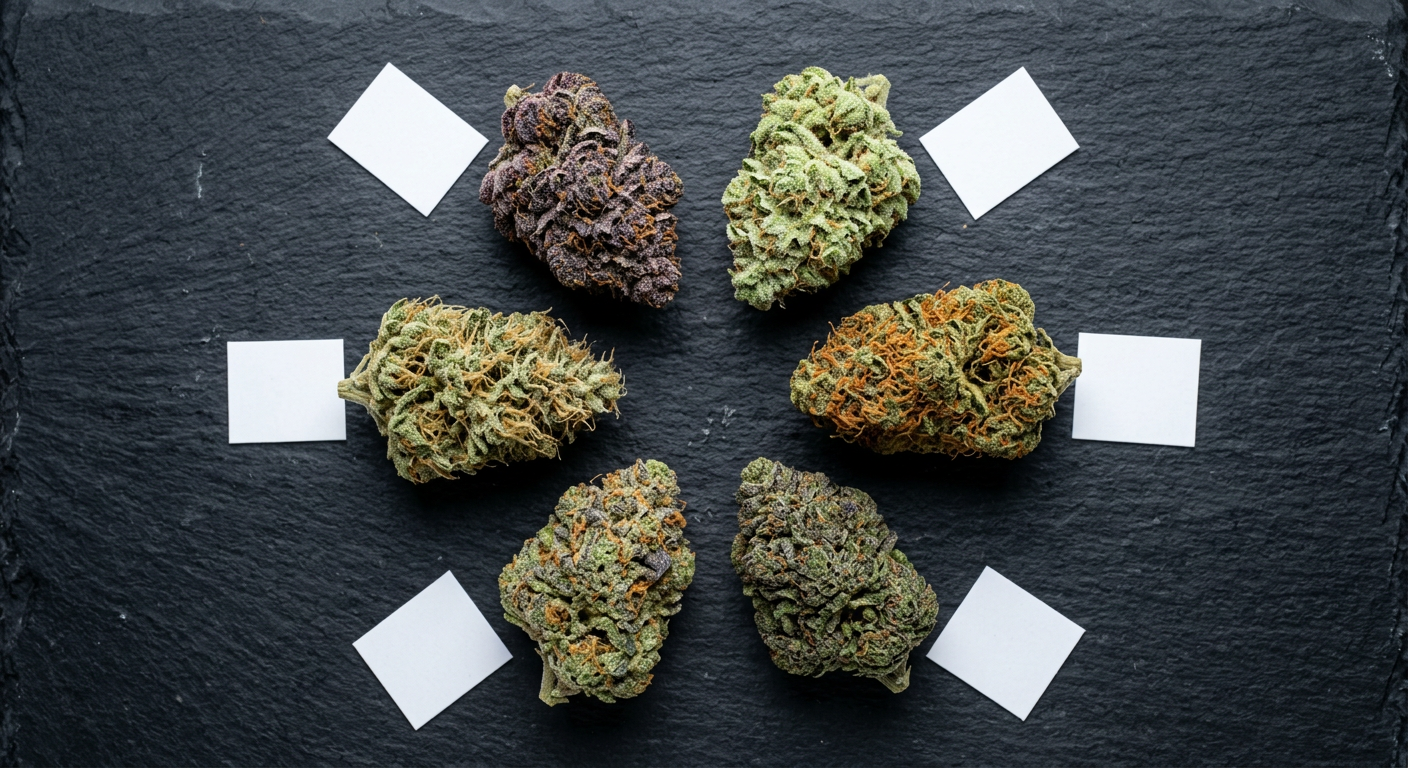
Applying everything above to practical seed selection: if maximum trichome density and cannabinoid concentration are your goals, the genetic foundation is where you start. Below is a curated selection of high-resin options spanning different growing styles, flowering times, and effect profiles — including both widely recognized industry genetics and strains we carry.
| Strain | THC | Resin Profile | Best For |
|---|---|---|---|
| Quantum Kush | 30% | Exceptionally dense capitate-stalked coverage | Maximum THC expression |
| Purple Kush | 27% | Heavy OG-lineage resin; large trichome heads | Concentrate production |
| Gorilla Glue #4 (GG4) | ~28% | Industry benchmark for trichome density; extremely sticky | Hash and extract making |
| OG Kush | 26% | Classic Kush trichome architecture; dense and aromatic | Balanced potency + terpene profile |
| Black Widow | 26% | White Widow lineage — historically legendary resin | High-resin indoor grows |
| Wedding Cake | ~25–27% | Modern hybrid with exceptional trichome coverage | Pheno hunting for top-shelf resin |
| White Widow | 25% | Foundational high-resin genetics; consistent expression | Reliable high-output grows |
| Papaya | 25% | Tropical lineage with notable terpene-rich resin | Aroma-focused resin production |
| Gelato | ~23–26% | Cookie lineage resin; high terpene concentration | Premium connoisseur market |
| Skywalker OG Auto | 23% | Best-in-class autoflower trichome density | Fast-cycle high-resin grows |
The strains in the upper range of this table — particularly those with OG Kush, White Widow, or modern hybrid backgrounds — carry the genetic machinery (high THCA synthase expression + dense capitate-stalked trichome initiation) that environmental optimization can push to its maximum potential.
For more on selecting genetics by specific traits, see our guide to exotic cannabis strains and rare genetics, or use our grow planner to map out a full cultivation strategy around your chosen genetics.
Synthesis: Cannabis trichome biology is ultimately the story of a plant optimizing its chemical defenses under evolutionary pressure — and humans, through selective breeding, learning to redirect that pressure toward producing the highest possible concentrations of specific molecules. Every tool in the modern grower's arsenal, from UV-B supplementation to cold finishing, works by mimicking or amplifying the environmental stressors that drove trichome evolution in the first place.
Frequently Asked Questions
Why do cannabis plants grow trichomes?
Cannabis plants grow trichomes as an evolutionary defense system — not for human consumption. Trichomes provide UV-B radiation protection for reproductive tissues, physically trap and deter small insect pests, repel herbivores with terpenes, and create a barrier against fungal and bacterial pathogens. The cannabinoids and terpenes that accumulate in trichome heads are biological byproducts of these defense mechanisms that humans have selectively amplified through centuries of breeding.
What is the difference between trichome types on cannabis?
Cannabis has three trichome types: bulbous (15–30μm, trace cannabinoids, found across the whole plant surface), capitate-sessile (25–100μm, moderate cannabinoids, on leaves and stems), and capitate-stalked (150–500μm, primary THC and terpene production site, concentrated on calyxes and bracts). Capitate-stalked trichomes are the primary target for potency because their large secretory heads and dedicated disc cells produce the majority of THCA and terpenes in any given flower.
How do cannabis trichomes produce cannabinoids like THC?
Inside the disc cells at the base of a capitate-stalked trichome head, two biosynthesis pathways converge: the terpenoid pathway (producing geranyl pyrophosphate) and the polyketide pathway (producing olivetolic acid). These combine to form cannabigerolic acid (CBGA) — the precursor to all cannabinoids. The enzyme THCA synthase then converts CBGA into THCA, which accumulates in the subcuticular space. Heat (decarboxylation) later removes the acid group, converting THCA into active THC.
Does trichome density directly predict THC percentage?
Trichome density correlates positively with cannabinoid yield, but it does not directly predict lab-tested THC percentage. Total THC content depends on three factors: trichome density (number per cm² of surface), trichome head volume (determined by genetics), and THCA synthase expression ratio (how efficiently CBGA is converted to THCA vs. other cannabinoids). A strain with moderate density but large heads and high synthase expression can test higher than a denser strain with smaller heads or lower synthase efficiency.
Why do trichomes turn amber during late flowering?
Trichomes turn amber because THCA inside the secretory head undergoes slow oxidative degradation — converting to cannabinolic acid (CBNA) and then to CBN upon decarboxylation. This process is driven by exposure to oxygen, light, and heat over time. Amber trichomes also reflect terpene evaporation through micro-perforations in the trichome cuticle. Amber is not a sign of increased potency — it represents THC being replaced by CBN, which has different (more sedative) effects. Harvest windows are calibrated around the clear-to-cloudy-to-amber ratio based on target effect profile.