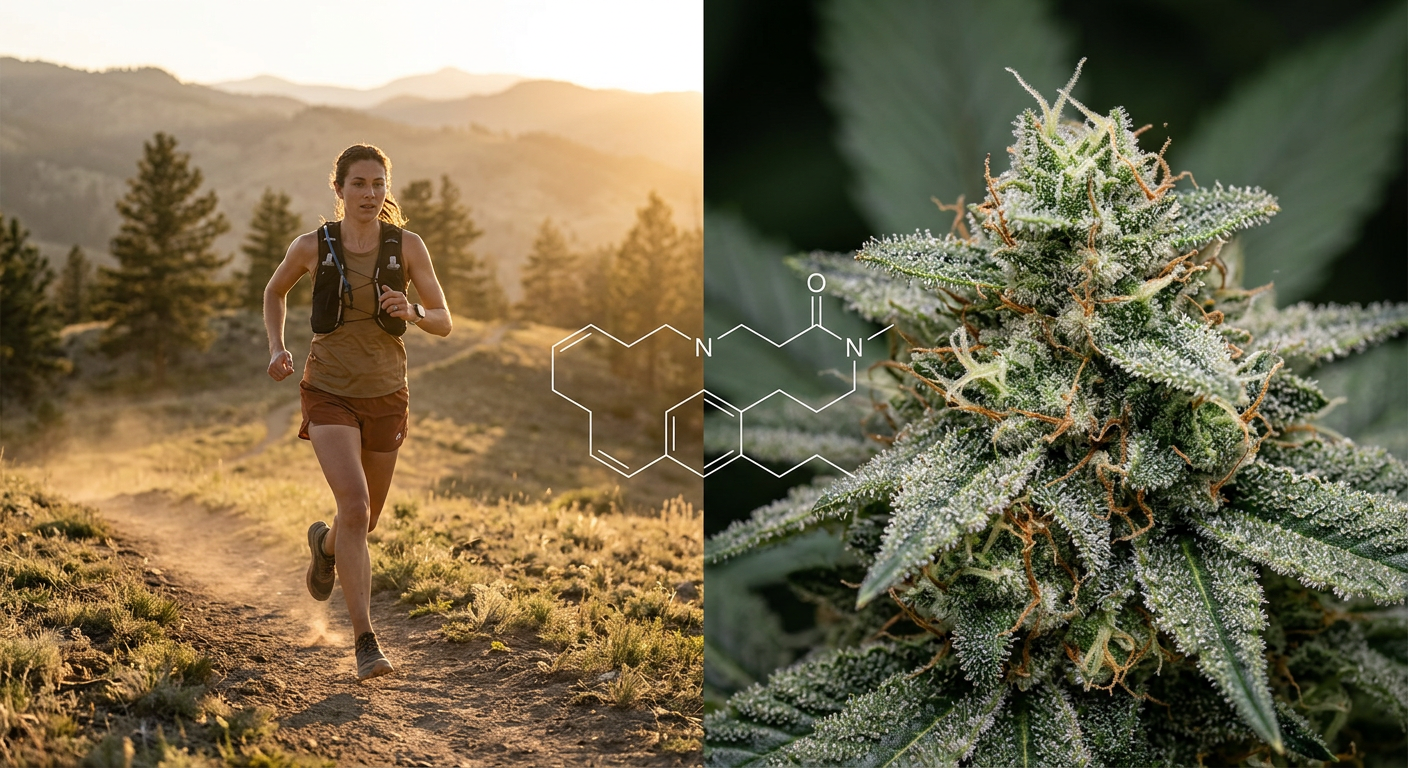
Here is a fact that reframes everything you thought you knew about the runner's high: it is not caused by endorphins. For decades, the euphoric rush that follows a hard run was credited to beta-endorphins flooding the brain. Then, in 2021, a landmark study published in the Journal of Experimental Biology confirmed what a growing body of evidence had been suggesting — anandamide, a molecule produced by your own endocannabinoid system, is the primary driver of exercise-induced euphoria. If you use cannabis, that fact should stop you cold. The same receptor network that THC activates is the one your body uses to reward you for moving. This is the endocannabinoid system exercise cannabis connection — and almost nobody is talking about it clearly.
This guide maps the full picture: how your endocannabinoid system functions during exercise, why anandamide and THC produce overlapping effects, what science says about using cannabis around workouts, and which cannabinoid and terpene profiles active users actually seek. For a deeper foundation on the receptor system underlying all of this, start with our complete guide to the endocannabinoid system.
What the Endocannabinoid System Actually Does During Exercise
The endocannabinoid system (ECS) is your body's own chemical signaling network, built from receptors, endogenous ligands, and degradation enzymes. During moderate-to-vigorous aerobic exercise, two key endocannabinoids — anandamide (AEA) and 2-arachidonoylglycerol (2-AG) — are released into circulation and begin activating cannabinoid receptors throughout the brain and body.
CB1 receptors, concentrated in the central nervous system, are the primary targets. When anandamide binds to CB1 receptors in the prefrontal cortex and limbic system, it produces measurable effects:
- Euphoria and elevated mood
- Reduced perception of pain (hypoalgesia)
- Decreased anxiety and stress response
- Altered sense of time — the feeling that effort is effortless
- Mild sedation in the parasympathetic branch following intense effort
Science insight: A 2021 study by Fuss et al. in the Journal of Experimental Biology used CB1 receptor-blocked mice to show that removing cannabinoid receptor function eliminated the anxiolytic and analgesic effects of running — even when endorphin pathways remained intact. Endorphins, which are large molecules, cannot cross the blood-brain barrier efficiently. Anandamide can. This is the mechanistic reason endocannabinoids explain runner's high better than endorphins.
The type and intensity of exercise matters significantly. Research shows anandamide rises most sharply during sustained aerobic effort — running, cycling, and swimming at 70–85% of maximum heart rate. Short, explosive efforts like sprinting or heavy resistance training produce smaller endocannabinoid surges. The ECS appears specifically tuned to reward prolonged, rhythmic movement — which aligns with evolutionary theories about persistence hunting in early humans.
CB2 receptors, found predominantly in immune cells and peripheral tissues, also play a role during exercise. 2-AG activates CB2 receptors in muscle and connective tissue, where it modulates the inflammatory response to exercise-induced micro-damage. This peripheral ECS activity is why cannabinoids have attracted research interest in the context of exercise recovery specifically.
The endocannabinoid system is not a passive receptor network — it is actively recruited by aerobic exercise to regulate mood, pain, and inflammation. The same chemical machinery that cannabis engages is part of your body's built-in reward for physical activity.
Runner's High Was Wrong: The Endorphin Myth vs. Endocannabinoid Reality
The endorphin hypothesis of runner's high emerged in the 1980s when researchers found elevated beta-endorphin levels in the blood of runners post-exercise. It became cultural fact. There was one major problem: blood-level endorphins do not reliably cross the blood-brain barrier, meaning peripheral measurements told us little about what was happening in the CNS.
The endocannabinoid hypothesis gained traction in the early 2000s. A 2004 study by Sparling et al. in NeuroReport found that aerobic exercise significantly elevated circulating anandamide levels in humans. Subsequent animal research allowed more direct mechanistic testing. By blocking CB1 receptors pharmacologically and observing the disappearance of post-exercise behavioral changes — without blocking endorphin pathways — researchers established a causal role for endocannabinoids that endorphin research never achieved.
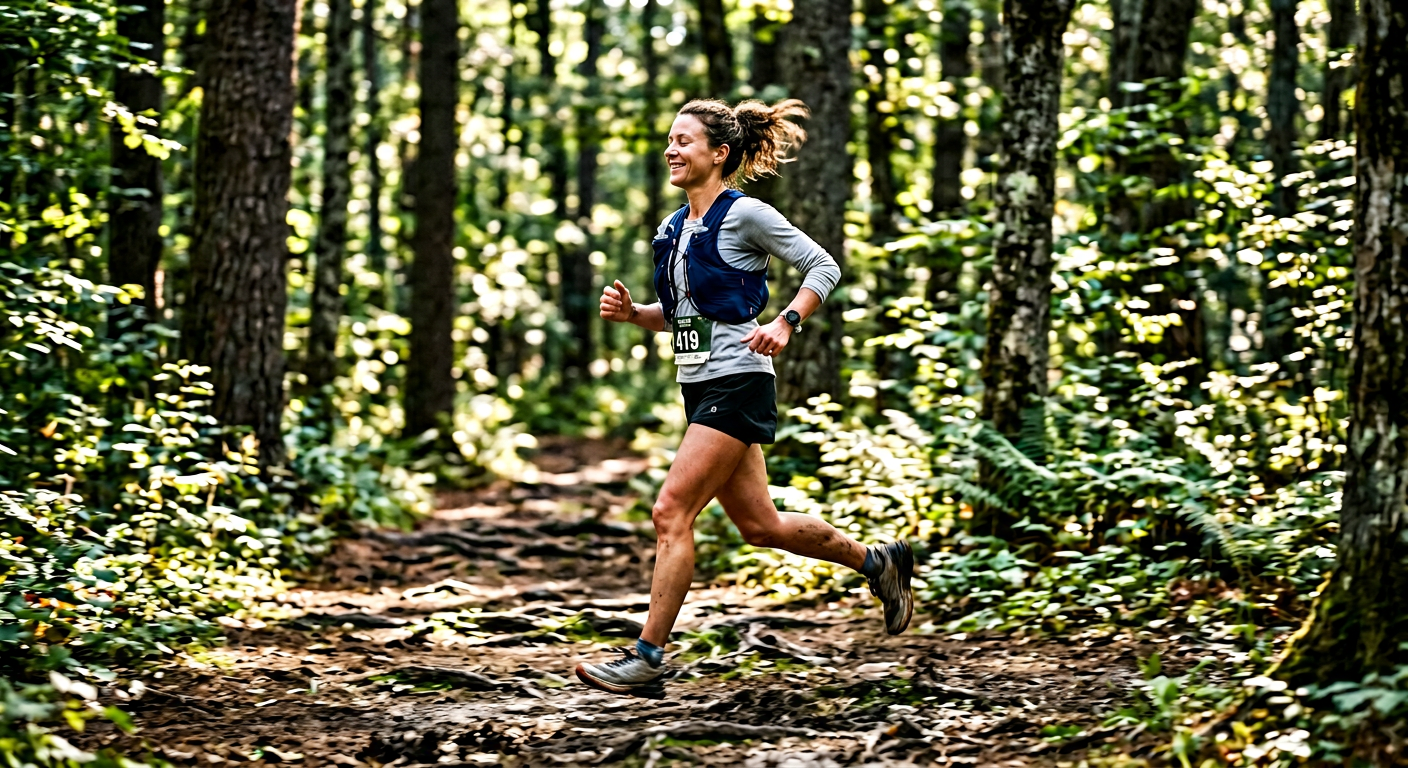
The 2021 Fuss study is the clearest confirmation. Using mice with intact endorphin systems but blocked CB1 receptors, the researchers showed that the animals lost the anxiolytic (anti-anxiety) and pain-reducing effects of wheel running. This does not mean endorphins are irrelevant — they contribute to other aspects of exercise physiology. But for the specific psychological state we call runner's high, anandamide appears to be the primary key.
Runner's high is not caused primarily by endorphins. It is caused by anandamide — your own endocannabinoid — binding to the same CB1 receptors that THC activates. This is the most scientifically accurate answer to the question: Is runner's high the same as being high on cannabis?
So why does any of this matter for cannabis users? Because it means the pleasure you feel during and after a good workout, and the subjective experience of using cannabis, are not coincidentally similar. They are mechanistically related. They use the same receptor locks, with different molecular keys.
Anandamide vs. THC: Same Lock, Different Key
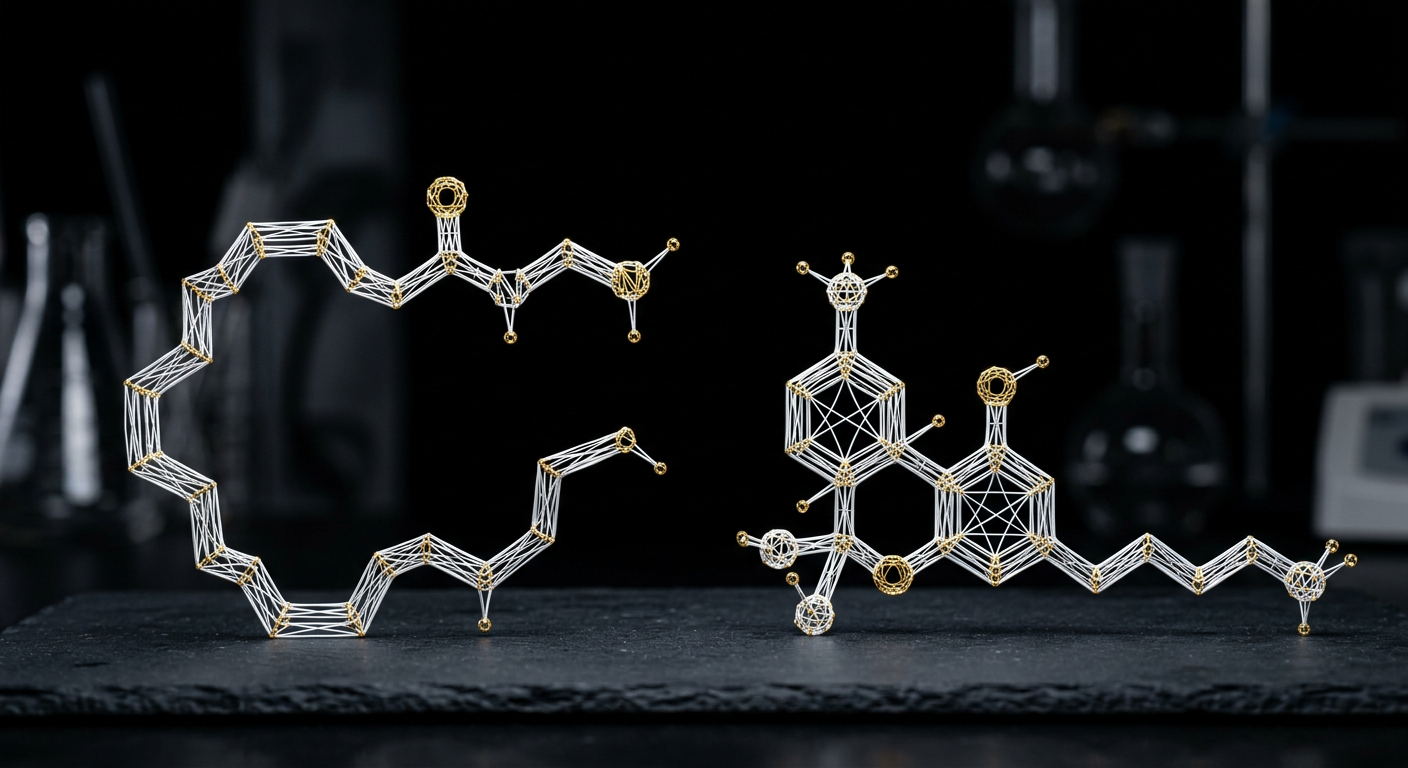
Understanding the pharmacological difference between anandamide and THC explains why exercise-induced euphoria and cannabis intoxication feel similar but not identical. Both molecules activate CB1 and CB2 receptors. Both influence mood, pain perception, and appetite. But their molecular behavior differs in ways that matter enormously.
| Property | Anandamide (AEA) | THC |
|---|---|---|
| Origin | Produced endogenously (by your body) | Exogenous phytocannabinoid (from cannabis plant) |
| Receptor action | Partial CB1/CB2 agonist | Full CB1/CB2 agonist |
| Degradation enzyme | FAAH (fatty acid amide hydrolase) — fast breakdown | CYP450 liver enzymes — slower metabolism |
| Duration of action | Minutes (rapidly degraded) | Hours (persists in lipid tissues) |
| Intensity of CB1 activation | Moderate — partial receptor occupancy | High — full receptor activation |
| Psychoactive potency | Mild, threshold-level euphoria | Strong, dose-dependent intoxication |
| Anxiety modulation | Consistently anxiolytic at physiological levels | Biphasic — anxiolytic at low doses, anxiogenic at high doses |
The partial agonist status of anandamide is critical. As a partial agonist, it activates CB1 receptors but does not produce maximal receptor response the way THC does. This is why the runner's high feels like a gentle lift — calm, pain-free, mildly euphoric — rather than the potent intoxication of high-THC cannabis. The ceiling effect of anandamide is built in by its partial agonism and its rapid enzymatic breakdown by FAAH.
Science insight: FAAH inhibitors — drugs that slow the breakdown of anandamide — have been explored as non-intoxicating treatments for anxiety and pain. They work by letting your body's own anandamide accumulate rather than introducing exogenous cannabinoids. This research direction underscores just how central anandamide is to mood regulation — and how exercise may be a natural FAAH-independent route to the same outcome.
THC, by contrast, is a full agonist. It binds to CB1 receptors with higher affinity and produces greater downstream signaling. It resists rapid enzymatic breakdown because FAAH does not degrade it efficiently. This explains why cannabis intoxication is more intense, longer-lasting, and dose-sensitive compared to the runner's high. At low doses, THC mimics the pleasant aspects of elevated anandamide. At high doses, it overwhelms normal ECS tone and can produce anxiety — the inverse of anandamide's consistent anxiolytic profile.
For a comprehensive breakdown of how cannabinoids work together with terpenes to modulate these effects, see our guide to the entourage effect.
Cannabis Before a Workout: What the Evidence Actually Shows
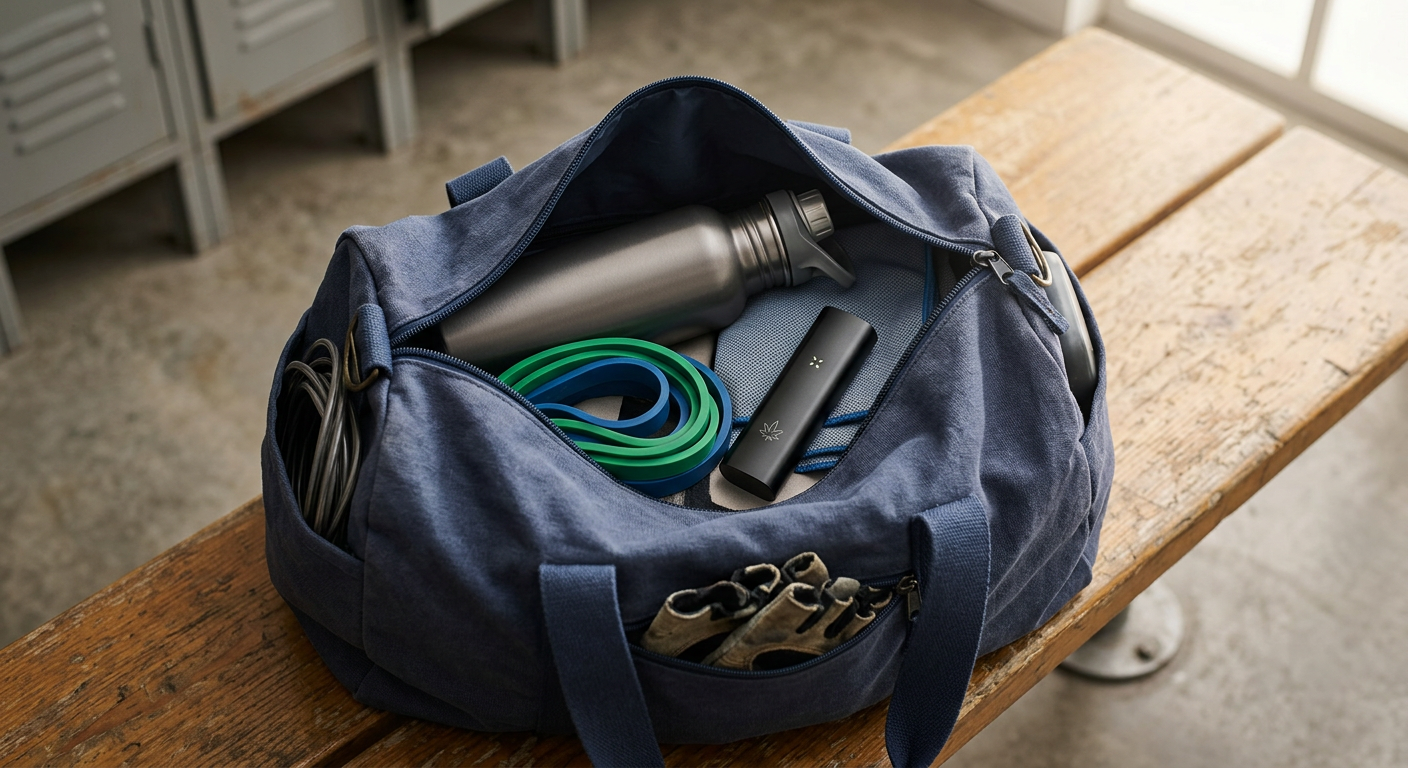
Cannabis before exercise is common among active users, particularly in endurance sports communities. Survey data from 2019 published in Frontiers in Public Health found that 81.7% of cannabis users in legal states reported using cannabis within one hour before exercise, and 67% reported enhanced enjoyment of the activity. But enhanced enjoyment and enhanced performance are not the same thing.
Claimed Pre-Workout Benefits and the Evidence Behind Them
Active users commonly report several reasons for pre-workout cannabis use. Here is an honest assessment of each claim:
- Enhanced focus and motivation: Plausible at low doses via CB1 modulation of dopaminergic circuits, but dose-dependent — high doses reliably impair sustained attention.
- Reduced exercise-induced anxiety: Supported at low doses; THC's anxiolytic window is narrow and individual variability is high.
- Bronchodilation: Acute THC inhalation produces short-term bronchodilation. A 1973 study in the New England Journal of Medicine documented this effect. However, repeated smoke inhalation causes airway irritation that offsets this benefit over time. Vaporized cannabis reduces the combustion-related downside.
- Pain tolerance and endurance: Some evidence suggests cannabis raises pain threshold, which could extend time-to-fatigue in endurance activities. However, this also masks injury warning signals — a genuine safety concern.
Important: Masking pain perception during exercise can lead to injury by suppressing the warning signals your body uses to prevent overuse damage. If you use cannabis before high-impact activity, be especially attentive to form and structural fatigue cues your body is generating.
Pre-Workout Strain Considerations
Users who choose to consume before exercise consistently prefer specific cannabinoid and terpene profiles. Lower THC content (under 18%), high limonene or pinene terpene expression, and sativa-dominant genetics are the most frequently sought combination. These profiles tend to produce uplifting, clear-headed effects rather than sedating body heaviness.
New York Power Diesel (24% THC) is a high-energy sativa-dominant strain with a sharp, fuel-forward terpene profile dominated by limonene and myrcene — the kind of alerting, motivating effect profile active users report seeking before movement-based activities. For lower-THC entry points, Tangerine Haze (18% THC) offers a citrus-forward, energizing effect without the cognitive fog that higher-THC strains can introduce.
For focus-driven pre-workout use, our guide to the best cannabis strains for energy and focus provides a detailed breakdown of profiles suited to active use.
Pre-workout tip: If using cannabis before exercise, start with a single low-dose inhale and wait 10–15 minutes before assessing your response. High-THC strains above 22% significantly increase the risk of anxiety and impaired coordination — the opposite of what most active users are looking for.
Cannabis After a Workout: Recovery, Inflammation, and Sleep
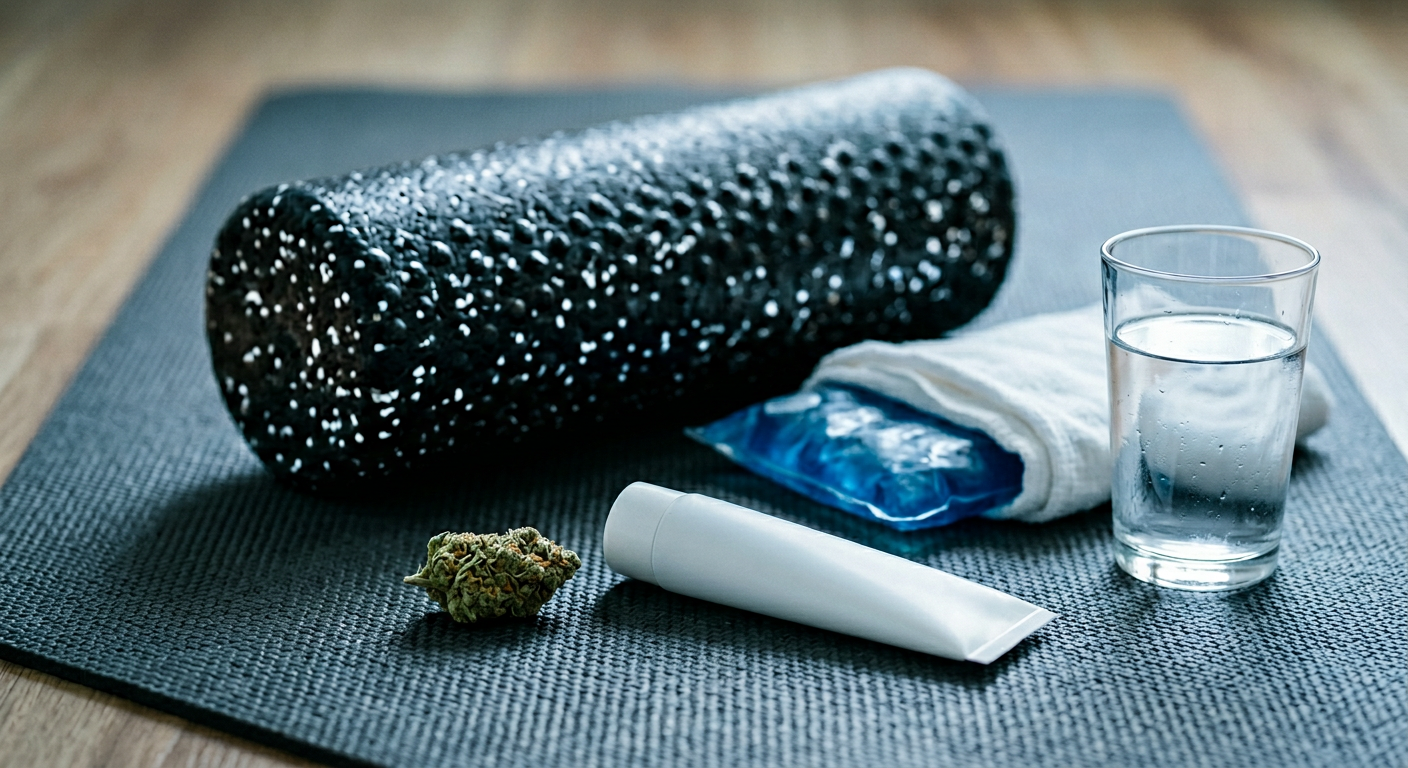
Post-workout recovery is where the cannabis-exercise science is strongest and most practically useful. Exercise-induced inflammation, delayed onset muscle soreness (DOMS), and disrupted sleep — the three primary obstacles to recovery — are all areas where cannabinoids have documented mechanisms of action.
Inflammation and the Endocannabinoid System
Resistance exercise and high-intensity cardio generate localized inflammatory responses in muscle tissue. This is intentional — inflammation is part of the adaptive repair process. But excessive inflammation delays recovery and creates the soreness window that reduces training frequency.
CB2 receptors, distributed throughout immune tissue and peripheral nerves, modulate the immune response to muscle damage. 2-AG activation of CB2 receptors has been shown to reduce pro-inflammatory cytokine release in several cell studies. CBD does not bind directly to CB1 or CB2 with high affinity, but it modulates ECS tone indirectly — by inhibiting FAAH (slowing anandamide breakdown) and interacting with TRPV1 receptors involved in pain and temperature signaling.
CBG (cannabigerol) is generating growing research interest in the recovery context. For a full breakdown of how CBG works at the receptor level, see our guide to CBG.
Sleep Quality and Muscle Repair
The majority of muscle protein synthesis occurs during deep sleep phases. Anything that disrupts sleep architecture — particularly REM sleep — compromises recovery. High-THC indica-dominant strains are widely used for sleep, though the evidence on THC and sleep is nuanced: THC reduces sleep onset latency but suppresses REM sleep at higher doses. Lower-dose CBD appears to have a more favorable sleep architecture profile.
Terpenes associated with sedation and anxiety relief — particularly myrcene and linalool — are consistently present in strains sought by users for sleep-supported recovery. For a detailed breakdown of sedating strain profiles, see our guide to the best cannabis strains for sleep.
Post-Workout Strain Options
For post-workout recovery, the strain selection logic shifts toward indica-dominant or CBD-rich profiles. Several well-regarded options serve this purpose:
- Northern Lights x Big Bud (20% THC) — classic deep-body relaxation, myrcene-forward, widely used for muscle tension and sleep onset
- Purple Kush (27% THC) — one of the most sedating indica profiles available; suited to recovery after high-volume training days
- Papaya (25% THC) — tropical terpene profile with strong body effect; popular among users prioritizing DOMS relief
- Cookies Kush (18% THC) — moderate THC with indica-dominant body effect; better suited to users sensitive to high-THC sedation
- CBD Critical Mass — widely available industry strain; high CBD, low THC ratio; minimal psychoactive effect with anti-inflammatory properties
- Charlotte's Web — established CBD-dominant cultivar; favored in the recovery community for its minimal intoxication profile
- ACDC — high-CBD, near-zero-THC profile; popular among athletes who want cannabinoid support without impairment
Recovery tip: Topical cannabis preparations — balms and oils applied directly to sore muscle groups — deliver localized CB2 receptor activation without systemic psychoactivity. For athletes subject to drug testing, topicals carry the lowest risk of detectable cannabinoid metabolites in urine. Always verify testing protocols with your governing body.
For users dealing with specific muscle tension and spasm patterns, our guide to cannabis strains for muscle spasms and tension relief covers this in detail.
What the Research Says: Cannabis and Exercise Performance
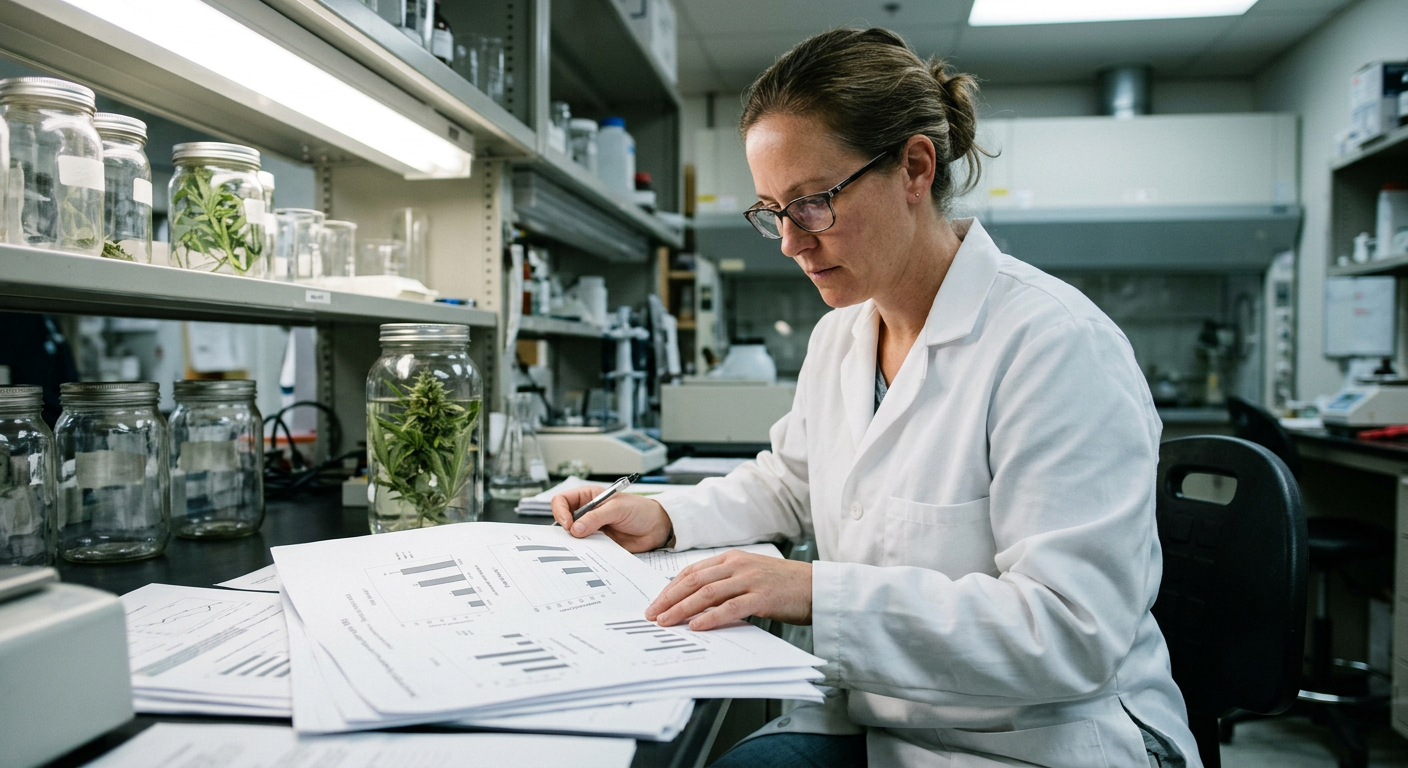
The honest answer is that research on cannabis and exercise performance is still early-stage, methodologically inconsistent, and complicated by legal restrictions on controlled substance research. What we have is a growing body of evidence — some controlled, much observational — that allows cautious conclusions rather than strong prescriptions.
Key Studies and Their Findings
The most cited research clusters fall into three categories: subjective experience studies, cardiovascular effect studies, and recovery-focused investigations.
Subjective experience and motivation: The 2019 Frontiers in Public Health survey (Zeiger et al., n=1,161 cannabis users in legal states) found that most users who combined cannabis with exercise reported increased enjoyment, improved recovery, and no negative effect on performance. This is self-reported data — but it establishes that the population exists and describes their experience in detail.
Cardiovascular response: THC reliably increases heart rate (tachycardia), typically by 20–50 beats per minute in the short term. For healthy athletes, this is generally transient and not dangerous. For individuals with cardiovascular conditions or underlying arrhythmia risk, cannabis combined with high-intensity exercise represents a contraindicated combination. Several case studies link cannabis-associated tachycardia with exercise-related cardiac events in predisposed individuals.
VO2 max and aerobic capacity: No strong evidence exists that cannabis improves VO2 max or aerobic output. Two controlled studies (Renaud and Cormier, 1986; Avakian et al., 1979) found modest reductions in exercise efficiency and time-to-exhaustion with acute THC administration. These are old studies with small samples, but they have not been meaningfully contradicted by more recent controlled work.
Muscle recovery and inflammation: The most promising evidence sits here. Multiple in vitro and animal model studies show cannabinoid receptor activation reducing inflammatory cytokine expression following tissue damage. Human clinical translation is limited but directionally consistent. The World Anti-Doping Agency (WADA) removed CBD from its prohibited list in 2018 — a signal that the scientific and regulatory communities view it differently from performance-enhancing substances.
Anti-doping note: WADA prohibits THC in-competition (threshold of 150 ng/mL urine). CBD is permitted. However, cannabis products often contain trace THC that can accumulate in lipid tissues and test positive days after use. Athletes subject to anti-doping rules should treat all cannabis products with caution and consult a sports medicine professional.
What We Can Reasonably Conclude
- Cannabis does not appear to enhance athletic output metrics (speed, power, VO2 max)
- Low-dose THC and CBD may reduce exercise-related anxiety and improve enjoyment of movement
- Post-exercise CBD and CBG have biologically plausible anti-inflammatory mechanisms that warrant further controlled human trials
- Sleep quality improvements from judicious post-workout use may provide indirect performance benefits via enhanced recovery
- Individual response variability is high — dose, genetics, fitness level, and tolerance all influence outcome substantially
Terpene and Cannabinoid Profiles for Active Cannabis Users
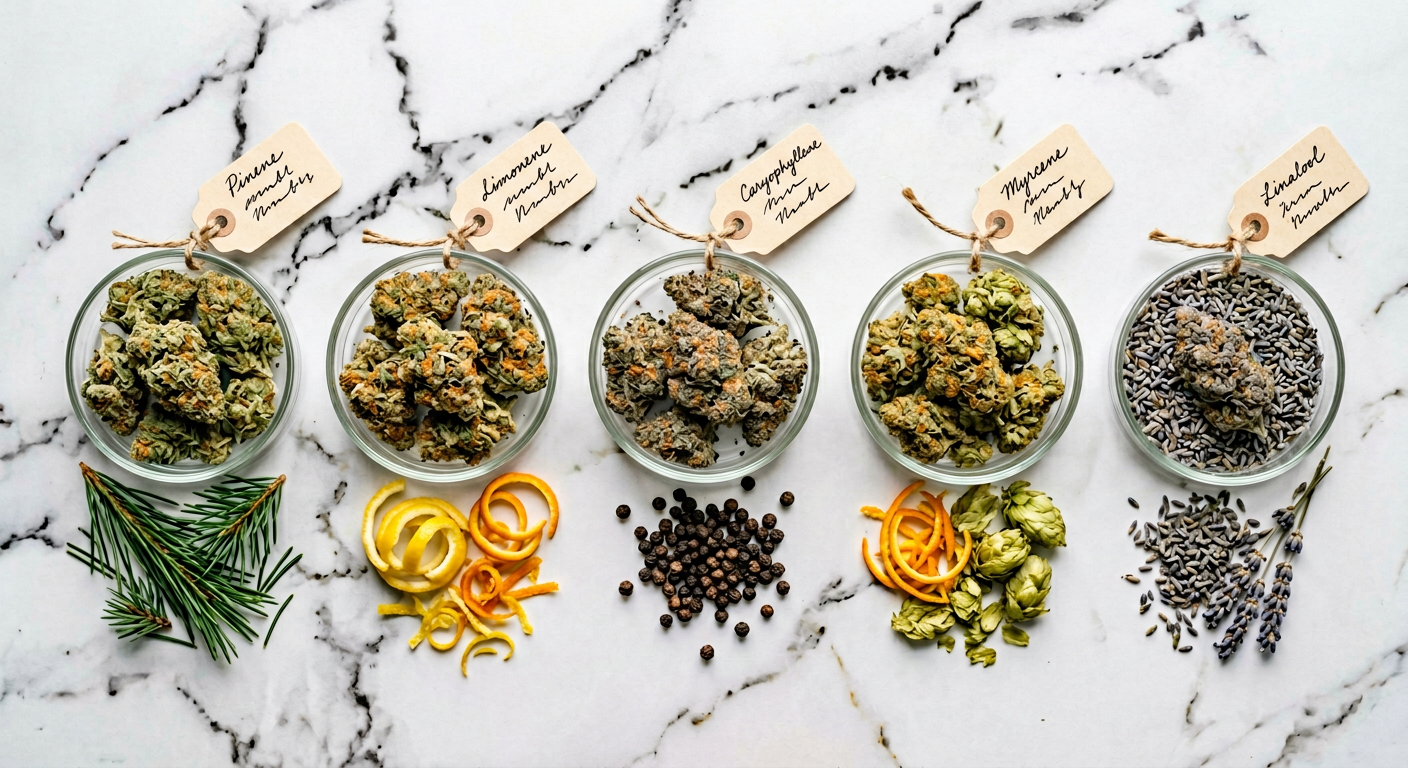
For fitness-minded cannabis users, the most relevant selection framework is not simply sativa versus indica — it is the specific terpene and cannabinoid combination and how it interacts with your exercise timing and goals. Here is the profile breakdown that active users consistently find most useful.
Pre-Workout: Energizing and Focus-Enhancing Profiles
The terpenes most associated with energizing, focus-enhancing effects are limonene, pinene, and terpinolene. These are found predominantly in sativa-dominant and haze-lineage strains. For detailed information on how pinene interacts with cognitive function, see our pinene terpene guide.
- Limonene: Citrus-forward, mood-elevating, associated with stress reduction and dopaminergic activation
- Alpha-Pinene: Sharp, fresh, associated with alertness and acetylcholinesterase inhibition (memory and focus support)
- Terpinolene: Floral-herbaceous, found in Jack Herer lineages, associated with uplifting effect profiles
Post-Workout: Recovery and Anti-Inflammatory Profiles
The terpenes most associated with recovery-oriented effects are myrcene, beta-caryophyllene, and linalool. Beta-caryophyllene is uniquely notable because it directly activates CB2 receptors — the peripheral immune-modulating cannabinoid receptors relevant to exercise-induced inflammation. Our beta-caryophyllene guide covers this mechanism in full.
- Myrcene: Earthy, herbal, associated with sedation and enhanced cannabinoid membrane permeability
- Beta-Caryophyllene: Spicy, peppery, the only terpene classified as a dietary cannabinoid; CB2 agonist activity
- Linalool: Floral, lavender-like, associated with GABAergic anxiolysis and muscle relaxation
- Humulene: Woody, earthy, associated with anti-inflammatory activity; for more, see our humulene guide
The most actionable framework for active cannabis users is terpene-first selection: choose energizing terpene profiles (limonene, pinene) for pre-workout and anti-inflammatory terpene profiles (beta-caryophyllene, myrcene, linalool) for post-workout. Cannabinoid ratios — particularly CBD:THC balance — then modulate intensity.
Strain Guide: Best Varieties for Pre-Workout Energy and Post-Workout Recovery
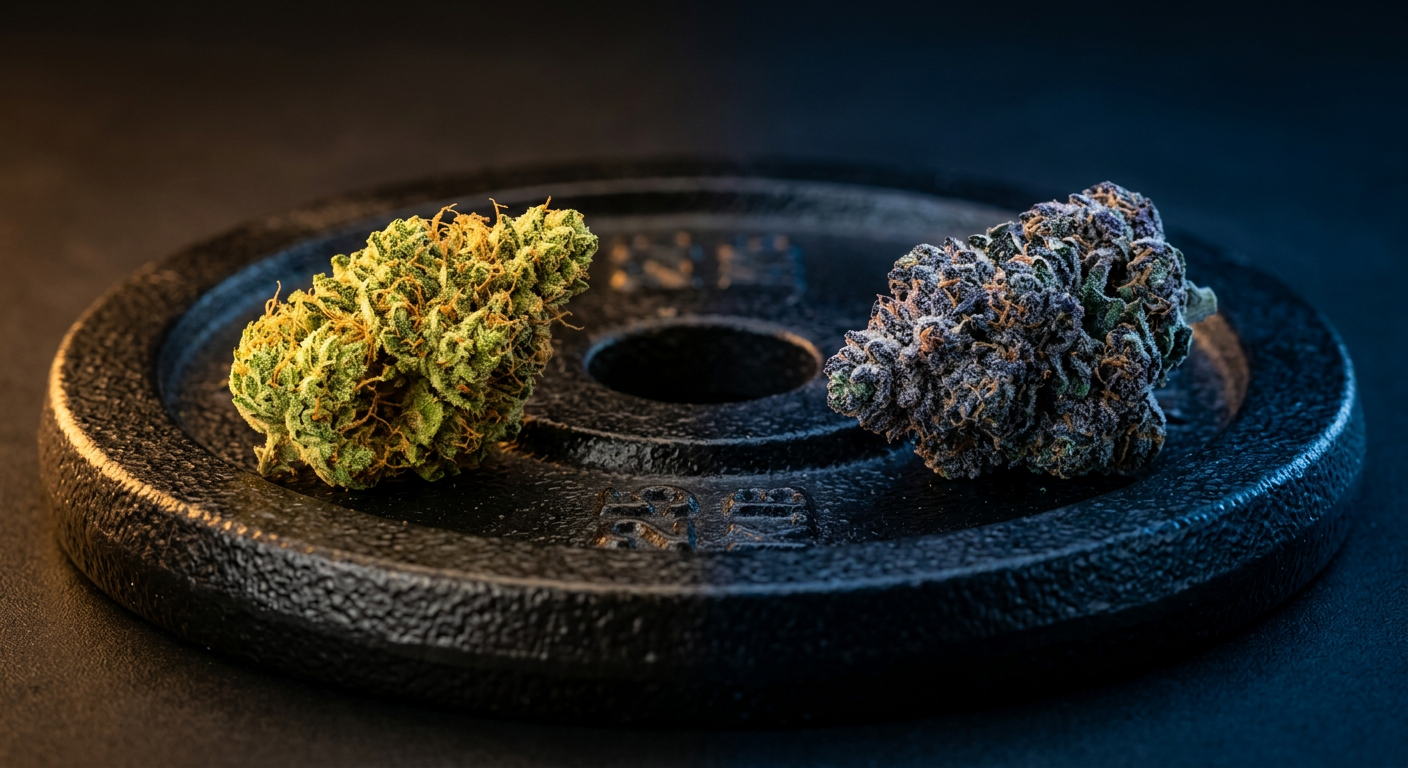
The following strain guide separates recommended profiles by use-timing and objective. It combines well-known industry strains with specific cultivars available as feminized seeds, giving you a realistic picture of the full market landscape.
Pre-Workout: Energizing Strains
These strains are sought by active users for their uplifting, non-sedating effect profiles suited to physical activity. The key markers are moderate-to-high THC, sativa-dominant genetics, and limonene or pinene terpene dominance.
- Jack Herer (18–23% THC) — industry benchmark for pre-workout use; terpinolene and pinene dominant; cerebral, creative, non-couch-locking
- Green Crack (16–22% THC) — sharp focus, citrus-dominant terpene profile, one of the most consistently recommended pre-workout strains in active communities
- Sour Diesel (24% THC) — fast-acting cerebral effect, diesel-limonene terpene profile, long-used by active users seeking motivation and energy without sedation
- Super Lemon Haze (23% THC) — award-winning sativa hybrid; limonene-forward with zippy, uplifting character ideal for endurance activities
- Tangerine Haze (18% THC) — moderate THC makes this a better choice for users who find very high THC strains anxiety-inducing around exercise; citrus and haze character
- Durban Poison (18–20% THC) — pure sativa landrace heritage; terpinolene-dominant; consistently cited in athlete communities for clear-headed, energetic effects
- Willie Nelson (22% THC) — sativa-dominant with complex terpene profile; provides focused, functional effect suited to longer activity sessions
Post-Workout: Recovery Strains
Recovery-oriented strains prioritize body relaxation, anti-inflammatory terpene profiles, sleep support, and — for non-intoxicating recovery — high CBD or CBG content. Indica-dominant genetics or hybrid profiles with myrcene and beta-caryophyllene dominance are the most sought profiles.
- CBD Critical Cure (CBD:THC 2:1) — industry benchmark for post-workout recovery; minimal psychoactivity with significant body effect
- Harlequin (CBD:THC 5:2) — sativa-dominant high-CBD strain; alert recovery without sedation; popular among daytime recovery users
- Northern Lights x Big Bud (20% THC) — deep body relaxation, heavy myrcene expression, consistent sedating profile suited to high-volume training recovery
- OG Kush (various breeders, 19–26% THC) — beta-caryophyllene and myrcene dominant; body-heavy, stress-relieving; the recovery strain of choice in multiple athletic communities
- OG Kush Feminized (26% THC) — high-potency version of the classic recovery profile; suited to experienced users after intense training blocks
- Skywalker OG Autoflower (23% THC) — OG x indica cross; fast-finishing autoflower that delivers heavy body effect suited to evening post-workout use
- Blueberry (15–20% THC) — classic indica; linalool and myrcene forward; gentle, long-duration body relaxation without overwhelming sedation
- Purple Power (10% THC) — lower-THC indica option; suitable for users who want recovery-oriented effects without strong intoxication, particularly those new to cannabis post-workout use
Growing tip: If you're growing recovery-oriented strains at home, harvest timing significantly affects the cannabinoid and terpene expression. Later harvests with more amber trichomes produce more sedating, CBN-rich profiles suited to sleep-supported recovery. For timing guidance, see our harvest timing guide.
The Autoflower Recovery Option
For cultivators who want a dedicated post-workout strain with a fast turnaround, autoflowering indica-dominant varieties offer a practical advantage: consistent harvests every 8–10 weeks regardless of light schedule, meaning you can maintain a continuous supply of fresh recovery-oriented cannabis without managing photoperiod cycles.
Banana Kush Autoflower (18% THC) delivers the classic Kush body-relaxing profile in an autoflower format — myrcene-heavy, sedating, and suited to the evening recovery window. Blue Moonshine Autoflower (13% THC) is a lower-potency option for users building tolerance-friendly recovery routines.
To compare autoflower and photoperiod growing strategies, our autoflower vs. photoperiod guide covers all the key variables.
Putting It Together: A Practical Framework for Active Cannabis Users
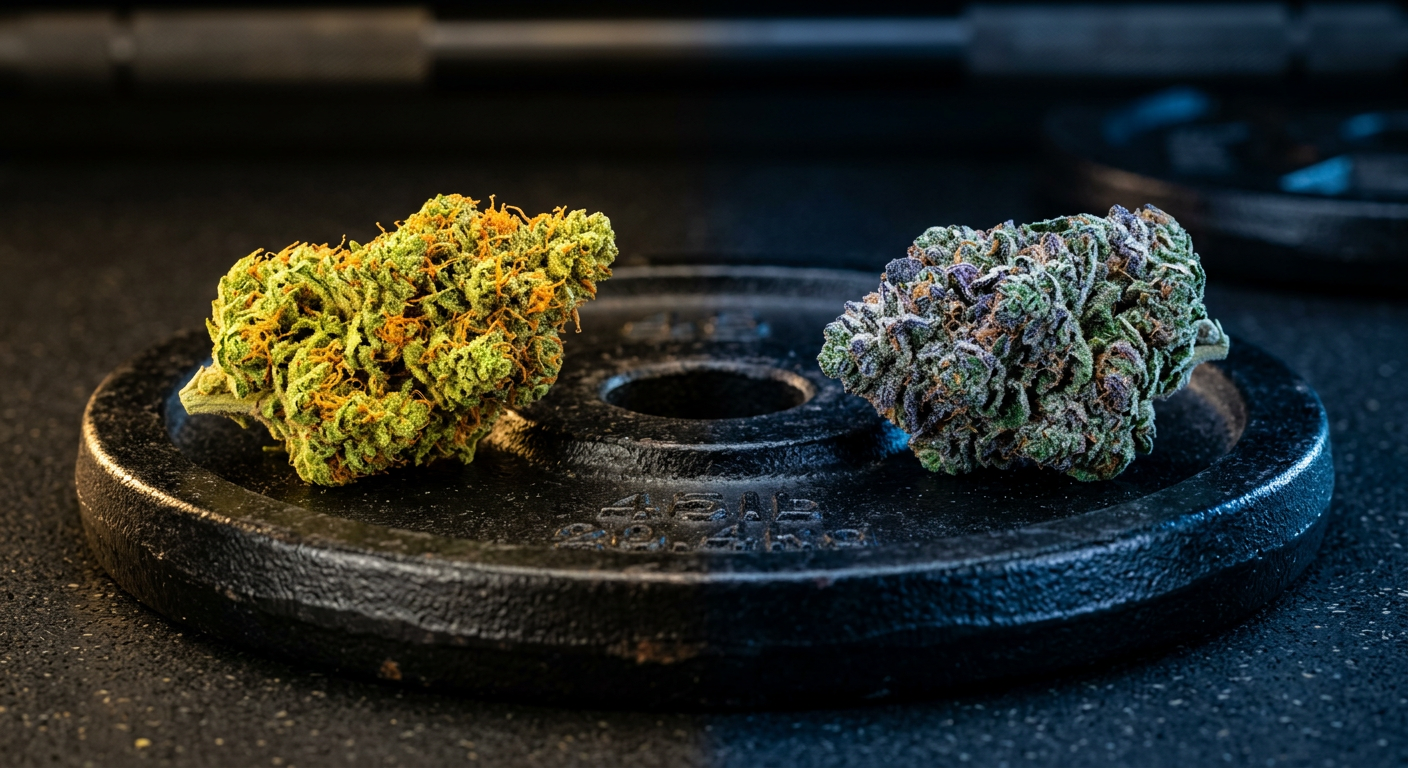
The endocannabinoid system does not distinguish between the anandamide produced by your morning run and the THC from your evening strain — both are operating on the same receptor network, producing overlapping but distinct effects. The practical implication is that cannabis can work with your body's exercise-activated ECS rather than against it, provided timing, dose, and strain selection are matched to your goals.
A Simple Decision Framework
Define your goal
Are you seeking to enhance the pre-exercise state (focus, motivation, reduced anxiety), or support the post-exercise state (inflammation reduction, pain relief, sleep quality)? These require fundamentally different cannabinoid and terpene profiles.
Match the timing
Pre-workout use requires non-sedating profiles and careful dose management — err toward lower THC and energizing terpenes. Post-workout use tolerates higher THC and sedating profiles if evening timing aligns with sleep recovery goals.
Start with dose control
The dose-response curve of THC is non-linear. The anxiolytic window that supports positive exercise experience is narrow. A single low-dose inhale or 5mg oral dose is a better starting point than assuming more produces more benefit.
Track and adjust
Cannabis response is highly individual — body composition, ECS baseline tone, exercise type, and tolerance all vary. Keep a simple log of strain, dose, timing, and how your workout and recovery felt. Patterns emerge within 2–4 sessions.
Consider cannabinoid ratios for recovery
High-CBD or CBG-dominant preparations may offer recovery benefits with significantly reduced psychoactivity — relevant for athletes who need to function post-workout or maintain clean drug test results.
The same ECS that fires during a 45-minute run, floods your brain with anandamide, and makes your legs feel like they could carry you forever — that system has been your body's built-in reward for physical effort since long before cannabis was cultivated. Understanding both sides of that equation changes how you think about the plant, and about movement itself.
The endocannabinoid system is the shared chemical language of exercise euphoria and cannabis experience. Using cannabis intelligently around physical activity means working with that system — matching profiles to timing, starting low, and letting the science guide your choices rather than marketing claims.
Frequently Asked Questions
Is runner's high the same as being high on cannabis?
They are driven by the same receptor system but are not identical. Runner's high is caused by anandamide — your body's own endocannabinoid — activating CB1 receptors. THC activates the same receptors but as a full agonist, producing stronger, longer-lasting intoxication. The subjective overlap — euphoria, pain reduction, lowered anxiety — reflects shared receptor activation. The differences reflect the distinct molecular profiles of anandamide versus THC.
Does exercise increase endocannabinoids in the body?
Yes. Moderate-to-vigorous aerobic exercise reliably increases circulating levels of anandamide and 2-AG. Studies show anandamide can rise by up to 50% following 30 minutes of sustained aerobic effort at 70–85% maximum heart rate. The increase is most pronounced with rhythmic, sustained activities like running and cycling compared to short explosive efforts.
Should I use cannabis before or after a workout?
It depends on your goal. Pre-workout: low-dose, sativa-dominant, limonene-rich strains may support focus and enjoyment at the cost of some coordination risk. Post-workout: CBD-rich or moderate-THC indica profiles are better matched to the recovery objectives of inflammation reduction and sleep quality improvement. Most research evidence favors the post-workout timing for therapeutic benefit.
What cannabinoids are best for workout recovery?
CBD is the most researched option, with plausible anti-inflammatory mechanisms via CB2 receptor modulation and TRPV1 interaction. CBG is an emerging candidate — see our CBG guide for the latest research. For sleep-supported recovery, moderate THC with myrcene and linalool terpenes is widely used. Topical applications of cannabinoid-rich preparations provide localized CB2 activation without systemic effects.
Does cannabis affect athletic performance negatively?
At high doses, THC impairs reaction time, coordination, and cardiovascular efficiency — outcomes incompatible with performance-oriented training. At low doses, individual responses vary widely. No controlled study has demonstrated cannabis improving objective athletic output metrics. The practical risk of masking pain signals and the WADA in-competition prohibition on THC are the two most significant concerns for competitive athletes.