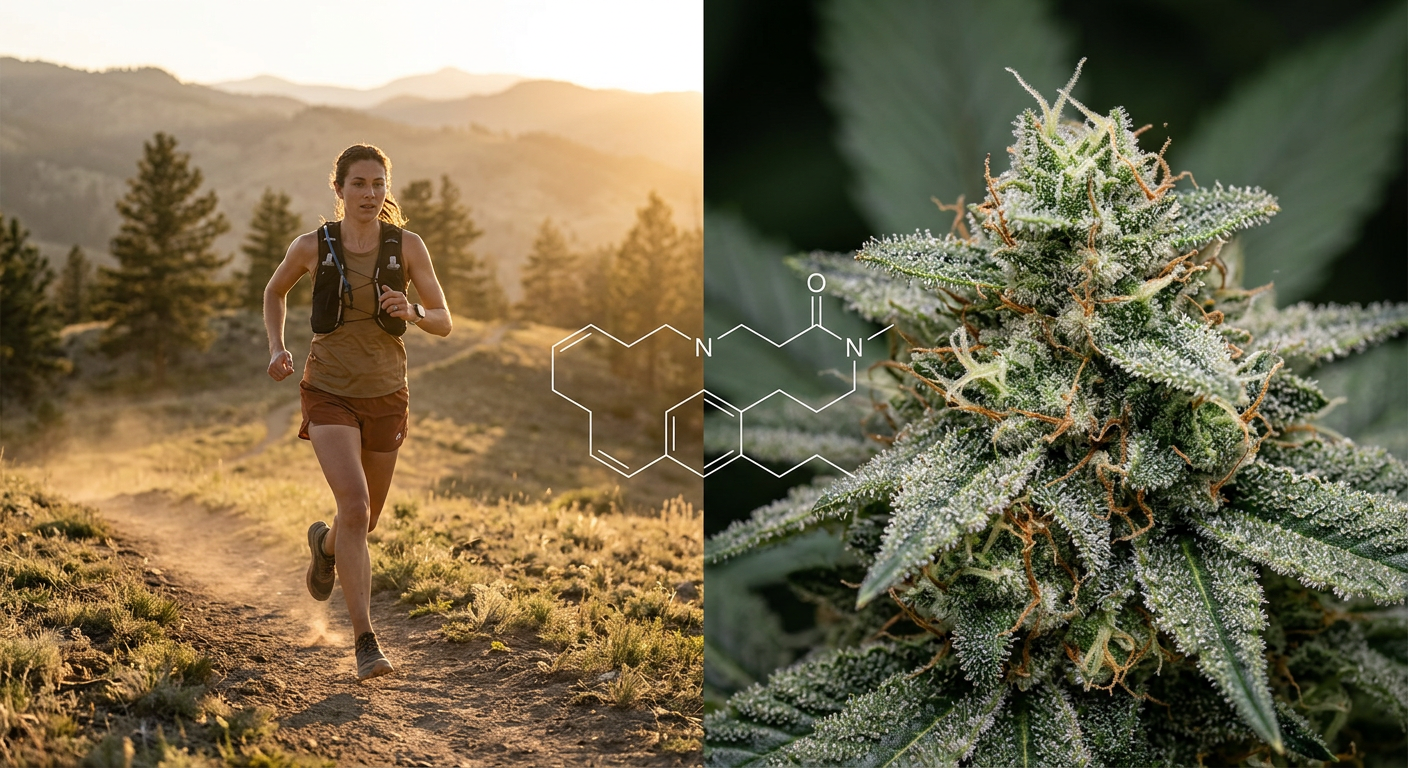
Every cannabinoid in cannabis — THC, CBD, CBC — starts its life as something else entirely. Before a plant ever makes a single molecule of THC, it first synthesizes cannabigerolic acid (CBGA), the direct chemical ancestor of the cannabinoids that define the plant. That's what makes CBG the mother cannabinoid — not metaphor, but biochemistry. Understanding the CBG cannabinoid cannabis relationship means understanding cannabis chemistry from the ground up.
For most of cannabis cultivation history, CBG was an afterthought — present in trace amounts under 1% in most finished flower. But dedicated breeding programs, smarter harvest timing, and growing commercial interest have turned CBG into one of the most talked-about compounds in the plant. This guide covers everything: the science, the research, the receptor interactions, and — critically — the specific cultivation strategies that no competitor is talking about.
What Is CBG? The Biosynthetic Starting Point of All Cannabinoids
CBG (cannabigerol) is a non-psychoactive cannabinoid produced when CBGA — the plant's first synthesized cannabinoid acid — is exposed to light or heat and loses its carboxyl group. CBGA serves as the direct chemical precursor to THCA, CBDA, and CBCA, making it the biosynthetic origin point of the entire cannabinoid family.
The cannabis plant doesn't build THC or CBD directly. It builds CBGA first, using an enzyme called CBGA synthase to combine olivetolic acid and geranyl pyrophosphate — two simple compounds found in the plant's resin glands. Once CBGA accumulates, three more enzymes take over.
- THCA synthase converts CBGA → THCA (which becomes THC when heated)
- CBDA synthase converts CBGA → CBDA (which becomes CBD when heated)
- CBCA synthase converts CBGA → CBCA (which becomes CBC when heated)
In a standard high-THC cannabis strain, THCA synthase dominates. Nearly all of the available CBGA gets converted into THCA, leaving almost nothing behind as CBG. That's why most cured cannabis flower contains well under 1% CBG — the plant consumed its own mother compound to make something else.
Why Most Cannabis Has So Little CBG
The enzyme competition is brutally efficient. By the time most cannabis strains reach full flower maturity, 95–99% of the original CBGA has been converted. What remains as CBG in finished flower is essentially enzyme leftovers — the substrate the plant didn't quite get to.
Science insight: The ratio of THCA to CBDA to CBCA production is determined by which synthase enzymes are most active — and that is controlled by genetics. Breeders creating high-CBG strains work by selecting plants with reduced or absent synthase activity, so CBGA accumulates instead of converting.
This is why CBG-rich strains are a genuine genetic achievement, not just a growing technique. The plant's default behavior is to eliminate CBG as fast as it makes it. Keeping CBG in the final product requires either interrupting that enzymatic process through genetics — or timing your harvest before conversion is complete. More on that in the harvest section below.
To understand how cannabinoids are produced at the cellular level inside trichomes, see our detailed guide on cannabis trichome biology and cannabinoid production. And for the broader picture of how all cannabinoids interact with human biology, our endocannabinoid system pillar page is the essential starting point.
CBG's Pharmacological Profile: How It Interacts With the Body
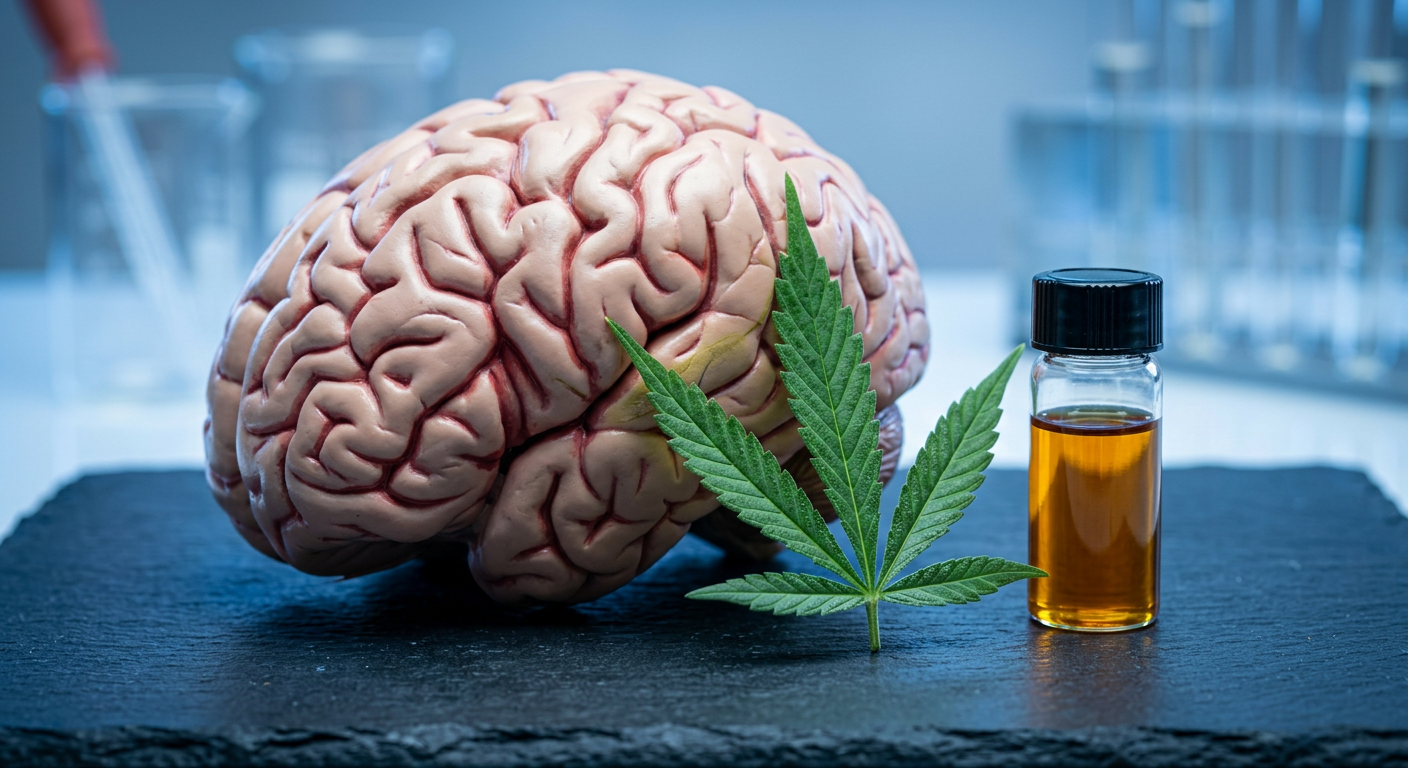
CBG interacts with the endocannabinoid system by binding directly to both CB1 and CB2 receptors, unlike CBD which primarily acts as a modulator. CBG also engages alpha-2 adrenoceptors and 5-HT1A serotonin receptors, giving it a pharmacological fingerprint distinct from any other cannabinoid.
The distinction between CBG and CBD starts at the receptor level. While both are non-intoxicating, they engage the body's systems through meaningfully different mechanisms — which is why researchers treat them as separate pharmacological agents rather than interchangeable alternatives.
CB1 and CB2 Receptor Interactions
CBG is classified as a partial agonist at both CB1 and CB2 receptors. This means it binds directly to these receptors and produces a biological response — but a submaximal one compared to a full agonist like THC. At CB1, CBG's affinity is measurable but does not produce the psychoactive cascade that THC triggers at the same site.
At CB2 receptors — concentrated heavily in immune tissue — CBG shows notable binding affinity. This has driven significant research interest in CBG's potential role in immune modulation and inflammation pathways. The CB2 connection is one reason CBG appears in so many inflammation-focused research papers.
Non-Cannabinoid Receptor Activity
What separates CBG from most cannabinoids is how far its activity extends beyond the classic endocannabinoid receptors:
- Alpha-2 adrenoceptors: CBG acts as an agonist at alpha-2 adrenergic receptors, which regulate blood pressure, pain signaling, and sympathetic nervous system activity. This is completely outside the cannabinoid receptor system.
- 5-HT1A serotonin receptors: CBG acts as an antagonist at 5-HT1A receptors. Interestingly, CBD acts as an agonist at the same receptor — meaning CBG and CBD push in opposite directions at this site, which has real implications for how they might interact in the same product.
- TRP channels: CBG activates TRPA1 channels, involved in pain and inflammatory signaling, and shows activity at TRPV1 and TRPM8, temperature-sensitive channels relevant to pain perception.
CBG is not just a weaker version of CBD. It operates through a different combination of receptors — including some CBD barely touches — which means the two cannabinoids are more complementary than interchangeable. The entourage effect likely applies meaningfully between CBG and CBD when both are present.
Does CBG Get You High?
No. Despite binding to CB1 receptors, CBG does not produce psychoactive effects at any dose studied in humans so far. Its partial agonism at CB1 is too weak to trigger the intoxicating cascade associated with THC. Users report a range of subtle effects — mild alertness, a sense of calm, reduced tension — but nothing approaching the high of THC.
Current CBG Research: What the Science Actually Shows

Peer-reviewed research into CBG has explored antibacterial activity, neuroprotection, intraocular pressure reduction, and inflammatory bowel disease — with results that are promising in preclinical models but still limited in human clinical trials. The science is early but directionally compelling.
It's important to be precise here: most CBG research is preclinical, meaning it was conducted in cell cultures or animal models. Human trials are limited. What exists is encouraging enough to justify the growing scientific interest — but not sufficient to make clinical claims.
Antibacterial Properties
A widely cited 2020 study published in ACS Infectious Diseases by Farha et al. tested CBG against Staphylococcus aureus, including methicillin-resistant MRSA strains. CBG demonstrated potent antibacterial activity, disrupting bacterial cell membranes and outperforming several conventional antibiotics in the biofilm assay. Researchers noted CBG was effective at concentrations far below toxic thresholds in mammalian cells.
This has made CBG one of the most discussed cannabinoids in the context of antibiotic-resistant infections — a significant public health problem. However, all of this work is in vitro (lab cultures), and no human trials for bacterial infections have been completed.
Neuroprotection
A 2015 study by Borrelli et al. published in Neurotherapeutics examined CBG in a mouse model of Huntington's disease, a neurodegenerative condition. CBG treatment resulted in reduced neuronal loss in the striatum, upregulation of brain-derived neurotrophic factor (BDNF), and markers of reduced neuroinflammation. The authors concluded CBG was a promising neuroprotective agent warranting further study.
A separate 2018 study in Neurochemistry International (Borrelli et al.) demonstrated CBG's ability to stimulate neurogenesis — the growth of new neurons — in mouse hippocampal tissue. These findings are preclinical but point toward mechanisms that could be relevant in conditions involving neuronal loss.
Glaucoma and Intraocular Pressure
One of the earliest documented medical uses of cannabinoids was reducing intraocular pressure (IOP) in glaucoma. Colasanti's research as far back as 1990 showed CBG reduced IOP in cats when applied topically. More recent work has confirmed that CBG acts as an agonist at alpha-2 adrenoceptors in ocular tissue — the same receptor mechanism used by existing glaucoma medications like brimonidine. This is one area where CBG's non-cannabinoid receptor activity has direct pharmacological relevance.
Inflammatory Bowel Disease (IBD)
A 2013 study published in Biochemical Pharmacology by Borrelli et al. found that CBG reduced nitric oxide production, inflammation markers, and oxidative stress in mouse models of colitis. The authors suggested CBG engaged PPARgamma receptors — a separate anti-inflammatory mechanism — alongside its CB2 activity. A 2021 survey study of IBD patients who self-reported cannabis use found CBG-containing products ranked among the most helpful, though survey data carries significant limitations.
Science insight: Most CBG studies come from the same research group (Borrelli et al. at University of Naples Federico II), which is a normal feature of emerging science but means independent replication is still needed. The directional findings are consistent enough to fuel continued research funding globally.
The Grower's Advantage: Harvest Timing for Maximum CBG
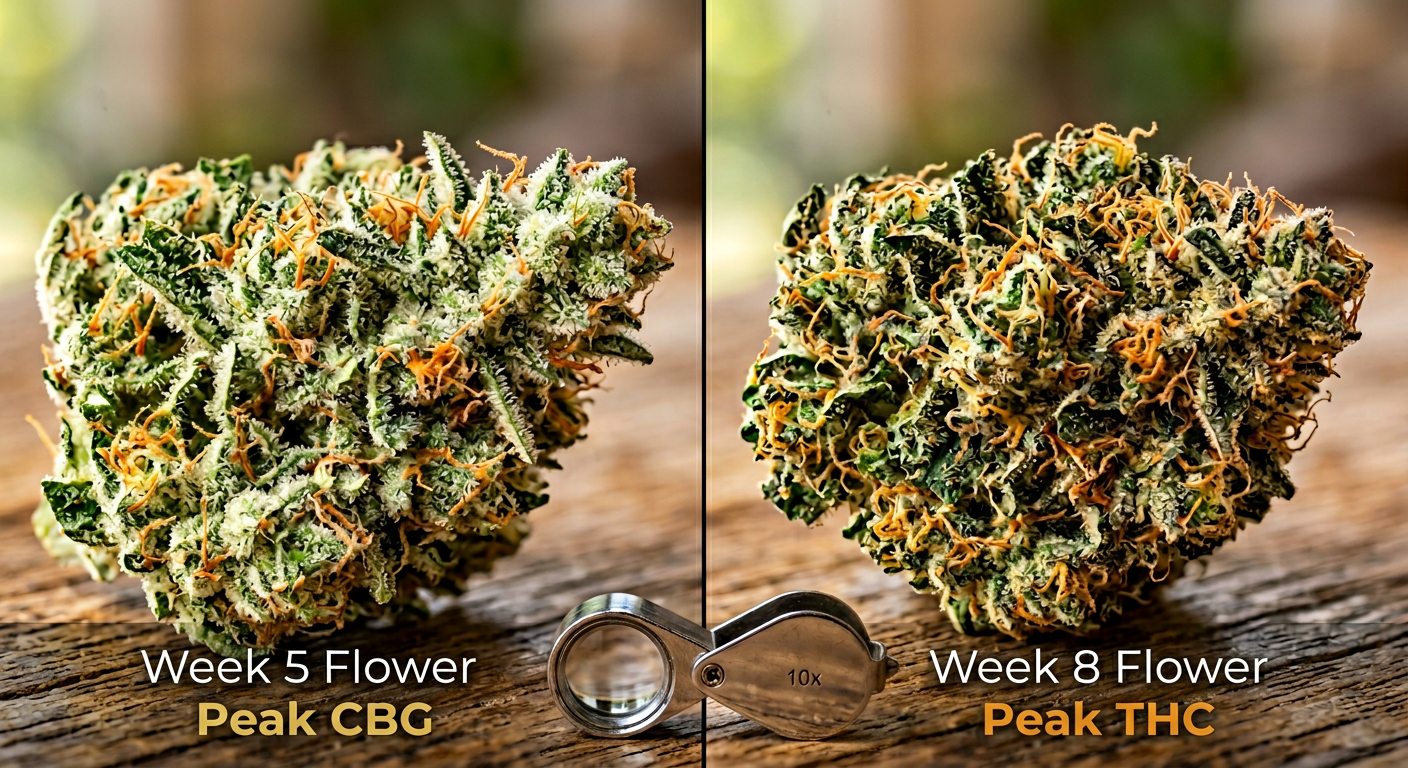
CBG content in cannabis peaks during weeks 4–6 of the flowering stage, when CBGA has accumulated but synthase enzymes haven't yet converted it all. Harvesting 1–2 weeks earlier than you would for peak THC can dramatically increase CBG yield — this is the single most important technique in a CBG-focused grow.
This is the insight no general cannabis content covers, and it changes everything about how you approach a CBG-focused cultivation strategy. In standard growing, you watch trichomes turn from clear to milky to amber and harvest at your preferred THC peak. For CBG, that logic runs in reverse — you want to catch the plant before it finishes converting its CBGA reserves.
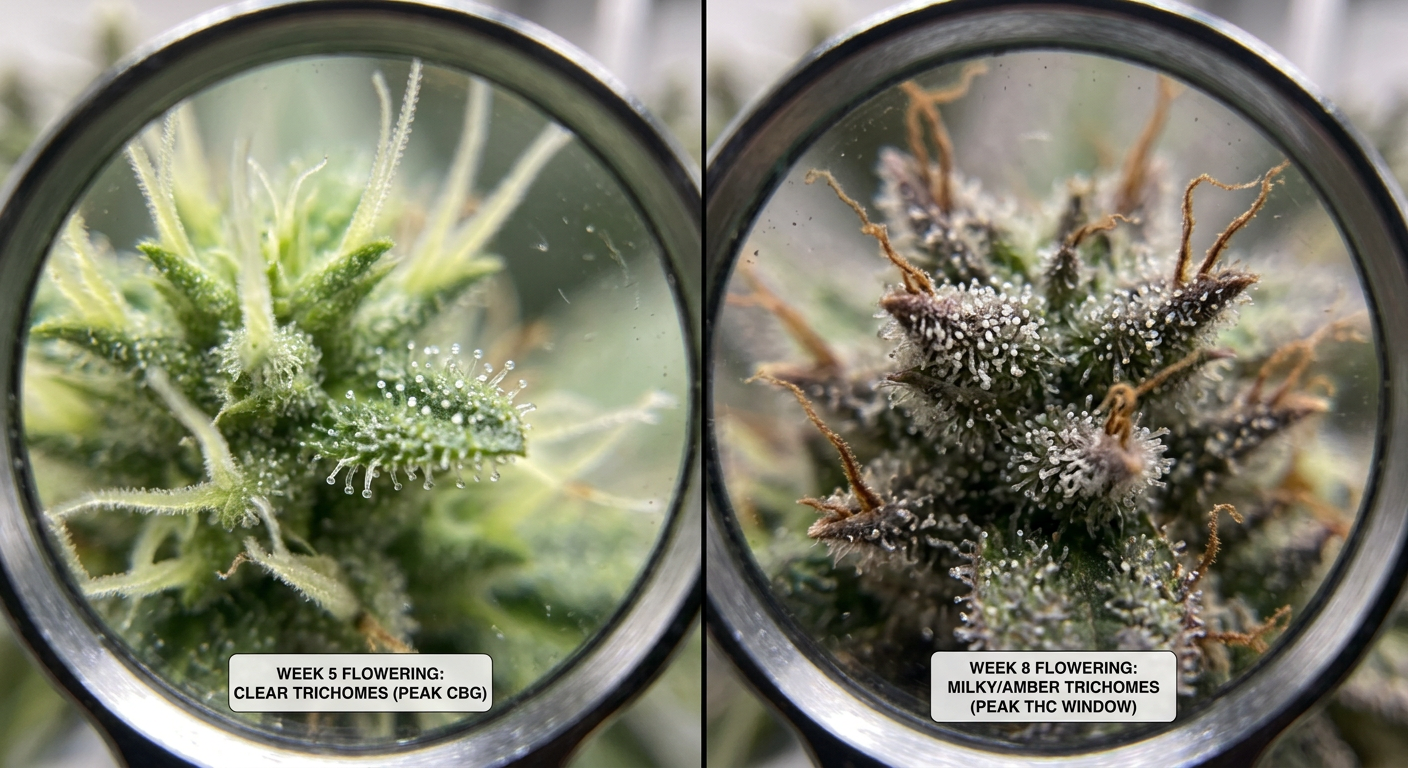
The CBG Conversion Timeline
Understanding the enzymatic timeline is key to planning your harvest:
Weeks 1–3 of Flower: CBGA Builds
The plant begins producing CBGA rapidly. Synthase enzyme activity is low at this stage — CBGA accumulates in trichomes faster than it converts. Total cannabinoid content is still low by volume.
Weeks 4–6 of Flower: CBG Peak
This is the maximum CBG window. CBGA production is at its highest, synthase activity is ramping up but hasn't cleared the CBGA backlog yet. In high-CBG genetics, total CBG can exceed 10% by dry weight during this window. Trichomes are predominantly clear to early milky.
Weeks 7–10 of Flower: Rapid Conversion
Synthase enzyme activity peaks. CBGA converts rapidly into THCA, CBDA, or CBCA depending on genetics. CBG levels drop sharply. This is when THC-focused growers are approaching their ideal harvest window, but CBG has mostly been consumed by the plant.
Post-Maturity: CBG Near Zero
In a fully mature standard strain, CBG is often below 0.5% and sometimes undetectable. The mother cannabinoid has given everything it had to build its children.
Important: Harvesting at weeks 4–6 for CBG means accepting significantly lower total yield and lower terpene development than a full-term harvest. Buds are smaller and less aromatic. This is a deliberate trade-off in a CBG-focused grow — not a mistake. Plan your grow economics accordingly using our yield estimator tool before committing.
Trichome Reading for CBG Harvest
The standard trichome-reading advice for THC (harvest when 70–90% milky) does not apply to CBG grows. For maximum CBG, use this revised framework:
- 90–100% clear trichomes: Too early — cannabinoid content overall is still low, even if the CBG ratio is high
- Mostly clear with 20–30% milky: This is the target window for maximum CBG in high-CBG genetics
- 50%+ milky trichomes: CBG conversion is accelerating — harvest immediately if CBG is your priority
- Any amber: Significant CBG loss has already occurred
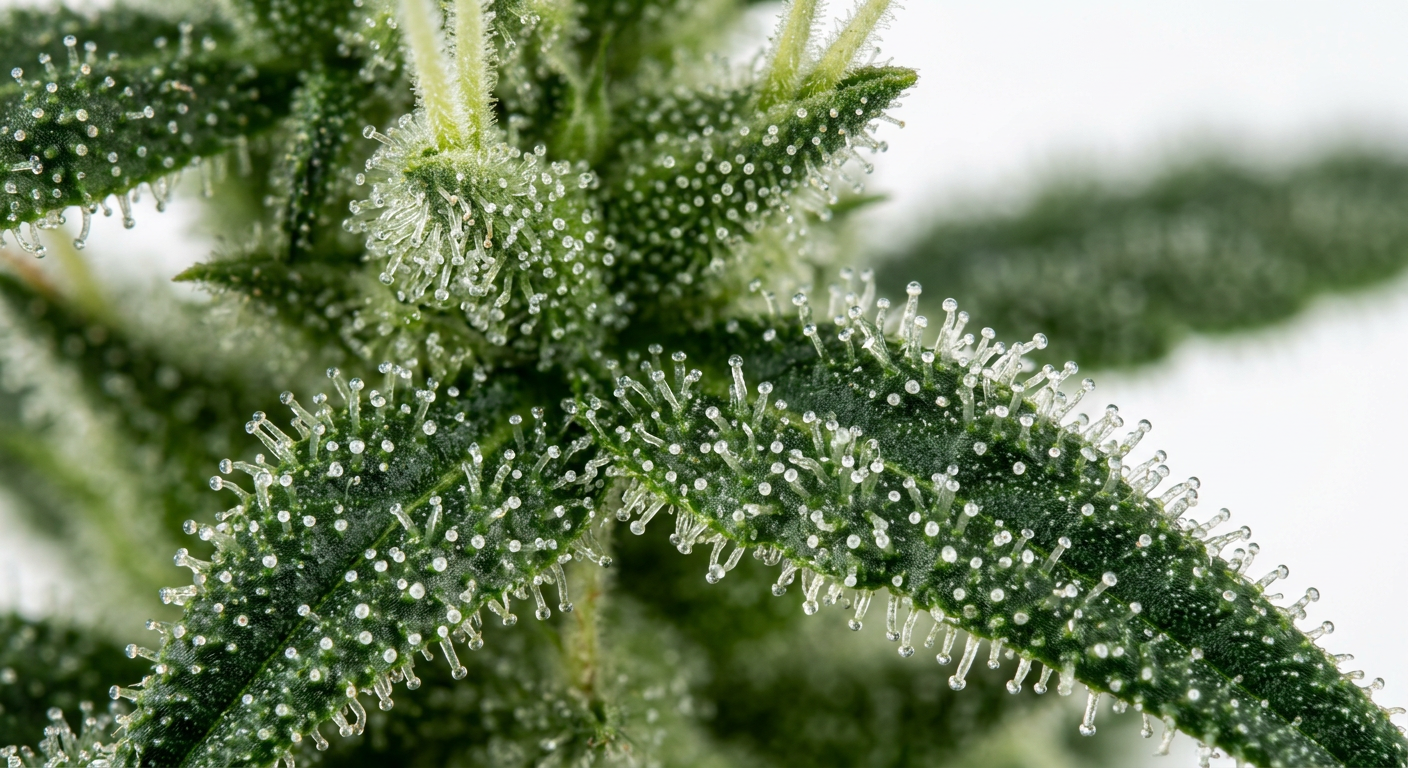
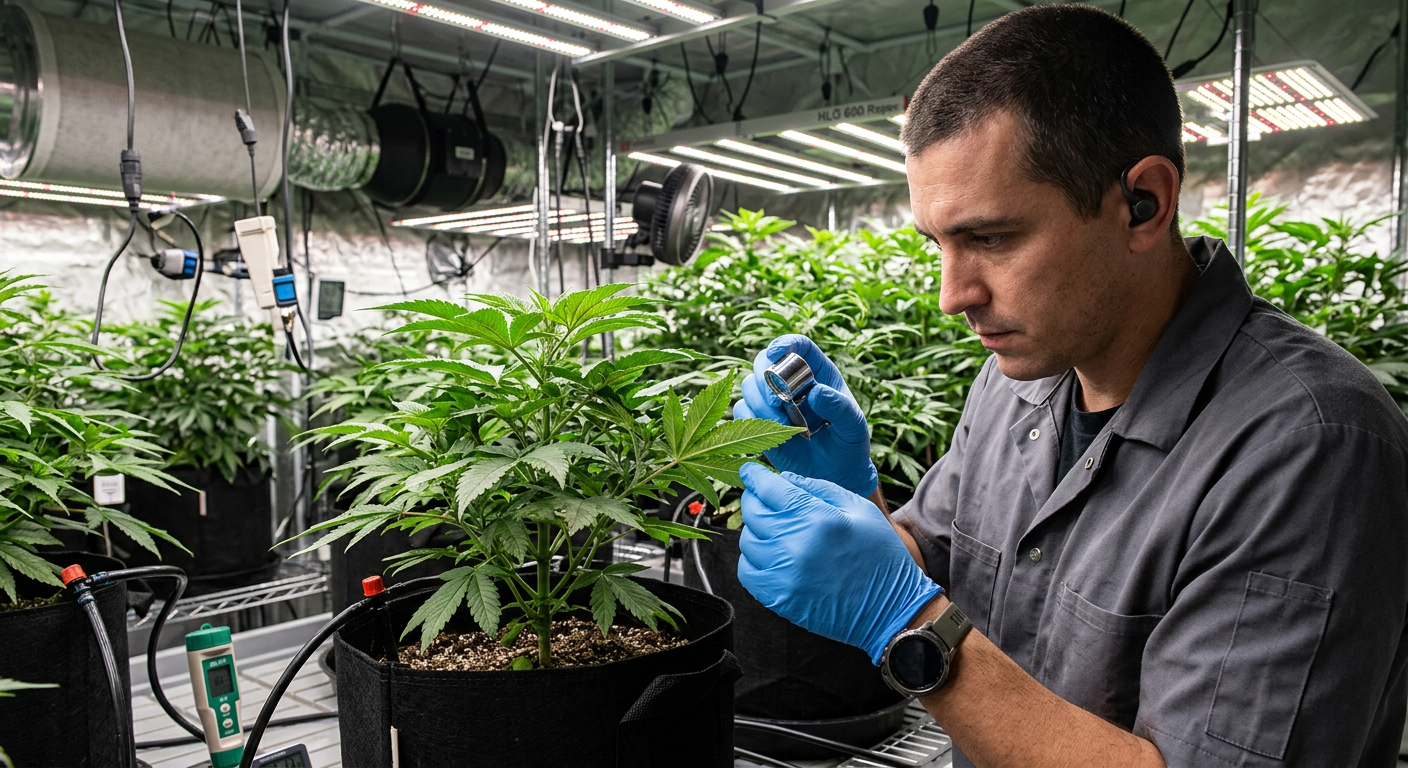
Use a digital USB microscope (60–200x) rather than a handheld jeweler's loupe when timing a CBG harvest. You need to see trichome head clarity precisely. A cheap 40x loupe is fine for THC harvests but not accurate enough for the narrow CBG window. Check multiple bud sites — upper, middle, and lower canopy — since maturity varies.
Harvest timing is closely related to everything else happening in your environment. Our complete guide on when to harvest cannabis for maximum potency covers the full trichome reading methodology, and that framework applies here — you just shift your target window earlier.
CBG vs CBD: Key Differences Every Grower Should Know
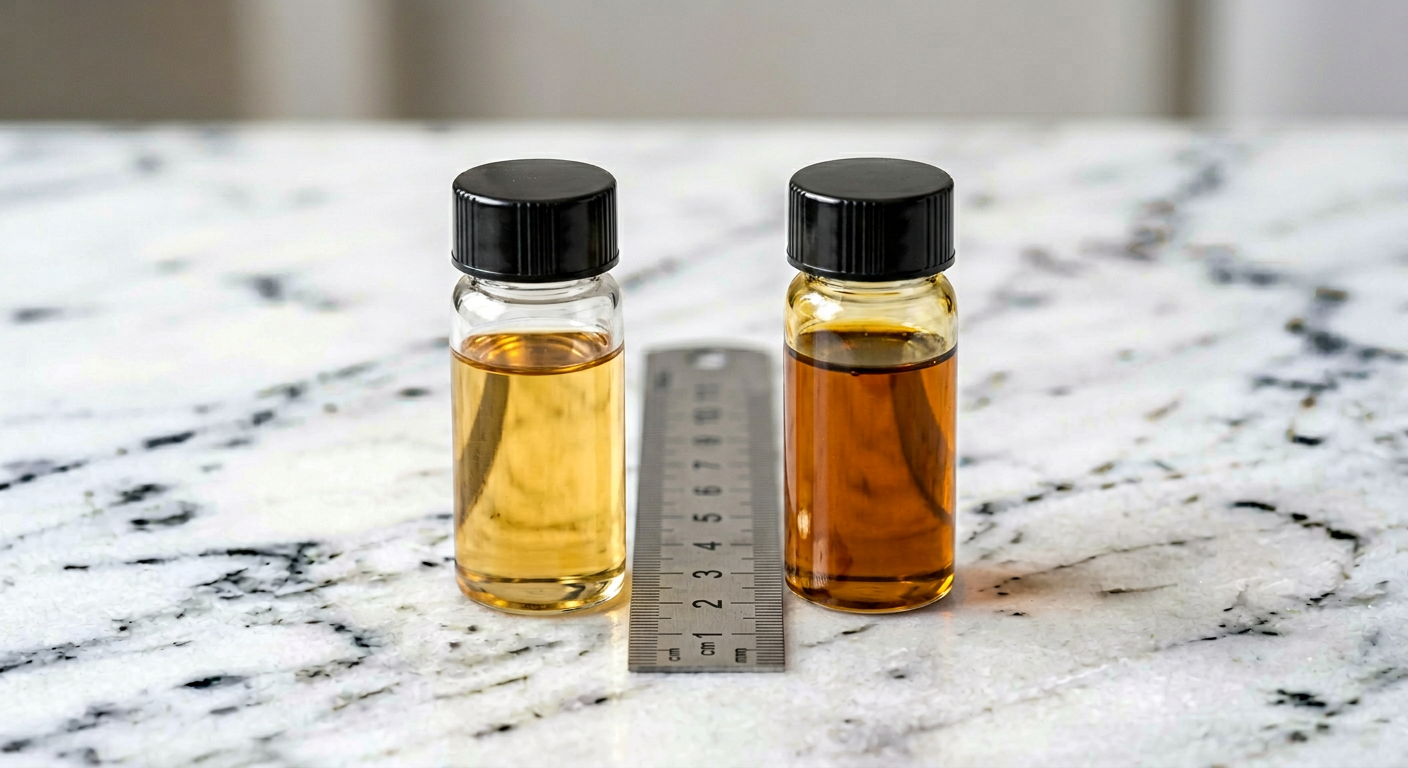
CBG and CBD are both non-psychoactive cannabinoids, but they differ in receptor binding, biosynthetic role, typical concentrations in cannabis, research depth, and cost of production. Neither is universally superior — they have different pharmacological profiles suited to different potential applications.
The question "Is CBG better than CBD?" is the wrong question. A more useful frame is: what are each one's distinct strengths, and how might they work together? Here's a direct comparison:
| Property | CBG | CBD |
|---|---|---|
| Psychoactive? | No | No |
| CB1 receptor binding | Partial agonist (direct binding) | Negative allosteric modulator (indirect) |
| CB2 receptor binding | Partial agonist | Weak partial agonist |
| 5-HT1A serotonin receptor | Antagonist | Agonist |
| Biosynthetic role | Precursor to all major cannabinoids | End-product cannabinoid |
| Typical % in standard cannabis | <1% | Up to 20%+ in high-CBD strains |
| Cost to extract at scale | Higher (low natural abundance) | Lower (high natural abundance) |
| Key research areas | Antibacterial, neuroprotection, glaucoma, IBD | Epilepsy, anxiety, pain, sleep |
| FDA-approved application | None yet | Epidiolex (epilepsy medication) |
| Entourage effect synergy | Yes — especially with CBD and terpenes | Yes — especially with CBG and THC |
The 5-HT1A receptor divergence is particularly significant: CBD agonizes this receptor (increasing its activity) while CBG antagonizes it (reducing activity). This means combining both cannabinoids in a product produces nuanced, potentially opposing effects at this serotonin receptor — which has real implications for product formulation and for understanding why full-spectrum cannabis often behaves differently than isolated compounds.
High-CBG Cannabis Strains: A Grower's Selection Guide
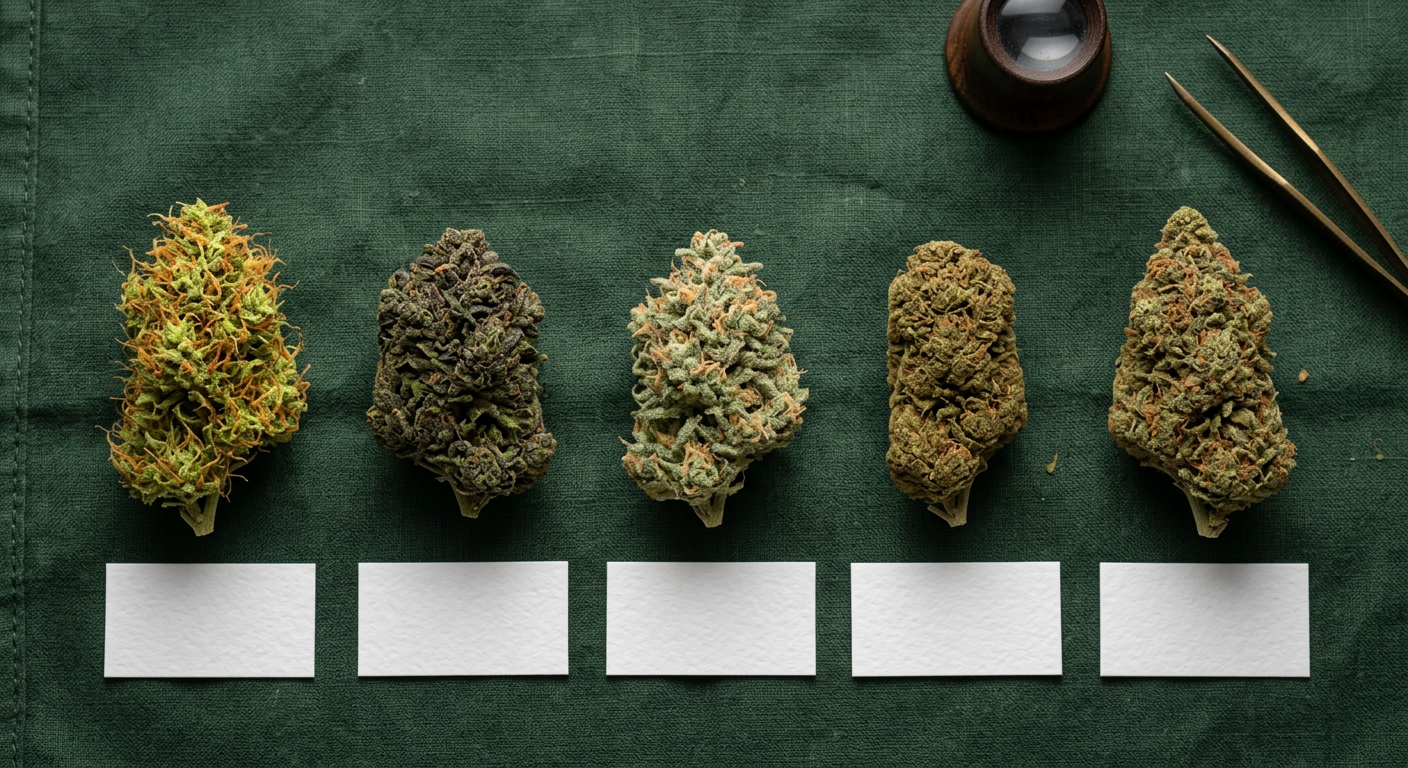
High-CBG cannabis strains are purpose-bred to carry mutations or reduced activity in synthase genes, allowing CBGA to accumulate rather than convert. The best high-CBG genetics consistently test above 8–15% CBG with THC below 0.3%, though some dual-cannabinoid breeds offer elevated CBG alongside moderate THC.
The high-CBG seed market is younger and thinner than the CBD or THC markets, but it's maturing rapidly. Here are the most documented high-CBG genetics available to growers today:
| Strain | Est. CBG % | THC % | Grow Difficulty | Flower Time | Notes |
|---|---|---|---|---|---|
| White CBG | 12–15% | <0.3% | Beginner–Intermediate | 7–8 weeks | Most widely available; stable; moderate yield |
| Jack Frost CBG | 13–18% | <0.3% | Intermediate | 8–9 weeks | Sativa-leaning; large plant; high CBG ceiling |
| Lemon Cream Diesel CBG | 10–14% | <0.3% | Intermediate | 8 weeks | Strong terpene profile; citrus-forward aroma |
| Mickey Kush CBG | 8–12% | <0.3% | Beginner | 7 weeks | Compact; good for indoor; consistent results |
| Sour G (CBG) | 9–13% | <0.3% | Intermediate | 8 weeks | Popular for biomass production; vigorous growth |
| CBG-Force | 6–10% | <0.2% | Intermediate | 7–8 weeks | European-bred; stable compliance profile |
| Royal CBG Automatic | 6–8% CBG + elevated CBD | <1% | Beginner | Auto ~75 days from seed | Dual-cannabinoid; beginner-friendly autoflower |
Can Standard High-THC Strains Produce Meaningful CBG?
Yes — through harvest timing alone. A standard high-THC strain harvested at week 5 of flower will test significantly higher in CBG than the same strain taken at full maturity. The absolute CBG percentage won't rival purpose-bred CBG strains, but it can be meaningful for small-batch extract production where the CBG is blended with existing CBD content.
For growers interested in exploring the genetics behind cannabinoid ratios across different strains, our guide on cannabis strain stability and genetic consistency explains how breeders lock in specific chemotype profiles across generations — directly relevant to understanding why CBG percentages can vary so much between seed batches of the same named strain.
How Breeders Create High-CBG Genetics
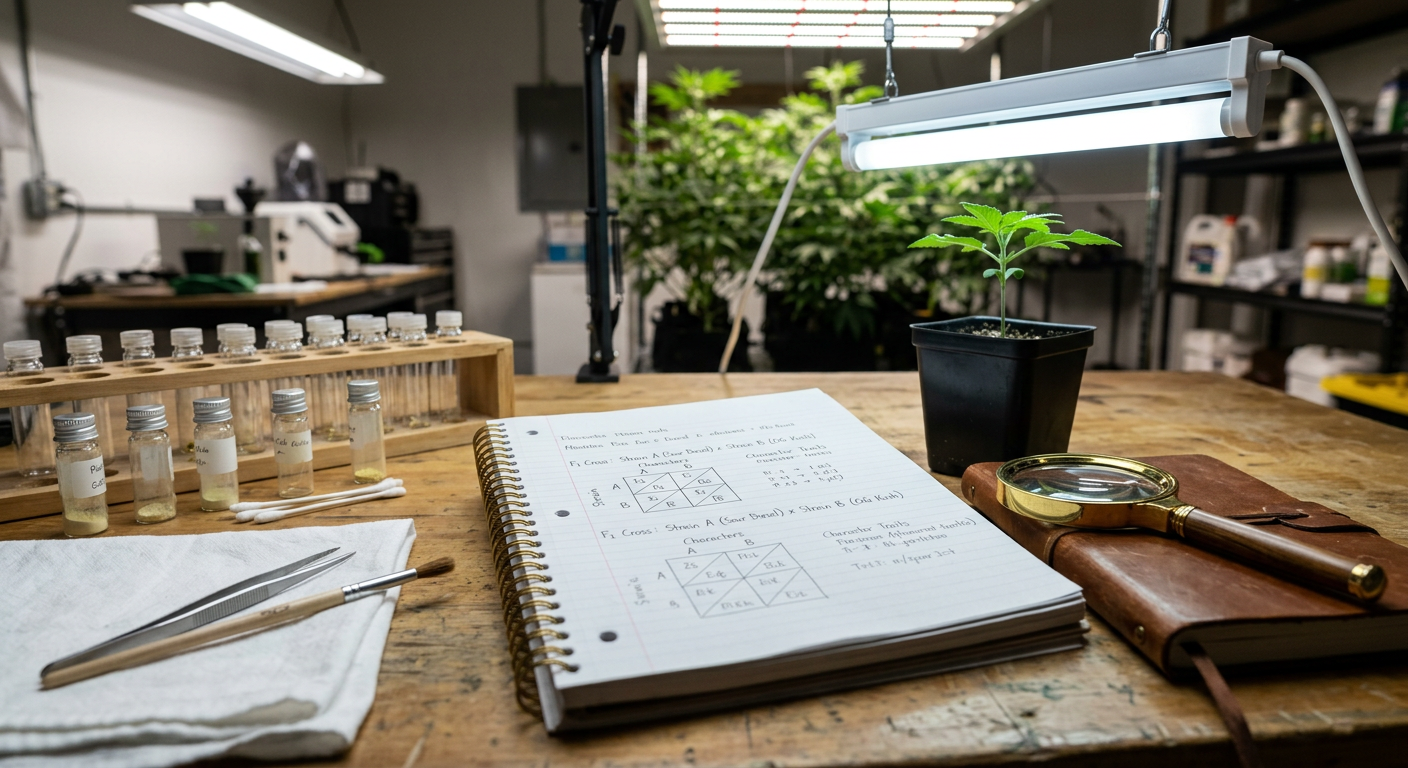
Breeders create high-CBG strains by selecting individual plants with naturally reduced or absent synthase enzyme activity, then crossing those plants repeatedly to stabilize the trait. The goal is a plant where CBGA accumulates in trichomes because the enzymatic machinery to convert it is diminished or absent at the genetic level.
The process is fundamentally about enzyme expression — specifically, identifying plants where THCA synthase, CBDA synthase, and CBCA synthase are all underexpressed or carry loss-of-function mutations. These plants naturally accumulate CBGA (and therefore CBG after decarboxylation) because they lack the enzymatic horsepower to convert it downstream.
The Screening Process
High-CBG breeding programs typically work like this:
- Population screening: Hundreds of plants from a candidate cross are tested for CBG percentage using HPLC chromatography at the early-flowering stage
- Phenotype selection: The top 5–10% by CBG percentage become breeding candidates
- Backcrossing: High-CBG phenotypes are crossed back to themselves or to close relatives to fix the trait across offspring
- Stability testing: Verified by testing 20+ offspring plants to confirm CBG percentage is heritable and consistent
- Compliance testing: Essential if the strain will be sold as hemp — THC must remain below 0.3% (US) or 0.2% (EU)
If you're running a small-scale CBG selection project at home, use tissue sampling services that offer HPLC cannabinoid testing at weeks 3–4 of flower. Testing early — before full enzymatic conversion — gives you the most accurate read on a plant's CBG genetic ceiling. This matters more for CBG than any other cannabinoid because the timing window is so narrow.
The science of stable genetic expression across generations is exactly what separates a reliable CBG cultivar from a one-off pheno that tests high once and never repeats. For a deeper look at this process, see our guide on cannabis strain stability and genetic consistency. And for context on where CBG-rich genetics fit into the broader history of intentional cannabis breeding, our article on heirloom cannabis strains provides useful historical background.
Building a CBG-Focused Grow: Practical Setup Tips
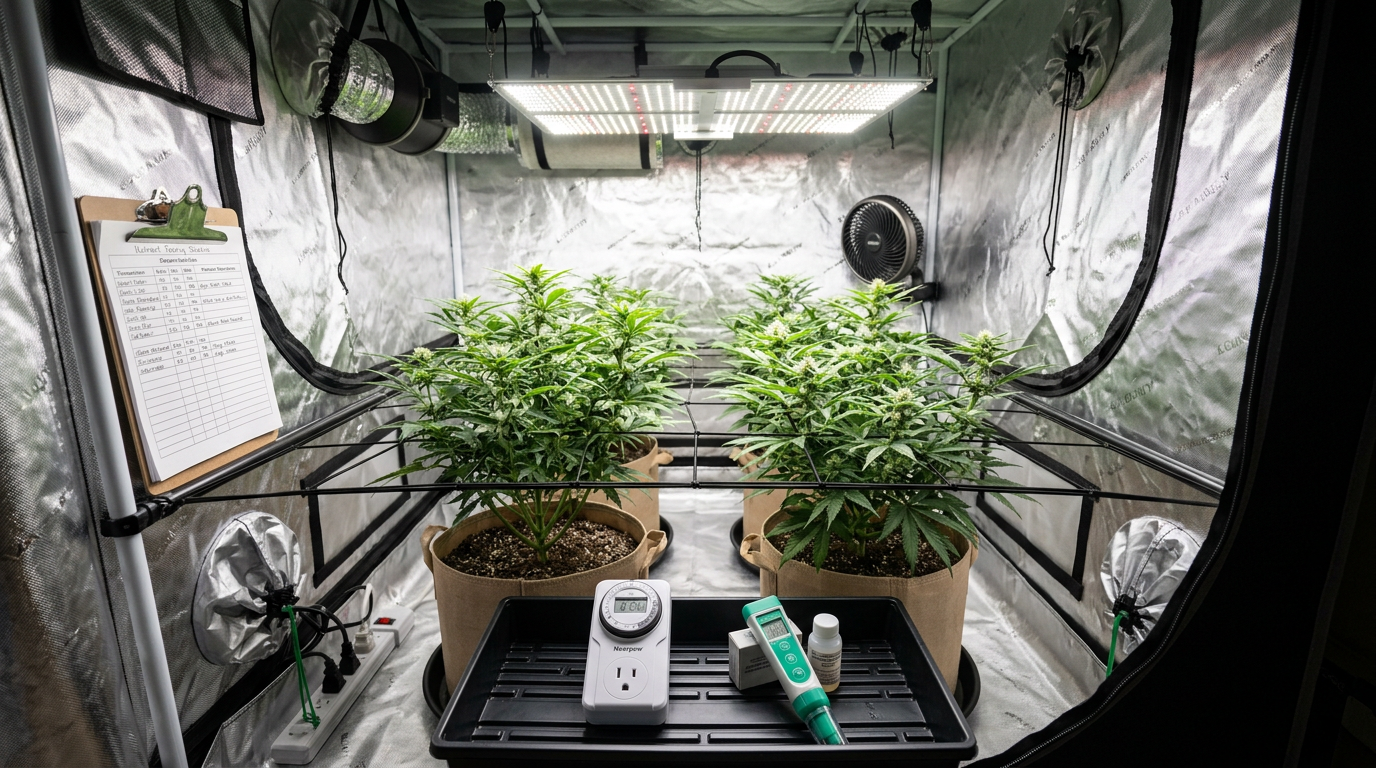
A CBG-focused grow prioritizes early flowering environment stability, precise trichome monitoring, and planned early harvest over maximum yield. Environmental consistency during weeks 3–6 of flower is critical — stress-induced enzymatic changes can accelerate CBG conversion and cost you your harvest window.
Growing for CBG isn't radically different from any other cannabis cultivation, but several specific factors matter more than usual:
Environmental Parameters During the CBG Window
During weeks 4–6 of flower — the critical CBG accumulation phase — maintain these ranges as tightly as possible:
- Temperature: 70–78°F (21–26°C) during lights-on
- Relative humidity: 45–55% RH (use our VPD calculator for precise targets)
- CO₂: 800–1200 ppm if running supplemental CO₂
- Light intensity: 600–900 PPFD at canopy level
- Nutrient EC: Reduce by 15–20% vs. peak bloom — plants are effectively being harvested early and don't need maximum late-bloom nutrients
- pH: 6.0–6.5 in soil, 5.8–6.2 in hydro/coco
Stress accelerates conversion: Heat stress, drought stress, and light stress during the CBG window can upregulate synthase enzyme activity, accelerating CBGA conversion and collapsing your CBG content faster than expected. Keep your environment stable and avoid any major training or defoliation after week 3 of flower in a CBG-focused grow.
Nutrient Strategy for Early Harvest
Because you're harvesting 1–2 weeks before a standard finish, your late-bloom nutrient schedule shifts significantly. Begin flushing (or reducing nutrients in living soil grows) at week 4 of flower rather than the usual week 7–8. This keeps residual nutrient levels low in tissue that will be harvested shortly — important for clean extract production.
For a complete grow environment setup reference — applicable to CBG grows as well as standard THC-focused cultivation — see our complete indoor grow tent setup guide. If you're running a living soil system, our living soil cannabis growing guide covers how organic systems handle early-harvest transitions differently than salt-based nutrient programs.
Autoflower vs. Photoperiod for CBG Grows
This is a meaningful practical question. Autoflowers offer one significant advantage for CBG production: their fixed, genetically determined flowering timeline is predictable, making it easier to plan your early-harvest window. Photoperiod plants give you more control over when flowering begins, which can be useful if you're running a perpetual harvest system and want to stagger multiple CBG crops.
For a full breakdown of how these two growth types differ in practice, see our guide on autoflower vs. photoperiod cannabis growing. For growers new to cannabis cultivation entirely, our beginner strain guide is a good foundation before jumping into a CBG-specific grow.
Use our free grow planner tool to map your CBG harvest window before you even drop seeds. Knowing your target harvest date at week 5 of flower — and working backward through seedling and vegetative phases — lets you align your grow with lab testing appointments, which are essential for verifying actual CBG percentages in your specific environment.
CBG and the Entourage Effect: Where the Mother Cannabinoid Fits In
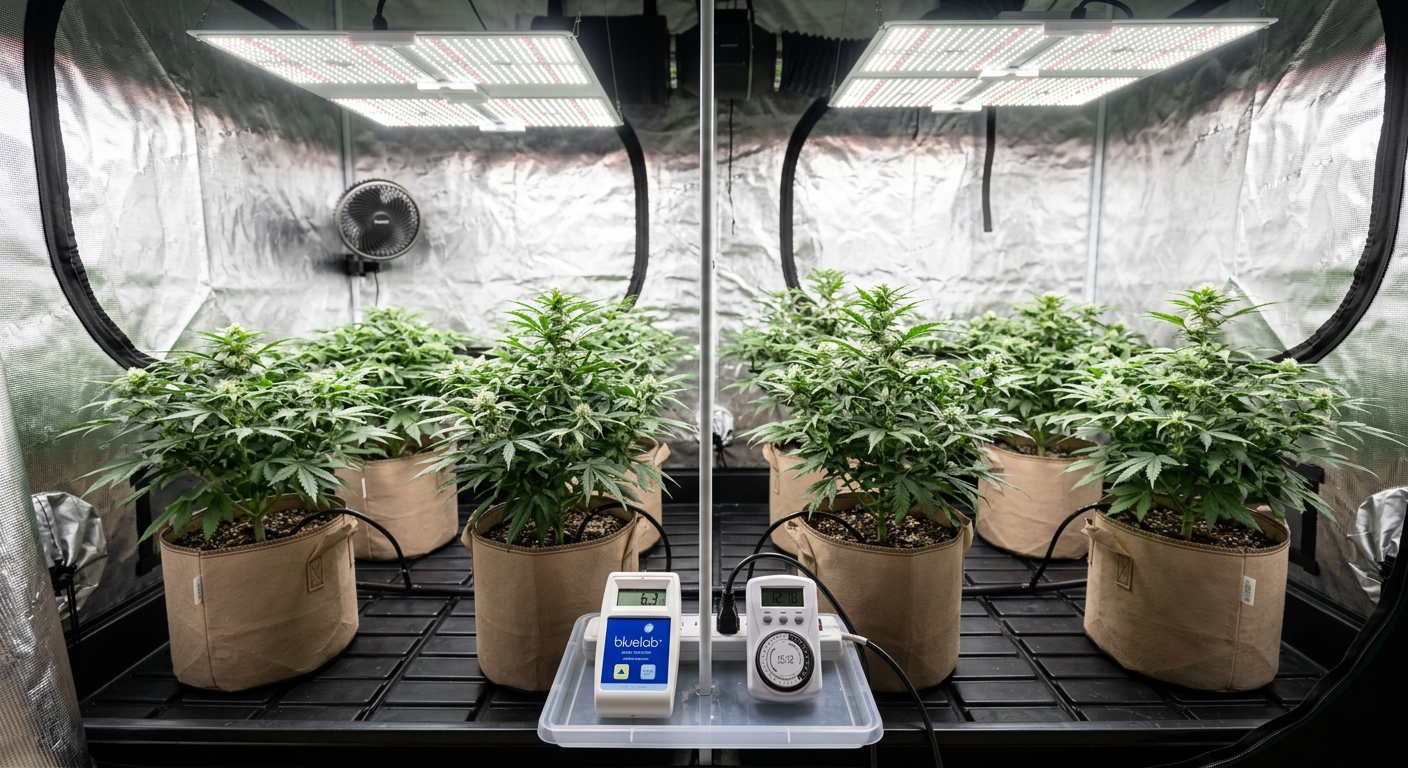
CBG contributes to the entourage effect alongside CBD, THC, CBC, and terpenes by adding its unique receptor interactions — particularly at CB2, alpha-2 adrenoceptors, and TRP channels — to the combined pharmacological profile of whole-plant cannabis. Most research suggests CBG works best as part of a full-spectrum profile rather than in isolation.
The entourage effect hypothesis holds that cannabis compounds are more effective together than in isolation. CBG's role in that picture is still being mapped, but several aspects are already clear from existing research:
- CBG's direct CB2 binding complements CBD's indirect CB2 modulation — potentially producing stronger or more nuanced immune tissue response together than either alone
- CBG's 5-HT1A antagonism working against CBD's 5-HT1A agonism creates a push-pull dynamic at serotonin receptors that may explain some of the complex mood effects reported with full-spectrum products
- CBG's TRP channel activity overlaps with several cannabis terpenes — notably beta-caryophyllene — which may amplify or modulate its receptor interactions
For the full science on how cannabinoids and terpenes interact as a system, see our dedicated article on the entourage effect. And for how the endocannabinoid system processes all of these signals at the physiological level, the endocannabinoid system guide is essential reading.
CBG is not a replacement for CBD or THC in the cannabinoid conversation — it's a complementary layer that adds receptor coverage and biochemical diversity to the whole-plant profile. Growing strains that preserve some CBG alongside primary cannabinoids may produce a more complex and complete entourage effect than single-cannabinoid-optimized genetics.
Choosing Seeds for Your Grow: CBG Context and Strain Planning
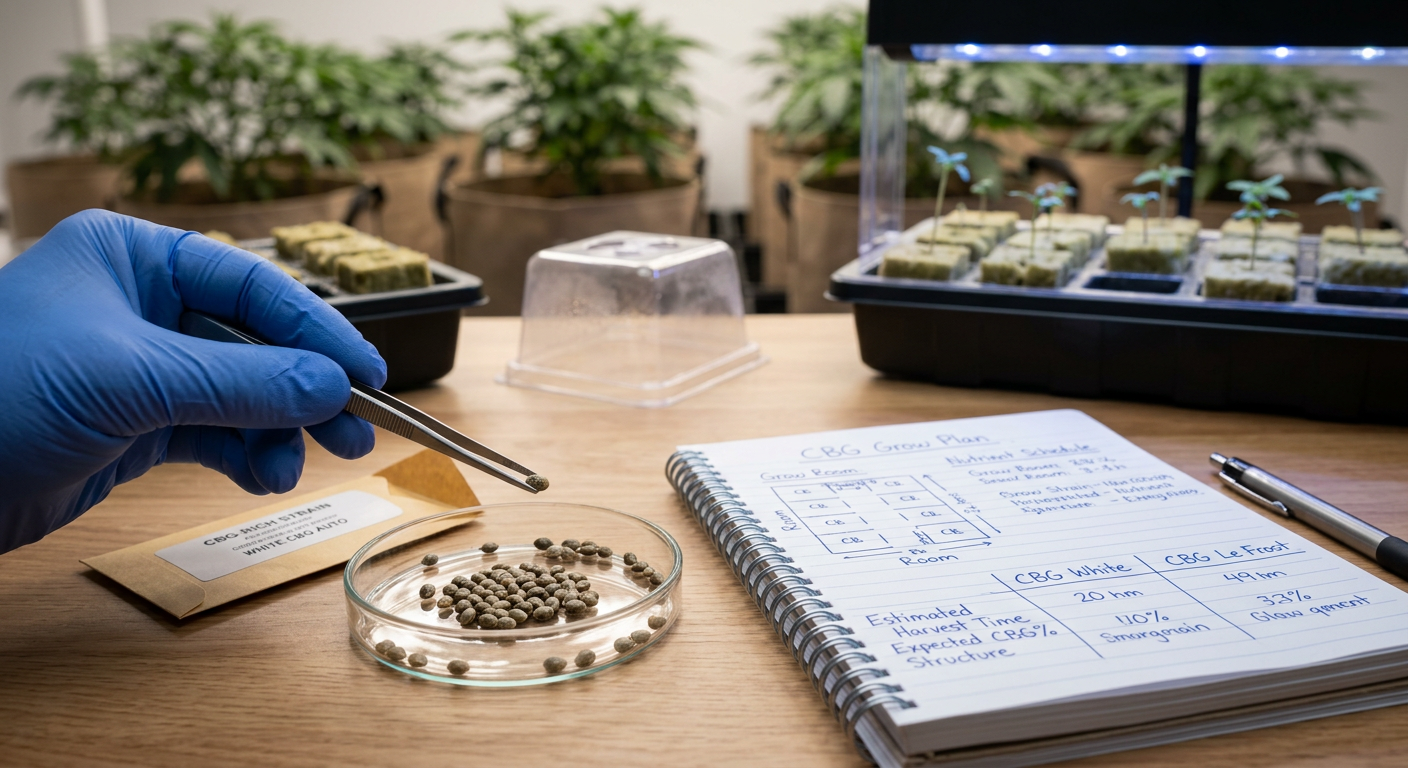
Growers approaching CBG for the first time have two viable paths: invest in purpose-bred high-CBG genetics harvested early for maximum CBG extraction, or grow high-quality photoperiod or autoflower strains and harvest a portion of the crop at the early-flower CBG window while letting the remainder mature to full THC peak.
The dual-harvest strategy is particularly clever for small-scale growers who don't want to commit an entire crop to early harvest. Stagger your harvest: pull 20–30% of plants at week 5 for CBG-rich material and take the remainder to full maturity for maximum THC yield. You get both cannabinoid profiles from a single grow cycle.
Strains to Consider for a Split-Harvest CBG Strategy
If you're implementing a split-harvest strategy — pulling some plants early for CBG and some at full maturity for THC — you want strains with strong resin production and healthy trichome density from the early-flowering stage. Several strains in our catalog fit this profile well:
Heavy resin-producing strains like White Widow Feminized (25% THC at maturity) are known for producing dense trichome development as early as week 4 of flower — making them viable candidates for early-pull CBG extraction in a split-harvest system. Their vigorous early resin production means more CBGA-rich material to work with at the early harvest window.
OG Kush Feminized (26% THC at maturity) is another strong choice for this approach — its trichome density at early flowering is exceptional, and its classic terpene profile (myrcene, limonene, beta-caryophyllene) makes early-harvest material rich in aromatic compounds as well as CBG. Learn more about how myrcene interacts with other cannabis compounds in the entourage effect context.
For growers who want a more compact, manageable plant for indoor early-harvest CBG extraction, Northern Lights x Big Bud Feminized (20% THC at maturity) offers dense early bud structure and predictable genetics — useful when you need to read trichome development consistently across multiple plants in a small grow space.
Faster-flowering strains are also practical for CBG-focused grows, since the overall grow cycle is already shortened by early harvest. Our guide to fastest-flowering cannabis strains highlights genetics that reach the early-flowering CBG window quickly from seed to flower.
Before committing to a full CBG-focused grow cycle, use our grow cost calculator to model your economics. Early harvest means lower yield per plant — but if you're producing CBG-rich extract for sale in markets where CBG commands a premium price per gram, the math can work strongly in your favor compared to a standard THC-focused grow.
Thinking About Full-Spectrum Genetics
Remember: even strains not bred specifically for CBG will contain meaningful CBG at the right harvest moment. Any cannabis strain grown with attention to early-flowering harvest timing can contribute to a CBG-containing product. The question is whether you want the high absolute percentages that only purpose-bred CBG genetics can provide, or whether a lower-CBG, full-spectrum, entourage-rich product is your actual goal.
Both are legitimate strategies — they just serve different end uses. Pure CBG isolate production demands high-CBG genetics. Full-spectrum early-harvest extract production can work well with quality photoperiod or autoflower genetics from your existing garden.
Frequently Asked Questions
What is CBG cannabinoid and what does it do?
CBG (cannabigerol) is a non-psychoactive cannabinoid and the biosynthetic precursor to THC, CBD, and CBC. Often called the mother cannabinoid, it forms from CBGA — the first cannabinoid acid the plant synthesizes. CBG interacts with CB1, CB2, alpha-2 adrenoceptors, and 5-HT1A serotonin receptors and is being studied for antibacterial, neuroprotective, anti-inflammatory, and intraocular pressure applications. It does not produce a high.
Is CBG stronger than CBD?
CBG is not stronger than CBD in a general sense — they work through different mechanisms. CBG directly binds to CB1 and CB2 receptors while CBD primarily modulates those receptors indirectly. CBG may be more targeted for specific applications like bacterial inhibition and intraocular pressure reduction due to its alpha-2 adrenoceptor activity, but CBD has significantly more clinical research behind it. The two are complementary, not competing.
What strains are highest in CBG?
Purpose-bred high-CBG strains include White CBG (12–15%), Jack Frost CBG (13–18%), Lemon Cream Diesel CBG (10–14%), Mickey Kush CBG (8–12%), and Sour G CBG (9–13%). These are bred to carry reduced synthase enzyme activity so CBGA accumulates rather than converting. Standard cannabis strains typically contain less than 1% CBG by dry weight at full maturity.
Why is CBG called the mother cannabinoid?
CBG is called the mother cannabinoid because its acidic precursor, CBGA (cannabigerolic acid), is the first major cannabinoid the plant synthesizes. Enzymes then convert CBGA into THCA, CBDA, and CBCA — the biosynthetic parents of THC, CBD, and CBC respectively. Without CBGA, none of the major cannabinoids could exist. CBG is essentially the origin point of the entire cannabinoid family tree.
When should you harvest cannabis for maximum CBG?
CBG content peaks during weeks 4–6 of the flowering stage, when CBGA has accumulated but synthase enzymes haven't yet converted most of it. Look for trichomes that are predominantly clear with 20–30% milky heads. For most strains, this is 1–2 weeks earlier than a standard THC harvest. Waiting until trichomes are mostly milky or any amber is present means significant CBG loss has already occurred through enzymatic conversion.