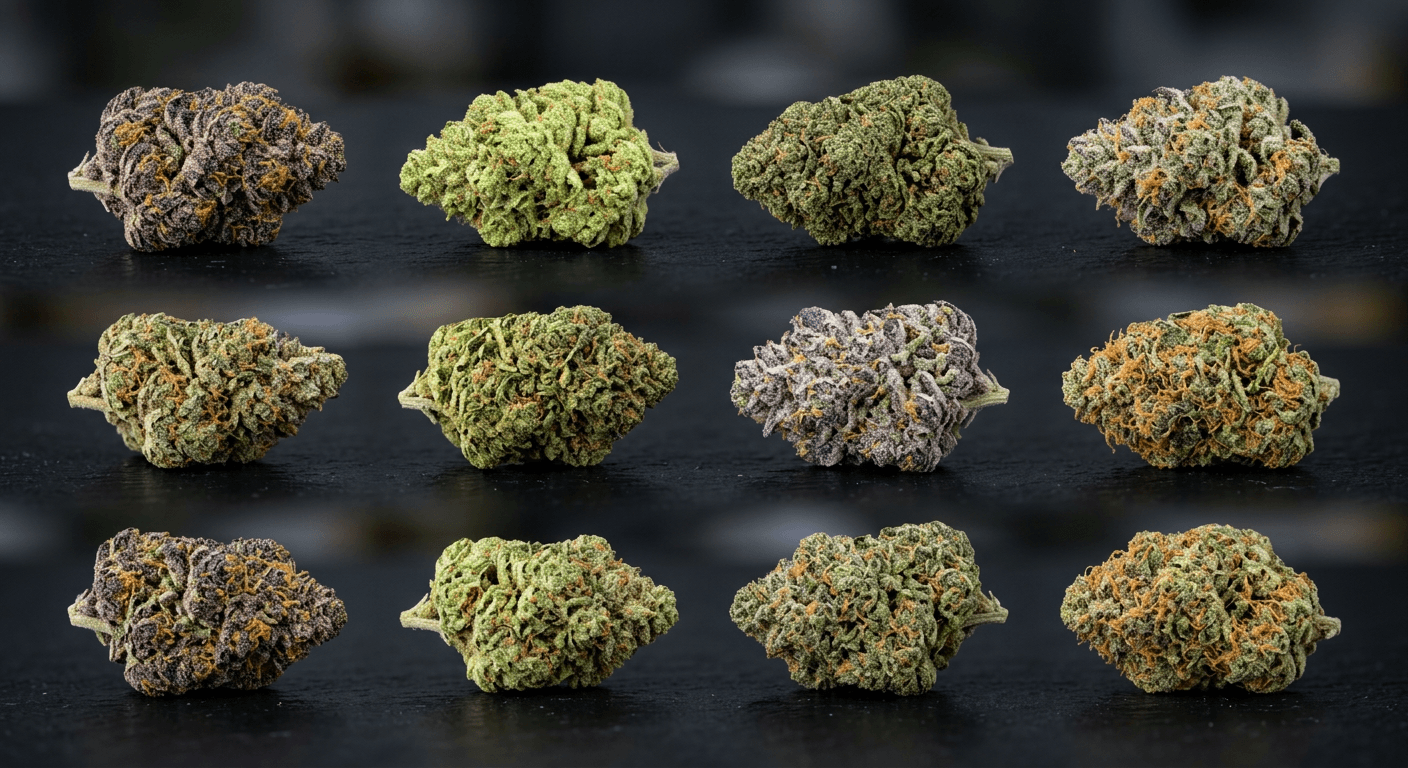
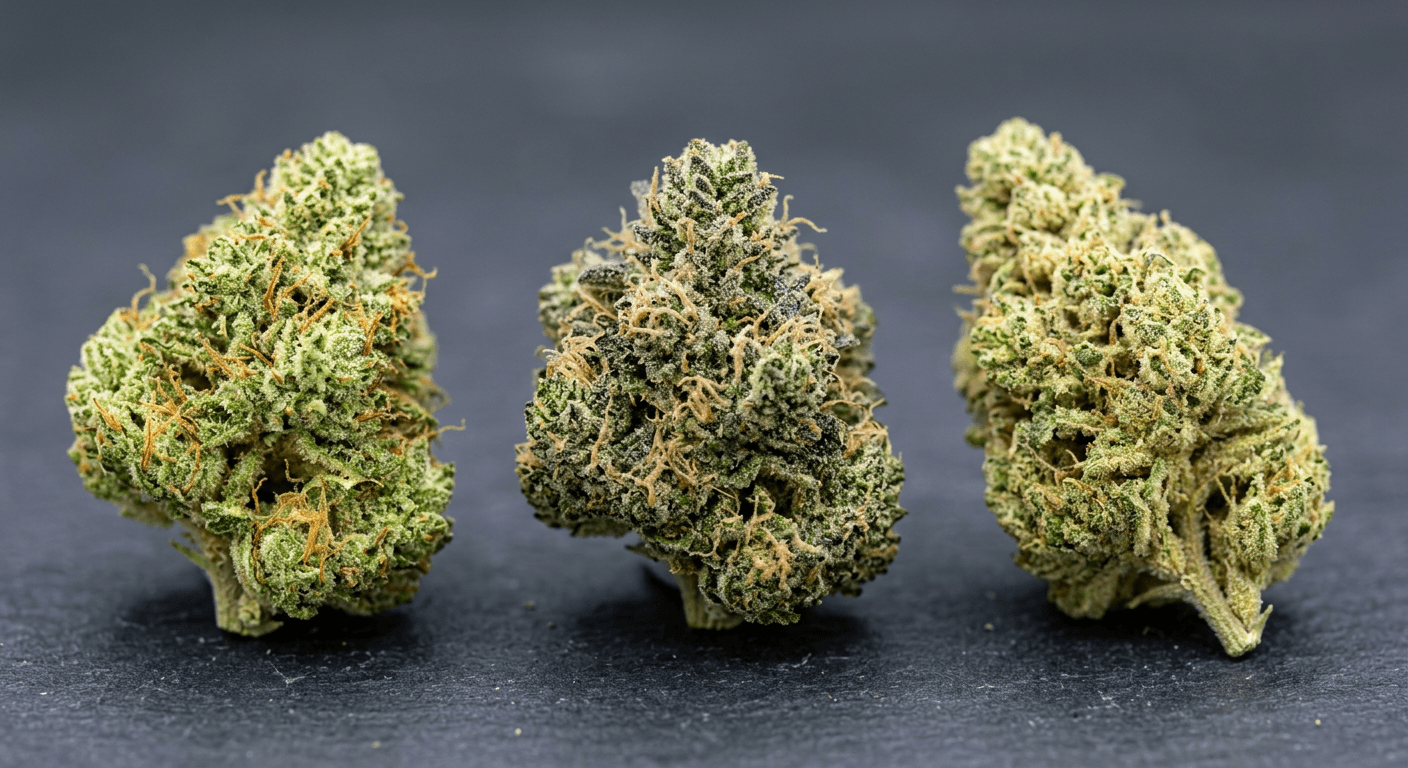
Every legendary strain you've ever grown started as a gamble — two plants, a controlled environment, and a breeder willing to spend years chasing a single ideal. Cannabis breeding basics sound simple on the surface: take a male, take a female, make seeds. But the real craft lives in what comes next — selecting, stabilizing, backcrossing, and repeating until the genetics behave exactly the way you want them to, every single time.
Whether you want to lock in a killer phenotype from your last grow, create something entirely new, or simply understand what the labels on your seed packs actually mean, this guide covers the full picture. We're talking pollination mechanics, F1 hybrid science, generational selection, backcross strategy, and the genetic preservation techniques that protect your best work for decades.
This is the breeding guide that didn't exist when most of us started growing. Let's fix that.
Cannabis breeding is a long game. A single successful cross takes weeks. A stable, true-breeding strain takes years. Understanding the genetics behind each generation is what separates a lucky cross from a repeatable, commercially viable strain.
Cannabis Breeding Terminology Explained: Know the Language
Before pollen touches pistil, you need to speak the language. Cannabis breeding borrows heavily from classical genetics, and misunderstanding even basic terms leads to confused expectations and wasted growing seasons.
Here are the core terms every breeder — beginner or advanced — must know cold:
- Genotype: The complete genetic blueprint of a plant — the DNA it carries, whether expressed or not.
- Phenotype: The physical expression of that DNA — height, color, aroma, potency, structure. Phenotype = genotype + environment.
- Homozygous: Both copies of a gene are identical (e.g., TT or tt). Homozygous plants breed true for that trait.
- Heterozygous: Two different versions of a gene (e.g., Tt). Offspring from heterozygous parents show unpredictable trait variation.
- Dominant trait: A trait that expresses even when only one copy is present (T in Tt).
- Recessive trait: A trait that only expresses when two copies are present (tt).
- Landrace: A cannabis variety that evolved naturally in a specific geographic region without human crossbreeding. Examples include Afghani, Malawi, and Thai genetics.
- IBL (Inbred Line): A strain stabilized through multiple generations of self-pollination or sibling crosses until it breeds true.
- Polyhybrid: A cross involving multiple hybrid parents — extremely common in modern cannabis.
- S1: A self-pollinated plant (a female crossed with herself using reversed pollen). S1 seeds show some variation because the mother is often heterozygous.
In cannabis naming convention, the female parent always comes first. "Northern Lights x Big Bud" means Northern Lights is the mother (seed plant) and Big Bud is the father (pollen donor). This convention matters when you're reading breeding charts or catalog descriptions — especially for Northern Lights x Big Bud crosses where the indica dominance of the mother shapes the entire offspring profile.
Understanding the difference between homozygous and heterozygous plants is the single most important concept in breeding. A homozygous plant passes the same version of a gene to 100% of its offspring. A heterozygous plant creates a lottery — offspring receive one or the other version, which is why F2 populations show such dramatic variation.
For a deeper dive into the genetic science underpinning all of this, visit our Cannabis Genetics guide — the pillar resource this article connects to.
Male vs. Female Cannabis: Identification and Breeding Roles
Successful cannabis breeding begins with accurate sex identification. Confuse a male for a female, or fail to isolate one in time, and your entire crop gets accidentally seeded — or worse, your intended cross gets contaminated by a rogue male from another strain.
How to Identify Male Cannabis Plants
Male plants reveal their sex 1 to 2 weeks into the pre-flowering stage — typically around weeks 4 to 6 from seed under 12/12 lighting. Look for these specific signs:
- Small, round or oval pollen sacs forming at the nodes (the junction between stem and branch)
- Clusters of sacs that resemble tiny bunches of grapes or bananas
- No white pistil hairs emerging from the calyx
- Sacs typically appear before female preflowers by 1 to 2 weeks
Critical timing: Remove male plants from your grow space before their pollen sacs crack open. Once pollen is airborne, containment is nearly impossible. A single male can fertilize hundreds of females in the same room within hours.
How to Identify Female Cannabis Plants
Female preflowers appear slightly later than male ones. Look for a single white hair — the pistil — emerging from a teardrop-shaped calyx at the node. Two pistils typically emerge from each calyx. As flowering progresses, these pistils multiply and the calyxes stack into the bud structure you're familiar with.
Females are your seed-bearing plants. In breeding, the female receives pollen and produces seeds inside her calyxes — one seed per fertilized calyx, potentially hundreds per plant.
Hermaphrodite Plants: A Breeding Risk
A hermaphrodite cannabis plant produces both male and female flowers. Hermaphroditism can be genetic (inherent instability) or stress-induced (environmental). In breeding, hermaphrodites are dangerous because they can self-pollinate or pollinate neighboring females without your knowledge.
- Never use a stress-triggered hermaphrodite as a breeding parent — the trait can pass to offspring
- Genetically hermaphroditic plants should be culled immediately from your breeding program
- Exception: intentional feminization using colloidal silver (covered later in this guide)
Take clones of all plants before you can definitively sex them. Once you confirm which are male and which are female, you'll have clones ready to work with — and you won't lose a phenotype you haven't evaluated yet.
Pollination Methods: From Controlled Crosses to Isolation Chambers
How you introduce pollen to your female plants determines everything about the quality and intentionality of your cross. Sloppy pollination produces uncertain results. Controlled pollination produces repeatable, documentable genetics.
Open Pollination
Open pollination means allowing males and females to share airspace and pollinate freely. It's the oldest method, used in landrace preservation and large outdoor grows. Every seed produced may have a different father. Open pollination has almost no place in intentional modern breeding — it's useful only for maintaining genetic diversity in a large landrace population.
Hand Pollination (Controlled Cross)
Hand pollination is the standard method for intentional breeding. Here's how it works in practice:
Collect Pollen
When a male's pollen sacs begin to swell and show yellowing, place a clean paper bag or glass jar over an entire branch and gently shake. Pollen collects at the bottom. Store collected pollen in a sealed, airtight container in the freezer — it stays viable for months when kept dry and cold.
Isolate the Target Branch
Choose a single branch on your female plant — or multiple branches if you want more seeds. Place a small plastic bag over the branch for 30 minutes before application to catch any ambient pollen that might contaminate your cross.
Apply Pollen
Using a clean, fine artist's brush or a cotton swab, collect pollen from your container and gently brush it onto the pistils of your target branch. Work deliberately — you don't need to saturate every surface, just make solid pistil contact. Alternatively, dust pollen directly from the container with a controlled shake.
Re-bag and Wait
After applying pollen, re-bag the pollinated branch for 24 to 48 hours to allow fertilization to complete. Label the bag clearly with the cross name and date. After removing the bag, wash your hands and change clothes before touching any other plants.
Harvest Seeds
Seeds mature in 4 to 6 weeks after pollination. They're ready when the calyx swells, the seed feels hard to the touch, and it shows tiger-stripe patterns or a gray/brown coloring. Don't harvest too early — immature seeds have poor germination rates.
Creating Feminized Seeds: The Colloidal Silver Method
Feminized seeds are produced by forcing a female plant to produce male pollen — using either colloidal silver (CS) or silver thiosulfate (STS) solution. When you spray a healthy female with colloidal silver during the first 2 weeks of flowering (daily applications work best), the silver ions inhibit ethylene production, which triggers male flower development on that female plant.
The reversed female then produces pollen with only X chromosomes (since she has no Y chromosome to contribute). When this pollen fertilizes another female, all resulting seeds are XX — female. This is how virtually all commercially feminized seeds are produced, including high-THC varieties like OG Kush Feminized (26% THC) and Purple Kush Feminized (27% THC).
The colloidal silver method produces feminized seeds without introducing Y-chromosome genetics. The resulting seeds are genetically female — but they can still show slight variation if the mother plant is heterozygous. Feminized does not automatically mean stable.
F1 Hybrids Explained: Vigor, Uniformity, and Expectations
The F1 generation — first filial — is what you get when you cross two genetically distinct parent lines. In cannabis, F1 hybrids are celebrated for their vigor, uniformity, and often exceptional quality. But understanding what F1 actually means prevents major disappointment down the breeding road.
What Makes F1s Special: Hybrid Vigor
F1 hybrids often outperform both parent plants in growth rate, yield, and resilience. This phenomenon is called heterosis, or hybrid vigor. When two inbred lines (with different homozygous gene pairs) are crossed, the offspring inherits one functional copy of each gene from each parent — and that genetic complementarity drives exceptional performance.
This is why commercial breeders invest years creating stable IBL parents: the payoff is a reliable, high-performing F1 that wows growers consistently. Crosses like Northern Lights x Amnesia Haze (24% THC) combine decades of separate inbreeding work into a single vigorous cross.
The F1 Uniformity Advantage
When both parents are true IBLs (inbred lines), the F1 offspring will be highly uniform — plants look alike, finish at similar times, and produce comparable cannabinoid profiles. This uniformity is prized in commercial cultivation because it simplifies harvest scheduling, training, and nutrient programs.
If you want to understand how uniform your F1 pop really is, run at least 10 to 20 plants side by side. Fewer than 10 plants won't give you meaningful data on phenotype distribution. Use our Grow Planner tool to map out your breeding runs and space requirements before you start.
The F1 Limitation: You Can't Replant Them
Here's the catch that trips up most beginner breeders: you cannot replant F1 seeds and expect the same results. When two F1 plants are crossed with each other — creating an F2 population — their heterozygous gene pairs segregate according to Mendelian ratios. The result is wild variation: some plants may resemble Grandparent A, some Grandparent B, and everything in between.
This is not a flaw — it's genetics working exactly as it should. F2 populations are actually where breeding gets exciting, because all that variation gives you new phenotypes to select from.
| Generation | How Created | Expected Uniformity | Breeding Use |
|---|---|---|---|
| P (Parents) | Selected IBL or landrace lines | Very high (if IBL) | Foundation stock |
| F1 | P1 x P2 | High to very high | Commercial release, vigor assessment |
| F2 | F1 x F1 | Low — wide segregation | Phenotype hunting, selection pool |
| F3 | Selected F2 x F2 | Moderate — narrowing | Trait confirmation |
| F4–F6 | Continued selection | High | Approaching stability |
| IBL | F6+ self-selection | Very high — breeds true | Stable commercial line |
Stabilizing Traits: The Long Road to a True-Breeding Strain
This is where most hobby breeders stop and professional breeders just get started. Stabilizing a cannabis strain — creating a line that breeds true for your selected traits — requires patience measured in years, not weeks. But the result is something genuinely valuable: genetics that reliably reproduce themselves.
Why Stability Matters
An unstable strain might produce 30% of plants that look like your target phenotype and 70% that don't. That's commercially useless and practically frustrating. A stable strain produces 90% or more of plants that match your selected traits. Stability is what turns a lucky phenotype into a legacy strain.
The Selection Process: Generation by Generation
Stabilization works through repeated selection and inbreeding. Here's what the process looks like in practice:
- F2 population: Grow at least 20 to 50 plants. Evaluate each one for your target traits — potency, aroma, structure, flowering time, yield. Tag your top 5 to 10 phenotypes.
- Select pairs: Choose the male and female that best represent your target traits. Cross them intentionally.
- F3 run: Grow 20+ F3 plants. Notice that variation is already narrowing. Select again — ruthlessly. Only the plants that most closely match your vision contribute to the next generation.
- Repeat through F5/F6: Each generation increases homozygosity. By F5 or F6, most plants in your population should express similar traits. By F7, you likely have an IBL.
Each round of inbreeding theoretically increases homozygosity by 50%. Starting from a fully heterozygous F1, after 5 generations of selfing or sibling crosses you're approaching 97% homozygosity at most loci. At that point, the strain breeds true — offspring inherit essentially the same genetic package every generation.
Trait Scoring: How to Evaluate Objectively
Subjective selection leads to inconsistent results. Build a scoring sheet with objective, measurable criteria for every plant you evaluate. Good categories to include:
- Flowering time (days to harvest)
- Bud density (1–5 scale)
- Trichome coverage (visual or under loupe)
- Aroma intensity and character (record specific notes)
- Stem strength and internodal spacing
- Resistance to stress or pathogen exposure during grow
- Yield estimate per plant
Use our Yield Estimator to track and project output across your breeding runs — it helps you compare phenotypes objectively rather than relying on memory.
Inbreeding depression: Aggressive inbreeding over too many generations without genetic refreshment can cause inbreeding depression — reduced vigor, hermaphroditism, and poor germination rates. If your line starts showing these signs by F5 or F6, introduce a carefully selected outcross to restore vitality.
Backcrossing Cannabis Explained: Locking In the Best Genetics
Backcrossing is the most powerful tool in a cannabis breeder's kit. It lets you systematically reinforce the traits of an exceptional parent plant across multiple generations — converting a hybrid's unpredictability into a stable, near-clone-like genetic profile.
How Backcrossing Works
A backcross (BX) is created by crossing an offspring back to one of its parents. In cannabis breeding, this almost always means crossing an F1 hybrid back to the superior parent you want to preserve. Here's the generational math:
- BX1: F1 x Parent A → offspring carry ~75% Parent A genetics
- BX2: Best BX1 x Parent A → offspring carry ~87.5% Parent A genetics
- BX3: Best BX2 x Parent A → offspring carry ~93.75% Parent A genetics
- BX4: Best BX3 x Parent A → offspring carry ~96.875% Parent A genetics
By BX3 or BX4, you have a plant that is genetically almost identical to your parent — but with confirmed stability across generations. This is how breeders preserve an exceptional phenotype after finding it in a large F2 population.
Backcrossing for Specific Traits
Backcrossing isn't just about preserving the whole parent — it's about targeting specific traits. Common backcross goals in cannabis include:
- Preserving a parent's exceptional terpene profile while improving yield
- Locking in high THC expression from a proven parent
- Transferring disease resistance from a landrace into a commercial hybrid
- Recovering a specific cannabinoid ratio (e.g., CBD:THC) from a parent line
Backcrossing works best when your parent plant is homozygous for the traits you want to lock in. A heterozygous parent will still pass both versions of a gene to offspring, making backcrossing slower and less predictable. This is why starting with a stable IBL parent is so powerful.
BX vs. Selfing: Which Stabilization Route Is Right?
Selfing (S1, S2, S3) — forcing a female to self-pollinate — is a faster route to homozygosity than backcrossing, but it comes with higher risk of inbreeding depression and hermaphroditism expression. Backcrossing to a proven parent preserves vitality while still driving toward stability. Most serious breeders use a combination: backcross to restore vigor when inbreeding depression appears, then return to sibling crosses for the next stabilization push.
Outcrossing and Hybridization: Introducing New Genetic Material
Not every breeding decision is about locking things down. Sometimes you need to open the genetic pool — inject fresh DNA, introduce a new trait that doesn't exist in your current line, or rescue a strain suffering from inbreeding depression. That's where outcrossing comes in.
What Is an Outcross?
An outcross is a cross between two genetically unrelated plants. In cannabis, this typically means introducing a different strain entirely — a landrace, a different IBL, or a purposefully selected hybrid — to add genetic diversity or a specific trait that your current line lacks.
Classic outcross goals include:
- Adding Haze genetics for sativa stretch and cerebral effect to a short, dense indica line
- Introducing autoflowering genetics (Cannabis ruderalis) to a photoperiod strain
- Pulling in a landrace's terpene uniqueness to refresh a tired commercial strain
- Restoring hybrid vigor to an inbred line showing depression symptoms
The Trade-Off: Outcrossing Creates Instability
Every outcross resets the stability clock. A cross between your stable IBL and an unrelated strain produces a new F1 — which will show the same F2 segregation when you cross siblings. Be prepared to start the stabilization process over again with the new combined genetics. The payoff is worth it when you're adding a trait that genuinely improves the line.
When planning an outcross, consider the genetic distance between your lines. Crossing two closely related hybrids produces less variation than crossing an IBL indica with a true landrace sativa. Greater genetic distance = more trait segregation in the F2 = more phenotypes to explore, but a longer road to stability.
Polyhybrid Breeding: The Modern Cannabis Reality
Most cannabis strains available today are polyhybrids — plants with three, four, or more distinct genetic backgrounds already in their history. Strains like Sour Diesel Feminized (24% THC) carry genetics from multiple generations of crossing. Working with polyhybrids as parents can produce spectacular F1 offspring, but predicting what you'll get in the F2 is genuinely difficult because of the complex heterozygosity already present.
Breeding Cannabis for Desired Traits: Goals and Selection Strategy
Every breeding program needs a target. "Make something amazing" is not a breeding goal — it's a wish. Precise trait selection is what separates purposeful genetic work from random crossing. Here are the major trait categories cannabis breeders work with and the selection strategies they use.
Potency and Cannabinoid Profile
THC, CBD, and minor cannabinoid expression are largely heritable traits. High-THC parents tend to produce high-THC offspring — but there's variation, especially in heterozygous populations. To breed for potency:
- Start with proven high-THC parents (e.g., Quantum Kush Feminized at 30% THC or Black Widow Feminized at 26% THC)
- Test every generation using home testing kits or lab analysis when possible
- Select the highest-testing plants for the next cross — don't rely on visual inspection alone
- Understand that very high THC is a quantitative trait influenced by many genes, making it slower to stabilize than a simple dominant/recessive characteristic
Terpene Profile and Aroma
Terpene expression is highly heritable but also environmentally influenced. The same genotype grown in different conditions can express different terpene intensities. To breed for consistent aroma:
- Always evaluate terpene expression under identical growing conditions across your population
- Score aroma at multiple stages: live plant, fresh cut, and cured material
- Select both parents for terpene profile — a high-terpene male contributes to offspring aroma even though he produces no flowers
- Look for the specific terpenes you want to amplify — linalool, myrcene, terpinolene, caryophyllene, or limonene — and select consistently for those expressions
For more on how plants build terpene complexity, our Cannabis Terpene Biosynthesis guide breaks down the biochemical pathways worth understanding as a breeder.
Yield and Structure
Yield is a complex quantitative trait influenced by dozens of interacting genes. Still, consistent selection pressure works. Key structural traits that correlate with yield include:
- Short internodal spacing (tight nodes = more bud sites per unit of vertical space)
- Strong lateral branching
- Dense, calyx-to-leaf ratio (high calyx density means more bud per gram of plant material)
- Stem strength to support heavy flower load without staking
Flowering Time and Photoperiod Response
Flowering time is one of the most reliably heritable traits in cannabis. Crossing a fast-finishing 8-week plant with a slow 11-week plant typically produces F1 offspring that finish somewhere between 9 and 10 weeks. Selecting consistently for faster finishers across generations can meaningfully reduce finish time while preserving other qualities.
Introducing autoflowering genetics (Cannabis ruderalis) is a specific breeding goal that adds the day-length-independent flowering trait. The autoflower gene is recessive — meaning both copies must be present for a plant to express it. That's why creating a reliable autoflower line requires at least two generations of crosses after the initial introduction. High-performing autoflower genetics like Skywalker OG Autoflower (23% THC) represent years of this exact selection work.
Disease Resistance and Environmental Tolerance
Mold resistance, pest tolerance, and heat or cold hardiness are increasingly important breeding goals — especially as cultivation moves toward outdoor and greenhouse settings. Selection for these traits requires deliberately stressing plants and selecting survivors.
- Botrytis (bud rot) resistance: allow high humidity conditions late in flower and select the plants that show no infection
- Powdery mildew resistance: expose plants and select survivors for the next generation
- Heat tolerance: run plants in elevated temperatures and select those that maintain growth and potency
Ethical note: Deliberately exposing plants to disease during a breeding run requires strict isolation. Never allow diseased plants to expose healthy crops or spread pathogens to other growers' facilities. Run disease-selection trials in a completely separate, sealed environment.
Genetic Preservation: Protecting Your Best Phenos for the Future
Finding an exceptional phenotype is one thing. Keeping it alive is another challenge entirely. Cannabis genetics are fragile — a single failed grow, a disease outbreak, or a landlord's notice can wipe out years of work overnight. Genetic preservation is the insurance policy every serious breeder needs.
The Clone Library
The most immediate form of preservation is maintaining living clones. A mother plant kept in a controlled vegetative state — under 18/6 or 20/4 lighting — can live for years, producing unlimited clones of an exact genetic copy. Key clone library management practices:
- Label every clone with strain name, generation, selection date, and parent cross
- Maintain mother plants in a separate, dedicated vegetative space
- Inspect mothers monthly for pest or disease signs — a single infected mother can destroy an entire library
- Keep at least 2 to 3 clones of every important phenotype as redundancy
Seed Banking: Long-Term Genetic Storage
Seeds are the most stable long-term storage medium for cannabis genetics. Properly stored cannabis seeds can remain viable for 5 to 10 years — and in some documented cases, even longer. The key conditions for long-term seed viability:
- Moisture content: Seeds should be at 5 to 8% moisture before long-term storage
- Temperature: Store at 35°F to 41°F (2°C to 5°C) — a dedicated seed fridge is ideal
- Darkness: Light degrades seed viability; opaque, airtight containers are essential
- Desiccant: Include a silica gel packet in every storage container to absorb ambient moisture
- Redundancy: Store seed backups in at least two separate physical locations
When sealing seeds for long-term storage, use glass vials with airtight lids rather than plastic bags. Glass is moisture-impermeable and doesn't off-gas chemicals that can affect seed viability. Label everything — a vial of unlabeled seeds is essentially worthless three years later.
Documenting Your Breeding Records
Professional breeders maintain meticulous records of every cross, every selection decision, and every phenotype evaluation. Without documentation, even excellent genetic work becomes impossible to reproduce or build on. Your breeding records should include:
- Parent strain names and generation designations
- Cross date and pollination method used
- Number of seeds produced per cross
- Germination rate and seedling vigour notes
- Individual plant phenotype scores (using your scoring sheet)
- Selection rationale — why you chose each parent for the next generation
- Environmental conditions during each evaluation grow
- Lab test results where available
Working With Established Genetics as a Starting Point
You don't have to start from scratch. Beginning your breeding program with high-quality, well-documented genetics dramatically accelerates your timeline. Starting with strains that already carry strong IBL backgrounds — like White Widow Feminized (25% THC) or Super Lemon Haze Feminized (23% THC) — gives you a more predictable foundation than working with unknown polyhybrids of uncertain ancestry.
Other strains worth considering as foundation genetics for specific breeding goals:
- High THC: Wedding Cake (~25%), Gelato (~20%), OG Kush Feminized (26% THC)
- Terpene complexity: Zkittlez, Runtz, Tangerine Haze Feminized (18% THC)
- Yield and structure: Super Skunk Feminized (20% THC), Critical Mass, Big Bud
- Fast flowering: Papaya Feminized (25% THC), Northern Lights, Early Skunk
- Autoflower breeding: Amnesia Haze Autoflower (17% THC), Holy Grail Kush Autoflower (20% THC)
Common Breeding Mistakes and How to Avoid Them
Every breeder makes mistakes — the question is whether you make them once or repeatedly. These are the most common errors that derail breeding programs, particularly for beginners entering the craft.
Selecting on Appearance Alone
A beautiful plant is not necessarily a good breeding parent. Visual phenotype selection — choosing the tallest, bushiest, or most resinous-looking plant without accounting for genetic background — leads to unstable offspring. Always evaluate multiple traits and use objective scoring. A plant that scores 7 across potency, yield, aroma, and disease resistance beats a plant that scores 10 on potency alone.
Running Too Few Plants Per Generation
In an F2 population where traits are segregating, running 5 plants gives you almost no statistical power to find your target phenotype. A recessive trait that appears in 25% of offspring might simply not show up in a 5-plant run through random chance. Run at least 20 plants per generation — 50 or more if you're hunting a specific recessive expression.
Poor Isolation Practices
Accidental pollination from an unintended male ruins both your breeding crop and your sinsemilla production. Even a few stray pollen grains can produce seeds in plants you intended to keep seedless. Always maintain at minimum a room-level separation between males and females during active pollen release. Understand that pollen travels on clothing, skin, and equipment as readily as through air.
Skipping Documentation
Three generations into a breeding project, you will not remember which F2 plant you selected as the father or why. Documentation is not optional — it's the difference between building a breeding program and running in circles. Start a breeding journal from day one of your first cross.
Rushing to Release
The cannabis market is hungry for novelty, but releasing an unstable strain does lasting damage to a breeder's reputation. If your seeds produce wildly different plants — some with your target traits, most without — growers lose confidence quickly. Take the extra generation or two to confirm stability before calling anything a finished strain.
The best cannabis breeders treat every generation as a data collection exercise, not a finish line. Each run gives you more information about how your genetics behave under real conditions. Patience and methodical selection are the only shortcuts that actually work in breeding.
Building Your First Breeding Program: A Practical Roadmap
Translating theory into action is where most beginner breeders get stuck. Here's a simplified roadmap to take you from zero to your first intentional cross — with realistic expectations for each stage.
Stage 1: Define Your Goal (Before You Grow Anything)
Write down exactly what you want to create. Be specific: "A fast-finishing indica-dominant hybrid with 20%+ THC, heavy yield, and a diesel terpene profile that finishes in 8 weeks." Vague goals produce vague results. A defined target allows you to make yes/no decisions at every selection point rather than subjective guesses.
Stage 2: Source Quality Parents
Choose parent strains that already express the traits you want in your final cross. You cannot breed traits into offspring that aren't present in the parents. If you want a high-THC outcome, both parents should carry high-THC expression. If you want pest resistance, at least one parent should demonstrate it.
Stage 3: Make Your F1 Cross
Run 4 to 6 male plants alongside your female candidates. Identify the healthiest, most trait-aligned male. Collect pollen and make your controlled cross. Harvest and cure your F1 seeds properly — let them rest for at least 4 to 6 weeks after harvest before germinating for best germination rates.
Stage 4: F1 Evaluation Run
Grow at least 10 to 20 F1 plants. Observe uniformity. Score each plant. Note any trait expressions that surprise you — both positive and negative. Select your best male and female for the F2 cross. Take clones of your top selections before flowering them out.
Stage 5: F2 Population — The Real Work Begins
Grow 30 to 50 F2 plants. This is your widest phenotype spread — embrace it as opportunity. Score every plant rigorously. Identify the 3 to 5 phenotypes that best match your breeding goal. Cross the top male to the top 2 to 3 females. Save seeds from each cross separately so you can trace lineage.
Stage 6: Repeat Through F5 and Beyond
Each generation narrows variation. Keep selection pressure consistent — don't change your target traits mid-program. By F5 or F6, if you've been rigorous, you'll have a population that looks, smells, and performs consistently across most plants. Test stability by growing a batch without selection pressure — if they all look alike, you've arrived.
Managing the environmental inputs across all these generation runs is critical to getting clean data. Our Nutrient Calculator and VPD Calculator help standardize your environmental variables so phenotype differences reflect genetics, not growing conditions.
Cannabis breeding and environmental control are inseparable. A phenotype that expresses beautifully under ideal VPD and nutrition might look entirely different under stress. Use tools like the VPD Cannabis Guide to dial in consistent conditions across every generation run — it's the only way to be sure you're selecting on genetics, not environment.
For growers newer to the cultivation fundamentals that support a successful breeding program — from seedling care through to flowering management — our Cannabis Seedling Care Guide and Cannabis Flowering Stage guide provide the practical growing knowledge that keeps breeding stock healthy at every stage.
Frequently Asked Questions
How many generations does it take to create a stable cannabis strain?
It typically takes 5 to 7 generations of selective inbreeding to achieve a stable, true-breeding cannabis strain. Each generation — from F2 through F6 or F7 — narrows trait variation and increases homozygosity. Backcrossing can accelerate this process when you have a strong parent to work with.
What is the difference between an F1 and an F2 cannabis generation?
An F1 (first filial) generation is the direct offspring of two distinct parent strains. F1 plants are typically uniform and vigorous due to hybrid vigor. F2 plants are created by crossing two F1 siblings, which causes genetic traits to segregate — producing much more variation in the population. This variation is a feature, not a bug — it creates the phenotype diversity breeders select from.
Can you breed cannabis without a male plant?
Yes. Using colloidal silver or STS (silver thiosulfate) solution, breeders can reverse a female plant's sex so it produces male pollen sacs. This technique is used to create feminized seeds. The resulting seeds carry only female genetics since no Y chromosome is involved in the cross.
What does backcrossing mean in cannabis breeding?
Backcrossing means crossing a hybrid offspring back to one of its parent plants. In cannabis, this is used to reinforce desirable traits from the parent — such as potency, flavor, or structure — while gradually eliminating less desirable ones. Three to four backcross generations (BX1–BX4) are common in professional breeding programs.
How do I prevent accidental pollination when breeding cannabis?
Keep male plants completely isolated — ideally in a separate room with its own air supply and negative pressure. Remove males before pollen sacs open. When collecting pollen, use gloves, change clothes, and seal all containers immediately. Even tiny amounts of airborne pollen can fertilize an entire crop. Never underestimate how far pollen travels on clothing and skin.