Here is a fact that changes how you look at your grow room: the difference between a cannabis harvest that smells like ripe mango and one that smells like wet hay is not luck, and it is not just genetics. It is biochemistry — and you can influence it with the right environmental decisions at precisely the right time.
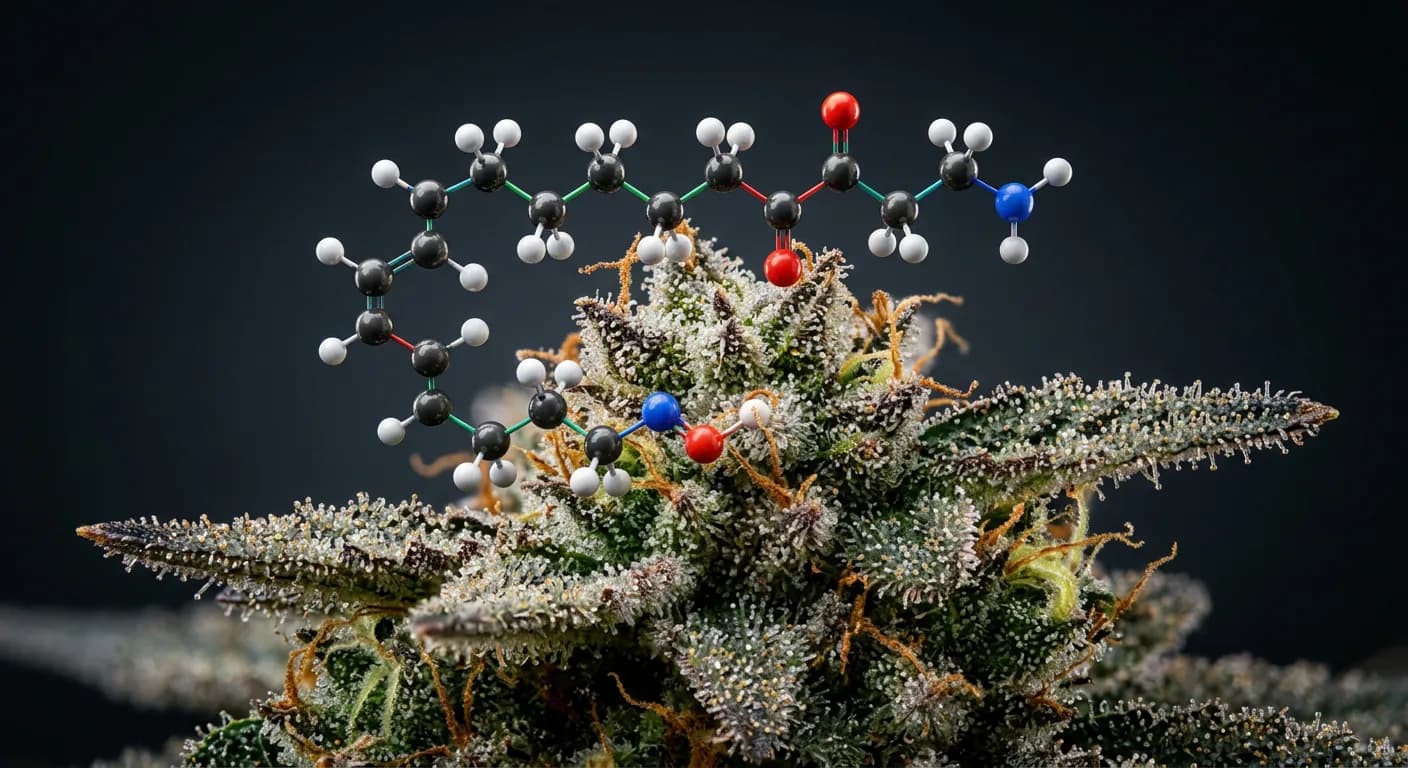
Cannabis terpene biosynthesis is the biological process through which your plant constructs its entire aromatic identity, molecule by molecule, inside microscopic resin glands called trichomes. Understanding how that process works — which pathways are involved, which enzymes do the work, and what signals make the plant produce more — gives you a toolkit that most growers never access.
This guide covers the actual science of how terpenes are made, then translates every mechanism directly into growing decisions you can implement today. If you have ever wondered why your buds smell less intense than the dispensary jar you loved, this article has your answer.
The Factory Floor: Where Terpenes Are Made in Cannabis
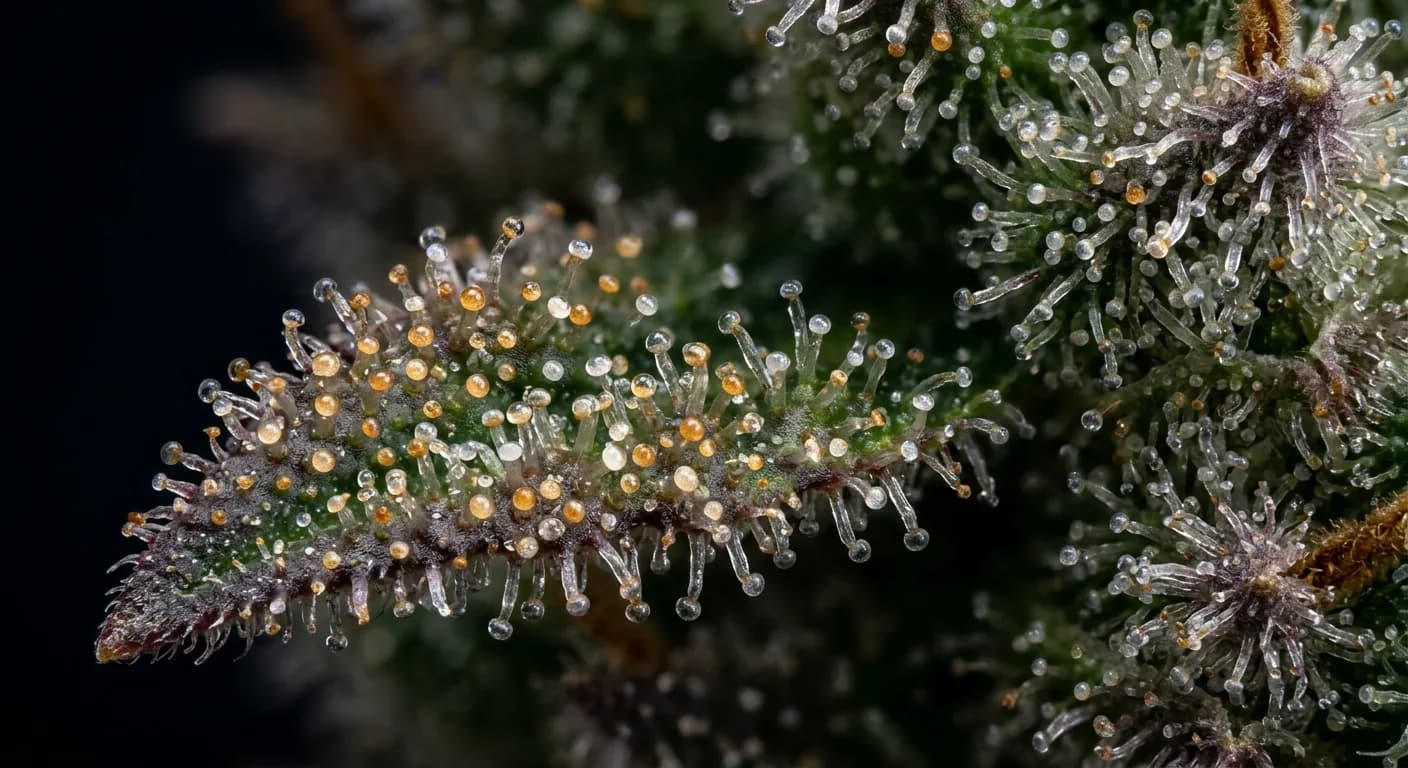
Terpene production in cannabis happens almost exclusively inside glandular trichomes — specifically the capitate-stalked trichomes that cover cannabis flowers and sugar leaves. Understanding trichome structure matters here because the architecture of these structures directly explains why certain growing conditions work and others do not.
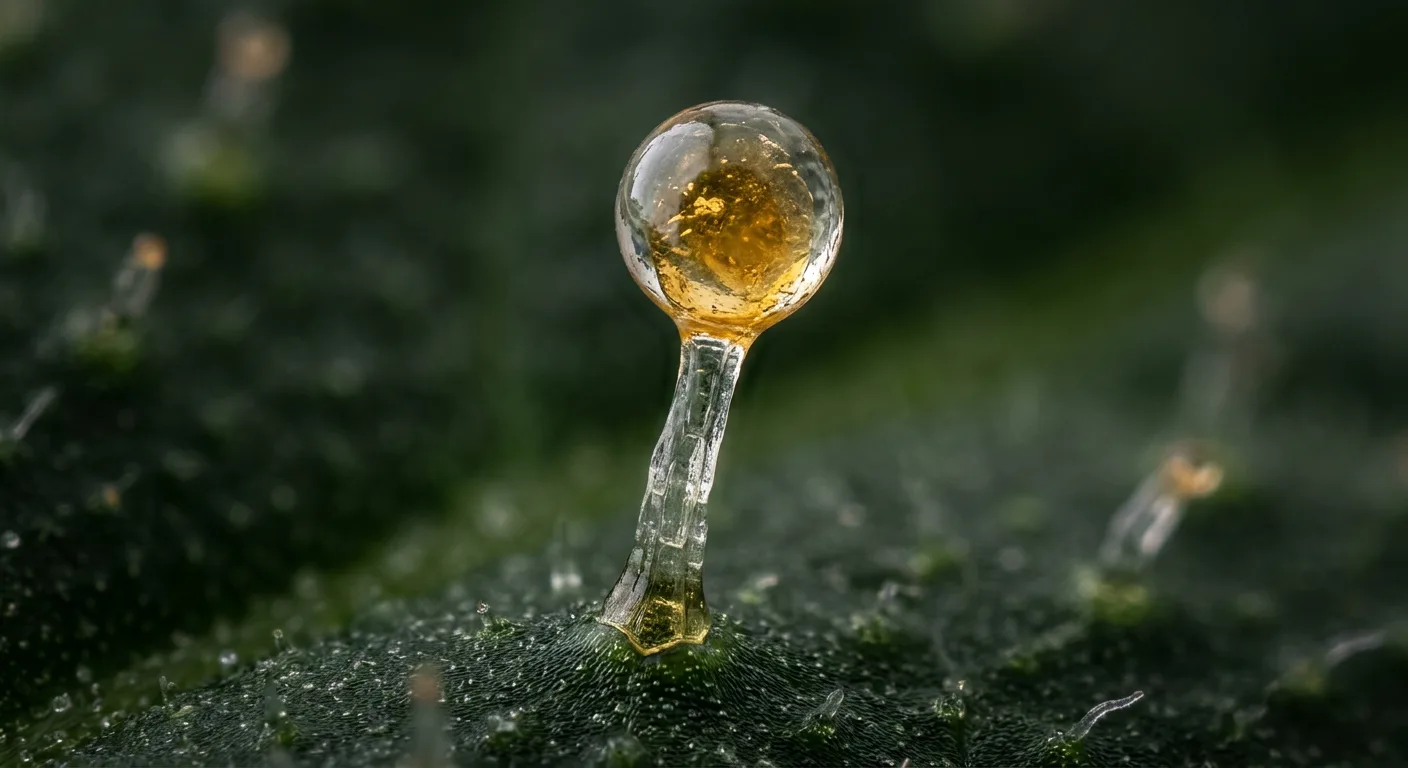
Each capitate-stalked trichome has three functional zones: a basal epidermal cell anchors it to the plant surface, a stalk carries metabolic precursors upward, and a secretory disc of 8–16 cells at the top actually synthesizes terpenes and cannabinoids. Beneath the secretory disc sits a subcuticular space — a sealed reservoir — where finished compounds accumulate.
Research Insight: Enzymatic studies published in Plant Physiology (Booth et al., 2017) confirmed that in cannabis, terpene synthase (TPS) gene expression is concentrated in trichome secretory cells, not in leaf mesophyll or vascular tissue. This localization means that anything stimulating trichome development — UV light, mild stress, late-flower temperature drops — directly increases your terpene production capacity.
For a deeper look at how these structures also build cannabinoids in parallel, see our guide on cannabis trichome biology and cannabinoid production.
The MEP Pathway: Cannabis Terpene Biosynthesis Step by Step
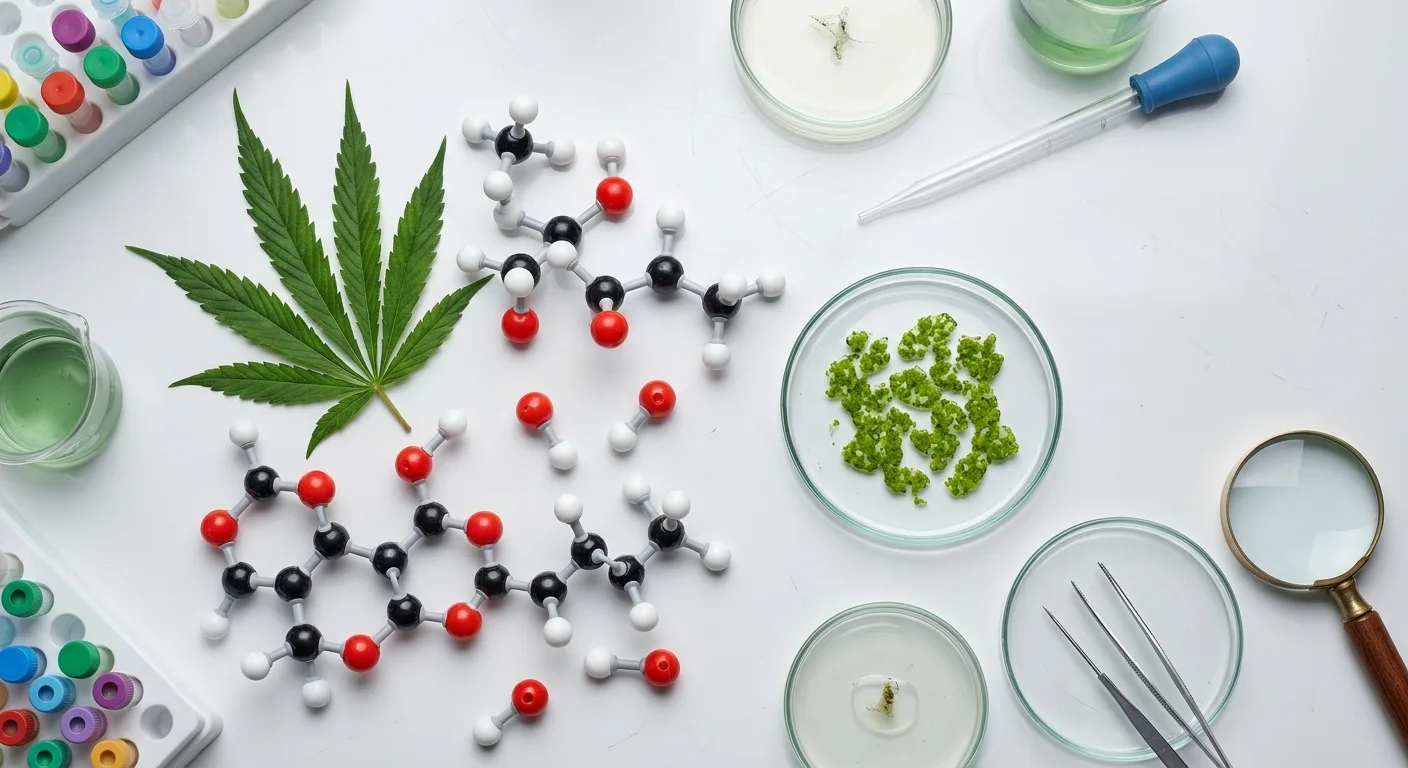
The MEP (methylerythritol phosphate) pathway — also called the DXS pathway or non-mevalonate pathway — is the primary biochemical route through which cannabis synthesizes the building blocks of all its terpenes. It operates inside plastids (chloroplasts) within trichome secretory cells, making light availability and chloroplast function directly relevant to terpene output.
From Carbon to IPP: The First Conversion
The MEP pathway begins with pyruvate and glyceraldehyde-3-phosphate (G3P) — simple metabolites from photosynthesis and glycolysis. Through a series of 7 enzyme-catalyzed reactions, these precursors are converted into isopentenyl pyrophosphate (IPP) and its isomer dimethylallyl pyrophosphate (DMAPP). These two 5-carbon units are the universal terpene building blocks.
The MEP pathway is powered by photosynthesis. Better light quality — particularly in the red and far-red spectrum — fuels more G3P production, giving terpene biosynthesis more raw material to work with. This is one reason that high-quality LED fixtures with full spectra outperform single-spectrum HPS for terpene-rich harvests.
Building GPP: The Monoterpene Precursor
One unit of DMAPP combines with one unit of IPP, catalyzed by the enzyme geranyl pyrophosphate synthase (GPS), to produce geranyl pyrophosphate (GPP) — a 10-carbon molecule and the direct precursor to all monoterpenes in cannabis. This step is a critical metabolic decision point: GPP can either proceed down the monoterpene pathway or be extended further.
Building FPP: The Sesquiterpene Precursor
If GPS adds a second IPP unit to GPP, the result is farnesyl pyrophosphate (FPP), a 15-carbon molecule and the precursor for all sesquiterpenes. The relative activity of GPS versus farnesyl pyrophosphate synthase (FPS) at this branching point influences whether a given cannabis plant or strain leans toward bright, volatile monoterpenes or deeper, heavier sesquiterpenes.
Science Note: Targeted metabolomics research (Zager et al., 2019, ScienceDirect) showed that different cannabis accessions display measurably different flux through the GPP vs. FPP branching point — which is one biological reason why one strain smells like citrus and another smells like spiced wood, even under identical growing conditions. This flux is partially genetically fixed and partially influenced by environment.
Terpene Synthase Enzymes: Who Makes What
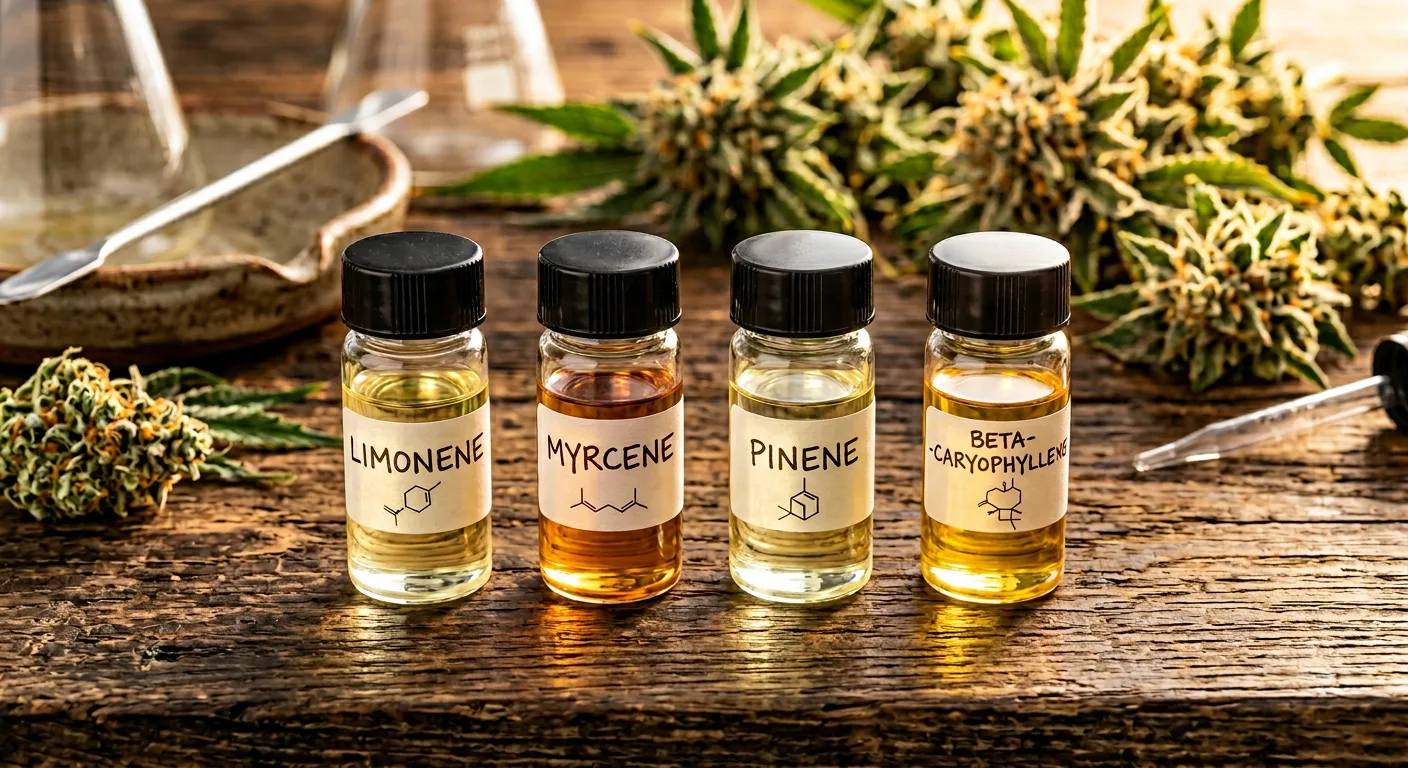
Once GPP or FPP is produced, a large family of enzymes called terpene synthases (TPS) convert these precursors into the specific terpenes that give each strain its signature aroma. In cannabis, researchers have identified at least 30 functional TPS genes, with the Booth et al. (2017) Plant Physiology study cataloguing 13 well-characterized TPS enzymes in cultivar 'Finola' alone.
Monoterpene Synthases (Acting on GPP)
These enzymes take the 10-carbon GPP molecule and fold and cyclize it into specific monoterpenes. Each enzyme produces a characteristic product — though many TPS enzymes produce multiple terpenes in varying ratios:
- Myrcene synthase (CsTPS14): Produces myrcene — the earthy, musky, clove-like terpene dominant in most indica-leaning strains. Myrcene is often the single most abundant terpene in cannabis.
- Limonene synthase (CsTPS20): Produces limonene — bright citrus, lemon, and orange. High in sativa-leaning and Haze-derived cultivars.
- (-)-α-Pinene and (+)-β-pinene synthases: Produce the sharp, pine-needle aroma associated with fresh cannabis and linked to memory retention effects. See our pinene terpene guide for more detail.
- Linalool synthase (CsTPS18): Produces linalool — lavender-floral, soft, and associated with calming effects.
- Terpinolene synthase: Produces terpinolene — floral, herbal, slightly piney, dominant in Jack Herer and some Dutch varieties.
Sesquiterpene Synthases (Acting on FPP)
These enzymes act on the 15-carbon FPP molecule to produce heavier, less-volatile terpenes that form the base notes of cannabis aroma:
- β-Caryophyllene synthase (CsTPS21): Produces beta-caryophyllene — spicy, woody, peppery. Unique among terpenes because it directly binds CB2 receptors. Key to the entourage effect.
- Humulene synthase: Produces humulene — earthy, woody, hoppy. Often co-expressed with caryophyllene synthase since FPP is the shared precursor. Read more in our humulene grower's guide.
- Nerolidol and guaiol synthases: Produce floral, wood-apple, and rose notes found in some exotic landrace cultivars.
| Terpene | Class | Precursor | Aroma Profile | Common Strains |
|---|---|---|---|---|
| Myrcene | Monoterpene | GPP | Earthy, musky, clove | OG Kush, Skunk, Haze |
| Limonene | Monoterpene | GPP | Citrus, lemon, orange | Sour Diesel, Lemon Haze |
| α/β-Pinene | Monoterpene | GPP | Pine, fresh, sharp | Jack Herer, Trainwreck |
| Linalool | Monoterpene | GPP | Lavender, floral, soft | Amnesia Haze, LA Confidential |
| Terpinolene | Monoterpene | GPP | Floral, herbal, piney | Jack Herer, Dutch Treat |
| β-Caryophyllene | Sesquiterpene | FPP | Spicy, pepper, woody | Girl Scout Cookies, Gelato |
| Humulene | Sesquiterpene | FPP | Earthy, hoppy, woody | White Widow, Chemdawg |
| Nerolidol | Sesquiterpene | FPP | Floral, apple, rose | Jack Herer, Skywalker |
Environmental Signals That Upregulate Terpene Synthase Expression
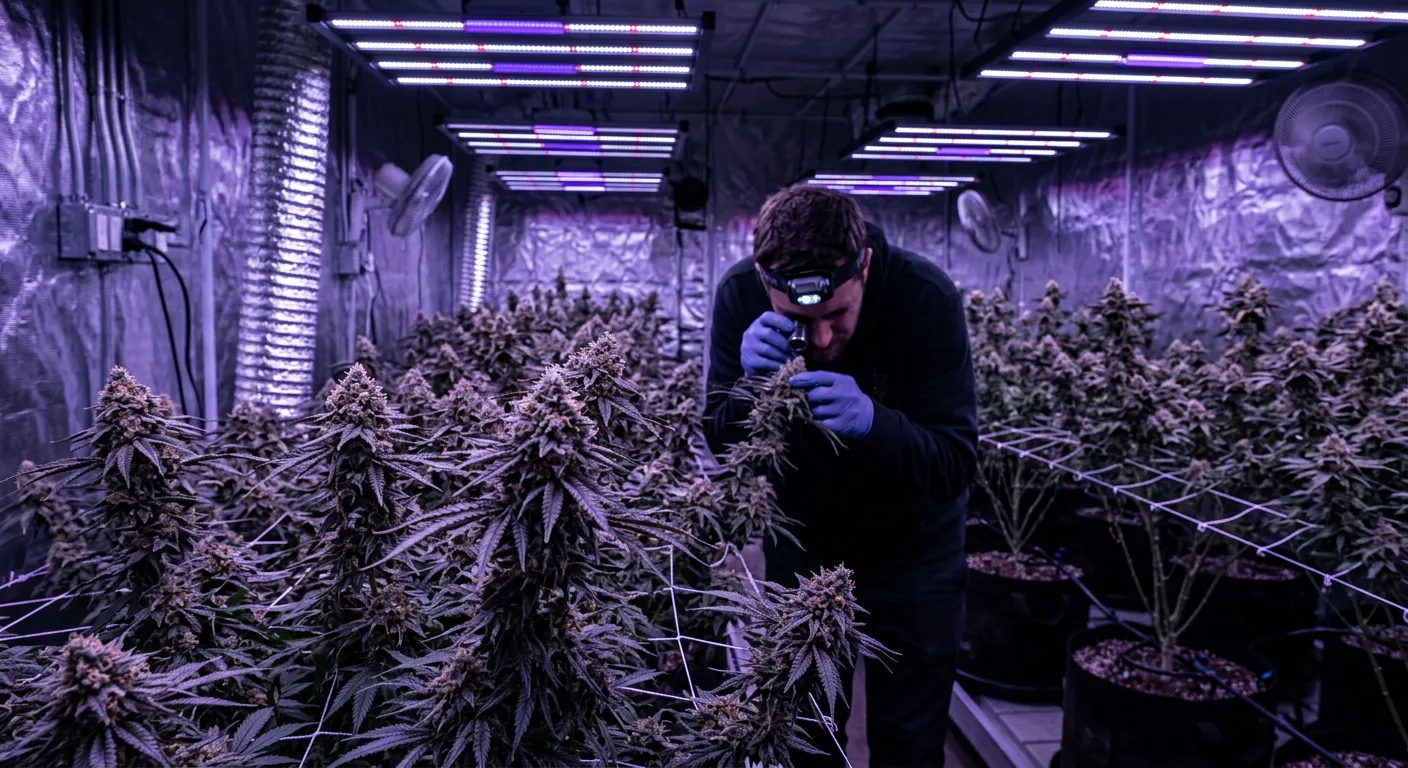
This is where the science becomes directly actionable. Terpene synthase genes in cannabis are not constitutively expressed at maximum levels — they are regulated by environmental signals. The plant ramps up terpene production in response to specific stressors because terpenes serve as chemical defenses against UV radiation, insects, pathogens, and heat. Growers who understand this can deliberately trigger upregulation.
UV-B Light: The Single Highest-Impact Environmental Lever
UV-B radiation (wavelengths 280–315 nm) is largely filtered out by standard grow room glass and polycarbonate panels. Cannabis evolved in high-altitude, high-UV environments, and UV-B triggers a stress-response cascade that directly increases both trichome density and TPS gene expression. Research on related plant species shows 30–50% increases in monoterpene accumulation under UV-B supplementation.
- Start UV-B supplementation in week 4 of flowering
- Run UV-B lamps for 2–4 hours per day, ideally mid-photoperiod
- Use T5 UVB reptile-style lamps or dedicated horticultural UV-B strips positioned 12–18 inches above canopy
- Do not exceed 6 hours/day — excessive UV-B causes photooxidative damage that reduces yield
Grower's Tip: If you use full-spectrum LEDs marketed as including UV, check the spec sheet. Many emit UV-A (315–400 nm) which has minimal effect on TPS upregulation. True UV-B supplementation requires a dedicated lamp. The investment is modest — typically $40–80 — and the terpene return is significant.
Mild Drought Stress: Triggering Chemical Defense Mode
Drought stress signals activate abscisic acid (ABA) pathways in cannabis, which in turn upregulate genes associated with secondary metabolite production — including terpene synthases. The key word here is mild: you want to create a slight water deficit, not damage the plant.
- In the final 10–14 days before harvest, allow soil to dry to near-wilting point between waterings
- Let the top 2–3 inches of growing medium dry completely before each watering
- Reduce watering frequency by 20–30% compared to peak flowering
- Do not apply drought stress before week 6 of flowering — premature stress reduces bud development
Caution: Severe drought stress causes stomata to close, reducing photosynthesis and starving the MEP pathway of G3P precursors. You want the plant slightly thirsty — not surviving. Watch leaf margins for slight upward curl as your signal, not full drooping or yellowing.
Late-Flowering Temperature Drops: The Cool Night Advantage
Many terpene compounds are volatile and evaporate rapidly above 70°F (21°C). Beyond simple preservation, cooler nighttime temperatures during late flowering also appear to increase terpenoid accumulation by slowing terpene volatilization from trichomes and by activating cold-stress signaling pathways. A 10–15°F (5–8°C) drop between day and night temperatures in weeks 6–8 is the practical sweet spot.
- Target daytime temps: 75–80°F (24–27°C)
- Target nighttime temps: 62–68°F (17–20°C)
- This differential also promotes anthocyanin production in purple-prone strains like Purple Kush and Purple Power
- Use a programmable thermostat or climate controller to automate the transition at lights-off
Reduced Nitrogen in Late Flowering: Redirecting Plant Energy
Nitrogen is essential for vegetative growth and early flowering, but excess nitrogen in weeks 5–8 directs plant resources toward new leaf and stem growth at the expense of secondary metabolite production. Dropping nitrogen to near-zero while maintaining phosphorus and potassium in the final 3–4 weeks redirects metabolic carbon flux toward terpene and cannabinoid biosynthesis in trichomes.
- Switch to a 0-10-10 or 0-50-30 bloom finisher from week 5 onward
- Allow natural leaf yellowing — this is expected and correct in late flower
- Maintain potassium: it supports enzyme function and resin gland integrity
- Use our nutrient calculator to dial in your late-flowering feed schedule precisely
Each environmental stressor — UV-B, drought, cool nights, low nitrogen — acts through a different molecular signaling pathway, but they all converge on the same outcome: increased expression of terpene synthase genes and more resin production in trichome secretory cells. Used together in the right sequence, their effects compound.
Terpene Maximization Timeline: Week-by-Week Flowering Guide
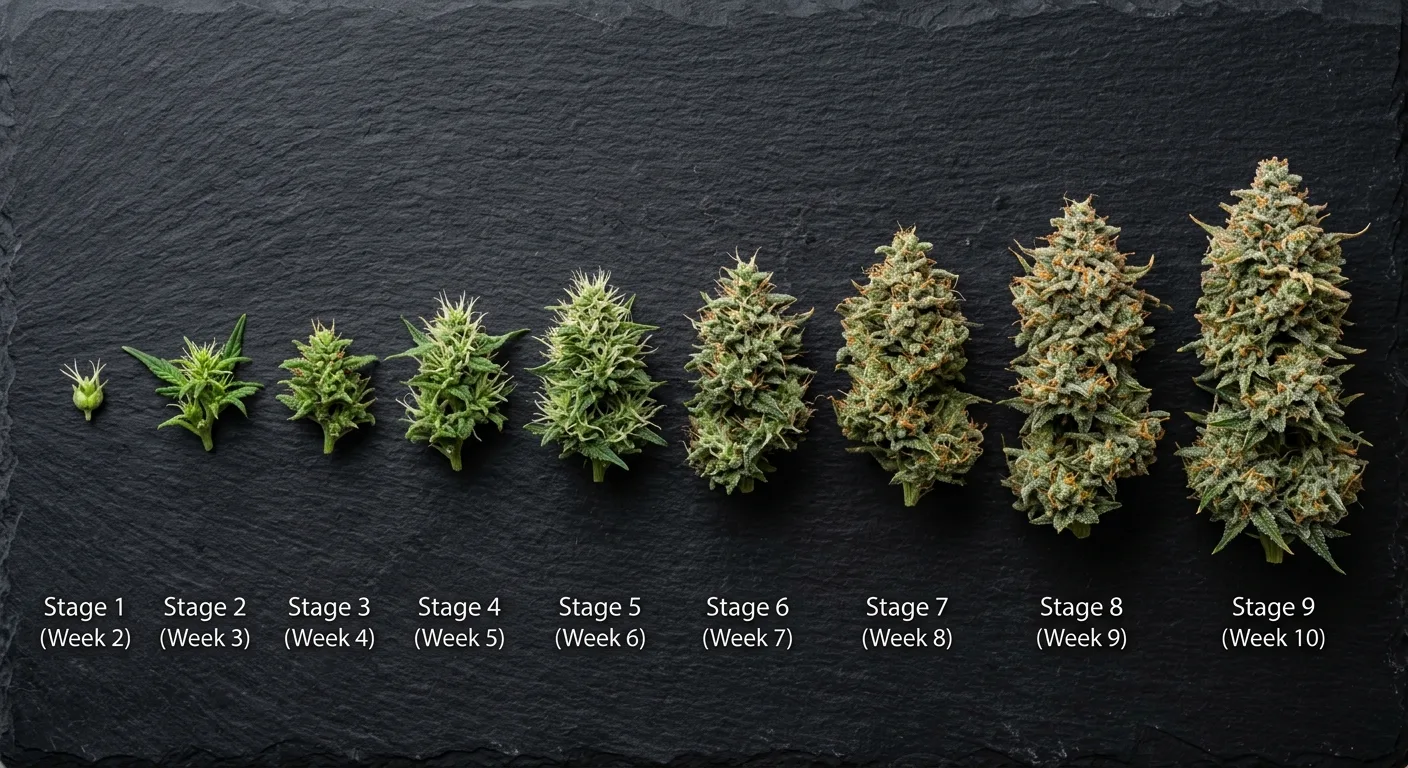
The terpene maximization timeline below translates the biology into specific weekly actions. Every recommendation is grounded in the biosynthesis mechanisms described above — this is not a list of folklore tips. Use our grow planner tool to schedule these interventions against your specific strain's flowering window.
Weeks 1–2 of Flowering: Establish Trichome Infrastructure
Focus entirely on healthy trichome development. Maintain 75–80°F, 50–60% RH, and full-strength bloom nutrients. No stress interventions yet — the plant is committing resources to trichome formation. Strong trichome density now creates the factory capacity for terpene production later. See our flowering stage guide for detailed week-1 and week-2 management.
Weeks 3–4 of Flowering: Begin Light Spectrum Optimization
Begin dialing back nitrogen — shift from a balanced bloom feed to a lower-N formula. Introduce UV-B supplementation at 2 hours per day to begin triggering TPS upregulation without overwhelming the plant during active bud swell. Maintain steady temperatures and keep RH at 45–55% to reduce mold risk as bud density increases.
Weeks 5–6 of Flowering: Peak Terpene Synthesis Window
This is the highest-impact window. Increase UV-B to 3–4 hours per day. Begin the nighttime temperature drop protocol — target 62–68°F at night. Drop nitrogen to near-zero and shift entirely to a PK-heavy finish formula. Trichome heads will visibly enlarge as GPP-to-terpene conversion peaks. Check trichomes every 2 days with a loupe or digital microscope.
Weeks 7–8 of Flowering: Stress Stacking and Pre-Harvest Protocol
Apply mild drought stress — extend the time between waterings by 20–30%. Continue UV-B, cool nights, and zero nitrogen. Some growers add a 24–48 hour complete darkness period in the final days before harvest, based on the principle that darkness triggers terpene accumulation in the subcuticular space rather than volatilization. Evidence here is anecdotal but the practice is low-risk. Flush media with plain water if growing in soil or coco for the final 7–10 days.
Harvest Timing: Trichome Color as Your Terpene Gauge
Harvest at peak trichome maturity — mostly cloudy white with up to 20–30% amber heads depending on your target effect. Harvesting too early (mostly clear trichomes) means terpene synthesis is still incomplete. Harvesting too late (mostly amber) means oxidative degradation has already begun converting many terpenes into less desirable breakdown compounds. Use a 60x or 100x loupe for accurate assessment.
Grower's Tip: The terpene maximization timeline above works for both photoperiod and autoflower strains — just scale the week numbers to your specific strain's total flowering time. An autoflower with a 7-week flower period should start UV-B at week 3, not week 4. Check our autoflower vs photoperiod guide for timing differences.
Post-Harvest: Why Terpenes Degrade and How to Stop It
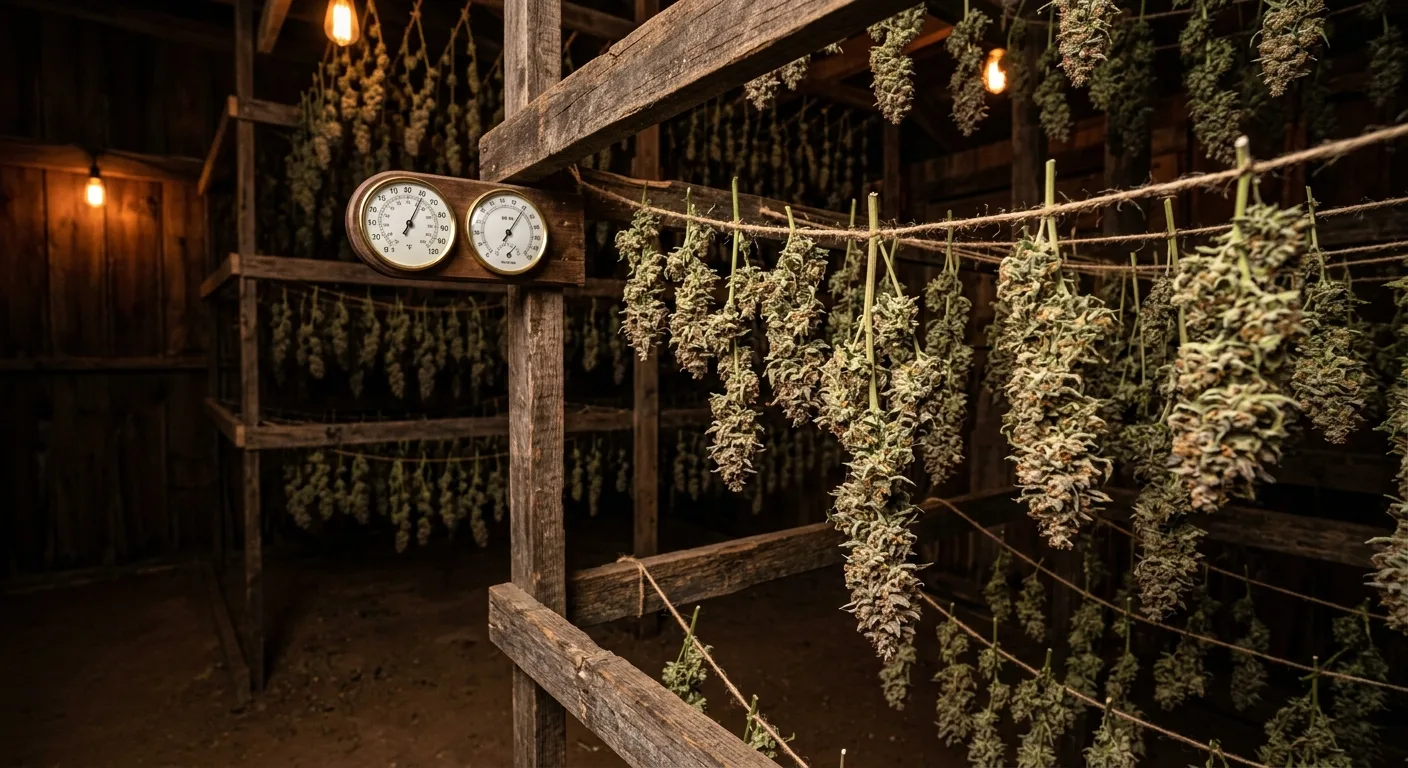
You can execute a perfect terpene maximization protocol in the grow room and still end up with flat-smelling buds if post-harvest handling is wrong. Terpenes — particularly the volatile monoterpenes like limonene, myrcene, and pinene — are lost rapidly through four primary mechanisms after harvest.
The Four Degradation Pathways
- Volatilization: Terpenes evaporate at room temperature. Limonene boils at 349°F but begins measurable evaporation at ambient temps. Heat accelerates this dramatically — every 10°F above 65°F roughly doubles the evaporation rate of light monoterpenes.
- Oxidation: Exposure to oxygen converts terpenes into degraded compounds. Myrcene oxidizes to form musty-smelling byproducts. This is why airtight storage is non-negotiable.
- Light degradation: UV and visible light break terpene molecular bonds. This is why curing in darkness matters — the same UV that boosted terpene production on the living plant destroys those terpenes once they are in harvested flower.
- Enzymatic breakdown: Plant enzymes remain active in freshly harvested cannabis and continue modifying terpenes. Slow, cool drying reduces enzymatic activity without destroying terpene content.
Optimal Drying Conditions
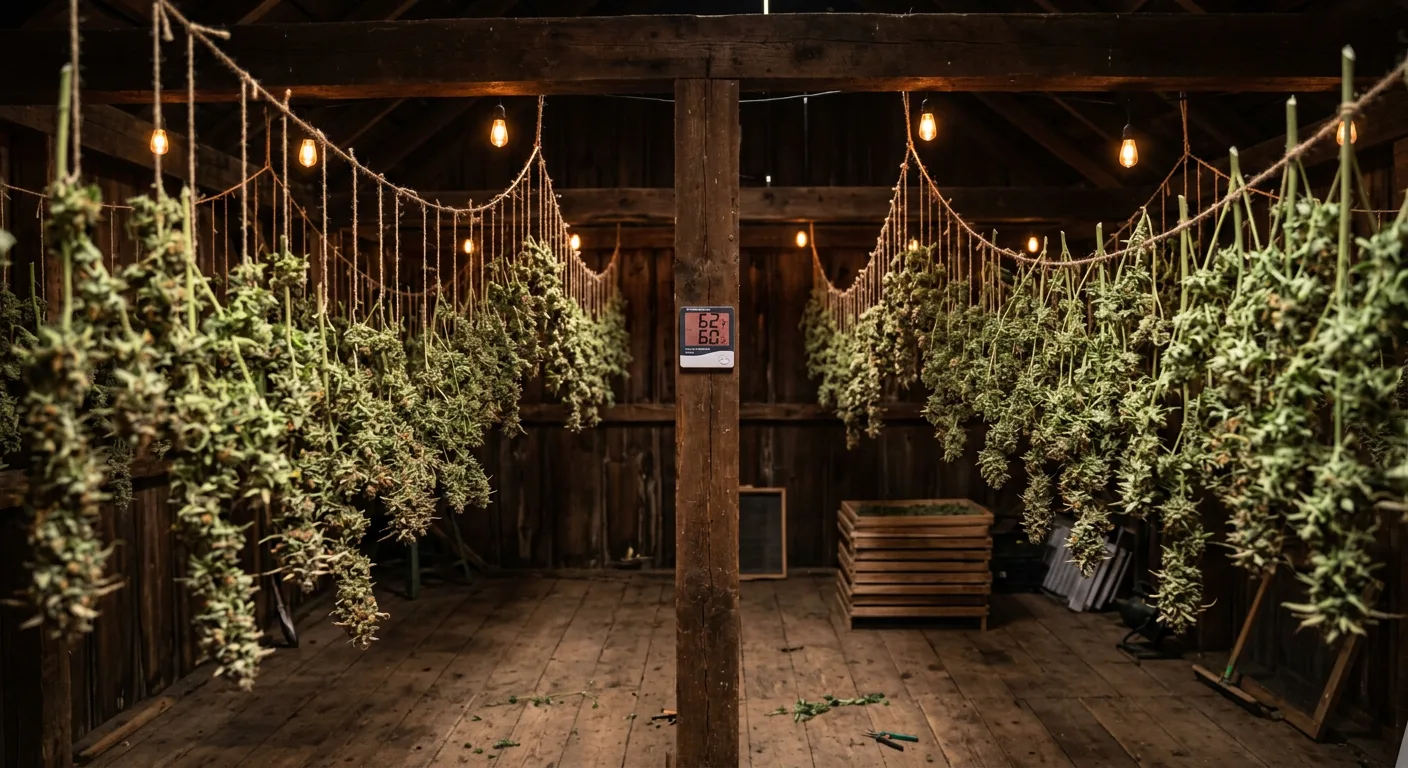
- Temperature: 60–65°F (15–18°C) — never above 70°F
- Relative humidity: 55–65% — use our VPD calculator to dial in the vapor pressure deficit during drying
- Duration: 10–14 days minimum for whole-branch drying — slower is better for terpene retention
- Light: complete darkness throughout the drying period
- Airflow: gentle, indirect — no fans blowing directly on buds
For a complete breakdown of drying timelines, humidity control, and burping schedules, see our cannabis drying and curing guide. And for the RH management science behind maintaining these conditions, refer to our humidity control and VPD guide.
The Curing Phase: Terpene Esterification and Smoothness
Proper curing does more than just dry cannabis — it allows enzymatic reactions to convert harsh chlorophyll compounds and convert some terpene precursors into their aromatic final forms through esterification reactions. This is why properly cured flower smells different — often more complex and rounded — than freshly dried flower.
- Cure in sealed glass mason jars at 60–62°F (15–17°C)
- Burp jars for 5–10 minutes twice daily for the first 2 weeks
- After 2 weeks, reduce burping to once every 2–3 days
- Minimum cure time for full terpene development: 4 weeks. Six to eight weeks produces noticeably more complex aroma profiles in premium cultivars
- Store long-term in a cool (55°F), dark location — a dedicated wine fridge works well
Caution: Boveda or Integra humidity packs are useful for long-term storage but should not replace proper drying and curing. Using humidipacks to shortcut an under-dried crop traps water near the bud surface and creates conditions for mold. Always dry completely first. Check our mold prevention guide for warning signs.
Genetics: The Ceiling That Growing Techniques Cannot Exceed
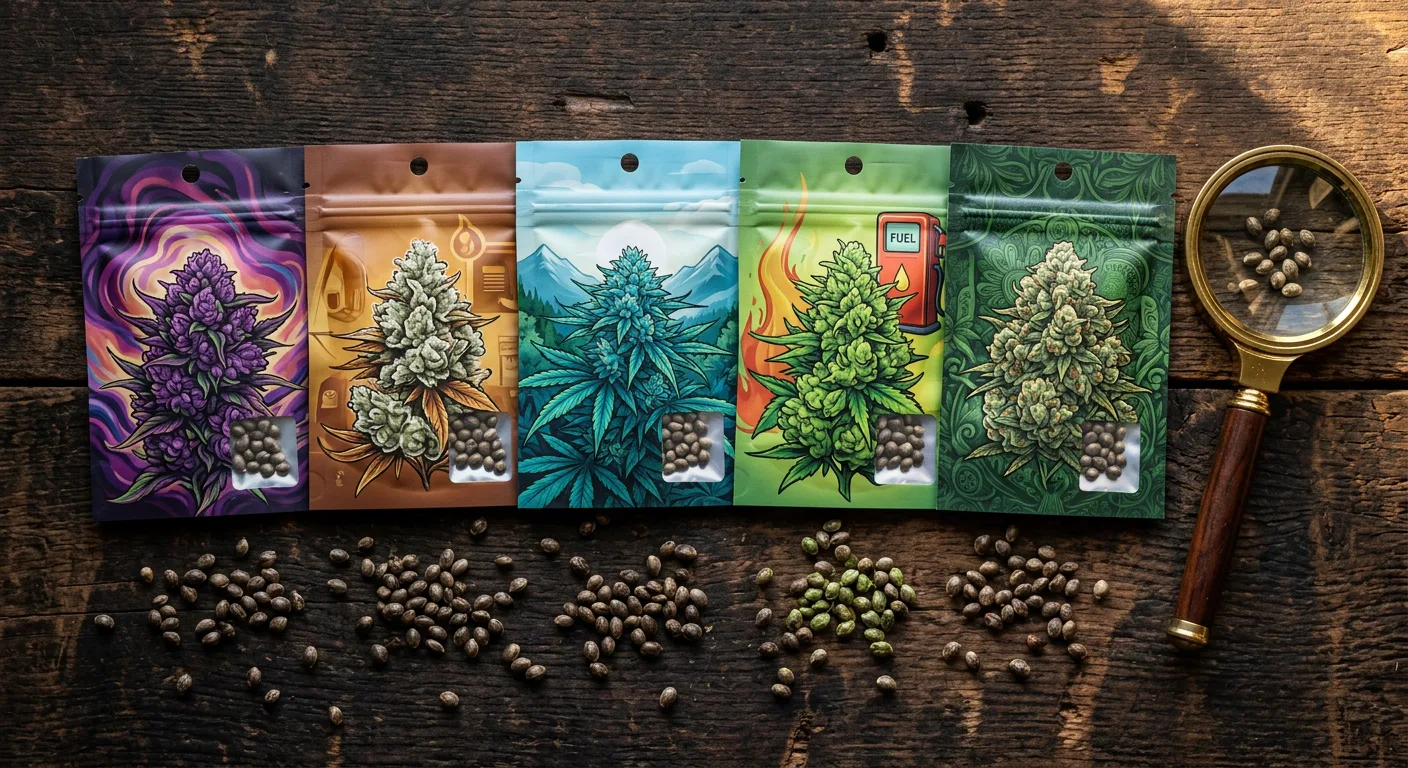
Every technique in this guide works within the ceiling set by genetics. A cultivar with low TPS gene expression for limonene synthase will never produce a limonene-dominant profile regardless of how much UV-B you apply. Choosing genetics with naturally high terpene expression — particularly in flavor-forward and exotic cultivar families — is the foundation everything else builds on.
What to Look for in High-Terpene Genetics
When selecting strains for terpene intensity, look for these indicators:
- Documented terpene testing data showing >2% total terpene content by dry weight
- Trichome density descriptions from growers — strains described as 'frosted,' 'resinous,' or 'coated' typically have high TPS activity
- Complex, layered aroma in the parent genetics — terpene diversity is partly heritable
- Sativa-dominant Haze lineages tend toward limonene and terpinolene dominance; indica-leaning Kush lines tend toward myrcene and caryophyllene
Terpene-Rich Cultivars Worth Growing
Several classic genetics have proven high-terpene profiles backed by decades of cultivation data. Gelato, Wedding Cake, Zkittlez, and Runtz are currently among the most terpene-forward cultivars on the market, with Gelato regularly testing above 3% total terpenes in laboratory analysis. Sour Diesel has maintained its reputation for a powerful, fuel-forward terpene profile driven by limonene and myrcene for over 30 years.
For cultivars available to grow yourself, Sour Diesel Feminized delivers that diesel-citrus terpene signature with 24% THC potential and a long but rewarding flowering period. OG Kush Feminized is a benchmark myrcene-dominant cultivar with a complex earthy-pine-citrus profile that makes it one of the most referenced terpene standards in the industry. Super Lemon Haze Feminized (23% THC) expresses an exceptionally high limonene content, making it an ideal choice if you are following the UV-B protocol above — limonene synthase responds strongly to UV-B upregulation.
White Widow Feminized has earned its legendary status partly through extreme trichome coverage and a complex monoterpene profile mixing pinene, myrcene, and caryophyllene. New York Power Diesel Feminized carries Sour Diesel heritage and expresses a pungent, fuel-forward terpene profile well-suited to aggressive late-flower stress protocols. For Haze-lineage terpene complexity — floral, citrus, and spiced — Northern Lights x Amnesia Haze Feminized combines the resin production capacity of Northern Lights with the terpene diversity of Amnesia Haze parentage.
If you prefer autoflowering genetics, Skywalker OG Autoflower brings OG Kush-derived terpene character into a more compact, faster lifecycle — highly responsive to UV-B and cool-night protocols even within its shorter flowering window. Tangerine Haze Feminized expresses an unusual citrus-forward terpene suite dominated by limonene and valencene, making it a standout for growers chasing fruit-forward aroma profiles.
Grower's Tip: Use our yield estimator alongside your strain selection process — high-terpene cultivars sometimes trade some raw yield for quality, and setting realistic yield expectations from the start makes for better grow planning overall.
Terpenes and the Entourage Effect: Why This Science Matters Beyond Aroma

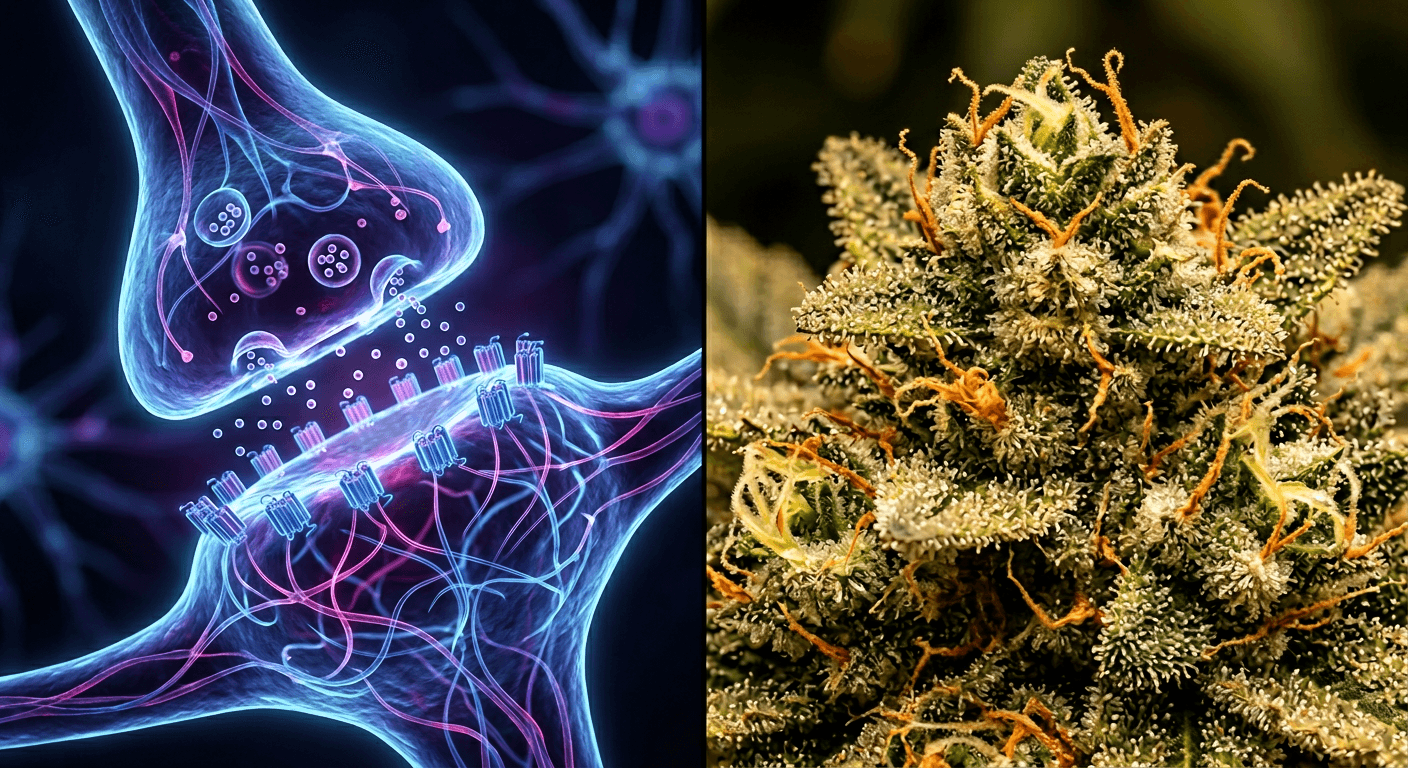
The biological significance of terpene biosynthesis in cannabis extends well beyond fragrance. The concept of the entourage effect — the modulation of cannabinoid activity by terpenes and other plant compounds — is rooted in the same molecular biology described throughout this article. Terpenes like beta-caryophyllene bind directly to CB2 receptors, while myrcene appears to influence the permeability of the blood-brain barrier to cannabinoids.
Understanding the endocannabinoid system as a whole helps contextualize why terpene profile matters for effect. Visit our endocannabinoid system pillar guide for a comprehensive breakdown of how cannabinoids and terpenes interact with human physiology. The connection between terpene biosynthesis in the plant and receptor pharmacology in the human body is one of the most exciting frontiers in cannabis science.
Maximizing terpene biosynthesis is not just about producing better-smelling cannabis — it is about producing cannabis with a richer, more complete chemical profile. Every additional terpene compound you preserve through smart growing and post-harvest handling represents more potential for nuanced effects through the entourage mechanism.
Putting It All Together: Your Terpene-Maximization Checklist
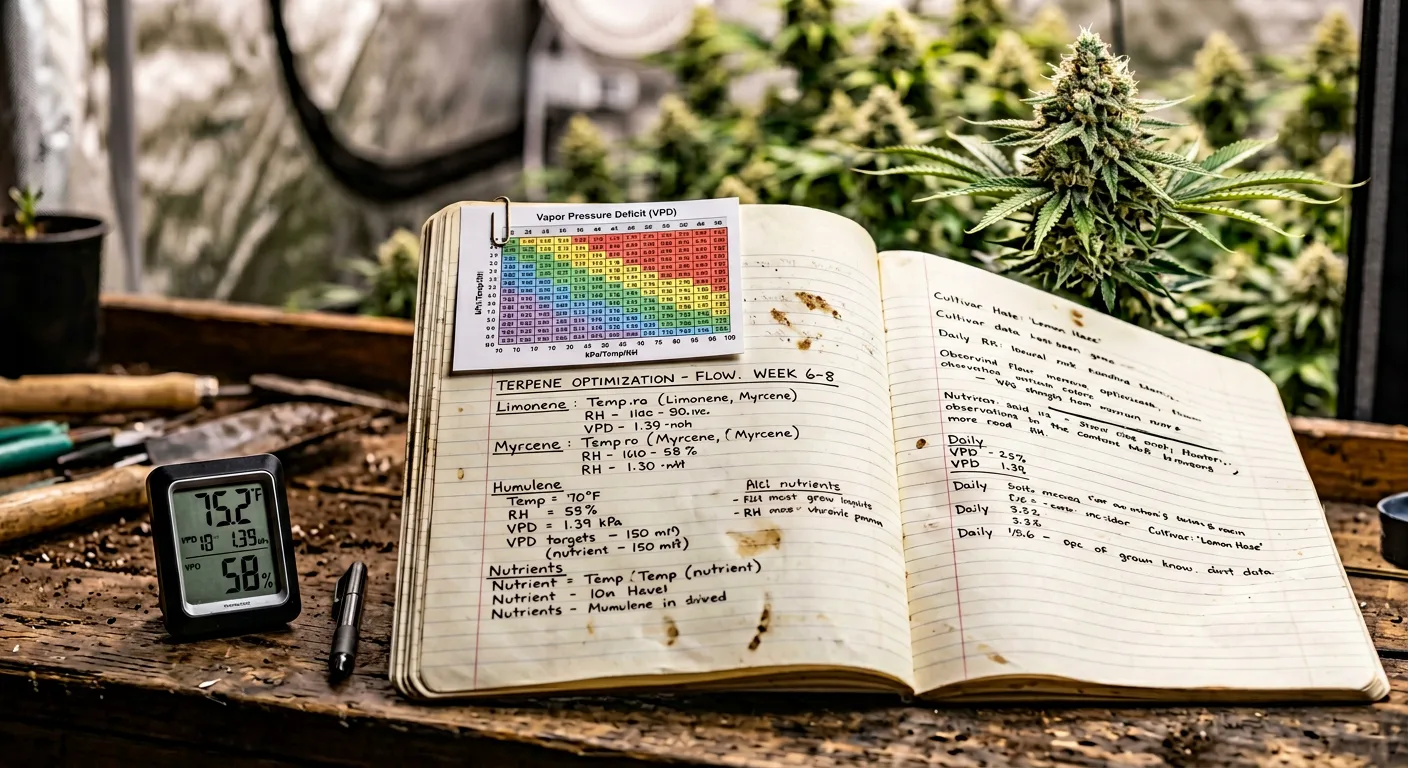
Every technique and protocol in this guide boils down to a single principle: give your plant the right signals, at the right time, and its own biochemical machinery will do the work. Here is the complete reference checklist organized by phase.
Genetics and Setup Phase
- Select genetics with documented high terpene expression
- Source full-spectrum LED or HPS lighting with optional UV-B supplement capability
- Install a programmable thermostat for day/night temperature control
- Set up a sealed drying room with independent humidity and temperature control
- Acquire glass mason jars for curing before harvest
- Use our grow planner to map your intervention timeline
Vegetative and Early Flower Phase (Weeks 1–3)
- Optimize light intensity and spectrum for maximum photosynthesis (fuels MEP pathway)
- Maintain nitrogen at appropriate vegetative and early-bloom levels
- Keep temperatures at 75–80°F day / 70–72°F night
- Build strong, healthy trichome infrastructure through stress-free growing
- Begin transitioning to bloom-specific nutrients at week 2 of flower
Peak Flowering Phase (Weeks 4–6)
- Introduce UV-B supplementation at 2 hours/day from week 4
- Increase UV-B to 3–4 hours/day by week 5
- Begin nighttime temperature drop to 62–68°F
- Drop nitrogen to near-zero; shift to PK-heavy finish formula
- Reduce watering frequency by 20% compared to peak bloom
- Monitor trichomes every 2–3 days
Late Flower and Pre-Harvest (Weeks 7–8)
- Continue UV-B, cool nights, zero nitrogen
- Apply mild drought stress — extend dry-down period between waterings
- Begin plain-water flush if growing in soil or coco
- Optional: 24–48 hour pre-harvest dark period
- Harvest at peak trichome maturity (mostly cloudy, 10–30% amber)
- Harvest in early morning, before lights-on heat raises volatilization rates
Drying and Curing Phase
- Dry whole branches at 60–65°F, 55–65% RH in complete darkness
- Avoid direct airflow on buds
- Target 10–14 day drying period — do not rush
- Cure in sealed glass jars at 60–62°F
- Burp twice daily for first 2 weeks
- Minimum cure: 4 weeks. Optimal: 6–8 weeks for complex cultivars
- Store finished flower at 55°F in darkness
The science of cannabis terpene biosynthesis gives growers something most cultivation guides never provide: a reason behind every technique. When you understand that UV-B upregulates TPS gene expression, that drought stress activates ABA pathways, and that cool nights reduce terpene volatilization, you can adapt these principles to any strain, any setup, and any situation — rather than following tips blindly.
Frequently Asked Questions
How does cannabis produce terpenes?
Cannabis produces terpenes primarily in the secretory cells of capitate-stalked trichomes using the MEP (methylerythritol phosphate) pathway. This pathway converts simple photosynthesis-derived molecules (pyruvate and G3P) into IPP and DMAPP building blocks, which are then assembled into GPP (the monoterpene precursor) or FPP (the sesquiterpene precursor). Terpene synthase enzymes then convert these precursors into specific terpenes like myrcene, limonene, pinene, and beta-caryophyllene.
What growing conditions increase terpene production in cannabis?
The four most effective environmental levers for increasing terpene production are: UV-B light supplementation (2–4 hours/day from week 4 of flowering), nighttime temperature drops of 10–15°F in late flowering, mild drought stress in the final 2 weeks before harvest, and reducing nitrogen to near-zero after week 4 of flower. These stressors work by upregulating terpene synthase gene expression through distinct signaling pathways — UV stress, ABA drought signaling, cold signaling, and carbon flux redirection respectively.
Does UV light really increase terpenes in cannabis?
Yes — specifically UV-B radiation (280–315 nm) has been shown to increase trichome density and terpene synthase expression as part of the plant's photoprotective defense response. Standard grow lights emit little to no UV-B. Dedicated T5 UVB reptile-style lamps or horticultural UV-B strips, run for 2–4 hours daily from week 4 of flowering, consistently produce measurable improvements in trichome coverage and aroma intensity. UV-A (315–400 nm, included in many LED grow lights) does not produce the same response.
What is the difference between monoterpenes and sesquiterpenes in cannabis?
Monoterpenes are 10-carbon terpenes built from GPP and include myrcene, limonene, pinene, and linalool. They are highly volatile, producing the sharp, bright, top-note aromas of cannabis. Sesquiterpenes are 15-carbon molecules built from FPP and include beta-caryophyllene and humulene. They are heavier, less volatile, and produce deeper, spicier, more persistent base-note aromas. Both classes are synthesized in trichome secretory cells but through different terpene synthase enzymes acting on different precursors.
How do you preserve terpenes during drying and curing?
The four keys to terpene preservation post-harvest are: temperature (keep drying at 60–65°F, never above 70°F), humidity (maintain 55–65% RH throughout drying), light exclusion (cure in complete darkness), and oxygen control (seal in glass jars during curing, burping daily for the first 2 weeks). A slow 10–14 day dry followed by a minimum 4-week cure in glass dramatically reduces terpene loss from volatilization, oxidation, and enzymatic degradation.