Your brain made its own version of THC 600 million years before the cannabis plant evolved. That molecule — anandamide — sits at the center of one of the most important signaling networks in your body, and understanding it fundamentally changes how you think about anandamide cannabis interactions. It is not that THC hijacks a foreign receptor system. It is that THC borrows keys your body already uses every single day.
For cannabis growers, this is more than a curiosity. The strains you choose to cultivate, the terpene profiles you chase, and the THC levels you breed toward all interact directly with this ancient molecular pathway. This guide unpacks the science, the deficiency debate, and the practical growing decisions that follow.
What Is Anandamide? The Bliss Molecule Explained
Anandamide (AEA) is an endogenous cannabinoid — a lipid-based neurotransmitter your body produces on demand from membrane phospholipids. Its name comes from the Sanskrit word ananda, meaning bliss, and from the amide chemical group in its structure. Discovered in 1992 by Dr. Raphael Mechoulam and Dr. William Devane at Hebrew University, it was the first endogenous cannabinoid ever identified in the human brain.
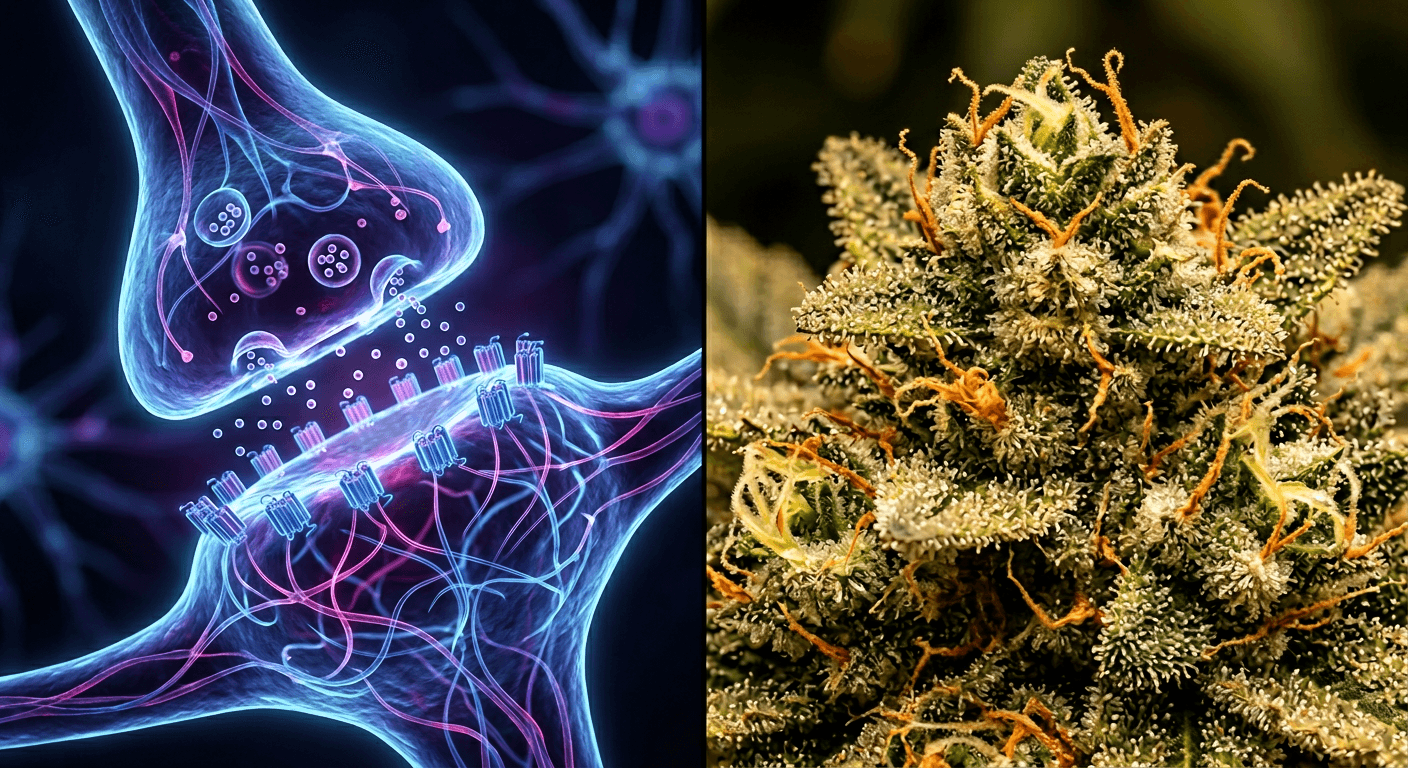
Unlike most neurotransmitters that are stored in vesicles and released in bulk, anandamide is synthesized on the spot, travels backward across synapses (retrograde signaling), and is broken down almost immediately by the enzyme fatty acid amide hydrolase (FAAH). This makes it a fast, precise, local signal rather than a sustained, system-wide message.
Anandamide is your brain's own cannabis-like molecule. It is made from fat, travels backward across nerve synapses, binds to CB1 receptors, and regulates mood, pain, appetite, and memory — before being destroyed within minutes by the FAAH enzyme.
The Chemical Structure: Why It Mirrors THC So Closely
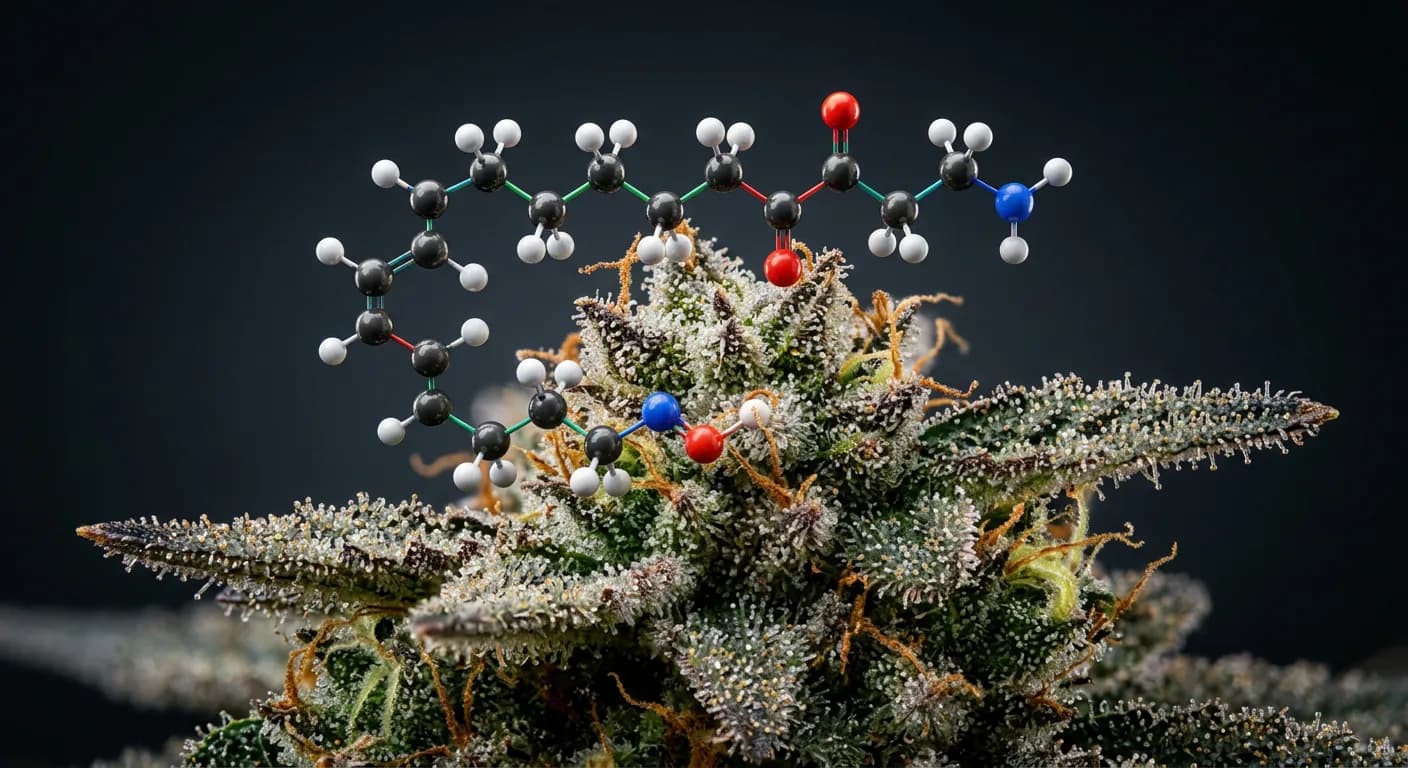
Anandamide (arachidonoylethanolamide) and THC (delta-9-tetrahydrocannabinol) share a remarkable structural relationship. Both molecules feature a long, flexible carbon chain with a specific three-dimensional shape that fits CB1 receptors. Both are lipophilic (fat-soluble), which allows them to pass through cell membranes with ease. This is not coincidence — it is convergent molecular evolution.
The critical difference is the polar head group. Anandamide carries an ethanolamide group; THC carries a phenolic ring system. These structural differences affect how tightly each molecule binds to CB1 and how quickly the body can metabolize them. THC's rigid ring structure resists enzymatic breakdown, explaining why plant-derived THC produces effects lasting hours while endogenous anandamide signals last only minutes.
Where in the Brain Does Anandamide Act?
Anandamide binds to CB1 receptors, which are densely concentrated in the basal ganglia, hippocampus, cerebellum, cerebral cortex, and limbic system. CB2 receptors — primarily found in immune tissue — also respond to AEA, though with lower affinity. This receptor distribution explains why both anandamide and THC affect motor control, memory formation, emotional processing, and pain perception simultaneously.
- Hippocampus: Memory consolidation and spatial navigation
- Amygdala: Fear response, emotional memory, anxiety modulation
- Basal ganglia: Movement coordination and reward signaling
- Prefrontal cortex: Decision-making, focus, executive function
- Spinal cord/PAG: Pain gate modulation and analgesia
For a complete breakdown of how CB1 and CB2 receptors differ and why strain selection matters, see our CB1 vs CB2 Receptors: Strain Selection Guide for Growers.
Is Anandamide the Same as THC? A Direct Molecular Comparison
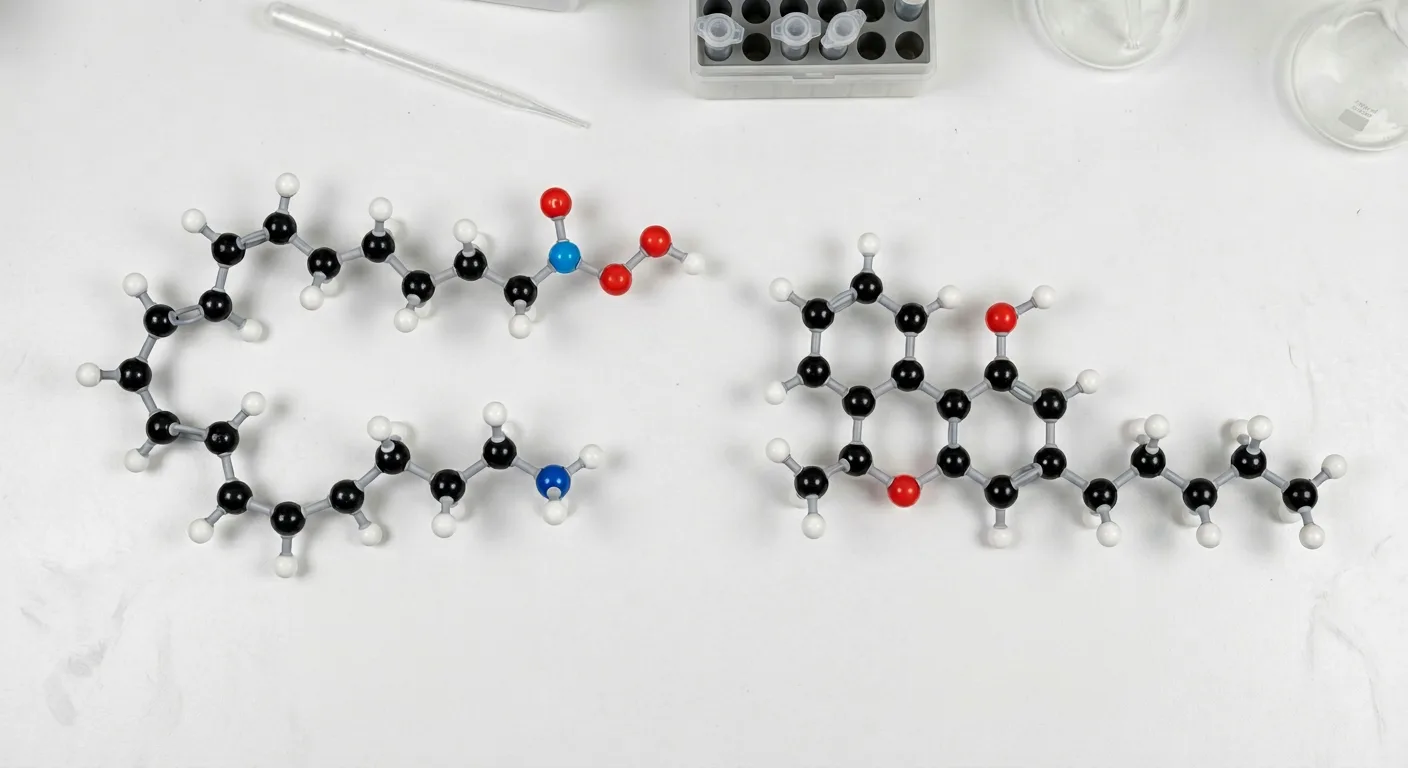
Anandamide and THC are not the same molecule, but they are functional analogs — two different keys that fit the same lock. Both activate CB1 receptors, both produce euphoria, appetite stimulation, and pain relief, and both are fat-soluble. The differences are in binding affinity, metabolic stability, and the downstream receptor responses they trigger.
| Property | Anandamide (AEA) | THC (Delta-9) |
|---|---|---|
| Origin | Endogenous (made by body) | Exogenous (cannabis plant) |
| CB1 Binding Affinity (Ki) | ~61–543 nM (partial agonist) | ~40 nM (partial agonist) |
| CB2 Affinity | Moderate (Ki ~1900 nM) | Moderate (Ki ~36 nM) |
| Metabolic Half-Life | ~2 minutes (FAAH degradation) | ~4 hours (plasma), days in fat |
| Solubility | Lipophilic | Lipophilic |
| Intoxication Duration | Brief, subtle | 1–4 hours (smoked/vaporized) |
| Degrading Enzyme | FAAH | CYP450 hepatic enzymes |
| Other Receptor Targets | TRPV1, GPR55, PPARs | GPR18, GPR55, PPARγ |
Science insight: Both anandamide and THC act as partial agonists at CB1 — they activate the receptor without fully saturating it. This partial agonism is actually why neither molecule causes the respiratory depression seen with opioids, which are full agonists at lethal doses. The endocannabinoid system simply does not have CB1 receptors in brainstem respiratory control centers in significant numbers.
Why THC Lasts So Much Longer Than Anandamide
The FAAH enzyme is the key to understanding why your own anandamide produces only a fleeting shift in mood while THC delivers a hours-long experience. FAAH (fatty acid amide hydrolase) cleaves anandamide into arachidonic acid and ethanolamine within minutes of its synthesis, terminating the signal rapidly and precisely. THC's rigid bicyclic ring structure makes it nearly invisible to FAAH — the enzyme cannot process it efficiently.
This metabolic resistance is why THC accumulates in adipose tissue and why heavy users can test positive on urine screens for 30+ days. Your own anandamide, by contrast, never builds up. Every time you exercise, fall in love, or eat dark chocolate, you get a brief anandamide surge — and then it is gone. When you consume high-THC cannabis, you are essentially flooding CB1 receptors with a FAAH-resistant anandamide mimic that the body cannot quickly clear.
Tolerance context: Chronic high-THC exposure causes CB1 receptor downregulation — the brain reduces receptor density and sensitivity as a compensatory response. This may temporarily blunt your natural anandamide signaling after a tolerance break period. See our Cannabis Tolerance Break guide for reset protocols.
The Runner's High Connection: Anandamide in Exercise

For decades, endorphins received all the credit for the euphoric buzz that follows intense aerobic exercise. Then, in 2021, a landmark study in Journal of Experimental Biology demonstrated that FAAH knockout mice — mice that cannot break down anandamide — showed significantly higher post-exercise reward behavior, while blocking endorphin receptors had little effect on runner's high. Anandamide, not endorphins, appears to be the primary driver of exercise-induced euphoria in mammals.
This is a topic that lights up Reddit's r/microgrowery and r/trees communities regularly. Users report that combining moderate-intensity exercise with cannabis produces a distinctly different and often more profound experience than either activity alone — a compounding of plant-sourced and activity-sourced CB1 activation. The mechanism is elegantly simple: exercise elevates blood anandamide levels, cannabis adds exogenous THC, and both flood the same receptor network simultaneously.
Growing insight: This runner's high connection is why certain sativa-dominant strains are prized for active use. Strains high in limonene and beta-caryophyllene — like Sour Diesel (24% THC) — are frequently reported to produce a more energetic, movement-friendly experience that may synergize with endogenous anandamide elevation during exercise.
Our detailed guide on Endocannabinoid System & Exercise covers this intersection in full, including the specific exercise intensity thresholds that appear to drive the largest AEA elevations.
What Blood Anandamide Levels Tell Us
Research has measured plasma AEA levels across various physiological states. A 2004 study in Neuropsychopharmacology found that intense aerobic exercise (70–80% VO2 max for 30+ minutes) increased blood AEA levels by approximately 2–3 fold in human subjects. Interestingly, low-intensity walking did not produce the same elevation — the anandamide response appears to require a metabolic intensity threshold.
Other documented AEA-elevating states include:
- Sexual arousal and orgasm
- Dark chocolate consumption (cocoa inhibits FAAH activity)
- Meditation and mindfulness practice
- Fasting (short-term caloric restriction)
- Acupuncture (multiple studies suggest FAAH inhibition)
- Certain probiotic strains (gut microbiome-AEA axis)
Endocannabinoid Deficiency: When Anandamide Tone Runs Low
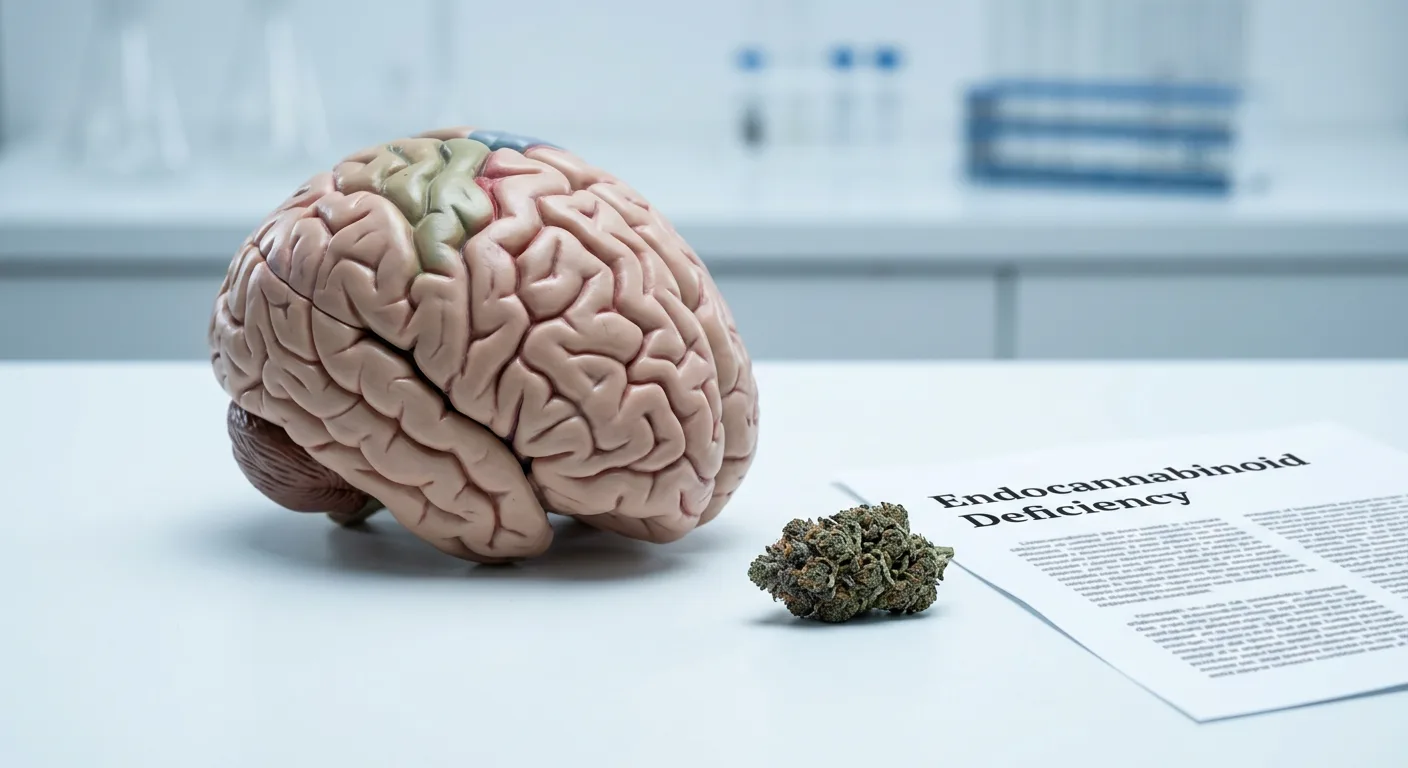
Dr. Ethan Russo introduced the concept of Clinical Endocannabinoid Deficiency (CECD) in a 2004 paper in Neuroendocrinology Letters, and expanded the evidence base in a 2016 review in Cannabis and Cannabinoid Research. His core hypothesis: migraine, fibromyalgia, and irritable bowel syndrome share a common thread of reduced endocannabinoid tone — lower baseline AEA and 2-AG levels that leave the regulatory system chronically under-resourced.
The evidence has grown meaningfully since that initial paper. Studies examining patients with:
- Migraine: Cerebrospinal fluid AEA levels significantly lower than controls in chronic sufferers
- PTSD: Reduced AEA in blood and cerebrospinal fluid; CB1 receptor upregulation as compensation
- Fibromyalgia: Altered FAAH gene expression associated with pain hypersensitivity
- Depression: FAAH inhibitors in preclinical trials show antidepressant-like effects comparable to SSRIs
- Chronic pain: Decreased AEA in skin biopsies from neuropathic pain patients
Endocannabinoid deficiency is not a formally recognized clinical diagnosis, but the research base supporting low anandamide tone as a contributor to migraine, PTSD, fibromyalgia, and chronic pain has grown substantially since 2004. Cannabis may partly compensate by providing exogenous CB1 agonism where endogenous AEA production falls short.
How Cannabis May Compensate for Low AEA Tone
When endogenous anandamide production is insufficient, exogenous THC can step in as a functional substitute — binding the same CB1 receptors that AEA would normally reach. This is the mechanistic foundation for why many chronic pain, PTSD, and migraine patients report cannabis provides relief that conventional medications do not. It is not that cannabis is treating a disease directly; it is potentially restoring a deficient signaling system to functional range.
CBD adds another layer here. Research shows CBD inhibits FAAH activity, slowing the breakdown of whatever anandamide the body does produce. This means CBD-rich strains may indirectly raise anandamide tone without directly binding CB1 in the way THC does — a mechanism that may explain CBD's anxiolytic effects without intoxication.
This connects to the broader endocannabinoid system framework — understanding the full ECS architecture is essential context for making sense of why different cannabinoid ratios produce such different therapeutic profiles.
Why High-THC Strains Produce Stronger Anandamide-Mimicking Effects
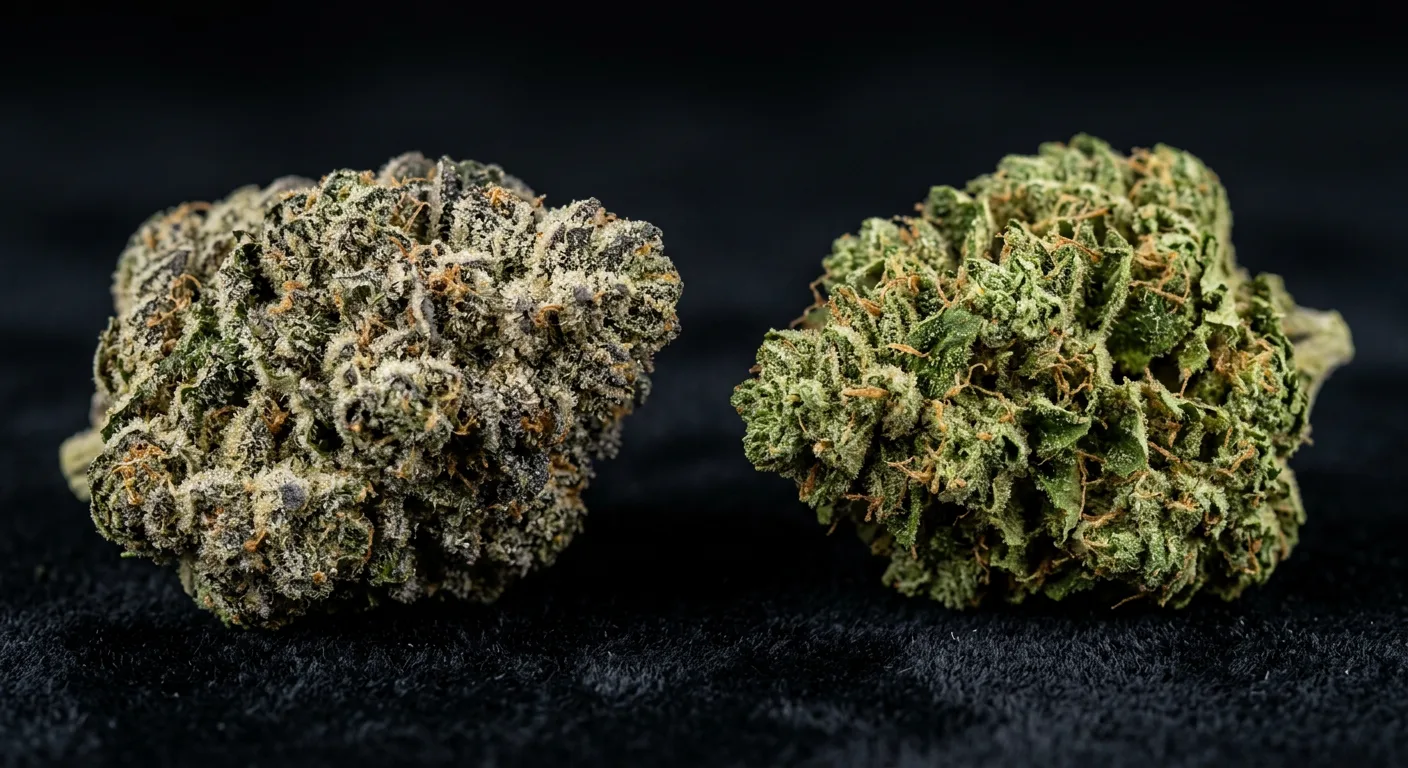
The math here is straightforward. THC occupies CB1 receptors with higher binding affinity and far greater metabolic stability than anandamide. A strain testing at 27% THC like Purple Kush delivers a substantially larger and more sustained CB1 activation signal than a 10% THC cultivar or a CBD-dominant variety where THC is below 1%.
CBD-dominant strains, while valuable for specific applications, provide minimal direct CB1 agonism. CBD's primary cannabinoid receptor interactions are largely antagonistic or modulatory rather than directly activating. This is why CBD alone does not produce intoxication — it does not mimic anandamide's direct CB1 activation the way THC does.
The Potency Spectrum: What Different THC Levels Mean for CB1 Activation
- Under 15% THC: Moderate CB1 activation, subtle AEA-mimicking effect; suitable for low-tolerance users (Purple Power, 10% THC)
- 15–20% THC: Solid CB1 engagement; middle-market potency range (Skunk Red Hair, 18% THC)
- 20–24% THC: Strong AEA-mimicking signal; popular among experienced users (New York Power Diesel, 24% THC)
- 25–27% THC: High-intensity CB1 saturation; fast onset, pronounced effects (White Widow, 25% THC; Black Widow, 26% THC)
- 28%+ THC: Near-maximum CB1 engagement for most users (Quantum Kush, 30% THC reaches this ceiling)
Grower's tip: Beyond raw THC percentage, the presence of minor cannabinoids like CBN, CBG, and THCV modulates how THC interacts with CB1. CBG, for example, acts as a partial CB1 antagonist at higher concentrations — meaning strains with significant CBG content may actually produce a ceiling on the THC effect. Read our CBG: The Mother Cannabinoid guide for the full picture.
High-THC vs CBD-Dominant: A Grower's Perspective on Anandamide Mimicry
If your cultivation goal is maximizing the anandamide-mimicking effect for personal or patient use, growing high-THC strains is the direct path. CBD-dominant strains serve a different purpose — they support the endocannabinoid system indirectly by protecting whatever anandamide is already present (via FAAH inhibition) rather than replacing it at the receptor level.
Think of it this way: high-THC strains are direct CB1 agonists that substitute for anandamide, while high-CBD strains are FAAH inhibitors that preserve and amplify your natural AEA. Both strategies have merit depending on the therapeutic or recreational goal — which is exactly why growers who understand this chemistry make smarter seed selection decisions.
Terpenes, Anandamide Signaling, and the Entourage Effect
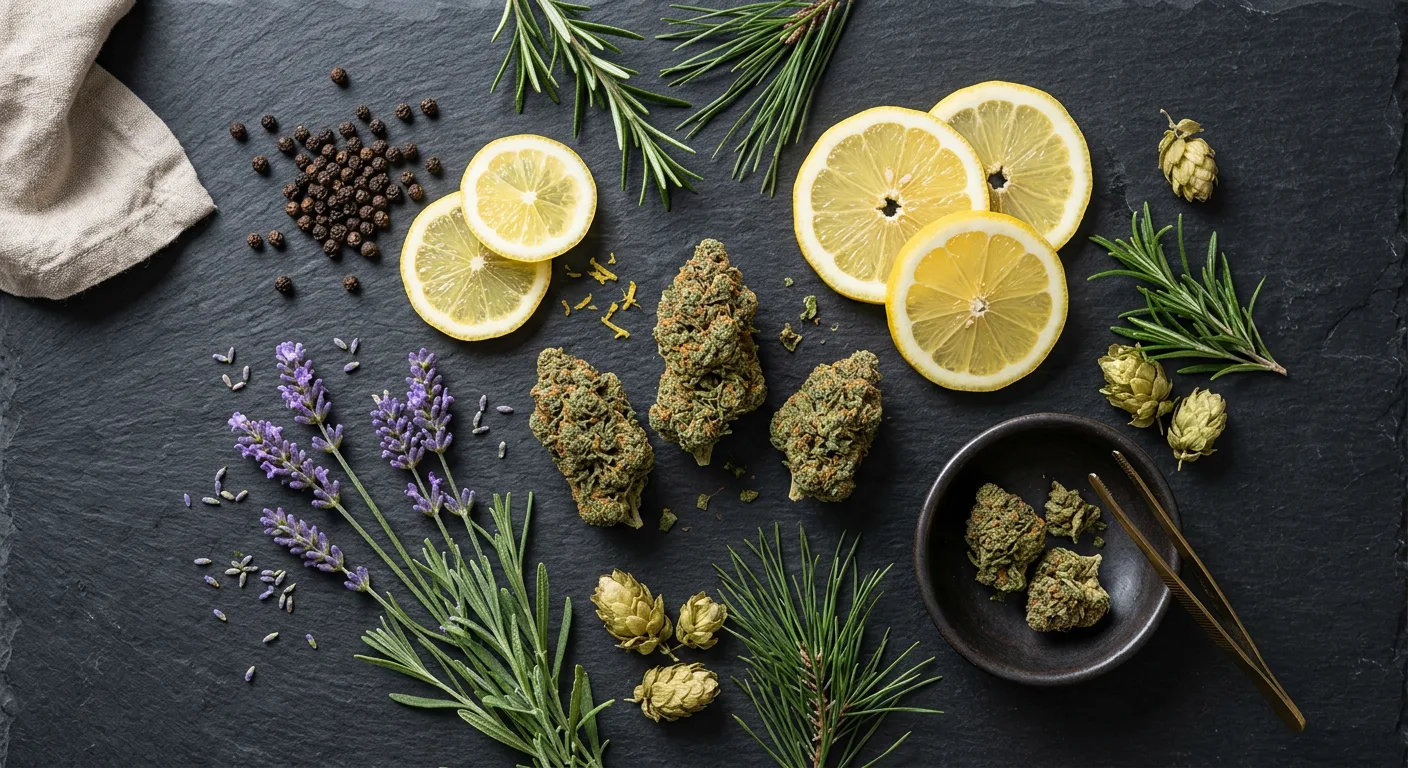
The story gets richer when terpenes enter the picture. Research on the entourage effect — the concept that cannabis compounds work synergistically rather than in isolation — has identified several terpenes that appear to directly influence the anandamide system through mechanisms beyond simply modifying CB1 receptor behavior.
Limonene and Its AEA-Related Mechanisms
Limonene, the dominant terpene in citrus-forward cultivars, has been shown in preclinical research to increase serotonin and dopamine transmission in limbic brain areas — overlapping pathways with anandamide's mood-regulating effects. A 2011 paper in Pharmacology, Biochemistry and Behavior found limonene reduced anxiety in stressed rats, with effects comparable to diazepam. While the mechanism does not operate exclusively through the ECS, the emotional outcome — reduced anxiety, mood uplift — closely mirrors what elevated AEA tone produces.
Strains rich in limonene that growers can cultivate for this profile include:
- Super Lemon Haze (23% THC) — citrus-forward, energetic
- Sour Diesel (24% THC) — fuel-and-citrus, uplifting
- Tangerine Haze (18% THC) — tropical citrus dominant
- Wedding Cake — high limonene expression, ~25% THC
- Gelato — balanced limonene and caryophyllene
Linalool's Anxiolytic Pathway
Linalool — the floral terpene that gives lavender its character — demonstrates anxiolytic and sedative effects through both GABAergic modulation and indirect endocannabinoid pathway interaction. A 2009 study published in Phytomedicine found linalool produced anxiolytic effects in mice via GABA-A receptor modulation, a mechanism that cross-talks with anandamide's own anxiety-reducing action in the amygdala. The combined presence of linalool and anandamide-activating THC in high-quality indica cultivars may explain why these strains are particularly effective for anxiety management.
Strains notable for linalool content include Amnesia Haze crosses, OG Kush phenotypes, and Lavender-lineage hybrids. Our OG Kush (26% THC) carries a terpene profile that typically includes notable linalool alongside myrcene and caryophyllene.
Beta-Caryophyllene: The Terpene That Directly Activates CB2
Beta-caryophyllene is unique among terpenes because it acts as a dietary cannabinoid — it directly activates CB2 receptors rather than just modifying receptor behavior. While CB2 receptors do not bind anandamide with high affinity, beta-caryophyllene's CB2 activation provides complementary anti-inflammatory signaling that works alongside AEA's CB1-mediated effects. This creates a two-pronged endocannabinoid system engagement: THC/AEA at CB1, beta-caryophyllene at CB2.
Science insight: The 2020 review by Russo in Frontiers in Psychiatry specifically highlighted beta-caryophyllene as a 'dietary cannabinoid' capable of producing anti-inflammatory and anxiolytic effects through CB2 without psychoactivity — making it potentially valuable for endocannabinoid tone support without tolerance concerns. Strains like OG Kush and Skywalker OG are typically caryophyllene-dominant.
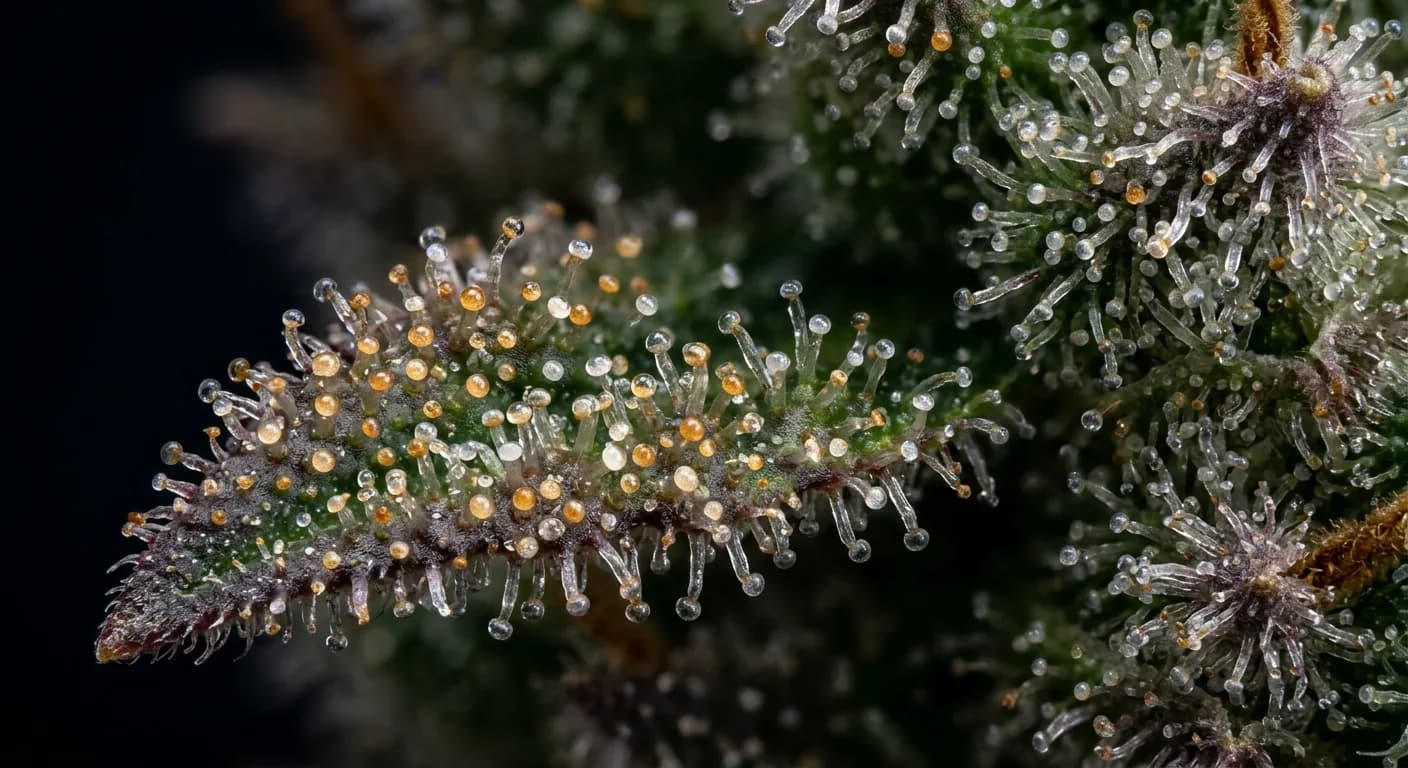
For growers interested in the science behind how terpenes interact with cannabinoid receptors, our Cannabis Trichome Biology guide explains exactly where and how terpenes are synthesized alongside cannabinoids in the resin glands.
Endocannabinoid Tone and Practical Strain Selection for Growers
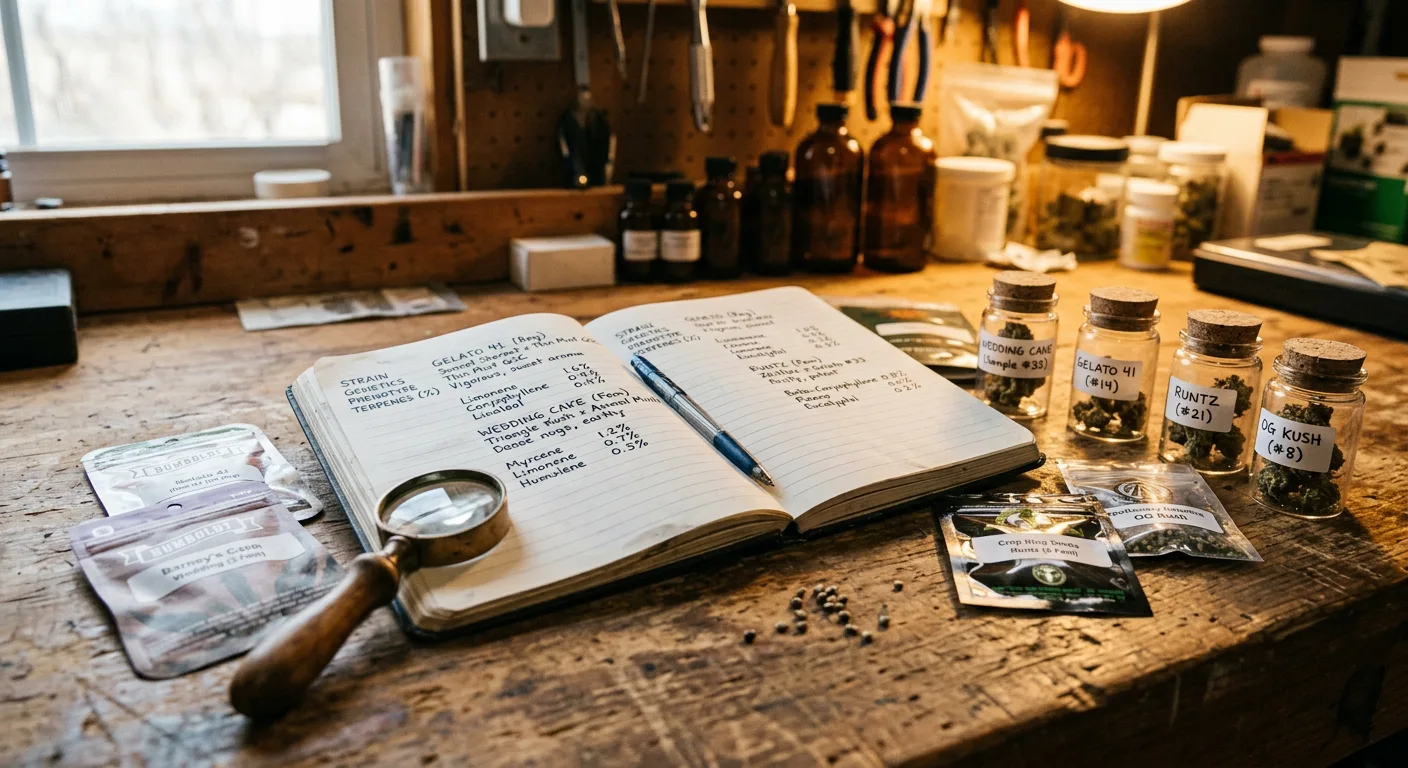
Understanding anandamide's role transforms strain selection from a potency-chasing exercise into a systems-biology decision. Different end users have different endocannabinoid baseline states — and the right cultivar depends on whether the goal is to supplement deficient AEA tone, to complement healthy AEA with THC synergy, or to modulate the system gently without overwhelming it.
Strain Selection Framework by AEA Profile Goal
Maximizing Direct CB1 Anandamide-Mimicry
Choose high-THC strains (22%+) with myrcene-forward terpene profiles for maximum CB1 occupancy and sedative-relaxation outcomes. Options include Papaya (25% THC), Northern Lights x Big Bud (20% THC), and Purple Kush (27% THC).
Supporting Anandamide Preservation (AEA + FAAH Inhibition)
Grow strains with meaningful CBD content alongside moderate THC. Balanced 1:1 or 2:1 CBD:THC ratios leverage CBD's FAAH-inhibiting properties to protect endogenous AEA while THC provides direct CB1 activation. Swiss Miss (15% THC) or similar moderate-potency cultivars work well here.
Terpene-Assisted Entourage Enhancement
Select strains rich in limonene, linalool, and beta-caryophyllene to amplify anandamide-adjacent pathways. Super Lemon Haze (23% THC), Blueberry Haze (20% THC), and Zkittlez (industry strain, ~20% THC, high limonene) all fit this profile.
Microdosing for Subtle AEA Supplementation
Lower-THC cultivars (10–17%) allow micro-level CB1 activation that may nudge endocannabinoid tone without overwhelming it. Purple Power (10% THC) and Swiss Cheese Autoflower (17% THC) are well-suited. Pair with our Microdosing Cannabis guide for protocols.
Cultivation tip: Environmental stress during the late flowering stage — specific light spectrum shifts, slight temperature drops at night — can push terpene expression higher without sacrificing THC content. Use our Grow Planner tool to map late-stage environmental adjustments that optimize both cannabinoid and terpene production simultaneously.
How Growing Conditions Affect Anandamide-Relevant Cannabinoid Output
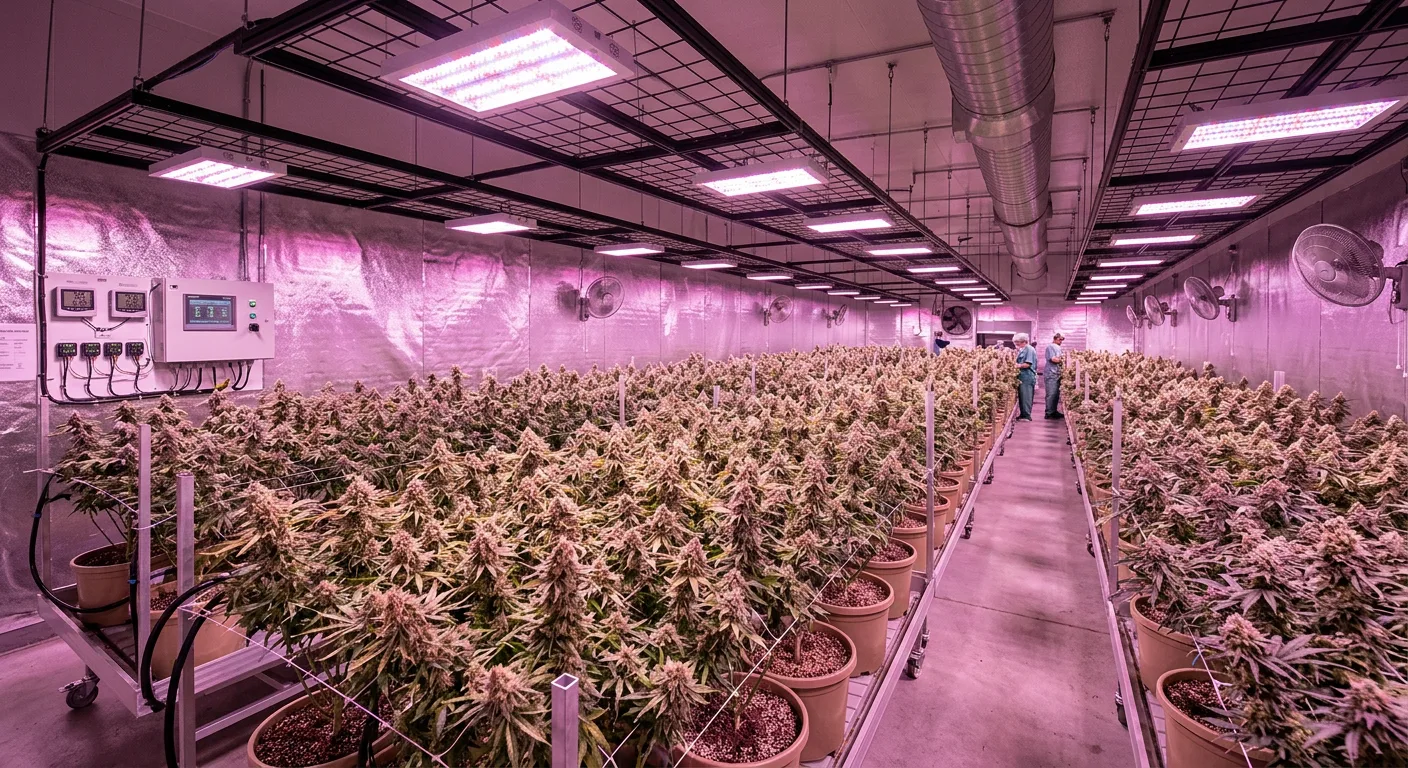
Growing cannabis for maximum anandamide-mimicking potency requires understanding the biosynthesis chain at a plant biology level. THC is synthesized from CBGA (cannabigerolic acid) through enzymatic conversion by THCA synthase, primarily in glandular trichomes on the flower's surface. Conditions that stress trichome production also stress cannabinoid yield — making cultivation environment a direct variable in the final CB1-activation potential of your harvest.
Key Variables That Affect THC (and Therefore AEA-Mimicry) Output
- Light intensity (PPFD 800–1,200 μmol/m²/s during late flower)
- Light spectrum (increased UV-B in final 2–3 weeks may boost trichome density)
- Harvest timing (peak THC at mostly cloudy trichomes with 10–20% amber)
- Temperature management (keep below 80°F / 27°C to prevent THC degradation to CBN)
- Nutrient withdrawal (flushing 7–14 days pre-harvest improves terpene expression)
- Proper drying and curing (THCA → THC conversion is pH and temperature sensitive)
- VPD optimization throughout grow (see our VPD for Cannabis guide)
Degradation warning: Improper drying — temperatures above 90°F or humidity above 65% — accelerates the conversion of THC to CBN (cannabinol). CBN is a much weaker CB1 agonist than THC and produces a sedative rather than euphoric effect. Protect your anandamide-mimicking potency with proper post-harvest handling. Our Drying & Curing guide covers the full process.
Decarboxylation and the THC Activation Step
Raw cannabis contains THCA (tetrahydrocannabinolic acid) — the inactive acid precursor to THC. THCA does not bind CB1 receptors with meaningful affinity and produces no anandamide-mimicking psychoactivity. Heat converts THCA to THC through decarboxylation — a process that must be properly executed whether you are smoking, vaporizing, or making edibles.
Inaccurate decarboxylation temperatures destroy terpenes before THC conversion completes, eliminating entourage effect contributions. Our Decarboxylation science guide provides precise temperature and time windows to maximize both THC yield and terpene retention simultaneously.
Anandamide, Cannabis, and the Future of Cultivation Science
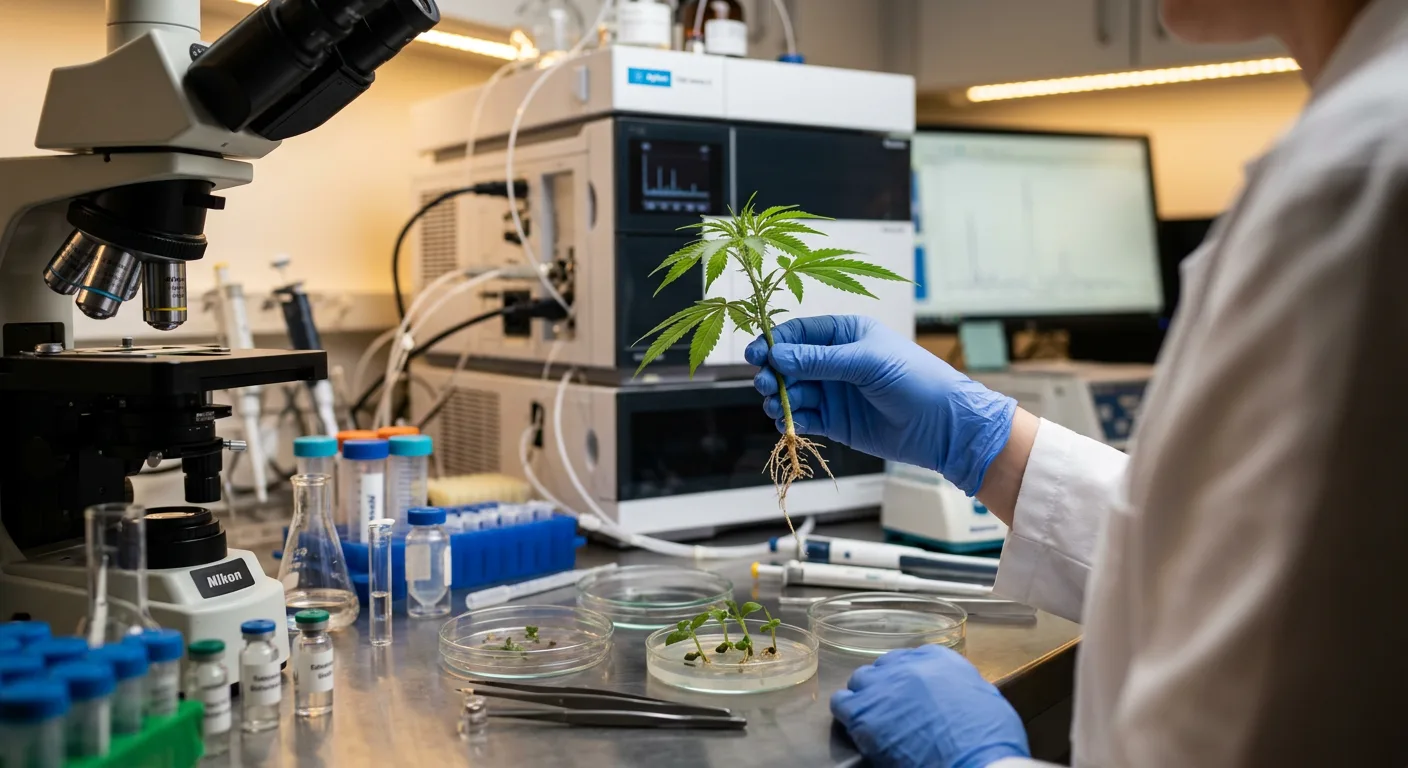
The pharmaceutical industry has invested billions into FAAH inhibitors — drugs designed to elevate natural anandamide levels by blocking its degradation. The most notable was PF-04457845, Pfizer's FAAH inhibitor that showed remarkable results for cannabis withdrawal symptoms in a 2011 clinical trial. While several FAAH inhibitor programs have stalled due to off-target effects (most notably the tragic 2016 BIA 10-2474 clinical trial), the scientific validation of anandamide's role is ironically accelerating cannabis research.
Every clinical finding about FAAH inhibition is, indirectly, a finding about cannabis — because cannabis compounds interact with the same molecular machinery. Growers who understand this intersection are positioned years ahead of those who think about cannabis purely in terms of bag appeal and yield metrics.
The cannabis plant did not evolve THC to get mammals high. THC is an evolutionary product of plant stress-response chemistry that happens to fit a receptor system mammals evolved for endogenous regulation. Every strain you grow is a pharmacological intervention in one of the oldest molecular systems in vertebrate biology. Grow accordingly.
What This Means for the Next Generation of Strain Breeding
Forward-thinking breeders are moving beyond raw THC maximization toward what might be called endocannabinoid system optimization — selecting for specific cannabinoid-terpene profiles that interact with the AEA system holistically. This means pairing high THC with FAAH-inhibiting CBD fractions, stacking CB2-active beta-caryophyllene with CB1-active THC, and optimizing limonene and linalool expression for mood pathway support alongside core receptor activation.
Strains like Northern Lights x Amnesia Haze (24% THC) and White Cookies (22% THC) represent this kind of multi-axis cannabinoid profile — pairing significant THC content with complex terpene signatures that extend the experiential and therapeutic depth beyond raw potency. Compare this against single-dimensional selections from established industry cultivars like GSC (Girl Scout Cookies) or Gorilla Glue, which are valued for both potency and broad terpene complexity.
Use our Yield Estimator and Grow Cost Calculator when planning which high-AEA-profile strains make financial sense for your cultivation setup.
Frequently Asked Questions
What is the bliss molecule?
The bliss molecule is anandamide (arachidonoylethanolamide or AEA) — an endogenous cannabinoid produced naturally by the human brain and body. Its name derives from the Sanskrit word ananda meaning bliss. Anandamide binds to the same CB1 receptors as THC, regulating mood, pain, appetite, and memory, but is broken down within minutes by the FAAH enzyme, making its effects brief and subtle compared to plant-derived THC.
Is anandamide the same as THC?
No, anandamide and THC are not the same molecule, but they are functional analogs — different chemicals that bind to and activate the same CB1 receptors in the brain. Anandamide is produced internally by your body from fat molecules; THC comes from the cannabis plant. The key practical difference is that FAAH enzymes destroy anandamide within minutes, while THC's structure resists this breakdown and remains active for hours.
What causes anandamide deficiency and how does cannabis help?
Endocannabinoid deficiency may result from genetic variations in FAAH enzyme expression, chronic stress, inflammatory conditions, or disrupted gut microbiome function. Conditions associated with low anandamide tone include migraine, PTSD, fibromyalgia, and certain mood disorders. Cannabis may help by providing exogenous THC that activates CB1 receptors in place of insufficient endogenous anandamide, while CBD may further support the system by inhibiting FAAH and preserving whatever anandamide the body does produce.
How do terpenes support anandamide signaling?
Terpenes like limonene, linalool, and beta-caryophyllene influence anandamide-adjacent pathways through several mechanisms. Limonene modulates serotonin and dopamine transmission in limbic regions that overlap with AEA signaling. Linalool activates GABA-A receptors that cross-talk with endocannabinoid anxiety pathways. Beta-caryophyllene directly activates CB2 receptors, providing complementary anti-inflammatory signaling alongside THC's CB1 activation. Together, these terpenes form the entourage effect that makes whole-plant cannabis pharmacologically richer than isolated THC.
Does exercise really raise anandamide levels the same way cannabis does?
Yes, intense aerobic exercise (70–80% of maximum heart rate sustained for 30+ minutes) has been shown to raise blood anandamide levels by 2–3 fold in human studies. Research published in 2021 in the Journal of Experimental Biology demonstrated that the runner's high in mice was driven by anandamide rather than endorphins, as FAAH knockout mice showed higher exercise reward behavior. This means exercise-induced AEA and cannabis-sourced THC activate the same CB1 receptors — explaining why many users report heightened cannabis experiences following vigorous exercise.