Here's a fact that will reframe how you think about every CBD product you've ever bought: the living cannabis plant contains almost no CBD. Every milligram of CBD in your tincture, capsule, or gummy started its life as CBDA — cannabidiolic acid — and was converted by heat. In the CBDA vs CBD debate, we're not comparing two separate compounds so much as two states of the same molecule, and the raw form has a research profile most people have never seen.
CBDA has been quietly accumulating a compelling body of science — particularly around nausea, serotonin receptor activity, and inflammation. Yet the results from this research rarely make it into mainstream cannabis content, which is almost entirely focused on activated CBD. This guide fills that gap with full scientific context, practical growing information, and a clear head-to-head comparison.
What Is CBDA? The Raw Cannabinoid Most People Throw Away
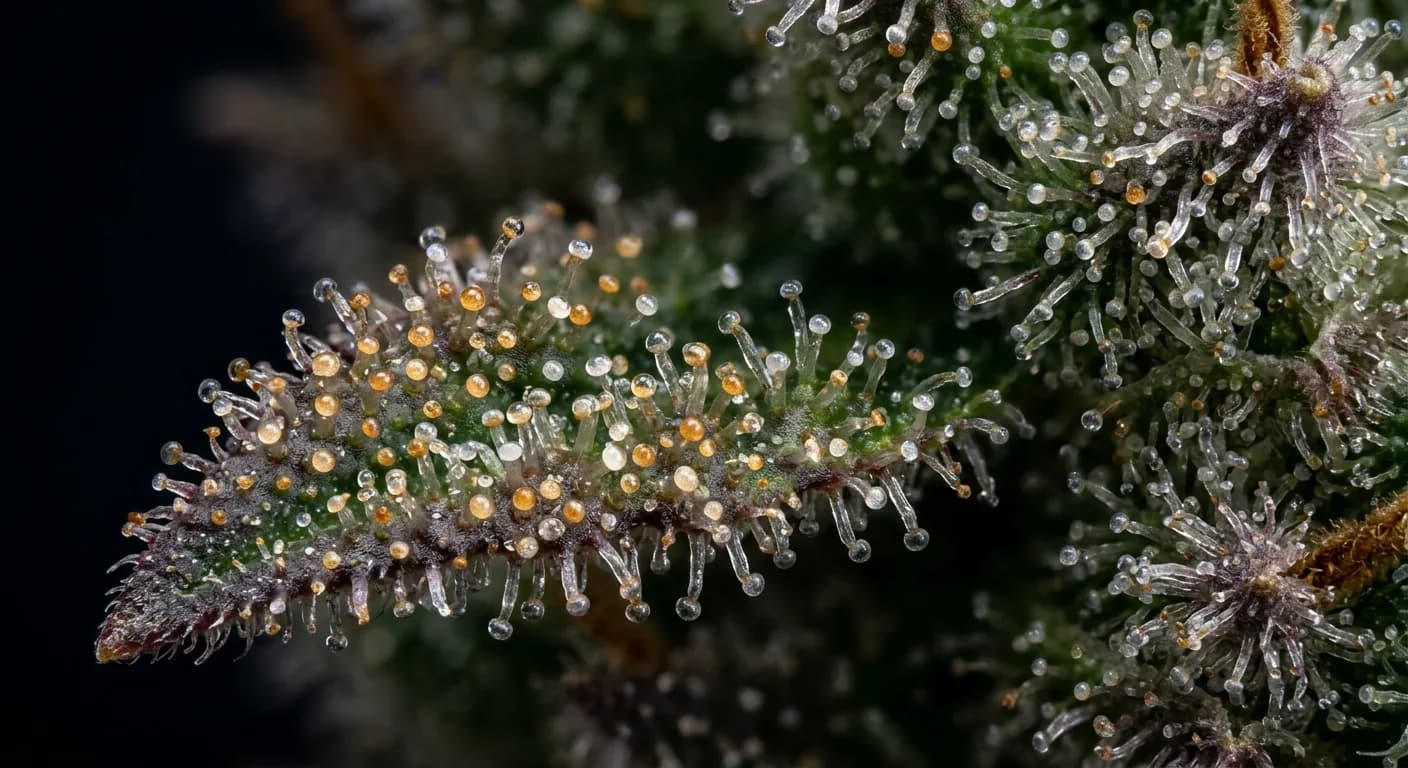
CBDA (cannabidiolic acid) is the acidic precursor to CBD found in raw, unheated cannabis. It forms directly in the trichomes of high-CBD plants and converts to CBD only when exposed to heat or prolonged light — a process called decarboxylation. Most processing destroys it entirely.
To understand why CBDA matters, you need to understand where cannabinoids come from. Inside cannabis trichomes, the plant begins with a single precursor molecule called CBGA (cannabigerolic acid) — often called the "mother cannabinoid." From CBGA, enzyme-driven reactions branch the biosynthesis into three directions.
The Biosynthesis Pathway: CBGA to CBDA
CBGA is converted to CBDA by a specific enzyme called CBDA synthase. In high-CBD strains, the genetics favor CBDA synthase activity, which is why these plants accumulate large amounts of CBDA rather than THCA. Our guide on cannabis trichome biology and cannabinoid production covers the full enzymatic cascade in detail — it's the essential companion read to this article.
The key points of the biosynthesis pathway are:
- CBGA is the universal cannabinoid precursor, synthesized in trichome secretory cells
- CBDA synthase oxidatively cyclizes CBGA into CBDA in high-CBD cultivars
- THCA synthase does the same job in THC-dominant plants, competing with CBDA synthase
- CBCA synthase converts CBGA into CBCA, the precursor to CBC
- All of these acids exist in the raw plant — decarboxylation converts them to their neutral forms (CBD, THC, CBC)
The cannabis plant never synthesizes CBD directly. Every CBD molecule in every product you've ever used was once CBDA. Heat is what causes the conversion — which means CBDA is the natural state and CBD is the processed derivative, not the other way around.
Why Raw Cannabis Is Almost 100% Acidic Cannabinoids
Lab testing of fresh, undried cannabis consistently shows that 95–99% of the cannabinoid content is in acidic form — CBDA, THCA, CBGA, CBCA. Neutral CBD makes up less than 1% of a living plant's cannabinoid profile. This means when you dry, cure, smoke, vape, or cook cannabis, you're performing a fundamental chemical transformation — not just preserving what's there.
Understanding the endocannabinoid system helps explain why this distinction matters: different molecular shapes interact differently with receptors and enzymes throughout the body, and CBDA's unique structure gives it a distinct pharmacological fingerprint.
CBDA vs CBD: The Core Pharmacological Differences
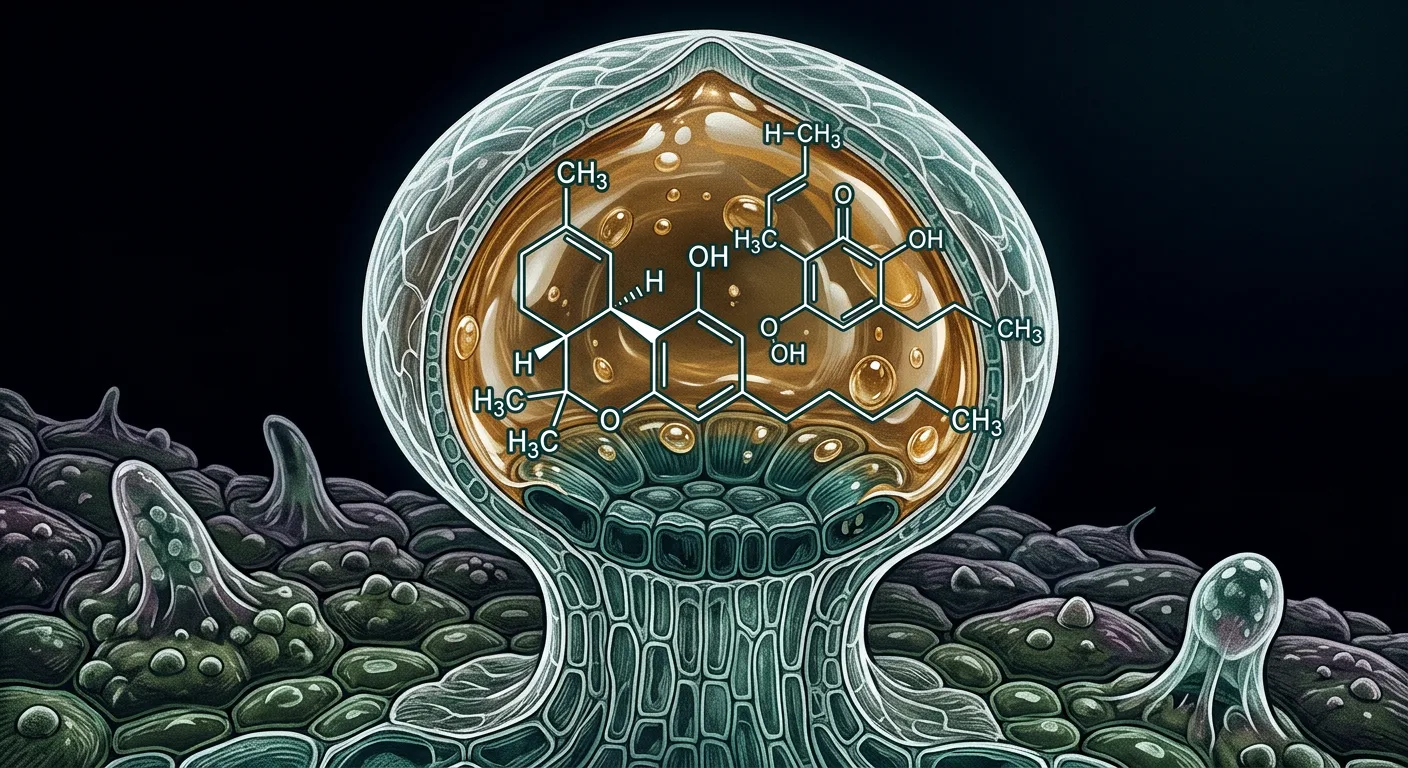
CBDA and CBD have very different pharmacological profiles. CBD is active at dozens of receptor targets throughout the body. CBDA shows minimal activity at CB1/CB2 receptors but demonstrates notably high affinity for 5-HT1A serotonin receptors — in some studies, surpassing CBD's activity at this receptor by a significant margin.
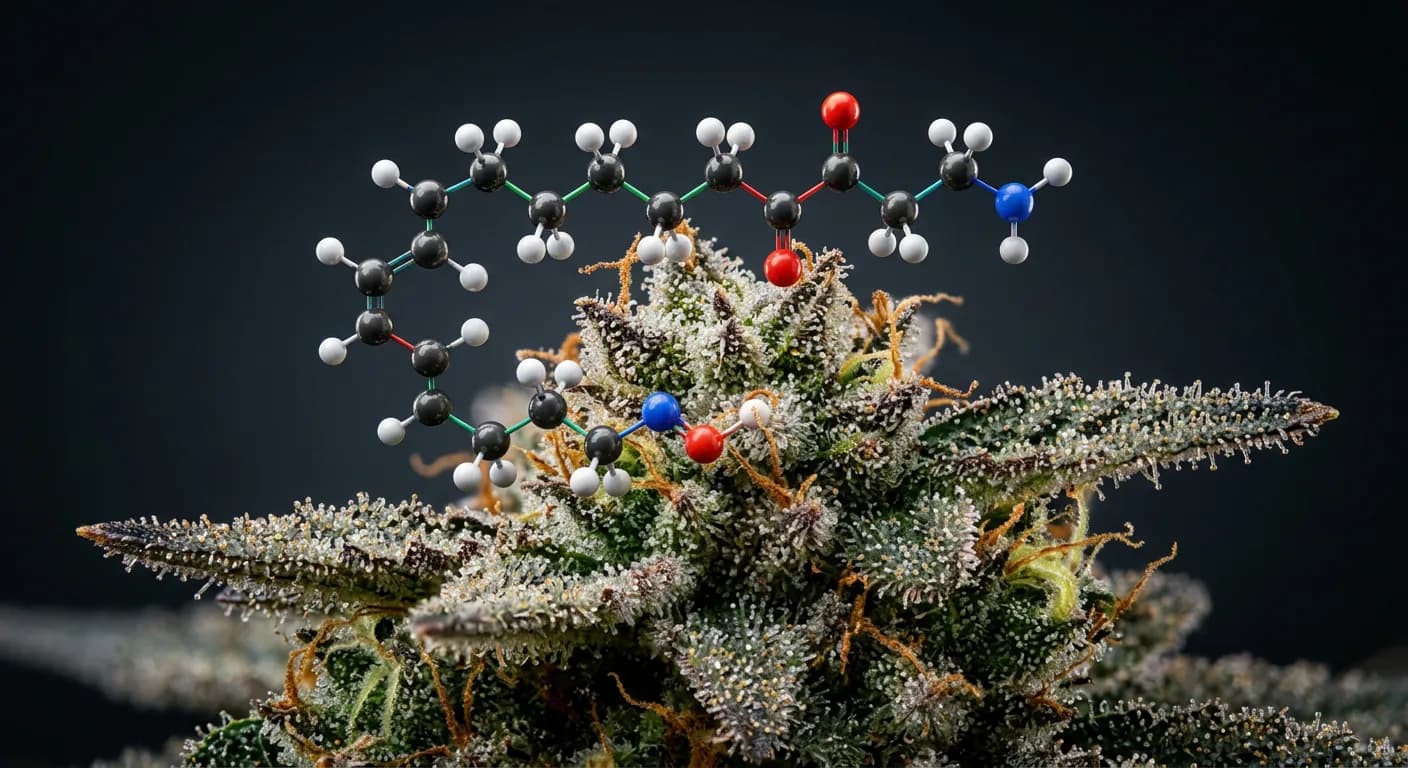
The structural difference between CBDA and CBD is a single carboxyl group (-COOH) attached to CBDA's molecular structure. That one functional group changes everything about how the molecule interacts with biological targets. It also makes CBDA more polar and less lipid-soluble than CBD, which affects how it's absorbed, distributed, and metabolized.
Receptor Binding Comparison
| Receptor / Target | CBDA Activity | CBD Activity | Significance |
|---|---|---|---|
| CB1 (endocannabinoid) | Very low affinity | Low affinity (indirect modulation) | Neither is psychoactive via CB1 |
| CB2 (immune/peripheral) | Very low affinity | Low-moderate affinity | CBD has slight edge for immune modulation |
| 5-HT1A (serotonin) | High affinity (agonist) | Moderate affinity (agonist) | CBDA may outperform CBD here |
| COX-2 (inflammation) | Inhibitor (selective) | Weaker inhibitor | CBDA has NSAID-like pathway activity |
| TRPV1 (pain/heat) | Limited data | Agonist/desensitizer | CBD better studied for pain via TRPV1 |
| PPARγ (metabolism) | Some activity suggested | Agonist | CBD better studied for metabolic effects |
| Bioavailability | Lower oral bioavailability (more polar) | Higher oral bioavailability | CBD easier to formulate for oral use |
CBDA's carboxyl group creates a fundamentally different three-dimensional shape compared to CBD. This shape is what gives CBDA its unusual potency at 5-HT1A receptors while simultaneously reducing its affinity for the CB receptors. The carboxyl group essentially re-routes the molecule's pharmacology toward serotonin pathways.
How CBDA Interacts With the Serotonin System
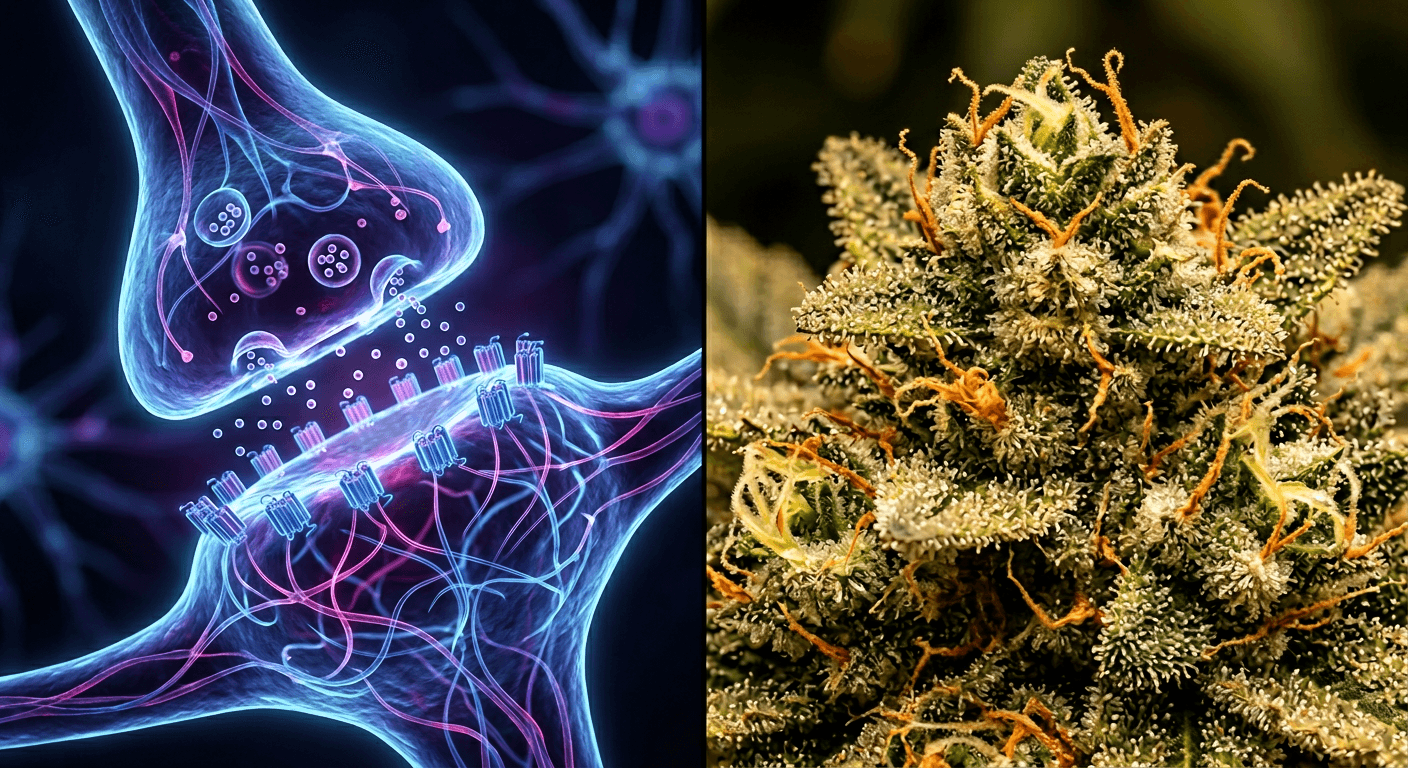
The 5-HT1A receptor is a serotonin receptor subtype that plays a central role in mood regulation, anxiety response, and — critically — nausea and vomiting. Both CBD and CBDA act as agonists at this receptor, meaning they activate it rather than block it. Research by Dr. Linda Parker at the University of Guelph found that CBDA activates 5-HT1A with remarkable potency.
The implications reach further than nausea alone. The 5-HT1A receptor is also a target for anxiolytic (anti-anxiety) drugs, and some researchers have proposed CBDA as a candidate for anxiety and depression research — though human clinical data is still limited. This connects directly to the broader story of how cannabis interacts with the endocannabinoid system and adjacent neurotransmitter networks.
CBDA for Nausea: The Research That Changes Everything
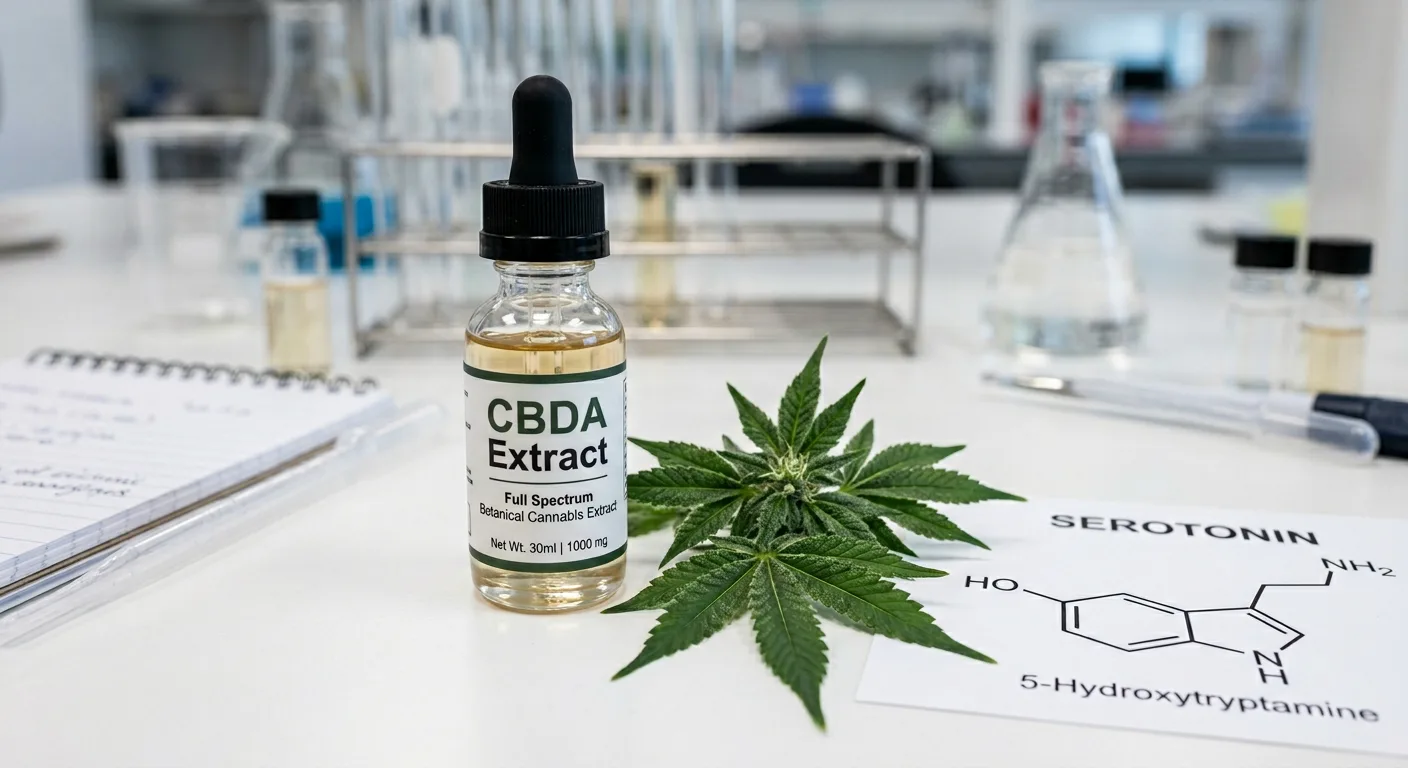
Animal model research shows CBDA reduces nausea and anticipatory nausea at doses approximately 1000 times lower than CBD. CBDA also reduces anticipatory nausea — the conditioned response triggered by environmental cues associated with past nausea — where CBD is largely ineffective. This is the most compelling evidence for CBDA's unique clinical potential.
The lead researcher in this area, Dr. Linda Parker at the University of Guelph, has published multiple studies comparing CBDA and CBD for nausea suppression in rat models. The results are striking enough to have attracted attention from pharmaceutical developers, including GW Pharmaceuticals (now Jazz Pharmaceuticals), which has filed patents on CBDA formulations.
Nausea vs Anticipatory Nausea: An Important Distinction
Standard nausea is the acute reaction to a nauseating stimulus — chemotherapy drugs, motion, food poisoning. Anticipatory nausea is different: it's the conditioned response where cues associated with past nausea (a hospital smell, a particular room, a sound) trigger nausea before any direct stimulus. It's common in chemotherapy patients and notoriously difficult to treat with standard antiemetic drugs.
Key findings from Parker's research program include:
- CBDA reduced acute nausea in rat models at 0.1 µg/kg — compared to CBD's effective dose of approximately 100 µg/kg
- CBDA suppressed anticipatory nausea (conditioned gaping in rats) — a response CBD failed to reduce at equivalent doses
- CBDA's anti-nausea effects were blocked by 5-HT1A antagonists, confirming the mechanism is serotonin-receptor dependent
- GW Pharmaceuticals filed patent WO2017191458 covering CBDA and its derivatives for nausea treatment, validating the pharmaceutical interest
- Combination of CBDA with low-dose CBD showed synergistic effects — suggesting the two compounds may work better together
The 1000x lower effective dose is not a minor pharmacological footnote — it's the kind of potency difference that drives pharmaceutical development. If CBDA data in humans matches animal models, it could be formulated at much lower concentrations than CBD for nausea management, which has major implications for both medicine and consumer products.
What This Means for Cannabis Users and Growers
For people managing chemotherapy-induced nausea, motion sickness, or morning sickness who already use cannabis, the message is clear: if you're consuming activated CBD (in capsules, gummies, or heated extracts), you may be missing the form of the molecule most relevant to nausea. Raw cannabis preparations — juices, cold tinctures, raw capsules — deliver CBDA intact.
For growers, this creates a genuinely novel use case: harvesting fresh cannabis specifically for CBDA preservation, rather than drying and curing for conventional use. We'll cover exactly how to do that in the preservation section below.
CBDA and COX-2 Inhibition: The Anti-Inflammatory Angle
CBDA inhibits COX-2 (cyclooxygenase-2), an enzyme central to the inflammatory response. This is the same pathway targeted by NSAIDs like ibuprofen and aspirin. Early research suggests CBDA may be a selective COX-2 inhibitor, which could give it anti-inflammatory properties with potentially fewer side effects than non-selective NSAIDs.
COX-2 is upregulated at sites of inflammation and is responsible for producing prostaglandins — signaling molecules that drive pain, fever, and swelling. Selective COX-2 inhibitors were developed as a class of anti-inflammatory drugs (including celecoxib) precisely because blocking COX-2 without also blocking COX-1 reduces gastrointestinal side effects.
CBDA vs CBD for Inflammation
CBD has demonstrated anti-inflammatory properties through multiple mechanisms — including TRPV1 desensitization, indirect endocannabinoid modulation, and some COX inhibition. But CBDA's COX-2 inhibition appears more selective and, in cell-based studies, more potent for this specific pathway.
Research published in the journal Drug Metabolism and Disposition showed CBDA inhibits COX-2 enzyme activity in cell models, with a selectivity profile similar to pharmaceutical COX-2 inhibitors. This is significant because:
- COX-2 is overexpressed in many cancerous tissues as well as inflamed tissue
- Selective COX-2 inhibition reduces prostaglandin E2 (PGE2), a key driver of both pain and tumor progression in some cancer types
- CBDA's natural origin and low toxicity profile make it an interesting candidate for further anti-inflammatory research
CBDA's COX-2 inhibitory activity is documented primarily in cell and animal models. Do not interpret this as equivalent evidence to human clinical trials for NSAIDs. The research is promising but early-stage, and CBDA should not be used as a substitute for prescribed anti-inflammatory medication without medical guidance.
How to Preserve CBDA: Juicing, Cold Extraction & Handling
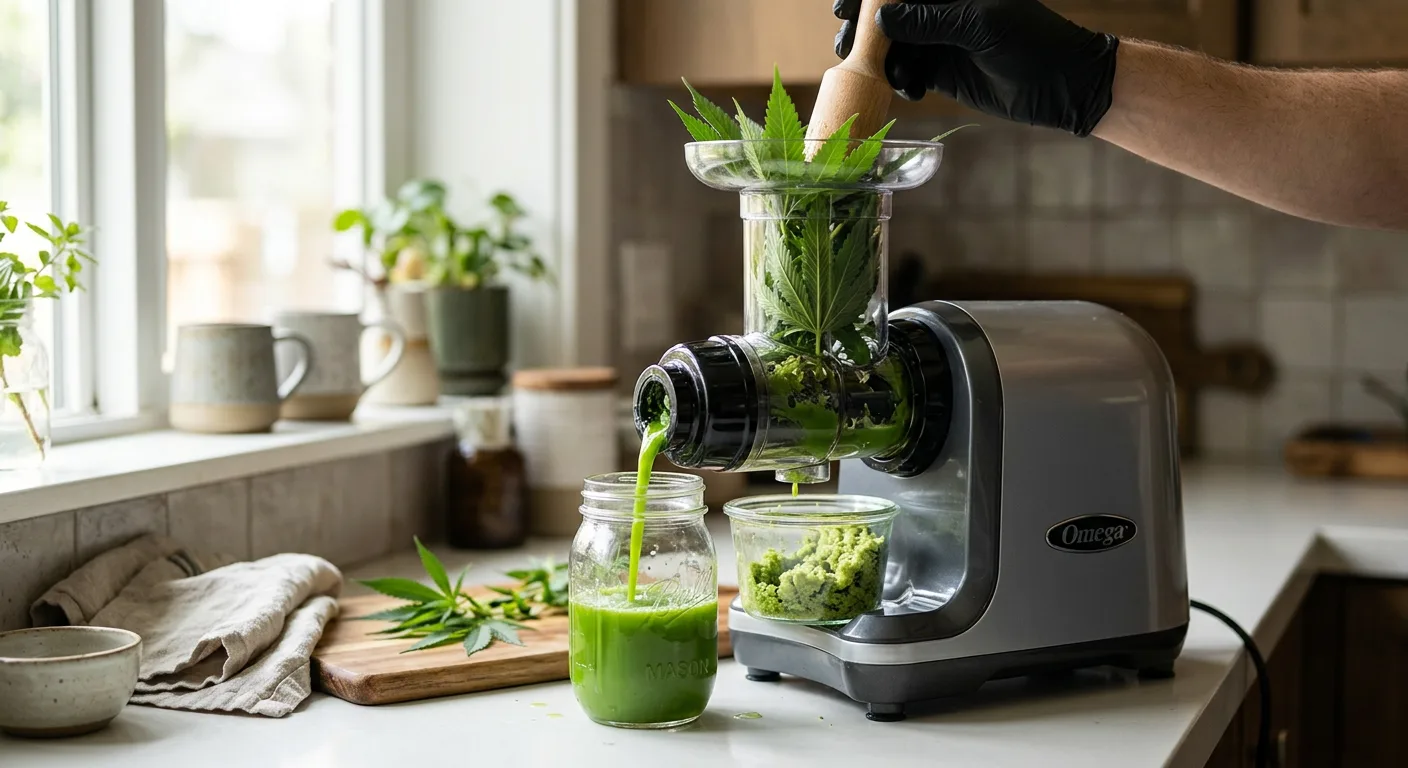
Preserving CBDA requires avoiding heat entirely. The most effective methods are cold-press juicing of fresh cannabis, fresh-frozen extraction, and cold-process tincturing. Any temperature above approximately 80–100°C begins significant decarboxylation. Even room-temperature storage causes slow conversion over days to weeks.
This is where CBDA diverges completely from conventional cannabis use. Everything in traditional cannabis culture — drying, curing, smoking, vaping, baking edibles — destroys CBDA. Working with CBDA means working against those habits intentionally.
Method 1: Raw Cannabis Juicing
Juicing raw cannabis is the most accessible CBDA preservation method. Dr. William Courtney, an early advocate of raw cannabis therapy, popularized this approach. The key is using fresh, unheated plant material — ideally harvested and processed the same day, or stored frozen immediately after harvest.
Harvest Fresh Material
Cut fan leaves and small buds from plants in late vegetative or early flowering stage. Fan leaves contain significant CBDA and are more sustainable to harvest than buds. Avoid any plant material that has been dried or cured.
Process Immediately or Freeze
Use a cold-press masticating juicer within hours of harvest, or vacuum-seal and freeze fresh material for later use. Freezing at -20°C halts enzyme activity and stops any slow CBDA degradation. Avoid centrifugal juicers — they generate heat through friction.
Dilute and Consume Cold
Raw cannabis juice is intensely bitter and chlorophyll-heavy. Mix 1 part cannabis juice with 10 parts carrot or apple juice. Consume immediately or store refrigerated for no more than 3 days. Never heat the juice.
Store Fresh-Frozen Biomass
If you want to process larger quantities, fresh-freeze entire harvested branches immediately after cutting. This is the same principle used in live resin extraction — freezing locks in the acidic cannabinoid profile and prevents decarboxylation during storage.
Method 2: Cold-Process Tincturing
A cold ethanol extraction made with fresh or fresh-frozen cannabis will capture a high proportion of CBDA. Use food-grade ethanol chilled to -20°C (a technique called cold ethanol extraction or QWET). The cold temperature slows chlorophyll and wax extraction while preserving acidic cannabinoids.
Important parameters for CBDA-preserving cold extraction:
- Use food-grade ethanol chilled to -20°C or below — never use isopropyl alcohol for consumption
- Keep wash time under 3 minutes to minimize co-extraction of chlorophyll and waxes
- Filter through a paper filter or Büchner funnel at cold temperature
- Evaporate solvent at room temperature or below 40°C — never use heat to speed evaporation
- Store finished extract in a dark, cool environment to slow ambient decarboxylation
If you grow your own, harvest fan leaves progressively through the vegetative and early flowering stages — they contain CBDA and don't reduce your final bud yield. A single healthy plant can produce hundreds of grams of fan leaf biomass suitable for juicing, giving you a substantial CBDA source without sacrificing your main harvest.
Method 3: Commercial CBDA Products
A growing number of producers now offer CBDA-specific products: raw hemp oils, CBDA capsules, and cold-press concentrates. When evaluating these products, look for third-party certificates of analysis (COAs) that specifically test for CBDA — not just CBD. Many broad-spectrum CBD products contain residual CBDA, but the amounts vary widely and are rarely labeled accurately.
The decarboxylation science guide explains in detail exactly how temperature, time, and humidity affect this conversion — essential reading if you want to understand the chemistry behind why heat destroys CBDA.
High-CBDA Strains: What to Grow If You Want Raw Cannabinoids
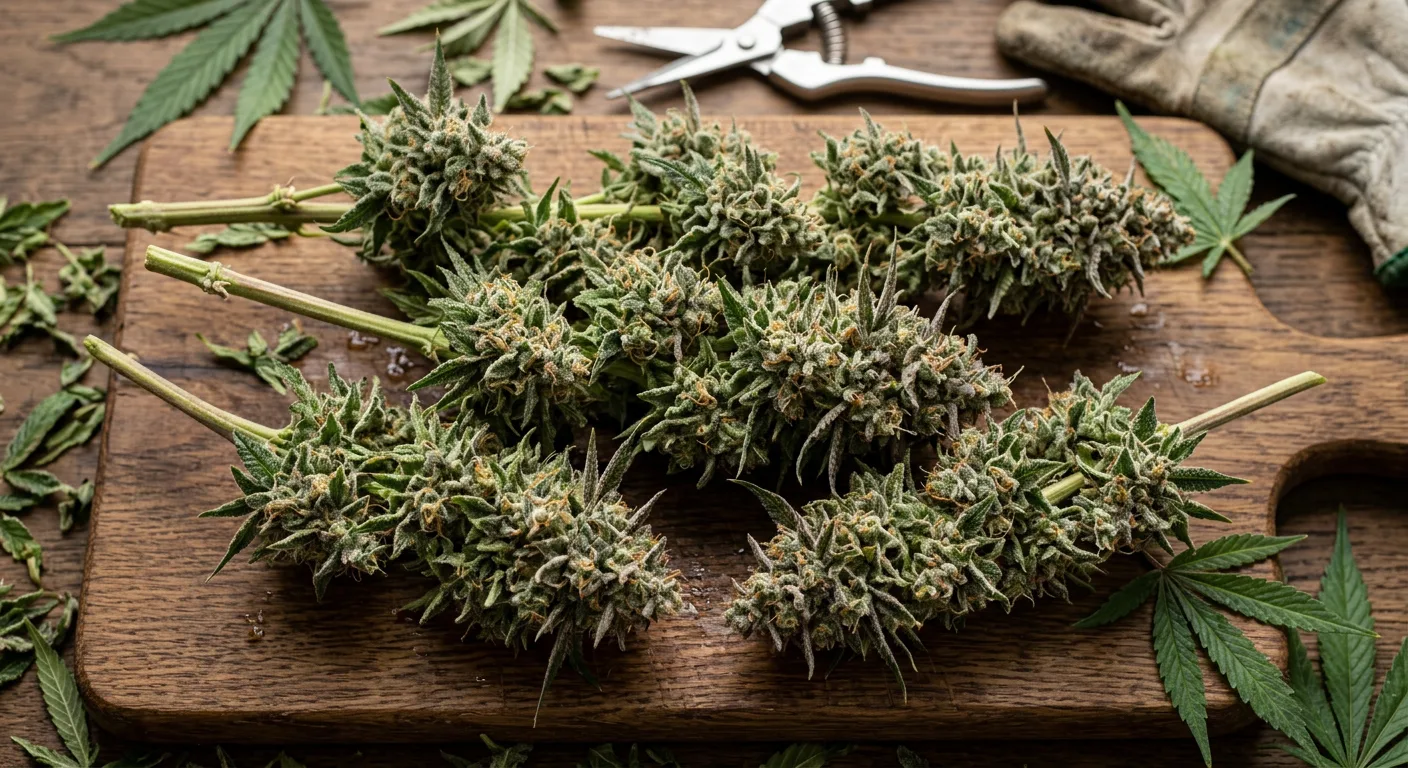
Any high-CBD strain is automatically high in CBDA before decarboxylation. In raw fresh plant material from a 15% CBD strain, roughly 15–16% of dry weight will be CBDA. Growing for CBDA means selecting high-CBD genetics and harvesting fresh rather than drying — strain genetics and harvest timing are the two variables that determine CBDA yield.
Because CBDA is the precursor to CBD, the two share genetics entirely. There is no strain that is high in CBDA but low in CBD post-decarboxylation — they are the same plant measured at different moments in time. What matters is selecting genetics engineered for high CBD expression.
Industry Benchmark Strains for High CBDA
Several strains have become benchmarks for high-CBD (and therefore high-CBDA) content in the industry:
- Charlotte's Web — The strain that launched the CBD industry. Developed for high CBD with minimal THC, routinely testing 13–20% CBD (CBDA in raw form). Not widely available as seeds due to proprietary genetics, but widely known as the reference point.
- Cannatonic — A balanced hybrid with CBD:THC ratios ranging from 1:1 to 20:1. Consistent CBDA yields of 6–17% depending on phenotype expression. Excellent for juicing due to vigorous leaf production.
- ACDC — A phenotype of Cannatonic selected for very high CBD and near-zero THC. Tests regularly at 16–24% CBD/CBDA with less than 1% THC. One of the best juicing strains available.
- Harle-Tsu — A cross of Harlequin and Tsunami, known for CBD:THC ratios up to 20:1 and robust plant structure that produces heavy fan leaf biomass — ideal for progressive juicing harvests.
- Ringo's Gift — Named after CBD pioneer Lawrence Ringo. Some phenotypes test above 20% CBD/CBDA, making it one of the highest-CBDA strains available from seed.
THC-Dominant Strains With CBDA Considerations
Standard THC-dominant cannabis also contains CBDA — just in small amounts, typically 0.1–1% in raw form. If you grow THC strains and want to capture any CBDA from leaf material before it's discarded, the same juicing principles apply — but yields will be low. For meaningful CBDA extraction, dedicated high-CBD genetics are necessary.
If you already grow high-THC photoperiod strains and want to experiment with CBDA, collect and juice your fan leaves during the vegetative trim. While CBDA content is low, you'll get small amounts of raw acidic cannabinoids without impacting your main harvest. It's a zero-cost addition to any existing grow operation.
Harvesting for CBDA: Timing and Processing Differences
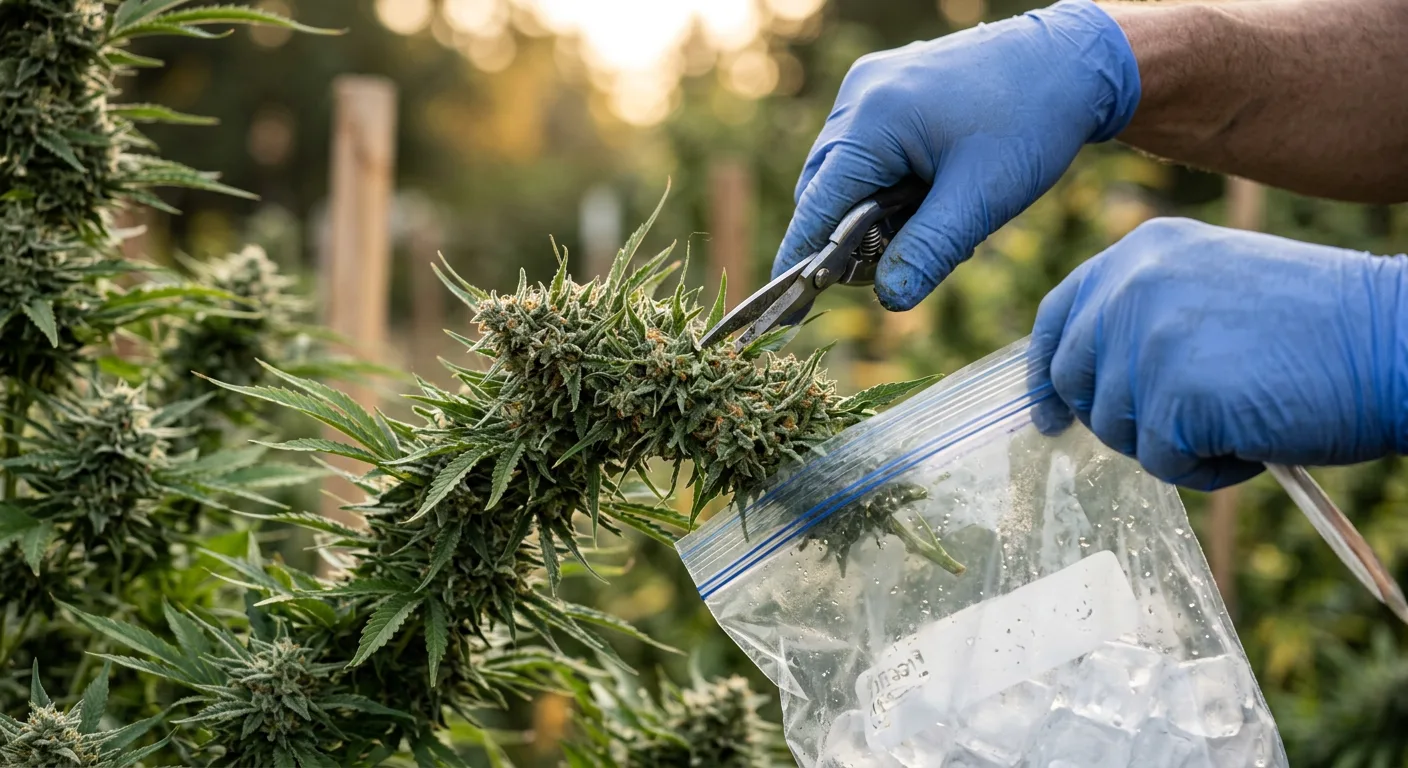
Harvesting for CBDA is fundamentally different from harvesting for dried flower. You harvest fresh and process immediately rather than drying and curing. The optimal harvest window is late vegetative to early flowering — when CBDA content is high and fan leaf biomass is abundant. Trichome maturity matters less than in THC harvests.
The conventional cannabis harvest protocol — checking trichome color, flushing, drying, curing — is entirely oriented around THC and terpene preservation after decarboxylation. CBDA harvesting flips the script: you want the plant material as fresh and raw as possible.
CBDA Harvest vs Traditional Harvest: Side-by-Side
| Variable | CBDA Harvest | Traditional CBD/THC Harvest |
|---|---|---|
| Harvest timing | Late veg to early flower (ongoing) | Peak trichome maturity (late flower) |
| Trichome color target | Clear (irrelevant for CBDA) | Milky to amber ratio (CBD: mostly milky) |
| Material used | Fan leaves + sugar leaves + small buds | Dried, cured flower only |
| Post-harvest processing | Immediate juicing or freezing | Drying 10–14 days + curing 4–8 weeks |
| Heat exposure | Zero — cold process only | Decarboxylation required for CBD activation |
| Storage format | Frozen biomass, cold extract, refrigerated juice | Dried flower, oil, capsule, edible |
| Shelf life | 3–5 days fresh, 12+ months frozen | 6–24 months properly cured and stored |
Don't confuse CBDA harvest timing with an excuse to harvest immature buds early for smoking. Early-harvested buds are low in THC, CBD, and terpenes when dried and smoked. CBDA harvesting is a completely separate use case — primarily fan leaves and fresh material, not early bud harvest for conventional consumption.
The Fresh-Freeze Method for Maximum CBDA
For growers who want to preserve CBDA in bulk without immediate processing, fresh-freezing is the gold standard. This is the same approach used by professional extractors producing live resin — the freezing temperature halts all enzymatic activity, including the slow ambient decarboxylation that occurs at room temperature.
The process is straightforward:
- Harvest fresh material immediately before processing
- Shake off any surface moisture
- Place in sealed, labeled freezer bags with minimal air
- Freeze at -20°C (standard home freezer) or -40°C (ideal)
- Process within 6 months for best CBDA retention
- Never thaw and refreeze — process in single-use batches
- Record harvest date and estimated CBDA % from strain data
For growers tracking their grow environment and yield, our cannabis grow planner can help you schedule progressive fan leaf harvests across your growing cycle without disrupting your main canopy management plan.
CBDA vs CBD: Head-to-Head Comparison Table
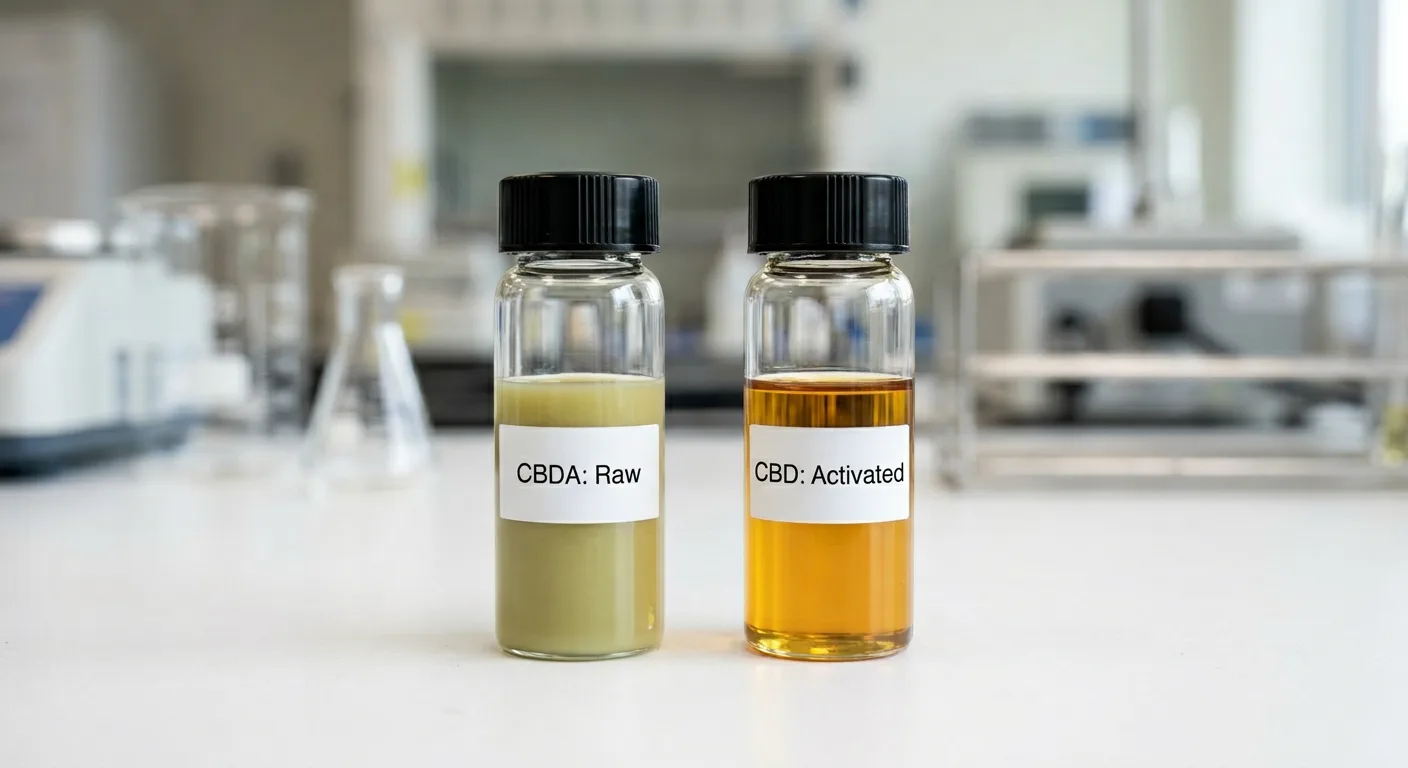
CBDA and CBD are related but pharmacologically distinct. CBDA excels at 5-HT1A receptor activity and shows unique anti-nausea potency; CBD has broader receptor coverage, better-established human clinical data, and higher bioavailability in oral formulations. Neither is universally superior — they have complementary profiles.
| Attribute | CBDA | CBD | Edge |
|---|---|---|---|
| Form in living plant | Primary form (95–99%) | Trace amounts only | CBDA (natural state) |
| 5-HT1A serotonin activity | High agonist activity | Moderate agonist activity | CBDA |
| Anti-nausea potency | Effective at ~0.1 µg/kg (animal models) | Effective at ~100 µg/kg (animal models) | CBDA (1000x lower dose) |
| Anticipatory nausea | Effective in animal models | Not effective at equivalent doses | CBDA (unique benefit) |
| COX-2 inhibition | Selective inhibitor (cell models) | Weaker inhibitor | CBDA |
| CB2 receptor activity | Very low | Low-moderate | CBD |
| TRPV1 pain/heat pathway | Limited data | Well-documented agonist | CBD |
| Human clinical trials | Very limited (mostly animal data) | Extensive (including FDA-approved Epidiolex) | CBD |
| Oral bioavailability | Lower (more polar structure) | Higher (better lipid solubility) | CBD |
| Product availability | Limited but growing | Ubiquitous — oils, capsules, gummies, topicals | CBD |
| Psychoactivity | None | None | Tie |
| Preservation requirement | Cold/raw — no heat | Requires decarboxylation | CBD (easier handling) |
| DIY accessibility | Juicing, cold tincture | Broad — infusions, extracts, oils | CBD |
The honest answer to "is CBDA better than CBD" is: it depends entirely on the application. For nausea — especially anticipatory nausea — the animal model data strongly favors CBDA. For pain, epilepsy, and anxiety, CBD's far larger clinical evidence base gives it the practical advantage today. The most compelling case is for using both together.
Is CBDA Better Than CBD? The Definitive Answer
CBDA is not universally better than CBD. For nausea and anticipatory nausea, animal research shows CBDA may be effective at doses 1000x lower than CBD, with activity at 5-HT1A serotonin receptors that CBD cannot match at equivalent doses. For pain, epilepsy, and anxiety, CBD's larger human evidence base currently gives it the practical edge.
This is the question that drives most searches on this topic, and the honest answer requires nuance rather than a simple verdict. CBDA is not a more advanced or improved version of CBD — it's a pharmacologically distinct molecule that happens to be the precursor. Thinking of CBDA as "raw CBD" misses what makes it scientifically interesting.
Where CBDA Clearly Wins
- Nausea suppression potency: The 1000x lower effective dose in animal models is the strongest argument for CBDA's unique value
- Anticipatory nausea: This is CBDA's most distinctive claim — CBD doesn't appear to address this at equivalent doses
- COX-2 selectivity: CBDA's anti-inflammatory mechanism may be more targeted than CBD's for this specific pathway
- Natural form: For those who prefer minimally processed plant medicine, CBDA represents the cannabis plant's native chemistry
Where CBD Clearly Wins
- Human clinical evidence: CBD is the only cannabinoid with an FDA-approved drug (Epidiolex, for epilepsy). No CBDA drug has reached this stage.
- Bioavailability: CBD's lipid-soluble structure makes it easier to formulate for effective oral delivery
- Breadth of receptor activity: CBD interacts with more receptor systems, making it more versatile across different conditions
- Product quality and standardization: The CBD market has matured; dosing, testing, and labeling are more reliable
GW Pharmaceuticals' CBDA patents (including WO2017191458) are significant not just as commercial moves, but as signals of where serious pharmaceutical researchers see potential. Pharmaceutical companies don't patent compounds without substantive evidence — the CBDA nausea data is compelling enough to protect commercially.
The Case for Using Both
Dr. Parker's research suggests CBDA and CBD work synergistically — combinations of the two compounds at sub-threshold doses produced anti-nausea effects that neither compound achieved alone at those doses. This points toward a "whole plant" approach where preserving CBDA alongside CBD (as in a minimally processed full-spectrum raw extract) may outperform isolated CBD alone.
This synergy concept connects to the broader entourage effect discussion in cannabis science. Understanding how individual cannabinoids interact with each other and with the terpene profile of the plant is central to the endocannabinoid system science hub.
It's also worth exploring related minor cannabinoids in this context — our guide on CBG, the mother cannabinoid, covers CBGA's role as the precursor to both CBDA and THCA, and how growing for multiple acidic cannabinoids simultaneously is becoming a focus of advanced cultivation.
Growing Strategy: Maximizing CBDA From Your Harvest
To maximize CBDA, grow high-CBD genetics, harvest fan leaves progressively through the grow cycle, and freeze or juice immediately after cutting. The grow environment itself also matters — stress events like heat, UV exposure, and nutrient fluctuations can influence cannabinoid acid concentrations during flower development.
For growers who want to build a serious CBDA production system alongside a conventional cannabis grow, the strategy integrates into existing operations without major disruption. The key insight is that fan leaf harvesting for CBDA doesn't compete with bud production — in fact, progressive defoliation is already a widely used technique for improving canopy light penetration.
Environmental Factors That Affect CBDA Accumulation
CBDA synthase enzyme activity is influenced by growing conditions:
- Temperature: Keep grow temperatures below 28°C during flowering. Heat stress accelerates ambient decarboxylation and may suppress CBDA synthase efficiency
- UV exposure: Low-level UV-B light stimulates trichome production generally — more trichomes means more CBDA in high-CBD strains
- Harvest timing: CBDA concentration in buds peaks in the final weeks of flowering — if harvesting buds for CBDA, aim for the same trichome maturity window as CBD harvests (mostly cloudy trichomes)
- Post-harvest handling speed: Every hour at room temperature after harvest causes some CBDA degradation — process or freeze within 2 hours of cutting for maximum retention
Our cannabis flowering stage guide provides the full week-by-week timeline for managing plants through the period when CBDA is accumulating most rapidly in developing trichomes.
For growers tracking environmental data, maintaining optimal VPD (vapor pressure deficit) during late flowering doesn't just improve bud density — it reduces the heat and humidity stress that can degrade trichome integrity. Use our VPD calculator to dial in the exact target ranges for your grow space during the CBDA accumulation phase.
Recommended Seed Genetics for CBDA Production
Since CBDA is simply the pre-decarboxylation form of CBD, any high-CBD strain in your seed selection will work. When choosing genetics, prioritize strains with documented high CBD percentages — these will deliver proportionally high CBDA in raw fresh form. From the available feminized catalog, strains worth considering for their robust leaf biomass and proven production include Swiss Miss feminized seeds (15% THC, manageable size, good leaf production for indoor grows) and California Orange Bud feminized seeds (15% THC, generous fan leaf canopy).
Note that for pure CBDA production from strains not specifically bred for high CBD, the acidic cannabinoid content will be predominantly THCA rather than CBDA — the plant's genetics determine which synthase enzyme dominates. For maximum CBDA, seek out specifically high-CBD cultivars from hemp or CBD-focused cannabis breeding programs. Use our yield estimator to calculate expected biomass volumes for juicing operations based on plant count and strain.
For managing a CBDA-focused grow alongside conventional cultivation, the cannabis drying and curing guide is a useful reference — understanding the full decarboxylation process that occurs during curing helps clarify exactly which processing steps destroy CBDA and which preserve it.
Frequently Asked Questions
Is CBDA better than CBD?
CBDA is not universally better than CBD, but for nausea — especially anticipatory nausea — animal research shows CBDA may be effective at doses 1000x lower than CBD, acting through 5-HT1A serotonin receptors that CBD activates less potently. For pain, epilepsy, and anxiety, CBD's larger body of human clinical evidence currently gives it the practical advantage. The two compounds have different pharmacological profiles and may work best used together in minimally processed full-spectrum preparations.
Does CBDA get you high?
No. CBDA has very low affinity for CB1 receptors, the primary receptors responsible for cannabis's psychoactive effects. Like its decarboxylated form CBD, CBDA is non-intoxicating even at high doses. The psychoactive cannabinoid THCA (the acidic precursor to THC) is a different compound entirely — high-CBD strains contain very little THCA.
How do you get CBDA from cannabis?
CBDA is preserved by avoiding heat entirely. Fresh or fresh-frozen cannabis contains mostly CBDA — in a high-CBD strain, 95–99% of cannabinoid content will be CBDA in raw form. Cold-press juicing raw fan leaves and buds, or cold ethanol extraction at -20°C, are the most effective methods. Any temperature above approximately 100°C will begin rapidly converting CBDA to CBD through decarboxylation.
Does drying cannabis destroy CBDA?
Gentle drying at room temperature causes slow, partial decarboxylation — some CBDA survives, but concentrations decrease over days to weeks. Significant heat — smoking, vaping, oven decarboxylation above 100°C — rapidly and completely converts CBDA to CBD. For maximum CBDA retention, process fresh material immediately or freeze within 2 hours of harvest. The drying and curing process used for conventional cannabis consumption destroys most CBDA through both heat and time.
What is the difference between CBDA and CBD in terms of how they're made?
CBDA is synthesized directly by the cannabis plant — the enzyme CBDA synthase converts CBGA (cannabigerolic acid) into CBDA inside trichome cells. CBD is never made by the plant; it only forms when CBDA loses its carboxyl group (-COOH) through heat, UV light, or time — a process called decarboxylation. The living plant contains almost 100% CBDA; CBD is entirely a product of processing.