Red Kush Autoflower Seeds
By Ivan K., DSS Genetics · Updated April 2026

Red Kush Autoflower Seeds
SKU: DSS-REKU-AUTO-5PK
Pack Size
Quantity
Disclaimer: For informational purposes only — not medical advice. Consult a healthcare professional before use.
About This Strain
Red Kush Autoflower Seeds — Complete Strain Profile
Red Kush Autoflower Seeds – Strain Overview
Red Kush Autoflower is an 80% indica-dominant powerhouse born from crossing the resin-heavy Red Kush with a carefully selected Ruderalis line. The result is a compact, self-flowering plant that carries 16–20% THC into a seed-to-harvest cycle of just 56–65 days — no light schedule changes required. For growers who want a genuine Kush experience without the waiting game, this strain delivers it efficiently and reliably.
What sets Red Kush Autoflower apart from the crowded autoflower market is the depth of its indica heritage. The Red Kush parent brings thick, resinous structure and a terpene profile far more complex than most autos can claim — pine, citrus, and berry riding over a skunky earthen base. If you're building your grow around strains that combine accessibility with real quality, Red Kush Auto belongs in your best autoflower collection.
Effects and Medical Benefits
The Red Kush Autoflower high opens with a lift you don't expect from an 80% indica. Within the first ten minutes, a warm euphoric wave spreads across the forehead and behind the eyes — creative thoughts come faster, the mood brightens, and any edge of anxiety from the day starts to dissolve. This is the sativa 20% doing its job before the indica takes the wheel.
Around the 20–30 minute mark, the body begins to follow. Muscles that were holding tension quietly let go. The mental energy softens into something more meditative — still pleasant and present, but grounded. At moderate doses this stays social and functional; at heavier doses it transitions into genuine couch-bound relaxation that makes sleep feel like a natural next step.
Users consistently report these four core effects:
- Deep physical relaxation — the indica backbone unwinds muscles from neck to lower back without total sedation at moderate doses
- Euphoric happiness — a mood lift that arrives early and sustains throughout the experience
- Creative mental clarity — enough cerebral energy in the early phase to make this useful before evening hobbies or light creative work
- Gentle energy surge — uplifting and motivating in the first half of the session, especially at lower doses
On the medical side, Red Kush Autoflower is a versatile therapeutic strain that covers a wide spectrum of conditions:
- Insomnia — the heavy indica body effect makes higher-dose evening use genuinely sleep-promoting
- Stress and nervous tension — the combination of mood lift and physical relaxation cuts through daily stress effectively
- Anxiety — the euphoric onset reduces rumination without amplifying it, as some high-THC sativas can
- Depression — the sustained happiness and mild energetic quality offer a functional lift without overwhelming stimulation
- Chronic pain and muscle spasms — Myrcene and Caryophyllene synergize with the indica body effect for meaningful physical relief
With a CBD range of 0.1–0.5%, Red Kush Auto doesn't rely on CBD alone for therapeutic value. Instead, its terpene-rich profile amplifies the THC experience through the entourage effect — Myrcene enhancing cannabinoid absorption, Caryophyllene contributing CB2 receptor activity, and Linalool adding anxiolytic depth that pure THC can't achieve alone.
Aroma, Flavor and Terpene Profile
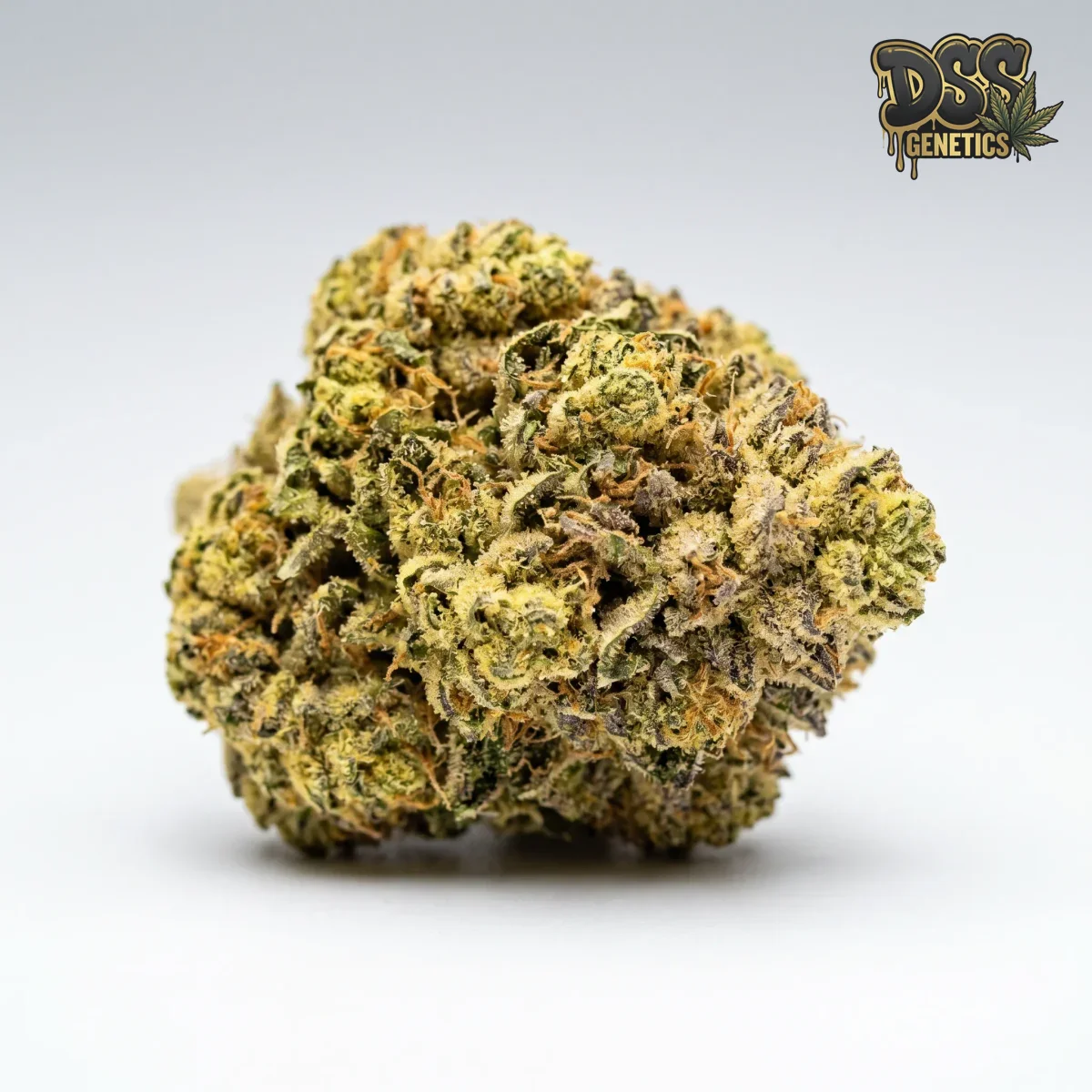
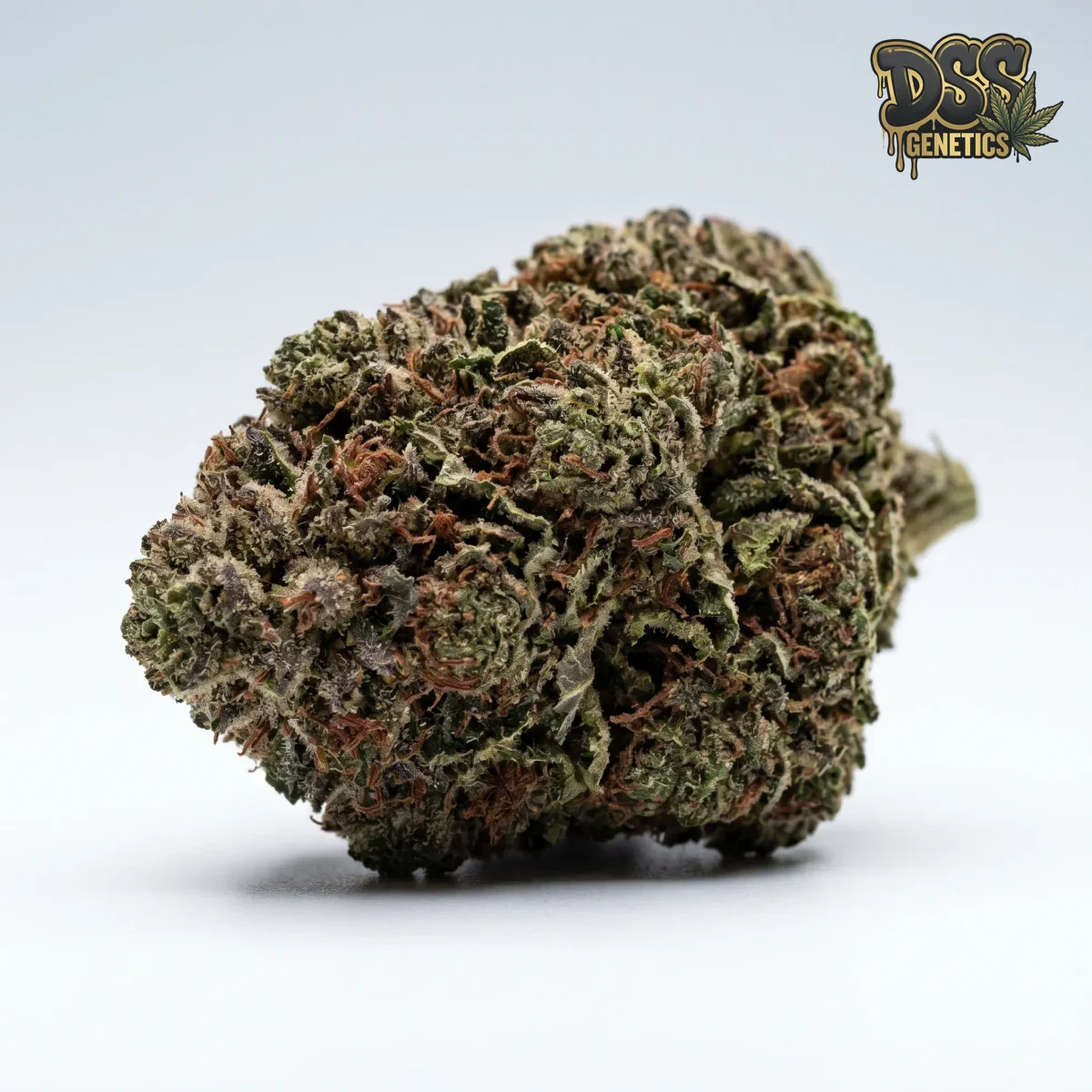
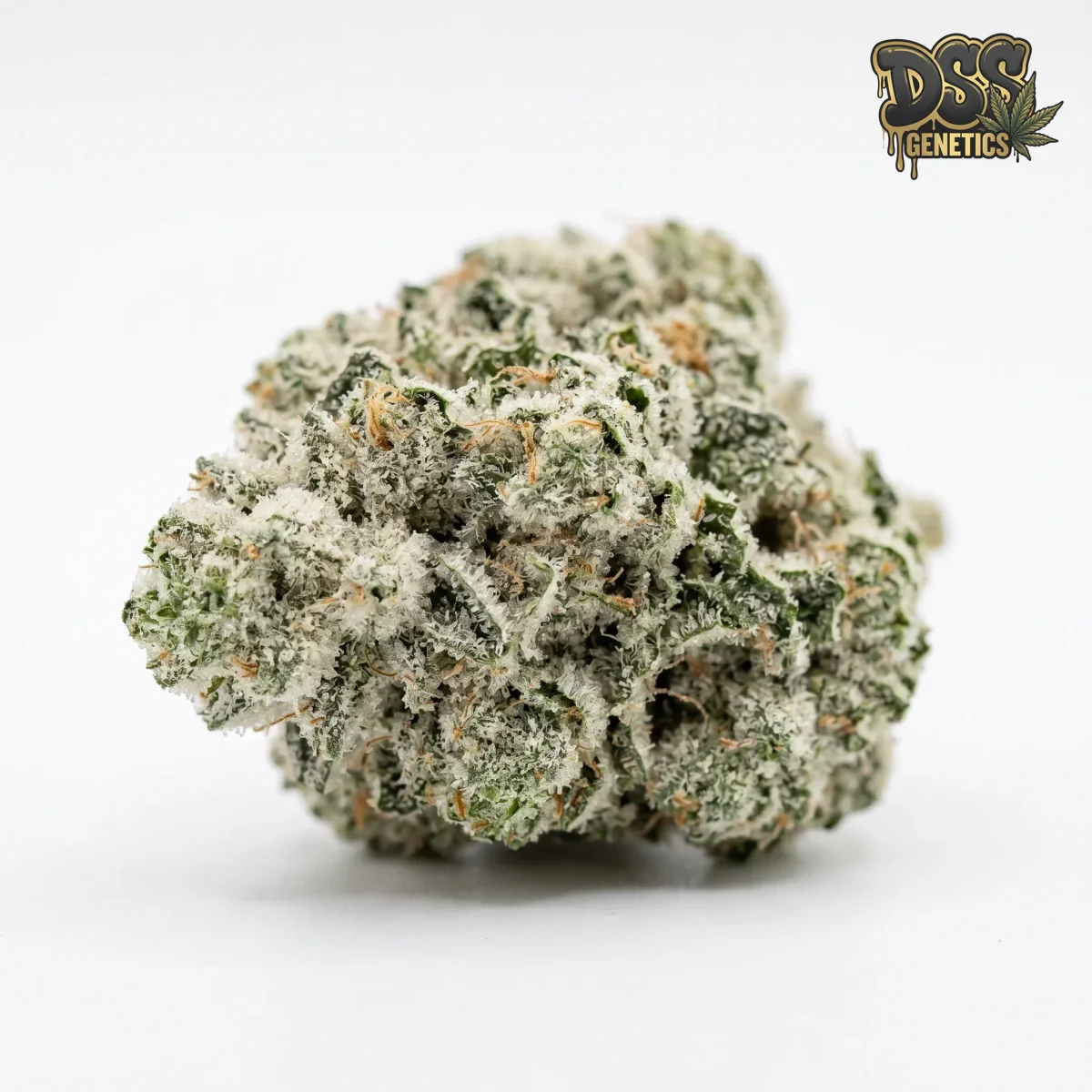
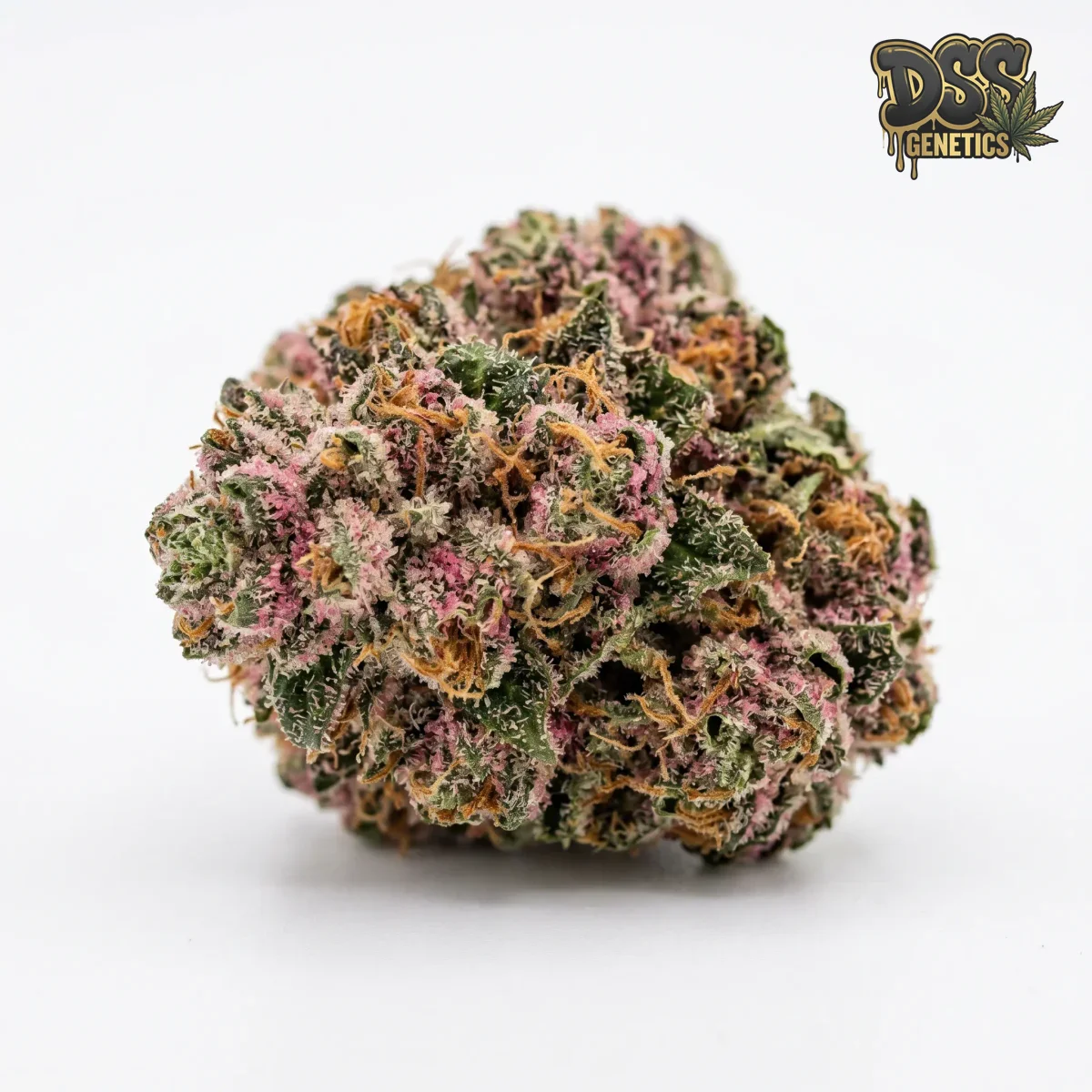
Break a fresh Red Kush Autoflower bud and the first thing that hits you is pine — sharp, resinous, almost medicinal. That gives way quickly to a skunky earthen base that grounds the whole profile, and then the sweeter notes emerge: citrus zest, a hint of ripe berry, and a faint floral undercurrent that keeps the aroma from ever feeling harsh. It's the kind of smell that fills a room and demands attention.
On the inhale, the pine and earth lead with authority. The exhale is where the magic reveals itself — sweet berry and citrus come forward, the skunk softens into something almost creamy, and a subtle woody aftertaste lingers on the palate long after the smoke clears. Experienced Kush smokers will recognize the DNA immediately; newer users are often surprised by how nuanced an autoflower can smell and taste.
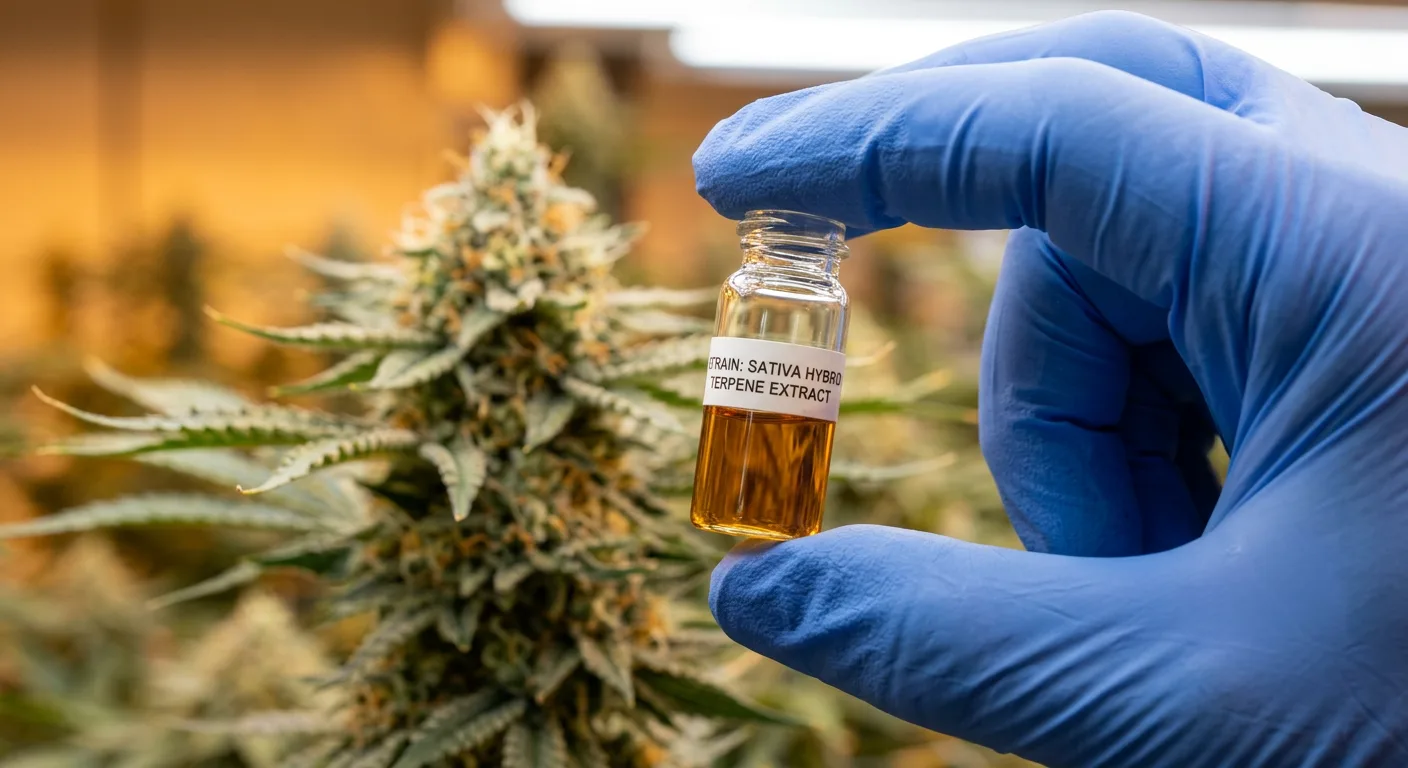
Myrcene is the dominant force in this terpene profile. It's responsible for the earthy, musky backbone that makes Kush strains so instantly recognizable, and it plays a functional role too — Myrcene is widely studied for its ability to enhance the permeability of the blood-brain barrier, potentially amplifying how quickly and fully THC takes effect. This is the terpene that makes the body relaxation feel total rather than surface-level.
Caryophyllene adds the spice and warmth you notice on the exhale. It's the only terpene known to bind directly to CB2 receptors in the endocannabinoid system, giving it genuine anti-inflammatory and analgesic properties independent of THC. For users treating pain or inflammation, Caryophyllene's presence here isn't cosmetic — it's functional.
Linalool is the quiet contributor that many people don't notice until they look for it. It's the floral, slightly lavender-adjacent note hiding beneath the pine and skunk, and it brings meaningful anxiolytic and sedative properties to the profile. Linalool is why Red Kush Auto feels calming rather than just heavy — it smooths the edges of the experience in a way that makes it approachable even for users who are sensitive to anxiety.
Humulene rounds out the terpene mix with an herbal, woody, slightly hoppy quality. Beyond its aromatic contribution, Humulene has shown appetite-suppressing properties in research — unusual for a predominantly indica strain — and adds to the anti-inflammatory depth alongside Caryophyllene.
Growing Red Kush Autoflower Seeds
Red Kush Autoflower is rated easy, and it earns that rating honestly. The ruderalis genetics handle light schedule flexibility, the indica structure keeps height manageable, and the genetic stability means you're not fighting the plant to get a quality result. That said, 'easy' doesn't mean 'impossible to improve' — growers who dial in the environment will see a meaningful difference in yield and terpene density.
Temperature and humidity management are where most autoflower growers either gain or lose their harvest. Red Kush Auto performs best in daytime temperatures between 70–82°F (21–28°C). Drop below 65°F and growth slows noticeably; push above 85°F and you'll see terpene degradation before the buds ever reach peak ripeness. During early vegetative growth, aim for 55–65% relative humidity. Once flowering begins — which happens automatically around day 21–28 — bring humidity down progressively toward 40–50%, and push it to 38–42% in the final two weeks to protect dense buds from mold and to stress trichome production.
Because autoflowers run on a fixed clock, every week matters. Unlike photoperiod strains where you can pause and recover from setbacks, a Red Kush Auto experiencing nutrient stress in week three will carry that deficit into flower with no way to compensate. Start nutrients conservatively — half-strength during the first two weeks — and scale up as the plant demonstrates it can handle more. What we've found over dozens of autoflower grows is that underfeeding early costs you less than overfeeding, especially with sensitive indica-dominant genetics.
Indoor setups with 18–20 hours of light per day give the best results. A 600W HPS or equivalent LED positioned correctly can push this strain toward the upper end of its 1–1.5 oz/ft² indoor yield range. For indoor growing, a deep water culture or coco coir setup accelerates growth meaningfully compared to standard soil — autoflowers respond well to the increased oxygen availability at the root zone.
Outdoors, Red Kush Auto is a particularly forgiving choice for outdoor gardens in temperate climates. The ruderalis genetics make it indifferent to photoperiod, which means it flowers on schedule regardless of planting date or latitude — a genuine advantage for growers in regions with unpredictable summers. Expect 2–7 oz per plant depending on container size, sun exposure, and how well the feeding program is managed.
Key growing tips for Red Kush Autoflower:
- Skip aggressive topping: Autoflowers don't have the recovery time that photoperiod strains do — use gentle LST (low-stress training) instead to open the canopy without setting back the clock
- Nail the nutrient transition: As soon as pistils appear (typically day 21–28), shift toward a bloom-focused feed — consult your nutrient guide and begin reducing nitrogen while increasing phosphorus and potassium
- Optimize your light cycle early: 18–20 hours of light from seed delivers the best results for this strain indoors — check our indoor growing guide for light distance recommendations by growth stage
- Monitor pH religiously: Red Kush Auto is sensitive to pH swings — keep root zone pH between 6.0–7.0 in soil or 5.5–6.5 in hydro or coco for consistent nutrient uptake
- Plan your outdoor timing: Because this strain doesn't depend on light schedules, outdoor growers can achieve multiple harvests per season — our outdoor growing guide covers timing strategies for your climate zone
Yield and Flowering Time
Red Kush Autoflower begins flowering automatically around day 21–28 from seed and completes its cycle in 56–65 days total. That's a full seed-to-harvest timeline that competes with many photoperiod strains' flowering phase alone. For growers who want speed without sacrificing genuine Kush quality, this is one of the more compelling entries in our fast-flowering lineup.
Indoor yields land between 1–1.5 oz/ft² under optimized conditions — a respectable number for an autoflower, and achievable without exotic techniques. Outdoor plants are more variable by nature, ranging from 2 oz on a plant grown in a small container under partial sun, up to 7 oz on a well-fed plant in a large pot with full sun exposure through the season. The genetic ceiling is genuinely there; hitting it is a matter of environmental execution. For growers building toward maximum production, this strain also earns a place in our high-yield autoflower selection.
To maximize your harvest:
- Trichome assessment: Use a jeweler's loupe or digital microscope — harvest when 70–80% of trichomes are milky white with 10–20% amber; this window delivers the best balance of Red Kush's euphoric and relaxing effects
- Late-flower humidity: Drop to 38–42% RH in the final 10–14 days to stress trichome production and protect dense Kush buds from late-stage mold
- Flushing protocol: Flush with plain pH-balanced water for the final 7–10 days in soil (3–5 days in coco) to clear residual nutrients and improve the smoothness of the final smoke
- Drying and curing: Hang-dry whole branches at 60–65°F with 55–60% RH for 7–10 days, then jar-cure — a proper slow dry and cure is where that complex pine-berry-skunk terpene profile fully develops and locks in
Why Buy Red Kush Autoflower Seeds from DSS Genetics?
Every Red Kush Autoflower seed ships with our full germination guarantee — if it doesn't sprout under correct conditions, we replace it, no hassle. Orders ship in discreet, plain packaging with no cannabis-related branding on the outside, and free shipping kicks in automatically on qualifying orders.
- Germination guaranteed — every seed is backed by our replacement policy; follow our germination guide for best results
- Discreet shipping — plain, unmarked packaging on every order
- Spend $100+ and get free premium seeds — added automatically at checkout
- Proper seed storage guaranteed — seeds are stored at controlled temperature and humidity from our facility to your door, preserving germination rates and genetic integrity
Frequently Asked Questions
How long does Red Kush Autoflower take from seed to harvest?
Red Kush Autoflower completes its full cycle in 56–65 days from seed, including both vegetative and flowering phases. Flowering begins automatically around day 21–28 without any light schedule change required. For a deeper breakdown of what happens week-by-week, our flowering stage guide covers autoflower development in detail.
Is Red Kush Autoflower a good strain for beginners?
Yes — Red Kush Autoflower is rated easy and is one of the more forgiving strains for first-time growers. The compact indica structure, automatic flowering, and genetic stability make it a reliable starter plant. Browse our full easy-to-grow collection if you're building a beginner-friendly grow room lineup.
What are the best medical uses for Red Kush Autoflower?
Red Kush Auto is most commonly used for insomnia, stress, anxiety, and depression. The combination of Myrcene, Linalool, and Caryophyllene creates a therapeutically rich profile that goes beyond simple sedation. At moderate doses, the euphoric and mildly energetic onset makes it functional enough for daytime stress relief; at higher doses, the full indica body effect makes it a genuine sleep aid.
How does Red Kush Autoflower compare to other autoflower strains?
Most autoflower strains sacrifice terpene complexity and effect depth for speed and ease. Red Kush Auto is different because the Red Kush parent brings genuine Kush lineage — dense resinous buds, a multi-layered pine-berry-skunk aroma, and a nuanced high that progresses rather than just landing flat. At 16–20% THC it sits in a strong mid-to-upper range for autos. Compare it directly with our broader best autoflower and best indica selections to find your ideal match.
Medical Disclaimer: This information is for educational purposes only and should not be considered medical advice. Always consult a healthcare professional before using cannabis for medical purposes. Individual results may vary.
Frequently Asked Questions
Red Kush — Common Questions Answered
What is Red Kush?
Red Kush is a indica-dominant cannabis strain (80% Indica / 20% Sativa) bred from Red Kush x Ruderalis. It produces THC levels of 16–20% and CBD levels of 0.1–0.5%. Known for its relaxing, happy, euphoric effects and pine, sweet, earthy flavor profile.
Is Red Kush easy to grow?
Yes, Red Kush is an excellent choice for beginners. It has a forgiving growth pattern and doesn't require advanced techniques to produce good yields. Growing difficulty: Easy. It thrives in temperate climates and reaches a medium plant size.
How long does Red Kush take to flower?
Red Kush has a flowering time of 56–65 days. Switch to a 12/12 light cycle to initiate flowering. Expected yields are 1 to 1.5 oz/ft² indoors and 2 to 7 oz/plant outdoors.
What are the effects of Red Kush?
Red Kush delivers relaxing, happy, euphoric, uplifting, creative, energetic effects. Many growers report it helps with insomnia, muscle spasms, stress, anxiety, depression, pain. With THC levels of 16–20%, it provides a moderate to strong experience suitable for most users.
What does Red Kush smell and taste like?
Red Kush's dominant terpenes are Myrcene, Caryophyllene, Linalool, Humulene, which give it a pine, sweet, earthy, citrus, berry, skunky flavor and aroma profile. Myrcene contributes earthy, herbal notes and is associated with relaxing effects.Caryophyllene provides spicy, peppery notes and may help with inflammation.
Can I grow Red Kush indoors and outdoors?
Yes, Red Kush performs well both indoors and outdoors. Indoor yields average 1 to 1.5 oz/ft², while outdoor grows can produce 2 to 7 oz/plant. It prefers temperate conditions. Its medium height is manageable in most indoor setups.
Grower Reviews
Real grow experiences from our community
Similar Strains
Growing Guides & Articles
Get 10% Off Your First Order
Join our newsletter for exclusive deals, growing tips, and new strain drops.