You spent months dialing in your environment, feeding schedule, and training. Now it's harvest day, and everything you've built is about to be decided by how you dry it. Freeze drying cannabis at home promises to change that equation entirely: faster, more aromatic, and with trichomes that look like they just came off a living plant. But a Harvest Right unit costs as much as a used car. So is this actually worth it for home growers, or is it an expensive solution to a problem that hang drying already solves?
This guide gives you the honest breakdown: the science, the real numbers, the texture debates, and exactly which type of grower gets a return on this investment. No hype. No oversimplification.
What Freeze Drying Actually Does to Cannabis
Freeze drying preserves cannabis through sublimation, a process where frozen water converts directly from ice to vapor without ever passing through a liquid phase. This single physical fact is what makes freeze drying fundamentally different from every other drying method.
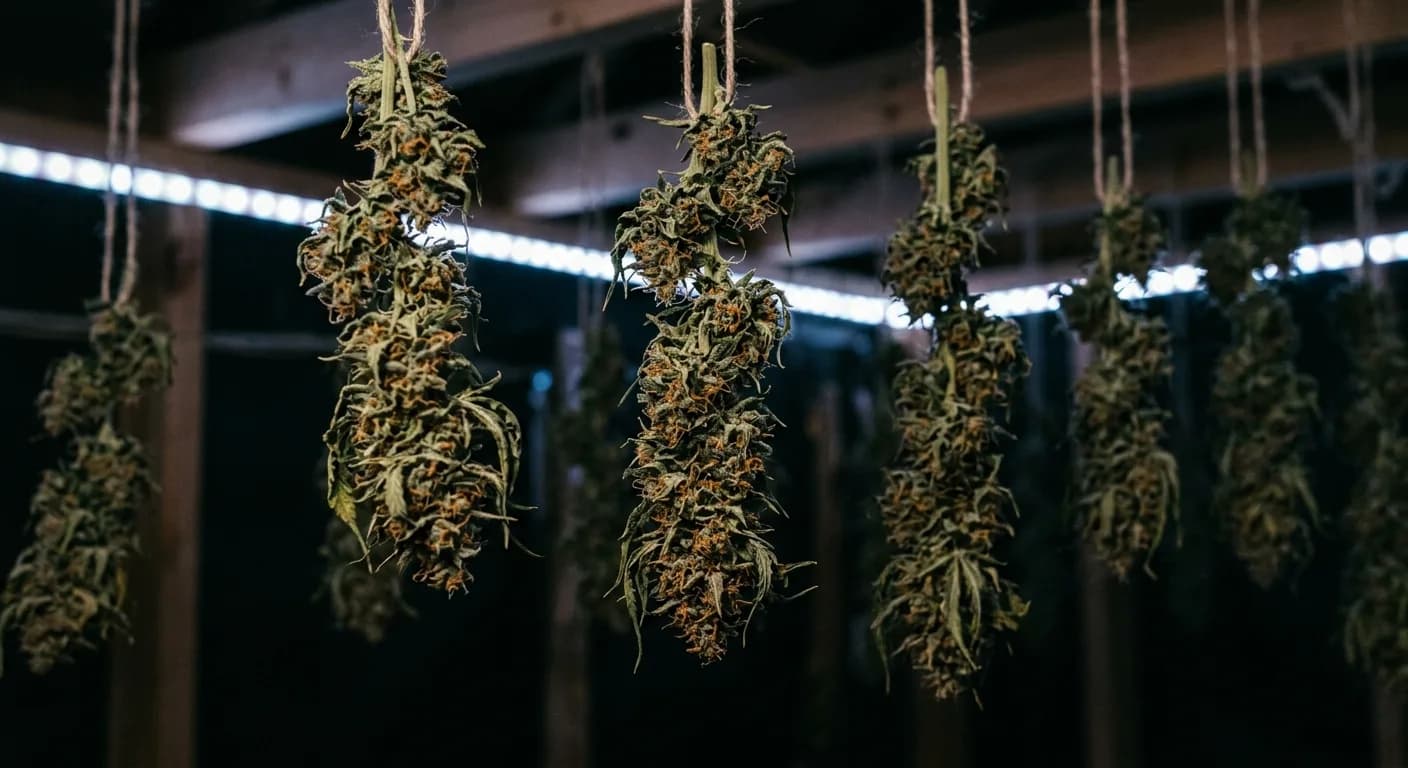
In traditional hang drying, liquid water migrates through plant cell walls as it evaporates. That movement carries dissolved chlorophyll toward the surface, breaks down cellular structures, and allows enzymes to slowly convert harsh compounds into smoother ones over time. It's why a properly hang-dried flower smells earthy and complex after two weeks, and why a rushed dry smells like hay.
Freeze drying skips all of that. Here's the exact three-stage process:
Deep Freezing
Material is frozen to between -40°F and -50°F (-40°C to -45°C). This locks all water as ice crystals inside plant cells. Ice crystal size matters: slower freezing creates larger crystals that can rupture cell walls. Flash-freezing freshly harvested cannabis (within 30 minutes of cut) produces finer ice crystals and better cell preservation.
Primary Drying (Sublimation)
The freeze dryer drops chamber pressure to 100–200 millitorr using a vacuum pump, then applies a gentle heating shelf (never above 32°F/0°C for cannabis). At this low pressure, ice sublimes directly to water vapor, which is captured on a condenser coil. Roughly 95% of moisture leaves during this phase, which takes 20–40 hours depending on bud density.
Secondary Drying (Desorption)
Shelf temperature rises slightly, typically to 50–70°F (10–21°C), to remove the remaining bound moisture. This phase drives water activity down to the 0.55–0.65 Aw target range where cannabis is shelf-stable. This stage takes an additional 4–8 hours and is critical for preventing mold in storage.
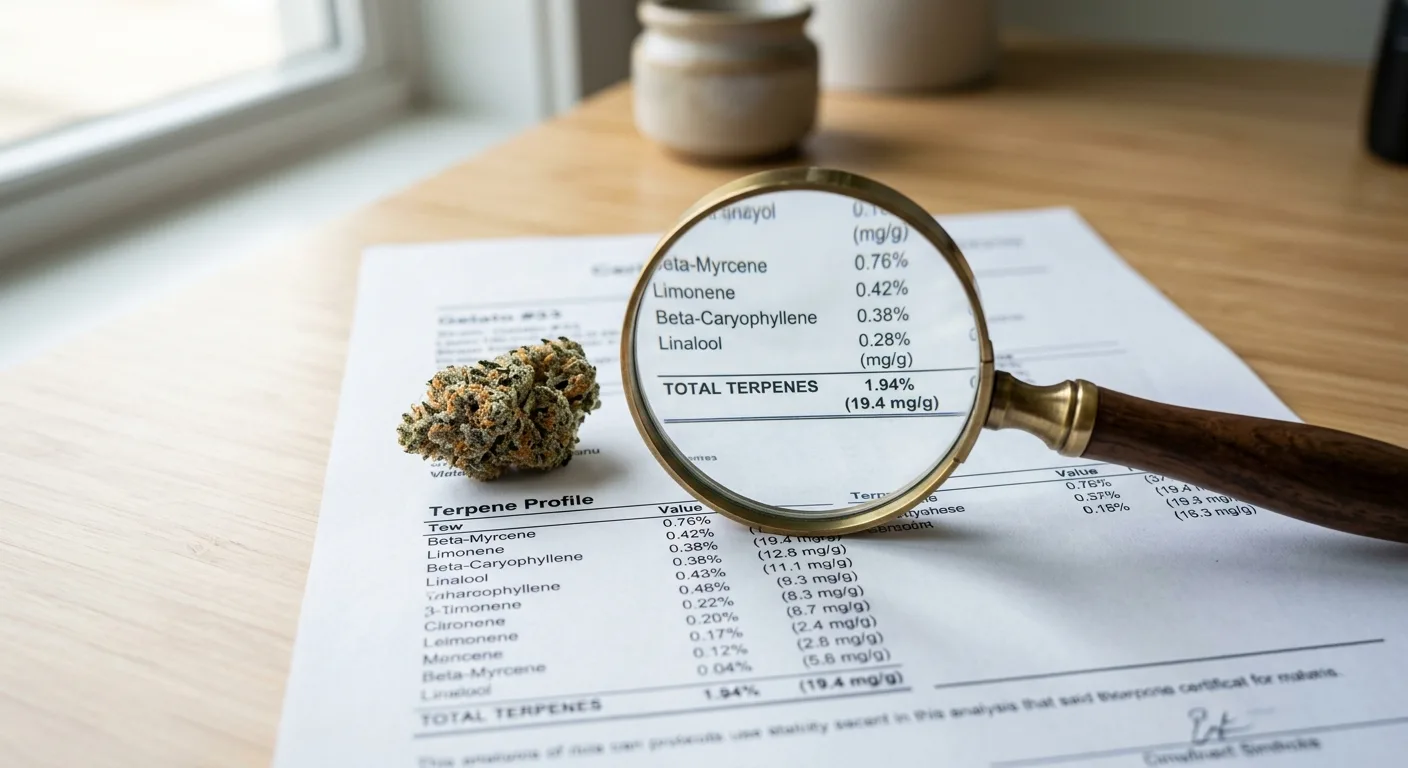
The Science: Volatile monoterpenes like myrcene, limonene, and terpinolene have boiling points between 334°F and 349°F, but they begin off-gassing measurably above 70°F. Because primary freeze drying never exceeds 32°F, these compounds remain bound in trichome heads instead of evaporating. This is the core mechanism behind terpene preservation, not marketing language. For a deeper look at specific terpene behavior, see our complete guide to pinene.
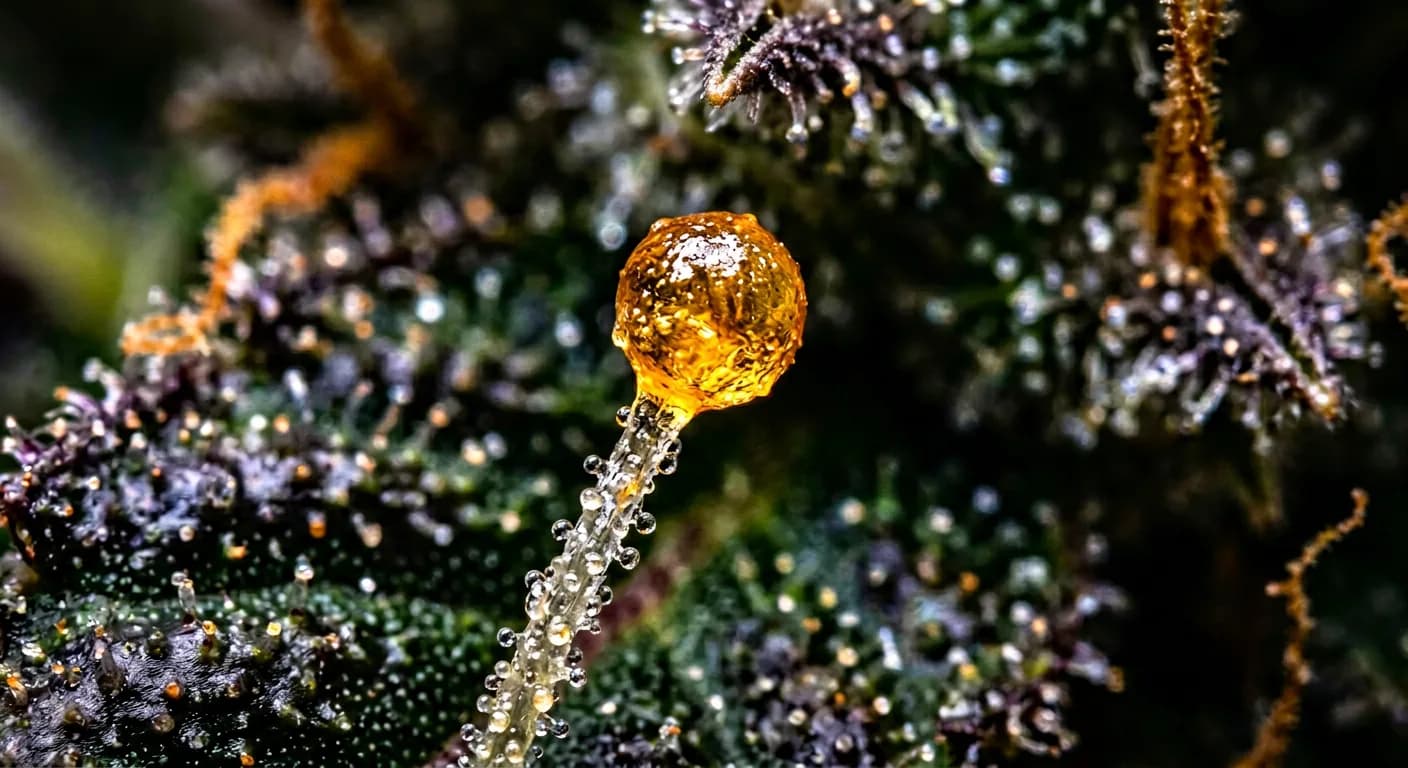
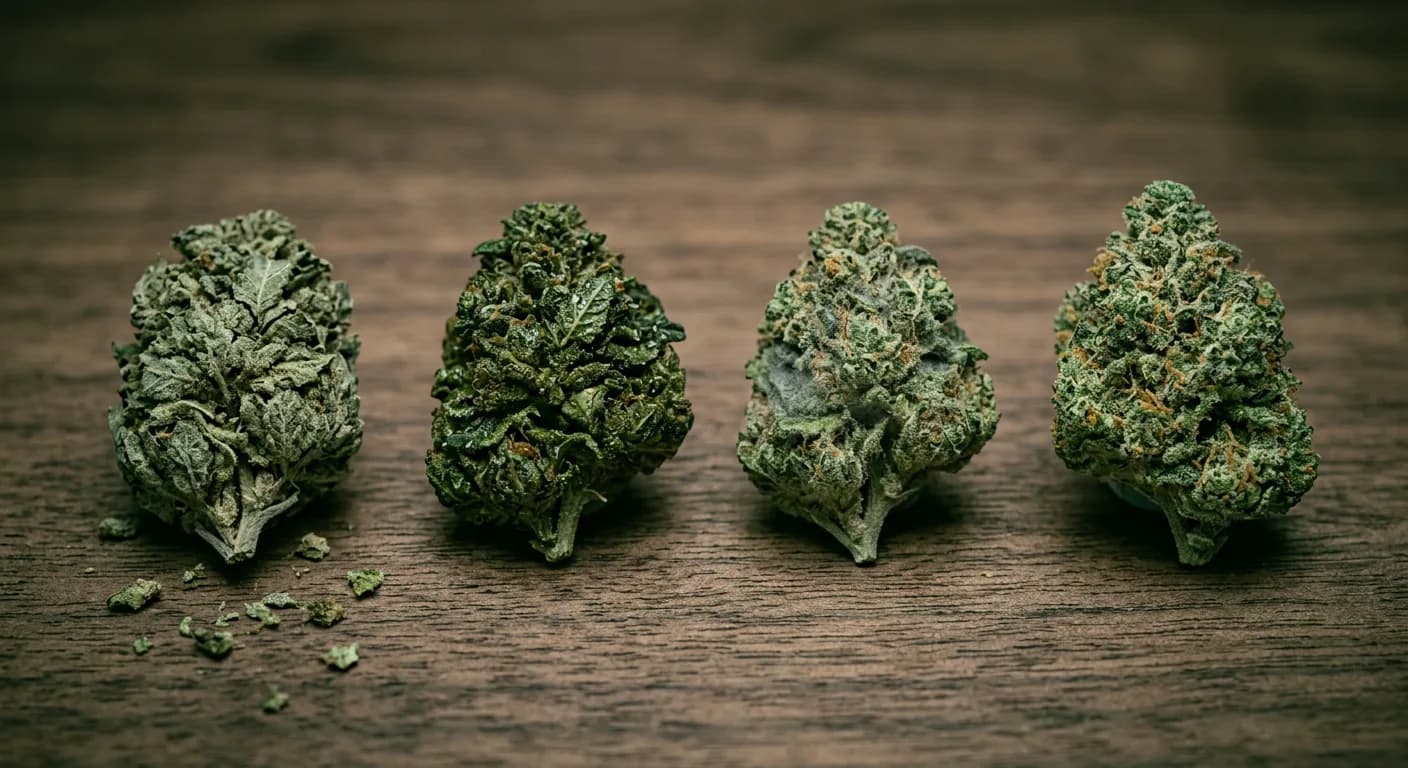
The result is a bud that retains its original three-dimensional structure: calyxes stay fat, trichomes stay upright, color stays bright green or purple rather than fading to olive-brown. Visually, freeze-dried cannabis looks almost alive. Whether it smokes and tastes better is a longer conversation.
Freeze Drying vs Hang Drying: A Head-to-Head Breakdown
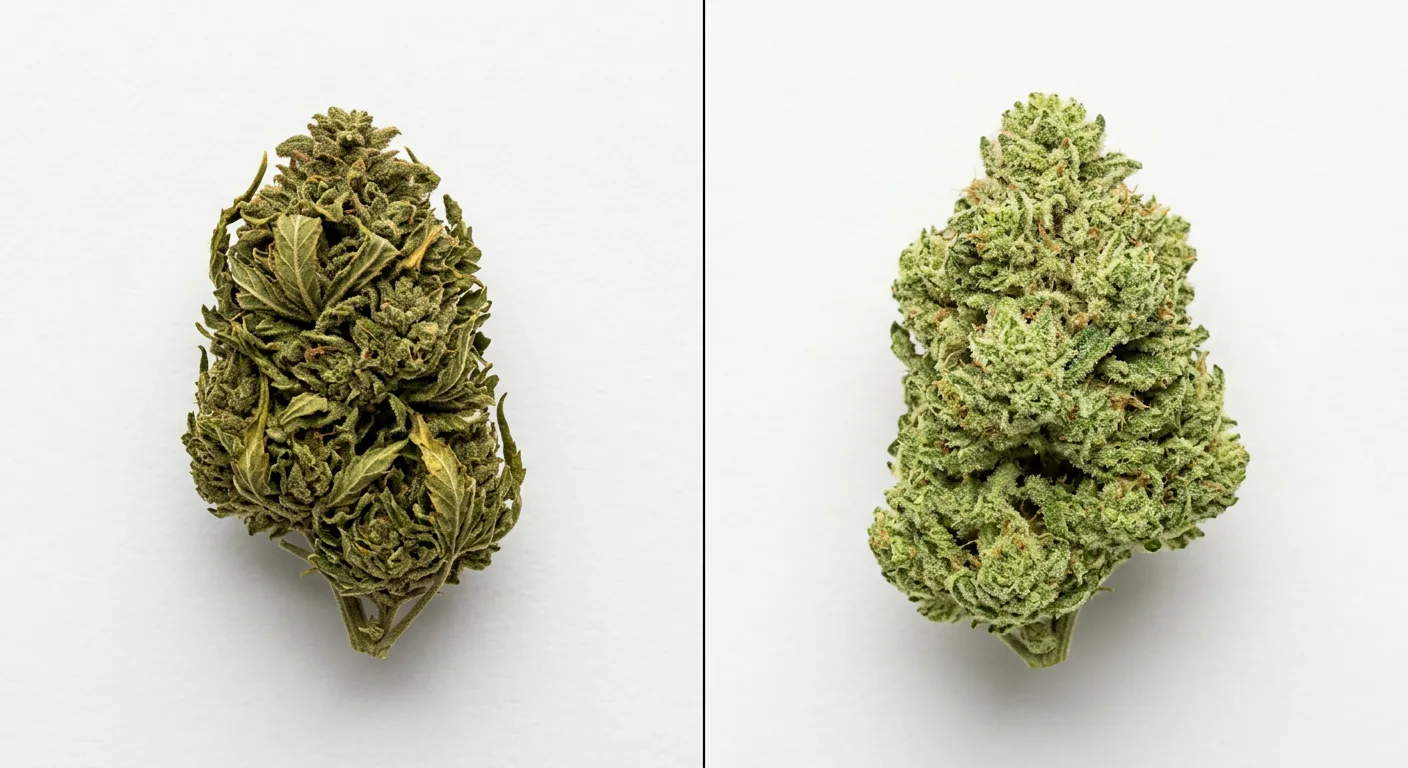
Freeze drying completes in 24–48 hours and locks in volatile terpenes, while hang drying takes 10–14 days but allows enzymatic breakdown of chlorophyll and development of cured flavor. Neither method is universally superior, each has a different output profile that suits different end uses.
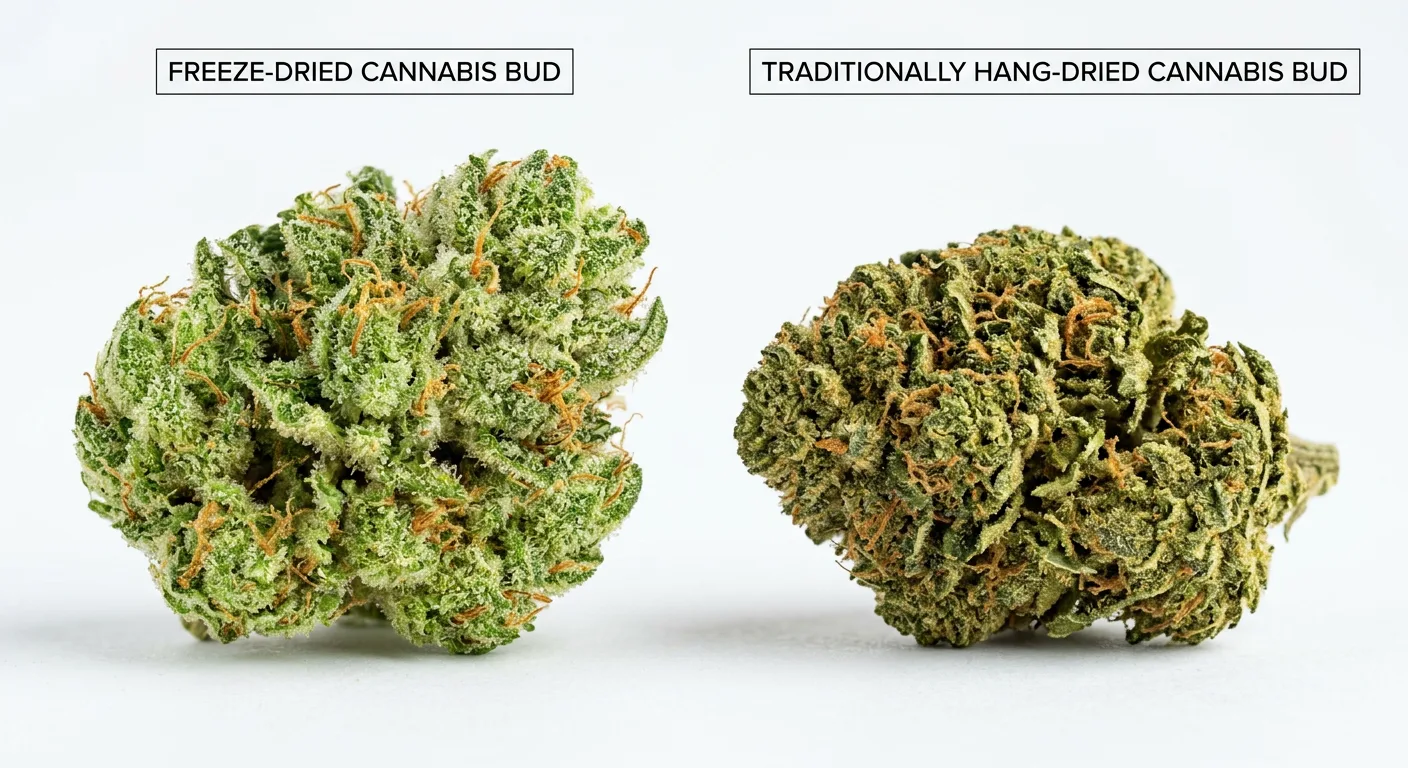
Here's a direct comparison across every variable that matters to an intermediate-to-advanced home grower:
| Factor | Freeze Drying | Hang Drying + Cure |
|---|---|---|
| Time to smokeable | 24–48 hours | 10–21 days minimum |
| Terpene retention | High (15–30% more vs air dry) | Moderate (volatiles off-gas during slow dry) |
| Chlorophyll breakdown | None, chlorophyll is locked in | Enzymatic breakdown over 10–14 days |
| Flavor profile | Bright, sharp, terpene-forward, can taste green | Smooth, complex, developed, classic cured flavor |
| Bud appearance | Puffed, bright, intact trichomes | Compressed, darker, trichomes slightly dulled |
| Texture | Light, crumbly, airy, divides opinion | Dense, slightly sticky, familiar feel |
| Mold risk during process | Very low, hostile environment for pathogens | Moderate, requires humidity/airflow management |
| Equipment cost | $2,500–$5,000 (Harvest Right) | $0–$300 (hangers, tent, fans, hygrometer) |
| Operating cost per run | ~$3–8 electricity per 40h cycle | ~$5–15 electricity over 14 days (fans, dehumidifier) |
| Best use case | Extracts, hash, high-terpene fresh-frozen product | Traditionally cured smokeable flower |
| Post-process cure required? | Optional (1–2 weeks smooths green notes) | Yes, 2–8 weeks minimum for best results |
| Batch consistency | Very high, process is controlled and repeatable | Variable, depends on environment control |
The core truth: freeze drying and hang drying produce different products, not better or worse versions of the same one. Understanding which product you want is more important than debating which method is superior.
One outcome that surprises first-time freeze dryers is the texture. Freeze-dried cannabis is noticeably lighter and more crumbly than hang-dried flower. The sublimation process removes water without collapsing cell structure, leaving an almost foam-like matrix inside the bud. Some growers love this: it grinds easily and burns evenly. Others find it off-putting compared to the dense, sticky feel they're used to. This is one of the most common reasons growers return to hang drying after their first freeze dry run.
The Harvest Right Freeze Dryer: A Home Grower's Honest Review
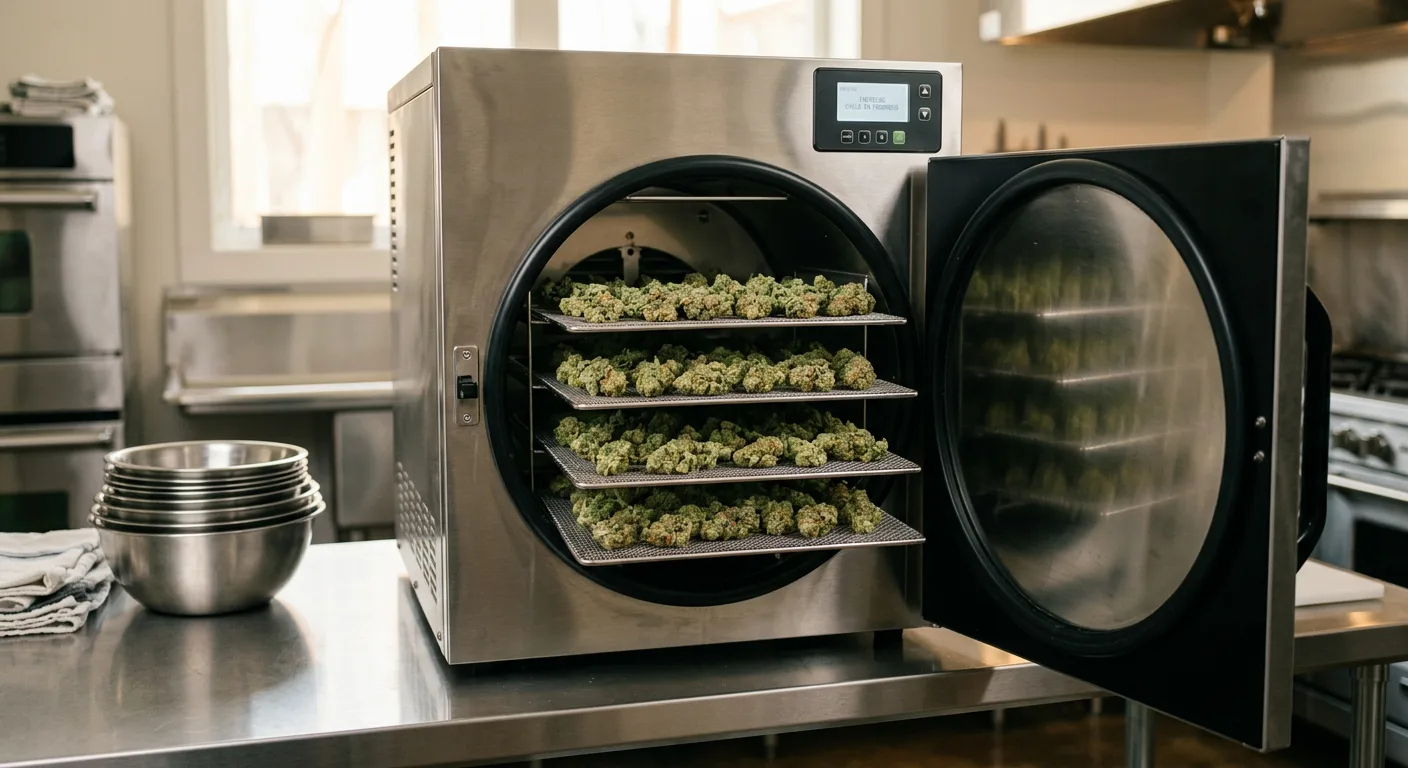
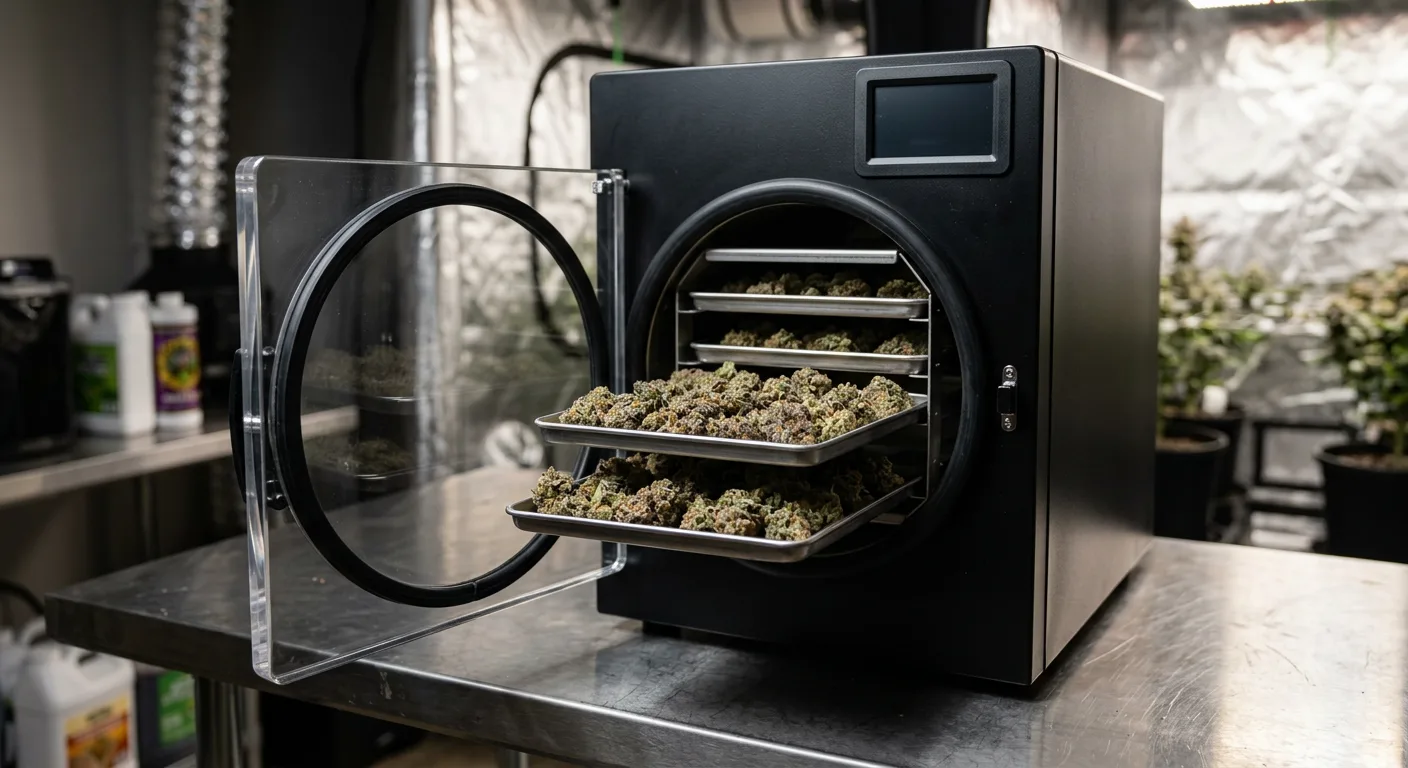
The Harvest Right is the only consumer-grade freeze dryer widely accessible to home growers, ranging from $2,500 for the small unit to $5,000 for the large. It was designed for food preservation but has become the default home cannabis freeze dryer by default, not by design.
Harvest Right offers four unit sizes. For cannabis growers, the small and medium units are the practical options:
- Small ($2,500–$2,800): 4 trays, ~6–7 lbs water removed per batch, fits roughly 1–1.5 lbs fresh cannabis
- Medium ($3,200–$3,800): 5 trays, ~10 lbs water removed per batch, fits roughly 2–3 lbs fresh cannabis
- Large ($4,500–$5,000): 6 trays, ~16 lbs water removed per batch, fits 4–5 lbs fresh cannabis, semi-commercial territory
- X-Large ($6,000+): Designed for commercial operations; overkill for home use
Fresh cannabis is roughly 75–80% water by weight. A 1-lb fresh harvest will yield approximately 3.2–3.5 oz dry, the same mass as hang drying. The freeze dryer doesn't change yield; it changes the process and quality profile.
Grower Tip: Run the freeze dryer at night when electricity rates are lower if you're on a time-of-use utility plan. A 40-hour cycle on the medium unit draws roughly 100–120 kWh total. At $0.15/kWh average, that's $15–18 per run, factor this into your cost calculations.
Real grower experiences with the Harvest Right for cannabis are mixed in one specific area: the learning curve on cycle settings. The machine ships with food-drying presets that run shelves too warm for optimal cannabis terpene preservation. Most experienced cannabis users override the default program and run custom cycles with shelf temps capped at 75°F (24°C) during secondary drying. Getting the settings dialed in typically takes 2–3 runs.
What growers consistently praise:
- Dramatically reduced mold risk, no failed dries due to humidity spikes
- Consistency batch to batch once settings are dialed
- Trichome appearance is visually stunning, looks like live plant material
- Significant time savings, product is ready in days, not weeks
- Fresh-frozen hash washes are transformative when using machine-dried material
What growers consistently criticize:
- The crumbly texture, especially noticeable when rolling joints
- Green or grassy flavor notes that persist without a post-cure period
- Loud vacuum pump noise, runs 24–48 hours continuously
- Machine footprint: the small unit is roughly the size of a mini-fridge
- High upfront cost vs the quality of flower a skilled hang-dry produces
Important: The Harvest Right vacuum pump requires regular oil changes (every 20–25 cycles for oil-based models) or upgrade to the oil-free premier pump (+$500). Neglecting pump maintenance is the #1 cause of machine failure reported by home users. Factor this into your long-term cost planning.
The Case FOR Freeze Drying Cannabis at Home
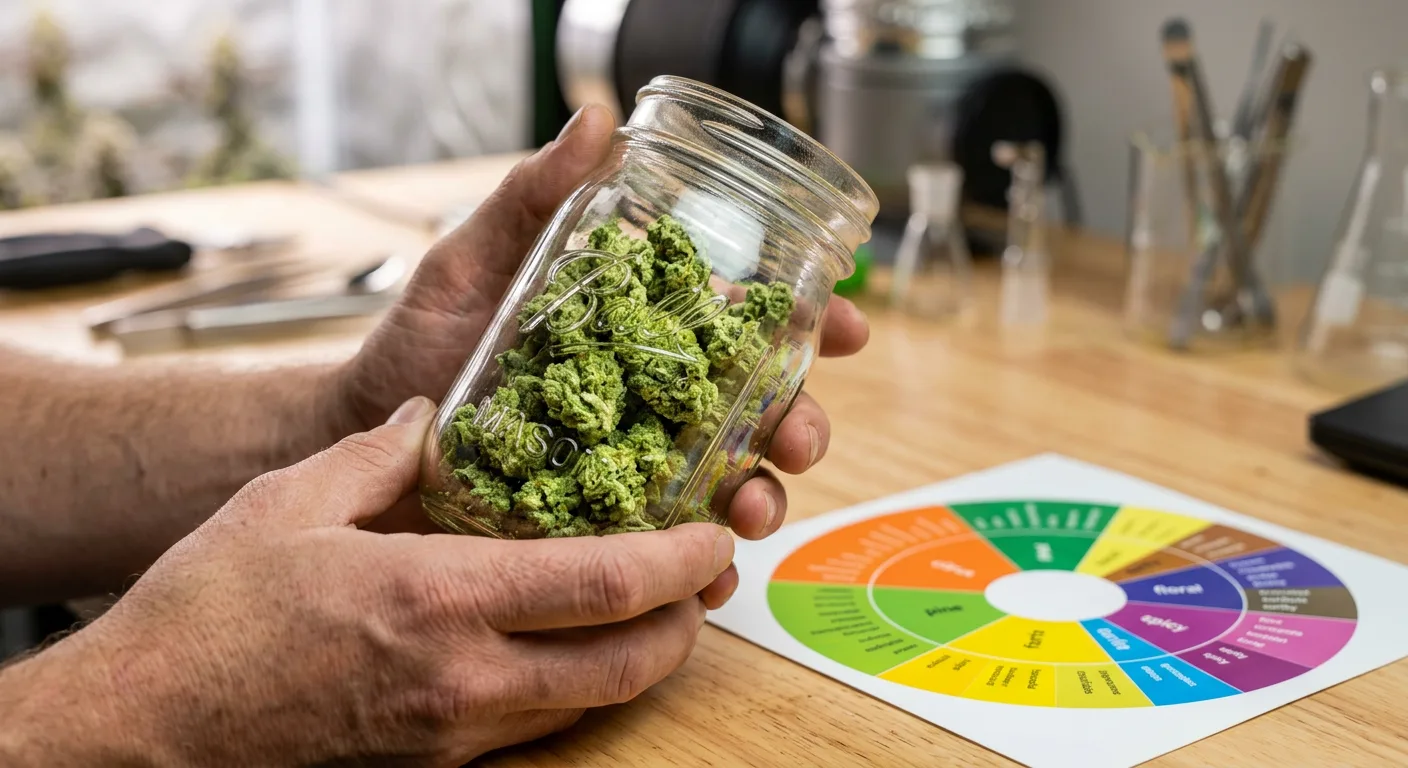
Freeze drying makes the most compelling case for home growers who run multiple harvests per year, prioritize terpene expression over traditional cured flavor, or produce any form of solventless extract. Speed, consistency, and trichome preservation are the three pillars of the pro argument.
Speed and Harvest Throughput
If you run 4–6 harvests per year, the time savings compound significantly. Each hang dry cycle ties up your drying space for 10–14 days. A freeze dryer clears the same harvest in under 48 hours, freeing your space for the next run. For perpetual grow setups with staggered harvests every 6–8 weeks, this alone can justify the investment in operational efficiency.
Terpene Preservation: The Science Is Real
The terpene retention advantage is genuine, not marketing. Volatile terpenes, particularly the monoterpenes responsible for fresh, bright aromas, begin evaporating during a slow hang dry. The combination of time, ambient temperature (even 60–65°F), and air circulation causes measurable terpene loss over 10–14 days. Freeze drying removes moisture at sub-zero temperatures, which keeps these compounds physically locked in resin glands.
For terpene-forward strains like Sour Diesel (famous for its fuel-and-citrus profile) or Super Lemon Haze (23% THC, dominant limonene and terpinolene), freeze drying can meaningfully intensify the nose and flavor. If you've ever noticed a strain losing its distinctive aroma during a long dry, freeze drying solves exactly that problem.
Eliminating the Hay Smell Risk
The dreaded hay or grass smell that plagues improper hang dries happens when cannabis dries too fast at high temperature: chlorophyll doesn't break down properly and hexanal compounds dominate. Freeze drying eliminates this risk entirely by removing moisture through a process that has no temperature-driven off-gassing phase. The product never smells like hay. It may smell green, but that's a different problem with a different solution.
Consistency as a Repeatable Process
Hang drying requires precise environmental control (60°F, 60% RH, low airflow) maintained for 10–14 days. Any humidity spike or temperature fluctuation changes the outcome. A freeze dryer removes environmental variability entirely. Once you dial in your custom cycle, every run produces the same output regardless of what the weather is doing outside. For growers who want to build a consistent product, this repeatability is genuinely valuable. For tips on setting up an optimal drying room, our guide covers the hang-dry approach in full.
The most underrated advantage of freeze drying isn't terpene retention or speed: it's that it completely removes the single most common way home growers ruin a good harvest: an uncontrolled dry environment.
The Case AGAINST Freeze Drying: Real Limitations to Know
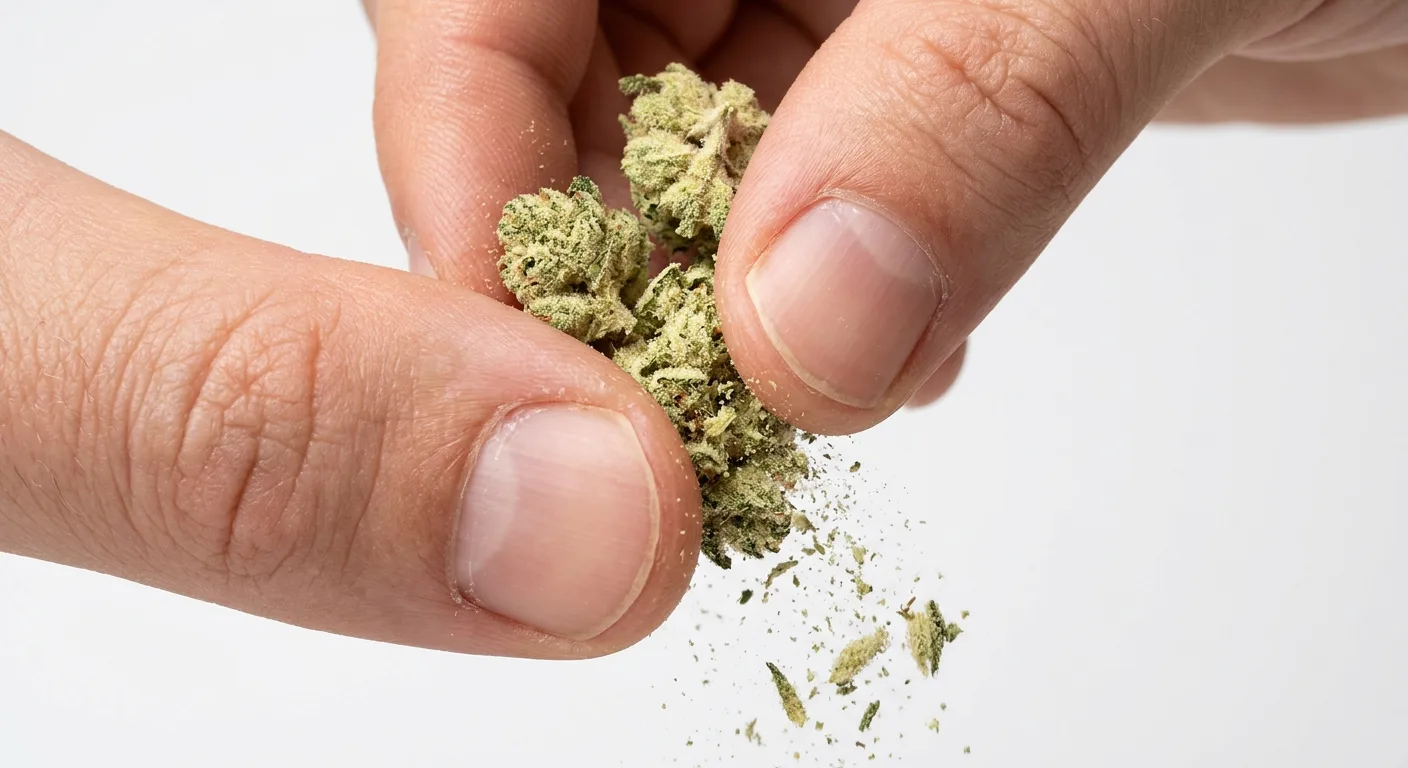
Freeze drying cannabis has three genuine drawbacks: the texture divides grower opinion, the green flavor requires extra curing effort, and the cost is difficult to justify for small personal grows. Understanding these limits prevents an expensive mistake.
The Texture Debate Is Real, and It Matters
Freeze-dried cannabis has a distinctive light, crumbly texture that many experienced smokers find off-putting. Because sublimation preserves the cellular scaffold that water normally collapses during a slow dry, freeze-dried buds are structurally airy. They crumble at the touch, grind to a fine powder quickly, and don't pack into a bowl or joint the same way dense hang-dried flower does.
This isn't a matter of opinion on quality: it's a physical outcome of the process. Many long-time growers report that after running a few freeze dry cycles, they prefer hang-dried flower for direct consumption precisely because of texture and mouthfeel. For extracts, it's irrelevant. For the smoking experience, it's a real consideration.
No Enzymatic Chlorophyll Breakdown: The Green Flavor Problem
Traditional hang drying triggers enzymatic activity that breaks down chlorophyll over 10–14 days. This is why properly dried cannabis tastes smooth and herbal rather than sharp and vegetal. Freeze drying locks chlorophyll in place. The result can be a noticeably green or grassy taste, especially in the first few sessions after opening a jar of freeze-dried flower.
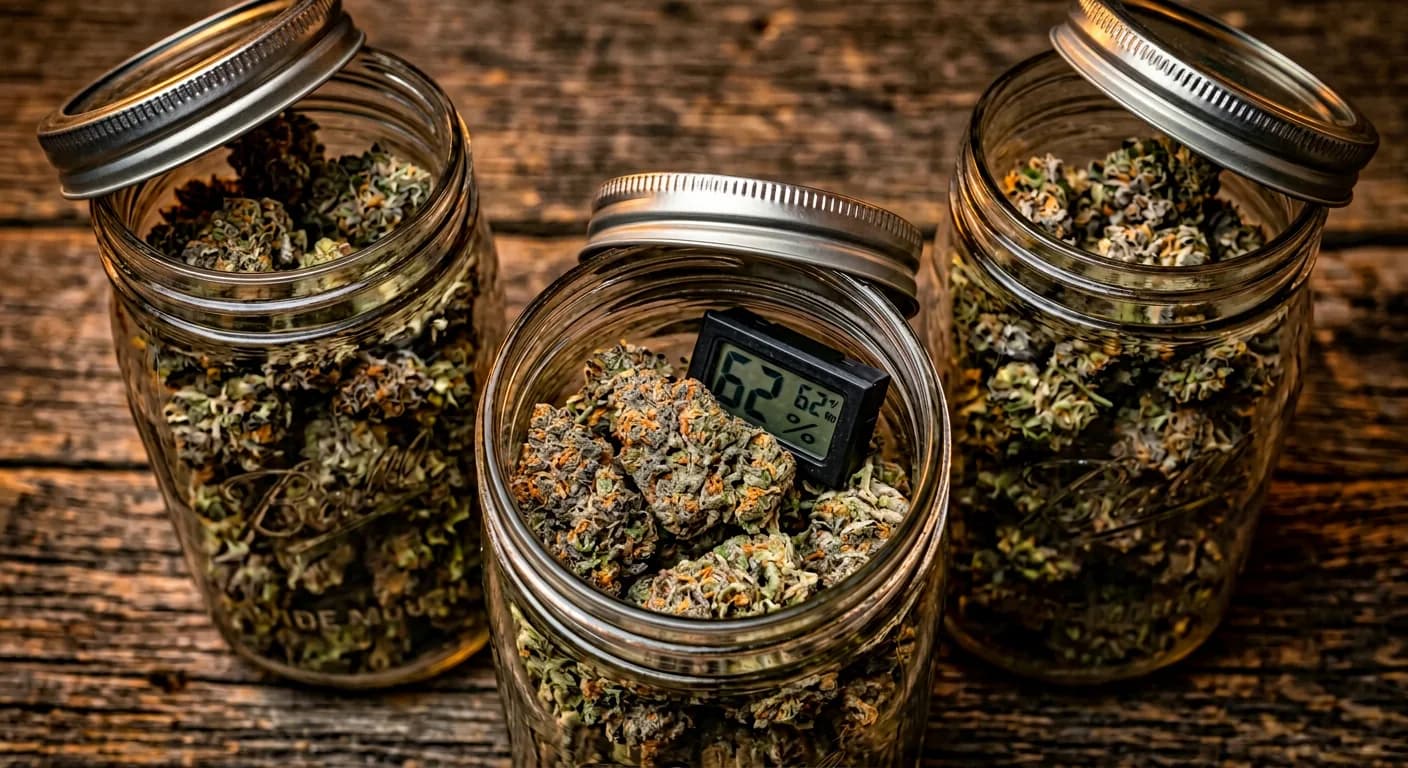
A post-freeze-dry cure in sealed glass jars with 62% humidity packs for 1–2 weeks can reduce green notes significantly, but the process never fully replicates the enzymatic breakdown of a proper slow dry and cure. For growers who value the classic, smooth cured flavor above all else, hang drying simply produces a different, and for this purpose, better, result.
Caution on Rehydration: Freeze-dried cannabis reaches 10–12% moisture. Storing it without humidity regulation in dry climates will push water activity below 0.55 Aw, making it harsh and prone to trichome dust loss. Always use 62% humidity packs in storage. Check our water activity curing guide for exact targets.
The Cost Barrier Is Substantial
A $2,500 minimum investment is a major barrier for home growers producing personal-use quantities. If you grow one or two plants per cycle and harvest 2–3 oz, the math simply doesn't work. See the full cost-per-grow calculation section below for exact numbers, but the short version is: you need to be processing consistent multi-ounce harvests multiple times per year for the capital cost to amortize to a sensible per-run figure.
The Machine Requires Ongoing Maintenance
Cannabis resin, especially on fresh-frozen material, can coat the freeze dryer chamber, trays, and condenser over multiple runs. Regular cleaning with isopropyl alcohol is mandatory. Oil-pump models require oil changes every 20–25 cycles. Expect to spend 30–60 minutes on maintenance per run when you factor in cleaning and inspection. This isn't a set-it-and-forget-it appliance.
Freeze Drying for Live Hash and Bubble Hash: The Sweet Spot
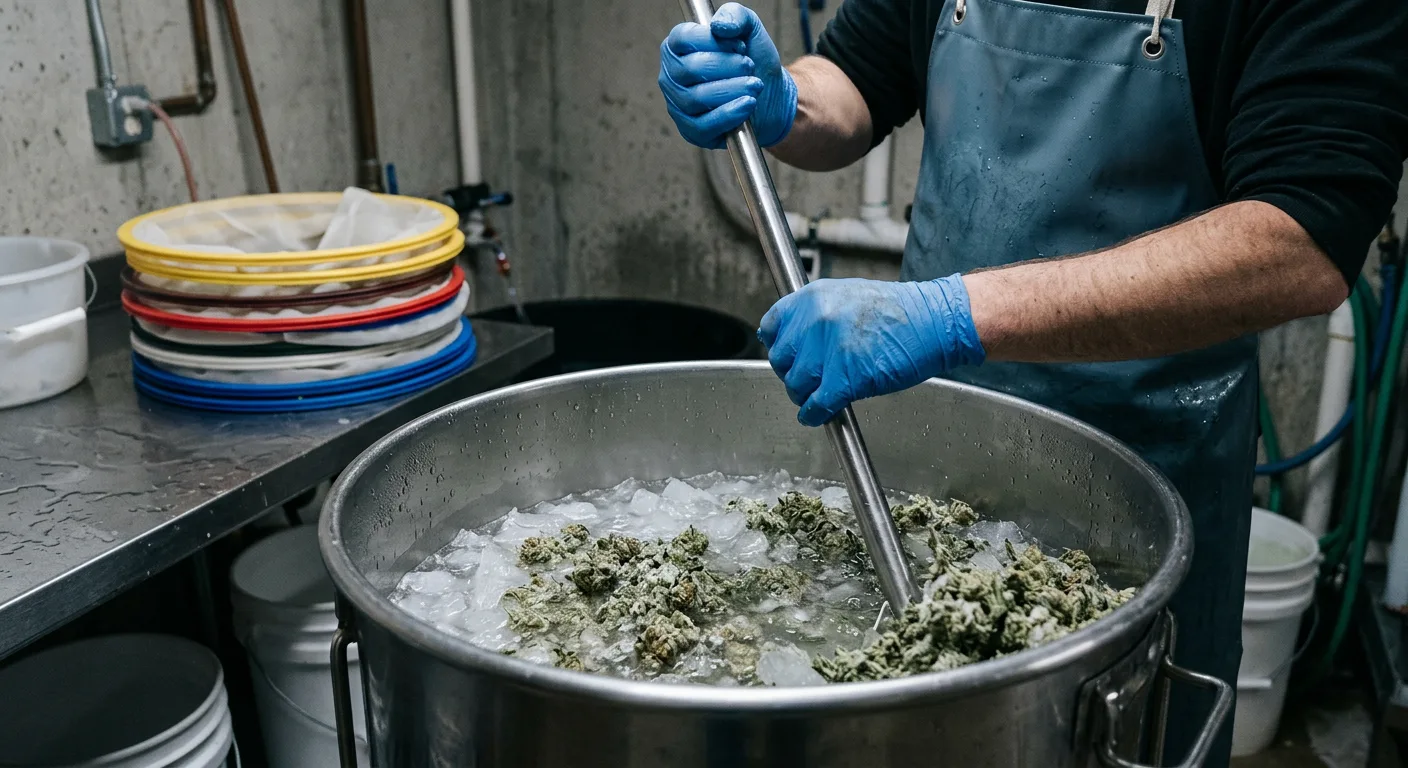
Freeze drying's single clearest best-use case for home growers is in the bubble hash and live rosin pipeline. Fresh-frozen cannabis washed for ice water hash then freeze-dried produces a final product that routinely grades as 6-star full-melt, the highest quality tier in solventless extraction.
Here's why this application is different from drying flower for smoking:
- Texture doesn't matter: hash is pressed, dabbed, or re-extracted, not smoked as flower
- Chlorophyll flavor is removed during the wash process, green notes aren't an issue
- Terpene preservation is the entire point, freeze drying directly amplifies live rosin quality
- Small batch efficiency: you're drying hash patties (thin, uniform), not dense buds, cycles run faster
The standard commercial live resin and live rosin workflow mirrors exactly what home growers can replicate with a Harvest Right:
Harvest and Flash Freeze
Cut plants and place directly into sealed bags in a chest freezer set to -20°F (-29°C) within 30 minutes of harvest. Do not trim first, keep the plant material intact to protect trichomes. Freeze for a minimum of 24 hours before washing.
Ice Water Wash
Wash fresh-frozen material in ice-water bubble hash bags at 34–38°F (1–3°C) water temperature. The cold keeps trichome heads firm and intact. For a full comparison of methods, see our dry ice hash vs bubble hash guide.
Freeze Dry the Wet Hash
Spread wet hash patties thinly (1/4 inch or less) on freeze dryer trays lined with parchment paper. A full cycle at cannabis settings (primary drying at 0°F shelf, secondary at 68–72°F shelf) runs 18–26 hours for hash compared to 36–48 hours for whole buds. The output is dry, sandy, full-melt hash with exceptional aroma.
Press into Live Rosin (Optional)
Freeze-dried hash can be pressed on a rosin press at 160–180°F to produce live rosin. Material processed this way retains the live terpene profile you've preserved through every step since harvest, producing a dab product with quality that rivals commercial solventless extracts costing $60–$100/gram retail.
For hash washing and freeze drying, trim and small buds are just as valuable as main colas. High-resin strains with dense trichome coverage on sugar leaves, like OG Kush (26% THC) or White Widow (25% THC), make the economics of a freeze dryer much more favorable when you're extracting value from every part of the plant.
Cost-Per-Grow Calculation: Does the Math Work Out?

The Harvest Right small unit at $2,800 amortizes to roughly $56 per run over 50 cycles, plus $5–15 in electricity per run. A medium-to-large home grower running four harvests per year hits break-even on terpene-preserved quality product within 2–3 years, but only if they're processing enough volume.
Let's build the actual numbers for three typical home grower profiles:
| Grower Profile | Harvests/Year | Yield/Harvest (fresh) | Cost Per Run (amortized) | Break-Even Timeline | Verdict |
|---|---|---|---|---|---|
| Casual personal | 2–3x | 1–2 oz dry (~5–8 oz fresh) | $93–140+ | Never, cost exceeds value | ❌ Not worth it |
| Serious home grower | 4–6x | 4–8 oz dry (~1–2 lbs fresh) | $47–70 | 3–4 years | ⚠️ Marginal, extract focus tips it |
| Hash/extract producer | 6–8x | 8–16 oz dry (~2–4 lbs fresh) | $35–47 | 1.5–2.5 years | ✅ Worth it |
Full Cost Breakdown: Harvest Right Small Unit Over 3 Years
- Machine purchase: $2,800 (new, Harvest Right small)
- Oil-free pump upgrade (recommended): +$500 one-time
- Replacement trays + accessories (3 years): ~$150
- Electricity (24 runs/year × 120 kWh × $0.15): ~$432/year = $1,296 over 3 years
- Cleaning supplies and maintenance (3 years): ~$120
- Total 3-year cost: ~$4,866
- Cost per run (72 runs over 3 years): ~$67
Now apply the value side: a grower producing 4 oz of live rosin per harvest at retail quality ($60–$80/gram) is creating $6,800–$9,000 in product value per harvest run. Even at personal-use cost savings, the freeze dryer pays for itself in one year at this production level. For extract producers, this isn't even a close call.
Budget Alternative: If $2,500+ is out of reach, some home growers use a dry ice pre-freeze (placing fresh-cut material in a cooler with dry ice for 2–4 hours before vacuum sealing) combined with a standard food vacuum sealer to approximate some terpene-preservation benefits. It's not freeze drying, but it slows terpene off-gassing during the hang-dry window and costs under $100. Not a replacement, but a useful middle ground.
Use our grow cost calculator to model your specific situation: input your harvest frequency, yield per cycle, and local electricity rate to see personalized break-even projections.
How to Freeze Dry Cannabis at Home: Step-by-Step
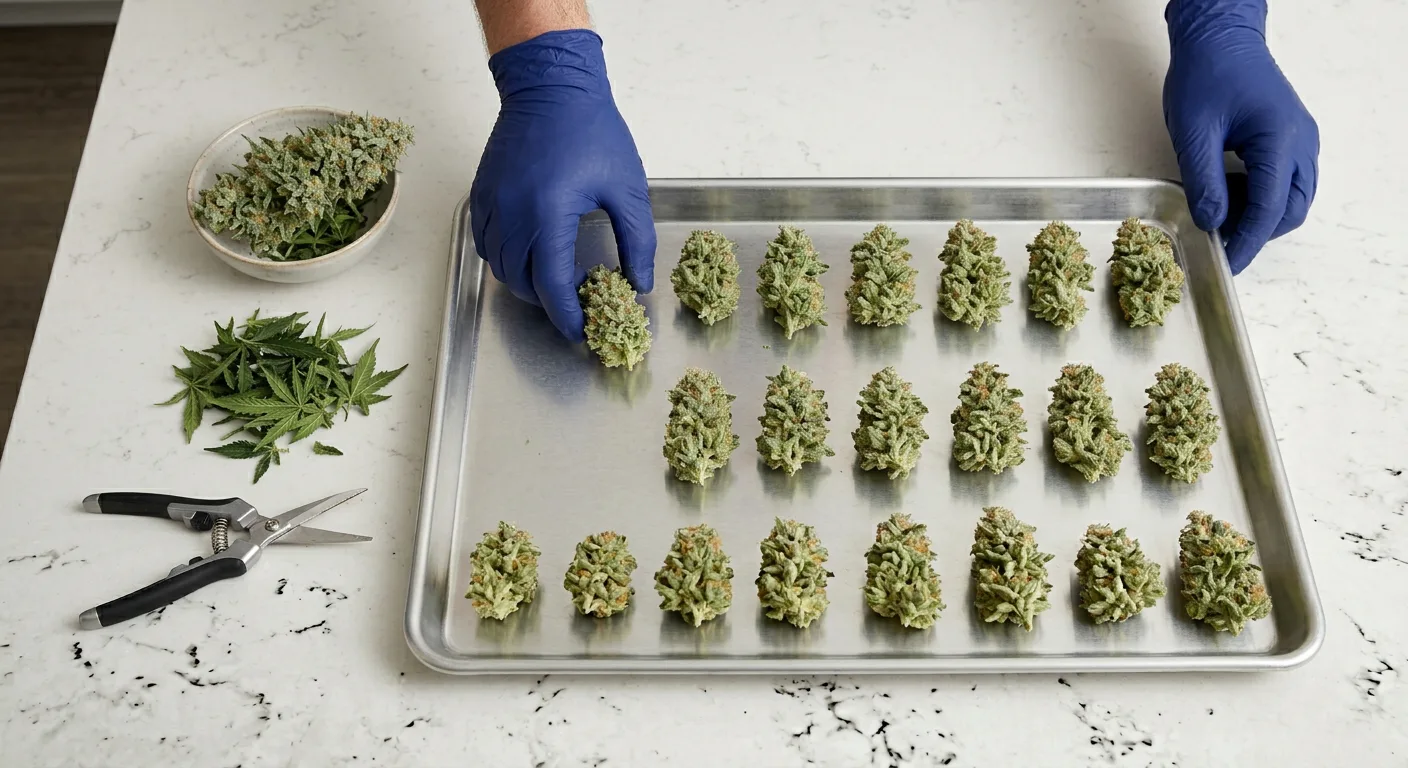
Running your first cannabis freeze dry cycle successfully requires correct pre-freeze prep, custom cycle settings (not the food defaults), and proper post-process storage. Follow this sequence and your first run will produce consistent results.
Pre-Freeze Preparation
- Harvest timing: Cut plants when trichomes show 10–20% amber for smokeable flower; harvest at 0% amber (all milky white) for fresh-frozen extraction material
- Wet trim vs dry trim: Wet trim before freeze drying, removing fan leaves and large sugar leaves before loading reduces bulk and improves cycle time by 20–30%
- Pre-freeze in a chest freezer: Place trimmed buds on trays in a separate chest freezer set to -20°F for 4–8 hours before loading the Harvest Right. This pre-crystallizes moisture and reduces initial pump load
- Loading density: Load buds in a single layer, no stacking. Overlapping buds extends cycle time and creates uneven drying. Use all available tray surface area but keep material at 1–2 inch depth maximum
Custom Cycle Settings for Cannabis (Harvest Right)
Do not use the Harvest Right's default food presets. They run shelf temperatures too high for cannabis terpene preservation. Use these custom settings as a starting point:
- Freezing phase: -40°F to -50°F, minimum 4 hours (use pre-freeze to reduce this)
- Primary drying shelf temp: Do not exceed 32°F (0°C). Many experienced users set this to 10–20°F (-12 to -7°C) for best results
- Primary drying duration: 24–36 hours for typical buds; 36–48 hours for very dense strains
- Secondary drying shelf temp: 68–75°F (20–24°C). This is safe since most free water is already removed
- Secondary drying duration: 4–8 hours, check for crispness (not powder) before ending cycle
- Target final moisture: 10–12% (water activity 0.55–0.65 Aw)
The Crispness Test
Remove one representative bud at the end of secondary drying and gently squeeze. Properly freeze-dried cannabis should feel light and springy, with slight crunch under firm pressure, not dusty-dry or still soft. If soft, extend secondary drying by 2 hours.
Post-Freeze-Dry Storage
- Transfer immediately to glass mason jars, freeze-dried cannabis is highly hygroscopic and will reabsorb ambient humidity within minutes of machine removal
- Add 62% Boveda or Integra Boost humidity packs, see our humidity pack comparison guide for which to choose
- Burp jars daily for the first 5–7 days to allow any remaining gas exchange
- Optional: allow a 1–2 week cure at room temperature in sealed jars to reduce green flavor notes before consuming
- Long-term storage: vacuum-seal after the initial cure phase, freeze-dried cannabis stored properly maintains quality for 12–18 months
Best Strains to Freeze Dry at Home
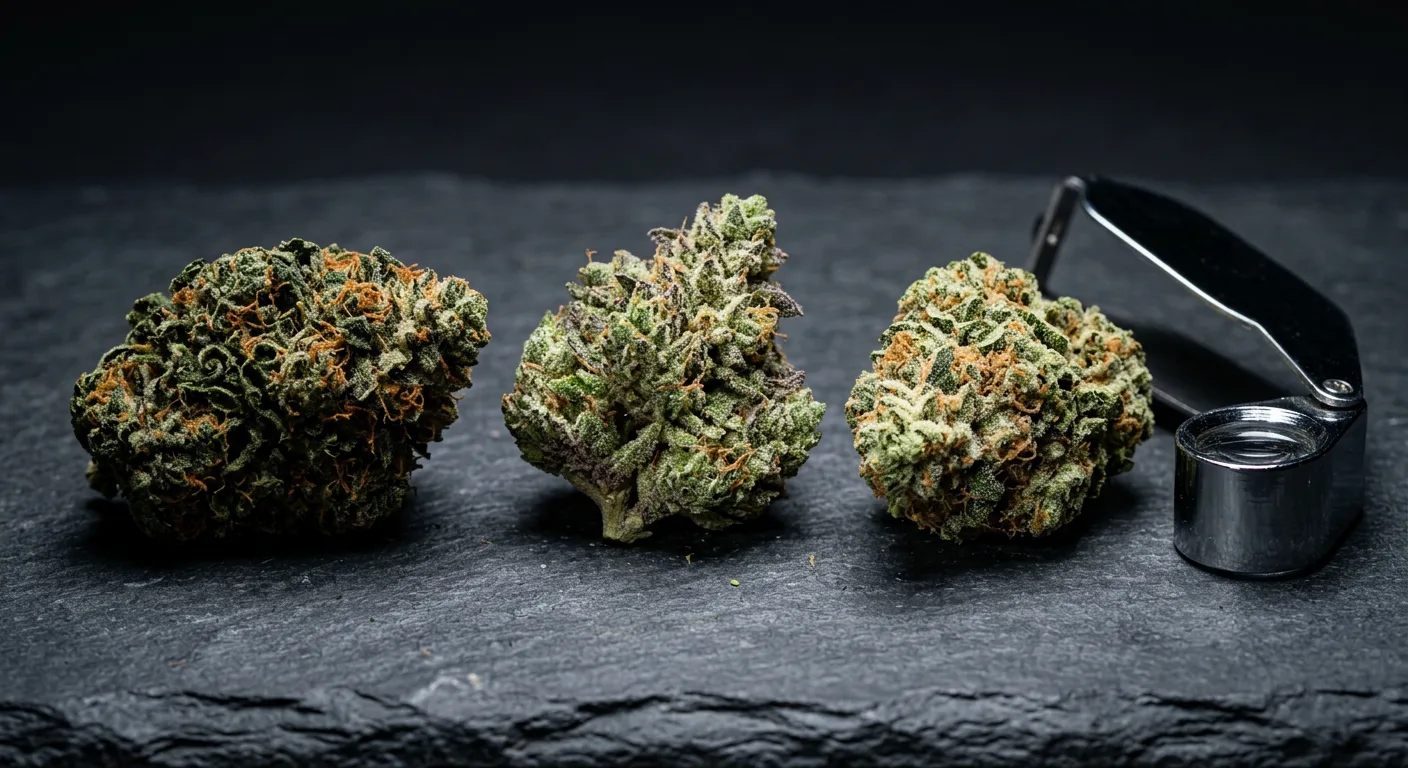
High-resin, terpene-rich strains gain the most from freeze drying because they have the most volatile aromatic compounds to preserve. Strains with thin-walled buds and lower resin output show less improvement over hang drying and don't justify the processing cost difference.
The ideal freeze-dry candidate shares these traits:
- Dense trichome coverage on buds AND sugar leaves (maximizes extract yield from trim)
- Prominent terpene profile with high monoterpene content (limonene, myrcene, terpinolene, pinene)
- THC above 20% (higher resin gland density correlates with better freeze-dry response)
- Relatively open bud structure or medium density (ultra-dense buds may require longer cycles)
Top Picks for Freeze Drying
From the industry (strains we don't carry but you should know):
- Gorilla Glue #4 (GG4): Exceptionally resinous, famous for coating everything it touches, one of the most-freeze-dried strains in the commercial solventless world. Trichome density is unmatched for home hash making.
- Wedding Cake: Rich caryophyllene and limonene profile. Freeze drying preserves its creamy, vanilla-pepper nose that typically degrades significantly during a slow dry.
- Zkittlez: Famous for fruity terpene complexity. The volatile esters responsible for its candy-like aroma are exactly what freeze drying protects. A prime candidate.
- Gelato: High-resin hybrid with a sweet, dessert terpene profile. Hash producers consistently rank Gelato-derived live rosin among their top-yielding and best-tasting outputs.
High-resin strains that respond exceptionally well to freeze drying:
- OG Kush Feminized (26% THC), The classic fuel-and-earth terpene profile that defines West Coast hash culture. OG Kush's monoterpene-dominant nose loses significant character during hang drying. Freeze drying preserves the exact profile that makes this strain legendary.
- Quantum Kush Feminized (30% THC), Among the highest-THC strains in this lineup. Extreme resin production makes this a natural for both freeze-dried flower and live hash production. Dense trichome coverage across the entire plant.
- Black Widow Feminized (26% THC), A White Widow descendant with exceptional resin production. Growers report that the sharp, spicy-citrus terpene profile that distinguishes Black Widow from more generic Widows is almost entirely preserved by freeze drying.
- Sour Diesel Feminized (24% THC), The terpene profile that made Sour Diesel famous, sharp diesel, citrus, and fuel, is dominated by volatile monoterpenes that off-gas substantially during a 10-day hang dry. Freeze drying is arguably the definitive method for preserving authentic Sour D character.
- Papaya Feminized (25% THC), Tropical terpene expression with fruity esters and high resin. The exotic fruity notes in Papaya respond very well to freeze drying; hash produced from freeze-dried Papaya trim is notably aromatic.
- White Widow Feminized (25% THC), One of the original resin-monster strains. White Widow's crystalline trichome coverage is visually extraordinary after freeze drying, and the strain's herbal-spicy profile is a freeze-dry beneficiary.
- Skywalker OG Autoflower (23% THC), OG-lineage terpene profile in an autoflower format. For perpetual grow setups producing frequent harvests, autoflowers like Skywalker OG can keep a small freeze dryer running on a near-continuous harvest-to-harvest schedule.
Extraction Planning Tip: When selecting strains specifically for freeze-dry hash production, prioritize trichome density over raw THC percentage. A 22% strain with massive trichome coverage on sugar leaves will yield more hash per pound than a 28% strain with sparse peripheral coverage. Use our yield estimator tool to project extract output from your specific strain and grow size.
Who Should Freeze Dry, and Who Should Stick to Hang Drying
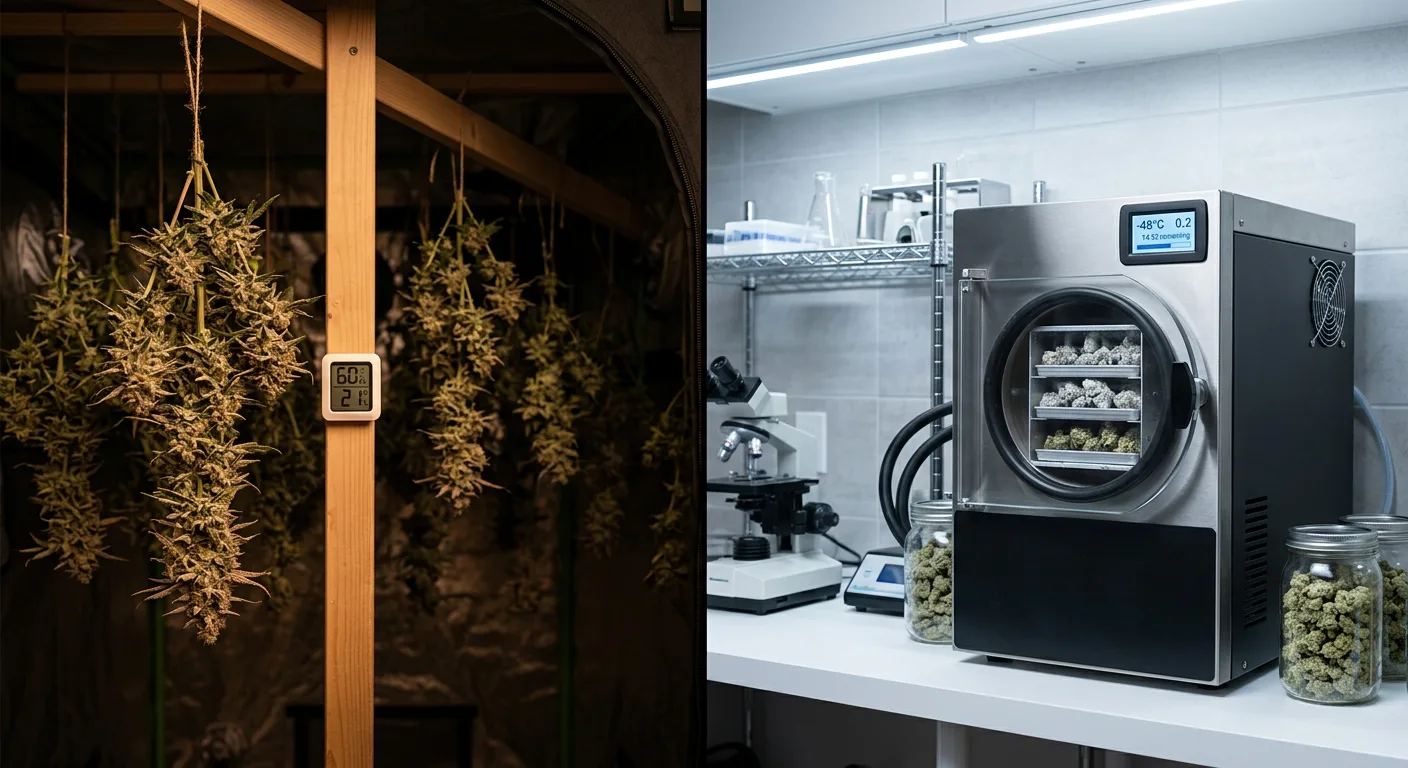
Freeze drying is unambiguously worth it for extract makers, perpetual home growers, and hash enthusiasts processing multiple harvests annually. For small personal grows producing 1–3 oz per cycle, hang drying with proper environmental control produces excellent flower at a fraction of the cost.
Freeze Drying Makes Sense If You:
- Run 4+ harvests per year and need to turn space around quickly
- Make bubble hash, live rosin, or any solventless extract
- Grow high-resin strains specifically for their terpene profile
- Have experienced a failed hang dry due to humidity problems
- Consistently harvest 4+ oz dry weight per cycle
- Want to produce fresh-frozen quality product at home
- Value consistency and repeatability above all else
Stick with Hang Drying If You:
- Grow 1–2 plants per cycle for personal use
- Prefer traditionally cured, smooth flower flavor above sharp terpene expression
- Have a well-controlled drying environment (60°F, 60% RH, minimal airflow)
- Don't make extracts or hash
- Can't justify $2,500+ in equipment for your production volume
- Enjoy the slow craft of traditional drying and curing as part of your grow practice
The honest answer to 'is freeze drying cannabis worth it' is almost always: it depends on what you're making. For flower, hang drying done right is hard to beat. For extracts, freeze drying is a game-changer. Many serious home growers eventually do both, hang dry the best colas for smoking, freeze dry the trim and smaller buds for hash.
If you're still dialing in your drying and curing process before considering a freeze dryer investment, our guides on curing small harvests, fixing over-dried cannabis, and harvest timing for maximum potency are worth working through first. A freeze dryer won't save a harvest cut at the wrong time or from the wrong strain for your goals.
Frequently Asked Questions
How long does it take to freeze dry cannabis at home?
A typical freeze drying cycle for cannabis runs 24 to 48 hours depending on bud density, batch size, and machine model. This compares to 10–14 days for traditional hang drying. Very dense strains may require up to 60 hours on a Harvest Right small or medium unit. Hash patties dry faster, typically 18–26 hours, because of their thin, uniform layer.
Does freeze drying cannabis preserve more terpenes than hang drying?
Yes. Sublimation never raises material temperature above 32°F during primary drying, preventing volatile monoterpenes like myrcene, limonene, and terpinolene from off-gassing. Research on botanical freeze drying shows terpene retention 15–30% higher than ambient-temperature drying methods. The improvement is most noticeable in terpene-dominant strains and in solventless extracts made from freeze-dried material.
Can you cure freeze-dried cannabis after the process?
Yes, a 1–2 week jar cure with 62% humidity packs after freeze drying reduces green or grassy flavor notes. However, freeze drying locks chlorophyll in place (there's no enzymatic breakdown during the process), so post-freeze-dry curing won't fully replicate the smooth flavor of a traditional slow-dry-and-cure. It does improve it meaningfully. Burp jars daily for the first week.
Is the Harvest Right freeze dryer worth the cost for home growers?
For extract producers and hash makers processing multiple pounds per harvest, the Harvest Right pays for itself within 2–4 grows through quality improvement and reduced loss. For small personal grows under 2 oz dry per cycle, the $2,500–$5,000 upfront cost is very difficult to justify against a well-controlled hang dry. The break-even point is approximately 50–72 runs for serious growers at $67 per run all-in cost.
Do you lose total crop weight when freeze drying cannabis?
No, both freeze drying and hang drying remove roughly the same total moisture, bringing cannabis from 75–80% water at harvest down to 10–12% dry weight. Freeze drying removes water via sublimation rather than evaporation, which preserves bud structure and volume. Freeze-dried buds look larger and lighter than hang-dried buds of identical dry weight because the cellular scaffold remains intact.