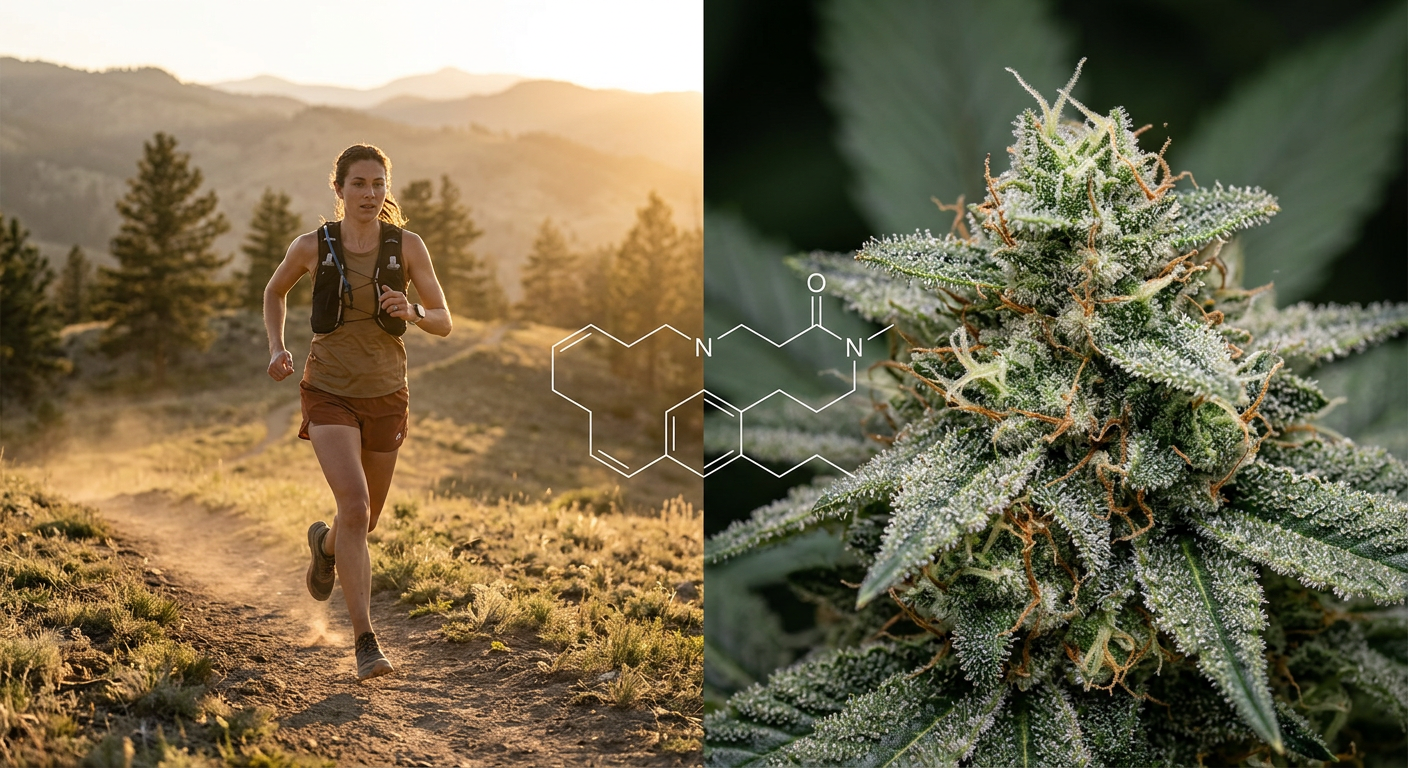
Here is a claim you have almost certainly seen: CBN is nature's sleep aid — the cannabinoid that makes cannabis sedating. It's on product labels, wellness blogs, and social media threads. The only problem? The primary human study behind this claim involved five people, was conducted in 1975, and never actually tested CBN on its own. The CBN cannabinoid sleep narrative is one of the most aggressively marketed — and most poorly supported — stories in the modern cannabis wellness space.
That doesn't mean CBN is useless. It means the truth is more nuanced, more interesting, and more useful to growers than the marketing version. This guide cuts through the hype, examines what the science actually shows, and explains exactly what CBN means for your cultivation decisions.
What CBN Actually Is: The Biochemistry of a Degradation Product
CBN (cannabinol) is a minor cannabinoid that forms when THC oxidizes — meaning it degrades rather than being directly synthesized in significant quantities by a healthy cannabis plant. Fresh, properly grown cannabis contains very little CBN. It accumulates over time as THC molecules lose hydrogen atoms and gain oxygen, converting to cannabinol through a process called oxidative degradation.
Unlike THC, CBD, or CBG — all of which have defined biosynthetic pathways from CBGA (the 'mother cannabinoid') — CBN is essentially a byproduct. The more THC a plant produces and the longer that THC is exposed to degrading conditions, the more CBN accumulates.
The Chemical Pathway: THC to CBN
The conversion follows a clear sequence. CBGA is enzymatically converted to THCA in the trichome. After harvest and decarboxylation (heat), THCA becomes THC. Exposed to oxygen, UV light, or heat over time, THC loses electrons and becomes CBN — a fully aromatic compound with a different molecular structure and significantly altered receptor binding properties.
- CBGA — biosynthetic precursor (the starting point)
- THCA — acid form in the living plant
- THC — active form after decarboxylation
- CBN — oxidized degradation product of THC
Biochemically, CBN retains a partial affinity for cannabinoid receptors because it still shares structural features with THC — but the oxidation process changes its three-dimensional shape enough that it binds far less effectively. Think of it as a worn-down key that still fits the lock but no longer turns it cleanly.
To understand how cannabinoids like CBN interact with your body at a systems level, it helps to understand the endocannabinoid system — the receptor network that all cannabinoids work through. CBN's effects, modest as they are, flow through the same CB1 and CB2 pathways as THC and CBD.
For a deeper look at where all cannabinoids originate inside the plant itself, our guide to cannabis trichome biology and cannabinoid production covers the full synthesis process.
The 1975 Study Problem: Why the Evidence Is Weaker Than You Think

The foundational claim that CBN causes sedation traces back almost entirely to a single 1975 study by Karniol, Shirakawa, Kasinski, Pfeferman, and Carlini. When you dig into the actual methodology, the claim falls apart quickly. This study is the most-cited evidence for CBN sedation — and it barely supports the conclusion applied to it.
What the Study Actually Did
The 1975 study gave five healthy male volunteers a combination of CBN and THC together, then measured subjective reports of drowsiness. Subjects reported feeling more sedated when CBN was added to THC compared to THC alone. That's it. That is the evidence most CBN sleep products are built on.
- Sample size: 5 participants — far too small for statistical reliability
- Design: CBN was never tested in isolation against a placebo
- Confound: The increased sedation could have come from the combined dose of THC + CBN, not CBN specifically
- Self-reporting: Drowsiness was measured by subjective report, not sleep architecture data
- Era limitations: 1975 research standards predate modern clinical trial methodology entirely
Almost every CBN sleep product on the market today — including products priced at $60–$90 per bottle — cites this 1975 study either directly or as the indirect source of the claim. A single study with five participants and no isolated CBN condition does not constitute clinical proof of sedation.
More Recent Human Research
A 2021 study published in Psychopharmacology by Spindle et al. directly tested CBN in isolation against a placebo in human participants and found no significant sedative effect from CBN alone. This study is far less frequently cited in CBN marketing materials, for obvious reasons.
A 2023 rat study published in Sleep showed that CBN increased both REM and non-REM sleep duration in rodents — which generated significant media coverage. Animal models are promising starting points, but they do not translate directly to human outcomes, and dosing in rodent studies rarely maps cleanly to practical human use.
The honest summary: CBN has shown sleep-related signals in animal models and in combination with THC in humans, but isolated human evidence for CBN as a standalone sleep aid does not currently exist. The marketing is running decades ahead of the science.
What Current Research Actually Shows About CBN
Setting aside the oversold sleep claims, CBN is a genuinely interesting cannabinoid with several research-supported properties worth knowing. The picture that emerges from current literature is a compound with mild, broad-spectrum activity rather than one dramatic effect.
CB1 and CB2 Receptor Binding
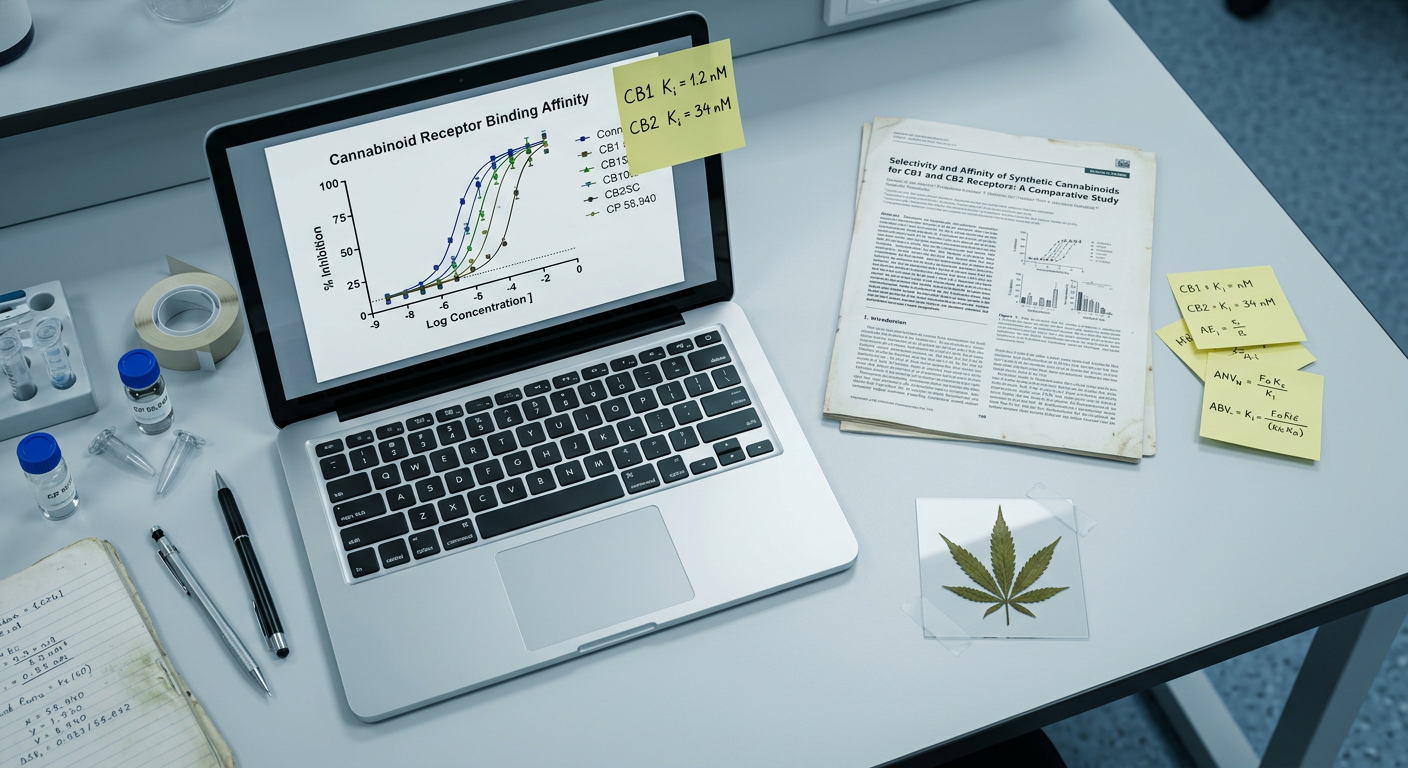
CBN binds to both CB1 (primarily brain and nervous system) and CB2 (primarily immune system) receptors, but with significantly reduced affinity compared to THC. Research estimates CBN's CB1 binding affinity at roughly one-tenth that of THC. This partial agonism produces mild psychoactive effects at high doses — CBN is not completely non-psychoactive — but far weaker than THC at equivalent doses.
Pain Modulation
Several preclinical studies have shown CBN may influence pain perception through both cannabinoid receptor pathways and through TRPV1 receptors (the same receptors involved in heat and capsaicin response). A 2019 study found CBN combined with CBD reduced muscle sensitization in rats — relevant to fibromyalgia and myofascial pain research. This is one of the stronger signals in current CBN literature.
Anticonvulsant Properties
Early research suggests CBN may have anticonvulsant properties, likely through mechanisms similar to CBD. This is a preliminary finding with limited human data, but it points toward CBN as a potentially useful addition to cannabinoid-based seizure research rather than a solo-act sedative.
Antibacterial Activity
A widely cited 2008 study found CBN showed activity against MRSA (methicillin-resistant Staphylococcus aureus) in laboratory conditions. This is a fascinating finding, though in vitro antibacterial results frequently fail to translate into clinical treatments — the cannabis plant produces many compounds with in vitro antibacterial activity.
The research profile of CBN looks less like 'the sleep cannabinoid' and more like a cannabinoid with modest, multi-target activity across pain, neuroprotection, and immune modulation. That's legitimately interesting — it just doesn't fit as neatly onto a melatonin-competitor label.
The Entourage Effect: Why Aged Cannabis Feels Sedating
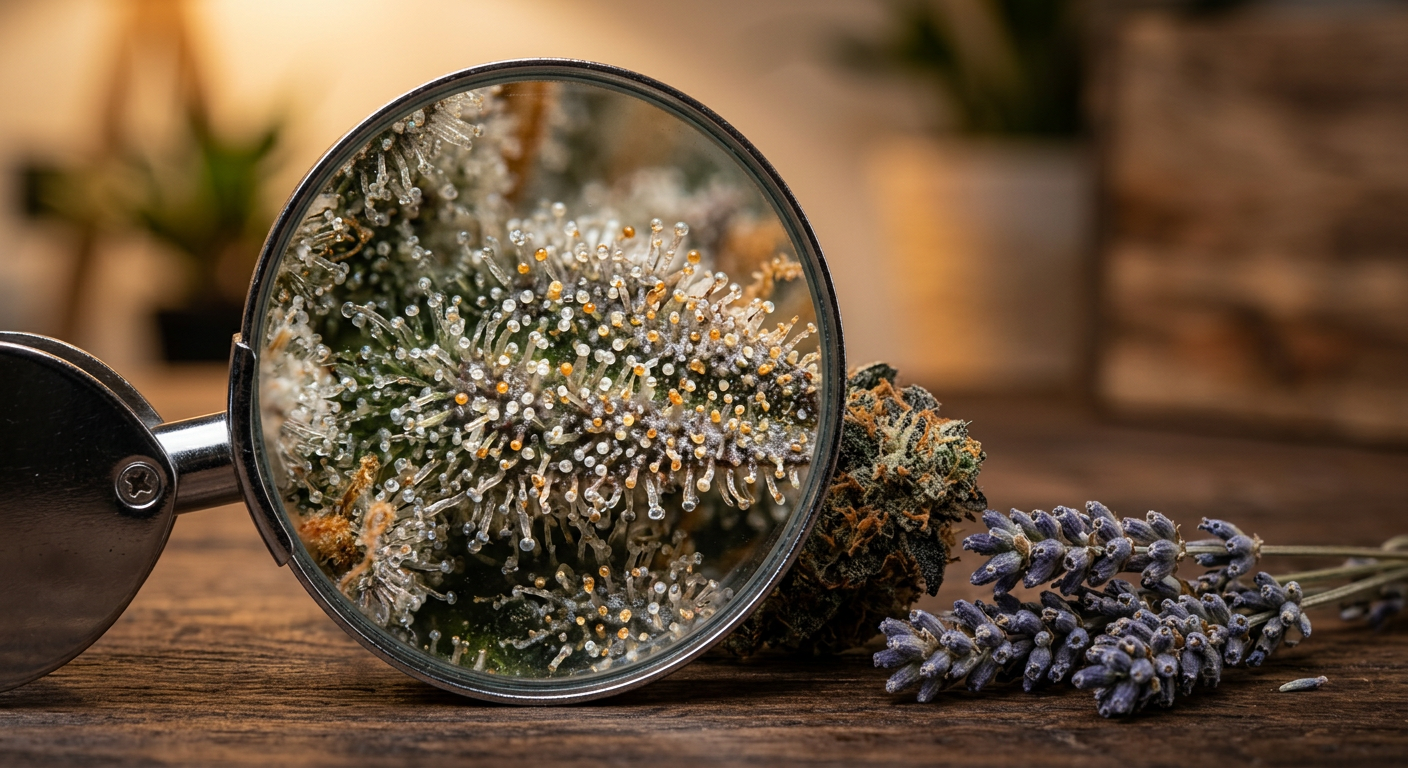
Here is where the CBN sleep story gets genuinely interesting — and where growers should pay close attention. Many experienced cannabis users report that aged cannabis, particularly older indica-dominant material, produces a heavier, more sedating effect than fresh flower of the same strain. This observation is real. The cause is more complex than 'it has more CBN.'
What Changes in Aged Cannabis
When cannabis ages under typical storage conditions, several changes happen simultaneously — not just THC converting to CBN. Understanding the full picture explains why the sedating effect is real even if CBN alone isn't driving it.
- THC degrades to CBN — reducing psychoactive intensity, increasing CBN content
- Terpenes evaporate — especially lighter, more volatile terpenes like limonene and pinene
- Myrcene concentration increases relatively — heavier terpenes like myrcene persist longer as lighter ones off-gas
- Linalool remains stable — this calming, lavender-scented terpene is relatively resistant to oxidation
- Overall potency decreases — lower THC means less stimulating arousal response
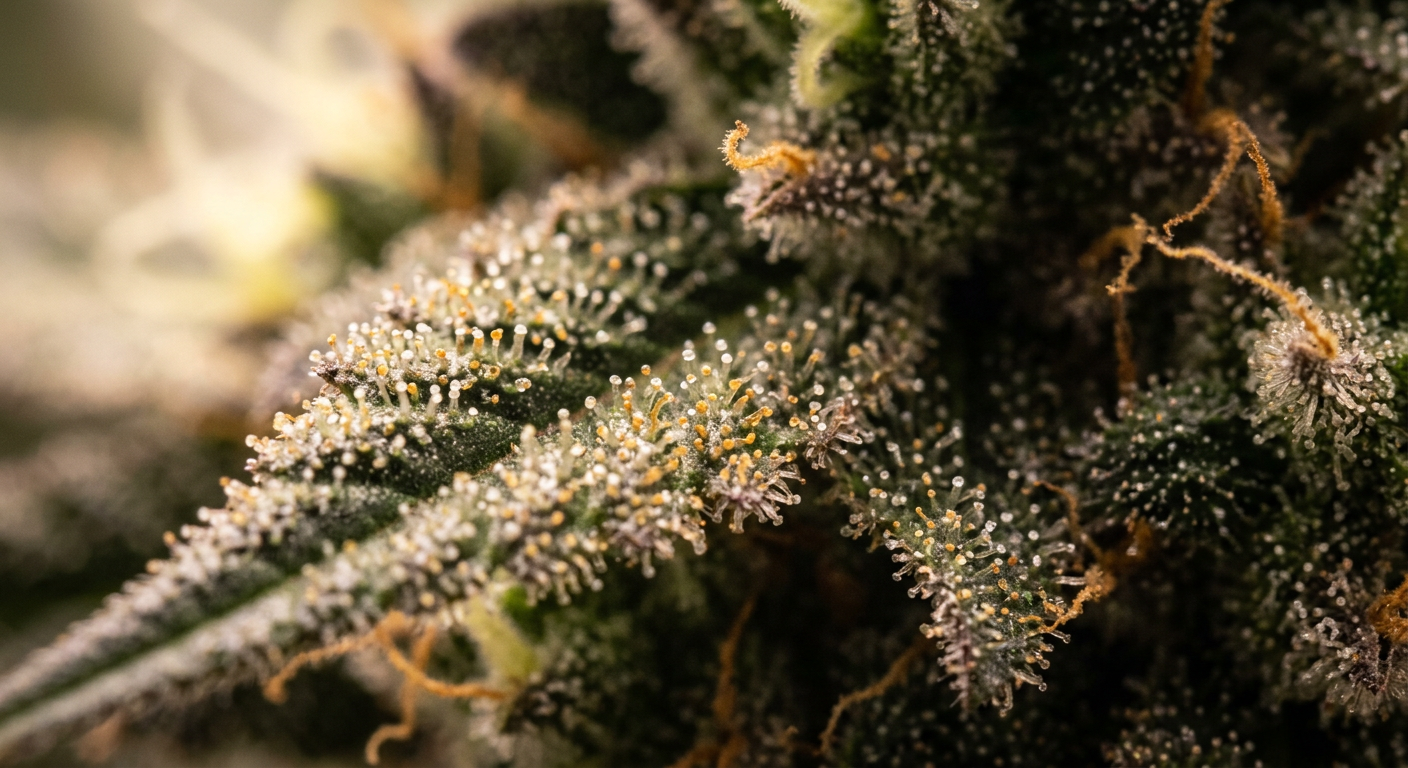
The net effect is cannabis that is lower in stimulating compounds, relatively higher in heavier sedating terpenes, and containing CBN that may contribute modestly to the overall effect. This is a textbook example of the entourage effect — the combined interaction of multiple compounds producing an effect none would produce alone.
Myrcene's Role Is Probably Larger Than CBN's
Myrcene — the most abundant terpene in many indica-dominant strains — has significantly more evidence behind its sedating properties than CBN does. Research has found myrcene increases sleep duration in mice and acts as a muscle relaxant. When you smell that earthy, musky aroma from old indica flower and then feel heavy and sleepy, myrcene combined with remaining THC and linalool is likely doing most of the work. For a detailed breakdown, see our complete guide to myrcene.
If you're growing specifically for a relaxing, sleep-friendly effect, prioritize strains with naturally high myrcene and linalool terpene profiles combined with moderate-to-high THC — not strains marketed purely on CBN content. The terpene profile is a more reliable driver of sedating effects with current evidence.
How THC Converts to CBN: Storage, Light, and Oxidation
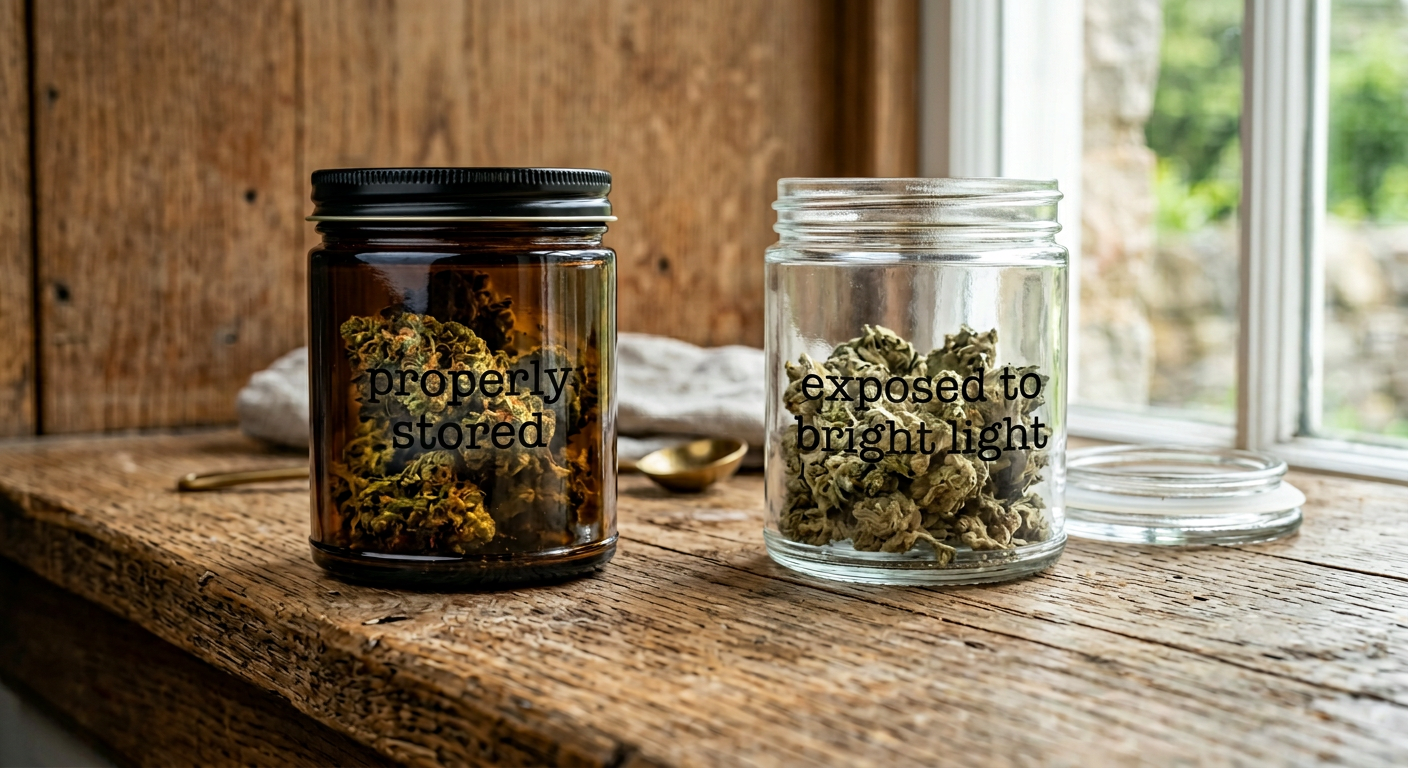
Understanding the THC-to-CBN conversion process is practically useful for growers. The rate of conversion is directly controlled by storage conditions — which means you have significant influence over how much CBN your harvested flower contains.
The Three Accelerants of THC Degradation
Light (UV Exposure)
Ultraviolet light is the most powerful accelerant of THC oxidation. Research from the 1970s by Carlton Turner found that UV exposure was the single largest factor in cannabinoid degradation — even more than heat or oxygen alone. Direct sunlight can measurably degrade THC within hours.
Heat
Elevated temperatures accelerate the oxidation reaction kinetically. Storage above 25°C (77°F) significantly speeds THC→CBN conversion. Cannabis stored at room temperature in a warm climate degrades far faster than cannabis kept in a cool, stable environment below 20°C.
Oxygen Exposure
Oxidation requires oxygen — it's in the name. Cannabis stored in unsealed containers, bags with excess air, or non-airtight jars will degrade faster than cannabis stored in vacuum-sealed or inert-gas-flushed containers. Moisture fluctuations also affect the process by introducing oxygen through repeated opening and closing.
The same conditions that degrade cannabis quality — light, heat, and oxygen — are exactly the conditions that produce CBN. Higher CBN always means lower THC. There is no way to get more CBN without sacrificing potency. This is the fundamental trade-off every grower needs to understand.
How Growers Can Increase CBN: Practical Techniques
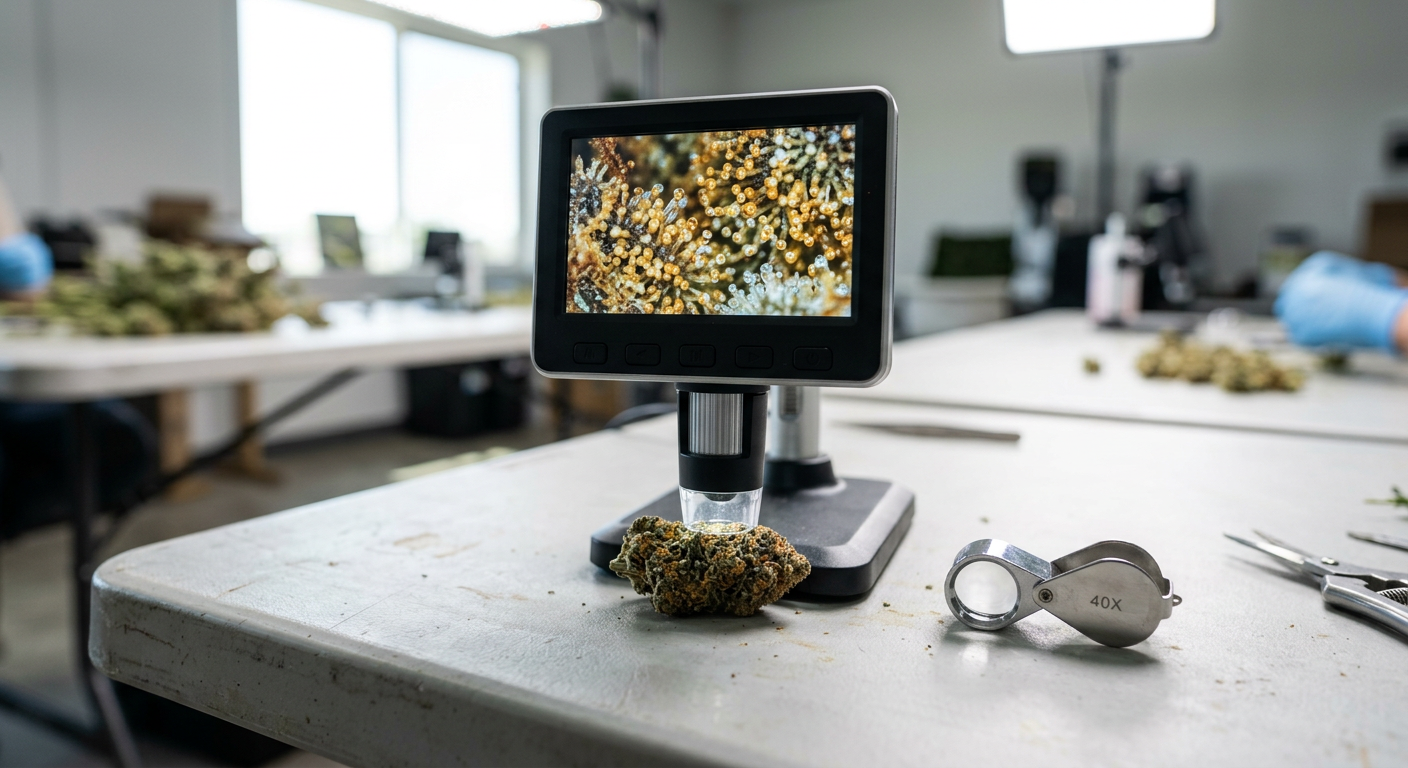
If you want to maximize CBN content in your harvest for personal use or for consumers specifically seeking aged-cannabis effects, there are two practical approaches: harvest timing and post-harvest storage management. Both work through the same principle — accelerating or extending THC degradation.
Technique 1: Late Harvest (Amber Trichomes)
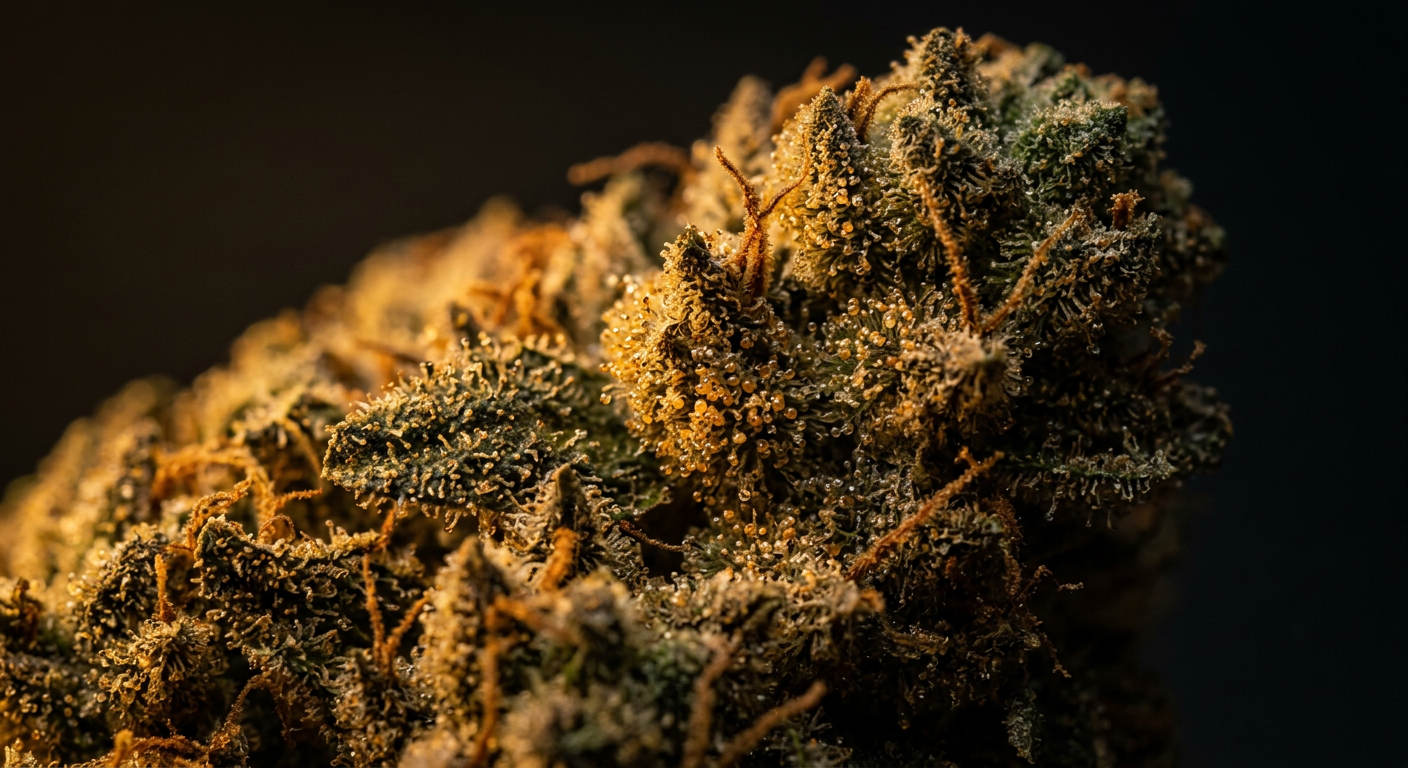
Trichome color is your most reliable harvest timing indicator. When trichomes shift from clear to cloudy (milky white), THC is at peak production. When they continue shifting to amber, THC degradation to CBN has begun — right there on the plant.
- Clear trichomes: THC still building, not yet peak — harvest too early
- Mostly cloudy (milky): Peak THC — optimal potency harvest window
- 50% amber: THC degrading, CBN increasing — heavier, more sedating effect profile
- 70–80%+ amber: Significant CBN accumulation — noticeably lower potency, maximum CBN for dried flower
Our detailed guide on when to harvest cannabis for maximum potency covers trichome assessment in full, including how to use magnification tools to make accurate decisions. If you're targeting CBN, you're deliberately delaying past the peak potency window — which is a valid choice if you know why you're doing it.
A digital microscope or quality jeweler's loupe (60x–100x minimum) is essential for trichome assessment. Smartphone macro attachments can work in a pinch but often lack the resolution to distinguish cloudy from amber heads accurately. Don't guess your harvest window.
Technique 2: Accelerated Post-Harvest Aging
For growers who want to increase CBN after harvest without sacrificing the entire crop's potency, selective aging of a portion of the flower is a practical approach. The process simply applies the degradation conditions described above deliberately and in a controlled way.
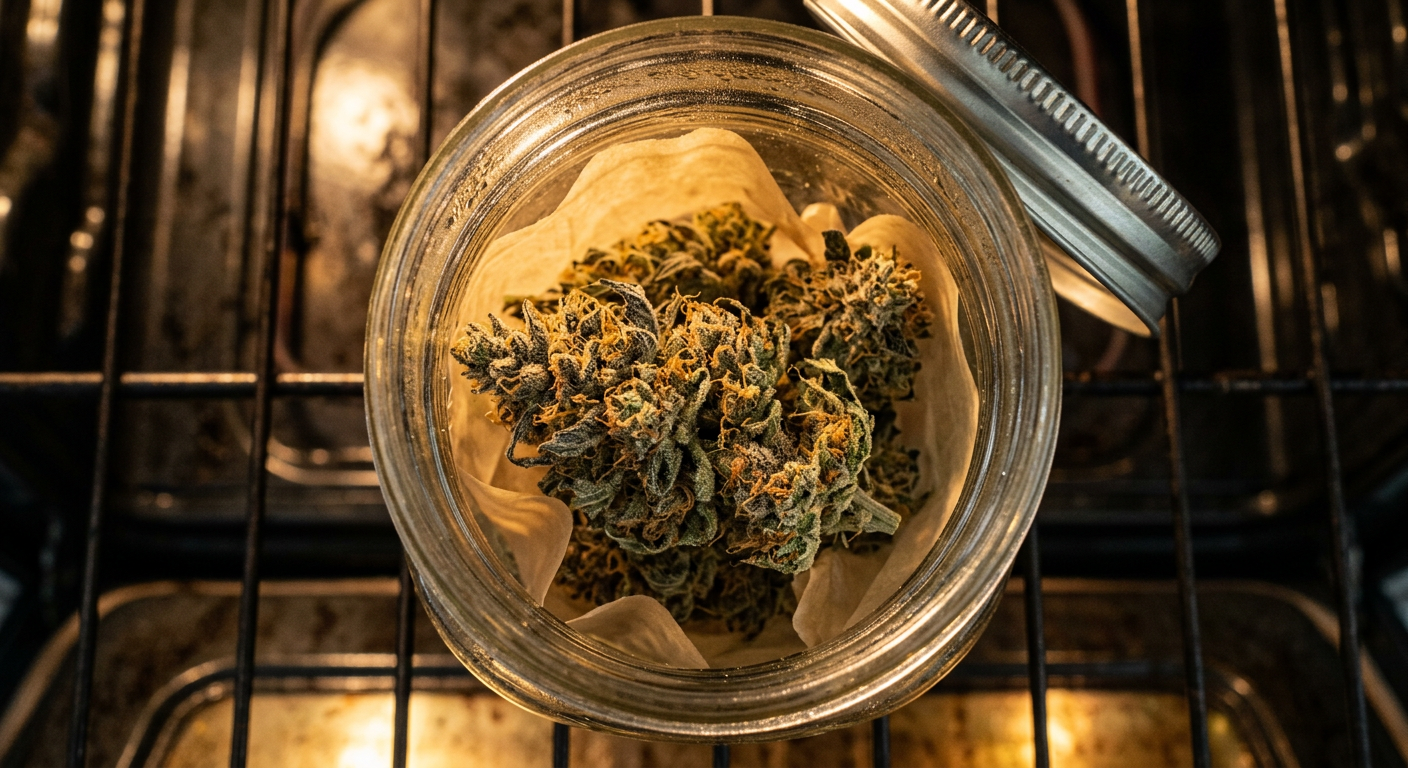
- Store a portion of cured flower in a clear glass jar exposed to indirect light at room temperature (20–25°C)
- Do not vacuum seal — allow some oxygen exchange by loosely sealing
- Check at 4-week intervals using a home cannabinoid test kit if available
- Expect noticeable effect profile changes within 6–12 weeks under these conditions
Accelerated aging also increases the risk of mold if flower isn't properly dried and cured first. Never age flower with moisture content above 12%. Relative humidity inside the aging jar should stay between 55–62%. Check for any signs of mold weekly during the aging process. Review our cannabis mold prevention guide before attempting extended storage.
Technique 3: Start With High-THC Genetics
Since CBN is derived from THC, starting with higher-THC genetics gives you more raw material to convert. A strain that peaks at 28% THC will yield substantially more CBN through degradation than a 15% THC strain aged under identical conditions. This is the multiplicative logic of CBN production — higher THC ceiling means higher CBN potential. Use our yield estimator to plan production quantities if you're growing specifically for CBN-rich aged material.
CBN vs CBD for Sleep: An Honest Comparison
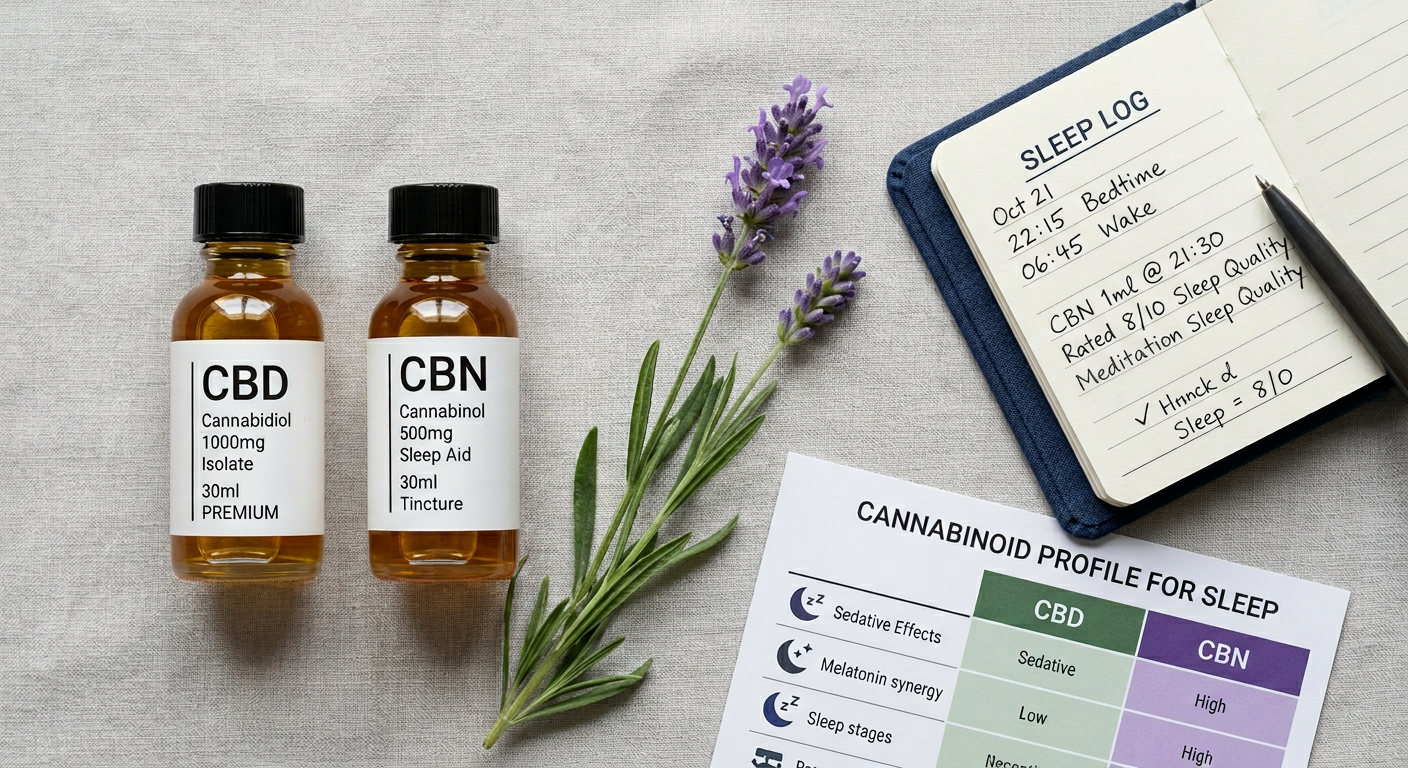
CBN and CBD are frequently marketed against each other as competing sleep solutions. The comparison is worth examining honestly because the two cannabinoids work through entirely different mechanisms and have dramatically different research bases behind them.
| Factor | CBN | CBD |
|---|---|---|
| Primary mechanism | Partial CB1/CB2 agonist | Multiple pathways (5-HT1A, adenosine, TRPV1) |
| Human sleep research | 1 small study (1975), 1 isolation study showing no effect (2021) | Multiple trials; evidence for anxiety reduction and sleep latency |
| Psychoactive potential | Mildly psychoactive at high doses | Non-psychoactive |
| How it's produced | Degradation product of THC | Directly biosynthesized by the plant |
| Legal status complexity | Derived from THC — regulatory grey area in some jurisdictions | Widely legal when derived from hemp |
| Availability in whole flower | Low in fresh flower; increases with age | High in CBD-dominant strains, stable in fresh flower |
| Research quality for sleep | Weak — insufficient for clinical claims | Moderate — more human data, still not FDA-approved for sleep |
The honest answer to 'CBN vs CBD which is better for insomnia' is that neither has enough clinical evidence to make definitive claims — but CBD has significantly more human research behind its calming and sleep-latency effects than CBN does. For growers, this means CBD-dominant genetics or high-THC strains used for their entourage effects are more evidence-backed choices than chasing CBN content specifically.
If you're exploring cannabis strains specifically for sleep support, our guide to the best cannabis strains for sleep covers indica-dominant and high-myrcene varieties with the kind of full-spectrum effect profiles most associated with relaxation.
CBN vs CBD for sleep isn't really a fair comparison yet — CBD simply has more human evidence. CBN's best argument for sleep isn't as a standalone compound; it's as one piece of an aged-cannabis entourage effect alongside THC, myrcene, and linalool.
High-THC Strains Worth Considering for CBN Potential
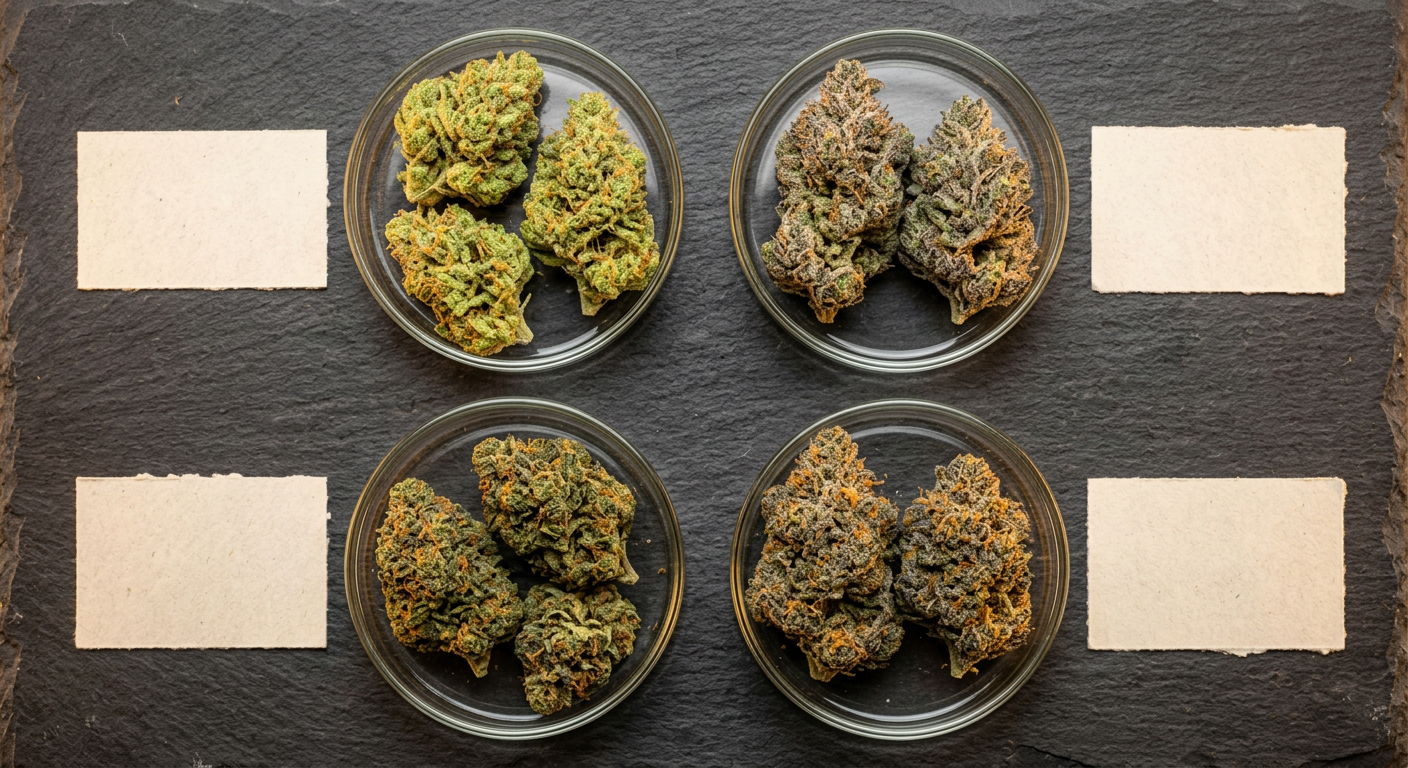
Since CBN derives from THC, starting with high-THC genetics gives you the most raw material to work with — whether through late harvest, intentional aging, or simply the natural accumulation that happens over a plant's extended ripening window. These strains represent the upper end of THC production and have the indica-leaning or terpene profiles most associated with sedating effect characteristics.
Strains From Our Catalogue With High CBN Potential
The following strains combine high THC ceilings with effect profiles that complement a CBN-focused approach to cultivation. Starting with higher THC genetics means more conversion potential through deliberate aging or late harvest.
- Quantum Kush (30% THC) — One of the highest-THC options available. Kush genetics lean indica-dominant with resinous trichome production. Maximum THC ceiling means maximum CBN potential through aging.
- Purple Kush (27% THC) — Classic indica genetics, dense resinous buds, and a natural terpene profile already associated with heavy body effects. One of the most sedating strains in the catalog even without CBN aging.
- OG Kush (26% THC) — A benchmark high-THC strain with heavy myrcene and caryophyllene content. Naturally produces a physically relaxing effect that only deepens with mild aging of the harvested flower.
- Black Widow (26% THC) — Dense, resinous buds with strong THC production. The trichome density makes late-harvest amber trichome assessment highly visible and easier to time accurately.
- Papaya (25% THC) — Tropical indica-dominant genetics with naturally calming terpene notes. High THC combined with the fruity-sedative profile makes it a strong candidate for CBN conversion experiments.
- White Widow (25% THC) — Legendary genetics with exceptional trichome coverage. White Widow's balanced hybrid characteristics mean CBN accumulation from late harvest shifts it noticeably toward the sedating end of the spectrum.
Industry Strains Worth Knowing (Not Carried)
Beyond our own catalogue, several well-known industry strains are frequently cited in CBN-focused cultivation discussions for their high THC ceilings and indica-dominant terpene profiles:
- Gorilla Glue #4 (GG4) — 25–30% THC, extremely resinous, consistently produces amber trichomes quickly when grown warm. Widely used as a benchmark for late-harvest CBN accumulation experiments.
- Wedding Cake — 25–27% THC, dense indica-dominant structure, high myrcene content. The combination of high THC and heavy terpene load makes it a strong full-spectrum candidate.
- Granddaddy Purple (GDP) — 20–23% THC, classic indica, well-documented myrcene and linalool content. A historical reference point for sedating cannabis with heavy body effects.
- Zkittlez — 22–25% THC, indica-dominant, with a unique terpene profile that includes linalool. Consistently rated among the most physically relaxing commercial strains.
When using the grow planner tool, factor in an extended harvest window if you're targeting CBN accumulation. Deliberately pushing 1–2 weeks past typical harvest into the amber trichome zone requires accounting for that extended light schedule and nutrient flushing timeline from the start.
The Marketing vs. Reality Gap: 'High CBN' Products Examined
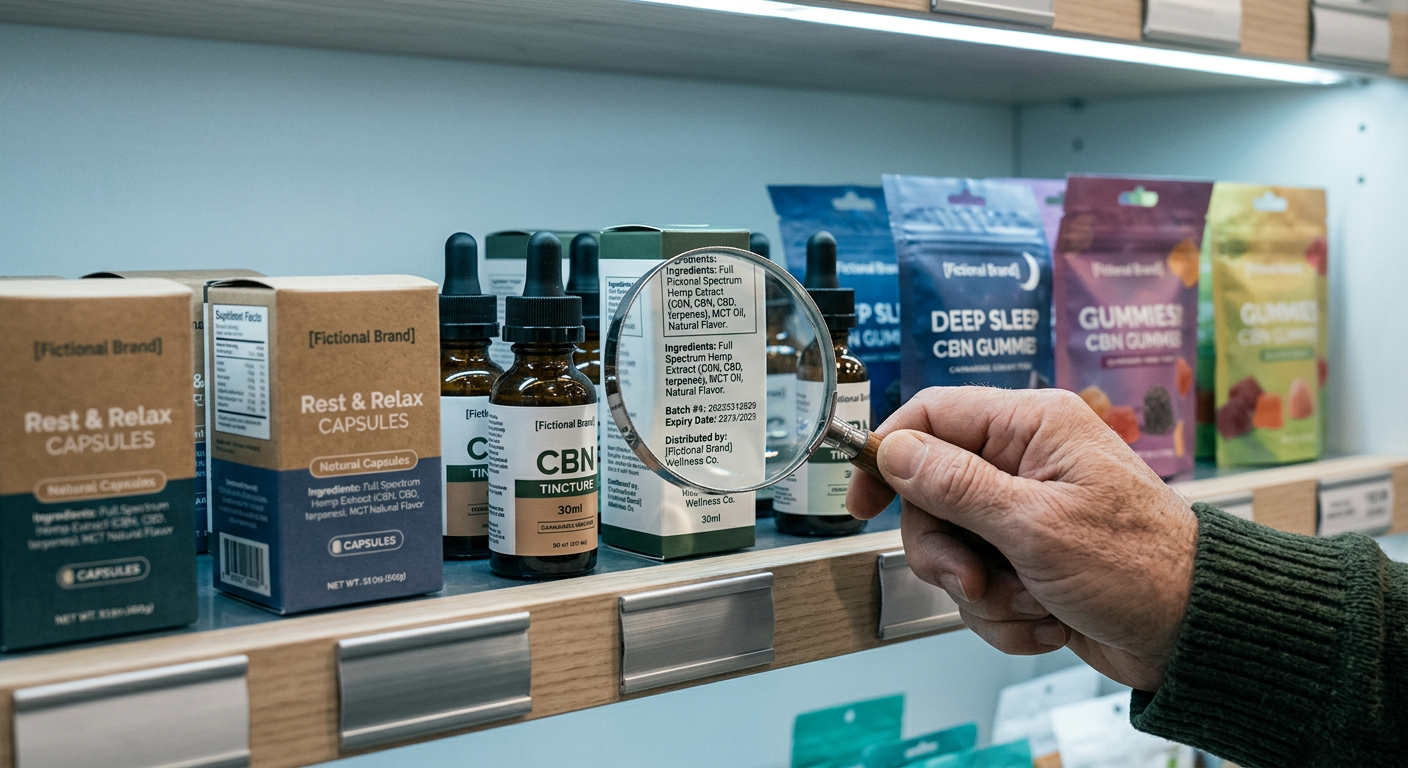
The CBN wellness market has grown from near-zero to hundreds of millions of dollars in sales in under five years — almost entirely on the back of the sleep claim. Understanding what 'high CBN' actually means in commercial products helps growers and consumers make more informed choices.
What 'High CBN' Seeds Actually Mean
Seeds marketed as 'high CBN genetics' are not producing plants that biosynthesize large amounts of CBN directly. There is no known enzymatic pathway that produces CBN in quantity the way CBGA produces THC or CBD. What these seeds typically represent is one of three things:
- High-THC genetics harvested late: The grower harvested at heavy amber trichomes, increasing CBN from THC degradation on the plant. This is real but produces lower-quality, lower-potency flower overall.
- Post-harvest aging: Flower from standard genetics that was deliberately stored to degrade THC into CBN, then processed into concentrates or tinctures.
- Marketing overstatement: Some products claim CBN content that independent lab testing has failed to verify, as has been reported in multiple consumer investigative pieces since 2021.
Always request a Certificate of Analysis (COA) from an ISO-accredited laboratory when purchasing products claiming specific CBN content. A legitimate COA will show the exact CBN percentage from a tested batch. Vague claims like 'CBN-rich' without lab data should be treated with serious skepticism.
Why Credibility Matters More Than Claims
The CBN market's credibility problem stems from allowing marketing to run so far ahead of science. For growers, this creates a useful opportunity: honest communication about what CBN is, how it forms, and what it realistically does positions you as a trustworthy source in a space full of exaggerated claims.
The most credible position on CBN in 2024 is simple: it's a genuine minor cannabinoid with interesting properties, it contributes to the entourage effect in aged cannabis, and its sleep effects are promising but unproven in isolation. That's honest. And honest sells better long-term than hype does.
If you want to understand how all cannabinoids work together in the broader context of the endocannabinoid system — the biological framework that makes CBN's partial receptor activity meaningful — the endocannabinoid system guide provides the full scientific foundation.
The Grower's Practical Summary: What CBN Means for Your Cultivation
After examining the evidence honestly, what should a grower actually do with information about CBN? The answer depends on your cultivation goals — but the key takeaways are clear and actionable.
If You're Growing for Maximum Potency
CBN is the enemy of maximum potency. Every milligram of CBN in your final product represents a milligram of THC that degraded. Harvest at peak cloudy trichomes, cure in dark, temperature-controlled, airtight conditions, and store in vacuum-sealed dark containers. Minimize light, heat, and oxygen exposure at every stage. Your harvest timing guide covers this in full.
If You're Growing for Relaxation / Sleep-Oriented Profiles
Focus your energy on the full entourage picture rather than CBN alone. Select indica-dominant genetics with high myrcene and linalool terpene profiles. Harvest at 40–60% amber trichomes rather than peak cloudy. Allow flower to cure for 6–8 weeks rather than 2–4. These practices produce the sedating, full-bodied effect profile associated with sleep-friendly cannabis — whether or not CBN is the specific mechanism.
If You're Experimenting With Deliberate CBN Production
Start with the highest-THC genetics available to maximize conversion potential. Harvest late (70%+ amber). Age a dedicated portion of your harvest in transparent jars at room temperature for 8–12 weeks. Accept lower potency as the trade-off. Keep records of effect differences so you can evaluate whether the shift is meaningful for your use case. Use our grow cost calculator to evaluate whether the time investment makes economic sense for your situation.
- CBN is a THC degradation product — not directly biosynthesized in quantity
- The primary human sleep study had 5 subjects and never isolated CBN alone
- More recent isolation testing found no significant sedative effect from CBN alone
- Aged cannabis sedation is likely an entourage effect: CBN + degraded THC + myrcene + linalool
- Higher CBN always means lower THC — there is no free lunch in cannabinoid chemistry
- CBD has more human sleep evidence than CBN despite being less aggressively marketed for it
- Late harvest (amber trichomes) is the most practical way for growers to increase CBN
- Always request lab COA when evaluating commercial CBN product claims
The most interesting CBN-related cultivation experiments aren't about making 'CBN strains' — they're about understanding how aging and harvest timing change the full cannabinoid and terpene profile of your specific genetics. Keep a cultivation journal, note trichome color at harvest, track cure time, and record effect differences systematically. You'll learn more from 3 intentional grows than from any product label.
Frequently Asked Questions
Does CBN actually help with sleep?
Current evidence is inconclusive. The most-cited study used only 5 participants in 1975 and combined CBN with THC, making it impossible to attribute the sedation to CBN alone. A 2021 study testing CBN in isolation found no significant sedative effect. Animal studies are more promising. Until robust human trials exist, CBN's sleep effects cannot be confirmed as a standalone mechanism.
Why does old cannabis make you more sleepy?
Aged cannabis likely produces sedating effects through a combination of factors — not CBN alone. As cannabis ages, THC degrades to CBN (reducing stimulating effects), lighter terpenes evaporate while heavier terpenes like myrcene and linalool persist, and the overall potency decreases. This combined shift in the cannabinoid and terpene profile produces a heavier, more sedating experience as an entourage effect.
How do I increase CBN content when growing cannabis?
Harvest later when 50–70% of trichomes have turned amber — this indicates THC is already degrading to CBN on the plant. After harvest, you can further increase CBN by storing cured flower in clear glass jars at room temperature with some oxygen exposure for 8–12 weeks. Starting with high-THC genetics maximizes the raw material available for conversion.
Is CBN vs CBD better for insomnia?
CBD has substantially more human research supporting its effects on sleep latency and anxiety reduction than CBN does. CBN has minimal isolated human trial data. If choosing between the two for sleep-related use, CBD is the more evidence-backed option — though neither has been approved to treat insomnia. Both cannabinoids may work best as part of a full-spectrum entourage approach.
Are CBN sedative effects real or just marketing?
Largely marketing — at least for CBN as an isolated compound. The sedative reputation comes from one underpowered 1975 study and from the observed effects of aged cannabis, which contains CBN alongside many other changed compounds. The 'CBN sedative' story is a case of one variable in a complex mixture being singled out and overstated. The real sleep effects of aged cannabis are likely driven by the entourage of multiple compounds shifting together.