Here's a question that splits every edibles kitchen in two: does the strain you use actually matter, or should you just grab whatever has the highest THC number and call it done? The honest answer — and the one almost no edibles guide will give you — is that both matter, but they matter in completely different ways. Choosing the best cannabis strains for edibles means understanding two separate levers: potency ceiling and effect character. Get both right, and your edibles become predictable, flavorful, and dialed in to exactly the experience you want.
This guide is built for growers who want to cultivate specifically for their edibles pantry — not just harvest whatever finished and throw it in a pot of butter. We'll cover what survives the heat, which strains deliver maximum potency, which ones shape the type of high you feel, and which ones actually taste good in food. We'll also cover what to skip entirely.
Does Strain Actually Matter for Edibles? (The Real Answer)
Yes — strain matters for edibles, but it controls two different outcomes. THC percentage determines potency ceiling (how strong the edible can be), while the terpene profile shapes the character of the high after liver metabolism. Both are worth optimizing for, depending on your edibles goal.
Most edibles articles skip this entirely. They either say "just use high-THC flower" or they push CBD-heavy strains for wellness without explaining the actual science. The real picture is more nuanced — and more useful.
THC% Sets the Potency Ceiling
Think of THC percentage as the raw material limit. A strain with 15% THC simply has less cannabinoid content per gram than one with 27%. With a standard butter extraction efficiency of roughly 60–65%, those numbers translate directly to milligrams per serving. More starting THC means more room to dose precisely.
- At 15% THC: 7g flower = ~1,050mg THC → ~682mg into butter → ~5.3mg per tablespoon (16 tbsp per cup)
- At 25% THC: 7g flower = ~1,750mg THC → ~1,137mg into butter → ~8.9mg per tablespoon
- At 30% THC: 7g flower = ~2,100mg THC → ~1,365mg into butter → ~10.7mg per tablespoon
That gap between 15% and 30% nearly doubles your effective dose per serving without changing your recipe. For home edibles makers, that difference is enormous for both potency and cost-per-dose.
Terpenes Shape the High Character
Here's where it gets interesting — and where most guides go completely silent. When you eat a cannabis edible, your liver converts delta-9-THC into 11-hydroxy-THC, a metabolite that crosses the blood-brain barrier more efficiently and produces a stronger, longer-lasting effect than inhaled THC. That conversion is the same regardless of strain.
But terpenes aren't just aroma molecules — they interact with the endocannabinoid system and influence neurotransmitter activity. Research suggests that myrcene increases cell membrane permeability, potentially amplifying THC's sedating effects. Beta-caryophyllene binds directly to CB2 receptors. Linalool modulates GABA receptors with calming effects. These interactions don't disappear just because you ate the cannabis rather than smoked it — they persist, provided the terpenes survive the cooking process.
The Entourage Effect in Edibles: The theory that cannabinoids and terpenes work together synergistically is called the entourage effect. While research is still evolving, the practical evidence from edibles makers is consistent: a myrcene-heavy indica feels different in butter form than a limonene-forward sativa at the same THC dose. Strain selection is a real variable — not just marketing.
For a deeper look at how terpenes interact with THC, see our Complete Grower's Guide to Pinene and our breakdown of Linalool vs. Myrcene for Sleep.
What Survives Decarboxylation and Butter Infusion
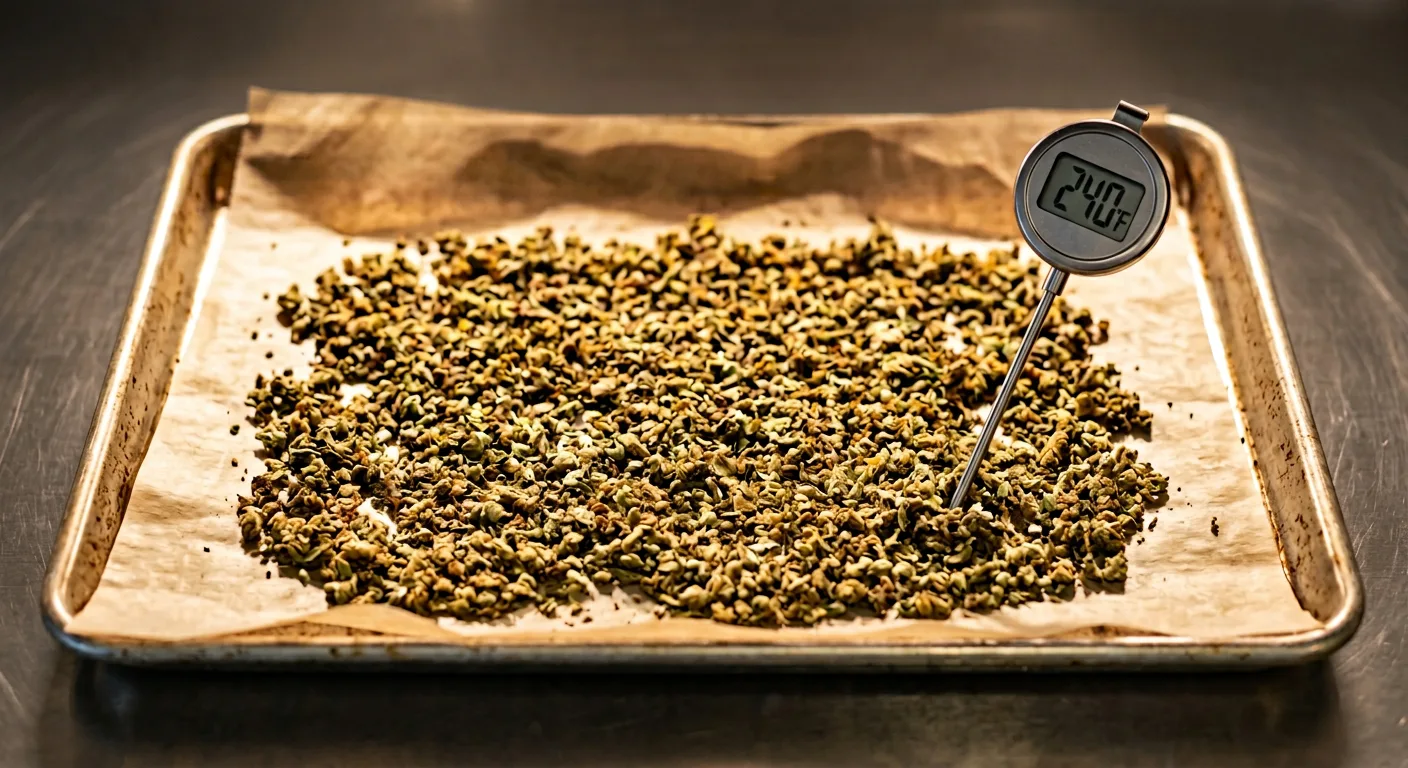
Not all terpenes survive the heat of decarboxylation and butter infusion equally. Myrcene, caryophyllene, and linalool are the most heat-stable and contribute the most to both flavor and effect in finished edibles. Limonene and pinene are more volatile and mostly evaporate above 200°F.
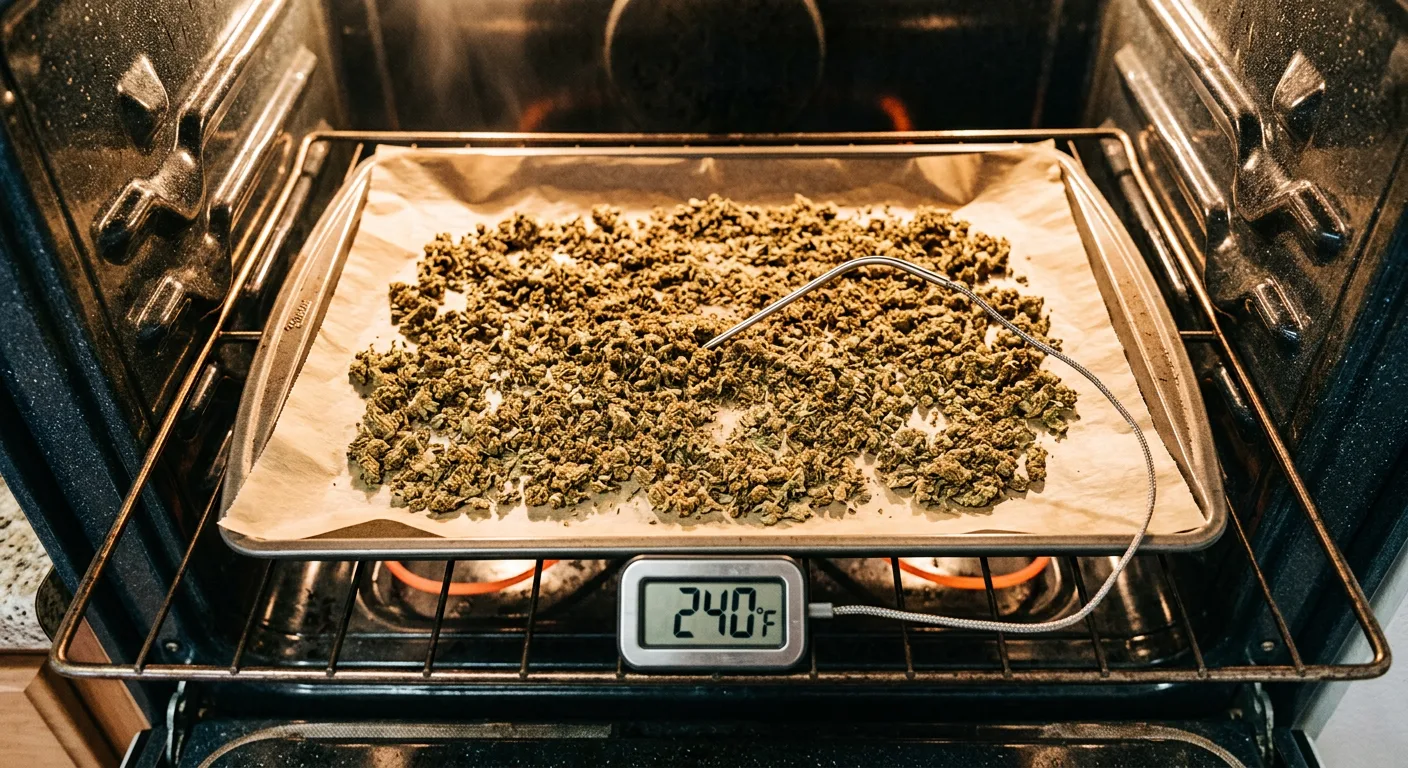
This is the most technically important section for anyone growing specifically for edibles — because if your target terpenes vaporize before they reach the butter, the strain selection doesn't matter as much. Understanding volatility windows lets you choose both strains and cooking methods that maximize terpene retention.
Terpene Boiling Points and Heat Survival
| Terpene | Boiling Point | Survives 240°F Decarb? | Survives Butter Infusion? | Flavor Profile |
|---|---|---|---|---|
| Beta-Caryophyllene | 266°F / 130°C | Mostly yes | Yes — most heat-stable | Spicy, woody, peppery |
| Myrcene | 332°F / 167°C | Yes | Yes — excellent retention | Earthy, musky, herbal |
| Linalool | 388°F / 198°C | Yes | Yes — very stable | Floral, lavender, sweet |
| Limonene | 349°F / 176°C | Partially | Partial — some survives | Citrus, lemon, orange |
| Alpha-Pinene | 313°F / 156°C | Partially | Small amounts survive | Pine, fresh, herbal |
| Terpinolene | 366°F / 186°C | Partially | Small amounts survive | Floral, piney, fresh |
| Humulene | 222°F / 106°C | Mostly yes | Modest retention | Earthy, hoppy, woody |
Decarb Temperature Matters More Than Time: Running your oven at 240°F (116°C) for 40–45 minutes preserves significantly more terpenes than flash decarbing at 300°F+ for 20 minutes. You lose about 10–15% of heat-sensitive terpenes for every 15°F above 240°F. Low and slow is the edibles kitchen standard.
Why Butter Temperature During Infusion Also Counts
Butter infusion temperature is just as critical as decarb. Simmering butter with cannabis at 160–180°F (71–82°C) for 2–3 hours extracts THC efficiently while keeping your most volatile terpenes intact. If you push past 200°F, you start losing limonene and pinene rapidly.
- Keep infusion temp below 200°F (93°C) to preserve citrus and pine notes
- Use a double boiler or slow cooker on low to avoid temperature spikes
- Stir every 30 minutes to prevent hot spots near the heat source
- Cover loosely — sealed containers trap terpene vapor and return it to the butter
- Strain through cheesecloth while still warm (below 180°F) for best terpene retention
For guidance on properly curing your harvest before making edibles — which also affects terpene density — see our guide on How to Cure a Small Cannabis Harvest.
Best High-THC Strains for Maximum Potency Edibles
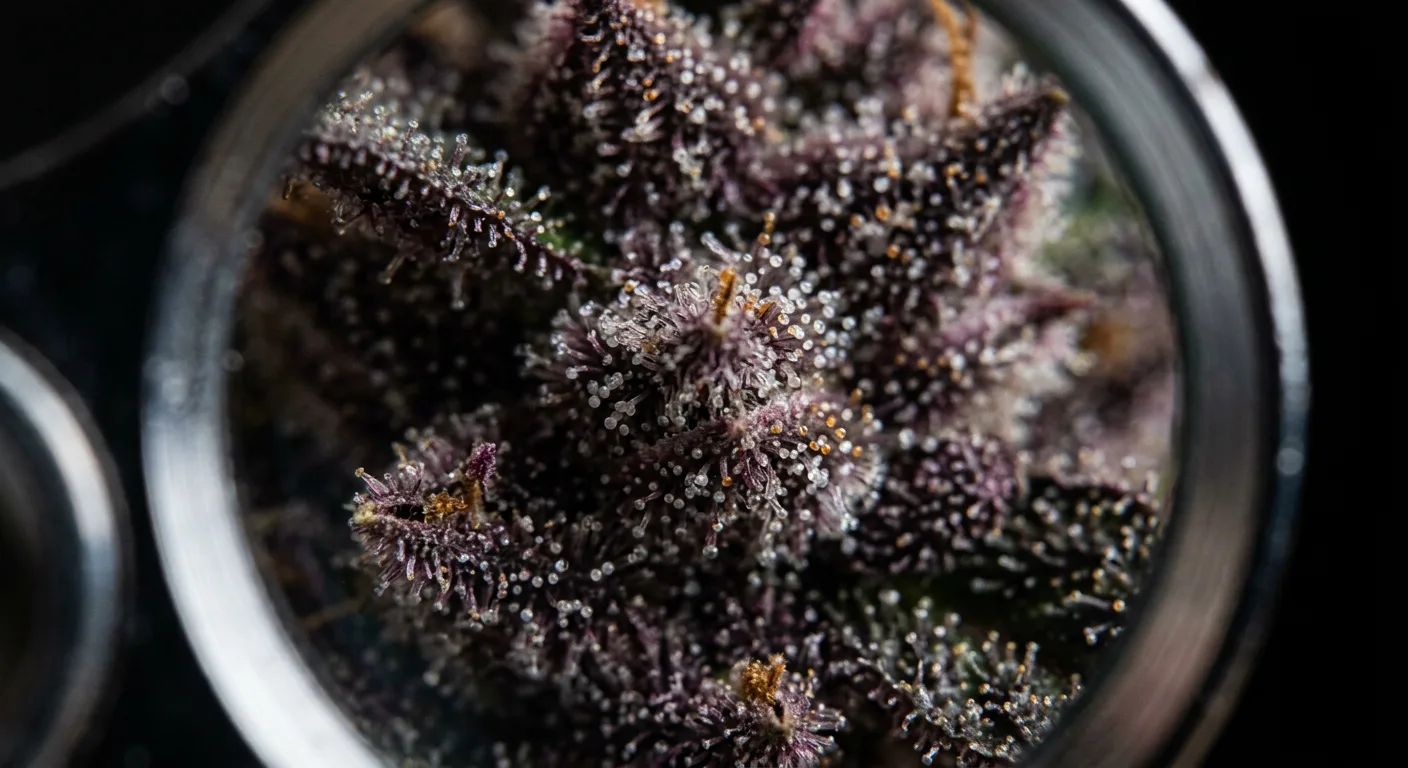
For maximum potency edibles, choose strains with THC above 22%, dense trichome coverage, and resinous genetics. Heavy trichome production means more cannabinoids per gram of flower, which directly increases the THC yield per batch of butter — lowering your cost per dose significantly.
Potency-first edibles makers should be selecting strains the same way concentrate producers do: prioritize resin density, trichome maturity at harvest, and verified cannabinoid content over everything else. Here are the best options for building a high-potency edibles pantry.
Quantum Kush — The Potency Standard
Quantum Kush sits at the top of the potency chart with up to 30% THC. It's a heavy-resin producer with dense, sticky colas that deliver exceptional cannabutter yield per gram. The terpene profile skews toward myrcene and caryophyllene, which means the edible high lands in the deep, body-focused zone — exactly where most edibles users want to be.
If your primary goal is maximum mg-per-tablespoon, Quantum Kush Feminized Seeds is the logical starting point for your edibles grow. At 30% THC with good extraction technique, a single cup of cannabutter can contain over 1,300mg — enough for 130 standard 10mg doses.
Purple Kush — Potency Plus Terpene Density
Purple Kush brings 27% THC in a compact, indica-dominant package with some of the highest terpene density in the kush family. The myrcene and linalool combination gives finished edibles a distinctly relaxing, almost sedative character — ideal for nighttime use or sleep edibles. The purple coloration from anthocyanins also adds subtle visual appeal if you make clear-oil edibles or butter.
Grow Purple Kush Feminized Seeds specifically for a sleep-focused edibles line. The dense buds are easy to decarb evenly, and the strong resin coat means you extract efficiently even with basic home infusion equipment.
OG Kush — The Edibles Classic
OG Kush at 26% THC is probably the most proven edibles strain in the world — and for good reason. It combines exceptional potency with a complex terpene profile (myrcene, limonene, caryophyllene) that creates a balanced euphoric-yet-relaxing edible effect. The earthy, slightly citrus flavor survives butter infusion well and works in both savory and sweet applications.
OG Kush Feminized Seeds is a reliable choice for growers who want consistent, repeatable edibles batches. It's also widely recognized, which makes dosing comparisons easier if you've used dispensary OG Kush edibles before.
Other Industry Heavyweights for Potency
Beyond what's in our catalog, these are the industry names consistently cited by edibles producers for raw THC output:
- Gorilla Glue #4 — 25–28% THC, exceptionally resinous, earthy-diesel terpene profile that holds in butter
- Wedding Cake — 25–27% THC, vanilla and pepper notes from caryophyllene, creamy flavor that complements sweet edibles
- Gelato 33 — 24–26% THC, fruity terpene profile with myrcene and caryophyllene, produces a smooth balanced edible high
- Bruce Banner — 25–29% THC, one of the highest-tested strains consistently, sativa-leaning energy
For potency edibles, the formula is simple: more trichomes = more THC per gram = more milligrams per batch = more cost-effective dosing. Always harvest at peak trichome maturity (mostly cloudy, 10–20% amber) for maximum cannabinoid density. See our guide on When to Harvest Cannabis for Maximum Potency.
Best Strains for Effect-Forward Edibles: Relaxation vs. Uplift
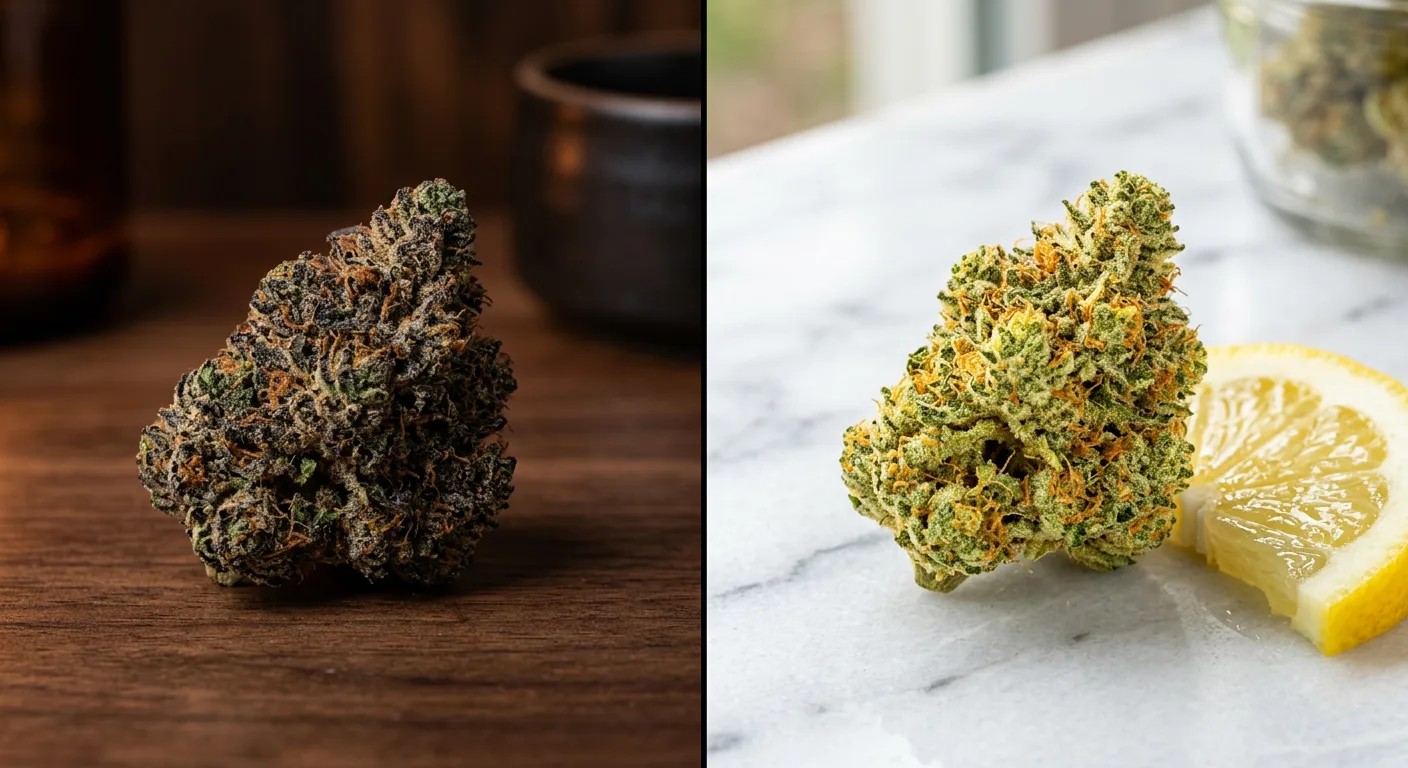
For effect-specific edibles, myrcene-dominant indicas produce the most reliably sedating body highs after liver metabolism, while limonene and pinene-forward strains tend toward more cerebral, uplifting effects. The key is choosing strains whose dominant terpenes are heat-stable enough to survive your infusion process.
This is the section where strain selection makes the biggest real-world difference for edibles. While liver metabolism does flatten some of the indica/sativa distinction, it doesn't eliminate it entirely — particularly when high terpene concentrations survive into the finished product.
For Relaxation and Sleep Edibles: Myrcene-Heavy Indicas
Myrcene is the most abundant terpene in most indica strains and the most heat-stable of the common cannabis terpenes. It has a boiling point of 332°F, meaning it survives both decarboxylation and butter infusion with good retention. Myrcene has demonstrated muscle-relaxant and sedative properties in research settings, and its presence in high-myrcene edibles is one reason some batches feel more "couch-locked" than others at the same THC dose.
Best strains for relaxation-focused edibles:
- Purple Kush (27% THC) — myrcene + linalool dominant, deeply relaxing edible effect, ideal for sleep and relaxation applications
- Skywalker OG Auto (23% THC) — classic OG lineage with heavy myrcene, full-body sedation, excellent for insomnia edibles
- Northern Lights x Big Bud (20% THC) — myrcene-forward with caryophyllene support, produces calm, heavy body effect in butter form
- Granddaddy Purple — high myrcene + linalool, berry-grape flavor with potent body sedation surviving into edibles
- Hindu Kush — pure indica landrace, exceptionally high myrcene concentration, classic hash-like edible effect
Linalool Amplifies the Sleep Effect: When a strain combines high myrcene with significant linalool (as Purple Kush does), the sleep-promoting effect of edibles made from it is noticeably stronger than myrcene alone. Linalool modulates GABA activity — the same mechanism as many sleep medications. See our deep dive: Linalool vs. Myrcene for Sleep.
For Uplifting and Daytime Edibles: Limonene and Pinene Strains
Limonene and alpha-pinene are more volatile than myrcene, but in sufficiently concentrated strains and with careful low-temperature infusion, meaningful amounts survive into finished butter. These terpenes are associated with mood elevation, focus, and reduced anxiety — making them the right tool for daytime or social edibles.
Best strains for uplifting, daytime edibles:
- Super Lemon Haze (23% THC) — dominant limonene with terpinolene, bright citrus flavor that survives low-temp butter, produces an energetic, euphoric edible high
- Sour Diesel (24% THC) — limonene-forward with caryophyllene, famous for cerebral energy, translates to a motivating, clear-headed edible effect
- Northern Lights x Amnesia Haze (24% THC) — combines indica body with sativa cerebral energy, limonene notes provide mild uplift balanced by myrcene body warmth
- Jack Herer — terpinolene and pinene-forward, legendary for creative clarity in edibles at moderate doses
- Green Crack — limonene-dominant sativa, produces one of the most reliably energetic edible effects when infused at low temperatures
For a detailed look at how pinene specifically influences cognitive effects — including why it may counteract some THC-induced memory effects — see our guide: Pinene and Memory: How It May Counter THC Effects.
Indica vs. Sativa for Edibles: Quick Verdict
| Goal | Best Strain Type | Key Terpenes | Edible Effect | Best Use Time |
|---|---|---|---|---|
| Sleep / Sedation | Indica — myrcene dominant | Myrcene + Linalool | Heavy body, sedating | Evening / Nighttime |
| Pain / Inflammation | Indica-hybrid — caryophyllene dominant | Caryophyllene + Myrcene | Body relief, relaxed mind | Afternoon / Evening |
| Mood / Creativity | Sativa — limonene dominant | Limonene + Terpinolene | Uplifted, focused, talkative | Morning / Afternoon |
| Social / Energy | Sativa — pinene + limonene | Pinene + Limonene | Clear-headed, sociable | Daytime |
| Balanced / General | Hybrid — mixed profile | Myrcene + Caryophyllene | Euphoric, body warmth | Any |
Best Strains for Flavor-Forward Cooking
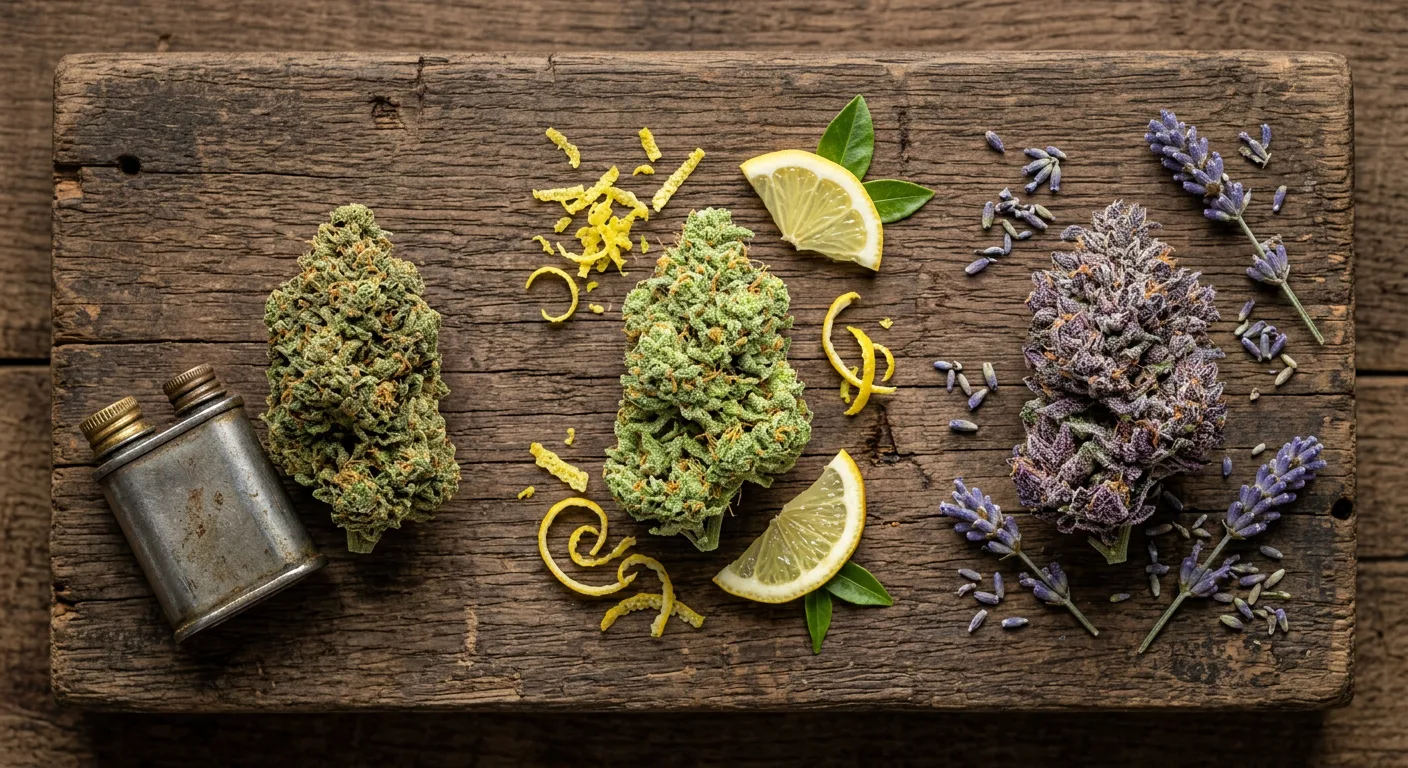
For flavor-forward edibles, choose strains with dominant caryophyllene (spicy/savory dishes), limonene (desserts and citrus recipes), or linalool (floral baked goods). These terpenes survive butter infusion at low temperatures and add distinct, recognizable flavor to finished edibles rather than a generic "weed" taste.
Most home edibles makers accept whatever flavor comes from their butter. Serious edibles cooks treat terpene profile as an ingredient — selecting strains the way a chef selects herbs. Here's how the major terpene families translate to the kitchen.
Diesel / Fuel Family — Bold Savory Applications
Strains with heavy myrcene and caryophyllene often carry a diesel, earth, or chemical pungency that might seem unappealing raw but transforms in savory cooking into an umami depth. Think cannabis-infused pasta sauce, garlic bread, or savory compound butter.
- Sour Diesel (24% THC) — the benchmark diesel strain, its fuel-earth notes add complexity to savory infusions without overwhelming
- New York Power Diesel (24% THC) — true diesel lineage with a sharp fuel note that cuts through fat-based infusions, works beautifully in olive oil for savory dishes
- Chemdawg — chemical-diesel terpene profile, surprisingly works well in strong-flavored dishes like chili or curry where bold notes blend seamlessly
Citrus Family — Desserts, Baked Goods, Cocktails
Limonene-dominant strains produce the most crowd-pleasing edibles flavor — bright, clean, and reminiscent of lemon or orange zest. These work exceptionally well in baked goods, salad dressings, and cannabis-infused cocktail syrups. The key is keeping your infusion temperature below 180°F to preserve as much limonene as possible.
- Super Lemon Haze (23% THC) — the gold standard for citrus edibles, produces butter with a genuine lemon note that enhances lemon bars, citrus cakes, and light pastas
- Tangerine Haze (18% THC) — tangerine-forward terpene profile, excellent for sweet applications, lower THC means you need slightly more flower but the flavor payoff is exceptional
- Lemon Skunk — limonene-heavy hybrid, reliable citrus flavor with enough THC to dose effectively without large quantities
- Mimosa — orange and grapefruit notes, becoming a favorite among edibles chefs for champagne cake and breakfast-themed edibles
Floral / Sweet Family — Baked Goods and Infused Beverages
Linalool-dominant strains carry lavender, floral, and sweet notes that pair naturally with baked goods, honey-based recipes, and herbal tea infusions. These strains also offer the most calming edible experience per milligram.
- Purple Kush (27% THC) — linalool and myrcene forward, floral-sweet notes work in shortbread, lavender cookies, and infused honey
- Blueberry Haze (20% THC) — berry-floral terpene profile, one of the best-smelling strains to work with in the kitchen, pairs beautifully with fruit-based baked goods
- Zkittlez — tropical-floral terpene complexity, famous candy-like flavor translates surprisingly well into infused gummies and candy recipes
- Lavender Kush — linalool-dominant landrace hybrid, genuine lavender notes in butter, popular for infused spa chocolates and relaxation confections
Match Terpenes to Your Recipe Like Spices: Diesel strains in lemon cake clash. Floral strains in garlic pasta overpowers. Treat terpene selection like selecting fresh herbs — diesel/earthy for savory, citrus for bright acidic dishes, floral/sweet for desserts. The difference in finished flavor quality is dramatic.
Strains to Avoid for Edibles (And Why)
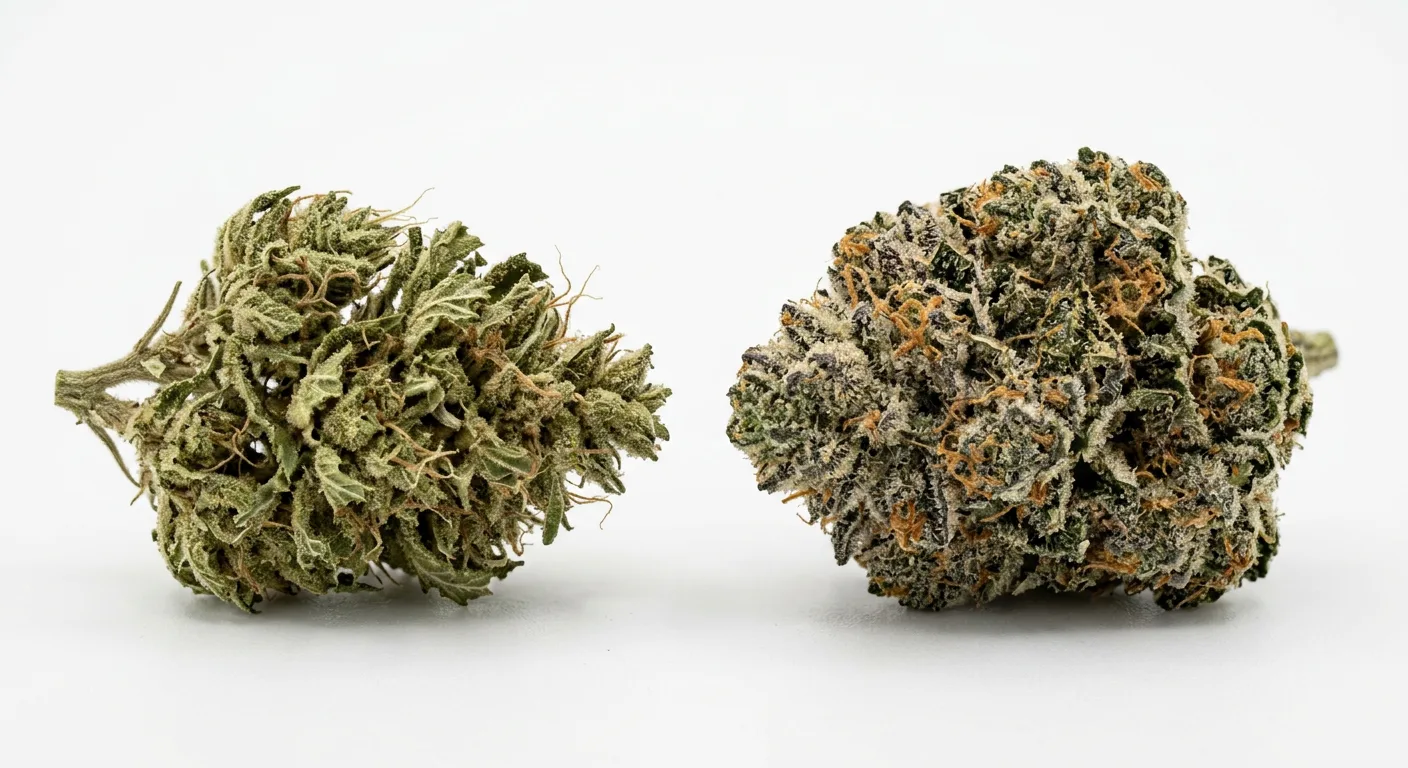
Avoid low-trichome strains under 15% THC, high-CBD strains if potency is your goal, and hemp-dominant genetics for edibles entirely. These strains deliver poor extraction efficiency, require far more material per batch, and often produce inferior effects relative to the cost of production.
Knowing what not to use is just as valuable as knowing your top picks. Growing the wrong strain for an edibles batch can mean wasting months of cultivation effort on material that performs poorly in the kitchen.
Low-Trichome, Airy Genetics
Strains that produce loose, airy buds with minimal resin development might smoke fine but are poor choices for extraction. Trichomes are where your cannabinoids and terpenes live — without them, you're essentially infusing plant matter into butter rather than active compounds.
- Landrace sativas grown outside their native climate often produce thin trichome coverage
- Some autoflowering strains from low-quality genetics lines underperform in resin production
- Stress-damaged plants (light burn, heat stress, nutrient lockout) can produce buds that look normal but test 30–40% below expected THC
Don't Waste Your Harvest on Poor Genetics: If you're growing specifically for edibles, every gram of plant material represents weeks of effort. Selecting verified, stable genetics with documented trichome density is the single highest-leverage decision you make. Unstable genetics can halve your effective yield before you even touch a pot of butter.
High-CBD / Low-THC Strains (If Potency Is Your Goal)
CBD-dominant strains like Charlotte's Web or ACDC are excellent for therapeutic non-intoxicating applications — but if you want a traditional psychoactive edible experience, a 1:20 THC:CBD ratio strain will never deliver it. You'd need to consume 5–10x the dose to approach the same effect as a high-THC strain, making both economics and dosing control very difficult.
CBD strains do have value in edibles — specifically for anxiety reduction, inflammation relief, or blending with high-THC strains to moderate intensity. But as a standalone edibles strain where potency is the goal, they're a poor fit.
Hermie-Prone or Unstable Genetics
Hermaphroditic plants waste resources on seed production rather than resin. Even a partially hermied crop can reduce effective cannabinoid content by 20–35% and introduce inferior genetics into your garden. For edibles growers, this matters because you often process entire harvests into butter — one seedy batch can ruin weeks of work.
- Always source feminized seeds from breeders with documented stress-testing protocols
- Avoid mystery clones from unknown sources — hermie traits are often environmentally triggered but genetically predisposed
- If growing outdoors, choose photoperiod strains proven stable under environmental light fluctuations
- Verify your seed source offers a germination guarantee before purchasing
Our germination guarantee covers seed viability — but strain stability starts with selecting genetics bred for consistency. See our guide on how breeders stress-test feminized seeds to understand what separates stable genetics from risky ones.
The Master Edibles Strain Comparison Table
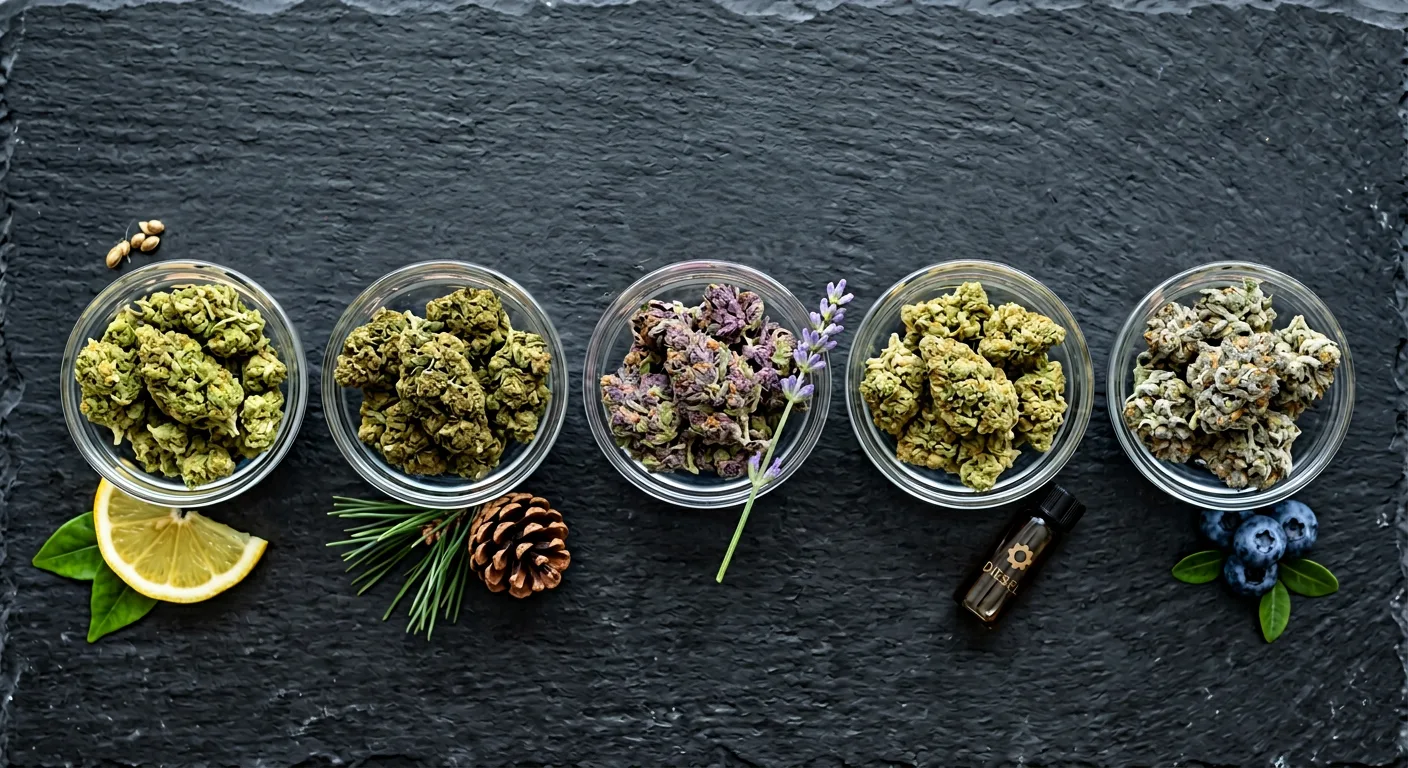
Use this table to match strain family to terpene profile, expected edible effect, flavor notes, and ideal culinary application. This is the decision-making tool most edibles articles don't provide — a complete at-a-glance reference for building your edibles grow list.
| Strain | THC% | Dominant Terpenes | Edible Effect | Flavor Notes | Best Kitchen Application |
|---|---|---|---|---|---|
| Quantum Kush | 30% | Myrcene, Caryophyllene | Max potency, body-heavy | Earthy, spicy | Potency edibles, gummies |
| Purple Kush | 27% | Myrcene, Linalool | Sedating, full-body sleep | Floral, sweet, earthy | Sleep chocolates, infused honey |
| OG Kush | 26% | Myrcene, Limonene, Caryophyllene | Balanced euphoria + body | Earthy, citrus, pine | Savory butter, brownies |
| Black Widow | 26% | Caryophyllene, Myrcene | Cerebral + body balance | Spicy, woody, earthy | Savory infusions, compound butter |
| Sour Diesel | 24% | Limonene, Caryophyllene, Myrcene | Energetic, uplifting, cerebral | Diesel, citrus, fuel | Savory pasta, garlic butter |
| NY Power Diesel | 24% | Myrcene, Limonene | Uplifting with body warmth | Diesel, fuel, earthy | Strong-flavored savory dishes |
| NL x Amnesia Haze | 24% | Myrcene, Limonene, Terpinolene | Euphoric body + cerebral lift | Earthy, citrus, sweet | Balanced baked goods |
| Super Lemon Haze | 23% | Limonene, Terpinolene, Caryophyllene | Bright, uplifting, creative | Lemon, citrus, sweet | Lemon bars, citrus cakes, syrups |
| Skywalker OG Auto | 23% | Myrcene, Linalool, Caryophyllene | Deep sedation, sleep-focused | Earthy, floral, herbal | Nighttime gummies, sleep tinctures |
| White Widow | 25% | Caryophyllene, Myrcene, Pinene | Balanced euphoria, social | Woody, earthy, slight pine | All-purpose cannabutter |
| Papaya | 25% | Myrcene, Caryophyllene | Relaxing body high, mellow | Tropical, fruity, earthy | Tropical desserts, fruit-based recipes |
| Blueberry Haze | 20% | Myrcene, Linalool, Terpinolene | Uplifting with calm body | Berry, floral, sweet | Fruit tarts, berry baked goods |
| Tangerine Haze | 18% | Limonene, Terpinolene | Uplifting, mood-lifting | Tangerine, sweet citrus | Desserts, confections, beverages |
| Gorilla Glue #4 | 27% | Caryophyllene, Myrcene, Limonene | Heavy euphoria, body lock | Diesel, earth, pine | Potency-first applications |
| Wedding Cake | 26% | Caryophyllene, Limonene, Myrcene | Relaxing euphoria, body warmth | Sweet, vanilla, pepper | Desserts, cakes, sweet baked goods |
| Granddaddy Purple | 20% | Myrcene, Linalool, Caryophyllene | Deep body sedation, sleep | Grape, berry, floral | Sleep confections, berry recipes |
No single strain is perfect for every edibles application. Match your strain to your goal: maximum potency (Quantum Kush), best sleep (Purple Kush), best daytime energy (Sour Diesel, Super Lemon Haze), best all-round flavor (OG Kush, Wedding Cake), or best baked goods flavor (Blueberry Haze, Tangerine Haze). Use this table as your edibles grow planning guide.
How to Grow Specifically for Your Edibles Pantry
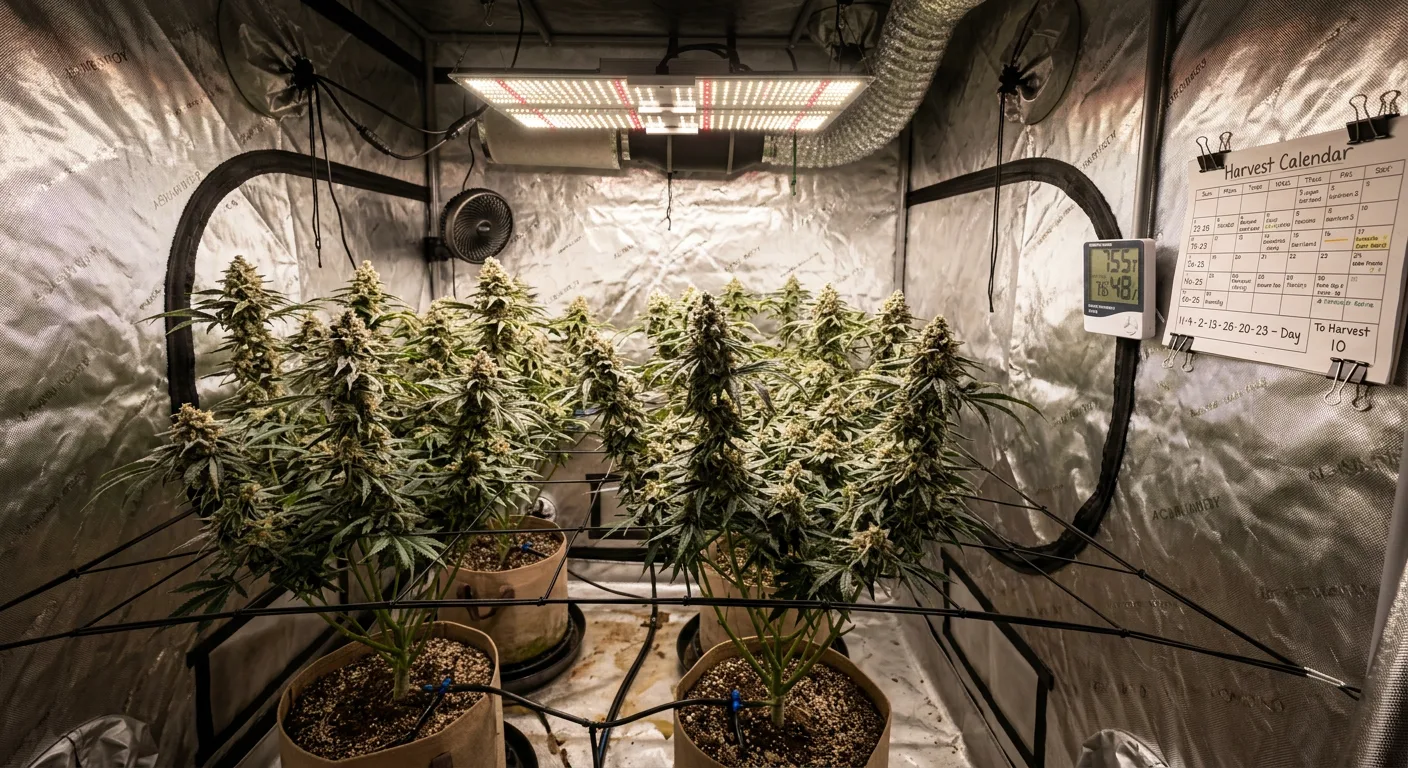
Growing for edibles is a different mindset than growing for flower. You prioritize trichome density over bag appeal, maximize yield per plant to reduce cost-per-dose, and harvest timing becomes even more important — over-ripe trichomes mean degraded THCa before decarboxylation even starts.
Most growers treat their harvest as flower first and make edibles from the leftovers. Dedicated edibles growers do the reverse — they design their grow around extraction efficiency, and the resulting edibles are dramatically better for it.
Step-by-Step: Building an Edibles-Optimized Grow
Select Strains for Trichome Density and THC Ceiling
Choose verified high-THC genetics with documented resin production. Kush-family and OG-lineage strains consistently outperform in extraction efficiency. Avoid unknown clones or uncertified seeds where cannabinoid content isn't verified.
Maximize Yield Per Plant with Training Techniques
More harvest weight means more edibles material per grow cycle. ScrOG and topping techniques increase canopy coverage and bud sites significantly. See our ScrOG Growing Guide and Topping Guide for techniques that maximize yield without sacrificing trichome quality.
Harvest at Peak Trichome Maturity
For edibles, harvest when trichomes are mostly cloudy with 10–20% amber. Mostly cloudy maximizes THCa content before decarboxylation. Harvest too early and you lose 15–25% of potential potency. Use a jeweler's loupe or digital microscope to check daily in the final weeks.
Cure Properly to Preserve Terpenes
A proper 2–4 week cure at 58–62% relative humidity develops and preserves terpene complexity. Poorly cured flower that smells like hay has already lost a significant portion of its terpene profile — exactly the compounds that influence edible flavor and effect. See our guide on Water Activity in Cannabis Curing.
Store Your Edibles Material Correctly
If you're not processing immediately, store decarbed flower or finished cannabutter with proper humidity and temperature control. For long-term storage of dried flower before processing, see our guide on Long-Term Cannabis Storage. Frozen cannabutter retains potency for 6+ months with minimal degradation.
Use the Right Tools for Consistent Edibles Dosing
One of the biggest challenges for home edibles makers is consistent dosing across batches. The variables include strain THC%, extraction efficiency, infusion time and temperature, and how evenly the finished butter is distributed in your recipe.
- Use our Edible Dosage Calculator to calculate mg per serving before you bake
- Use our Yield Estimator to project how much flower your grow will produce
- Use the Grow Cost Calculator to understand your true cost-per-dose compared to purchasing dispensary edibles
- Track your VPD throughout the grow to maintain optimal terpene production — see our VPD Calculator
Home-grown edibles cost 70–85% less per milligram than dispensary edibles when you grow high-THC strains at decent yields. A single plant of Quantum Kush at conservative 3-oz yield contains enough THC for 500+ standard 10mg doses. The economics of growing for edibles are exceptional when you select the right genetics.
Dose Low, Go Slow — Every Time: Edibles affect every person differently based on metabolism, body weight, tolerance, and what they've eaten. Even experienced cannabis users can be surprised by a new batch with higher potency than expected. Always start with 5–10mg per serving and wait at least 90 minutes before considering a second dose. First-pass metabolism means edibles take significantly longer to take effect than inhaled cannabis.
Frequently Asked Questions
Does strain matter for edibles, or is it just THC?
Both matter, but they control different outcomes. THC percentage sets your potency ceiling — how strong the edible can be per gram of flower. Terpene profile influences the character of the high after liver metabolism converts delta-9-THC to 11-hydroxy-THC. Heat-stable terpenes like myrcene, caryophyllene, and linalool survive butter infusion and influence whether the edible feels sedating, energizing, or balanced. Strain selection is a real variable — not just marketing language.
What is the best strain to make cannabutter?
For maximum potency, Quantum Kush (30% THC) or Purple Kush (27% THC) deliver the highest mg-per-gram extraction efficiency. For a balanced all-purpose cannabutter, OG Kush (26% THC) or White Widow (25% THC) provide excellent potency with a flexible terpene profile that works in most recipes. For flavor-specific butter, Super Lemon Haze for citrus applications and Sour Diesel for savory dishes are the top choices.
Which terpenes survive cooking and butter infusion?
Myrcene (boiling point 332°F), beta-caryophyllene (266°F), and linalool (388°F) are the most heat-stable cannabis terpenes and survive both decarboxylation at 240°F and low-temperature butter infusion. Limonene (349°F) and alpha-pinene (313°F) are more volatile — meaningful amounts survive if you keep infusion temperature below 180°F, but they diminish quickly at higher temperatures. To maximize terpene retention, always decarb at 240°F and infuse below 200°F.
Is indica or sativa better for edibles?
Indica-dominant strains with high myrcene content (Purple Kush, Skywalker OG, Granddaddy Purple) produce more sedating, body-focused edible effects — ideal for sleep and relaxation. Sativa-dominant strains with limonene and pinene (Super Lemon Haze, Sour Diesel, Jack Herer) tend toward more cerebral, uplifting effects even in edible form. The liver metabolism that converts THC to 11-hydroxy-THC moderates but doesn't eliminate these differences, especially with high-terpene strains infused at low temperatures.
How much cannabis do I need for a batch of cannabutter?
A standard batch uses 7–10 grams of flower per cup of butter, with roughly 60–65% THC extraction efficiency using proper technique (decarb at 240°F for 40 min, infuse at 160–180°F for 2–3 hours). At 25% THC, 7 grams contains approximately 1,750mg THC, yielding around 1,137mg into the butter — about 8.9mg per tablespoon across 16 portions. Use our Edible Dosage Calculator to run exact numbers for your specific strain and batch size.