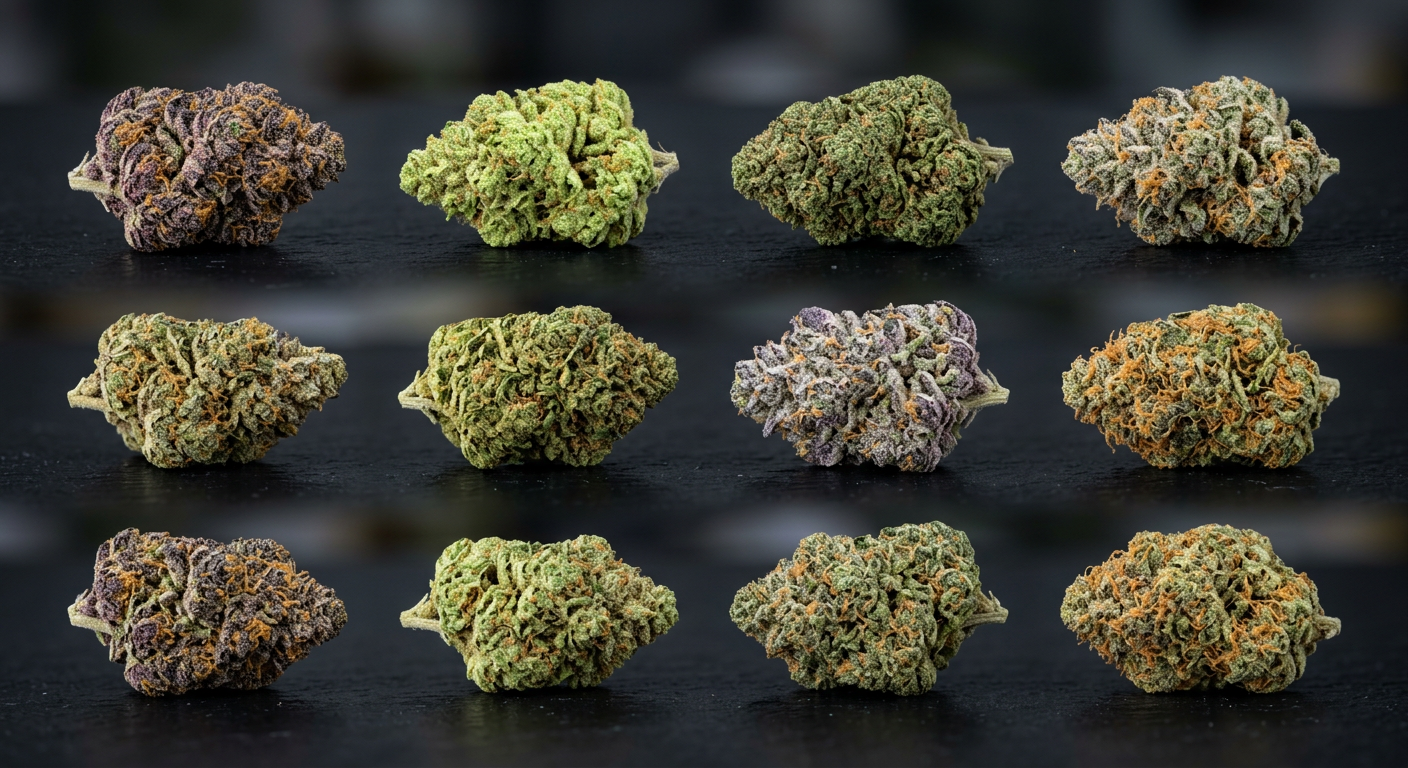
Somewhere inside a pack of 12 seeds, there is one plant that makes experienced growers stop mid-step, lean in, and say: that's the one. Cannabis phenotype hunting is the systematic art of finding that plant — and never losing it.
Whether you're chasing a terpene profile that stops a room in its tracks, yields that fill a room with dense colas, or effects that hit a very specific therapeutic sweet spot, pheno hunting gives you control that buying clones or branded seeds simply cannot match. This guide walks you through every stage of the process, from cracking seeds to locking in your keeper forever.
What Is Cannabis Phenotype Hunting?
Cannabis phenotype hunting is the process of germinating multiple seeds from the same strain or cross, growing each plant under identical conditions, and evaluating them side by side to identify the individual with the best combination of traits — then preserving that plant's genetics permanently.
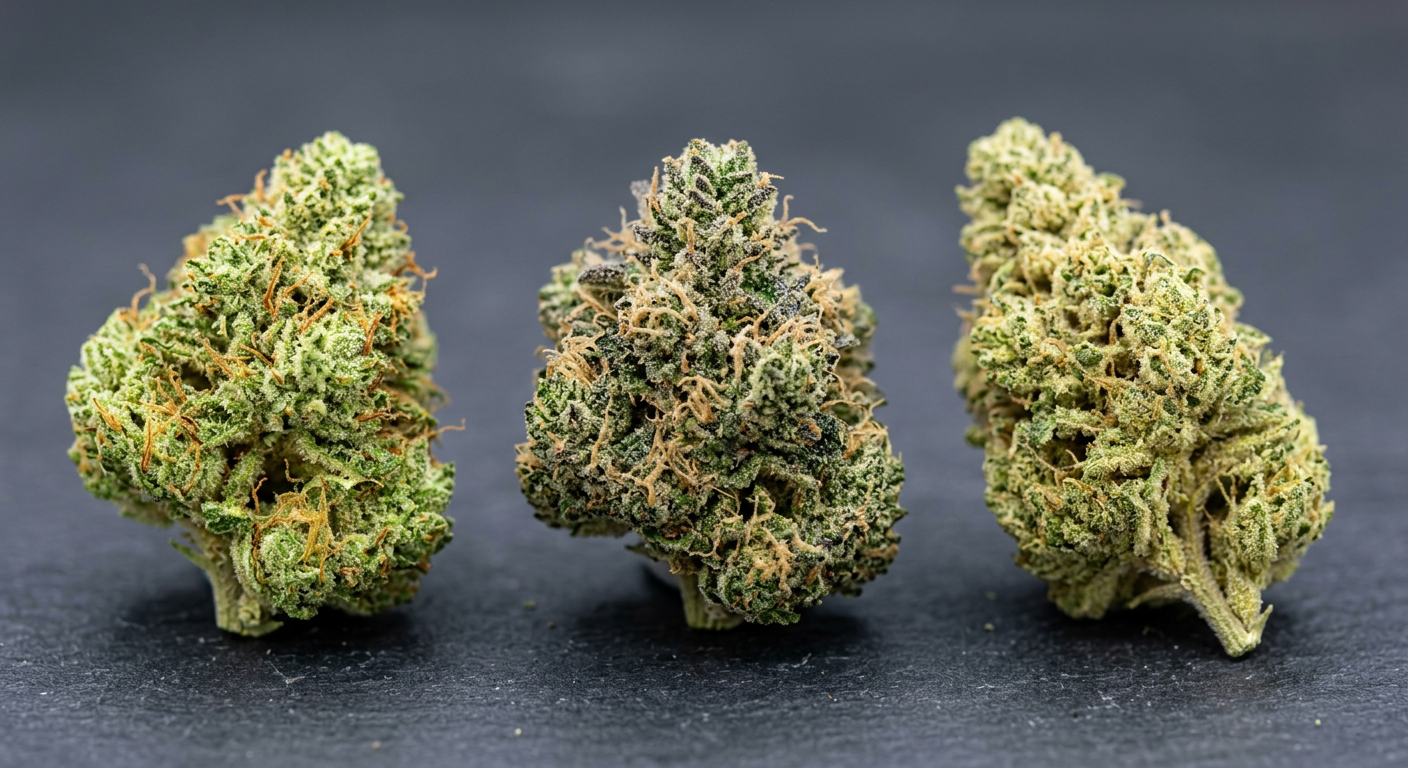
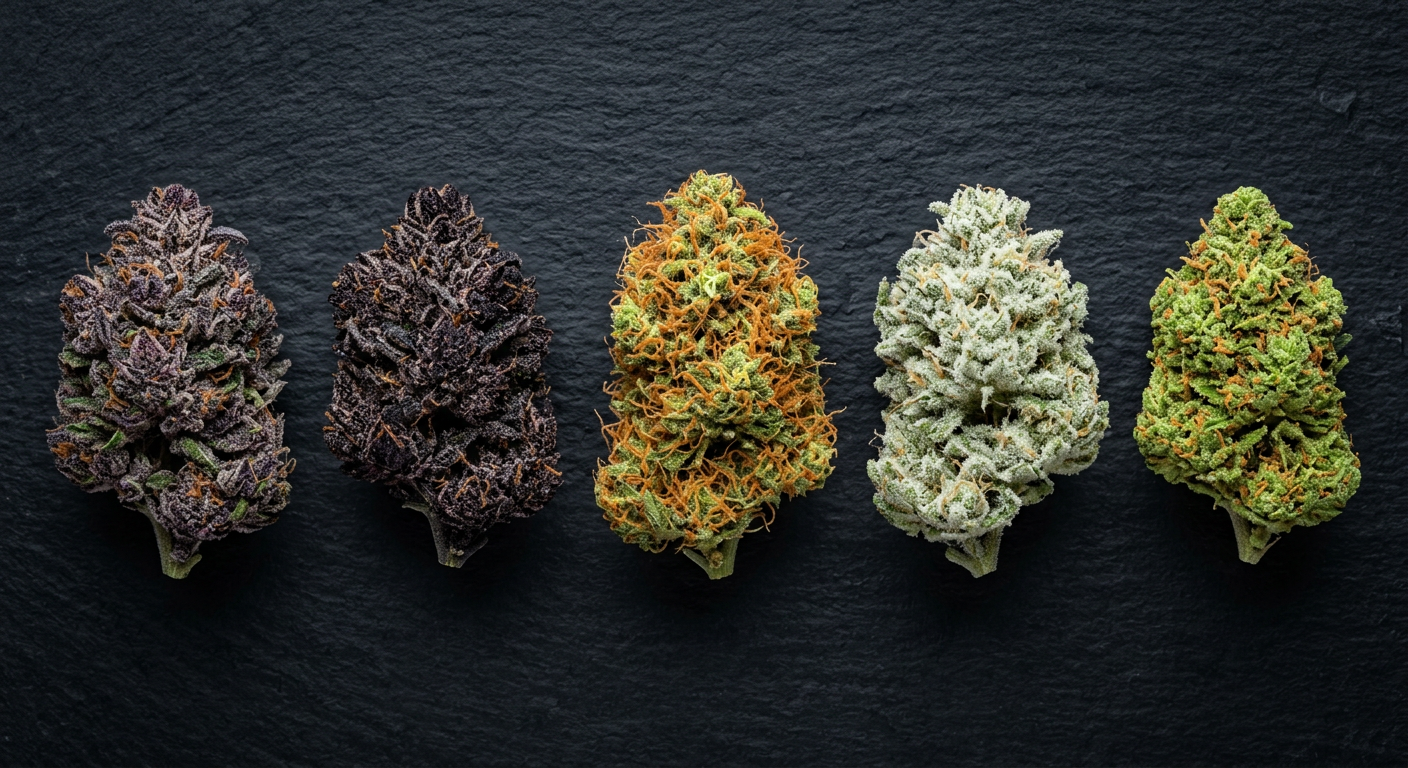
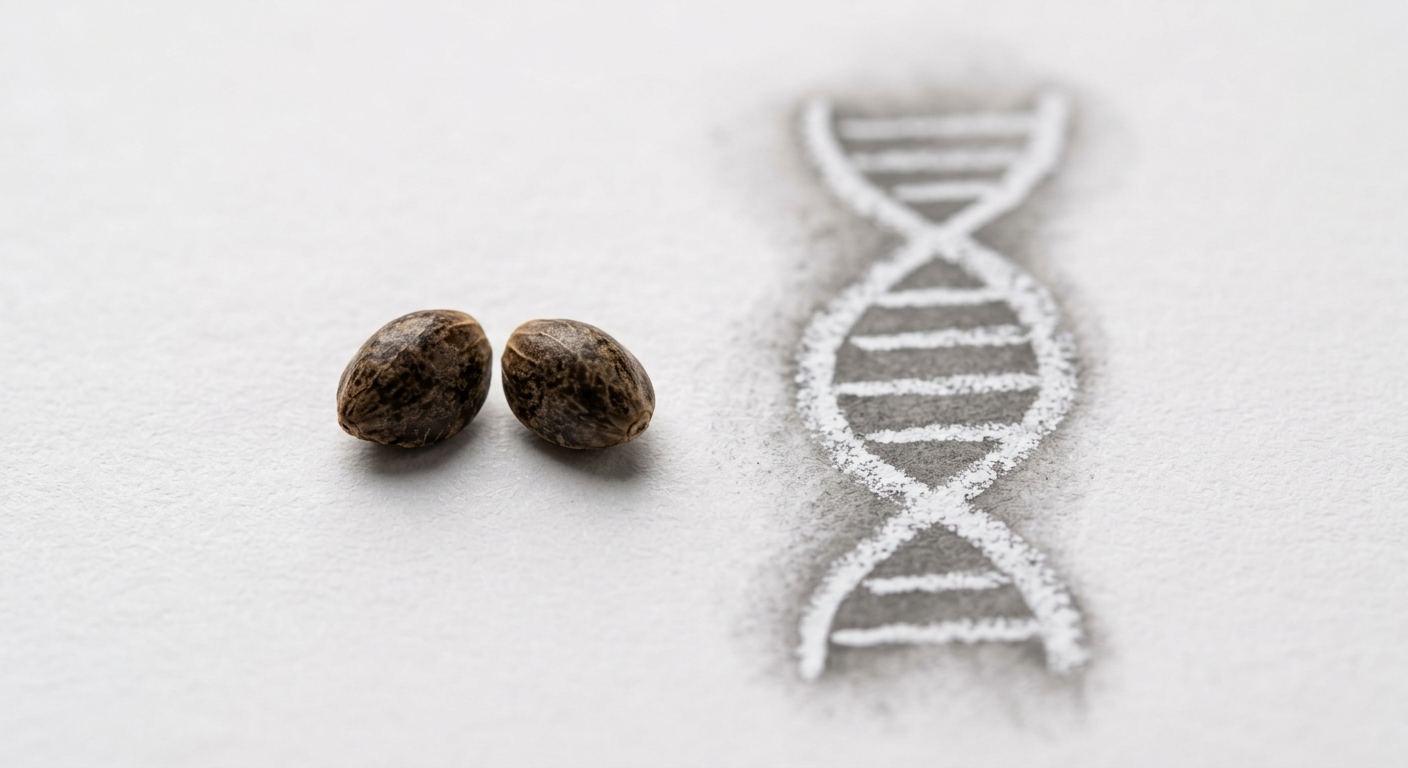
A phenotype (pheno) is the physical and chemical expression of a plant's genetic code as it interacts with its environment. Two seeds from the same packet share the same genotype blueprint but can grow into strikingly different plants — different heights, aromas, resin production, and effects. That variation is what pheno hunters exploit.
Phenotype vs. Genotype in Plain English: The genotype is the recipe stored in the DNA. The phenotype is the dish that ends up on the table. Same recipe, different chef (environment), different meal. Pheno hunting finds the dish worth making again and again.
The goal is not simply to find a good plant — it's to find a plant so exceptional in your specific conditions that it becomes a permanent part of your garden as a clone mother or preserved seed line.
Phenotype vs. Genotype: A Practical Comparison
| Term | What It Means | What Changes It | Why It Matters for Hunters |
|---|---|---|---|
| Genotype | The full genetic sequence inherited from both parents | Breeding, mutation | Sets the ceiling for every trait |
| Phenotype | The visible and chemical expression of those genes | Light, nutrients, temperature, humidity, soil | What you actually experience and evaluate |
| Chemotype | The specific cannabinoid and terpene chemical profile | Genetics + harvest timing | Determines effects and aroma |
| Keeper | The single pheno selected for preservation | Your selection criteria | The ultimate goal of every hunt |
Understanding this distinction matters because it explains why two clones from the same mother always look alike — they share both genotype and identical expression — while two seeds never do. For a deeper look at how genetics shape plant identity, our guide on landrace cannabis strains covers the original genetic foundations that modern breeders build upon.
Why Pheno Hunt? The Real Rewards of the Process
Pheno hunting cannabis gives growers a competitive edge that no seed bank catalogue can replicate. By running a structured hunt, you discover which individual plant within a strain truly excels in your specific environment — your lighting, your water, your climate.
The rewards go far beyond bragging rights. Finding a keeper phenotype means you can produce consistent, high-quality harvests indefinitely from a single clone mother, eliminating the variability that comes with growing from seed every cycle.
- Consistency: Clones from a keeper produce identical results every run
- Optimization: You dial in nutrients, training, and timing for one specific plant
- Rarity: Elite phenos often exist in only one grower's garden worldwide
- Economic value: Exceptional clones command premium prices in legal markets
- Genetic preservation: You safeguard genetics that might disappear from seed catalogues
- Breeding potential: Outstanding phenos become parent stock for new crosses
Pro Tip: High-variation genetics produce the most exciting pheno hunts. Crosses between very different parents — like an OG Kush crossed with a haze — throw out wildly different phenos. Check out OG Kush Feminized Seeds (26% THC) if you want a hunt that rewards patience with genuinely distinct expressions.
Choosing the Right Seeds for Your Pheno Hunt
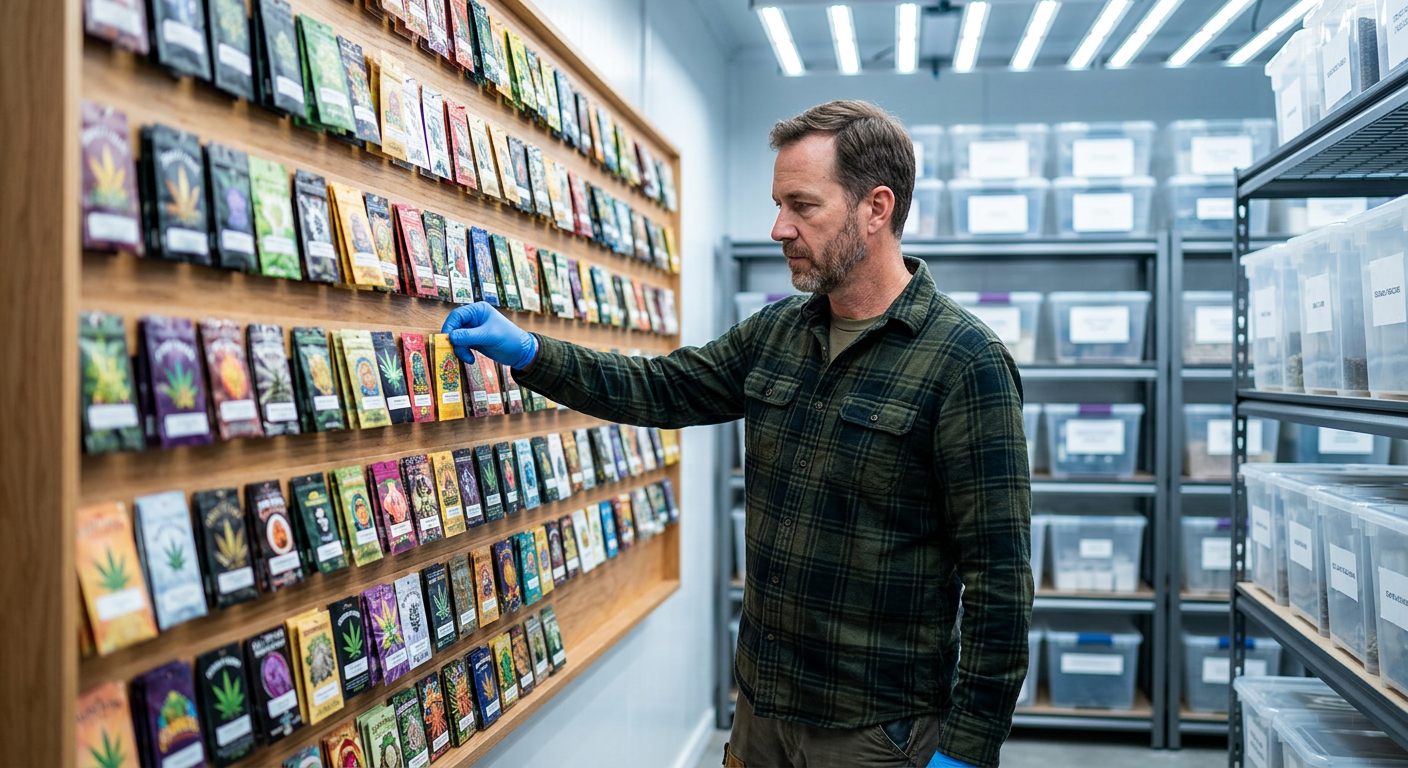
The quality of your hunt starts with the quality of your seeds. Choosing the right genetics determines whether you're searching for diamonds in gravel or diamonds in rough. Start with strains that have documented phenotypic diversity and traits that align with your specific goals.
Regular seeds (non-feminized) produce the widest phenotypic variation because they carry both male and female genetics from two distinct parents. Feminized seeds narrow the range slightly but still offer meaningful variation — especially in complex crosses.
Seed Selection Criteria
- Genetic diversity: F1 hybrids and multi-generational crosses show more variation than stabilized strains
- Breeder reputation: Consistent seed quality produces more viable phenotypes to evaluate
- Trait alignment: Match the strain's known characteristics to your target traits
- Seed count: Run at least 10–20 seeds per hunt; professionals run 50–100+
- Storage condition: Fresh seeds from cool, dark storage germinate more uniformly
Best Strains to Start a Pheno Hunt
Complex crosses with high terpene diversity are ideal starting points. Here are standout options for hunters at different experience levels:
- Northern Lights x Amnesia Haze Feminized Seeds (24% THC) — crosses an indica powerhouse with a sativa legend for wildly different pheno expressions
- Black Widow Feminized Seeds (26% THC) — renowned for producing resin-heavy keeper phenos with distinct terpene variation
- Quantum Kush Feminized Seeds (30% THC) — for hunters specifically chasing maximum potency expressions
- Super Lemon Haze Feminized Seeds (23% THC) — terpene-forward genetics that produce wildly different citrus profiles between individuals
- Phantom Cookies Feminized Seeds (18% THC) — cookies genetics known for diverse pheno expressions in flavor and structure
Genetics Science: F1 hybrid seeds (first-generation cross between two distinct inbred lines) display heterosis — hybrid vigor — which amplifies trait variation. This makes them the most exciting seeds to hunt but also the most unpredictable. F2 and later generations increase variation further, which is why professional breeders can run 500–1,000+ seeds on a single hunt.
How to Phenotype Hunt Cannabis: Step-by-Step
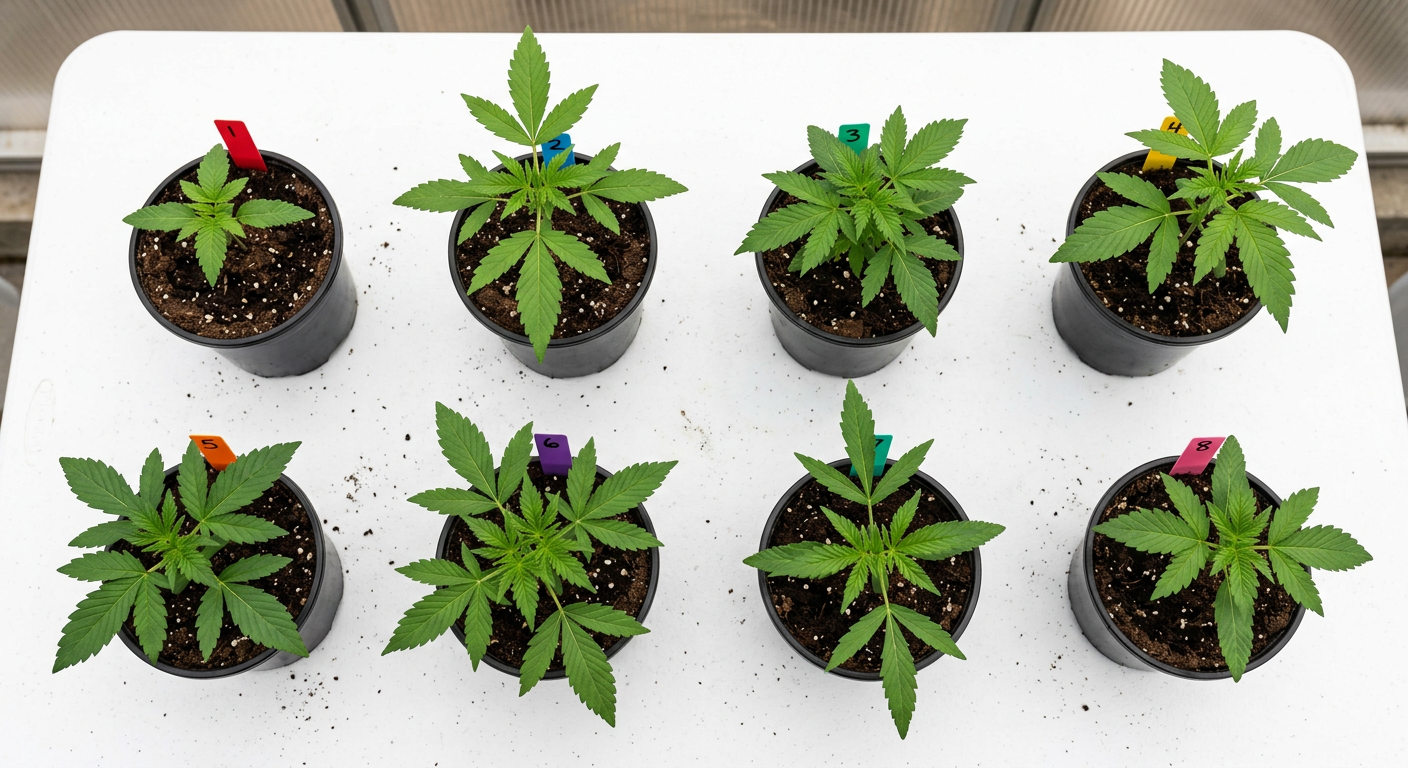
A structured pheno hunt follows a repeatable process across six distinct phases: germination, labeling, vegetative observation, flowering evaluation, harvest assessment, and final selection. Following each step systematically is what separates a productive hunt from a chaotic grow.
The numbered steps below form a complete system that works whether you're hunting 10 seeds in a tent or 100 plants in a commercial facility.
Germinate and Label Every Seed
Germinate all seeds simultaneously using identical methods — paper towel, rapid rooters, or direct soil. The moment a seed cracks, assign it a permanent ID: strain abbreviation + sequential number (e.g., OGK-01, OGK-02). Write this ID on the pot, a plant tag, and your tracking sheet. Never skip labeling even a single plant — the one you skip will be your keeper.
Create Your Tracking System Before You Grow
Set up a spreadsheet or physical logbook with one row per plant and columns for every trait you'll measure. Record observations on a fixed weekly schedule — same day, same time. Consistency in recording is as important as consistency in growing conditions. Digital photos with timestamps add another data layer.
Standardize Growing Conditions Completely
Every plant must receive identical inputs: same soil or medium, same container size, same light intensity and spectrum, same nutrient schedule, same watering volume. Any variation in environment creates variation in expression that masks genetic differences. This is the single hardest part of pheno hunting — and the most important. Read our guide on cannabis vegetative stage management to nail the baseline conditions.
Observe and Score During Vegetative Growth
Begin scoring plants at week 2 of veg. Record growth rate (height in cm per week), internode spacing, leaf shape and color, stem thickness, and branching pattern. Some keeper traits — compact structure, dark green color, vigorous rooting — appear early. Eliminate obvious underperformers at this stage to reduce your workload before flowering.
Take Clones Before Flipping to Flower
Before switching to a 12/12 light schedule, take 2–3 clones from every candidate plant. Label each clone with the same ID as its mother. These clones are your insurance — they let you preserve a phenotype even after the original plant is harvested and gone. Without this step, you can never go back to a winner. See our guide on cannabis light schedules for flip timing details.
Evaluate Flowering Traits Weekly
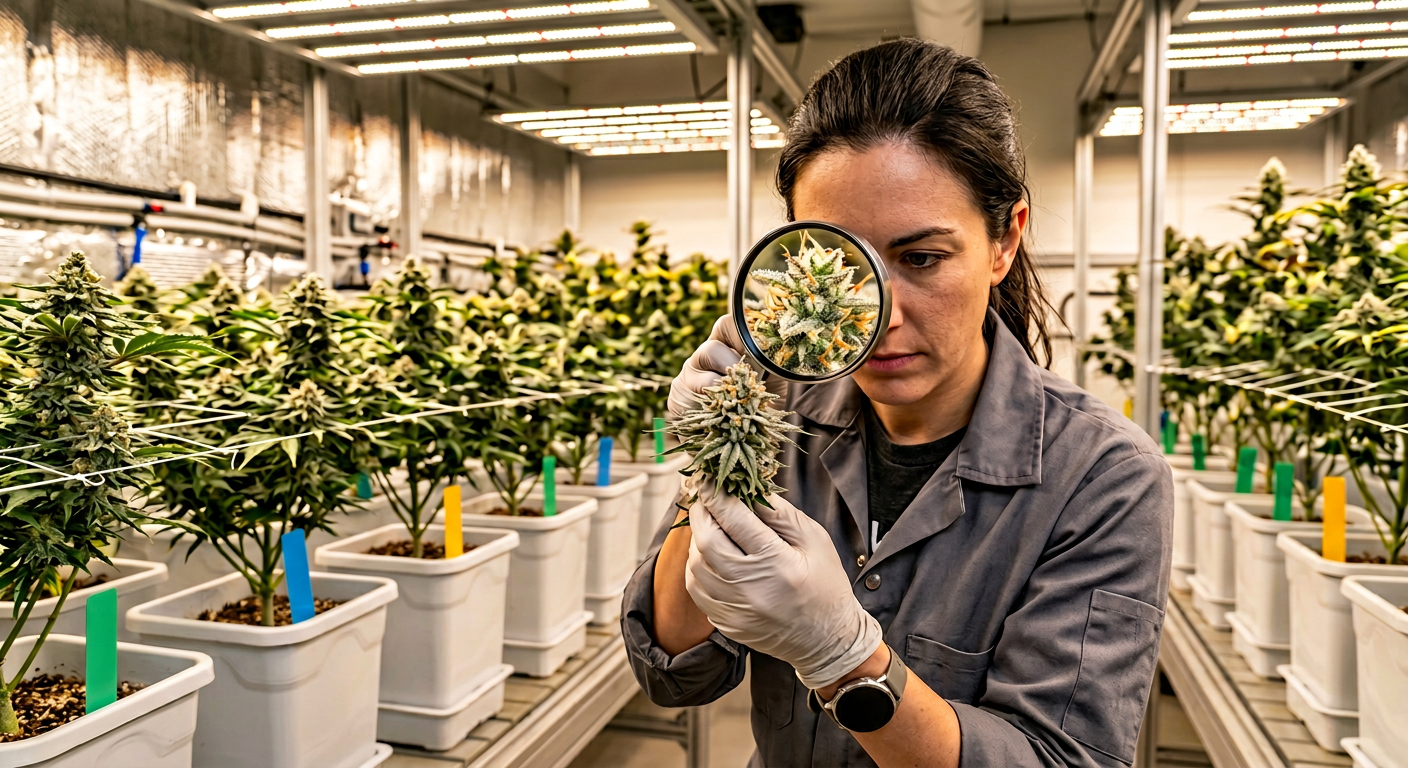
Once in flower, record bud structure (dense vs. airy), pistil color and density, trichome development rate, stretch percentage, and aroma intensity at weeks 3, 5, 7, and pre-harvest. Use a 60–100x loupe or digital microscope to examine trichome heads from week 6 onward. The flowering evaluation phase is where most keepers reveal themselves clearly.
Conduct a Blind Smell and Effect Test
At harvest, remove all ID tags and have a trusted partner rearrange the samples. Evaluate aroma and effects without knowing which plant you're assessing. Blind testing removes confirmation bias — the single biggest mistake hobby pheno hunters make. Score each sample 1–10 for aroma, flavor, potency, and effect quality before revealing IDs.
Cross-Reference Scores and Select Your Keeper
Map your blind test scores against your vegetative and flowering data. The keeper phenotype should score well across multiple categories — not just one. A plant that smells incredible but yielded 30% less than average might not be worth preserving unless its other traits are extraordinary. Make the decision with data, not emotion.
Critical Warning: Never destroy your candidate plants until your preserved clones are confirmed rooted and healthy. Losing a plant before its clone establishes means that phenotype is gone forever. Always keep clone mothers alive for at least 3–4 weeks after the original plant is harvested.
Phenotype Evaluation Criteria: What to Look For
Knowing what traits to score is as important as knowing how to score them. Elite keeper phenotypes consistently excel across four core categories: structure and vigor, aroma and flavor, yield and efficiency, and effect profile.
Weight each category according to your goals. A medical patient hunting for specific effects weighs the effect profile at 40%. A commercial cultivator might weight yield and structure at 50%. Define your priorities before the hunt begins, not after.
Structure and Vigor
- Growth rate: Does the plant hit target height milestones on schedule?
- Internode spacing: Tight nodes mean more bud sites per vertical inch
- Root development: Vigorous root systems support higher yields and stress tolerance
- Disease resistance: Note which plants shrug off minor stress while others struggle
- Branching pattern: Multi-branching plants respond better to training techniques like ScrOG or topping
Aroma and Terpene Profile
Aroma evaluation happens at three stages: live plant in late flower (weeks 5–7), fresh cut at harvest, and cured flower at 2 and 4 weeks post-cure. Each stage reveals different terpene information. Early aroma reflects volatile top notes; cured aroma shows the full terpene profile after chlorophyll degrades.
- Intensity: Score 1–10 for how far the aroma carries from 1 meter away
- Complexity: Single-note aromas vs. layered, evolving profiles
- Desirability: Does the smell align with your target market or personal preference?
- Stability: Does the aroma hold after curing, or does it fade quickly?
Terpene Tip: For citrus and fuel terpene hunters, strains like Sour Diesel Feminized Seeds (24% THC) and Tangerine Haze Feminized Seeds (18% THC) produce phenos with wildly different aromatic expressions between individual plants — making them excellent hunt candidates for flavor-focused growers.
Yield and Harvest Efficiency
- Dry weight per plant: Weigh after a full dry and cure, not fresh weight
- Calyx-to-leaf ratio: High ratios mean less trim time and denser usable product
- Trichome coverage: Assess under a loupe — sugar leaves, buds, and bract surfaces
- Bud density: Dense, compact buds typically cure better and weigh more per volume
- Flowering time: Plants finishing 1–2 weeks early without quality loss are extremely valuable
Effect and Potency Evaluation
Effect evaluation requires patience — assess only fully cured flower, at minimum 2 weeks post-harvest but ideally 4–6 weeks. Freshly dried cannabis contains residual chlorophyll and undegraded cannabinoids that distort the true effect profile.
- Onset speed: How quickly does the effect manifest?
- Effect character: Cerebral vs. body-heavy, energizing vs. sedating
- Duration: How long does the peak effect last?
- Potency: Strength relative to other phenos in the same hunt
- Smoothness: Harshness often indicates incomplete cure, but some phenos are genuinely smoother
Building Your Phenotype Scoring Scorecard

A standardized scoring system eliminates subjective bias and makes keeper selection objective and repeatable. Build your scorecard before germination so the criteria are fixed and cannot be unconsciously modified to favor a plant you already like the look of.
The following weighted scoring system works for most hobby and semi-professional pheno hunters. Adjust the weights to match your personal priorities before you begin.
Sample 100-Point Phenotype Scorecard
| Category | Max Points | Sub-Criteria | When to Score |
|---|---|---|---|
| Vigor & Structure | 20 | Growth rate, node spacing, branching, resilience | Weeks 2–4 veg |
| Flowering Performance | 20 | Stretch %, bud set speed, density, trichome onset | Weeks 1–7 flower |
| Yield | 20 | Dry weight, calyx:leaf ratio, bud size | Post-harvest weigh-in |
| Aroma (Live + Cured) | 20 | Intensity, complexity, desirability, stability | Week 6 flower + 4 weeks cured |
| Effect & Potency | 20 | Onset, character, duration, smoothness | 4–6 weeks post-cure |
Plants scoring 80+ points across all categories are keeper candidates. Any plant scoring below 60 in any single category should be eliminated from consideration, regardless of how well it performs elsewhere.
Key Insight: The best pheno is rarely the highest scorer in one category. It's the plant with the most balanced high scores across all categories — the one that delivers exceptional quality without a fatal weakness anywhere in the profile.
Documentation Systems That Actually Work
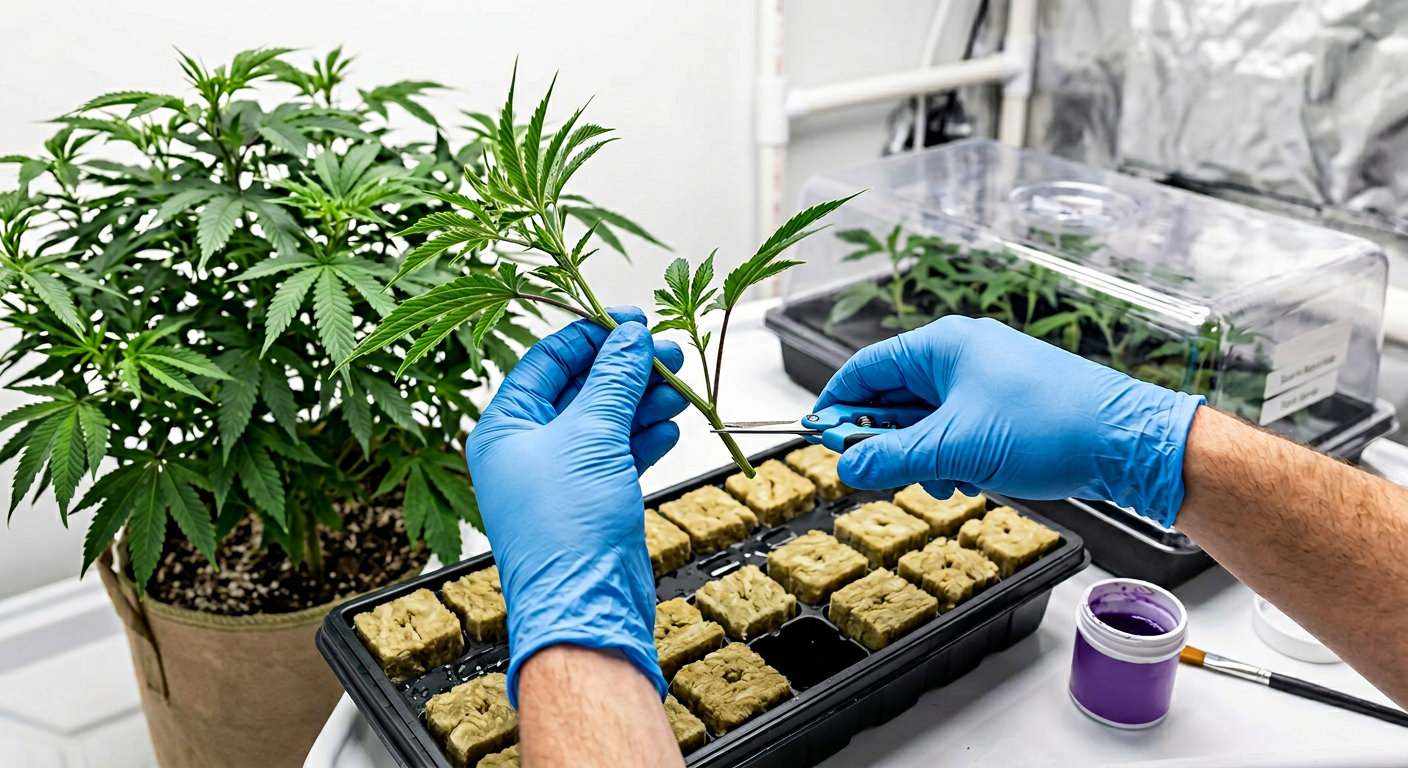
Your documentation system is the backbone of your entire hunt. Without rigorous records, you cannot compare plants accurately, cannot reproduce your results, and cannot justify your keeper selection with anything other than gut feeling.
The three most effective documentation formats for home and semi-pro hunters are digital spreadsheets, physical grow journals, and photo-based logs. Most serious hunters use at least two simultaneously.
Digital Tracking Setup
Google Sheets or Airtable work well because they're accessible from any device, support photo attachments, and allow sorting by any column to rank plants quickly at selection time.
- One tab per plant, or one master sheet with plant ID as column A
- Fixed weekly observation dates entered in advance
- Numerical scores for all measurable traits (not descriptive words)
- Timestamped photo uploads at each observation point
- A running notes column for unusual observations
- Automatic average calculation for final score comparison
- Color coding: green = above average, red = below average, yellow = average
- Backup to cloud storage weekly — losing records is catastrophic
Physical Grow Journal Protocol
- Dedicated notebook, not loose paper — pages must stay in sequence
- Pre-printed plant ID headers at the top of each page section
- Date, time, and environmental conditions (temp, humidity) on every entry
- Sketches of notable plant structures — leaf shape, bud form
- Polaroid or printed photos taped directly to relevant pages
- Separate section for blind taste/effect notes
Photography Pro Tip: Place a color calibration card (gray card) next to each plant in every photo. This lets you accurately compare color between plants and across different lighting conditions — critical when assessing trichome color changes and leaf health through your records.
Preserving Your Keeper Phenotype: Cloning vs. Seeds
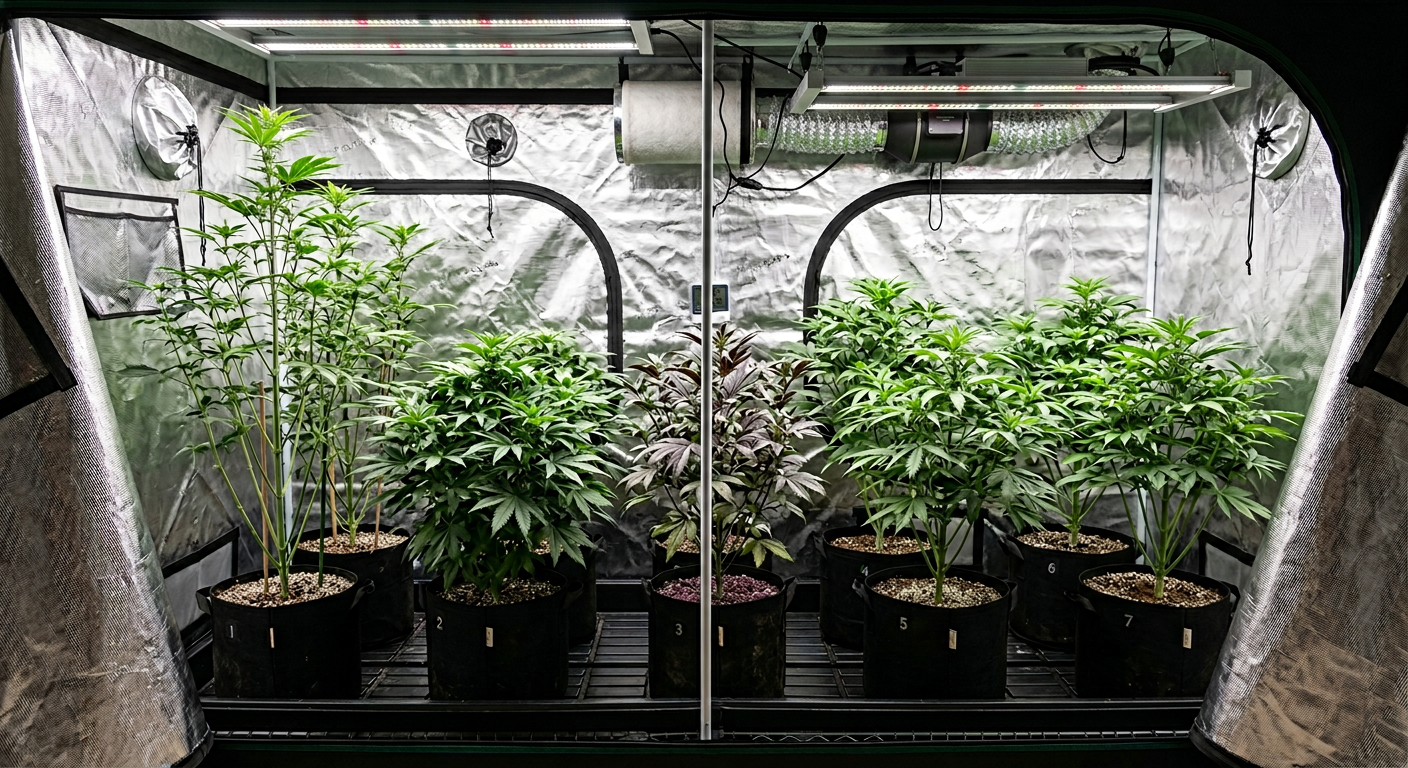
Preserving a keeper phenotype means capturing its exact genetic expression in a form you can propagate indefinitely. The two main methods are vegetative cloning (creates genetically identical copies) and backcross seed production (stabilizes the keeper's traits into a seed line).
Each method serves a different preservation goal. Cloning maintains 100% genetic fidelity but requires keeping a live plant. Seed production creates storable, distributable genetics but introduces some variation.
Clone Mother Preservation
A clone mother is kept permanently in vegetative growth (18+ hours of light) and harvested for cuttings every 4–6 weeks. A single healthy mother can supply hundreds of identical clones over several years, making it the standard preservation method for commercial operations and serious hobby growers.
- Container: 5–10 gallon pot gives enough root space for multi-year life
- Light cycle: 18/6 minimum — 20/4 increases cutting yield from the mother
- Nutrition: Low-nitrogen, balanced vegetative feed to maintain healthy foliage
- Pruning schedule: Trim monthly to encourage new lateral growth — more new tips mean more quality cuttings
- Clone viability: Take cuttings from new growth, 10–15cm long, with at least 2 nodes
- Redundancy: Always keep 2 clone mothers in case one gets sick or dies
Clone Mother Lifespan Warning: Cannabis clone mothers accumulate epigenetic stress over time. Most growers refresh their mother stock every 12–18 months by rooting a new cutting and replacing the original mother — preventing the gradual vigor decline that comes from extended vegetative maintenance.
Preserving Genetics Through Seeds: Backcrossing
Backcrossing (BX) involves pollinating your keeper female with a male from the same strain or its parent lines. This creates seeds that carry a high percentage of the keeper's traits, allowing storage and distribution without maintaining a live plant. BX1 seeds carry approximately 75% of the keeper's genetic traits; BX3 seeds reach roughly 93%.
- Reverse your keeper: Use colloidal silver or STS spray to force pollen sacs on a female clone
- Pollinate a clone sister: Apply keeper pollen to a flowering sibling plant
- Collect and dry seeds: Seeds are ready 5–6 weeks after pollination
- Store correctly: Vacuum-sealed in a cool, dark environment — properly stored cannabis seeds remain viable for 5–10 years
Seed preservation connects deeply to the broader practice of genetic stewardship. Our guide on heirloom cannabis genetics preservation covers the philosophy and techniques in much greater detail.
Common Pheno Hunting Mistakes (And How to Avoid Them)
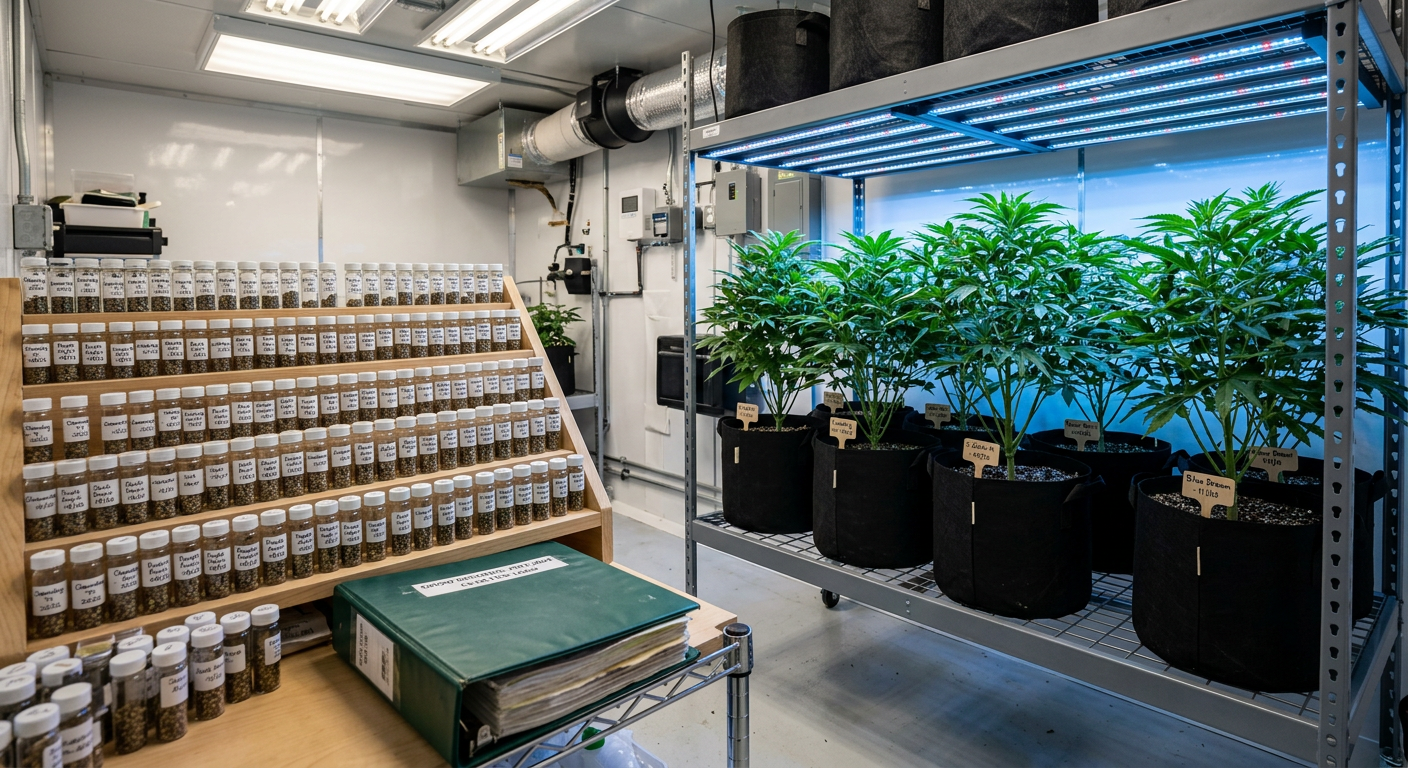
The most experienced pheno hunters make their biggest breakthroughs after learning from their most costly mistakes. Knowing the most common errors before you start saves you time, resources, and the heartbreak of losing a genuine keeper.
Most mistakes fall into three categories: inconsistent growing conditions, premature elimination, and poor preservation timing.
The 7 Most Costly Pheno Hunting Errors
- Inconsistent environment: Plants in different spots of a room get different light intensity — rotate plants weekly to a fixed schedule to equalize conditions
- Evaluating too early: Judging a plant at week 3 of flower is like judging a soufflé halfway through baking — commit to full flowering evaluation before any scoring
- Eliminating slow starters: Some of the best phenos show slow early growth then explode in flower — never cut a plant before 4 weeks of veg
- Losing clones before harvest: Always confirm clone roots before the original plant is harvested — keep clone mothers for 3–4 weeks post-harvest
- Evaluating uncured flower: Fresh or insufficiently cured cannabis gives a false effect and flavor profile — wait the full 4–6 weeks
- Running too few seeds: 5–6 seeds is a gamble, not a hunt — run at least 10–20 to have meaningful selection pressure
- No blind testing: Confirmation bias is real — growers consistently rate plants they've invested more attention in higher, regardless of actual quality
The #1 Mistake: Destroying original plants before clones are confirmed rooted and healthy. This mistake has ended more pheno hunts than any other single error. No exceptions — wait for roots, then wait another week, then harvest.
Advanced Pheno Hunting Techniques
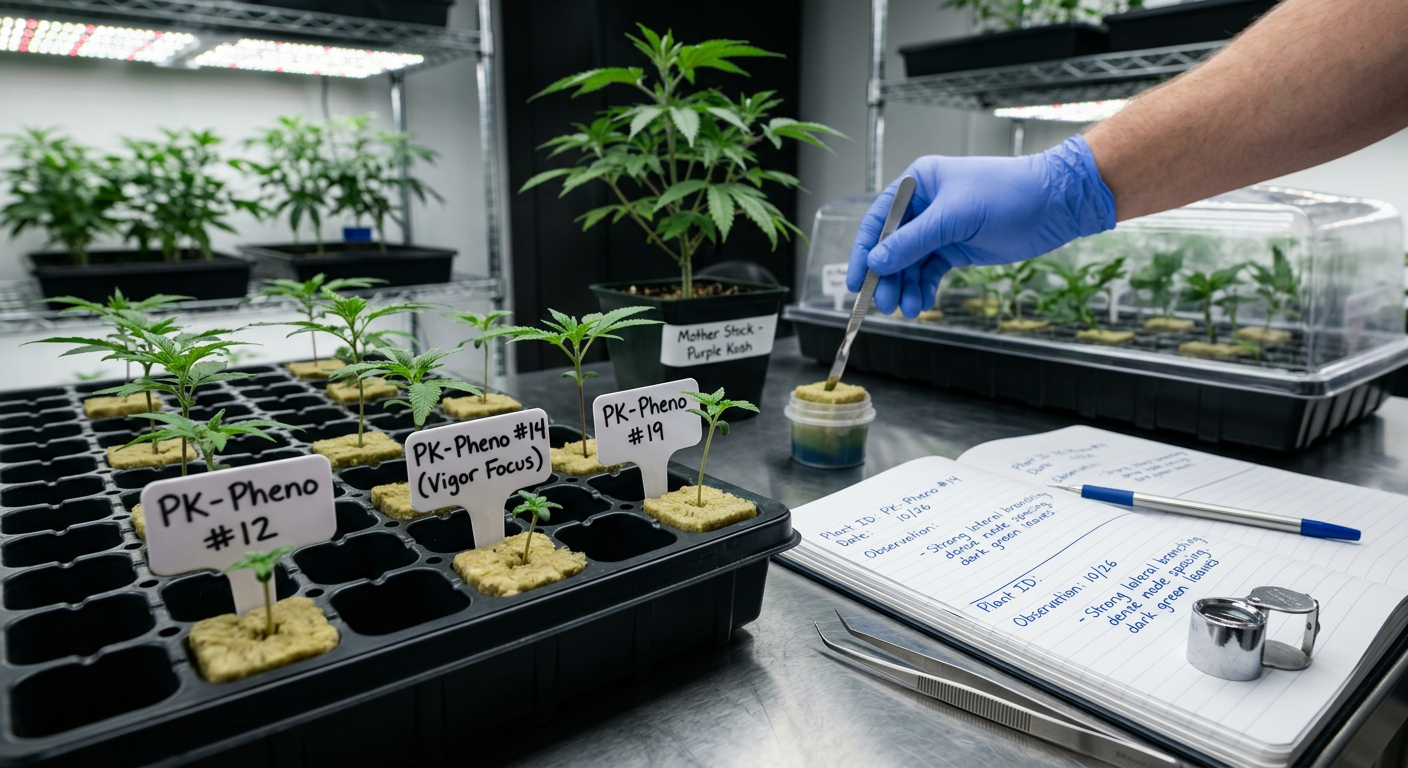
Once you've completed a basic hunt, advanced techniques let you hunt more efficiently, evaluate more plants simultaneously, and preserve results with greater precision. These methods are used by professional breeders running hundreds of plants but can be scaled down for home cultivation.
The Sea of Green (SOG) Pheno Hunt Method
Running plants as a Sea of Green — small individual plants flipped to flower early — lets you evaluate many more individuals in the same space. A 1.2m x 1.2m tent can hold 16–25 SOG plants simultaneously versus 4–6 standard-sized plants. You sacrifice per-plant yield data but gather much faster aroma and structure information per square meter. Combine with standard-sized grows of your top 3–5 candidates for yield confirmation.
Progressive Elimination Rounds
Professional breeders eliminate plants in structured rounds rather than evaluating all candidates through the full flower cycle. Round 1 at week 3 of veg eliminates the bottom 30% by structure. Round 2 at week 3 of flower eliminates another 30% by bud development and aroma. Only the top 40% receive full evaluation — saving resources for the plants that actually matter.
Multi-Environment Testing
True keeper phenotypes perform well across different environments. After selecting your top candidate, grow it under two distinct conditions — different light spectrums, different growing media — to confirm that its exceptional traits are genetically driven rather than environmentally forced. A pheno that only shines under one very specific setup is a conditional keeper; one that excels in multiple conditions is a true elite.
Epigenetics in Pheno Hunting: Some traits that appear phenotypic are actually epigenetic — triggered by environmental stress rather than genetic difference. Heat stress anthocyanin production (purple coloration) is a classic example. True genetic purple phenos, like those found in Purple Kush Feminized Seeds (27% THC) or Purple Power Feminized Seeds, display color without cold stress. This is a key distinction worth tracking in your documentation.
Terpene-Focused Micro-Hunting
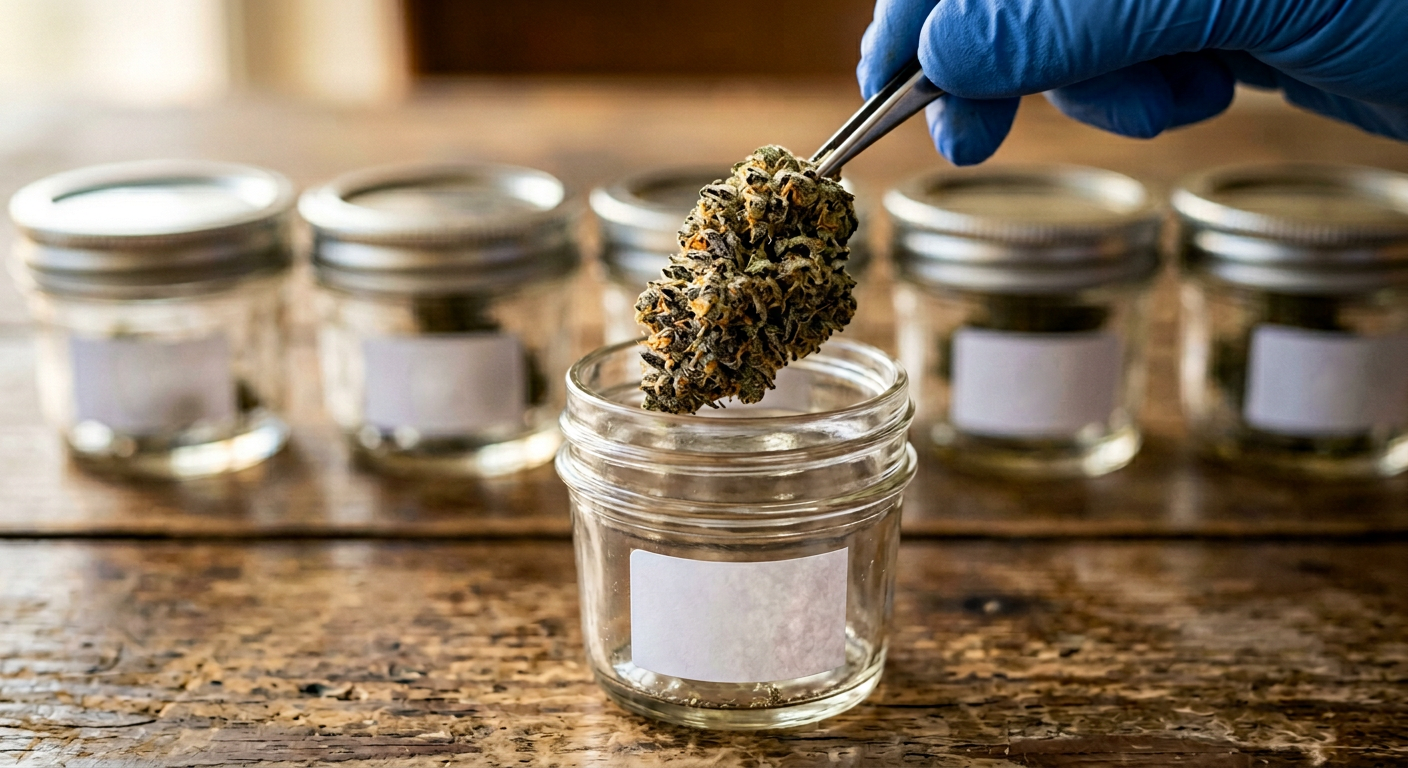
If terpene profile is your primary selection criterion, run a dedicated micro-hunt focused entirely on aroma. Take samples from each plant's live buds at week 6 of flower and evaluate aroma blind from small glass jars. This single-criterion evaluation is faster, cheaper, and often reveals the top terpene candidates before harvest — giving you more time to prepare preservation clones for your favorites. Our deep dive into the entourage effect explains why terpene selection has such profound impact on the final experience.
Pheno Hunting Checklist: Your Complete Reference
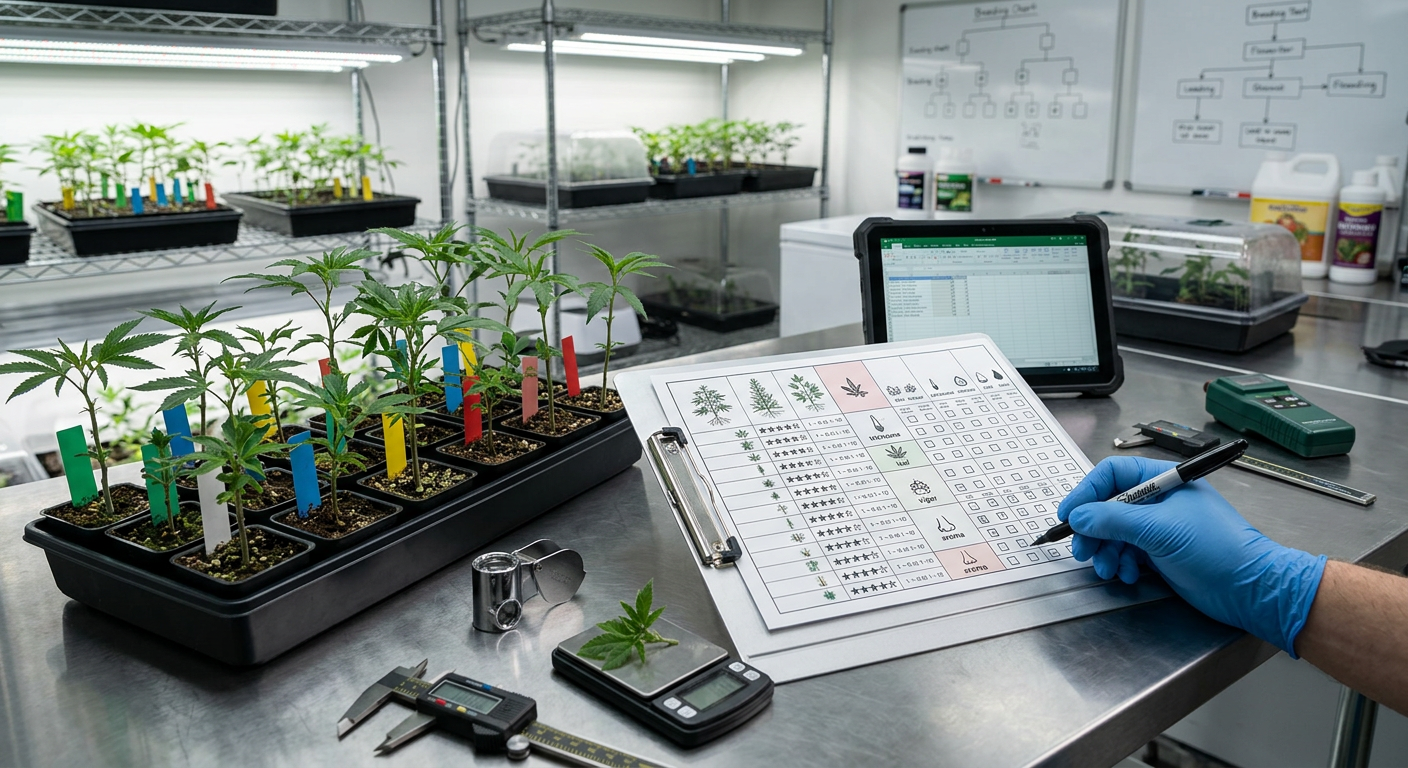
Use this checklist at each stage of your hunt to confirm you haven't missed a critical step. Print it out, tape it inside your grow journal, and check off items in real time — not from memory after the fact.
Pre-Hunt Setup Checklist
- Strain selected with clear target traits defined
- Minimum 10–20 seeds sourced from reputable genetics
- Scoring scorecard built and weighted before germination
- Tracking system (digital + physical) ready before first seed cracks
- Labeling materials on hand (tags, markers, tape)
- Clone propagation setup confirmed operational
- Identical growing conditions verified across all plant positions
- Environmental monitoring in place (temp, humidity, VPD)
Vegetative Phase Checklist
- All plants labeled with permanent IDs from day one
- Weekly observations recorded on schedule
- Growth rate measured and logged (cm/week)
- Internode spacing noted per plant
- Bottom 20–30% eliminated by end of week 4
- Clones taken from all remaining candidates before flip
- Clones labeled with matching plant IDs
- Clone rooting confirmed before any original plants are flipped
Flowering Phase Checklist
- Stretch percentage recorded for each plant
- Bud set timing and density logged weekly
- Live aroma assessed blind at week 6
- Trichome development photographed with macro lens
- Trichome color monitored from week 7 with loupe
- Harvest timing individualized per plant — do not harvest all at once
Post-Harvest and Selection Checklist
- Each plant dried and cured separately with ID label maintained
- Dry weight recorded for each plant individually
- Effect and flavor evaluation conducted blind at 4–6 weeks cure
- Blind scores mapped to plant IDs and cross-referenced with grow data
- Top 3 candidates ranked by total weighted score
- Keeper selected and clone mother established before any original plants discarded
- Keeper documented with full genetic, grow, and effect profile
- Backup clone of keeper taken and established as second mother
For the most precise harvest timing of your keeper candidates, study the trichome evaluation methods in our guide on when to harvest cannabis for maximum potency. Harvesting even 3–5 days early or late significantly affects the final terpene and cannabinoid profile you're evaluating.
Building a Long-Term Genetics Library
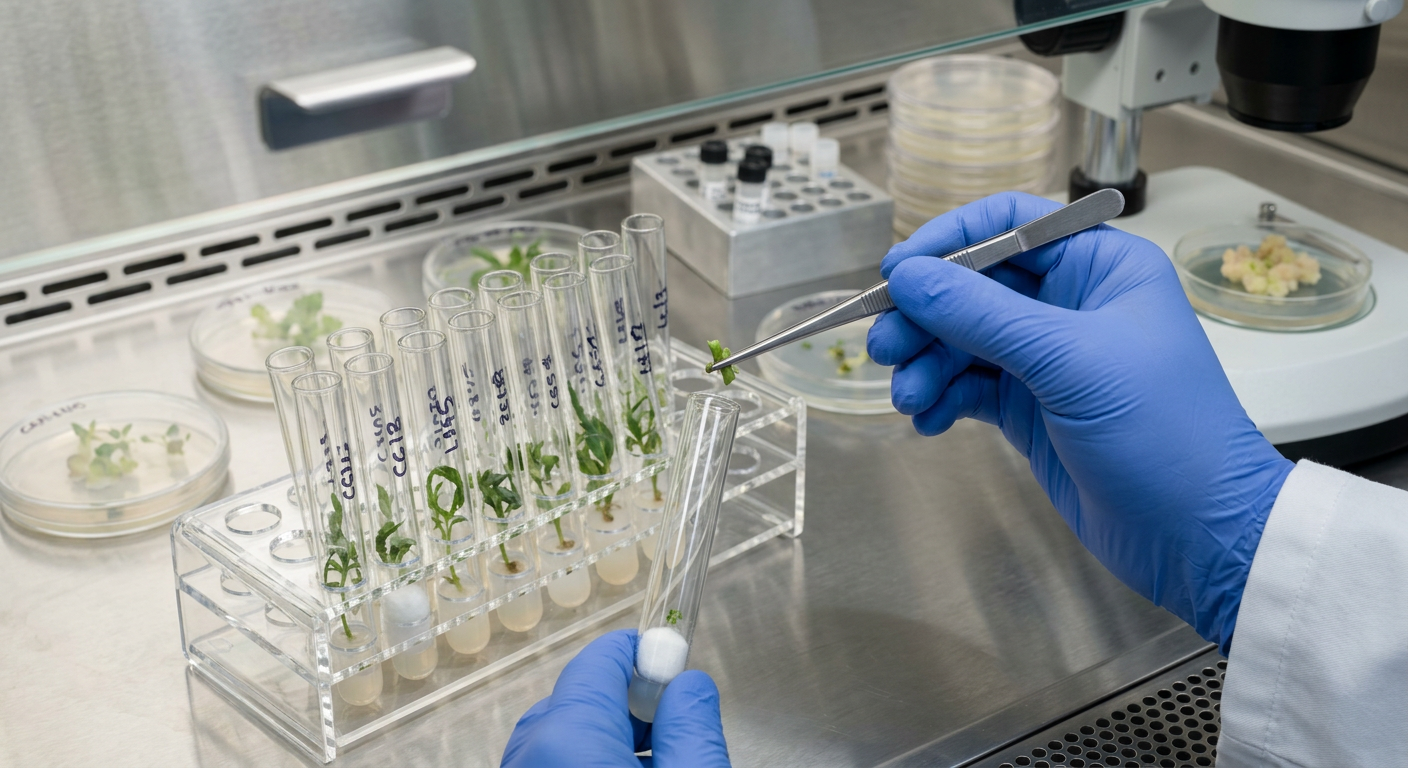
The end goal of repeated pheno hunting is not a single keeper — it's a curated genetics library of multiple elite phenotypes that serve different growing goals, seasons, and consumer preferences. Professional cultivators maintain 5–15 distinct keeper mothers simultaneously, each optimized for a specific use case.
Building this library takes years of systematic hunting, but each successful hunt compounds on the last. Your documentation from hunt one informs the strain selection for hunt two. Your clone preservation skills from hunt two make hunt three's preservation phase faster and more reliable.
Organizing Your Genetics Library
- Physical labeling: Each mother plant gets a laminated ID card with strain, pheno number, hunt date, and key trait summary
- Seed archive: Maintain backcross seeds from every keeper in vacuum-sealed vials with silica gel desiccant
- Digital database: One master spreadsheet listing every keeper with full trait profiles, photos, and lineage notes
- Clone trading records: If you share clones with other cultivators, track who has what for network redundancy
The philosophy of genetic stewardship connects directly to the broader cannabis preservation movement. Exploring heirloom cannabis genetics gives important context for why the plants you preserve today may have lasting significance for the broader growing community.
High-THC genetics make particularly compelling hunt targets when building a potency-focused library. Consider running hunts through White Widow Feminized Seeds (25% THC), Papaya Feminized Seeds (25% THC), or Skunk Special Feminized Seeds (24% THC) alongside flavor-forward strains like Blueberry Haze Feminized Seeds (20% THC) or Jillybean Feminized Seeds (18% THC) to develop a diverse library that covers multiple consumer profiles.
Library Management Tip: Run your genetics library in two physical locations if possible — a primary grow space and a trusted friend or fellow cultivator who maintains backup mothers. Losing your entire library to a pathogen outbreak, equipment failure, or facility issue is a real risk. Geographic redundancy is your insurance policy.
Frequently Asked Questions
How many seeds do I need to run a successful pheno hunt?
For a meaningful hunt, run a minimum of 10–20 seeds per strain. This gives you enough phenotypic diversity to actually have selection pressure — with fewer than 10 seeds, you may never encounter the exceptional pheno hidden in the genetics. Professional breeders run 50–1,000+ seeds for major releases, but 20–30 seeds is sufficient for most home hunters to find a genuine keeper. The more seeds you run, the higher your odds of finding a truly elite expression.
Can I pheno hunt with autoflowering seeds?
Yes, but it's more challenging. Autoflowering plants cannot be kept as clone mothers in perpetual vegetative growth — they flower on a fixed timeline regardless of light schedule. To preserve an autoflower keeper, you must collect pollen and create seeds through backcrossing (BX). Some autoflower breeders also use a technique of taking clones early in life (weeks 1–2) and flowering them immediately to test traits before the original plant finishes. Strains like Skywalker OG Autoflower Seeds (23% THC) are worth hunting despite the added complexity.
How long does a full pheno hunt take from seed to keeper selection?
A complete pheno hunt typically takes 5–7 months from germination to final keeper selection. This includes 4–6 weeks of vegetative growth, 8–10 weeks of flowering, 2–3 weeks of drying, and 4–6 weeks of curing before proper effect evaluation. Rushing any stage — especially the cure — produces inaccurate results that lead to poor keeper selection. Budget at least 6 months for your first hunt and plan your space and resources accordingly.
What's the difference between a phenotype and a clone-only strain?
A clone-only strain is simply a specific phenotype that has been preserved exclusively through vegetative cloning — no seeds exist for it. Famous examples include certain OG Kush and Cookies phenotypes. These phenos are so exceptional that growers chose to preserve them as clone mothers rather than risk the trait variation that comes with seed production. Any keeper phenotype you find and preserve through cloning technically becomes a clone-only strain unique to your garden.
How do I know when I've found a true keeper vs. just a good plant?
A true keeper scores exceptionally across multiple evaluation categories simultaneously — not just one. It should also perform consistently across at least two separate grow cycles to confirm its traits are genetic rather than environmental. The real signal is when experienced growers who don't know the plant's ID consistently identify it as the standout sample in blind evaluations. If the same plant wins every blind test without any prior knowledge of its identity, you have found a keeper worth preserving permanently.