Roughly 50 million Americans live with chronic pain — and an estimated 62% of medical cannabis patients list pain as their primary reason for use. Yet most available guides tell you to grab an indica and hope for the best. That's not science; it's a guess. Understanding how cannabis for chronic pain actually works — at the receptor level, the terpene level, and the dosing protocol level — changes everything about how well it works for you.
This guide goes deeper than strain lists. We cover the neuroscience of pain signaling, the specific roles of THC, CBD, CBG, and lesser-known cannabinoids, terpene synergy, condition-specific strain recommendations, and proven dosing frameworks used in clinical practice. Whether you're managing fibromyalgia, arthritis, back pain, or neuropathy, this is the resource you need.
How Chronic Pain Works — And Where Cannabis Intervenes
Chronic pain relief from cannabis starts with understanding what chronic pain actually is at a biological level. Cannabis doesn't just mask pain signals — it interacts with the systems that generate and regulate them.
Chronic pain is defined as pain lasting more than 12 weeks. Unlike acute pain, which is a direct signal of tissue damage, chronic pain often persists because of neurological sensitization — the nervous system keeps firing pain signals even after the original injury heals. This is called central sensitization, and it's the mechanism behind conditions like fibromyalgia, phantom limb pain, and many forms of neuropathy.
The Three Categories of Chronic Pain
Understanding your pain type is the first step toward selecting the right cannabinoid profile. Cannabis performs differently across each category.
- Nociceptive pain: Caused by actual tissue damage (arthritis, injury, surgery). Responds well to both THC and CBD.
- Neuropathic pain: Caused by nerve damage or dysfunction (diabetic neuropathy, sciatica, MS). THC at moderate doses and CBD both show efficacy; terpenes like β-caryophyllene play a key supporting role.
- Central sensitization / nociplastic pain: Abnormal pain processing with no clear peripheral cause (fibromyalgia, chronic widespread pain). This category shows strong response to full-spectrum cannabis over isolated compounds.
The Endocannabinoid System's Role in Pain Modulation
Your body already has a system for regulating pain: the endocannabinoid system (ECS). It uses naturally occurring molecules called endocannabinoids — primarily anandamide and 2-AG — to suppress pain signals at key points along the pain pathway, from peripheral nerve endings to the spinal cord to the brain. For a deep-dive into these molecules, see our guide on anandamide: the brain's natural THC.
When the ECS is dysregulated or deficient — a hypothesis called Clinical Endocannabinoid Deficiency (CECD) — pain thresholds drop, inflammation increases, and chronic pain conditions can develop or worsen. Cannabis compounds, particularly THC and CBD, directly engage CB1 and CB2 receptors in this system. To understand how receptor-level targeting works, see our explainer on CB1 vs CB2 receptors.
Chronic pain isn't one condition — it's a category. Nociceptive, neuropathic, and nociplastic pain respond to different cannabinoid profiles. Matching your pain type to the right cannabis chemistry is more important than picking the most popular strain.
The Cannabinoid Science: THC, CBD & the Pain Pathway
The two primary cannabinoids in cannabis — THC and CBD — act on pain through distinct but complementary mechanisms. Getting their ratio right is more important than strain genetics alone.
For a foundational understanding of how THC works at the receptor level, our guide on THC: effects, science & how it works covers the full picture.
How THC Reduces Pain
THC binds directly to CB1 receptors in the brain and spinal cord, suppressing the transmission of pain signals along ascending pain pathways. It also activates CB2 receptors in peripheral immune cells, reducing local inflammation at the site of tissue damage. THC additionally stimulates the release of endogenous opioid peptides — one reason it can enhance opioid analgesia at lower combined doses.
Studies show that THC reduces pain scores by an average of 0.5–1.5 points on a 10-point VAS scale for neuropathic and cancer pain. That may sound modest, but for patients at 7–9 out of 10 pain intensity, even a 1-point reduction represents a meaningful functional improvement.
How CBD Modulates Pain
CBD does not bind strongly to CB1 or CB2 receptors. Instead, it works through several parallel pathways:
- TRPV1 agonism: CBD activates the vanilloid receptor (the same target as capsaicin), desensitizing heat and pain signaling in peripheral nerves.
- Serotonin 5-HT1A activation: CBD engages serotonin receptors that play a role in pain perception and mood — both key in chronic pain management.
- Anandamide reuptake inhibition: CBD slows the breakdown of your body's natural endocannabinoid, effectively increasing its pain-modulating activity.
- Anti-inflammatory cytokine suppression: CBD measurably reduces TNF-α, IL-6, and other pro-inflammatory cytokines in preclinical models.
The Entourage Effect: Why Whole-Plant Cannabis Often Outperforms Isolates
Isolated THC or isolated CBD rarely outperforms full-spectrum or broad-spectrum preparations in pain trials. This is because cannabinoids, terpenes, and flavonoids interact synergistically — a concept called the entourage effect. A 2019 study in Frontiers in Plant Science found that whole-plant cannabis extracts required significantly lower doses to achieve equivalent analgesia compared to single-compound preparations.
Science Insight: Minor cannabinoids like CBG and CBN also contribute to the pain-relief entourage. CBG shows potent anti-inflammatory properties at CB2 receptors and may reduce visceral pain. Read our full breakdown in the CBG: The Mother Cannabinoid guide.
Terpenes That Amplify Pain Relief: Myrcene, Caryophyllene & More
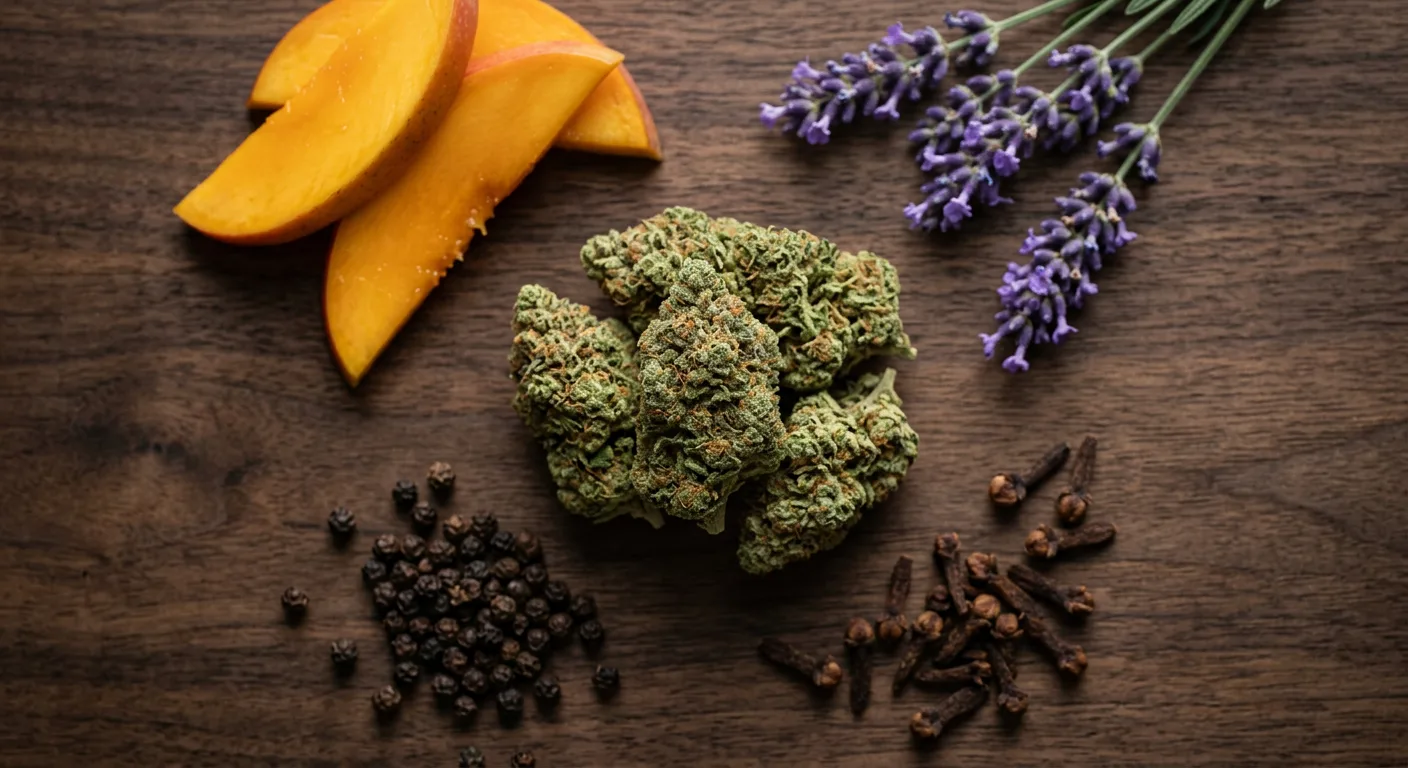
Terpenes are the aromatic compounds that give cannabis its distinct smells — but they are far more than fragrance. Several key terpenes directly interact with pain pathways and amplify the analgesic effects of cannabinoids.
β-Myrcene: The Gateway Terpene
Myrcene is the most abundant terpene in most cannabis cultivars, often comprising 30–65% of a strain's total terpene content. It produces the classic earthy, musky, mango-like aroma. More importantly for pain patients, myrcene acts as a CB1 receptor positive allosteric modulator — meaning it enhances the binding efficiency of THC at the CB1 receptor, lowering the effective dose needed for analgesia.
Myrcene also crosses the blood-brain barrier rapidly and has demonstrated sedative, muscle relaxant, and anti-inflammatory properties in preclinical studies. High-myrcene strains (typically earthy indicas) are the most commonly reported by chronic pain patients as effective.
β-Caryophyllene: The Dietary Cannabinoid
Caryophyllene is unique among terpenes because it is the only one known to directly bind to a cannabinoid receptor — specifically CB2, the peripheral receptor responsible for immune regulation and inflammation. This makes it functionally cannabinoid-like, even though it's classified as a terpene.
Caryophyllene is found in black pepper, cloves, and cannabis and has shown significant analgesic and anti-inflammatory effects in animal studies at doses achievable through cannabis inhalation. For arthritis pain, inflammatory bowel pain, and neuropathy, caryophyllene-rich strains offer a powerful advantage. Strains with a spicy, peppery, or diesel-fuel aroma tend to be highest in caryophyllene.
Linalool, Pinene & Humulene
- Linalool (lavender aroma): Acts as a GABA receptor agonist and inhibits glutamate release — reducing central sensitization. Key for fibromyalgia and anxiety-related pain amplification.
- α-Pinene (pine aroma): Anti-inflammatory via prostaglandin inhibition; counteracts short-term memory impairment from THC, enabling higher functional doses. Learn more in our pinene cannabis guide.
- Humulene (hoppy, earthy aroma): Demonstrated anti-nociceptive (pain-blocking) effects in inflammatory pain models; also suppresses appetite, making it useful for pain patients managing weight. Full details in our humulene guide.
Pro Tip: When buying cannabis for pain, ask for a lab-tested terpene panel — not just a THC percentage. A strain with 18% THC and high caryophyllene + myrcene will often outperform a 28% THC strain with a thin terpene profile for pain relief purposes.
Indica or Sativa for Pain? The Real Answer
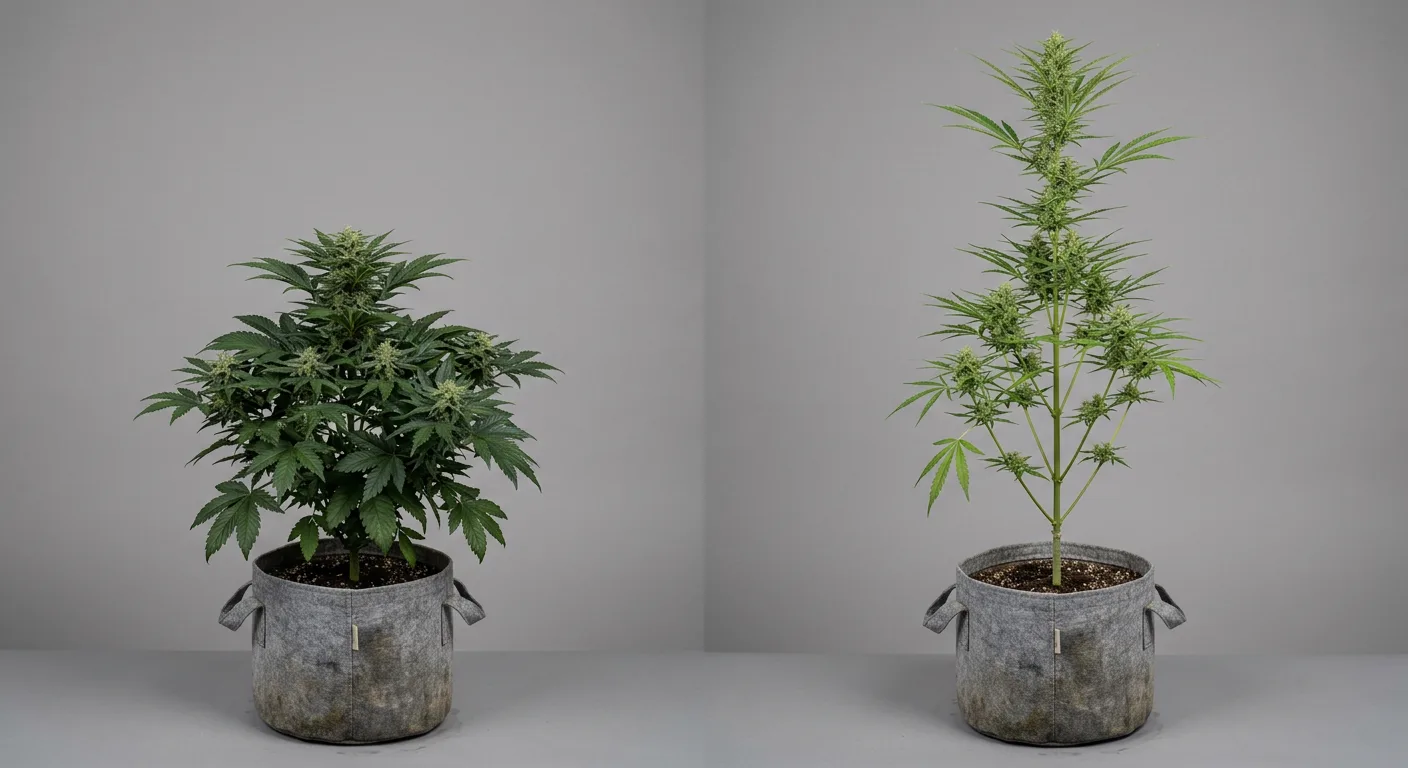
The indica-vs-sativa debate is one of the most common questions in cannabis for chronic pain — and the honest answer is that both labels are largely obsolete as predictors of effect. What matters is the cannabinoid and terpene profile.
Botanically, the terms indica and sativa describe plant morphology (short/bushy vs. tall/lanky), not pharmacology. Modern commercial cultivars are almost all hybrids with highly variable cannabinoid and terpene compositions. A 2015 study published in PLOS ONE analyzed hundreds of cannabis samples and found no clear chemical distinction between samples labeled indica, sativa, or hybrid.
When Indica-Dominant Strains Make Sense for Pain
That said, the general association holds for a practical reason: many commercially produced indica-dominant strains tend to be higher in myrcene and linalool, which do produce more sedating, body-focused effects. These profiles are genuinely useful for:
- Severe chronic pain at night or before sleep
- Muscle spasm pain and tension
- Pain accompanied by significant anxiety or insomnia
- Post-surgical inflammatory pain
When Sativa-Leaning Strains Make Sense for Pain
Sativa-dominant strains, often higher in pinene, terpinolene, and caryophyllene, can provide meaningful pain relief without cognitive sedation — allowing patients to remain functional during the day. These profiles work well for:
- Daytime management of moderate chronic pain
- Neuropathic pain that benefits from caryophyllene's CB2 activity
- Pain concurrent with depression or fatigue (sativa profiles can elevate mood)
- Patients who need to work or drive (with low THC doses)
Stop asking «indica or sativa?» — start asking «what terpenes and what THC:CBD ratio?» Myrcene + linalool = more sedating body relief. Caryophyllene + pinene = more functional daytime pain management. That's the real framework.
Best Cannabis Strains for Chronic Pain Relief: A Type-by-Type Guide
The best cannabis strains for pain are the ones matched to your specific pain mechanism, your tolerance level, and your daily schedule. Below we break recommendations by pain type, combining well-established cultivars with strains you can grow yourself.
For Severe Nighttime Pain & Muscle Spasms
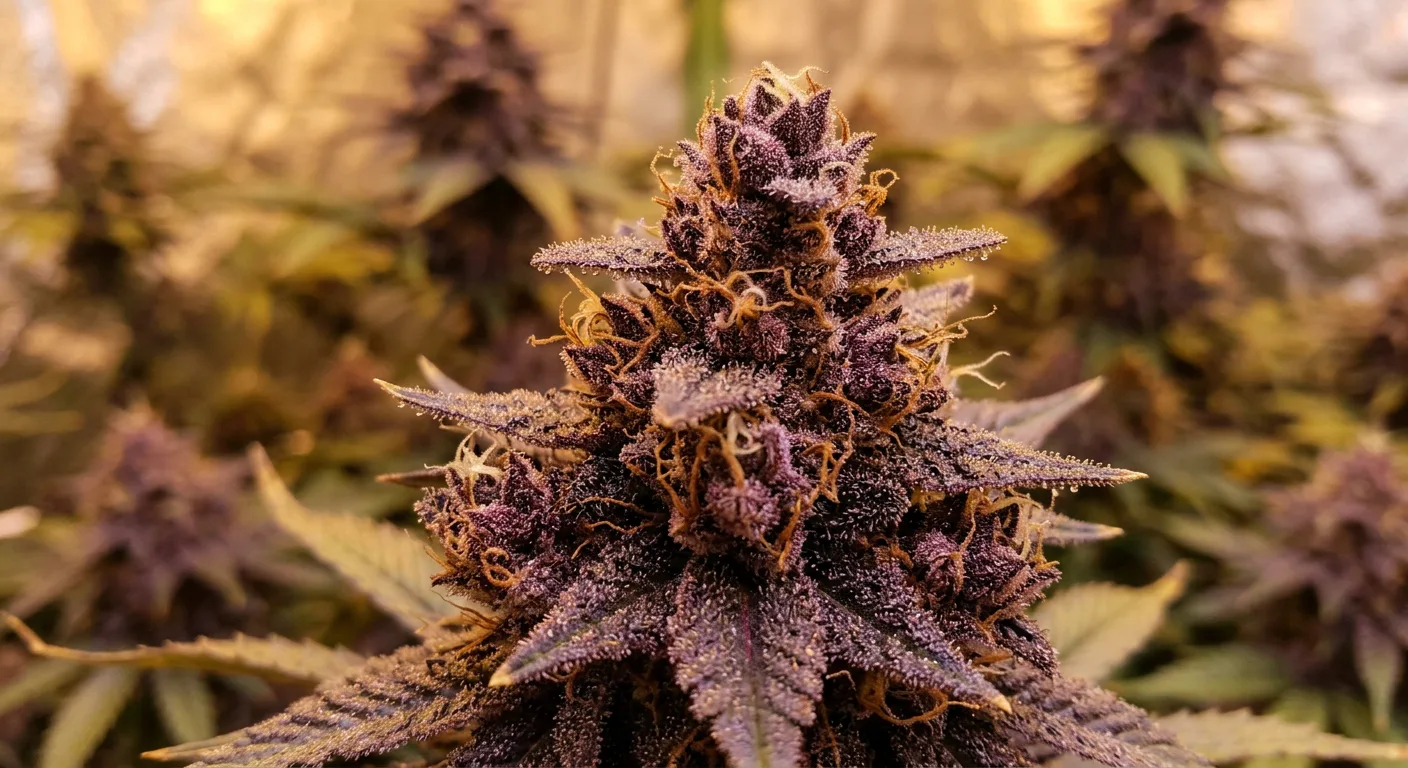
Purple Kush is one of the most widely used cannabis strains for severe chronic pain. As a pure indica descended from Hindu Kush and Purple Afghani, it delivers THC levels up to 27% alongside a terpene profile dominated by myrcene, caryophyllene, and linalool. The result is a deeply physical sedation that numbs muscle tension and blocks ascending pain signals. Our Purple Kush Feminized Seeds grow reliably indoors in 8 weeks with dense, resinous yields.
Granddaddy Purple (GDP) is the community's perennial favorite for pain — well earned. With anthocyanin-rich purple buds and a grape-and-berry terpene profile heavy in myrcene and linalool, GDP produces full-body sedation and meaningful pain suppression. Particularly valued for arthritis and fibromyalgia patients who report it «turns off» the pain signal better than other strains at equivalent THC levels.
Northern Lights x Big Bud is a powerhouse cross for high-tolerance pain patients. Northern Lights' legendary indica relaxation is amplified by Big Bud's generous resin production, resulting in a strain that provides sustained, hours-long pain relief. Our Northern Lights x Big Bud Feminized Seeds hit 20% THC with a particularly smooth, non-anxiety-inducing high — important for chronic pain patients who are sensitive to THC's psychoactive ceiling.
For Daytime Pain Management & Functional Relief
Sour Diesel is one of the most recommended sativa-dominant strains for daytime chronic pain. Its diesel-fuel aroma signals high caryophyllene content, which directly activates CB2 anti-inflammatory pathways without the heavy sedation of indica profiles. At 24% THC, our Sour Diesel Feminized Seeds provide uplifting mental clarity alongside credible body pain relief — a rare combination that chronic pain patients working day jobs consistently value.
Harlequin is arguably the most important high-CBD strain in the chronic pain pharmacopoeia. Typically expressing a 5:2 CBD:THC ratio (~12% CBD / 5% THC), it provides potent anti-inflammatory and analgesic effects with minimal intoxication. Preferred by patients with inflammatory conditions, neuropathic pain, or those who are THC-sensitive. Not available in our seed catalog, but widely accessible and worth knowing.
New York Power Diesel at 24% THC brings fuel-forward caryophyllene-dominant terpenes to daytime pain management. This energizing diesel cross offers functional analgesia without the couch-lock of pure indicas. Our New York Power Diesel Feminized Seeds grow into tall, vigorous plants suited to experienced growers who want a high-yielding daytime pain strain.
For Arthritis & Inflammatory Pain
OG Kush has a 30-year track record as one of cannabis' most effective pain strains. Its caryophyllene-heavy terpene profile makes it especially effective for inflammatory joint pain, while a balanced earthy-piney secondary terpene mix keeps the high functional enough for evening use without full sedation. Our OG Kush Feminized Seeds express up to 26% THC and flower in 9 weeks.
Cannatonic is the go-to recommendation for arthritis patients who want significant relief without impairment. With approximately 1:1 CBD:THC (typically 8–10% each), it sits at the therapeutic sweet spot for inflammatory pain: enough THC for direct CB1 analgesia, enough CBD for anti-inflammatory cytokine suppression. Not in our catalog — but worth mentioning for completeness.
White Widow with its high caryophyllene and pinene content targets both inflammatory pain and mood simultaneously — important because chronic pain and depression are comorbid in up to 50% of cases. Our White Widow Feminized Seeds reach 25% THC and are among the most beginner-friendly high-THC cultivars to grow.
For Neuropathic & Nerve Pain
Blue Dream is consistently the most recommended strain for neuropathic pain on patient forums and pain clinics alike. Its hybrid profile (OG Kush x Blueberry) delivers THC-mediated CB1 analgesia alongside elevated myrcene for nerve-calming sedation, without fully sedating the patient. Not in our catalog but remains a benchmark cultivar.
Skywalker OG Autoflower at 23% THC is a strong choice for neuropathic pain patients who want indica depth without the long photoperiod grow cycle. Our Skywalker OG Autoflower Seeds finish in 10 weeks from seed, making them accessible for patients who grow their own medicine and need consistent, rapid supply.
Northern Lights x Amnesia Haze is a more complex hybrid for neuropathic patients who want both pain suppression and mood elevation. The Amnesia Haze component adds limonene-driven serotonergic effects that address the depression and anxiety that often compound neuropathic pain. Our Northern Lights x Amnesia Haze Feminized Seeds clock 24% THC with a balanced, clear-headed body relief.
Strain Comparison Table
| Strain | THC | CBD | Type | Best For | Key Terpenes |
|---|---|---|---|---|---|
| Purple Kush | 27% | <1% | Indica | Severe nighttime pain, spasms | Myrcene, Linalool, Caryophyllene |
| Granddaddy Purple | 17–20% | <1% | Indica | Fibromyalgia, arthritis, sleep | Myrcene, Caryophyllene, Pinene |
| OG Kush | 26% | <1% | Hybrid | Inflammatory joint pain, mood | Caryophyllene, Limonene, Myrcene |
| Sour Diesel | 24% | <1% | Sativa | Daytime pain, depression comorbidity | Caryophyllene, Myrcene, Limonene |
| Harlequin | 5% | 12% | Sativa | Neuropathy, THC-sensitive patients | Myrcene, Pinene, Caryophyllene |
| Blue Dream | 18–21% | <1% | Hybrid | Nerve pain, daytime use | Myrcene, Pinene, Caryophyllene |
| White Widow | 25% | <1% | Hybrid | Arthritis, mood, balanced relief | Caryophyllene, Pinene, Myrcene |
| Cannatonic | 8% | 10% | Hybrid | Inflammatory pain, low impairment | Myrcene, Caryophyllene, Terpinolene |
| Skywalker OG Auto | 23% | <1% | Indica-dom Hybrid | Neuropathic pain, fast cycle grows | Myrcene, Caryophyllene, Linalool |
THC:CBD Ratio Guide for Pain — Matching the Ratio to Your Condition
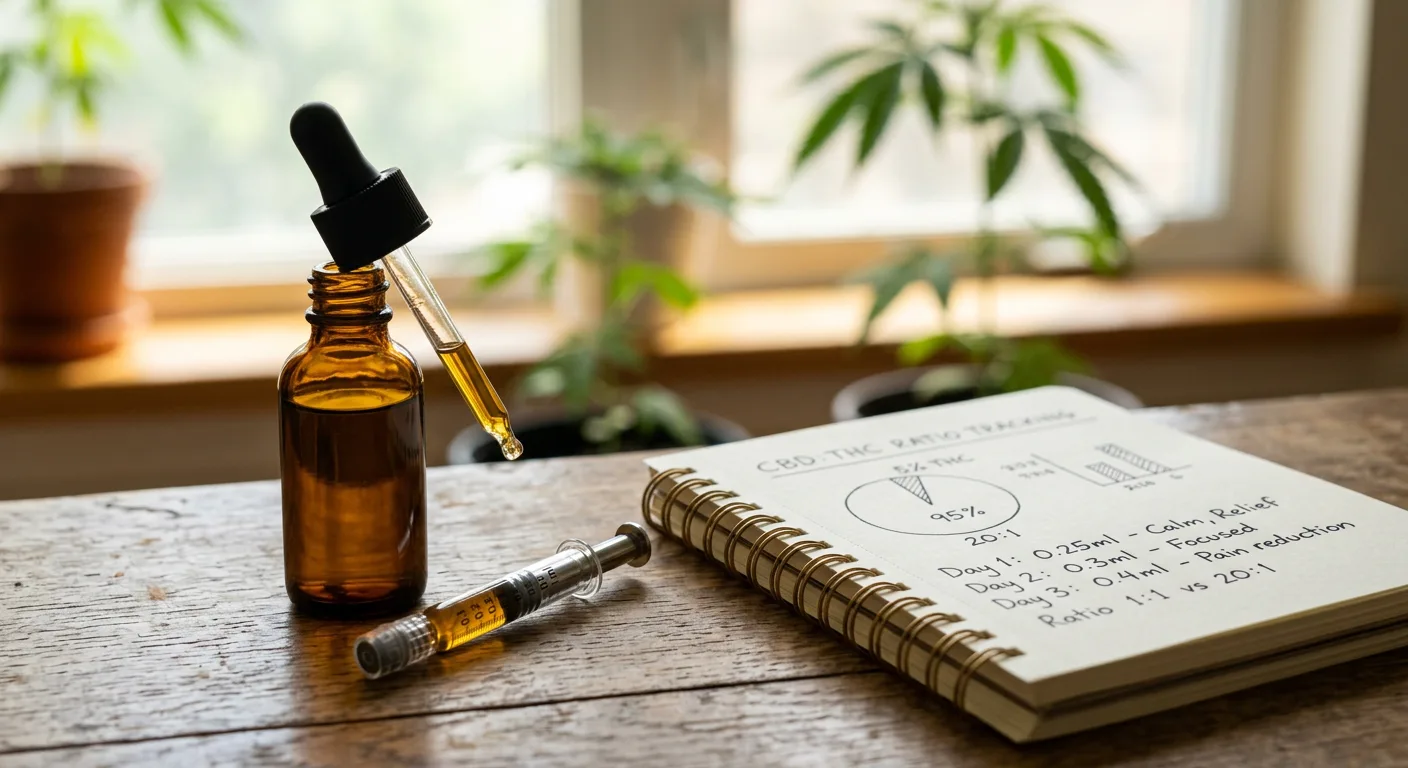
The THC:CBD ratio is one of the most clinically actionable variables in cannabis for chronic pain. It determines not just the strength of analgesia but the mechanism — and the side effect profile.
Use this framework as a starting map. Individual biochemistry always modulates outcomes, so use ratios as a starting point for titration rather than a fixed prescription.
High-THC, Low-CBD (20:1 and above)
Maximum CB1 receptor activation. Best for severe acute-on-chronic pain flares, cancer pain, post-surgical pain, and pain unresponsive to other interventions. Higher anxiety risk; start with very low doses (1–2.5mg). Most high-THC strains fall in this category — including OG Kush (26%), Purple Kush (27%), and Sour Diesel (24%).
Balanced Ratios (1:1 to 4:1 THC:CBD)
The therapeutic sweet spot for most chronic pain patients. CBD attenuates THC's psychoactive ceiling while enhancing anti-inflammatory activity, allowing higher-functioning daily use. Cannatonic, Harlequin, and purpose-bred CBD strains fall here. Studies in neuropathic pain show 1:1 ratios outperform either compound alone at matched doses.
High-CBD, Low-THC (1:10 and above)
Preferred for THC-sensitive patients, patients on medications with CYP450 interactions, older patients, and those managing inflammatory pain with minimal psychoactivity requirements. CBD alone reduces inflammatory markers but produces less direct analgesic effect than THC — pairing with even microdoses of THC (2.5mg) dramatically improves outcomes.
Pro Tip: If you're making your own edibles or tinctures from home-grown cannabis, our edible dosage calculator takes the guesswork out of THC and CBD milligram dosing per serving. Essential for consistent pain management.
Cannabis Dosing for Chronic Pain: Protocols, Titration & Timing
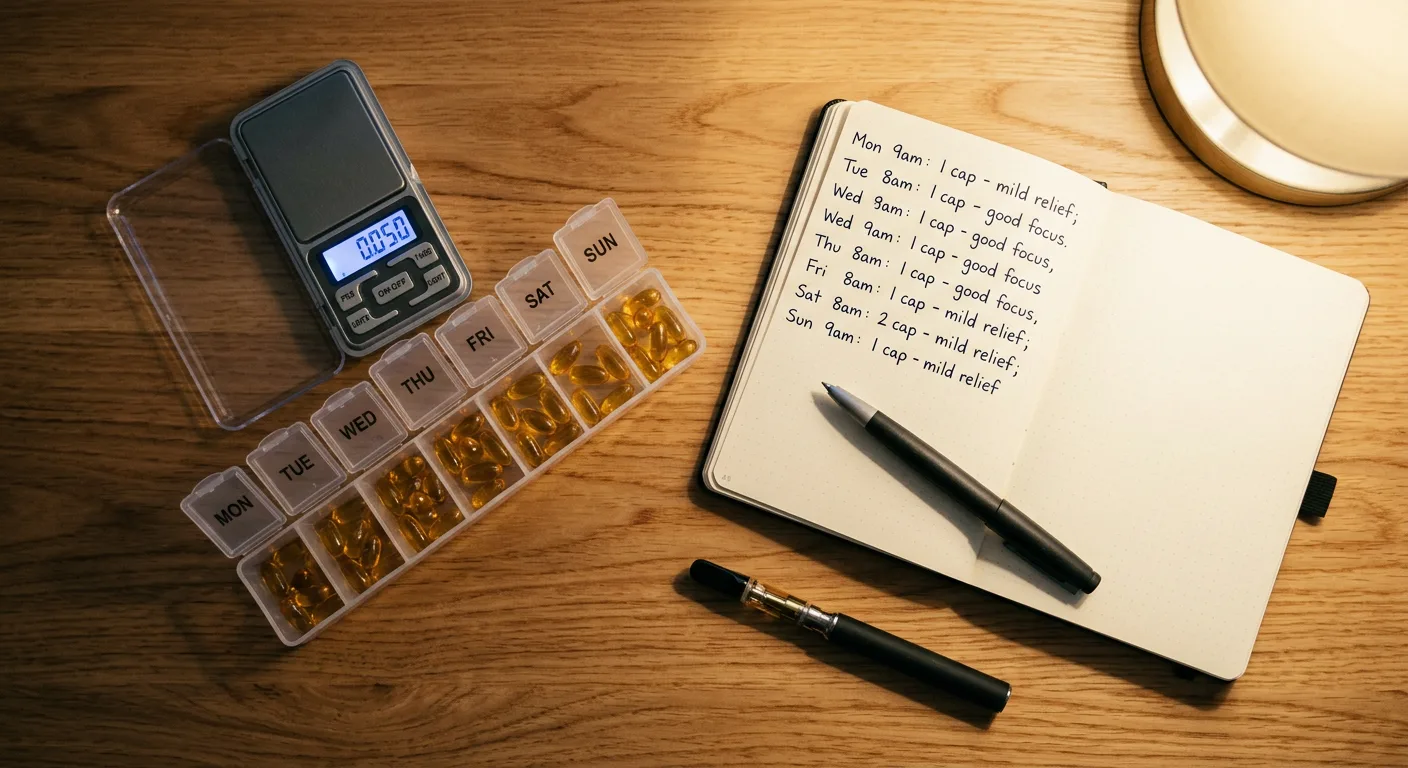
Dosing cannabis for chronic pain is not a one-size-fits-all equation. Body weight, metabolism, tolerance, pain severity, and consumption method all influence the effective dose. The core principle is start low, go slow, track everything.
The Titration Protocol: 4 Steps
Establish Your Baseline
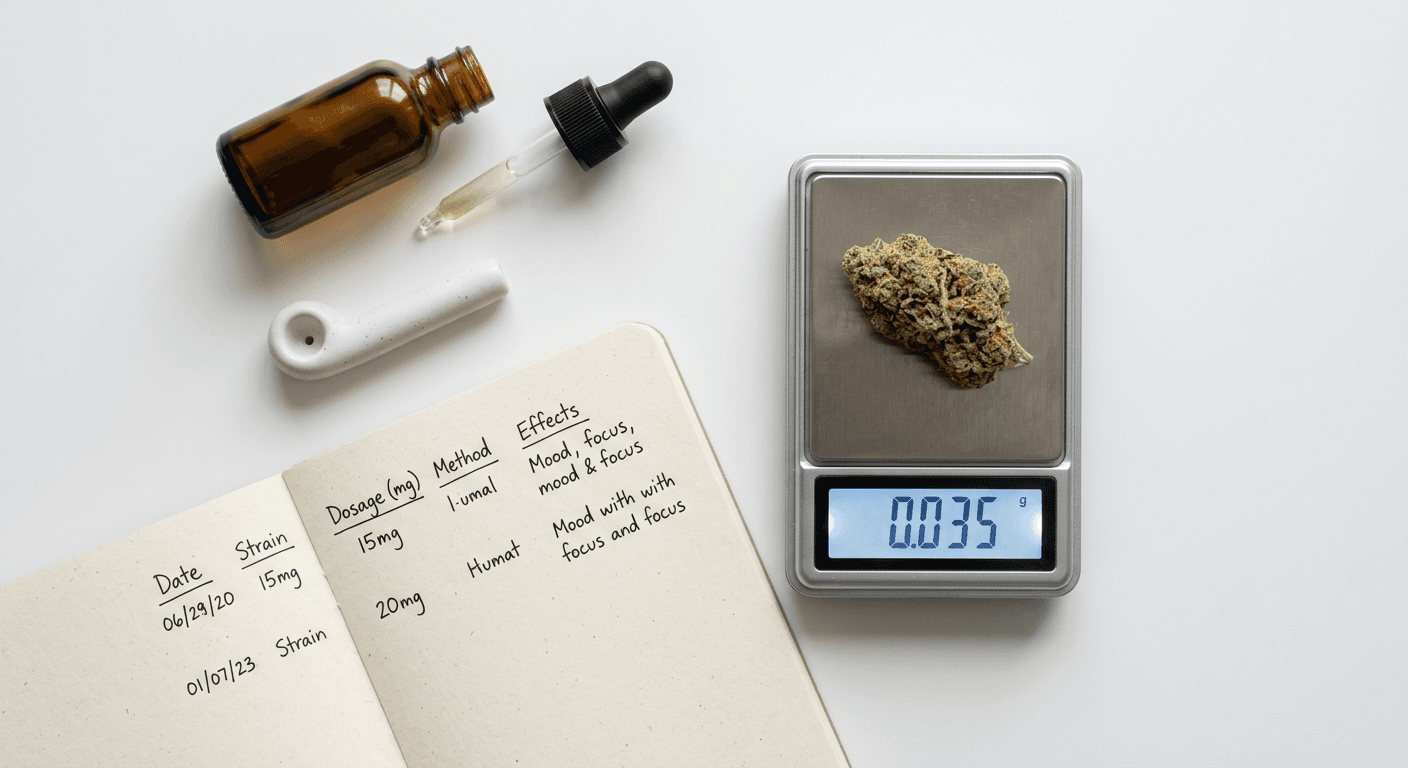
Before introducing cannabis, rate your average daily pain on a 0–10 scale for one week. Note sleep quality, functional capacity, and mood. This baseline lets you measure cannabis effectiveness objectively rather than relying on memory.
Start with 2.5mg THC
For oral or sublingual delivery, begin with a single 2.5mg THC dose (with or without CBD). For inhalation, take one small puff and wait 15 minutes. Hold at this dose for 3 days and reassess your pain score. Only increase if pain relief is insufficient and side effects are absent.
Titrate in 2.5mg Increments
Increase by 2.5mg THC every 3–5 days until you reach either adequate pain relief or the onset of unwanted side effects (anxiety, dizziness, excessive sedation). Most chronic pain patients find their window between 5–15mg per dose. Doses above 30mg THC rarely provide additional analgesia and increase side effect risk substantially.
Establish a Dosing Schedule
Chronic pain benefits from scheduled dosing more than as-needed dosing. A common protocol: low-dose CBD-dominant preparation in the morning (5–10mg CBD, 2.5mg THC), moderate balanced dose at midday if needed, and higher-THC indica-dominant dose 1–2 hours before bed for sleep and overnight pain suppression.
Timing by Pain Type
- Inflammatory arthritis: Consistent dosing every 6–8 hours maintains steady anti-inflammatory cannabinoid blood levels. Oral edibles or capsules preferred.
- Neuropathic pain: Evening-weighted dosing with nighttime high-THC strains; microdose CBD during the day.
- Back pain flares: Vaporization for fast breakthrough relief (onset 5–10 min); follow with oral CBD for sustained effect.
- Fibromyalgia: Full-spectrum preparations 3x daily; prioritize terpene-rich strains over distillate-based products.
Caution: Do not combine cannabis with opioid medications without physician supervision. While cannabis can reduce opioid requirements, abrupt shifts in dosing schedule can cause instability in pain control. Cannabis also inhibits CYP3A4 liver enzymes — an interaction point with many prescription pain drugs. Always disclose cannabis use to your prescribing physician.
Consumption Methods: Which Delivery Route Works Best for Pain?
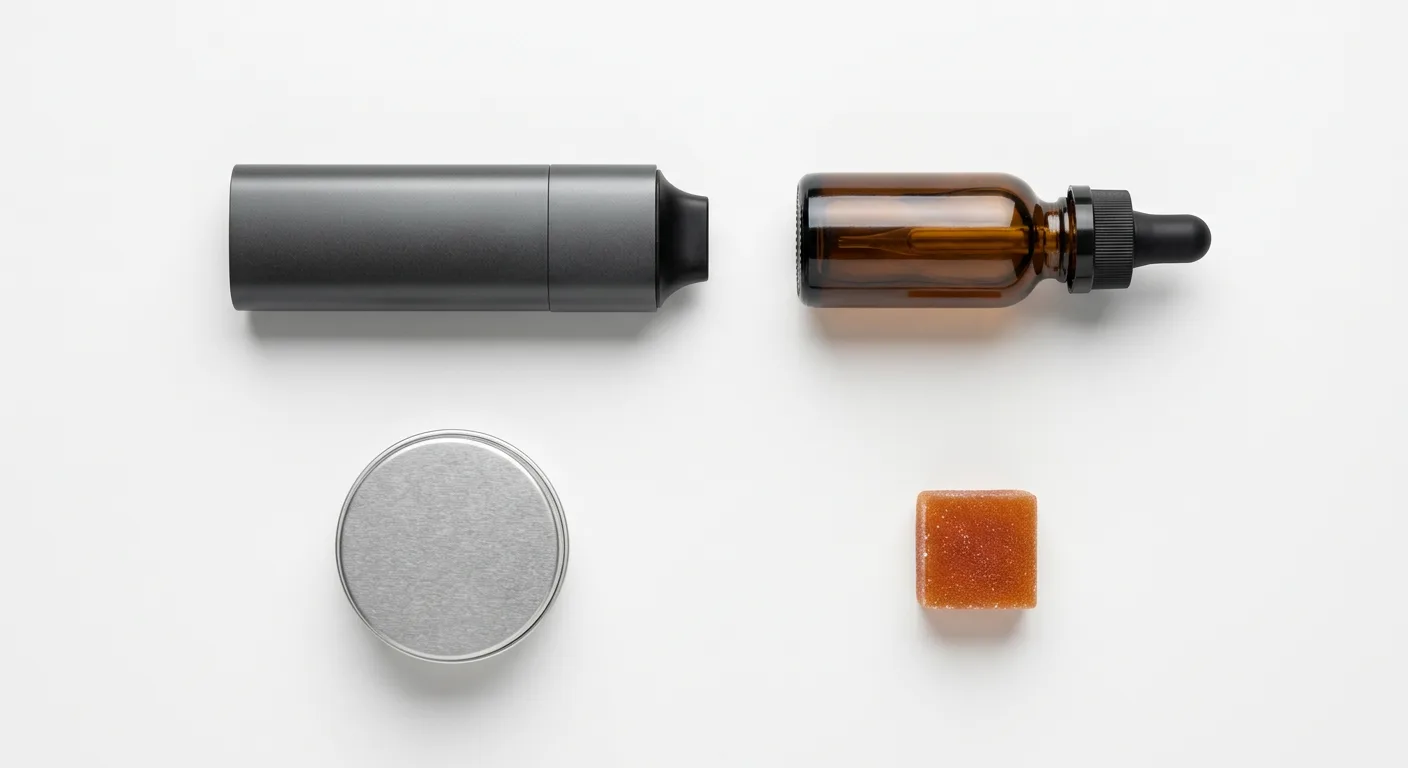
The best strain in the world underperforms if you use the wrong delivery method for your pain type. Onset speed, duration, bioavailability, and dosing precision all vary dramatically between consumption methods.
Inhalation (Vaporization & Smoking)
Onset: 5–15 minutes. Duration: 2–3 hours. Bioavailability: 30–50%. Vaporization is preferred over smoking because it avoids combustion byproducts that can worsen inflammatory conditions. For breakthrough pain — sudden flares that need fast relief — inhalation is the gold standard. Dry-herb vaporizers at 185–210°C (365–410°F) preserve terpenes while decarboxylating cannabinoids efficiently.
Oral / Edibles / Capsules
Onset: 45–120 minutes. Duration: 6–8 hours. Bioavailability: 10–20% (highly variable). The slow onset is a disadvantage for acute flares but a major advantage for sustained overnight pain management. The liver converts THC to 11-hydroxy-THC during first-pass metabolism — a metabolite up to 3× more potent and longer-lasting than inhaled THC. Start with half the inhaled dose when switching to edibles.
Sublingual Tinctures
Onset: 15–40 minutes. Duration: 4–6 hours. Bioavailability: 20–35%. Sublingual administration bypasses first-pass metabolism partially, offering faster onset than swallowed edibles with more predictable dosing than inhalation. Ideal for patients who need precise titration and cannot or prefer not to inhale. Best used with a calibrated dropper and consistent timing relative to meals.
Topicals
Onset: 15–45 minutes (local). Duration: 2–4 hours. No systemic psychoactive effect. Cannabis topicals — balms, creams, transdermal patches — work locally at the site of application. CB2 receptors in skin, muscle, and joint tissue respond to topical cannabinoids. Best for localized arthritis, muscle soreness, and peripheral nerve pain. Transdermal patches with penetration enhancers can provide limited systemic delivery.
| Method | Onset | Duration | Best For | Precision |
|---|---|---|---|---|
| Vaporization | 5–15 min | 2–3 hrs | Breakthrough pain, acute flares | Moderate |
| Smoking | 5–10 min | 2–3 hrs | Immediate relief | Low |
| Edibles/Capsules | 45–120 min | 6–8 hrs | Sustained overnight relief | High |
| Sublingual Tincture | 15–40 min | 4–6 hrs | Daily dosing, precision titration | Very High |
| Topical | 15–45 min | 2–4 hrs | Localized joint/muscle pain | High (local) |
| Transdermal Patch | 30–60 min | 8–12 hrs | Slow-release systemic delivery | Very High |
Tolerance Management and Long-Term Pain Strategy
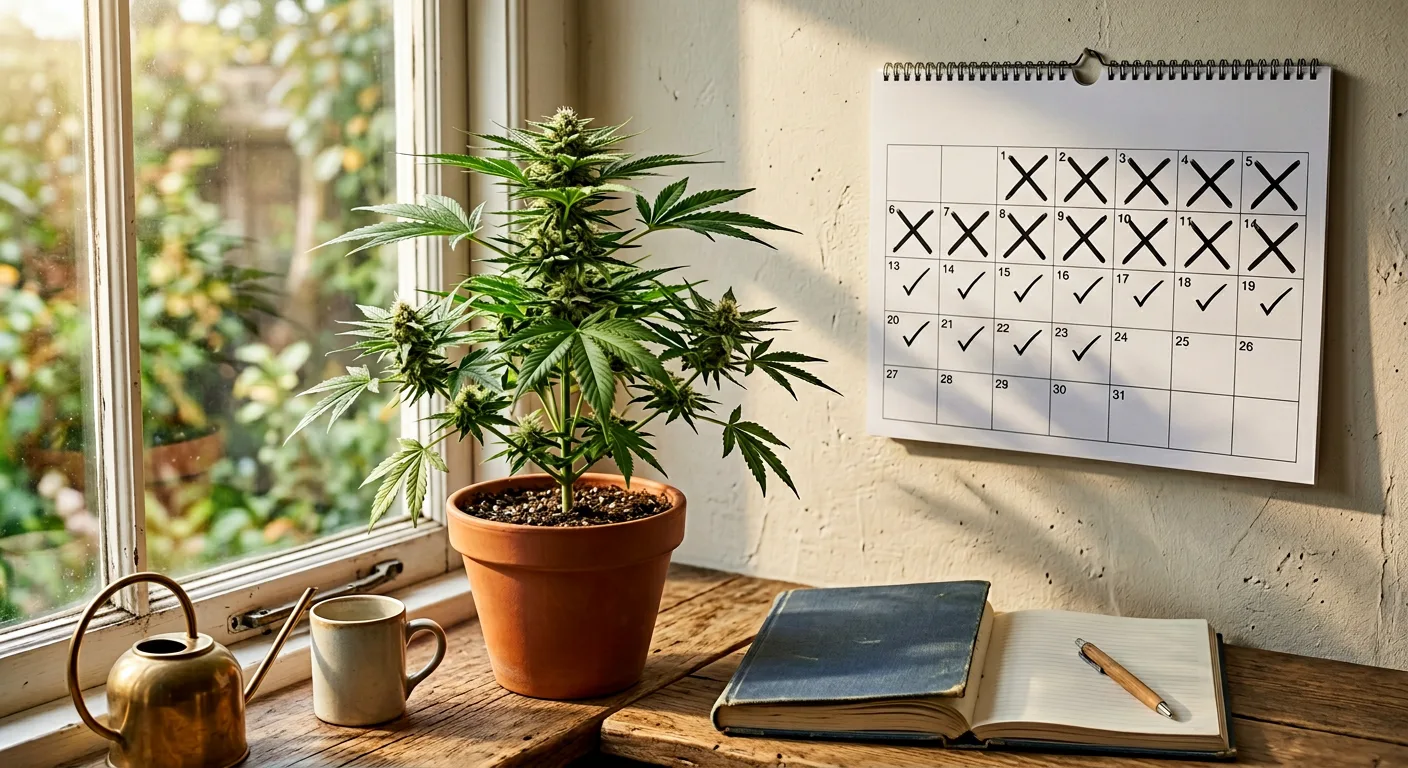
Tolerance is one of the most underaddressed challenges in long-term cannabis use for chronic pain. THC tolerance develops through CB1 receptor downregulation — after repeated activation, receptors reduce in number and sensitivity, requiring higher doses to achieve the same effect. This cycle can undermine the long-term therapeutic value of cannabis and drive escalating costs.
Recognizing Tolerance Development
- Needing significantly higher doses to achieve the same pain relief as 3–6 months ago
- Pain scores returning toward baseline despite consistent cannabis use
- Cannabis feeling primarily sedating without meaningful analgesic effect
- Increased anxiety or irritability between doses
Tolerance Break Protocol
A structured tolerance break — also called a T-break — allows CB1 receptors to upregulate back toward baseline density and sensitivity. Research suggests that 48 hours of abstinence begins receptor recovery, and 2–4 weeks of abstinence restores near-baseline sensitivity in most users. Our dedicated guide on cannabis tolerance breaks covers timing, protocols, and what to expect.
For chronic pain patients who cannot tolerate complete abstinence, a strategic rotation protocol works well:
- Alternate between high-THC and high-CBD preparations weekly
- Use THC only in the evenings when possible
- Replace THC nights with CBD-only nights 2–3 nights per week
- Take one 48-hour CBD-only break per month
- Rotate between different terpene profiles to vary receptor activation patterns
- Use the lowest effective dose rather than chasing higher THC percentages
Pro Tip: Growing your own cannabis gives you direct control over terpene profiles and harvest timing — two key variables in tolerance management. Use our grow planner tool to schedule your cultivation cycles so you always have fresh, terpene-rich product at the right time.
Cannabis for Specific Pain Conditions: Back Pain, Arthritis & Neuropathy
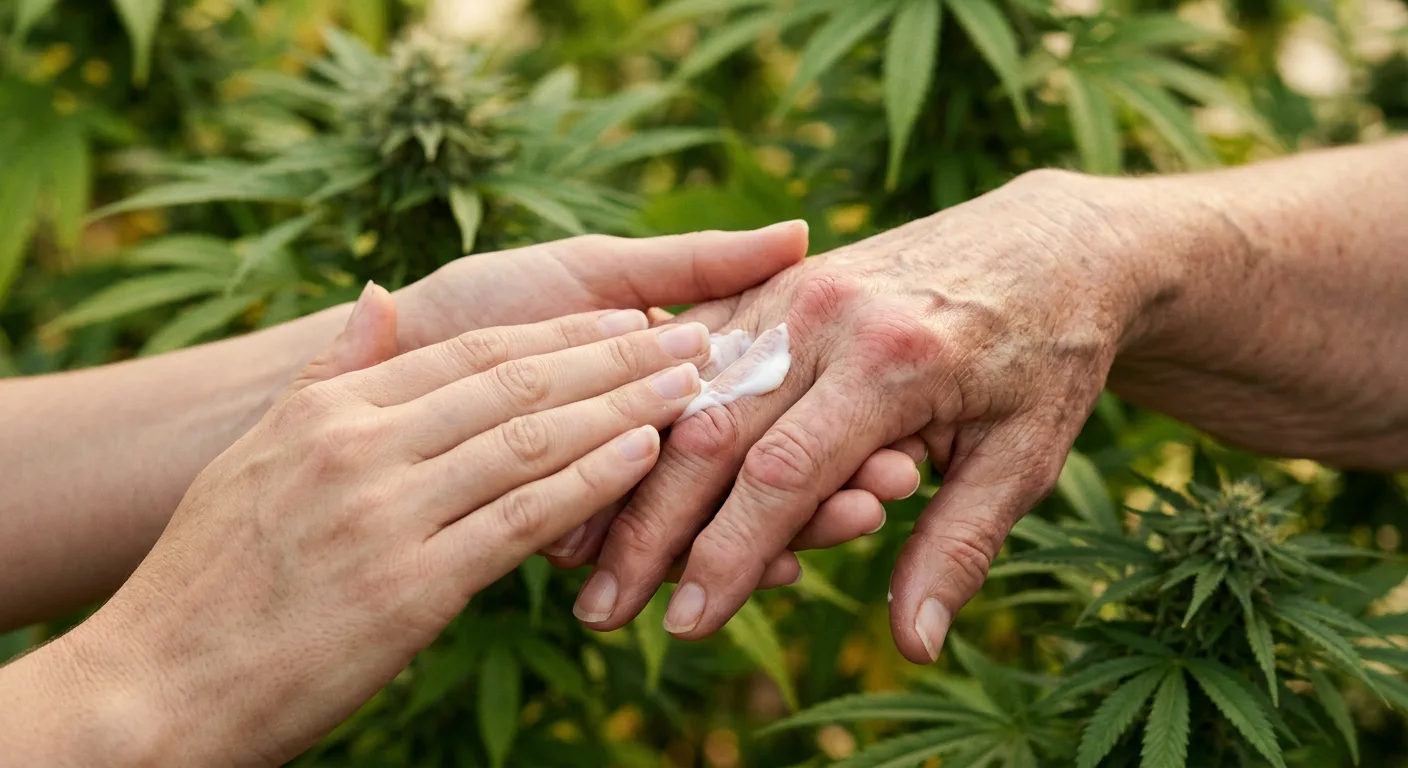
Different chronic pain conditions respond to different cannabinoid and terpene strategies. Here's a condition-specific breakdown backed by available research and patient-reported outcomes.
Cannabis for Back Pain
Back pain is the most common reason people seek medical cannabis, covering everything from acute herniated disc pain to chronic degenerative disc disease to muscle spasm pain. The mechanisms involved span nociceptive (tissue) and neuropathic (nerve) components simultaneously — making it one of the most complex pain types to treat.
The most effective cannabis approach for back pain combines:
- Inhaled or sublingual THC-dominant strain for breakthrough pain episodes — strains with caryophyllene + myrcene for both CB1 and CB2 coverage
- Topical cannabis balm applied directly to the affected spinal region — especially effective for superficial muscle spasm and localized facet joint inflammation
- Nighttime high-THC indica to break the pain-sleep-deprivation cycle that worsens back pain chronically
Recommended strains: OG Kush (26% THC, caryophyllene-dominant), Northern Lights x Big Bud (20% THC, deep muscle relaxation), and Blue Dream (18–21% THC, functional daytime use).
Marijuana for Arthritis Pain Relief
Arthritis encompasses over 100 conditions but the two most relevant for cannabis research are osteoarthritis (OA) and rheumatoid arthritis (RA). RA is an autoimmune inflammatory disease — CBD's cytokine-suppressing properties are particularly relevant here. OA is degenerative — both THC analgesia and topical applications show benefit.
A 2022 survey published in Cannabis and Cannabinoid Research found that among 1,000 arthritis patients who used cannabis, 83% reported moderate to significant pain improvement, with 38% reporting reduced NSAID use. The most effective reported formats were sublingual tinctures and topicals — not smoked flower.
For rheumatoid arthritis specifically, high-caryophyllene strains like OG Kush and Sour Diesel offer direct CB2-mediated anti-inflammatory activity. For osteoarthritis, Granddaddy Purple, Purple Kush, and Cannatonic are consistently top performers in patient self-report data.
Cannabis for Neuropathic Pain
Neuropathic pain is where cannabis has its strongest clinical evidence base. Multiple randomized controlled trials have demonstrated efficacy of inhaled cannabis for neuropathic pain, including a landmark study published in the Journal of Pain showing that 9.4% THC cannabis reduced average neuropathy pain scores by 34% vs. 17% for placebo.
High-CBD strains play a complementary role: CBD's TRPV1 desensitization reduces the burning, shooting, electric pain characteristic of nerve damage. The best strategy for neuropathy combines moderate-THC evening use with daytime CBD-dominant preparations to prevent sensory sensitization during waking hours.
Science Insight: Research published in Neuropsychopharmacology found that THC reduced wind-up pain (a hallmark of central sensitization) by 43% in controlled conditions — making cannabis one of the few compounds that addresses the neurological root of neuropathic and fibromyalgia pain rather than just masking peripheral symptoms.
Cannabis for Fibromyalgia
Fibromyalgia is classified as a central sensitization syndrome — the brain and spinal cord amplify pain signals without identifiable peripheral cause. It's also one of the conditions most strongly associated with Clinical Endocannabinoid Deficiency (CECD) theory. Full-spectrum cannabis consistently outperforms CBD isolates and pharmaceutical approaches in patient surveys for fibromyalgia.
Patients with fibromyalgia typically benefit from:
- Moderate-THC indica-leaning strains at night (Granddaddy Purple, Purple Kush, Northern Lights)
- 1:1 CBD:THC tinctures during the day for low-level constant pain modulation
- High-linalool strains specifically to address the anxiety-amplification component
- Avoiding very high-THC strains (>25% THC) which can paradoxically worsen central sensitization in some patients
Caution: High-THC strains above 25% can increase anxiety, paranoia, and in rare cases heighten pain sensitivity (hyperalgesia) in fibromyalgia patients who are sensitive to psychoactive effects. A 15–20% THC ceiling with rich terpene profiles is safer for this condition than chasing maximum THC percentages.
Building Your Pain Management Protocol: A Practical Checklist
Moving from understanding cannabis for chronic pain to actually managing it well requires a structured approach. This checklist consolidates the key decisions into an actionable framework you can implement immediately.
- Identify your pain type (nociceptive, neuropathic, or central sensitization)
- Assess whether you need daytime, nighttime, or both-period coverage
- Choose your starting THC:CBD ratio based on your condition and THC sensitivity
- Select your primary consumption method (inhaled for acute, oral for sustained)
- Start at 2.5mg THC and titrate upward in 2.5mg steps every 3–5 days
- Track pain scores, sleep quality, and functional capacity daily
- Rotate terpene profiles every 2–4 weeks to prevent terpene-specific tolerance
- Schedule a 48-hour CBD-only break once per month
- Reassess your entire protocol every 90 days
- Disclose your cannabis use to your prescribing physicians, especially if on NSAIDs, opioids, or blood thinners
If you grow your own medicine, accurate strain chemistry starts with good genetics and optimal growing conditions. Use our plant diagnosis tool to troubleshoot any issues that might reduce terpene or cannabinoid quality before harvest. Learn how your plants produce cannabinoids at the cellular level in our guide to cannabis trichome biology — peak harvest timing directly affects the THC:CBN ratio and terpene retention, both critical for pain management outcomes.
For patients also dealing with sleep disruption from chronic pain — which affects the majority of sufferers — our companion guide on cannabis for insomnia provides a detailed sleep-specific protocol that complements the daytime pain management strategies covered here.
The most effective long-term cannabis pain protocol is adaptive: it responds to your body's changing tolerance, rotates across strain profiles, and uses the right delivery method for the right moment. Static «I always use strain X» approaches almost always plateau within 6–12 months.
Frequently Asked Questions
What is the best cannabis strain for chronic pain?
High-THC indica-dominant strains like OG Kush, Purple Kush, and Northern Lights x Big Bud are consistently top performers for chronic pain due to their combination of strong THC levels and pain-amplifying terpenes like myrcene and caryophyllene. For daytime use, balanced hybrids like Sour Diesel or Harlequin (high-CBD) are better choices. The «best» strain is ultimately the one that matches your pain type, schedule, and THC tolerance — there is no single universal answer.
Is indica or sativa better for chronic pain?
Indica-dominant strains (high in myrcene and linalool) are generally more effective for severe nighttime pain and muscle spasms. Sativa-leaning strains (higher in caryophyllene and pinene) offer more functional daytime pain management with less sedation. The indica/sativa label is a rough proxy — the actual terpene and cannabinoid profile is what determines the effect. A high-caryophyllene indica will behave differently from a low-terpene indica of the same THC percentage.
What THC to CBD ratio is best for pain?
A 1:1 THC:CBD ratio is the most broadly effective starting point — it provides direct CB1 analgesia from THC, anti-inflammatory activity from CBD, and the CBD moderates THC's psychoactive side effects. Severe pain may require higher-THC ratios. Inflammation-dominant conditions (rheumatoid arthritis, IBD) often respond well to high-CBD, low-THC formulations. Always titrate to find your personal therapeutic window.
How much cannabis should I take for chronic pain?
Start with 2.5mg of THC and assess your response over 3 days before increasing. Most chronic pain patients achieve adequate relief between 5–15mg THC per dose. Oral edibles produce longer-lasting but delayed effects — start at half the dose you'd use for inhalation. Doses above 30mg THC rarely improve analgesia and substantially increase side effect risk. Use a dosing journal to track your progress objectively.
Can cannabis replace opioids for chronic pain?
Cannabis is not a medically endorsed direct replacement for opioids, and abrupt transitions are not recommended without physician oversight. However, studies show up to 80% of chronic pain patients who add cannabis to their regimen reduce opioid doses over time. Some patients with non-cancer chronic pain achieve adequate management with cannabis alone. Any changes to opioid dosing should be made gradually and under medical supervision to prevent withdrawal and pain destabilization.