Roughly 70 million Americans live with a chronic sleep disorder — and a growing number are reaching for cannabis instead of prescription sleep aids. If you've ever searched for the best cannabis strains for sleep and insomnia, you already know the internet is flooded with seed-catalog lists that skip the actual science. This guide doesn't do that.
Here, we cover the full picture: how THC and CBD actually interact with your sleep stages, which terpenes drive sedation, why timing matters more than strain alone, and what the long-term data says about using cannabis for insomnia. Whether you're a first-time user or someone refining a years-long routine, this is the deep-dive you've been looking for.
How Cannabis Interacts with Your Sleep Architecture
Cannabis affects sleep by interacting with CB1 receptors throughout the brain's sleep-wake circuitry — including the hypothalamus, basal ganglia, and brainstem. Understanding this mechanism is the foundation for making smarter strain and timing choices. For a full breakdown of how THC binds to these receptors, see our guide on THC: how it works in the body and brain.
The Four Stages of Sleep
Human sleep cycles through four stages roughly every 90 minutes. Each stage serves a distinct biological function:
- Stage 1 (N1): Light sleep onset — the transition from wakefulness
- Stage 2 (N2): Heart rate slows, body temperature drops, sleep spindles appear
- Stage 3 (N3): Deep or slow-wave sleep — the most physically restorative stage
- REM: Rapid eye movement sleep — where dreaming, memory consolidation, and emotional processing occur
Sleep Science Insight: A 2021 review in Nature and Science of Sleep found that THC reduced sleep-onset latency (how long it takes to fall asleep) by an average of 30 minutes in insomnia patients — but simultaneously reduced REM sleep duration by up to 20%. This trade-off is central to every cannabis sleep strategy.
What THC Does to Each Sleep Stage
THC's interaction with sleep architecture is dose-dependent and varies with frequency of use. Acute (first-time or infrequent) use tends to increase slow-wave sleep while suppressing REM. Chronic use leads to tolerance in both effects, often causing rebound REM — vivid, sometimes disturbing dreams — during tolerance breaks.
- N1 → N2 transition: THC shortens this — you fall asleep faster
- N3 (deep sleep): Increased with low-to-moderate THC doses, especially in indica-dominant strains
- REM sleep: Suppressed by THC — fewer dreams, shorter REM windows
- Chronic use: Tolerance builds within 2–4 weeks, eroding benefits
The Endocannabinoid System and Circadian Rhythm
Your body's endocannabinoid system (ECS) plays a direct role in regulating the sleep-wake cycle. Anandamide — your brain's natural cannabinoid — peaks during evening hours, signaling the body toward sleep. THC mimics this signal by binding to CB1 receptors, which is why cannabis use in the evening feels naturally aligned with the body's rhythm.
CBD works differently: rather than binding directly to CB1 receptors, it inhibits the enzyme FAAH, which breaks down anandamide. This extends the duration of your natural sleep signal without the same REM suppression risk as THC. For a deeper look at anandamide, read our guide: Anandamide: The Brain's Natural THC.
Key Takeaway: Cannabis shortens the time to fall asleep and increases deep sleep — but high-THC use suppresses REM. The most balanced sleep outcome comes from moderate-THC, terpene-rich strains rather than simply chasing the highest THC percentage.
The Sleep Terpenes: Myrcene, Linalool & Beyond
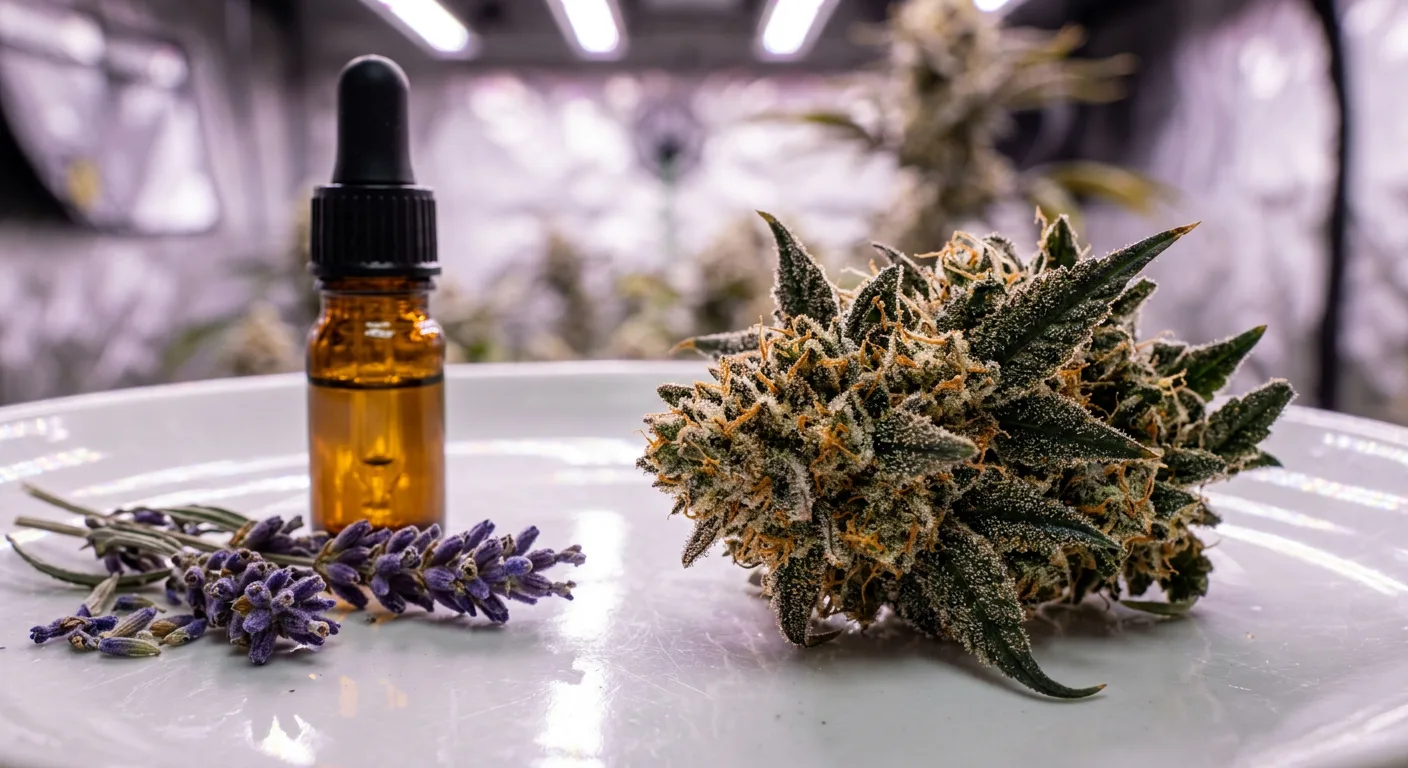
Terpenes are the aromatic compounds that shape a strain's effects far beyond what the THC percentage suggests. For sleep, three terpenes stand out above all others — and knowing them transforms how you select strains.
Myrcene: The Sedation Workhorse
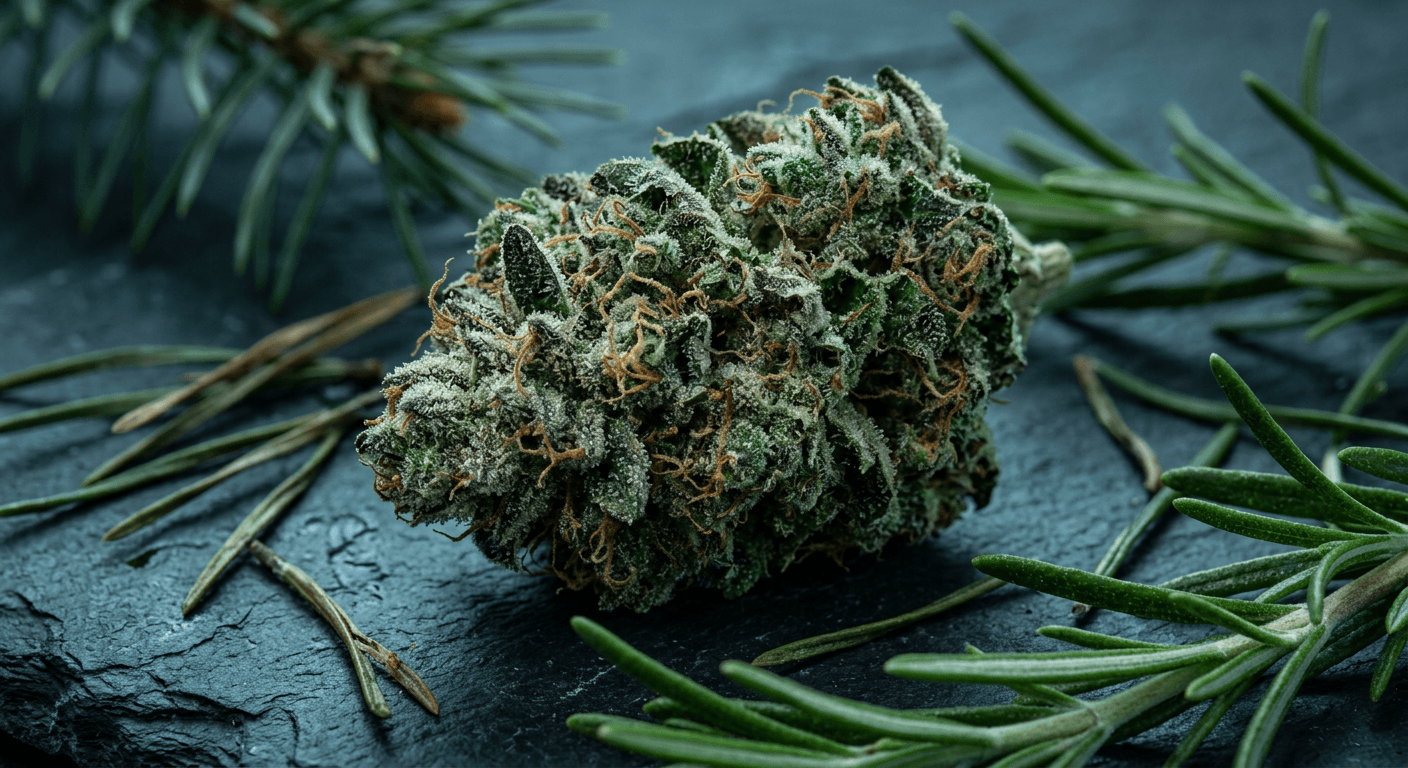
Myrcene is the most abundant terpene in most cannabis strains and the primary driver of the classic "couch-lock" effect associated with indica varieties. It acts on GABA-A receptors — the same receptors targeted by benzodiazepines — producing muscle relaxation and sedation without requiring high THC concentrations.
- Found in: mangoes, hops, lemongrass, cannabis
- Aroma: earthy, musky, slightly fruity
- Sleep mechanism: GABA-A receptor modulation, muscle relaxation
- Strains richest in myrcene: Purple Kush, OG Kush, Northern Lights crosses, Papaya
Pro Tip: Eating a ripe mango 45 minutes before cannabis use may boost myrcene levels in the bloodstream, potentially enhancing and prolonging the sedative effects of myrcene-dominant strains.
Linalool: The Anxiety-Sleep Bridge
Linalool is the terpene responsible for lavender's calming scent, and it appears in cannabis at lower concentrations but with outsized impact. Its primary sleep benefit is anxiolytic — it lowers the racing-mind anxiety that keeps many insomnia patients awake. Research published in Frontiers in Pharmacology identified linalool's interaction with adenosine receptors (the same system targeted by caffeine, in reverse) as the mechanism behind its sedative action.
- Found in: lavender, coriander, bergamot, certain cannabis strains
- Aroma: floral, lavender-forward, slightly spicy
- Sleep mechanism: adenosine receptor activation, cortisol reduction
- Best for: anxiety-driven insomnia, racing thoughts at bedtime
Terpinolene, Caryophyllene & Humulene
Beyond myrcene and linalool, three supporting terpenes contribute meaningfully to sleep quality:
- Terpinolene: Found in strains like Northern Lights crosses — mildly sedating with antioxidant properties
- Beta-caryophyllene: Activates CB2 receptors, reducing inflammation and physical pain that disrupts sleep. Our guide on CB1 vs CB2 receptors explains this mechanism in detail.
- Humulene: Anti-inflammatory terpene with mild appetite suppression — useful for those who want sleep aid without late-night hunger. See our full humulene terpene guide for details.
Key Takeaway: A strain's terpene profile — not just its THC content — is the most reliable predictor of its sleep effect. Look for strains with high myrcene plus linalool for the best cannabis insomnia outcomes.
THC vs CBD vs CBN: Finding the Right Ratio for Sleep
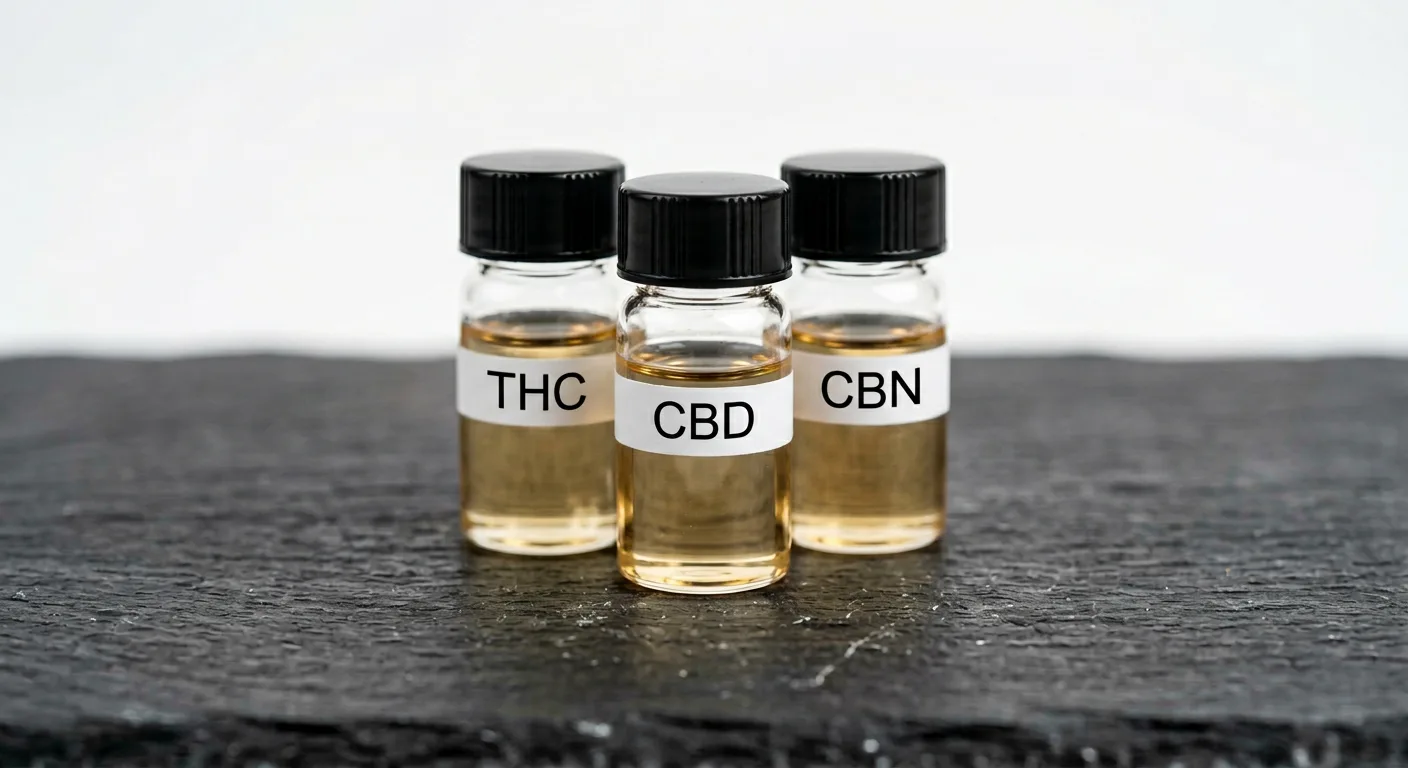
The cannabinoid ratio you choose matters enormously — and the optimal CBD THC ratio for sleep is not the same for everyone. Understanding each cannabinoid's role lets you dial in a protocol that works for your specific sleep problem.
THC: Fast-Acting Sedation with Trade-offs
THC is the primary sleep-inducing cannabinoid in cannabis. At doses of 5–15mg, it reliably shortens sleep-onset latency and increases N3 deep sleep. Above 20mg, the sedative effect intensifies but REM suppression becomes significant and morning grogginess increases. For most sleep-use cases, the sweet spot is a moderate THC dose of 8–15mg — achievable with strains in the 15–22% THC range at standard portion sizes.
CBD: The Stabilizer
CBD's relationship with sleep is nuanced. At low doses (under 25mg), CBD can actually promote wakefulness. At higher doses (75–160mg), it acts as a sleep aid, particularly by reducing anxiety and cortisol levels that disrupt sleep onset. In combination with THC, CBD modulates the psychoactive edge of high-THC strains, reducing paranoia and the racing-heart effect that some users experience at night.
Research Note: A 2019 study in The Permanente Journal found that 79.2% of patients using CBD for anxiety (a leading cause of insomnia) reported improved sleep scores within one month. CBD's effect on anxiety appears to be its primary sleep mechanism, not direct sedation.
CBN: The "Sleep Cannabinoid" — Fact vs. Fiction
CBN (cannabinol) is frequently marketed as the ultimate sleep cannabinoid, but the science is more modest than the marketing. CBN forms as THC oxidizes over time — aged cannabis naturally contains more CBN. While early animal studies showed sedative properties, human trials remain limited. What CBN does appear to do effectively is enhance THC's sedative action in a synergistic way, similar to how terpenes work.
- CBN content: highest in aged, cured cannabis stored in warm conditions
- Best use case: combined with THC rather than used as a standalone sleep aid
- Not a replacement for: a well-selected terpene profile or appropriate THC dose
Cannabinoid Ratio Comparison for Sleep
| Ratio (THC:CBD) | Best For | REM Impact | Tolerance Risk |
|---|---|---|---|
| High THC (20:1) | Fast sleep onset, pain-related insomnia | High suppression | High |
| Balanced (4:1 THC:CBD) | Anxiety-driven insomnia, general use | Moderate suppression | Moderate |
| CBD-dominant (1:4 THC:CBD) | Anxiety, mild insomnia, first-time users | Minimal impact | Low |
| CBD only (0 THC) | Stress-related sleep issues, no psychoactivity | No suppression | Very low |
| THC + CBN blend | Deep sleep enhancement, chronic insomnia | High suppression | Moderate-High |
Best Cannabis Strains for Sleep and Insomnia
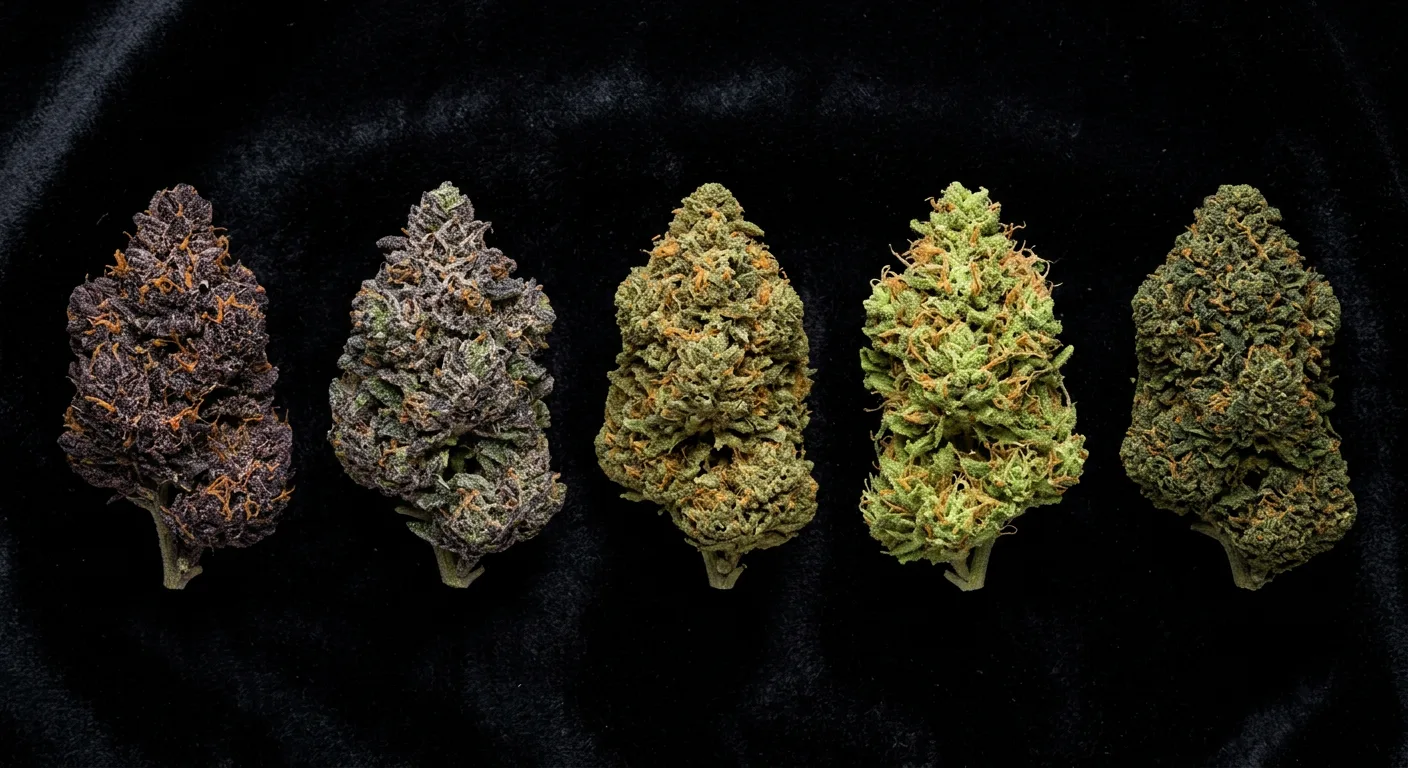
The best cannabis strains for sleep and insomnia share a common profile: indica-dominant genetics, high myrcene and linalool content, moderate-to-high THC in the 18–27% range, and a body-heavy effect rather than a cerebral, stimulating high. Here are the top performers across both well-known cultivars and strains you can grow yourself.
Granddaddy Purple (GDP) — Industry Benchmark
Granddaddy Purple remains the most cited strain on cannabis insomnia forums and communities — including countless marijuana insomnia Reddit threads — and for good reason. GDP crosses Purple Urkle and Big Bud to create a deeply myrcene-rich, visually striking purple bud with THC around 20–23% and a body effect that starts in the limbs and works its way into a full-body sedation. It's considered the gold standard for pain-related and stress-related insomnia.
- THC: 20–23%
- Dominant terpenes: myrcene, caryophyllene, pinene
- Effect onset: 15–25 minutes (inhaled)
- Best for: pain insomnia, chronic stress, muscle tension at night
Northern Lights — The Medical Classic
Northern Lights is arguably the most medically respected indica strain in cultivation history. Pure indica genetics mean an exceptionally myrcene-forward profile, with a sweet, resinous aroma and a full-body relaxation that stops short of heavy grogginess. It's been heralded in both medical and recreational communities for pain relief and sleep for over three decades.
Our Northern Lights x Big Bud Feminized Seeds (20% THC) combine Northern Lights' legendary sedation with Big Bud's enhanced yield and trichome density — making it one of the most practical sleep-focused home grows available.
OG Kush — Anxiety-Insomnia Crossover
OG Kush sits in a unique position: it's technically a hybrid, but its terpene profile (myrcene, limonene, caryophyllene) makes it excellent for the anxiety-insomnia combination where racing thoughts are the primary barrier to sleep. The limonene component lifts the mood gently before the myrcene body effect takes over, reducing the anxious spiral that keeps many insomniacs awake.
Our OG Kush Feminized Seeds come in at 26% THC — use conservative doses (smaller portions, fewer inhalations) when starting, as high-THC OG Kush can trigger anxiety in sensitive users if overdone.
Pro Tip: With high-THC strains like OG Kush (26% THC), start with 1–2 inhalations and wait 20 minutes before deciding to consume more. At these potency levels, less is genuinely more for sleep quality.
Purple Kush — Pure Indica Sedation
Purple Kush is a nearly pure indica cross of Hindu Kush and Purple Afghani — a combination that produces one of the most physically sedating strains in cultivation. Its myrcene-dominant profile, combined with earthy, grape-forward terpenes, creates a sleep effect that many users describe as "being pulled into the bed." It's particularly effective for insomnia tied to physical pain, restless legs, or muscle spasms.
Our Purple Kush Feminized Seeds test at 27% THC — one of the highest concentrations in our sleep-focused lineup. New users should approach this strain with measured doses.
Papaya — The Underrated Sleep Strain
Papaya is frequently overlooked in sleep discussions but deserves a prominent place on this list. Its tropical, fruity terpene profile includes a notably high myrcene concentration, and its indica-dominant structure produces a deep physical relaxation without the heavy mental fog some indica strains create the morning after. At 25% THC, it's potent but smooth.
Our Papaya Feminized Seeds are particularly well-suited for home growers who want a sleep strain with an easier morning wake-up experience than pure kush varieties.
Skywalker OG — For Severe Insomnia
Skywalker OG is a cross of Skywalker and OG Kush, producing an indica-dominant hybrid that combines deep physical sedation with mental quieting. It's among the most frequently recommended strains for severe or chronic insomnia, especially where other strains have stopped working. The autoflowering version makes it accessible to all growers.
Our Skywalker OG Autoflower Seeds (23% THC) offer all the sleep-inducing power of this cultivar in an easier-to-grow autoflowering format — ready to harvest in 70–80 days from seed regardless of light schedule.
Alien Rock Candy — The Balanced Sleep Hybrid
Alien Rock Candy is an indica-dominant hybrid that hits a balance many sleep users find ideal: strong enough to reliably induce sleep, but not so sedating that you feel impaired the next morning. Its caryophyllene and myrcene profile makes it particularly useful for insomnia related to chronic pain conditions. At 22% THC, it sits in the sweet spot for sleep without excessive REM suppression.
Explore our Alien Rock Candy Feminized Seeds for a strain that regularly earns top marks from users who need consistent, restful sleep without next-day fog.
Cookies Kush — The Hybrid Sweet Spot
A cross between Girl Scout Cookies genetics and OG Kush, Cookies Kush delivers a hybrid effect that transitions from a gentle euphoria into a deeply calming body state. At 18% THC, it's moderate enough for users who find higher-THC strains overpowering at night. The moderate THC level combined with a rich terpene profile makes it excellent for building a sustainable long-term sleep routine without rapid tolerance build-up.
Our Cookies Kush Feminized Seeds are an excellent starting point for cannabis beginners exploring insomnia relief.
Other Notable Sleep Strains We Don't Carry (But Worth Knowing)
Editorial honesty matters: these strains are widely available from various breeders and consistently rank among the most effective for sleep:
- Bubba Kush: 17–22% THC, almost pure indica, famous for physical sedation and muscle relaxation. Heavy earthy, coffee terpene profile.
- Girl Scout Cookies (GSC): 19–28% THC, hybrid with strong myrcene and caryophyllene. Reliably sedating in evening use despite hybrid genetics.
- 9 Pound Hammer: 18–23% THC, indica-dominant with exceptionally high myrcene content — one of the most reliably sedating strains cultivated.
- Tahoe OG Kush: 20–25% THC, renowned for its immediate body-heavy onset, popular with insomnia patients specifically.
- Harlequin: 7–15% THC, high CBD — ideal for anxiety-based insomnia where psychoactivity needs to be minimized.
Timing Your Cannabis Use for Optimal Sleep
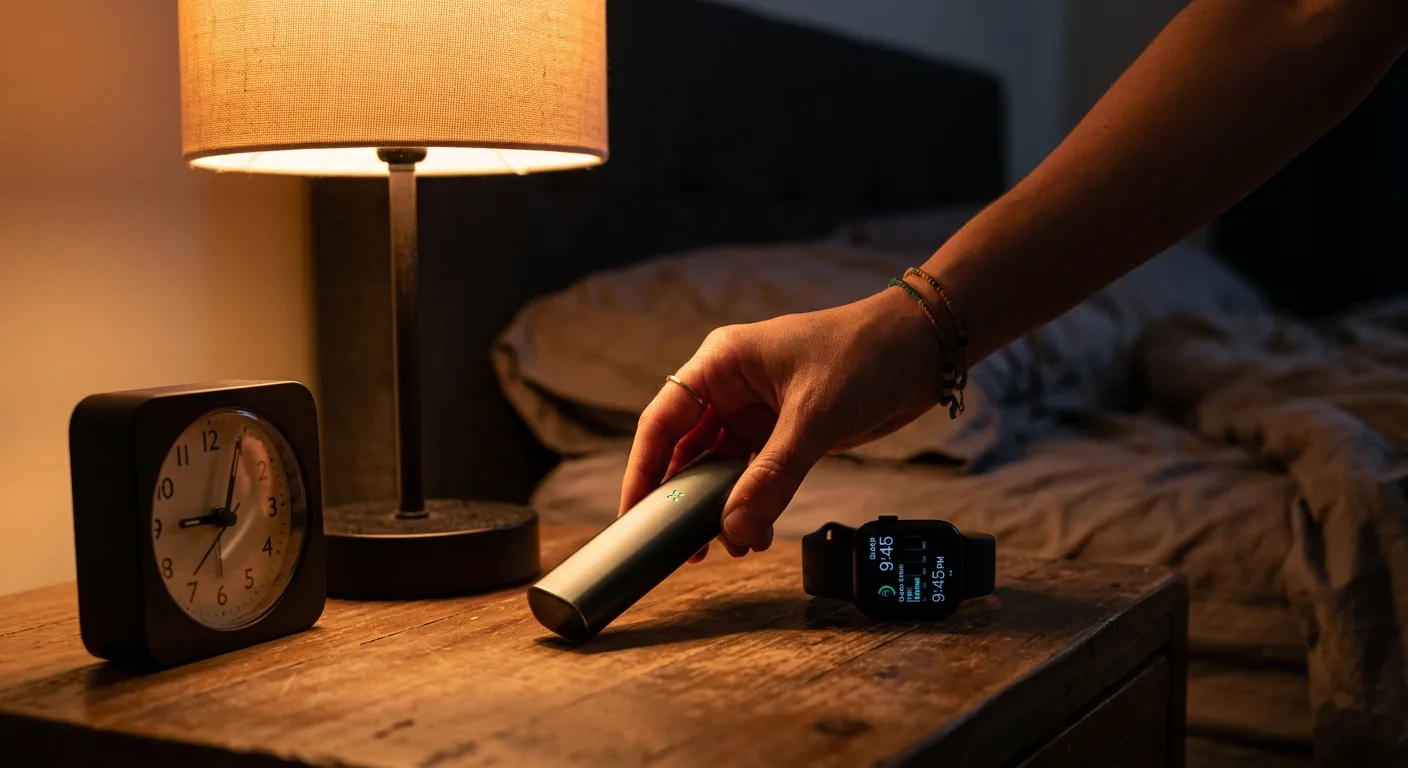
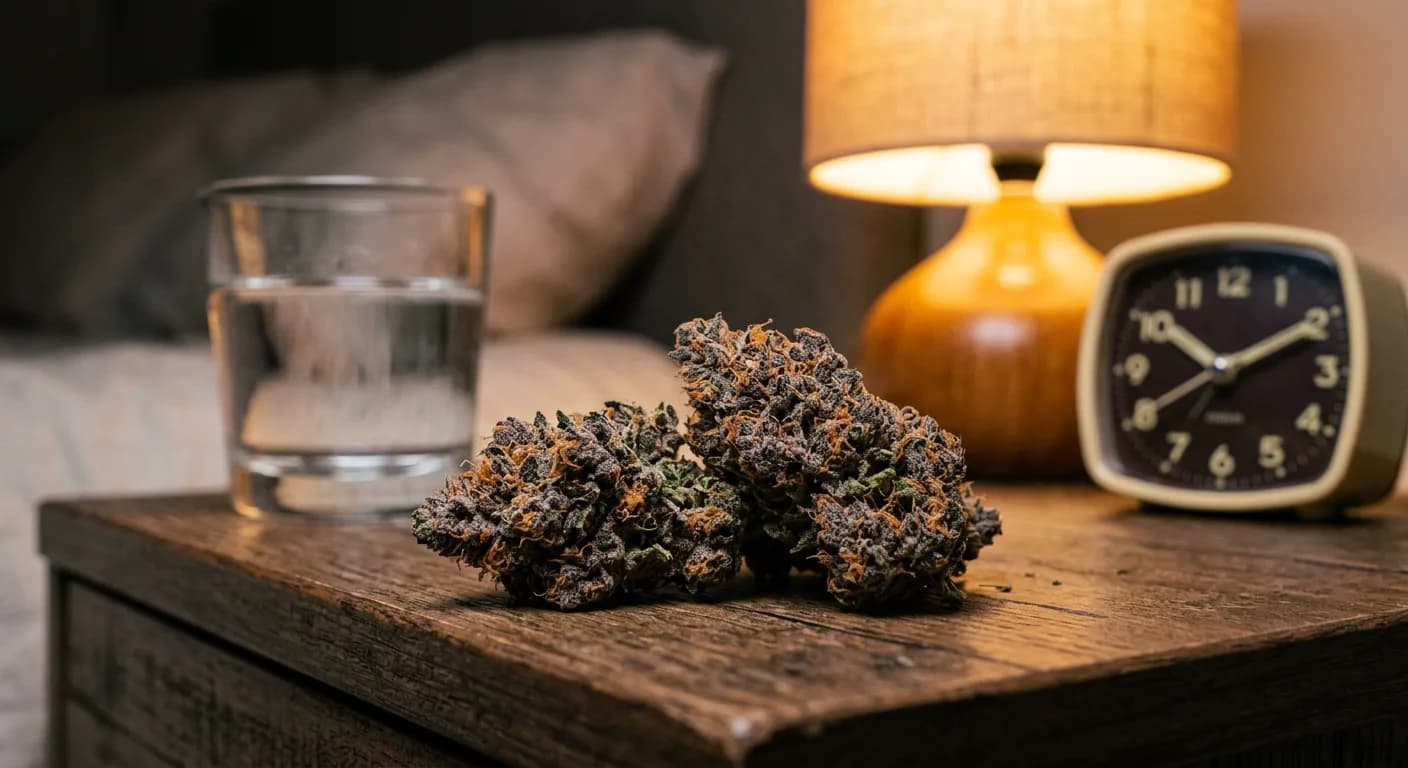
Knowing when to smoke weed for sleep — or vape, or eat an edible — is as important as which strain you choose. Timing determines whether cannabis supports your sleep architecture or disrupts it.
The Inhalation Window: 30–60 Minutes Before Bed
When you inhale cannabis (smoking or vaping), cannabinoids reach peak blood concentration in 15–30 minutes. Sedative effects typically build over 30–45 minutes and then plateau for 1–3 hours before declining. Consuming too close to sleep (under 20 minutes out) means you may be most alert right as you're trying to fall asleep.
Set Your Target Sleep Time
Decide what time you want to be asleep — not in bed reading, but actually sleeping. Work backwards from that time to plan your cannabis use window.
Inhale 45–60 Minutes Before Target Sleep
Start your session 45–60 minutes before your target sleep time. Use 2–4 inhalations of a myrcene-dominant indica strain, then begin your wind-down routine (dim lights, no screens).
For Edibles: Start 90–120 Minutes Early
Edibles have a delayed onset of 60–120 minutes. If you plan to use a cannabis edible for sleep, calculate your dose using our edible dosage calculator and consume 2 hours before your target sleep time.
Track and Adjust
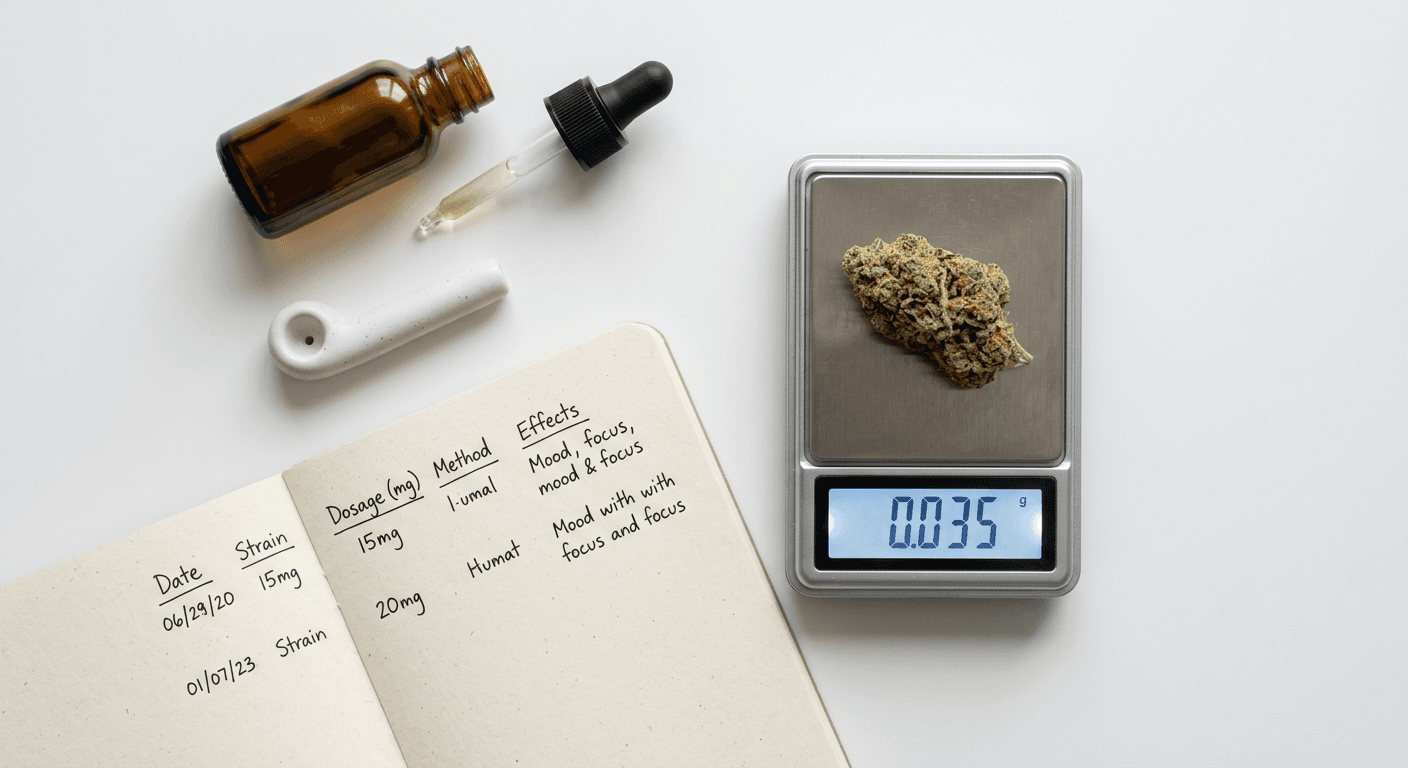
Cannabis's effect timing varies by individual metabolism. Keep a sleep journal for 2 weeks to find your personal onset window and optimize your routine accordingly.
The Light-Dark Cycle Connection
Your body's circadian rhythm is highly sensitive to light exposure. Using cannabis in a bright, screen-heavy environment at 11 PM may partially undercut the sedative effect by suppressing melatonin. Pair your cannabis wind-down with environmental cues: dim amber lighting, phone on night mode or off, and a consistent temperature around 65–68°F (18–20°C) in your bedroom.
Caution: Avoid high-THC sativa or sativa-dominant strains in the evening. Strains like Sour Diesel, Super Lemon Haze, and Amnesia Haze contain terpene profiles (high pinene, terpinolene, limonene) that promote alertness and can significantly delay sleep onset rather than supporting it. See our energy and focus strains guide to understand which varieties to avoid at night.
Edibles vs Smoking vs Vaping for Sleep
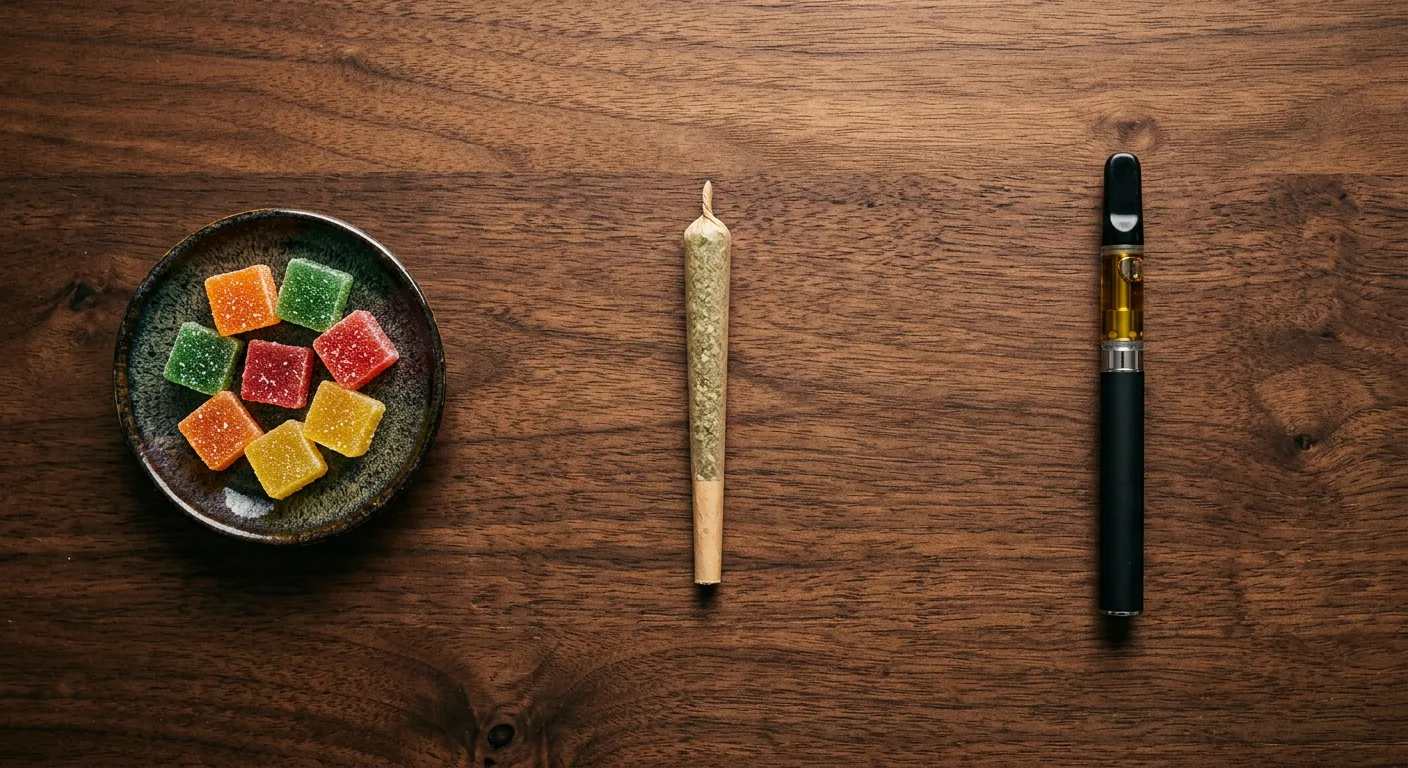
The delivery method you choose shapes not just the timing but the character of your sleep experience. Each method has a distinct pharmacokinetic profile that makes it better or worse for specific sleep problems.
Smoking: Fast but Rough
Smoking delivers cannabinoids to the bloodstream in under 10 minutes, making it the fastest route to sedation. However, combustion produces benzene, carbon monoxide, and irritants that can inflame airways. For people with sleep apnea, bronchitis, or general respiratory sensitivity, smoking is the worst delivery method — even if the strain itself would otherwise be beneficial.
- Onset: 5–15 minutes
- Peak: 30–45 minutes
- Duration: 1.5–3 hours
- Drawback: Respiratory irritation, combustion byproducts
Vaporizing: The Sleep-Use Sweet Spot
Vaporizing heats cannabis below combustion temperature (typically 170–220°C), preserving terpenes while eliminating most combustion byproducts. For sleep specifically, vaping offers an important advantage: you can set lower temperatures (170–185°C) to favor myrcene and linalool release — the sleep terpenes — before the more stimulating terpenes volatilize at higher temperatures.
- Onset: 10–20 minutes
- Peak: 30–60 minutes
- Duration: 2–3 hours
- Advantage: Terpene control, reduced respiratory risk
Pro Tip: Vape at 170–185°C (338–365°F) to target myrcene and linalool for sedation. Increasing to 210–220°C releases more THC but also more stimulating terpenes — counterproductive for sleep goals.
Edibles: Long-Lasting Sleep for Chronic Insomnia
Edibles metabolize THC through the liver, converting it to 11-hydroxy-THC — a metabolite approximately 3–4 times more potent and longer-lasting than inhaled THC. This extended duration makes edibles the best choice for people who fall asleep fine but wake during the night. A 5–10mg edible consumed 90 minutes before bed can provide 6–8 hours of cannabinoid coverage.
- Onset: 60–120 minutes
- Peak: 2–4 hours post-consumption
- Duration: 6–8 hours
- Best for: sleep maintenance insomnia (waking during the night)
- Risk: Easy to overconsume — start at 2.5–5mg if new to edibles
| Method | Onset | Duration | Best Sleep Problem | Main Drawback |
|---|---|---|---|---|
| Smoking | 5–15 min | 1.5–3 hrs | Sleep onset | Respiratory risk |
| Vaping | 10–20 min | 2–3 hrs | Sleep onset + early maintenance | Equipment cost |
| Edibles | 60–120 min | 6–8 hrs | Sleep maintenance (waking at night) | Difficult to dose precisely |
| Tinctures (sublingual) | 15–45 min | 3–5 hrs | Onset + maintenance balance | Taste, availability |
Cannabis and Sleep Apnea: What the Research Says
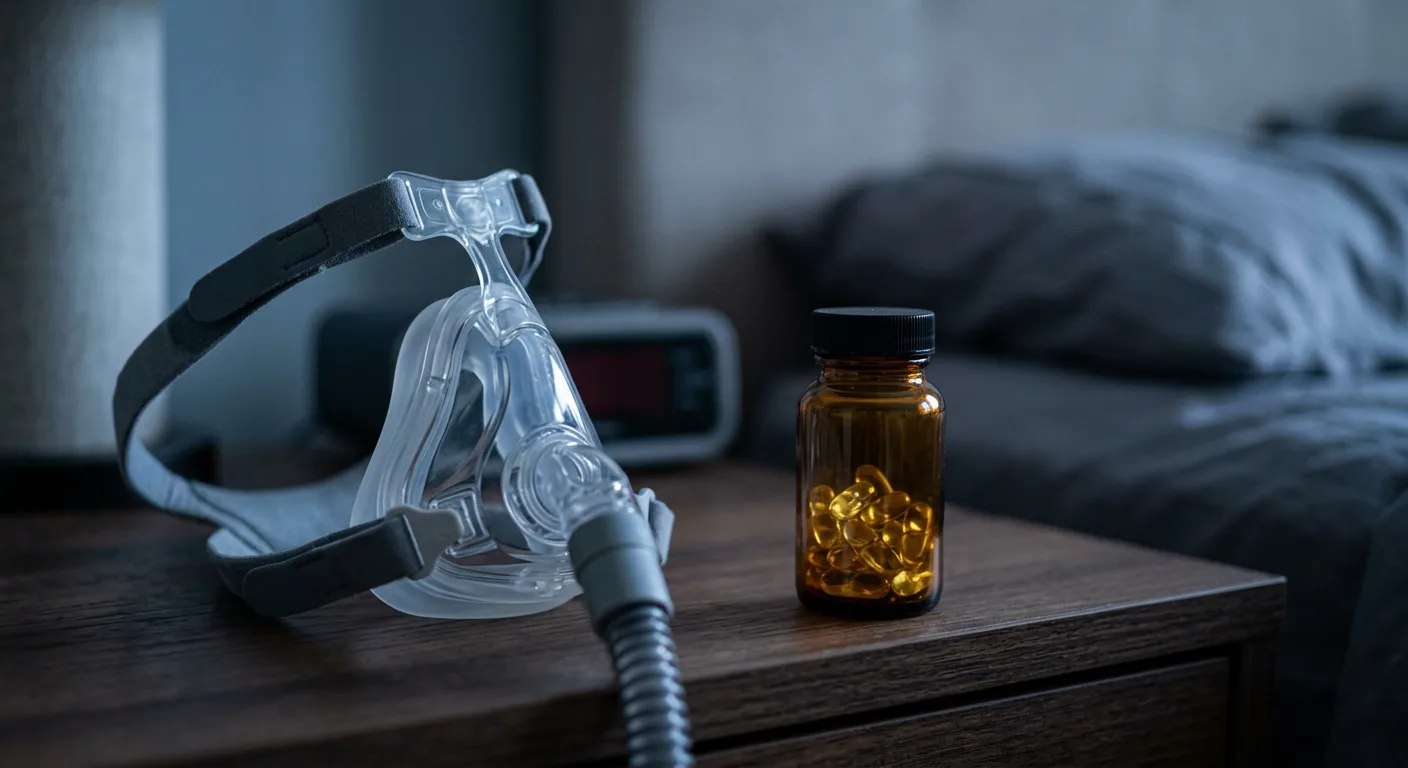
Marijuana for sleep apnea is one of the most searched — and most misunderstood — cannabis-sleep topics. The research is genuinely promising but comes with important caveats depending on how you consume.
The Serotonin-Apnea Connection
Obstructive sleep apnea occurs when airway muscles relax excessively during sleep, blocking breathing. Serotonin plays a regulatory role in upper airway muscle tone. A landmark study in the journal Sleep (Fraser et al., 2003) found that a synthetic cannabinoid called dronabinol significantly reduced apnea episodes in patients with moderate-to-severe OSA by modulating serotonin-1A receptors — the same receptors that control airway muscle activity.
- A Phase 2 trial (PACE study, 2018) found dronabinol reduced Apnea-Hypopnea Index (AHI) scores by 32.9% versus placebo
- Participants also reported better subjective sleep quality and daytime alertness
- The effect was specific to THC — CBD-only interventions showed no similar mechanism
Important Caution: While cannabinoids may reduce the physiological frequency of apnea events, smoking cannabis can worsen upper airway inflammation and increase nasal resistance — potentially counteracting the benefit. For sleep apnea specifically, oral or vaporized delivery is strongly preferred over smoking. Always discuss cannabis use with your sleep medicine physician before replacing or modifying CPAP therapy.
What This Means for Strain and Method Selection
For sleep apnea patients exploring cannabis as a complementary tool, the evidence points toward moderate-THC oral formulations (capsules, tinctures, or measured edibles) rather than smoked flower. Strains with significant myrcene content may offer the best combination of sedation and muscle-relaxation without the airway irritation of combustion.
- Prefer vaporizing or edibles over smoking
- Target moderate THC (15–20mg via edible)
- Avoid strains with high pinene (airway constriction risk in some users)
- Never discontinue CPAP therapy without medical guidance
- Monitor AHI data via CPAP machine to track any changes
Tolerance, Dependence & Long-Term Sleep Risks
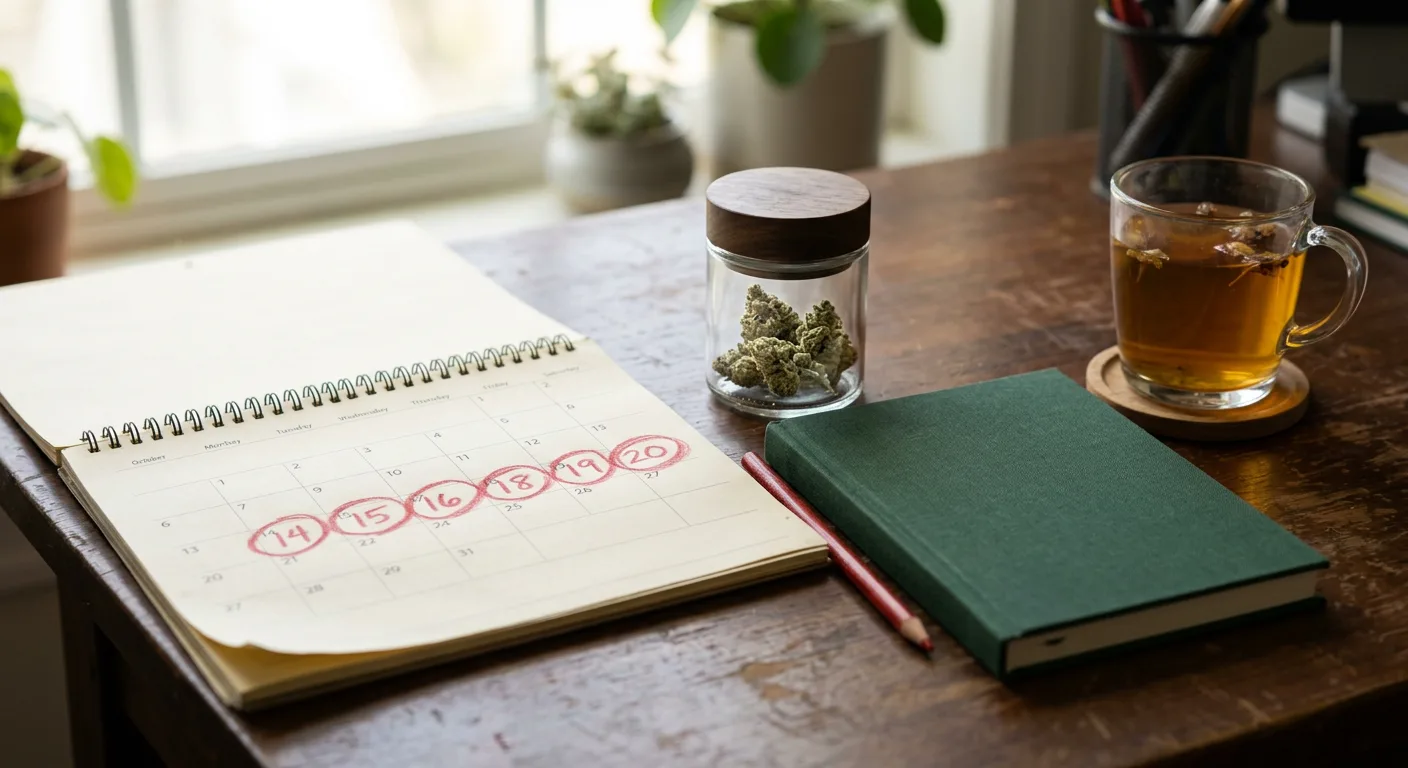
No honest guide on cannabis for insomnia can skip this section. Long-term nightly cannabis use carries real risks that can ultimately make your sleep quality worse — not better.
How Tolerance Erodes the Sleep Benefit
CB1 receptors downregulate with regular THC exposure — meaning they become less responsive over time. Research suggests this process begins as early as 2–4 weeks of nightly use. As tolerance builds, the same dose that once reliably induced sleep becomes insufficient. Users either increase dosage (creating a cycle of escalation) or experience poor sleep despite cannabis use.
- Tolerance begins: 2–4 weeks of nightly use
- Full CB1 receptor downregulation: 4–8 weeks of heavy daily use
- Receptor recovery: largely complete within 2–4 weeks of abstinence
- REM rebound during breaks: vivid, sometimes intense dreams for 7–14 nights
The Tolerance Break Protocol for Sleep Users
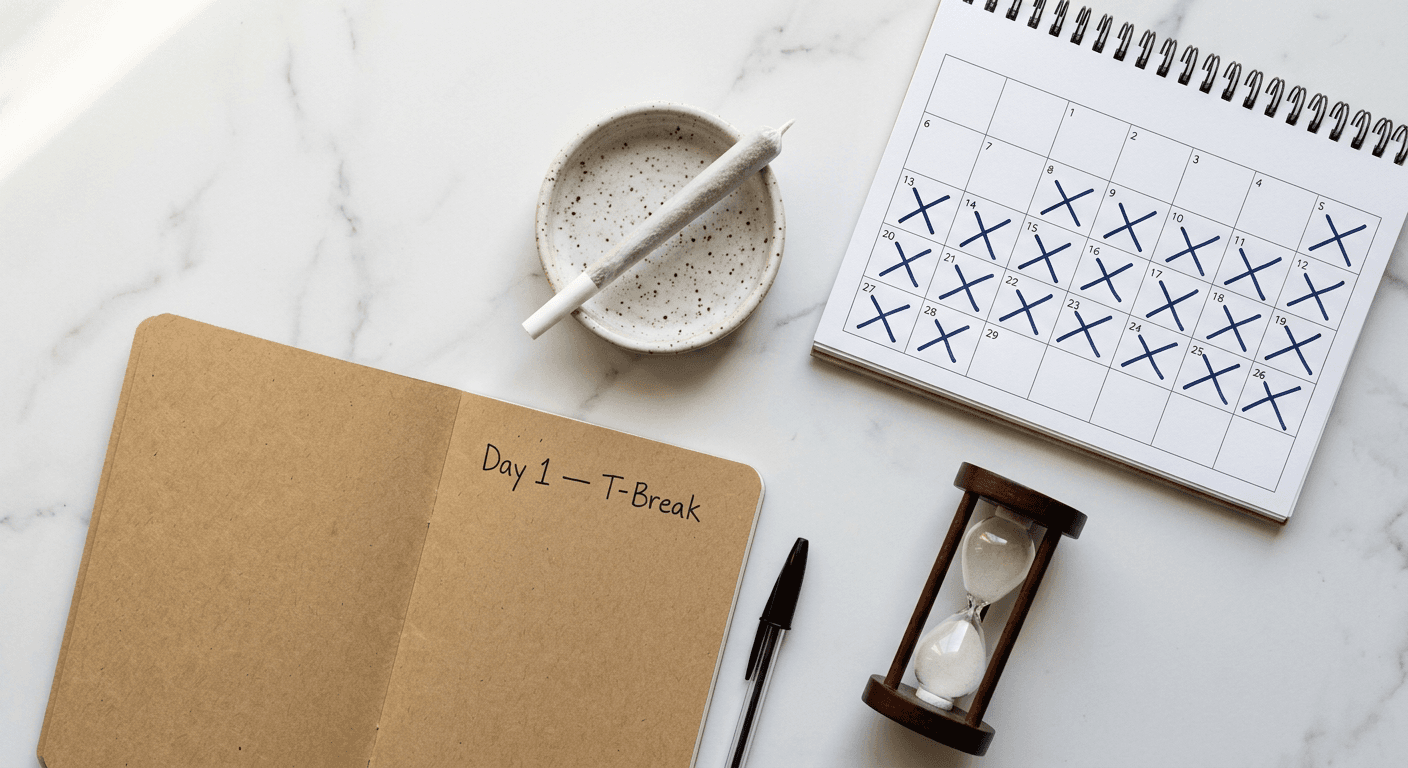
Regular tolerance breaks are the most effective tool for maintaining cannabis's sleep efficacy long-term. A structured T-break resets CB1 receptor sensitivity and restores the original dose-response relationship. Our complete cannabis tolerance break guide covers a full reset protocol — but here's the framework for sleep-specific users:
- Schedule: 5 nights on, 2 nights off — or 3 weeks on, 1 week off
- During the break: Expect REM rebound dreams for 3–7 nights — this is normal and temporary
- Support strategies: Melatonin 0.5mg, magnesium glycinate 400mg, consistent sleep schedule
- Return dose: Restart at 50% of previous dose to re-establish the minimum effective dose
Expert Insight: Cannabis Use Disorder (CUD) affects approximately 9% of cannabis users — rising to 17% among daily users. Sleep disturbance is consistently cited as the #1 withdrawal symptom. Building scheduled tolerance breaks into your cannabis sleep protocol from the start is the most practical way to avoid dependency-driven insomnia.
Cannabis-Induced Insomnia: When the Medicine Becomes the Problem
Paradoxically, chronic cannabis use can cause its own form of insomnia — a well-documented phenomenon where nightly users find they cannot sleep without cannabis after months of nightly use. This is not psychological weakness; it reflects genuine neuroadaptation of the sleep-wake circuitry. The good news is it's reversible, typically resolving within 2–4 weeks of abstinence with appropriate support.
Warning Sign: If you've been using cannabis for sleep for more than 3 months nightly and find that stopping — even for one night — causes severe sleeplessness, anxiety, or night sweats, speak with a healthcare provider. These are signs of physical cannabis dependence requiring structured support.
Combining Cannabis with Other Sleep Methods
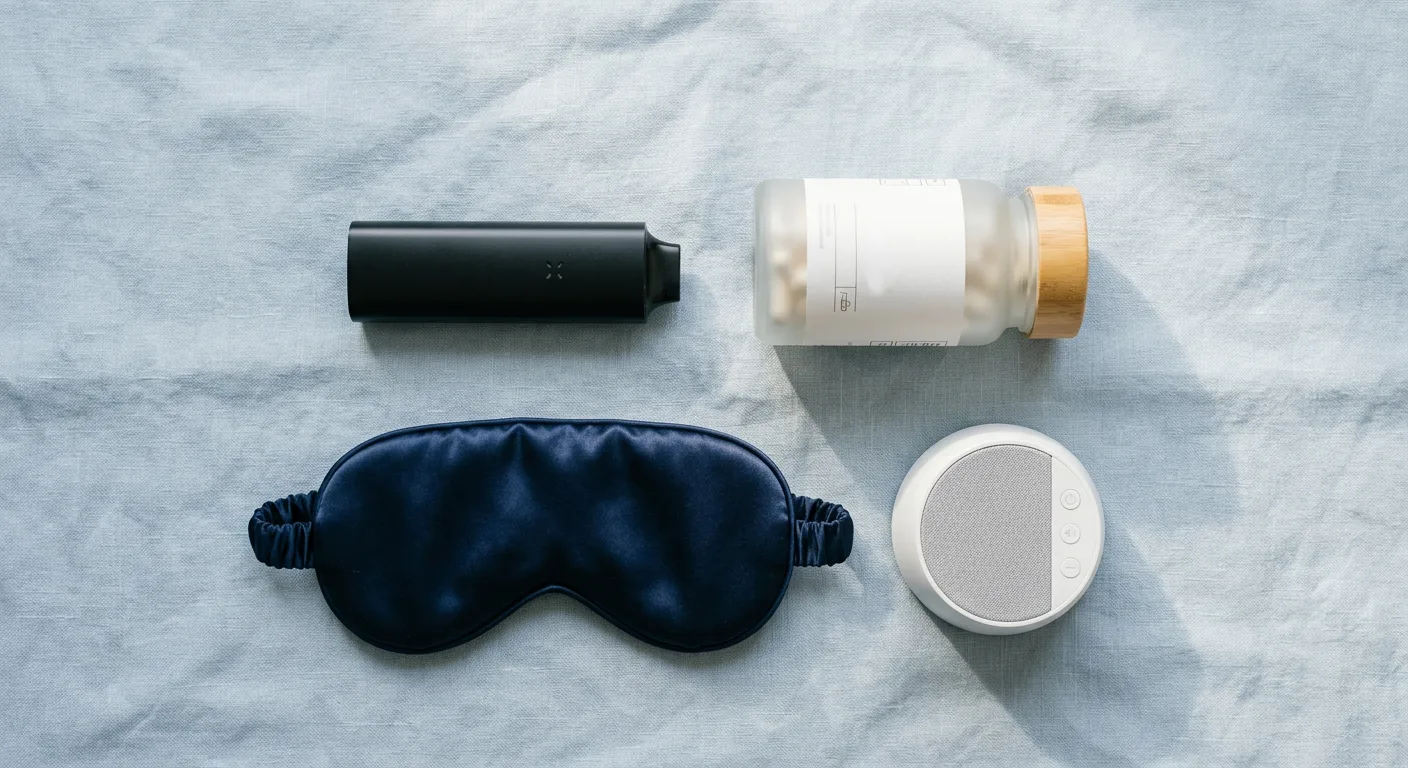
Cannabis works best as part of a comprehensive sleep strategy, not a replacement for good sleep hygiene. The most effective insomnia protocols in integrative medicine combine evidence-based behavioral approaches with carefully calibrated cannabis use.
Cannabis + Sleep Hygiene: The Foundation
Sleep hygiene refers to the behavioral and environmental factors that support consistent, high-quality sleep. Cannabis can help bridge the gap to sleep onset, but if your bedroom is too bright, too warm, or your schedule is irregular, even the best indica strain won't fully compensate.
- Consistent sleep and wake time (even weekends)
- Bedroom temperature: 65–68°F (18–20°C)
- Complete darkness or a high-quality sleep mask
- No screens 60 minutes before target sleep time
- White noise or binaural beats to mask environmental sounds
- No caffeine after 2 PM
Cannabis + Magnesium: The Synergistic Stack
Magnesium glycinate (200–400mg taken 60 minutes before bed) activates GABA receptors and reduces cortisol — complementing cannabis's GABA-A interaction through myrcene. Many sleep users report this combination produces better and longer sleep than either intervention alone, and it reduces the THC dose needed.
Cannabis + CBT-I: The Long Game
Cognitive Behavioral Therapy for Insomnia (CBT-I) is the most evidence-supported long-term insomnia treatment available. It addresses the thought patterns, behaviors, and sleep associations that perpetuate chronic insomnia. Using cannabis to manage acute insomnia symptoms while working through CBT-I creates a practical bridge: cannabis handles the immediate symptom while CBT-I solves the underlying cause.
Cannabis + Melatonin: Proceed with Care
Melatonin (0.3–1mg, not the 10mg doses commonly sold) is most effective for circadian rhythm disruption — jet lag, shift work, or delayed sleep phase — rather than classic insomnia. Combined with low-to-moderate THC cannabis, melatonin can help shift your sleep window earlier. However, higher THC doses already suppress natural melatonin production, so the combination can produce unpredictable results and next-day grogginess at higher doses of both.
Pro Tip: If you're combining cannabis with melatonin, use the lowest effective melatonin dose (0.3–0.5mg) and take it 90 minutes before target sleep time — well before your cannabis session. This sequences the melatonin signal correctly relative to the THC effect.
Tracking Your Sleep Quality After Cannabis Use
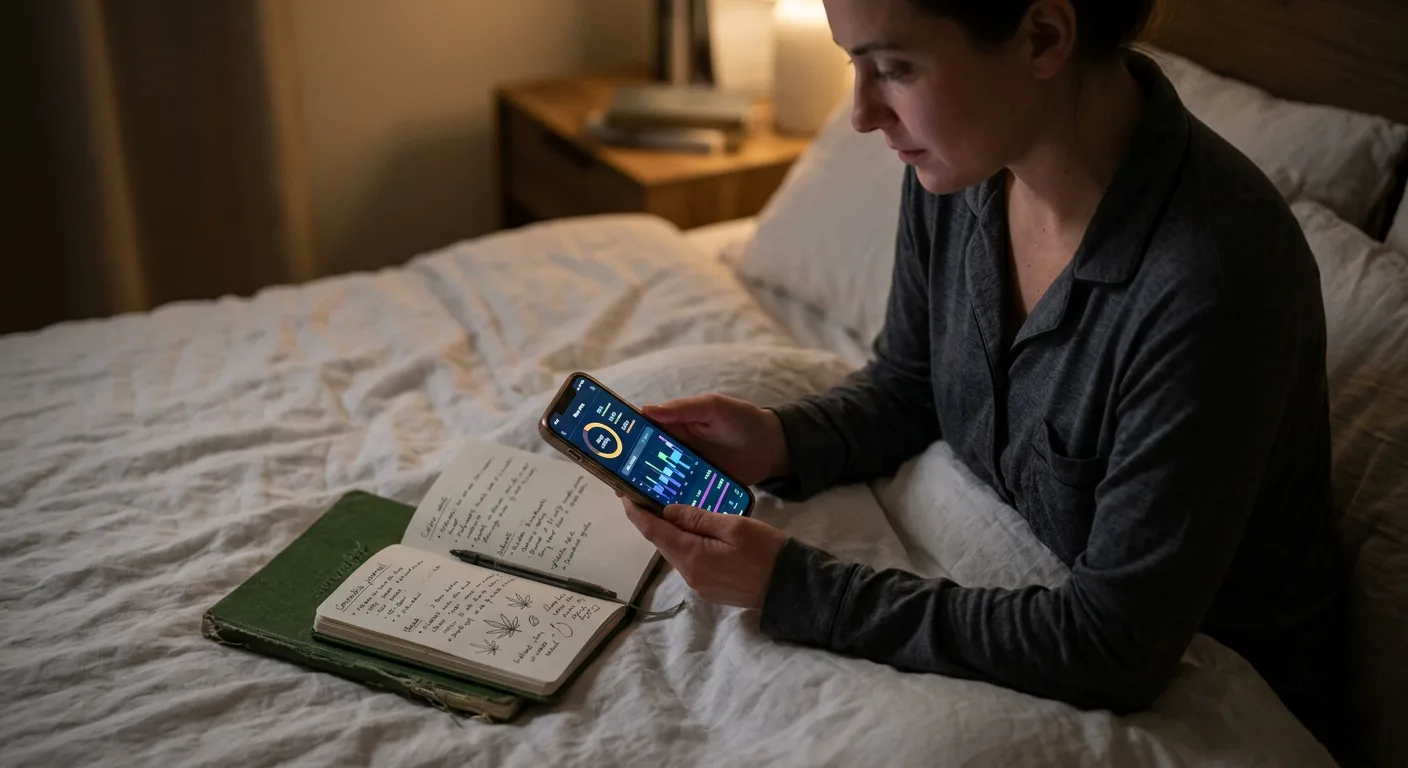
Subjective impressions of sleep quality are notoriously unreliable — cannabis users in particular tend to feel they've slept better than sleep lab data shows. Building an objective tracking system is the most powerful way to know whether your cannabis sleep strategy is actually working.
Tools for Tracking Sleep with Cannabis
Consumer wearables have become remarkably capable at measuring sleep stages, HRV, and overnight oxygen saturation — all of which are meaningfully affected by cannabis use.
- Wearable trackers (Oura Ring, Garmin, WHOOP): Track deep sleep %, REM duration, HRV, and overnight temperature — all cannabis-sensitive metrics
- Sleep journals: Record strain, dose, consumption method, time consumed, time asleep, morning feel score (1–10)
- SpO2 monitoring: Particularly useful for sleep apnea patients monitoring overnight oxygen levels
- HRV trend tracking: Cannabis tends to reduce HRV acutely — tracking trends over weeks reveals whether your protocol is net positive for recovery
What to Look For in Your Sleep Data
After 2 weeks of consistent tracking, most users can identify their optimal dose and timing by looking at three metrics: time to sleep onset (should decrease), deep sleep percentage (should increase or hold steady), and REM duration (watch for significant suppression below 15% of total sleep time).
- Green signal: Sleep onset under 20 minutes, deep sleep above 15–20%, morning energy score 7+
- Yellow signal: Sleep onset 20–35 minutes, REM declining trend, morning grogginess 3–4 days/week
- Red signal: Needing cannabis to fall asleep, waking feeling unrefreshed consistently, REM below 10% of sleep time
Choosing the Right Strain to Grow for Sleep
For home growers targeting sleep-specific strains, strain selection at the seed level determines everything downstream. Indica-dominant genetics with documented high-myrcene profiles are your target. Use our grow planner tool to map your grow cycle around your target harvest, and our yield estimator to plan realistic harvest quantities for ongoing personal use.
For first-time growers building a sleep-focused garden, start with autoflowering varieties for their speed and simplicity. Our autoflower seeds for beginners guide covers everything needed to get from seed to harvest in 70–90 days. The Skywalker OG Autoflower and Blue Moonshine Autoflower (13% THC — excellent for beginners and lower-tolerance users) are both strong starting points.
For photoperiod growers who want maximum potency and terpene depth, the Purple Kush Feminized and Northern Lights x Big Bud Feminized represent the pinnacle of sleep-focused indica cultivation. Track your grow environment precisely with our VPD calculator to optimize terpene production during flowering — terpene expression peaks under the right vapor pressure deficit conditions.
Key Takeaway: The best cannabis sleep protocol is personalized, tracked, and adjusted over time. No single strain or dose works identically for every person — but with objective data and a structured approach, most insomnia patients can find a sustainable cannabis strategy that genuinely improves their sleep quality without dependency.
Frequently Asked Questions
Is cannabis effective for treating insomnia?
Research suggests cannabis — particularly THC-dominant indica strains — can reduce sleep-onset latency and increase deep sleep. However, long-term nightly use suppresses REM sleep and leads to tolerance within 2–4 weeks. Moderate doses used intermittently, combined with good sleep hygiene, show the best long-term outcomes for chronic insomnia.
What is the best cannabis strain for sleep?
Indica-dominant strains high in myrcene and linalool are most effective for sleep. Granddaddy Purple, Purple Kush, Northern Lights, and OG Kush consistently rank highest across user reports and clinical observations. For home growers, Purple Kush Feminized and Skywalker OG Autoflower are top picks.
When should I use cannabis before bed for sleep?
For inhaled cannabis (smoking or vaping), consume 45–60 minutes before your target sleep time to align peak sedation with your sleep window. For edibles, allow 90–120 minutes for onset. Use our edible dosage calculator to find the right starting dose if you're new to cannabis edibles for sleep.
Does cannabis affect REM sleep?
Yes — THC suppresses REM sleep, meaning shorter dream cycles and less time in the emotionally restorative phase of sleep. This can be beneficial for people with PTSD-related nightmares, but over time it may impair memory consolidation and emotional regulation. Rotating cannabis-free nights and scheduling tolerance breaks preserves REM sleep health long-term.
Can cannabis help with sleep apnea?
Early research — including a Phase 2 clinical trial — shows THC-based cannabinoids can reduce apnea event frequency by modulating serotonin receptors that control airway muscle tone. However, smoking cannabis worsens airway irritation. Vaporized flower or oral THC formulations are more appropriate. Never discontinue CPAP therapy without consulting your sleep medicine doctor.