Here is a number that should reshape how you think about cannabis and mood: serotonin influences over 14 identified receptor subtypes, controls everything from gut motility to emotional regulation, and yet almost no cannabis content on the internet explains how cannabinoids actually engage this system at the receptor level. The cannabis serotonin connection is one of the most searched topics in cannabis science — and one of the least accurately covered.
This guide changes that. You will find receptor-level science, honest evidence grading, the THC dose paradox explained plainly, and a practical strain selection framework growers can actually use. Whether you are cultivating for personal mood support or selecting genetics for a specific customer profile, what happens at the 5-HT1A receptor matters as much as what happens at CB1.
What Is Serotonin — and Why Does It Matter for Cannabis Users?
Serotonin (5-hydroxytryptamine, or 5-HT) is a monoamine neurotransmitter synthesized from the amino acid tryptophan. Despite its reputation as the brain's "happiness chemical," roughly 90% of the body's serotonin is produced in enterochromaffin cells of the gut, where it regulates digestion and intestinal motility. Only about 10% operates in the central nervous system — but that 10% governs mood, anxiety, sleep, appetite, and cognition in profound ways.
In the brain, serotonergic neurons originate primarily in the raphe nuclei of the brainstem and project widely to the cortex, limbic system, hippocampus, and amygdala. The amygdala connection is especially relevant for cannabis users: it is the brain's threat-detection hub, and serotonin activity there strongly modulates fear and anxiety responses.
The 14-Receptor Family: Why Subtypes Matter
Serotonin does not work through a single receptor — it activates a family of at least 14 receptor subtypes (5-HT1 through 5-HT7, with multiple subtypes in each class). Each subtype has different locations, functions, and pharmacological profiles.
- 5-HT1A: Autoreceptors and postsynaptic receptors in the cortex and hippocampus; primary target for anxiolytic and antidepressant drugs; heavily implicated in CBD research
- 5-HT2A: Postsynaptic receptors in the cortex; target of classical psychedelics; involved in perception and cognition
- 5-HT3: Ligand-gated ion channel (unique among serotonin receptors); role in nausea, vomiting, and gut signaling; modulated by linalool
- 5-HT4, 5-HT6, 5-HT7: Various roles in memory, circadian rhythm, and gut motility
For cannabis users and growers, the critical focus falls on 5-HT1A — because that is where CBD has its most documented direct action, and where THC's indirect effects converge during both mood uplift and anxiety episodes.
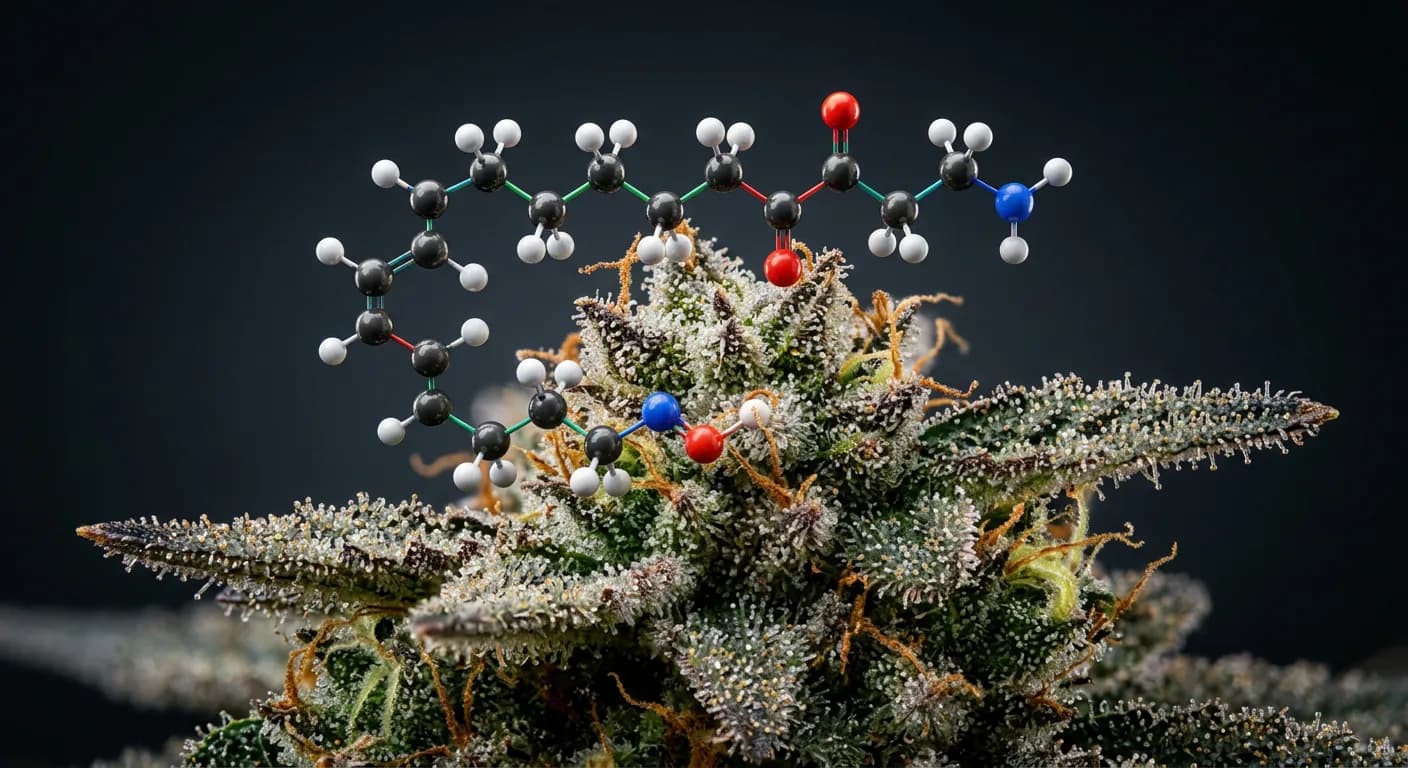
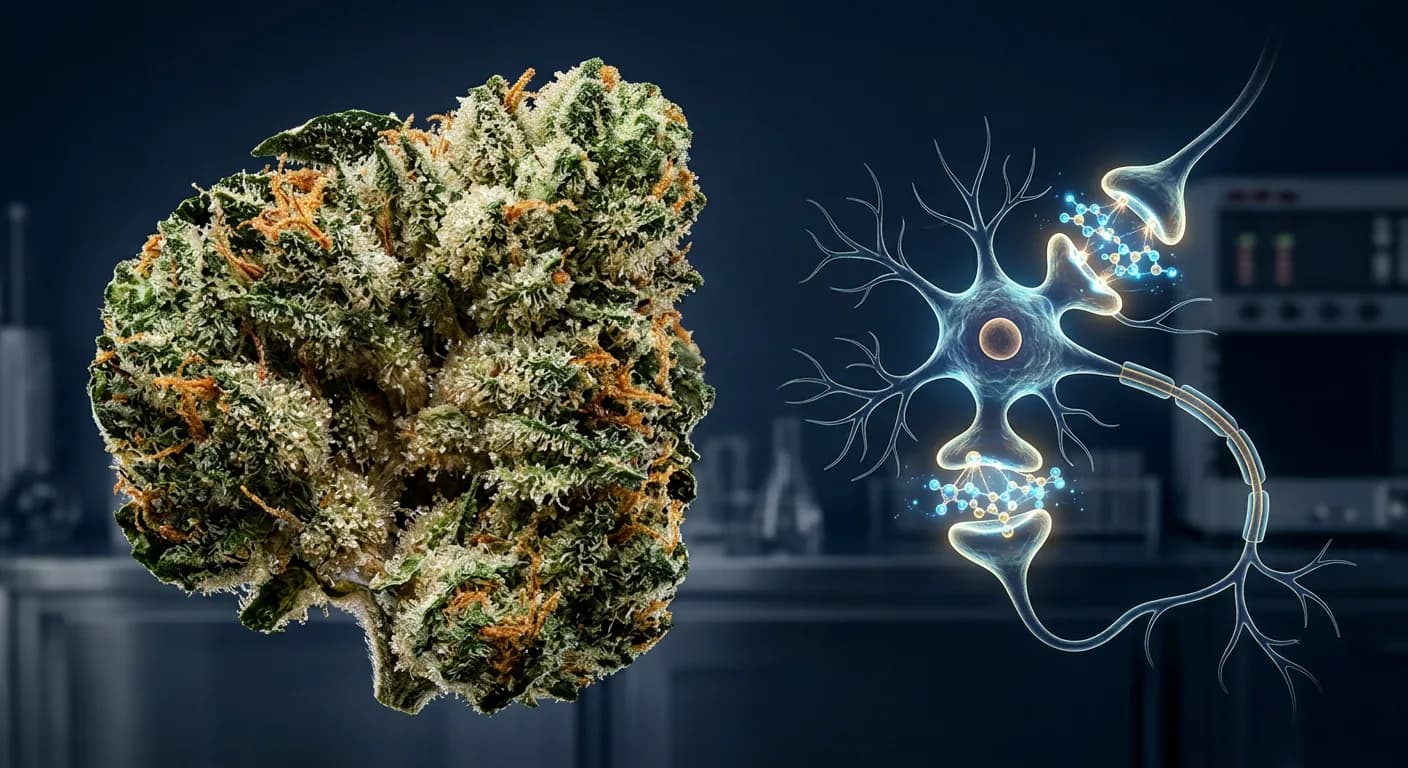
Serotonin is not a single "happiness switch." It operates across 14+ receptor subtypes throughout the brain and gut. Cannabis cannabinoids interact most meaningfully with the 5-HT1A subtype — the same receptor targeted by major anxiolytic drugs like buspirone.
How CBD Interacts with Serotonin Receptors: The 5-HT1A Mechanism
CBD's interaction with the serotonin system is one of the most pharmacologically important things happening when you consume a CBD-rich cannabis strain — and it operates completely independently of the endocannabinoid system. This is the mechanism that most cannabis content entirely misses. For a deeper look at the endocannabinoid system's own role in mood, see our guide on the endocannabinoid system.
A landmark 2005 study by Russo et al. in Neuropsychopharmacology demonstrated that CBD acts as a direct partial agonist at 5-HT1A receptors — meaning it binds to the receptor and activates it, though with lower maximal effect than a full agonist. This was confirmed and extended in subsequent animal studies where CBD's anxiolytic effects were blocked by 5-HT1A antagonists (drugs that block the receptor), providing strong mechanistic evidence that the 5-HT1A pathway is genuinely responsible for at least part of CBD's anti-anxiety action.
The High-Dose Dependency: A Critical Detail
This is where the science gets important and nuanced. CBD's 5-HT1A agonism is dose-dependent. At very low doses, CBD's effect on serotonin receptors is minimal. Research in rodent models, particularly studies using the elevated plus maze and Vogel conflict test (established anxiety benchmarks), found that CBD reduced anxiety at moderate-to-high doses but showed an inverted U-shaped dose-response curve — too little or too much CBD can diminish the effect.
Human studies suggest therapeutic CBD doses for anxiety typically fall in the range of 150–600mg for acute anxiety in clinical contexts, far higher than the 20–30mg found in most consumer CBD products. This explains why anecdotal reports vary so widely: most people taking small CBD doses are likely not reaching the threshold for meaningful 5-HT1A engagement.
Research Note (Evidence Level: Preclinical Strong / Human Moderate): Multiple rodent studies robustly demonstrate CBD's 5-HT1A partial agonism. Human RCT data (Bergamaschi et al., 2011; Zuardi et al., 2017) supports anxiolytic effects but uses single high doses. Chronic low-dose CBD effects on 5-HT1A in humans remain under-studied. Interpret human data with appropriate caution.
How 5-HT1A Activation Reduces Anxiety
When 5-HT1A receptors in the hippocampus and prefrontal cortex are activated, they produce an inhibitory effect on excessive neuronal firing. This reduces the overactivation of the stress response circuits, particularly in the amygdala. The functional outcome is a reduction in anticipatory anxiety and threat-related hypervigilance.
This is the same basic mechanism exploited by buspirone, an approved anti-anxiety drug that is also a 5-HT1A partial agonist. CBD does not appear to bind at the same site as buspirone, but the functional downstream result — reduced amygdala-driven anxiety — appears similar in preclinical models.
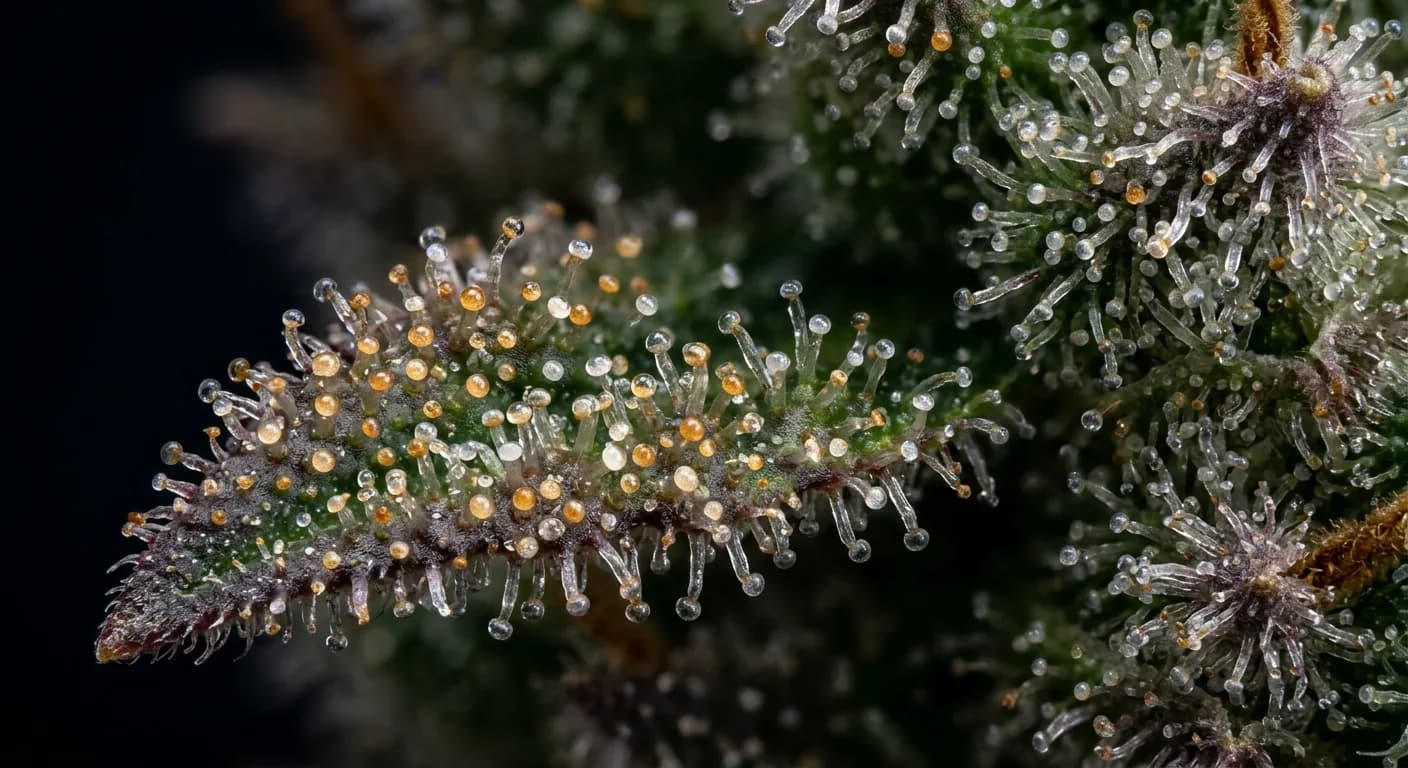
If you are growing high-CBD genetics for personal mood support, harvest timing matters. Harvesting at peak CBD expression (mostly cloudy trichomes, minimal amber) preserves CBD's serotonergic potential. Overripe amber trichomes indicate CBD degradation to CBN, which has different receptor activity entirely. Check our trichome biology guide for detailed harvest timing science.
THC and the Serotonin System: The Dose-Response Paradox
THC's relationship with serotonin is indirect, dynamic, and genuinely paradoxical — which is exactly why the same substance makes some people feel euphoric and relaxed while pushing others into paranoid spirals. Understanding this paradox is not just academic; it directly informs which strains to grow and how to consume them.
THC does not bind directly to serotonin receptors with high affinity. Instead, it modulates serotonin indirectly through its primary target: CB1 receptors in the brain. When CB1 receptors in the dorsal raphe nucleus (the main serotonin-producing region) are activated by THC, the downstream effect on serotonin output depends critically on dose.
Low-Dose THC: Possible Serotonin Elevation
At low doses, THC's CB1 activation in the raphe nucleus appears to disinhibit serotonergic neurons — essentially releasing a brake on serotonin release. Animal studies have shown that low-dose THC can increase extracellular serotonin in the prefrontal cortex and hippocampus. This may explain the mood elevation, sociability, and mild euphoria that many users report at modest doses.
A 2007 study by McLaughlin et al. in Neuropsychopharmacology found that low-dose cannabinoid receptor activation facilitated serotonin neurotransmission in the prefrontal cortex — regions involved in positive mood regulation. This is a plausible neurochemical basis for the "cannabis makes me feel good" experience at moderate consumption levels.
High-Dose THC: Serotonin System Overload
At high doses, the picture reverses sharply. Very high CB1 activation in the raphe nucleus switches from disinhibitory to inhibitory, potentially suppressing serotonin synthesis and release. Simultaneously, high-dose THC strongly activates the amygdala via CB1 receptors there, increasing threat perception independent of serotonin status.
- High-dose THC may suppress raphe nucleus serotonin output
- Concurrent amygdala CB1 overstimulation amplifies threat detection
- Disrupted 5-HT1A signaling reduces the "anxiety buffer" in the hippocampus
- The net result: anxiety, paranoia, and cognitive dysregulation
The High-THC Risk: Strains above 25–30% THC with zero CBD remove the natural buffer against serotonin pathway disruption. If you grow ultra-potent genetics for mood support, you are working against the pharmacology. This is the primary reason growers selecting for mood outcomes should prioritize balanced cannabinoid profiles over maximum THC percentage.
This dose-response paradox — where the same molecule produces opposite mood effects based on quantity — is one of the most clinically important features of THC. It explains why cannabis statistics on anxiety and depression show dramatically different outcomes depending on whether studies use low-dose or high-dose protocols.
THC's serotonin effects follow an inverted U-curve: low doses may gently elevate serotonin in mood-relevant brain regions, while high doses can suppress serotonin output and simultaneously overstimulate the amygdala, producing the anxiety and paranoia many users report with potent modern strains.
Is CBD Like an SSRI? Comparing CBD to Antidepressants
This is one of the most-asked questions in cannabis pharmacology, and it deserves a precise answer rather than marketing language. The short version: CBD shares functional overlap with some antidepressant mechanisms, but it is not an SSRI, and calling it one misrepresents the science.
| Mechanism | SSRIs (e.g., Fluoxetine) | CBD | Buspirone |
|---|---|---|---|
| Primary Action | Block serotonin reuptake (SERT inhibition) | 5-HT1A partial agonism | 5-HT1A partial agonism |
| Increases serotonin availability? | Yes (directly) | Possibly indirect | No direct increase |
| Activates 5-HT1A? | Indirectly (via increased 5-HT) | Yes (directly at high dose) | Yes (directly) |
| ECS interaction? | No | Yes (primary ECS mechanism) | No |
| Onset of antidepressant effect | 2–6 weeks (clinical) | Acute (animal); unclear human | Days to weeks |
| Risk of serotonin syndrome alone | Low | Very low | Very low |
CBD is pharmacologically closer to buspirone than to an SSRI. Both are 5-HT1A partial agonists producing anxiolytic effects through direct receptor activation rather than increasing serotonin availability. The critical practical difference is that CBD also engages the endocannabinoid system simultaneously — making it a genuinely multi-target molecule with effects SSRIs and buspirone do not replicate.
The Neurogenesis Angle: A Shared Endpoint
One of the leading theories of antidepressant action — validated for SSRIs and increasingly relevant to CBD — is that these drugs work partly by promoting hippocampal neurogenesis (the growth of new neurons). Chronic stress suppresses neurogenesis in the hippocampus; restoring it correlates with antidepressant response. A 2016 study by Réus et al. showed CBD promoted hippocampal neurogenesis in animal models, an effect that may involve both 5-HT1A and CB1 pathways. This is a convergent endpoint shared with SSRIs, even if the upstream mechanisms differ.
Terpenes and Serotonin: Linalool, Limonene, and Beyond
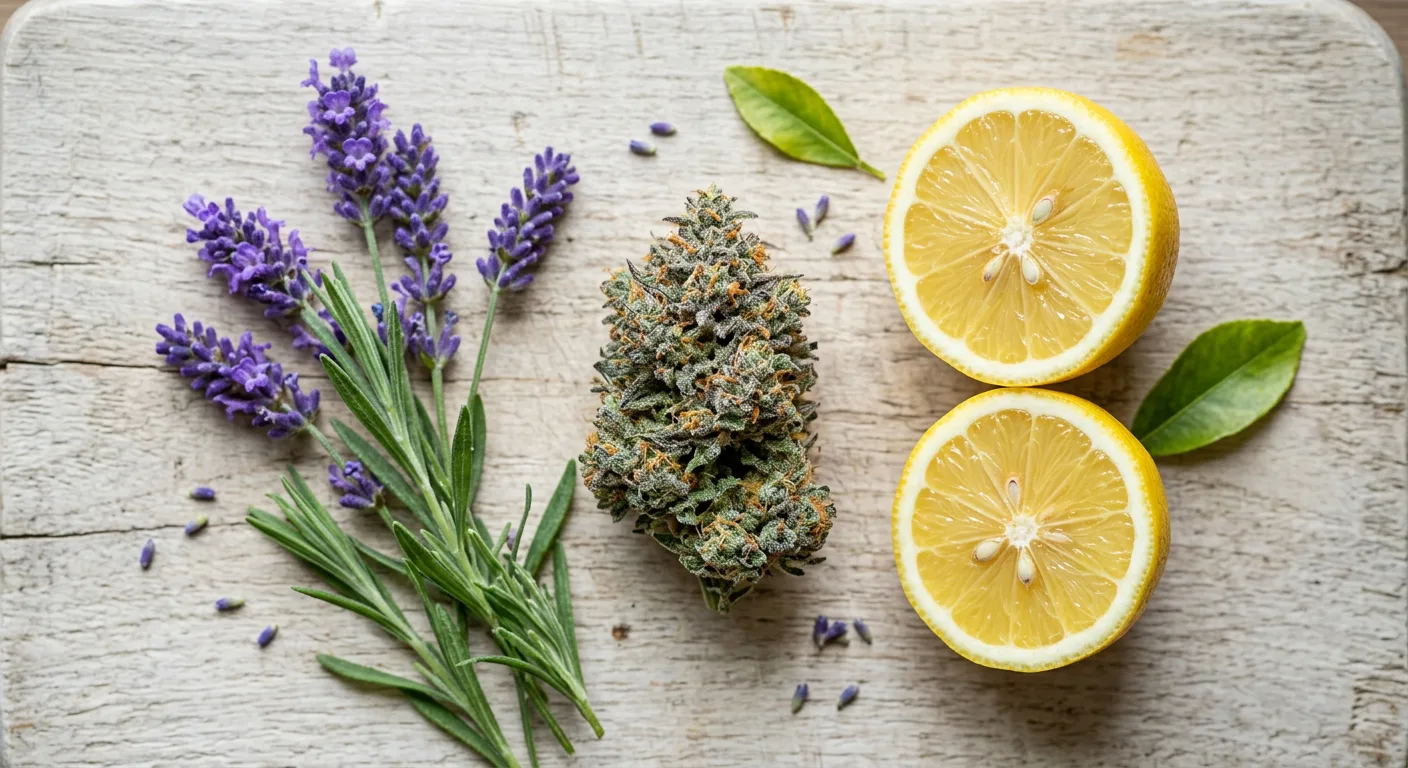
Cannabinoids get most of the attention in cannabis science, but terpenes — the aromatic compounds responsible for a strain's scent profile — may contribute meaningfully to serotonergic mood effects. This is one of the least-covered angles in cannabis content, yet the evidence for at least two terpenes is compelling enough to influence strain selection decisions.
Linalool: The Lavender Terpene with 5-HT Receptor Activity
Linalool is a floral, lavender-scented monoterpene found in hundreds of plant species and in cannabis strains with purple or floral aromatic profiles. It is the primary active compound in lavender aromatherapy, which has documented anxiolytic effects in human clinical trials (the oral lavender preparation Silexan has shown efficacy comparable to lorazepam in some studies).
The mechanism involves multiple serotonin receptor subtypes. Preclinical research has demonstrated that linalool:
- Acts as a 5-HT1A receptor agonist, sharing the same target as CBD's primary anxiolytic mechanism
- Acts as a 5-HT3 receptor antagonist, reducing nausea and potentially modulating anxious gut-brain signaling
- Also modulates GABA-A receptor activity (a separate anxiolytic mechanism used by benzodiazepines)
- Produces sedative and anxiolytic effects in rodent models even at inhalation-relevant doses
Research Note (Evidence Level: Preclinical Strong): Linalool's serotonin receptor interactions are well-characterized in vitro and in rodent studies. Human RCT data on inhaled cannabis linalool specifically is limited. The lavender aromatherapy literature provides supportive but not equivalent human evidence. This is a promising area requiring more direct cannabis-specific research.
Cannabis strains high in linalool typically carry floral, lavender, or candy-like aromas. Purple Power, with its anthocyanin-rich genetics and floral terpene profile, represents a good low-THC, linalool-forward option for growers interested in exploring this combination. At THC 10%, it sits well below the anxiety-threshold zone.
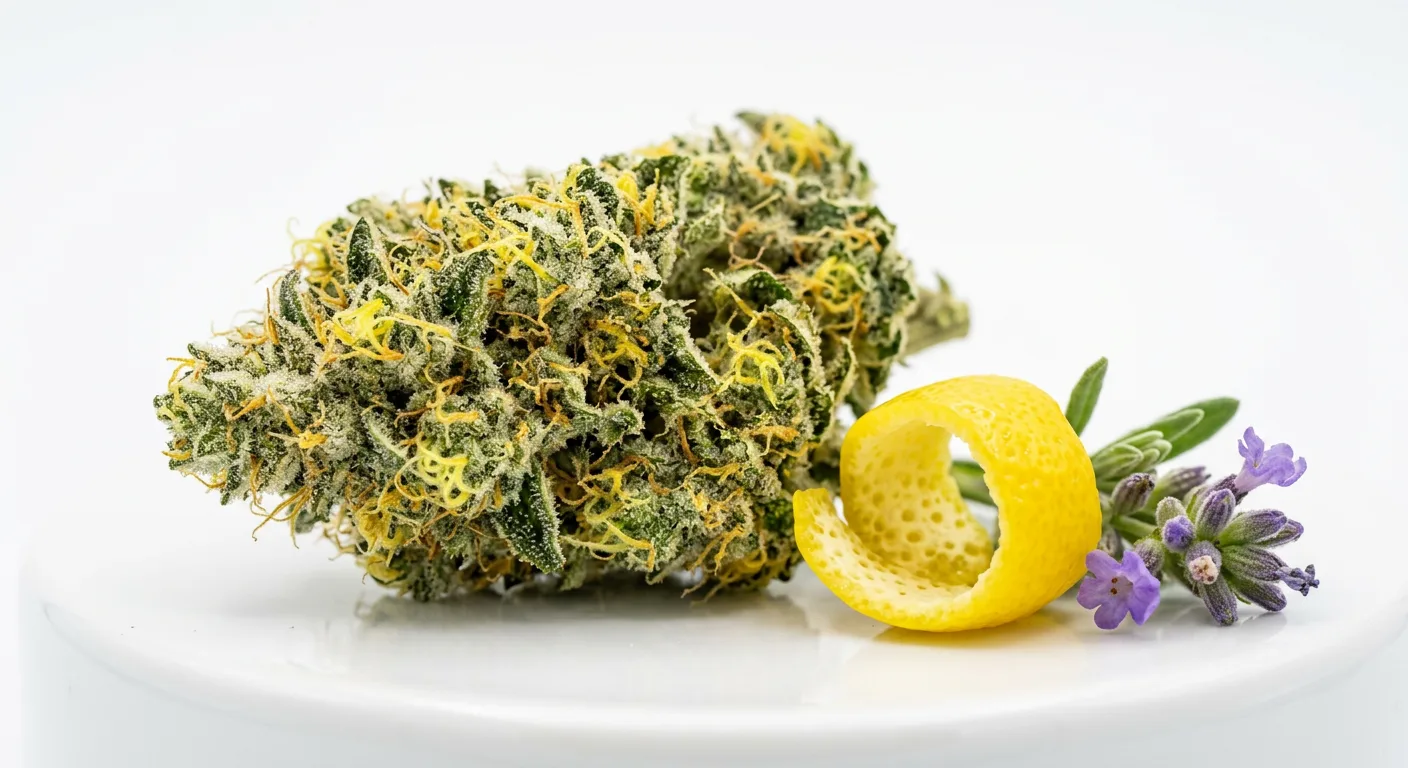
Limonene: Citrus Terpene with 5-HT1A Relevance
Limonene is the sharp citrus terpene dominant in sativa-leaning strains, contributing bright lemon and orange notes. It is one of the most studied cannabis terpenes, and its mood effects have a plausible serotonergic basis. A 2013 study by Lv et al. found that limonene inhalation in mice increased serotonin and dopamine levels in the prefrontal cortex and hippocampus, with effects partly mediated by 5-HT1A receptor activation.
Limonene also showed anxiolytic effects in multiple rodent behavioral tests (elevated plus maze, open field test) — and crucially, these effects were blocked by 5-HT1A antagonists, confirming the receptor-level mechanism rather than just indirect correlation.
Cannabis strains naturally rich in limonene include citrus-forward varieties like Super Lemon Haze (23% THC) and Tangerine Haze (18% THC). For mood support specifically, the moderate THC level in Tangerine Haze makes it a more balanced option than ultra-high-THC citrus strains. You can find deeper terpene science in our terpene biosynthesis guide.
Myrcene: Indirect Mood Modulation
While myrcene's primary pharmacological action is CB1 potentiation and GABA-A modulation rather than direct 5-HT activity, its strong sedative and muscle-relaxant effects can reduce the somatic anxiety that often amplifies serotonin dysregulation. For mood-focused growers, a myrcene-dominant strain paired with meaningful CBD content may produce synergistic calming effects through complementary, non-serotonin pathways.
Terpene expression is strongly influenced by growing conditions. To maximize linalool and limonene in your harvest, keep temperatures below 26°C (80°F) in the final two weeks of flowering and avoid high-pressure sodium lights during the last stretch — LED at appropriate intensity preserves volatile terpene fractions better. Use our light calculator to dial in intensity without heat-induced terpene loss.
The Grower's Angle: How Cannabinoid Ratios Affect Mood Outcomes
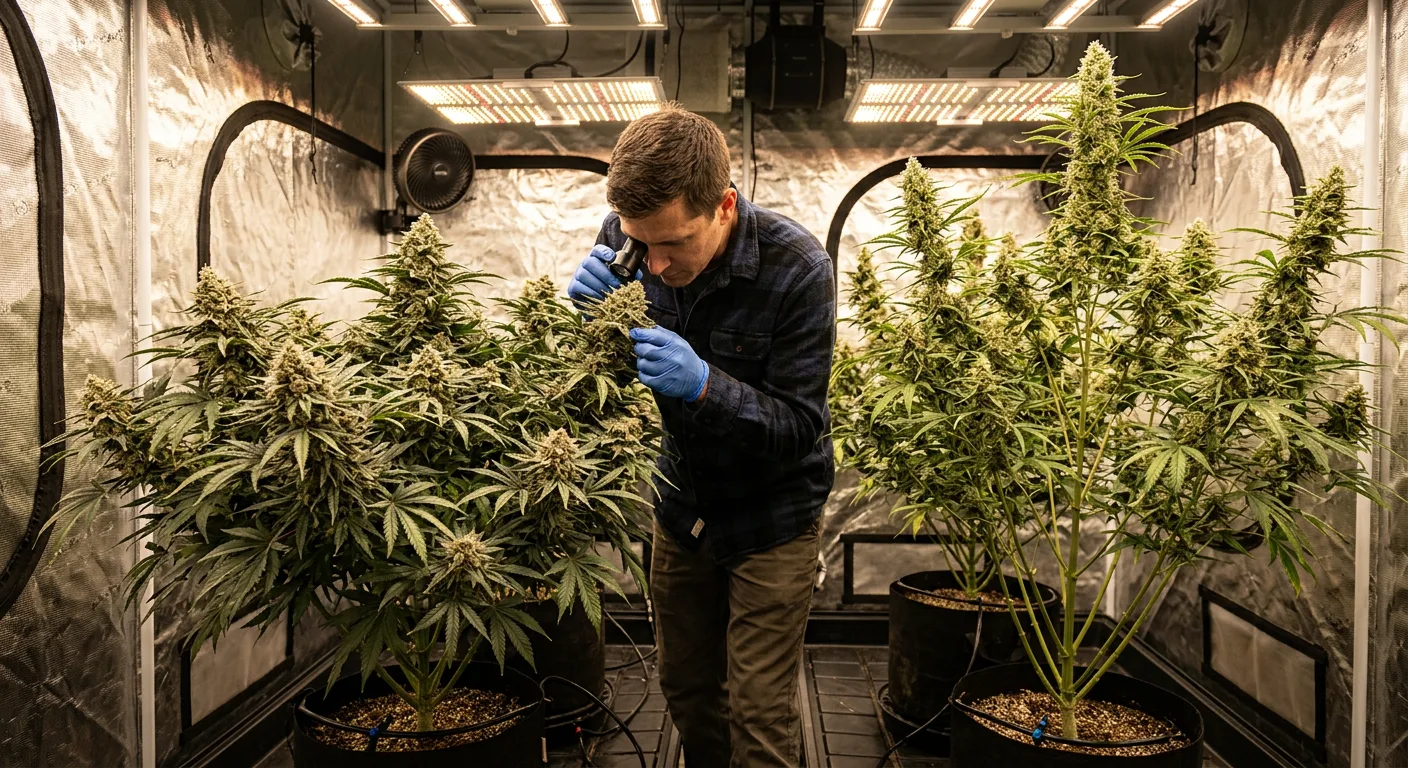
Understanding the receptor science translates directly into better seed selection decisions. Most growers chasing mood-supportive outcomes make the same mistake: they default to the highest THC strain available, assuming potency equals effectiveness. The pharmacology tells a different story.
The key insight is that CBD does not merely "balance" THC — it actively modulates how THC engages with serotonergic circuits. CBD's 5-HT1A agonism creates an active anxiolytic buffer that runs in parallel to THC's CB1 activity. A 2019 study by Bhattacharyya et al. used fMRI to show that CBD directly counteracted THC-induced amygdala hyperactivation in humans — the exact neural mechanism underlying THC-induced anxiety. This was one of the first studies to demonstrate CBD's modulation of THC's serotonergic effects in a human brain imaging context.
The Ratio Framework for Growers
Here is a practical cannabinoid ratio framework based on the available evidence, ranked from highest to lowest mood-support potential:
- High CBD, Low THC (10:1 or higher CBD:THC): Maximum 5-HT1A engagement, minimal THC-driven serotonin disruption; best for anxiety-prone users
- Balanced 1:1 CBD:THC: CBD actively buffers THC's anxiogenic potential; strong evidence base for anxiety and mood
- 2:1 or 3:1 THC:CBD with moderate THC (under 15%): Low-dose THC mood elevation with CBD buffer; practical for recreational-plus-mood outcomes
- Moderate THC (15–20%), minimal CBD: Dose-dependent; low-dose consumption critical; anxiety risk rises at full-dose consumption
- High THC (25%+), no CBD: Highest risk of serotonin pathway disruption, amygdala overactivation, anxiety and paranoia at typical doses
This framework has direct implications for which genetics to run. A strain like Swiss Miss (15% THC) with its gentler potency profile presents a fundamentally different mood risk/benefit ratio compared to Quantum Kush at 30% THC — even if the latter has a "more relaxing" genetic reputation.
Growing for mood outcomes is primarily a cannabinoid ratio decision, not a strain-name decision. A balanced or moderate-THC strain that activates 5-HT1A through CBD while keeping THC below the serotonin-suppression threshold will consistently outperform ultra-high-THC genetics for anxiety and depression support.
For understanding how the endocannabinoid system interacts with mood pathways at the receptor level, our CB1 vs CB2 receptor guide provides the complementary picture to what you have read here.
Strain Selection Guide: Best Cannabis Strains for Serotonin-Pathway Mood Support
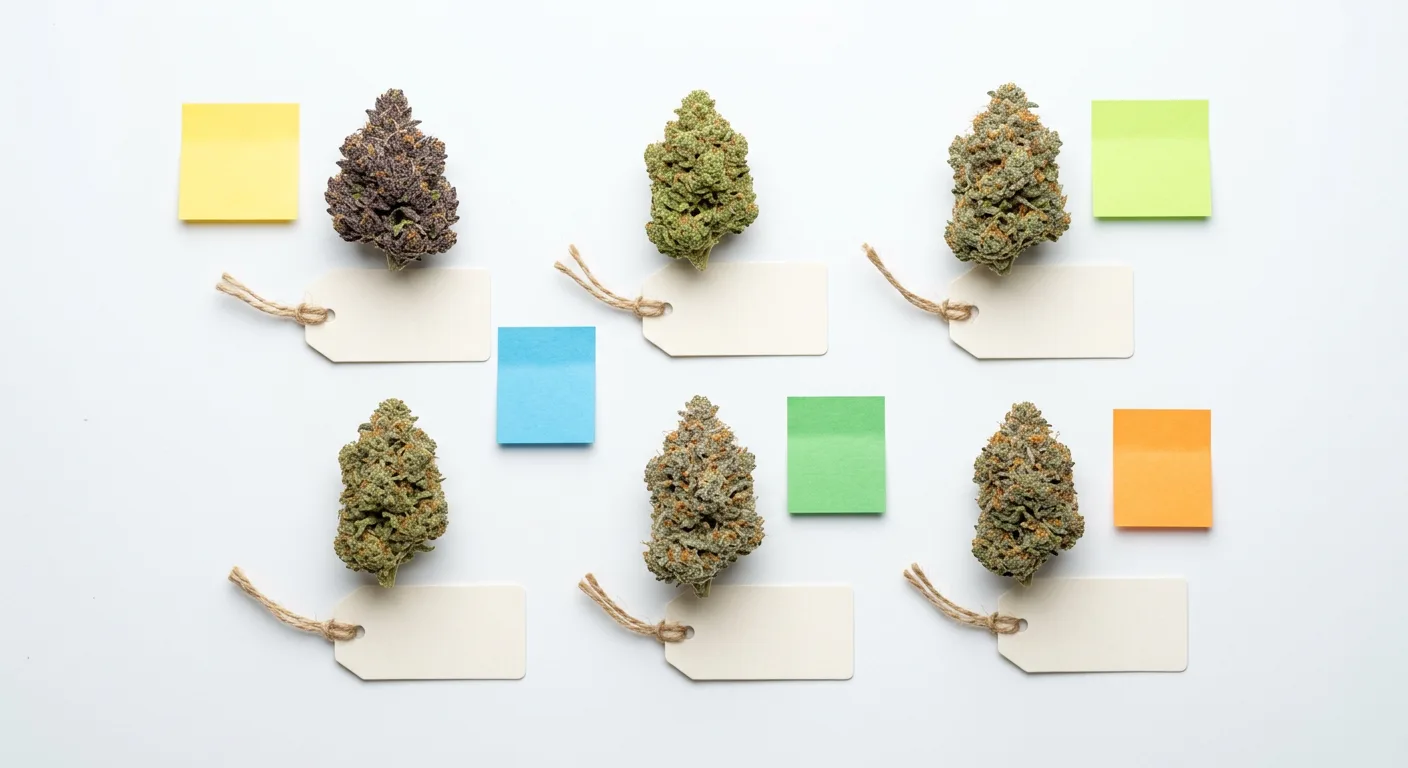
This is not a strain popularity list. Every strain below is selected based on cannabinoid profile and terpene chemistry that aligns with the 5-HT pathway science covered in this article. THC range, CBD presence, and dominant terpenes are the three selection criteria.
Top Strains: Balanced THC/CBD or Moderate THC with Serotonergic Terpenes
Harlequin (not in our catalog — widely available industry strain)
A landmark high-CBD strain with a roughly 5:2 CBD:THC ratio (~10–15% CBD, 5–7% THC). Dominant terpenes include myrcene and pinene. Minimal THC-driven serotonin disruption, strong CBD-mediated 5-HT1A potential. The benchmark strain for anxiety-focused CBD applications. Effects: clear-headed, calming, functional. Grow traits: moderate yield, mold-resistant, 9-week flower.
ACDC (widely available industry strain)
Extreme CBD expression (16–24% CBD, under 1% THC in top phenotypes) with a rich terpene profile including myrcene and pinene. The near-absence of THC eliminates the dose-response anxiety paradox entirely. Pure 5-HT1A engagement without any competing CB1 amygdala activation. Grow traits: slightly finicky in humid conditions, rewarding pheno hunt.
Purple Power Feminized (10% THC)
The lowest-THC option in our catalog, sitting comfortably below any documented serotonin-suppression threshold. Purple phenotypes frequently express elevated linalool content (the lavender-scented terpene with direct 5-HT1A and 5-HT3 activity). The anthocyanin expression correlates with cooler flowering conditions that also preserve volatile terpene fractions. An underrated option for mood-sensitive growers who want minimal anxiety risk.
Tangerine Haze Feminized (18% THC)
A limonene-dominant citrus sativa at a manageable 18% THC. The citrus terpene profile suggests potential 5-HT1A activity from both the limonene fraction and any CBD present. At responsible dose levels, the sativa-leaning cerebral effect plus limonene's documented serotonin and dopamine-elevating properties in animal models make this a strong mood-support candidate. Grow traits: tall structure, longer 11-week flower, high terpene yield under LED.
Cannatonic (widely available industry strain)
One of the most-studied mood-support strains, with 1:1 CBD:THC ratios in the best phenotypes (approximately 8–12% each). The balance provides simultaneous CB1 mood activation and 5-HT1A buffering. Effects: gentle euphoria, significant anxiety reduction, clear-headed. Grow traits: moderate difficulty, photoperiod, approximately 9-week flower.
Swiss Miss Feminized (15% THC)
At 15% THC, Swiss Miss sits in the "low-dose range" where indirect serotonin elevation from CB1 disinhibition is plausible without the high-dose suppression risk. The Swiss genetics contribute a cleaner terpene profile with less myrcene heaviness than kush-dominant alternatives, making it more functional for daytime mood support. Grow traits: beginner-friendly, compact structure, reliable yields.
Ringo's Gift (widely available industry strain)
Named after CBD pioneer Lawrence Ringo, this 20:1 CBD:THC strain can reach 20%+ CBD with minimal intoxication. The extremely high CBD level maximizes 5-HT1A engagement potential. For growers who want the highest possible serotonergic CBD activity in a cannabis strain, this is the genetic benchmark. Grow traits: moderate difficulty, requires careful pheno selection to find high-CBD expressions.
Cookies Kush Feminized (18% THC)
A moderate-THC hybrid with a terpene profile rich in caryophyllene and linalool. While caryophyllene operates primarily through CB2 receptors, the linalool fraction adds direct serotonergic activity. The 18% THC ceiling keeps it within manageable dose-response territory. Effects: relaxing, mood-brightening, sociable at moderate doses. Grow traits: compact, high resin, 8–9 week flower.
Strains to Approach With Caution for Mood Support
These strains have excellent genetic reputations but pharmacological profiles that work against serotonin-pathway mood optimization:
- Quantum Kush (30% THC, no CBD) — highest anxiety paradox risk of any strain in this catalog
- Purple Kush (27% THC) — excellent for sleep but high anxiety risk for mood-sensitive users at typical doses
- Black Widow (26% THC) — potent and effective at micro-doses, but zero error margin for serotonin disruption
Use our edible dosage calculator to map THC milligram totals when consuming these higher-potency strains. Staying under 5mg THC per dose in edible form is significantly more protective for serotonin pathway stability than consuming the same strain via combustion, where titration is harder.
Serotonin Syndrome: The Risk You Need to Know
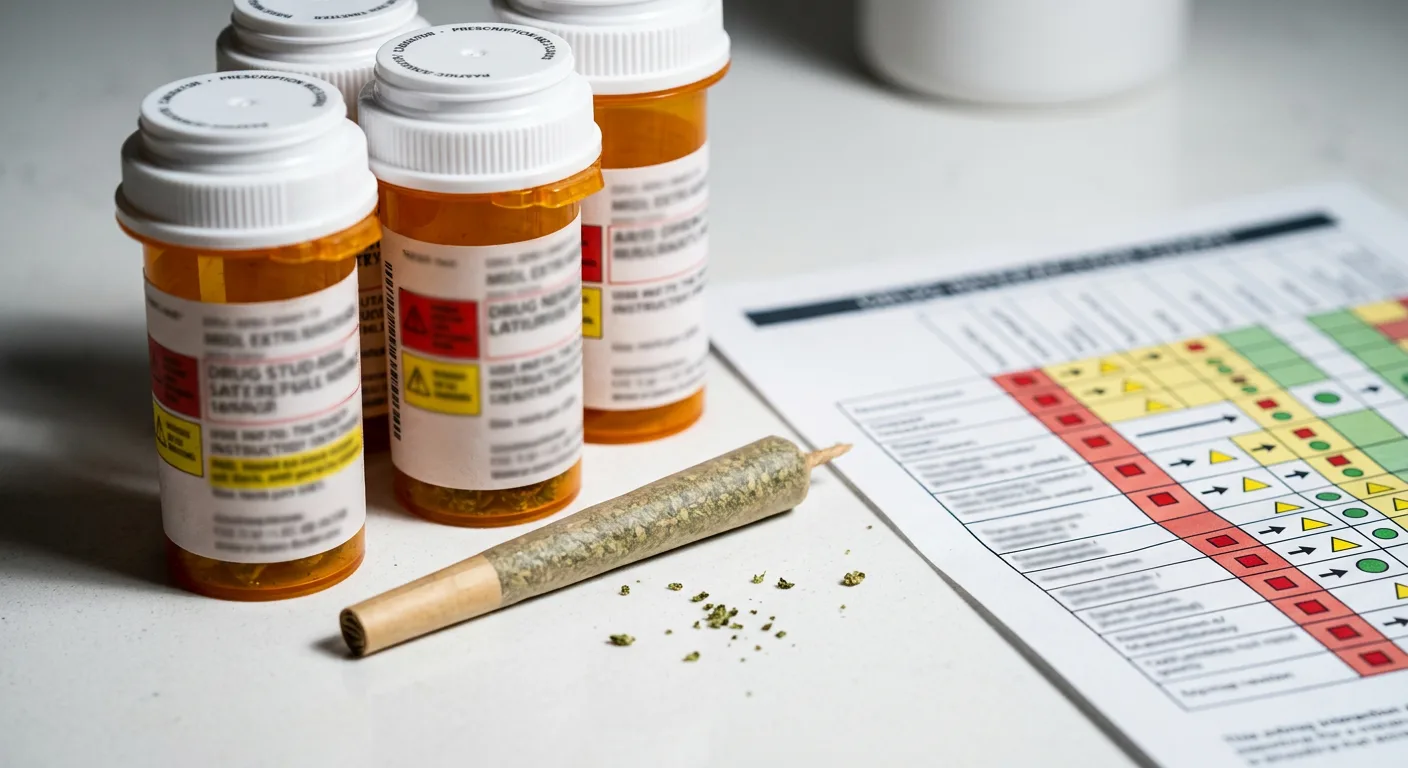
Serotonin syndrome is a potentially dangerous condition caused by excess serotonergic activity in the nervous system — typically from combining multiple serotonin-active substances. It ranges from mild (shivering, diarrhea) to severe (muscle rigidity, fever, seizures, death in extreme cases). Understanding the risk in the context of cannabis is essential for anyone combining cannabis with prescription medications.
Does Cannabis Cause Serotonin Syndrome?
Cannabis alone — including high-CBD preparations — is considered extremely low risk for serotonin syndrome. CBD's partial agonism at 5-HT1A is a buffered, ceiling-effect interaction that does not produce the sustained serotonin overflow seen in dangerous drug combinations. There are no confirmed published case reports of serotonin syndrome caused by cannabis alone.
However, the risk profile changes significantly in the context of drug combinations:
- SSRIs + High-dose CBD: CBD inhibits CYP2D6 and CYP3A4 liver enzymes, potentially increasing plasma levels of SSRIs like fluoxetine or paroxetine. Higher SSRI levels combined with CBD's direct 5-HT1A activity theoretically elevates serotonergic tone. Low-risk in healthy adults but worth monitoring with a physician.
- MAOIs + Cannabis: Monoamine oxidase inhibitors dramatically increase serotonin availability. Adding THC (which may transiently elevate serotonin at low doses) or CBD to MAOI therapy warrants careful clinical supervision.
- Tramadol + Cannabis: Tramadol has serotonergic activity; case reports of serotonin syndrome have been documented with tramadol alone, and any additional serotonergic input warrants caution.
- Triptans + High-dose CBD: Triptans are 5-HT1B/1D agonists; the combination with 5-HT1A-active CBD is theoretically low risk but poorly studied.
If you take any serotonin-active prescription medication — SSRIs, SNRIs, MAOIs, triptans, or tramadol — consult your prescribing physician before adding cannabis to your routine. This is especially important for high-dose CBD protocols. Drug-drug interactions through CYP enzyme inhibition are real and can affect medication plasma levels even if the cannabis itself is well-tolerated.
Practical Guidance: Dosing Cannabis for Serotonin Mood Support
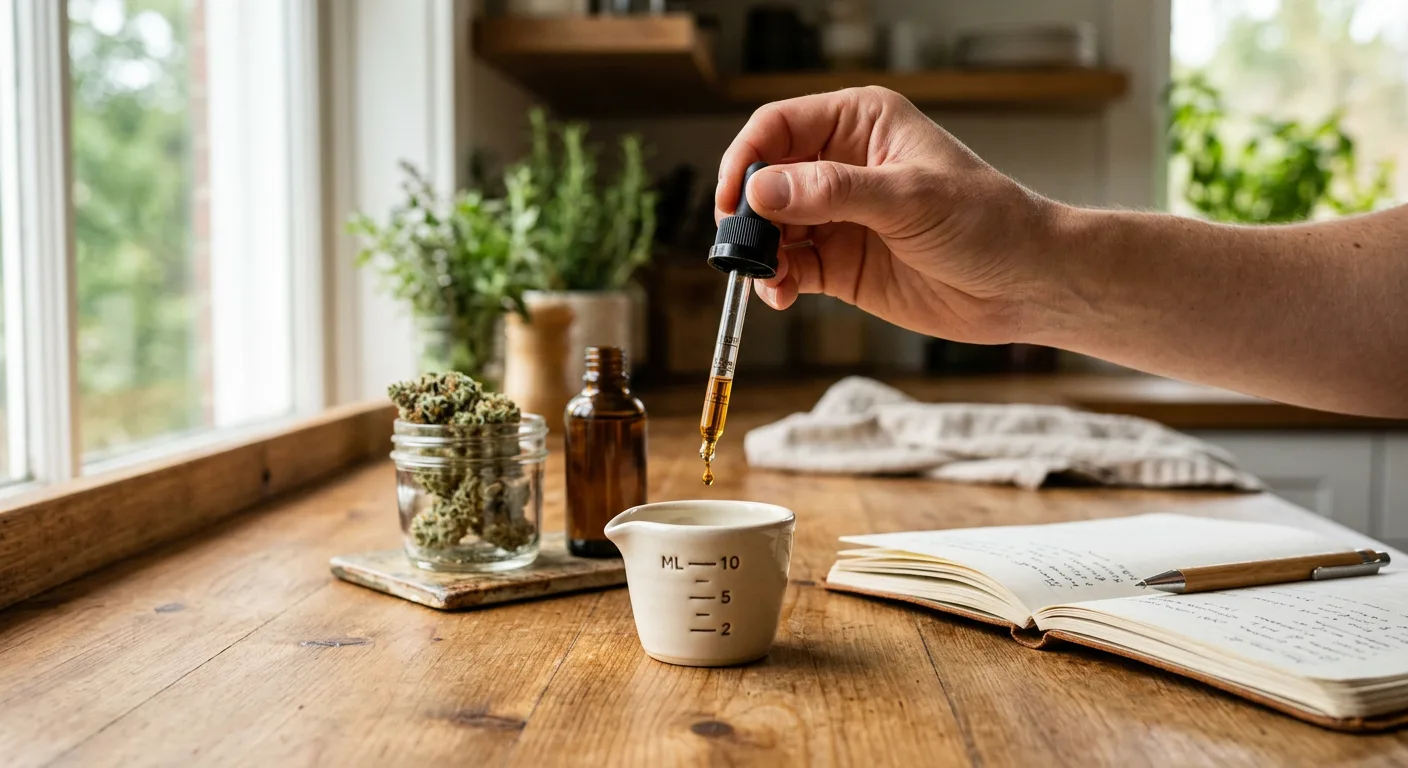
The receptor science converges on a clear practical framework. Here is a step-by-step approach for cannabis consumers interested in serotonin-pathway mood support, based on the pharmacology covered in this guide.
Start with Strain Selection, Not Dose
Choose a strain with meaningful CBD content or moderate THC (under 18%) and documented linalool or limonene terpene expression. The pharmacological foundation matters more than consumption technique. High-CBD or balanced strains like Cannatonic, Harlequin, or Purple Power provide the most predictable 5-HT1A engagement.
Microdose THC-Dominant Strains
If using a higher-THC strain, keep doses small and build slowly. The serotonin-elevating window for THC appears to be at low-to-moderate CB1 activation — roughly 2–5mg THC in edible form, or 1–2 light inhalations from dried flower. Use our edible dosage calculator to track milligram totals precisely.
Preserve Terpenes in Your Grow and Consumption Method
Linalool and limonene both degrade rapidly with heat. Keep grow room temperatures under 26°C in late flower, cure slowly at 60–65% RH, and consume at lower vaporization temperatures (160–185°C / 320–365°F) to preserve serotonin-relevant terpene fractions. Our drying and curing guide covers terpene preservation in detail.
Consider Timing for Mood Applications
Limonene-dominant strains are better suited for daytime mood support (uplifting, functional). Linalool-dominant strains often lean more sedative, making them better for evening anxiety or sleep-adjacent mood support. See our guide on cannabis for insomnia for the sleep-mood interface.
Monitor and Adjust with Tolerance Breaks
Chronic heavy cannabis use can desensitize CB1 receptors and potentially alter baseline serotonin tone over time. Periodic tolerance breaks help reset receptor sensitivity and maintain the mood-relevant dose-response window. Our tolerance break guide provides structured reset protocols.
For growers planning their next run with mood outcomes in mind, our grow planner tool can help you map genetics, timing, and harvest targets into a structured cultivation calendar.
The most evidence-supported approach to cannabis for serotonin-pathway mood support combines: moderate or high CBD content, THC below 20%, linalool or limonene-dominant terpene expression, low-to-moderate dosing, and terpene-preserving cultivation and consumption practices. No single element works in isolation — the whole cannabinoid and terpene profile matters.
What the Research Still Cannot Tell Us
Honest evidence grading requires acknowledging gaps, not just strengths. The serotonin-cannabis field has significant limitations that affect how confidently we can make clinical claims:
- Most mechanistic studies are preclinical: Rodent models of anxiety reliably show CBD's 5-HT1A activity and linalool's serotonergic effects, but translating these to human brain pharmacology involves significant uncertainty.
- Human dose equivalence is unclear: The CBD doses producing 5-HT1A effects in rodent models do not translate linearly to human equivalents. Effective human doses likely vary significantly by individual.
- Chronic effects are understudied: Nearly all mechanistic studies use acute dose protocols. How chronic CBD or balanced-strain use affects 5-HT1A receptor expression and serotonin system adaptation over months is largely unknown.
- Whole-plant studies are rare: Almost all receptor-level research uses isolated CBD or THC. The combined effect of CBD + THC + linalool + limonene together on serotonin pathways has not been studied systematically.
- Individual variation is large: 5-HT1A receptor density, baseline serotonin tone, and CYP enzyme metabolism vary enormously between individuals, meaning the same strain and dose can produce dramatically different serotonergic outcomes.
This science is promising and directionally clear — but it is not yet precise enough to prescribe specific strains for specific mood disorders. What it provides is a rational framework for making better-informed choices within cannabis's existing consumer context.
For the broader neuroscience of how cannabis interacts with brain chemistry beyond serotonin, our comprehensive endocannabinoid system guide covers the full receptor landscape. Our article on anandamide — the brain's natural THC also provides crucial context for understanding why cannabis mood effects are so closely tied to the ECS-serotonin interface.
Frequently Asked Questions
Does cannabis affect serotonin?
Yes. Both CBD and THC interact with the serotonergic system through different mechanisms. CBD acts as a direct partial agonist at 5-HT1A receptors at higher doses, contributing to its anxiolytic effects independent of the endocannabinoid system. THC modulates serotonin indirectly through CB1 receptor activation in the raphe nucleus — with low doses potentially increasing serotonin output and high doses potentially suppressing it, producing the well-known anxiety paradox of high-THC cannabis.
Is CBD like an SSRI antidepressant?
CBD is functionally closer to buspirone than to an SSRI. SSRIs work by blocking serotonin reuptake transporters to increase serotonin availability. CBD directly activates 5-HT1A receptors at higher doses — the same receptor buspirone targets — without significantly inhibiting serotonin reuptake. CBD also engages the endocannabinoid system simultaneously, making it pharmacologically distinct from both SSRIs and buspirone, though some functional mood outcomes overlap.
Why does high-dose THC cause anxiety and paranoia?
At high doses, THC may suppress serotonin synthesis in the raphe nucleus while simultaneously overstimulating CB1 receptors in the amygdala — the brain's threat-detection center. This dual mechanism disrupts the serotonergic anxiety buffer in the hippocampus and prefrontal cortex while amplifying fear perception, producing anxiety and paranoia. This is why ultra-high-THC strains above 25% with no CBD consistently show higher rates of anxiety and adverse mood reactions.
Which terpenes in cannabis interact with serotonin receptors?
Linalool (floral, lavender-scented terpene) acts as a 5-HT1A agonist and 5-HT3 antagonist in preclinical research, sharing the same primary anxiolytic receptor target as CBD. Limonene (citrus terpene) has demonstrated 5-HT1A agonist activity in animal models, with studies showing it increases serotonin and dopamine in the prefrontal cortex. Both terpenes contribute to the anxiety-reducing effects of strains where they are dominant, though direct human evidence specifically for cannabis-derived terpenes is still limited.
What is the best cannabis strain for serotonin mood support?
Strains with high CBD content (Harlequin, ACDC, Ringo's Gift, Cannatonic), balanced 1:1 CBD:THC ratios, or moderate THC under 18% combined with linalool or limonene terpene dominance provide the best pharmacological alignment with serotonin-pathway mood support. Ultra-high-THC strains above 25% with no CBD carry the highest risk of serotonin pathway disruption and anxiety. Purple Power (10% THC, linalool-rich) and Tangerine Haze (18% THC, limonene-dominant) are practical options that align well with the evidence.