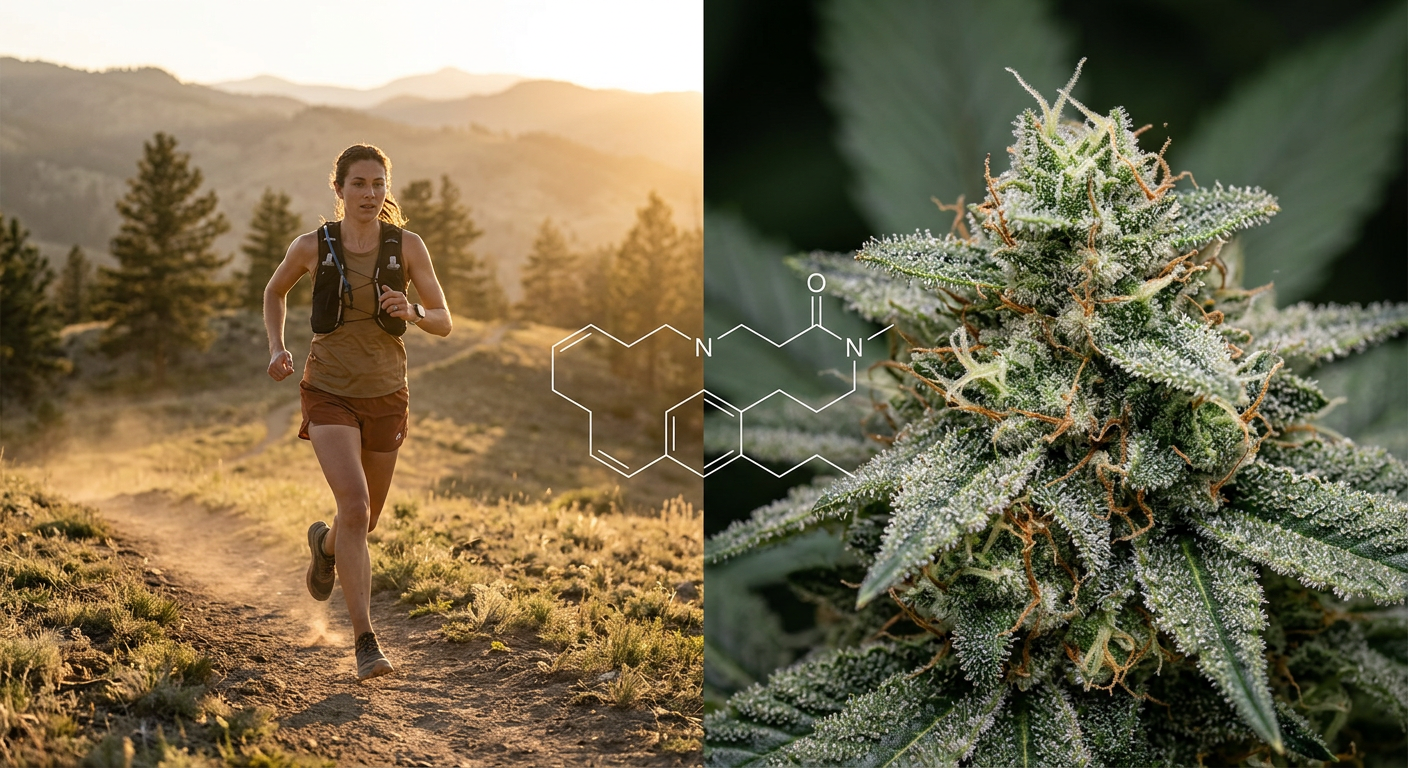
Forget everything you think you know about how cannabis affects appetite. While THC sends most people hunting for snacks at midnight, THCV strains cannabis produces do something almost paradoxical — they tell the brain to stop eating. Tetrahydrocannabivarin (THCV) is structurally close to THC, yet at low-to-moderate doses it behaves like THC's pharmacological opposite: it suppresses hunger, sharpens mental clarity, and delivers a clean, stimulating energy that fades without the typical cannabis sedation.
This guide breaks down exactly what THCV is, how the plant biosynthesizes it, which strains contain the most, and — critically — how growers can deliberately cultivate cannabis with elevated THCV content. This is the gap competitors don't fill: connecting the science directly to seed selection and growing technique.
What Is THCV? The Cannabinoid That Works Backwards
THCV, or tetrahydrocannabivarin, is a naturally occurring phytocannabinoid found in the cannabis plant. At low doses, THCV suppresses appetite, increases energy, and may reduce anxiety — nearly the opposite of what most THC-dominant strains do. At high doses, it becomes mildly psychoactive, sharing some effects with THC.
THCV shares the same core molecular architecture as THC — a dibenzopyran ring system with a hydroxyl group — but carries a shorter 3-carbon propyl side chain instead of THC's 5-carbon pentyl chain. Two fewer carbon atoms. Completely different pharmacological behavior. It's a reminder that in cannabis chemistry, subtle molecular differences create dramatically different biological outcomes.
Unlike CBD, which is non-intoxicating at all doses, THCV operates on a dose-dependent spectrum. Researchers classify it as a homolog of THC, but growers and consumers who seek it out are typically after that clean, food-suppressing, alert-but-calm effect window at lower intake levels.
THCV is not a weaker version of THC — it's a structurally distinct cannabinoid with its own receptor pharmacology. Understanding that difference is the foundation for deliberately growing and using it.
THCV Biosynthesis: How the Plant Makes It
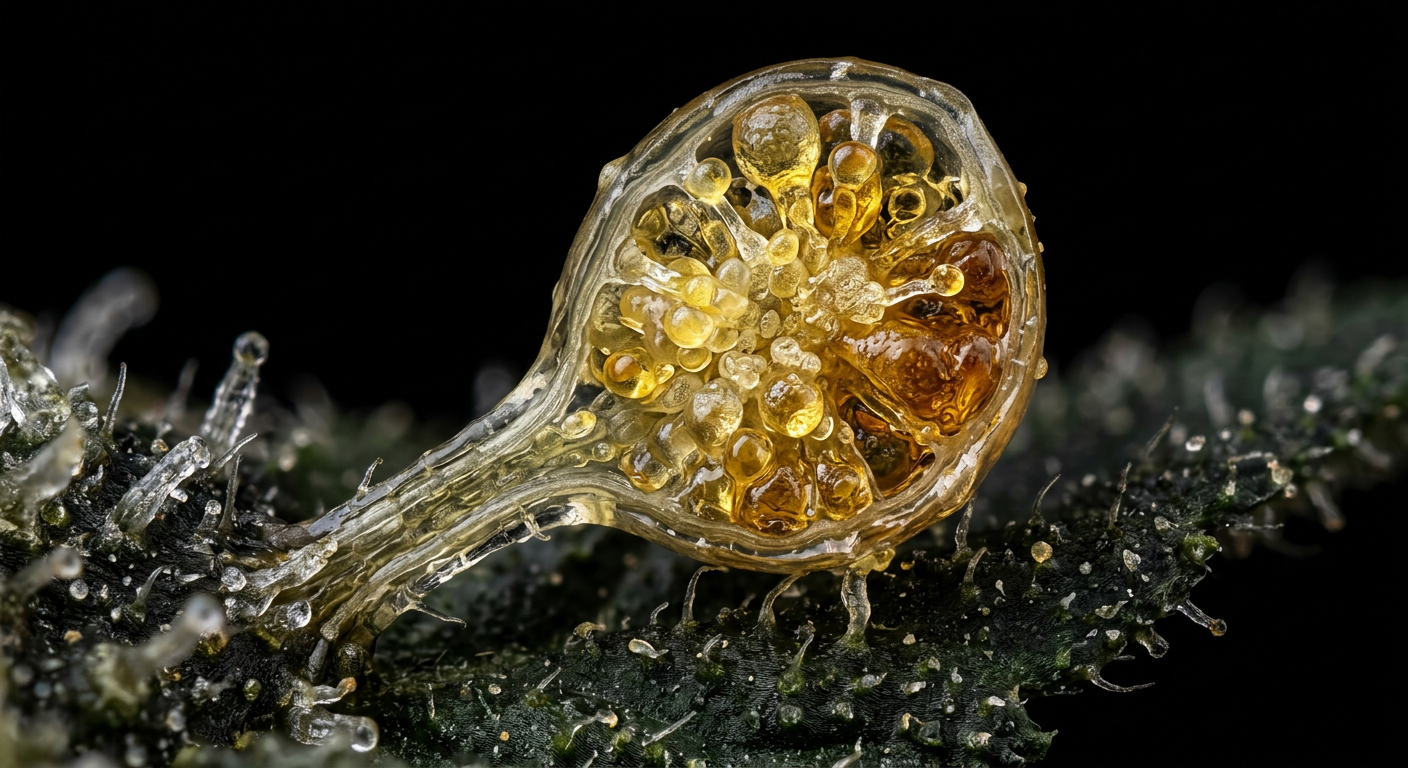
THCV forms through a separate biosynthetic pathway from THC, starting from a different precursor molecule. Understanding this pathway explains why some plant genetics — and some growing environments — naturally produce more THCV than others.
The cannabis plant builds most of its major cannabinoids from a common precursor: CBG (cannabigerol). However, THCV originates not from CBG but from its propyl-chain equivalent, CBGV (cannabigerovarin). To understand why, you need to trace the pathway one step earlier.
The THCV Biosynthetic Pathway
Cannabis synthesizes THCV through this sequence:
- Divarinolic acid — a propyl-chain analog of olivetolic acid, serves as the starting substrate
- CBGVA (cannabigerovarinic acid) — divarinolic acid condenses with geranyl pyrophosphate via the enzyme OLS (olivetol synthase variant), forming CBGVA
- THCVA (tetrahydrocannabivarinic acid) — THCV synthase converts CBGVA into THCVA inside secretory trichomes
- THCV — heat (decarboxylation) removes the carboxyl group from THCVA, converting it into active THCV
The ratio of propyl-chain to pentyl-chain cannabinoids in any given plant is primarily a genetic trait. Strains that evolved in equatorial African environments over centuries developed higher divarinolic acid throughput — which is why Durban Poison and similar landraces are naturally THCV-rich. This biosynthetic machinery is described in detail in our guide on cannabis trichome biology and cannabinoid production.
Because THCVA and THCA share the same enzymatic infrastructure but compete for different substrate pools, the genetic expression of divarinolic acid pathway enzymes determines how much THCV a plant can produce. This is why selective breeding — targeting plants with high THCVA output — is the most effective long-term strategy for growers who want consistently high THCV expression.
For a deeper look at how the endocannabinoid system interacts with these compounds once consumed, the endocannabinoid system pillar guide covers receptor biology comprehensively.
THCV vs THC: Key Pharmacological Differences
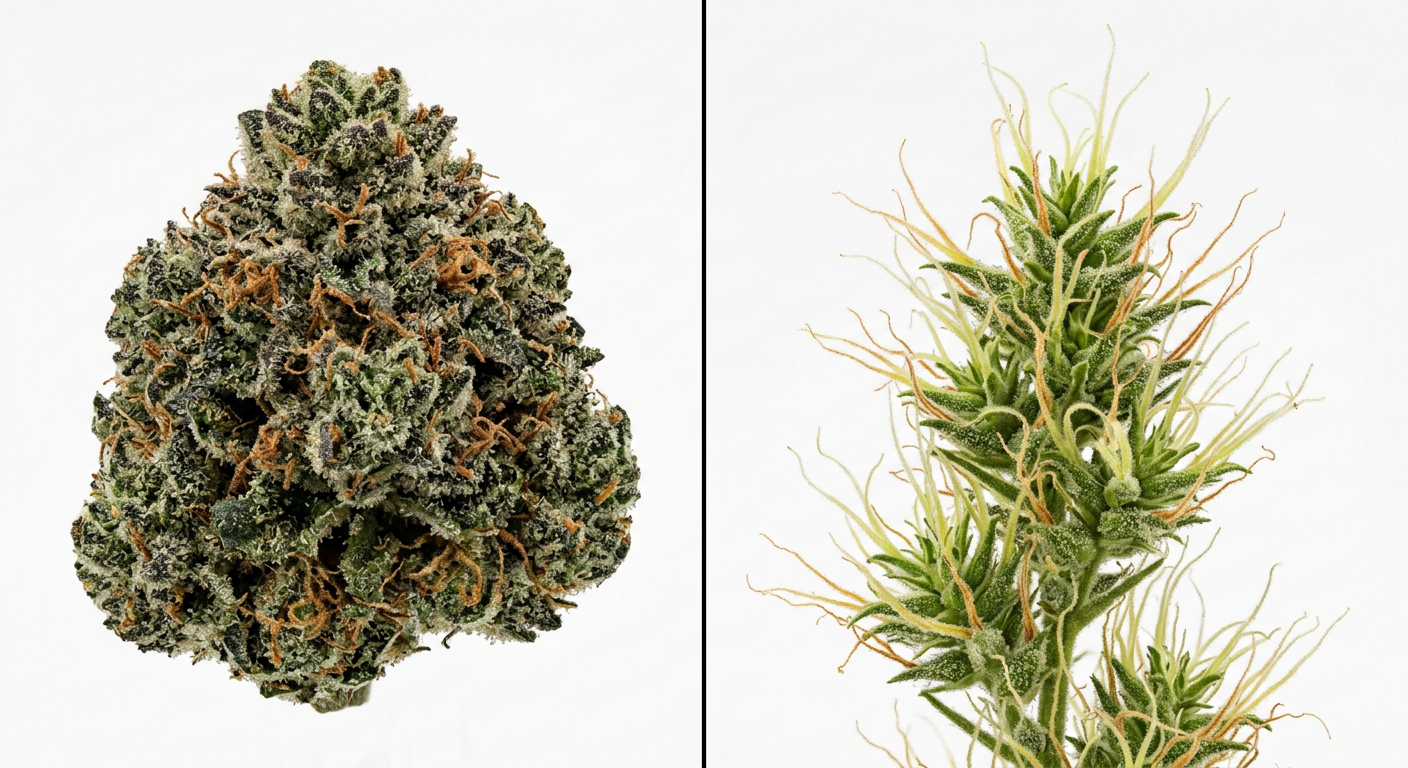
THCV and THC both interact with CB1 and CB2 cannabinoid receptors, but they do so in fundamentally different ways depending on dose. At low doses, THCV blocks CB1 receptors — acting as an antagonist — which suppresses appetite and prevents the intoxicating effects of THC. At high doses, it flips to a partial agonist role, producing mild psychoactivity.
This dual behavior makes THCV pharmacologically unique among major cannabinoids. It also explains why THCV-rich strains feel so different from high-THC cultivars — the receptor interaction is genuinely opposite in many common-use scenarios.
| Property | THC | THCV |
|---|---|---|
| Side chain length | 5-carbon (pentyl) | 3-carbon (propyl) |
| CB1 action (low dose) | Full agonist | Antagonist (blocks) |
| CB1 action (high dose) | Full agonist | Partial agonist |
| Appetite effect | Increases (munchies) | Suppresses |
| Energy effect | Variable (often sedating) | Stimulating, uplifting |
| Anxiety | Can increase at high doses | May reduce anxiety |
| Duration of effect | 2–4 hours | Shorter (~1–2 hours) |
| Psychoactivity | High | Low (at typical doses) |
| Biosynthetic precursor | CBGA | CBGVA |
THCV's short window of effect and appetite-suppressing action make it particularly interesting for daytime use. Growers targeting this cannabinoid are cultivating a fundamentally different pharmacological product — not just a low-THC alternative.
The shorter duration of THCV's effects also matters practically. Where THC lingers for hours, THCV tends to peak and clear faster, which many users describe as a more functional, productivity-compatible experience. See our related guide on best cannabis strains for energy and focus for strain recommendations that pair well with this effect profile.
Why African Landrace Sativas Lead in THCV Content
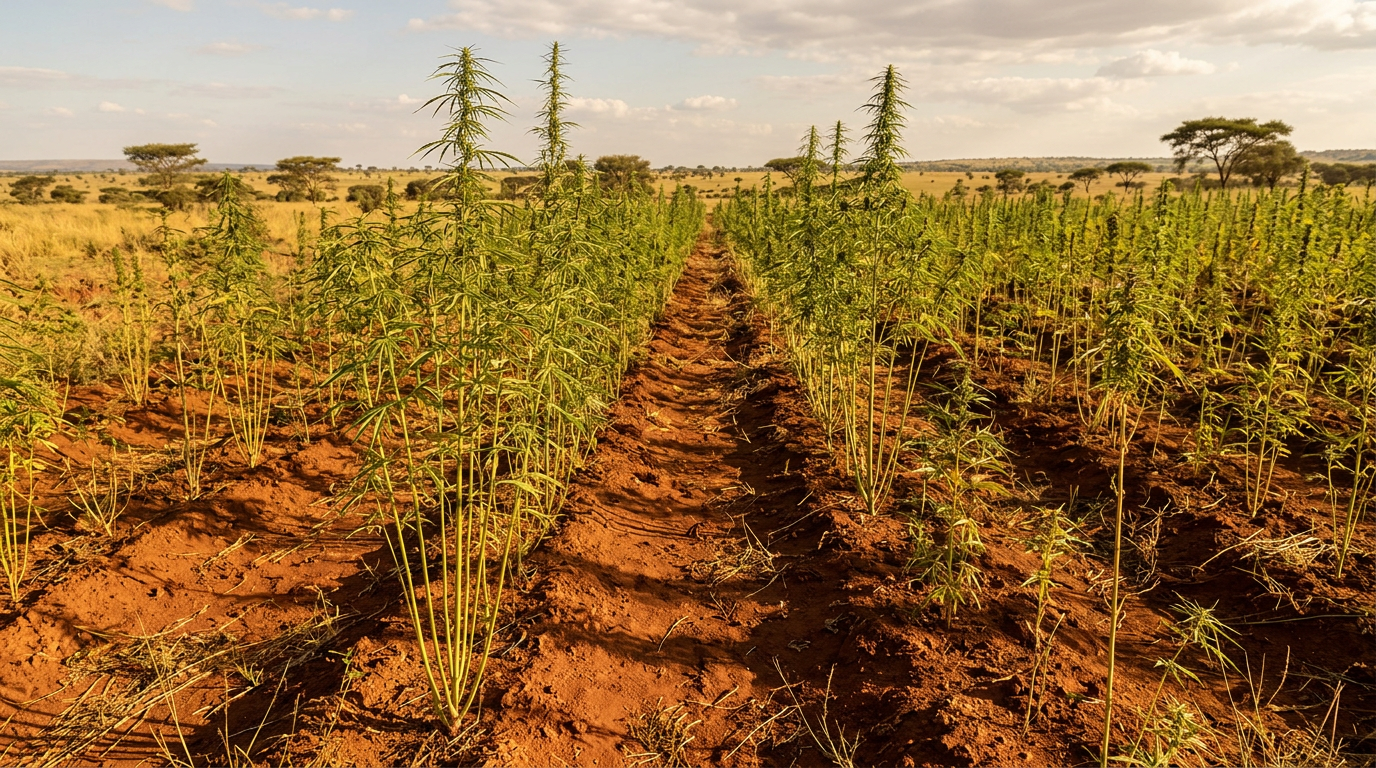
African landrace sativas contain the highest natural THCV levels of any cannabis population on earth. Strains from South Africa, Central Africa, and East Africa — particularly those from equatorial and subtropical regions — consistently test between 1–4% THCV, with elite phenotypes occasionally exceeding that range.
The reason is evolutionary. African cannabis populations evolved under intense ultraviolet radiation, high temperatures, and seasonal drought conditions over hundreds of generations of natural selection. These stressors appear to have selected for enhanced propyl-chain cannabinoid production — including THCV — possibly as a UV-protective and metabolic response within trichome chemistry.
Key African Landrace Regions and Their THCV Potential
- South Africa (Durban region): Produces Durban Poison, consistently the most cited THCV-rich strain in Western markets. Narrow leaves, vigorous sativa growth, 1–4% THCV in tested samples.
- Central Africa (Congo region): Red Congolese originates here. Long flowering time, complex terpene profile, THCV levels comparable to Durban Poison.
- East Africa (Malawi/Tanzania): Malawi Gold and related landraces show measurable THCV alongside high THC. Our Malawi Gold Autoflower carries this equatorial African lineage.
- West Africa: Less studied commercially but emerging as a source of THCV-containing genetics.
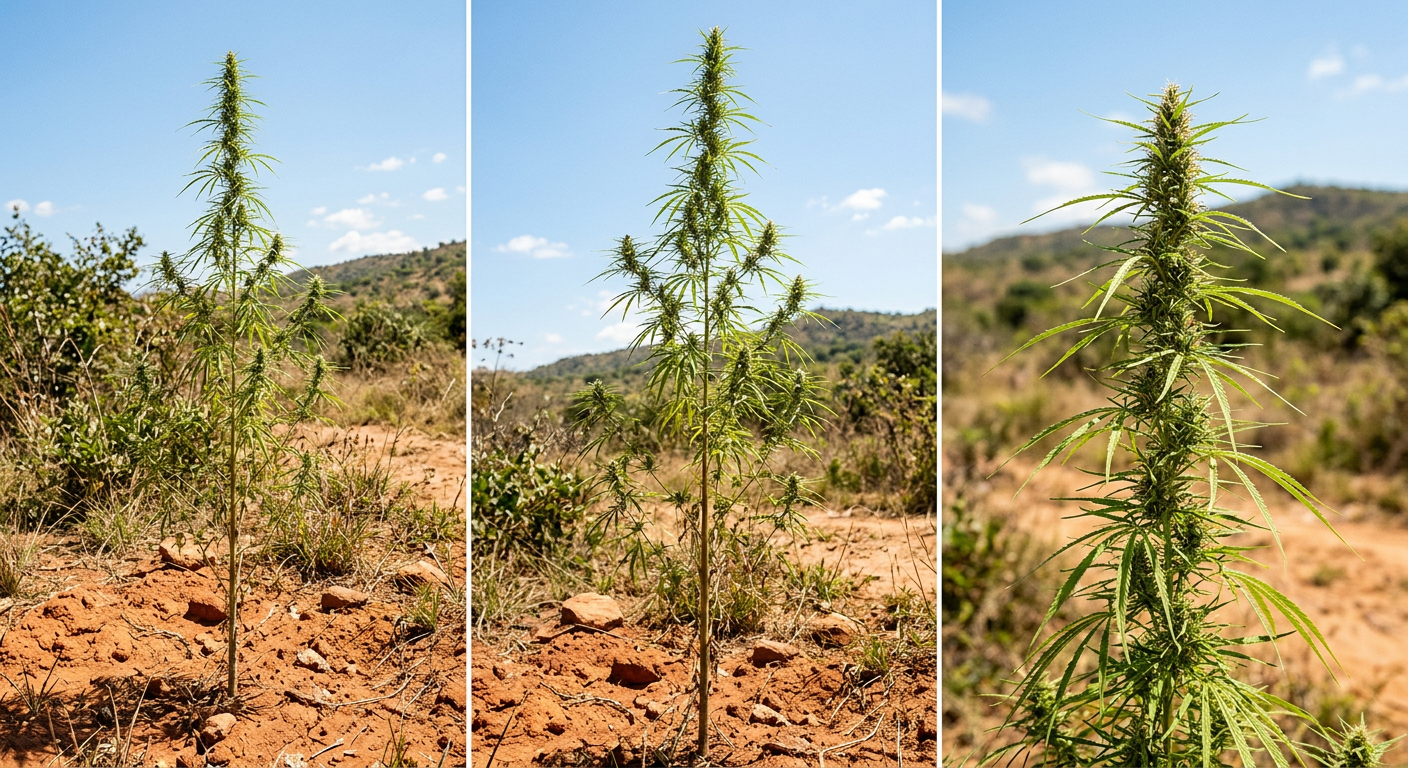
The narrow leaf drug (NLD) morphology typical of these African sativas is itself a visual signal of propyl-chain cannabinoid potential. Breeders who cross African landrace males into hybrid lines often preserve measurable THCV in F1 and F2 generations, though it dilutes without back-crossing to THCV-rich parents.
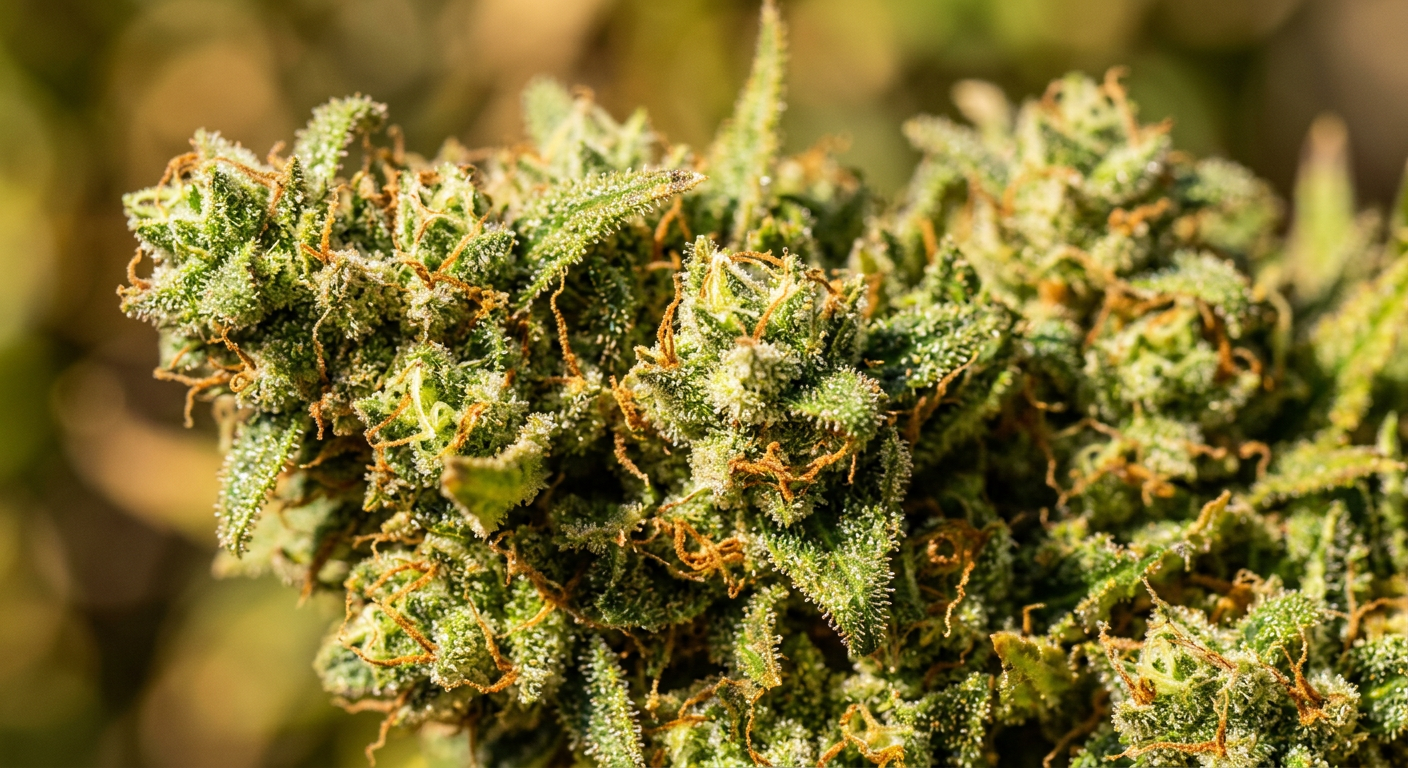
When evaluating African sativa genetics for THCV potential, look for phenotypes with tight trichome coverage on thin, elongated calyxes. The resin distribution pattern in these plants differs from indica-dominant cultivars — less clumping, more individual gland density.
For more on landrace genetics and their preservation, our guide on heirloom cannabis strains covers the history and genetic value of these foundational varieties in depth.
THCV Strain Comparison: Ranked by Cannabinoid Content
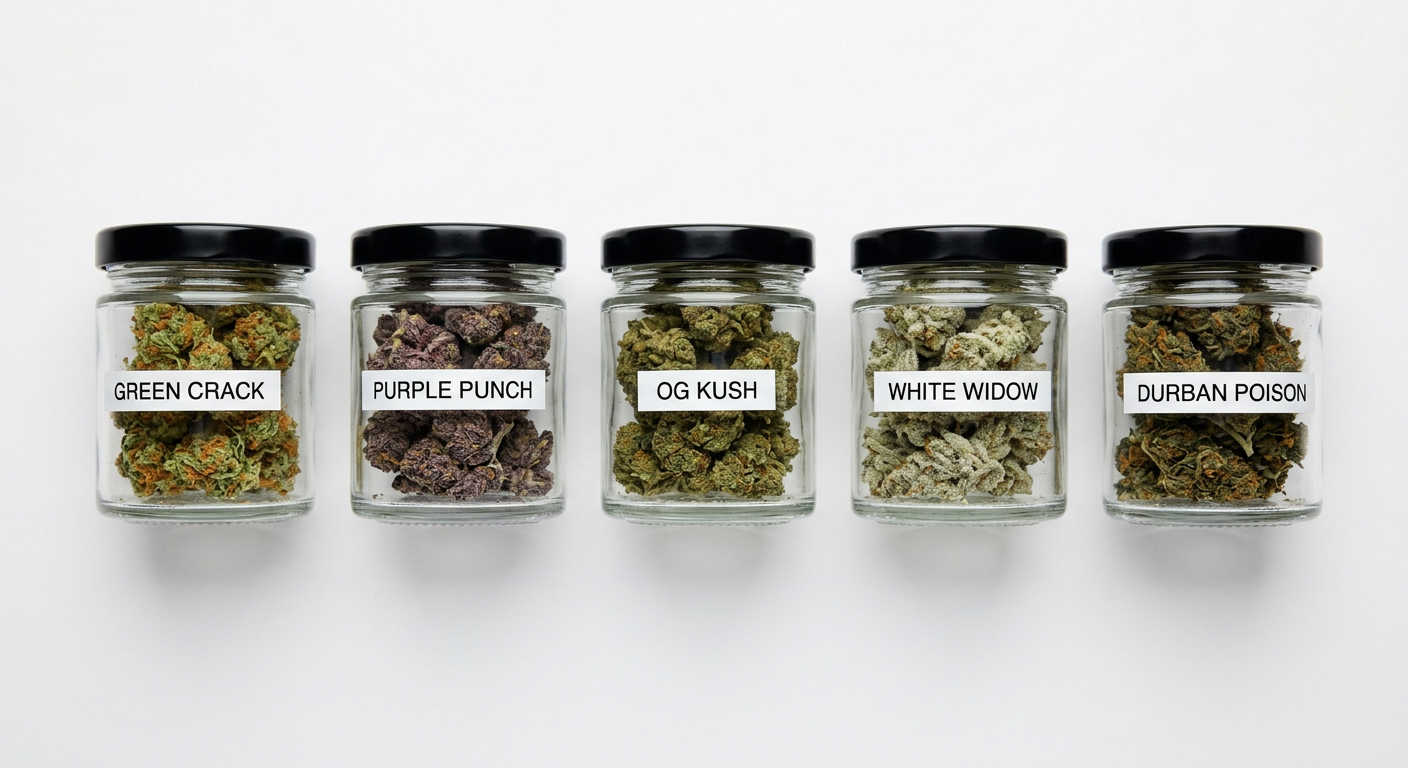
The strains with the highest THCV content share African sativa heritage or have been purpose-bred to amplify propyl-chain cannabinoid expression. The table below compiles data from published lab analyses and breeder testing to give growers a realistic baseline for what to expect.
Note that THCV percentages vary by phenotype, growing environment, and harvest timing. The figures below represent consistent ranges from multiple tested samples, not single-batch outliers.
| Strain | Est. THCV % | THC % | Dominant Terpenes | Effect Profile | Genetics Origin |
|---|---|---|---|---|---|
| Durban Poison | 1–4% | 16–20% | Terpinolene, Ocimene, Myrcene | Energetic, focused, appetite-neutral | South African landrace |
| Red Congolese | 1–3% | 18–22% | Terpinolene, Pinene, Caryophyllene | Clear-headed, stimulating, creative | Central African landrace |
| Pineapple Purps | 3–4% | 12–15% | Ocimene, Terpinolene, Linalool | Uplifting, social, appetite-suppressing | African sativa hybrid |
| Doug's Varin | 6–7%+ | 6–12% | Terpinolene, Pinene, Ocimene | Alert, focused, minimal psychoactivity | Purpose-bred THCV line |
| Power Plant | 0.5–1.5% | 18–22% | Terpinolene, Myrcene, Pinene | Energetic, cerebral, functional | South African hybrid |
| Willie Nelson | 0.5–1.5% | 20–22% | Terpinolene, Ocimene, Caryophyllene | Uplifting, creative, functional | Vietnamese/Highland Thai hybrid |
| Malawi Gold | 0.5–2% | 12–14% | Terpinolene, Pinene, Myrcene | Long-lasting, cerebral, energetic | East African landrace |
| Tangerine Haze | 0.3–1% | 17–19% | Terpinolene, Limonene, Ocimene | Uplifting, citrusy, active | Haze hybrid (sativa-dominant) |
| Super Lemon Haze | 0.2–0.8% | 22–23% | Terpinolene, Caryophyllene, Ocimene | Energetic, happy, daytime | Haze hybrid |
| Jack Herer | 0.2–0.5% | 18–23% | Terpinolene, Pinene, Myrcene | Focused, euphoric, creative | Northern Lights x Haze hybrid |
Lab-reported THCV percentages can vary significantly between testing facilities and even between harvests from the same plant. Treat published figures as directional ranges, not guaranteed outputs. Always request a Certificate of Analysis (COA) when purchasing THCV-focused products.
Our Willie Nelson Feminized Seeds and Tangerine Haze Feminized Seeds carry sativa-dominant genetics that include terpinolene-heavy terpene profiles commonly associated with THCV-producing lineages. While neither is a purpose-bred THCV strain, their genetics reflect the sativa heritage that makes THCV expression more likely than in indica-dominant cultivars.
The Malawi Gold Autoflower is the catalog's closest direct link to African landrace THCV genetics — a rare opportunity to grow equatorial African sativa heritage in an autoflowering format accessible to indoor growers.
How to Maximize THCV When Growing Cannabis
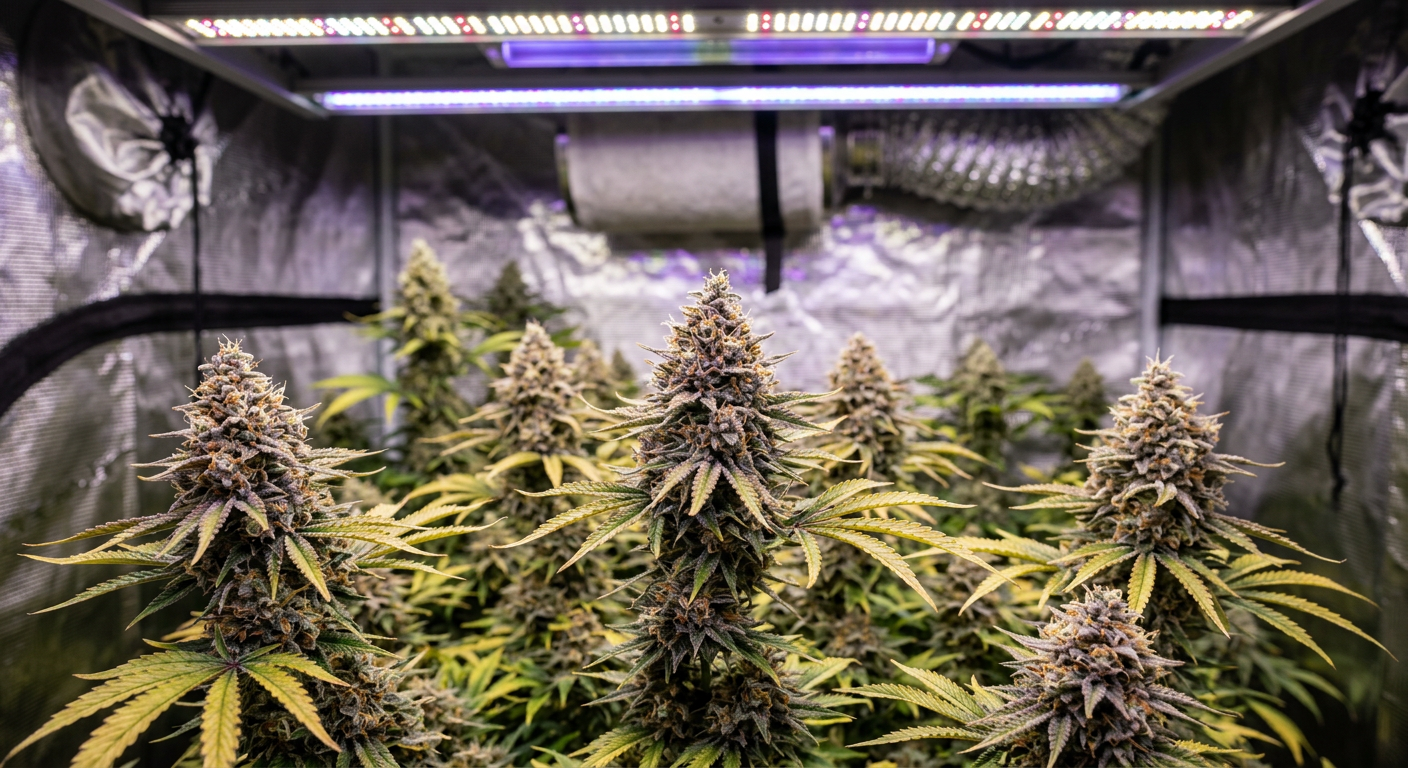
Genetics set the ceiling for THCV production — but environment determines how close you get to that ceiling. Specific cultivation techniques that mimic the stressful conditions of THCV-rich African environments can measurably upregulate propyl-chain cannabinoid biosynthesis in the right genetic backgrounds.
The following methods are supported by plant stress physiology research and practical breeder observation. Apply them to strains that already have THCV-producing genetics — applying stress to an indica-dominant cultivar won't create THCV where the biosynthetic pathway barely exists.
Step-by-Step: THCV Cultivation Protocol
Start with the Right Genetics
Select seeds from African landrace, equatorial sativa, or purpose-bred THCV lines. No cultivation technique compensates for a genetic baseline with low THCV potential. This is the single highest-leverage decision you'll make.
Supplement with UV-B Light in Late Flower
Introduce UV-B lighting (315–280nm range) during weeks 5–8 of flower, for 2–4 hours per day. UV-B exposure stresses the plant's surface tissues and triggers increased trichome and secondary metabolite production — including enhanced cannabinoid synthesis in THCV-capable genetics. Use dedicated UV-B bars mounted 30–45cm above the canopy.
Apply Temperature Swings in Late Flower
Replicate the day/night temperature swings of African highland environments by allowing a 10–15°C (18–27°F) drop overnight during the final 3 weeks before harvest. Keep daytime temps at 26–28°C, drop nights to 15–17°C. This thermal stress amplifies terpene and cannabinoid production without causing tissue damage.
Taper Water in the Final 10–14 Days
Mild drought stress in the final two weeks signals the plant to concentrate resin production. Allow the growing medium to dry slightly more between waterings — but do not stress to the point of wilting, which damages trichomes and reduces overall quality.
Harvest Timing: Slightly Earlier Than Peak THC
THCVA degrades and converts to other compounds later in the maturation window. For maximum THCV preservation, harvest when approximately 10–20% of trichomes have turned amber — slightly earlier than you'd harvest for maximum THC. Confirm with our harvest timing guide for trichome assessment details.
Dry and Cure at Lower Temperatures
Decarboxylation converts THCVA to THCV — and continues slowly at room temperature during drying. A slower, cooler cure (15–18°C, 55–62% RH for 3–4 weeks) preserves more total cannabinoid content, including THCV, by slowing degradation pathways.
If you're running UV-B supplementation for the first time, start with just 1 hour per day and monitor plant response over 3–4 days before extending the exposure window. Some sativa-dominant phenotypes show sensitivity to UV-B at higher intensities. Track your environment closely with our VPD calculator to keep conditions stable while introducing light stress.
Nutrient Considerations for THCV Expression
Secondary metabolite production — including THCV biosynthesis — tends to increase when macronutrient availability is slightly reduced in late flower. Running a moderate phosphorus-to-potassium finish with reduced nitrogen from week 5 onward supports the plant's shift toward resin production rather than vegetative tissue maintenance.
- Reduce nitrogen from week 4–5 of flower onward
- Maintain potassium at moderate-to-high levels through week 7
- Silica supplements (0.5–1ml/L) may support UV-stress tolerance
- Avoid over-watering — oxygen-rich root zones support terpene and cannabinoid synthesis
- Consider humic acid additions to improve micronutrient uptake
Use the nutrient calculator to build a feed schedule that transitions smoothly from growth to THCV-maximizing finishing conditions.
Choosing Seeds with High THCV Lineage: What to Look For
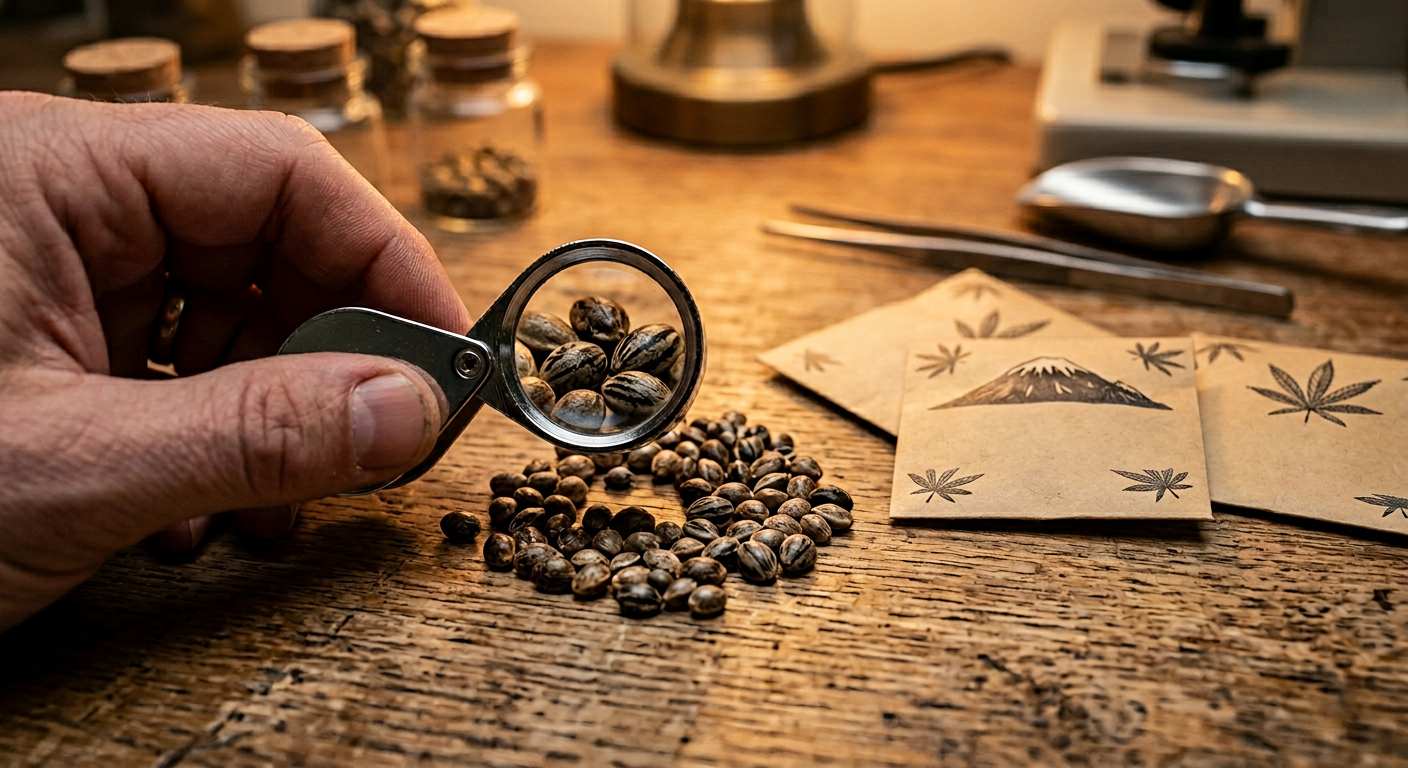
Choosing seeds with known THCV-rich lineage is the most reliable path to growing cannabis with meaningfully elevated THCV content. No amount of environmental optimization compensates for choosing a cultivar with little to no THCV biosynthetic capacity built into its genome.
Here's what to evaluate when selecting seeds for THCV potential:
Lineage Indicators
- African landrace ancestry: Any strain with Durban Poison, Malawi, Swazi, or Congolese parentage carries a meaningful probability of THCV expression
- Equatorial sativa crosses: Haze-family strains (which have Southeast Asian and African ancestry) often carry trace-to-moderate THCV, especially terpinolene-dominant phenotypes
- Terpinolene-dominant terpene profiles: There is a documented correlation between terpinolene as a primary terpene and elevated THCV — not causal, but a useful proxy when lab data isn't available
- Purpose-bred THCV cultivars: Strains bred specifically for THCV — like Doug's Varin and Royal THCV — have been selectively pressure-tested for propyl-chain cannabinoid output
Indica-dominant and OG Kush-lineage strains almost universally produce less than 0.2% THCV regardless of growing technique. If THCV is your target, starting with these genetics and trying to stress-induce THCV is not an effective strategy.
Genetic Stability and Phenotype Consistency
Landrace genetics can show high phenotypic variation — meaning THCV percentage can differ significantly between plants from the same seed pack. For commercial THCV production, stabilized F6+ lines or purpose-bred strains offer far more predictable output. For home growers, running multiple phenotypes and selecting the most THCV-expressive individual for cloning is the traditional approach.
Our guide on cannabis strain stability and genetic consistency covers how to evaluate seed line stability before purchasing.
Catalog Picks with THCV-Adjacent Lineage
For growers who want to explore African sativa and equatorial genetics as a starting point for THCV cultivation:
- Malawi Gold Autoflower — East African landrace heritage in an auto format. THC 13%, with measurable THCV potential from its genetic background.
- Swazi Feminized Seeds — Southern African landrace sativa. THC 18%, terpinolene-forward profile, among the most direct African connections in the catalog.
- Tangerine Haze Feminized Seeds — Haze-family sativa dominant with terpinolene and ocimene dominance. THC 18%, equatorial sativa influence in its lineage.
- Willie Nelson Feminized Seeds — Southeast Asian sativa cross with similar terpene architecture to THCV-producing strains. THC 22%.
- Super Lemon Haze Feminized Seeds — Haze-dominant with terpinolene profile. THC 23%, sativa genetics with trace THCV potential.
When growing African sativa genetics indoors, plan for long flowering times (10–14 weeks) and significant vertical stretch. Use the grow planner tool to map your tent space and light schedule before you start — these strains reward preparation.
THCV's Potential Therapeutic Applications
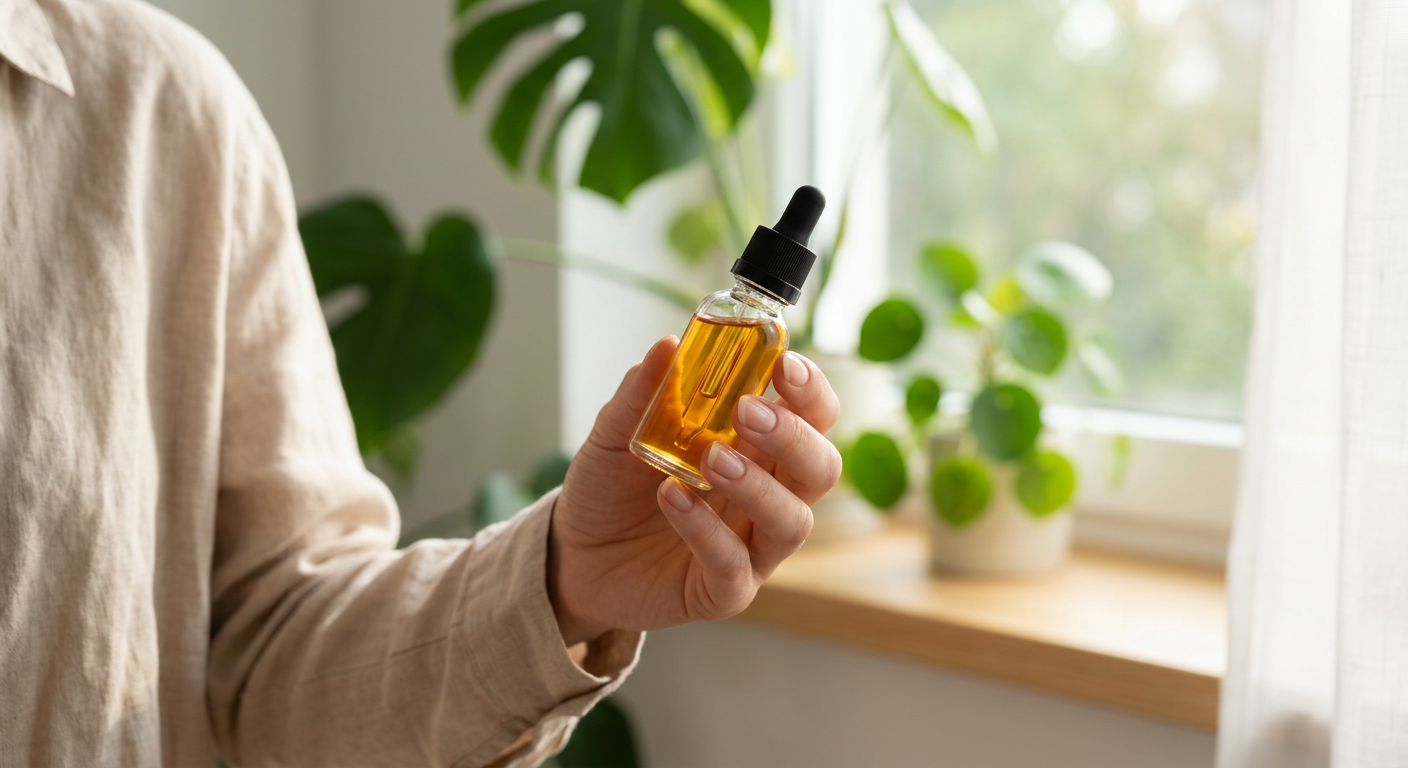
THCV has attracted serious scientific attention for several potential therapeutic applications. The research is still early-stage — most studies are preclinical or involve small human trials — but the results have been compelling enough to accelerate interest in cultivating high-THCV cannabis strains commercially.
Appetite Suppression and Metabolic Effects
A 2016 study published in Diabetes Care found that THCV improved glycemic control in type 2 diabetes patients, reducing fasting plasma glucose and improving β-cell function. Separately, animal studies have shown that THCV reduces food intake and body weight by antagonizing CB1 receptors in the hypothalamus — the brain region responsible for hunger signaling.
The appetite-suppressing effect appears most pronounced at low-to-moderate THCV doses before the threshold where partial CB1 agonism begins to counteract it. This makes consumption method and dose control significant factors in how THCV affects hunger for any individual user.
Neurological and Anxiolytic Potential
Preclinical research has explored THCV's potential in managing panic responses and anxiety, particularly in models of PTSD-related hyperactivity in the amygdala. Unlike CBD, which works largely through non-cannabinoid receptor pathways, THCV's anxiolytic potential appears partly mediated through CB1 antagonism at specific brain regions.
- Parkinson's disease: Animal models show THCV may reduce tremors and support neuroprotection via CB2 receptor activation
- Epilepsy: Early data suggests anti-convulsant properties, though less established than CBD's role
- Bone health: CB2 receptor activation by THCV has been linked to stimulation of bone nodule formation in preclinical research
THCV as a THC Modulator
One of the most practically interesting aspects of THCV is its interaction with THC when both are present. At doses where THCV acts as a CB1 antagonist, it can reduce the intoxicating intensity of THC — effectively moderating the high. This creates a different experience profile in strains that naturally contain both cannabinoids at meaningful levels, like Durban Poison.
This modulating relationship is part of the broader entourage effect — where cannabinoids and terpenes interact to shape the overall experience beyond what any single compound would produce alone.
The Future of THCV: Breeding and Commercial Potential
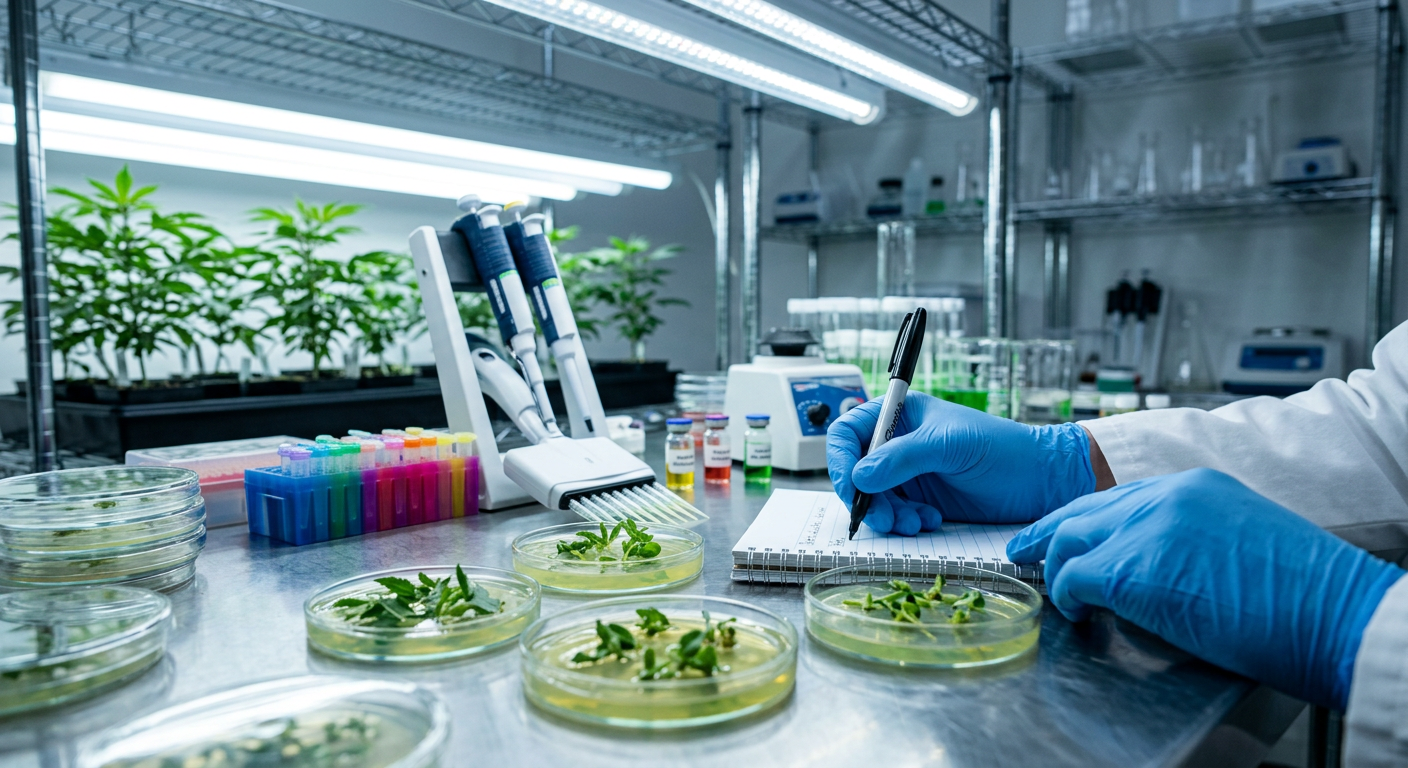
THCV is transitioning from a niche curiosity to a commercially viable target cannabinoid. Three forces are driving this shift: improving analytical testing that makes THCV quantification routine, growing consumer demand for functional and non-sedating cannabis products, and advances in selective breeding that make high-THCV expression more consistent across seed generations.
Selective Breeding Strategies for THCV
Commercial breeders are currently pursuing three main pathways to increase THCV expression:
- Landrace selection and stabilization: Taking the highest THCV-expressing phenotypes from African landrace populations and back-crossing to stabilize the trait over multiple generations
- F1 hybrid creation: Crossing THCV-rich African sativa males with high-yielding, commercially desirable females to transfer THCV potential into more grower-friendly genetics
- Genomic-assisted selection: Using genetic markers associated with the divarinolic acid pathway to screen seedlings for THCV potential before they flower — dramatically accelerating the selection process
The THCV synthase enzyme has been identified and characterized at a molecular level. This means future marker-assisted breeding could select for THCV-expressive individuals in the seedling stage — before any resource investment in flowering. Expect this to become standard practice in professional breeding programs within the next 5 years.
Market Positioning for THCV-Rich Cultivars
The commercial cannabis market is moving rapidly toward differentiation beyond THC percentage. THCV offers a compelling differentiated value proposition: a cannabinoid with a distinct effect profile, growing research backing, and strong consumer interest in the wellness segment. Cultivators who establish reliable THCV production now position themselves ahead of what is likely to become a significant market category.
- Daytime wellness products with appetite-neutral or suppressing effects
- Pre-workout and active lifestyle cannabis products
- Functional beverages and tinctures targeting metabolic health
- High-THCV flower as a premium SKU in dispensary menus
- Extracts and concentrates preserving THCV for targeted dosing
For growers planning to optimize yield alongside THCV content, the yield estimator tool and grow cost calculator help you model the economics before committing to a full crop of long-flowering sativa genetics.
THCV and the Endocannabinoid System: Why the Receptor Story Matters
THCV's effects cannot be fully understood without a working knowledge of endocannabinoid receptor pharmacology. The CB1 and CB2 receptors that THCV interacts with are part of a complex regulatory network that governs appetite, mood, pain perception, immune function, and energy metabolism.
CB1 receptors — found densely in the brain and central nervous system — are the primary target for THCV's appetite-suppressing and psychoactive-modulating effects. When THCV occupies CB1 binding sites at low doses without activating them, it prevents both endogenous cannabinoids and THC from triggering the signaling cascades responsible for hunger and intoxication.
CB2 receptors, concentrated in immune tissue and peripheral organs, appear to be partial agonist targets for THCV — which may explain some of the anti-inflammatory and bone health signals seen in preclinical research. Understanding the full architecture of this system — and how THCV fits within it — is covered comprehensively in our endocannabinoid system guide, which serves as the scientific foundation for all cannabinoid content on this site.
THCV's value isn't just as a standalone cannabinoid — it's as a modulator of the entire endocannabinoid system. Strains that combine meaningful THCV with THC create a fundamentally different receptor-level experience than THC alone. That's the real story behind why African sativas feel different.
For growers interested in the science behind other minor cannabinoids, our guide on CBN and the sleep cannabinoid provides a parallel deep-dive into another often-misunderstood member of the cannabinoid family.
Frequently Asked Questions
What does THCV do?
At low doses, THCV acts as a CB1 receptor antagonist — blocking appetite signals, boosting energy, and reducing some of THC's psychoactive intensity. At higher doses, it becomes a partial CB1 agonist and produces mild euphoria. Its effects are shorter-lasting than THC and are often described as clear-headed and functional. Research also suggests potential benefits for blood sugar regulation and anxiety reduction.
Which cannabis strains have the highest THCV content?
African landrace sativas consistently produce the highest THCV levels. Durban Poison leads in Western market availability, regularly testing at 1–4% THCV in well-selected phenotypes. Red Congolese and Malawi Gold are close competitors. Purpose-bred strains like Doug's Varin and Pineapple Purps can exceed 6% THCV but are harder to source as seeds. Haze-family sativas typically show trace THCV under 1%.
Can you grow cannabis with more THCV using stress techniques?
Yes — but only if the genetics already have THCV biosynthetic capacity. UV-B light supplementation during weeks 5–8 of flower, overnight temperature drops of 10–15°C in late flower, and mild water stress in the final 2 weeks before harvest can increase THCV expression in African sativa genetics. Stress techniques applied to indica-dominant cultivars with minimal THCV genetics will not produce meaningful results.
Does THCV help with weight loss?
THCV shows genuine appetite-suppressing properties through CB1 receptor antagonism, and a 2016 clinical trial found improvements in glycemic markers in type 2 diabetes patients. However, it is not a proven weight-loss treatment, and no cannabis strain should be positioned as a substitute for evidence-based weight management. Effects vary significantly between individuals, and dose, delivery method, and overall diet all play major roles.
Is THCV legal?
THCV occurs naturally in cannabis and is not specifically scheduled as a controlled substance in most jurisdictions — it falls under the broader cannabis regulation framework of each region. In places where cannabis is legal for medical or recreational use, THCV-containing products are typically legal alongside other cannabis products. In jurisdictions where cannabis remains illegal, THCV is subject to the same restrictions. Always confirm local regulations before cultivating or purchasing THCV-rich cannabis.