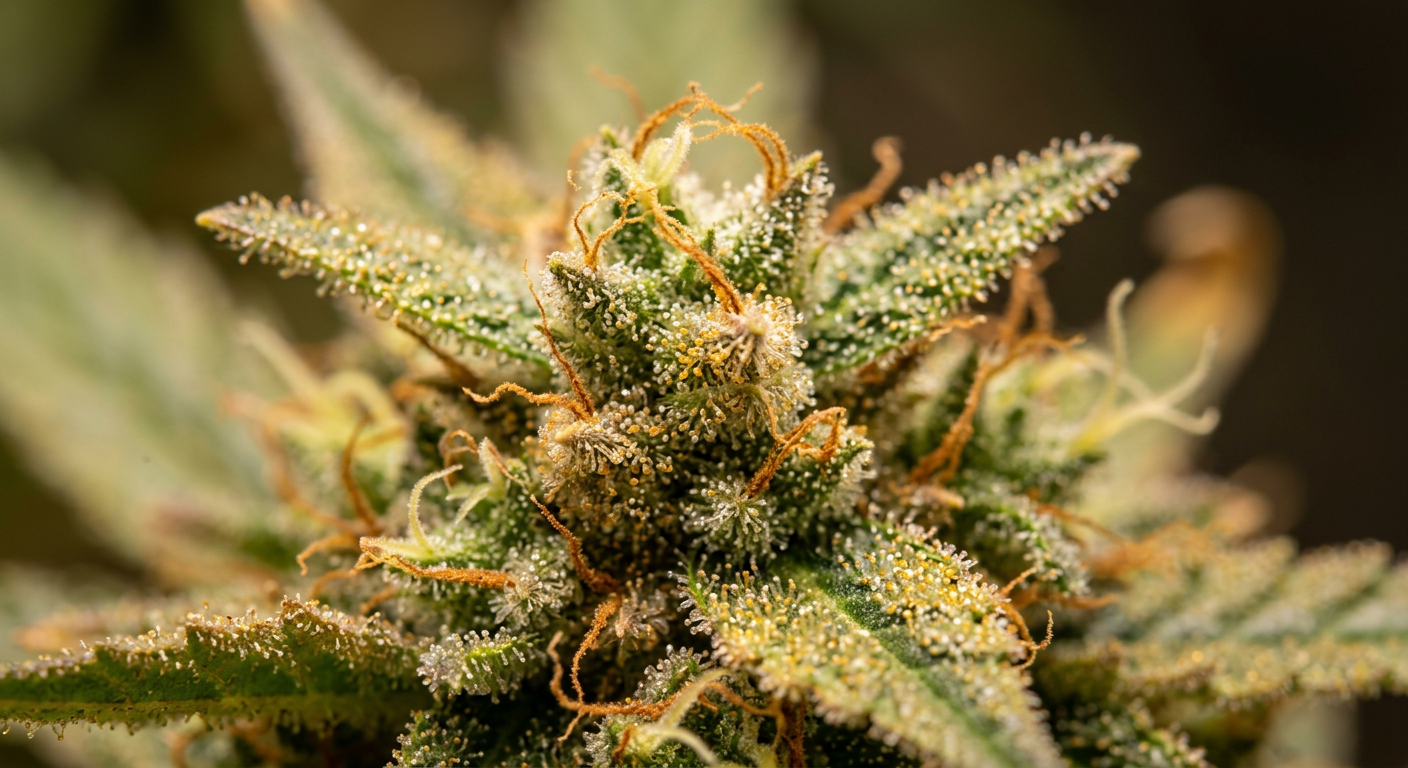
What if the cannabis plant contained a molecule that did the opposite of what THC does — suppressing appetite instead of triggering it, sharpening focus instead of fogging it, and energizing the body instead of sedating it? That molecule exists, and it's been hiding inside African landrace sativas for centuries. THCV strains cannabis cultivators are now deliberately breeding represent one of the most exciting frontiers in minor cannabinoid science — and most growers still have no idea how to find or grow them.
Tetrahydrocannabivarin (THCV) makes up less than 1% of cannabinoids in most commercial strains. But in the right genetics, it climbs above 4% — high enough to dramatically reshape the experience, the effects profile, and potentially the therapeutic value of your harvest. This guide covers everything: the biochemistry, the pharmacology, the best strains, and — critically — the cultivation techniques that push THCV production to its ceiling.
THCV vs THC: A Tale of Two Molecules
THCV and THC are structurally almost identical — but that small difference changes nearly everything. Where THC has a five-carbon (pentyl) side chain, THCV carries a three-carbon (propyl) side chain. Two fewer carbon atoms. Completely different pharmacological behavior.
At low-to-moderate doses, THCV blocks the CB1 receptor rather than activating it. This makes it an antagonist — the pharmacological opposite of THC at those receptor sites. The practical result: no hunger stimulation, reduced anxiety response, and a cleaner, more alert headspace.
THCV produces almost the opposite effects of THC at low doses. It suppresses appetite, boosts alertness, and may reduce anxiety — all driven by its role as a CB1 receptor antagonist rather than an agonist. At high doses, this relationship flips.
Key Differences at a Glance
- Appetite: THC increases appetite (CB1 agonist); THCV suppresses it (CB1 antagonist at low dose)
- Duration: THCV's high is significantly shorter — often half the length of THC's effects
- Psychoactivity: THCV is mildly psychoactive at moderate doses; non-psychoactive at trace doses
- Boiling point: THCV boils at 220°C vs THC's 157°C — relevant for vaporizer users
- Energy profile: THCV trends stimulating; THC trends relaxing to sedating depending on terpene context
- Anxiety: THCV may reduce anxiety where high-THC strains sometimes increase it
This distinction matters enormously for both consumers and cultivators. If you're growing THCV strains for their specific effect profile, you need genetics and techniques that favor THCVA expression — not just high-THC output. These are different targets requiring different strategies.
How THCV Forms in the Cannabis Plant: The Biosynthesis Pathway
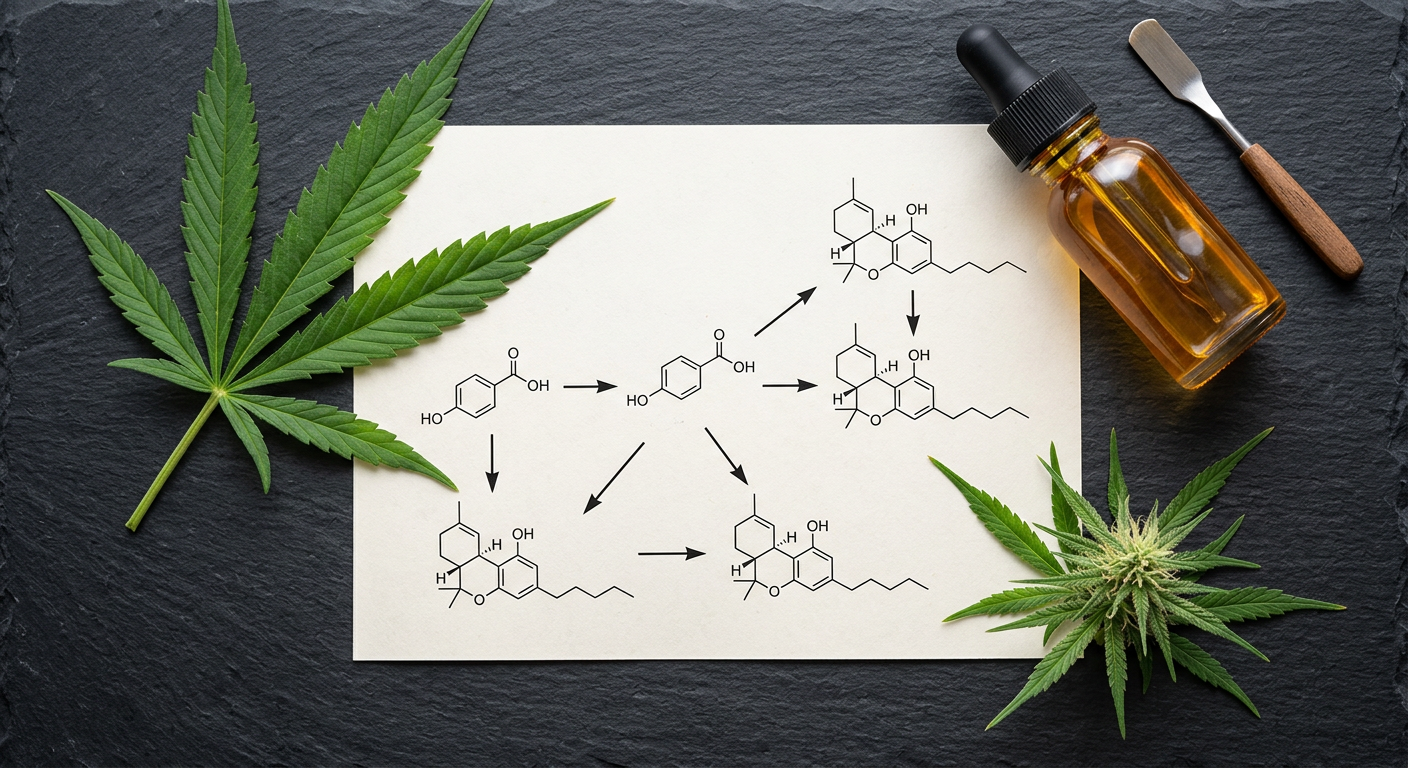
THCV doesn't appear by accident. It follows a distinct biosynthesis pathway that branches off from the standard cannabinoid production route — and understanding that pathway tells you exactly how to encourage more of it in your plants.
Standard cannabinoids like THC begin with CBGA (cannabigerolic acid), produced when olivetolic acid combines with geranyl pyrophosphate. THCV takes a parallel but separate route. Learn more about the full enzymatic process in our guide to cannabis trichome biology and cannabinoid production.
The THCV Biosynthesis Pathway: Step by Step
Divarinolic Acid Formation
Instead of olivetolic acid (a C6 starter unit), THCV synthesis begins with divarinolic acid — a shorter C4 starter unit. This single difference sets the entire pathway on a divergent course toward propyl-chain cannabinoids.
CBGVA Synthesis
Divarinolic acid combines with geranyl pyrophosphate via the enzyme CBGAS to produce CBGVA (cannabigerovarinic acid) — the propyl-chain equivalent of CBGA. Think of CBGVA as the 'mother cannabinoid' for the entire varin family.
THCVA Formation
The enzyme THCAS (tetrahydrocannabinolic acid synthase) acts on CBGVA to produce THCVA (tetrahydrocannabivaric acid) — the acidic, non-psychoactive precursor stored in the plant's trichome heads.
Decarboxylation to THCV
Heat or UV light removes the carboxyl group from THCVA, converting it to active THCV. This happens during drying, curing, or consumption — exactly as THCA converts to THC. At 220°C boiling point, THCV requires higher temperatures to vaporize than THC.
Science note: The ratio of divarinolic acid to olivetolic acid available in a plant's trichomes determines its THCV-to-THC ratio ceiling. This ratio is primarily genetic — which is why strain selection is the single most powerful tool for growing high-THCV cannabis. Environmental stressors can then push expression within that genetic ceiling.
This pathway connects directly to the broader endocannabinoid system. Understanding how THCV interacts with CB1 and CB2 receptors requires knowing that your endocannabinoid system evolved to use internally produced ligands — and plant cannabinoids like THCV slot into those same receptor sites in ways that can either mimic or block your body's own signaling.
THCV's Unique Receptor Pharmacology
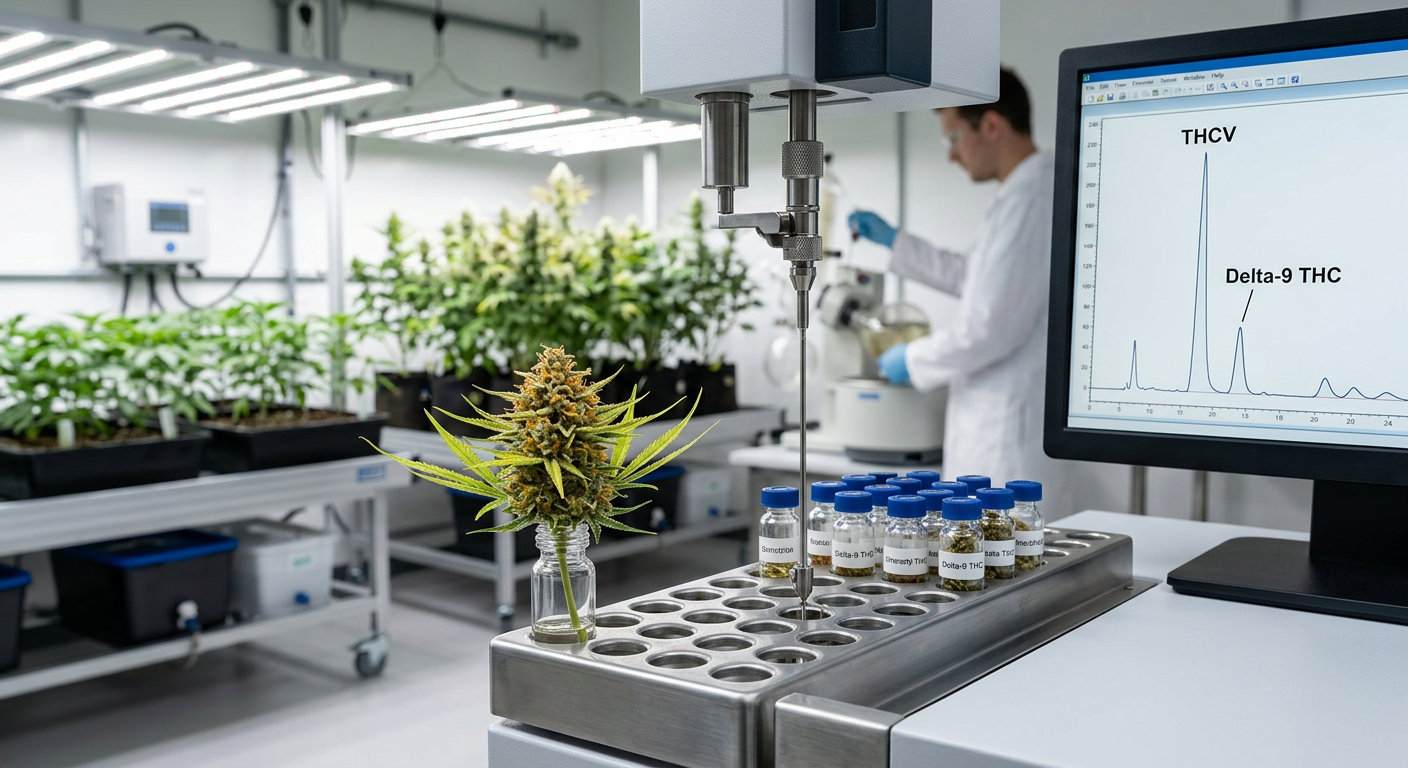
THCV's relationship with cannabinoid receptors is dose-dependent in a way that makes it genuinely unusual among phytocannabinoids. Most cannabinoids behave consistently across dose ranges — they're either agonists or antagonists at a given receptor. THCV switches modes.
At low doses (roughly below 10mg in human studies), THCV acts as a neutral CB1 antagonist. It occupies the receptor without activating it and blocks other agonists — including THC — from doing so. At higher doses, THCV transitions to partial agonist behavior, producing mild psychoactive effects similar to a lighter, shorter-lasting version of THC.
CB1 Receptor Effects
- Low dose antagonism: Suppresses appetite, reduces impulsive behavior, may shorten panic responses
- High dose partial agonism: Mild euphoria, altered sensory perception, time distortion
- THC interaction: THCV can blunt the intensity of THC's psychoactive effects when both are present
CB2 Receptor Effects
THCV also acts as a partial agonist at CB2 receptors across dose ranges. CB2 receptors are concentrated in immune tissue, and CB2 activation is associated with anti-inflammatory signaling. This makes THCV's CB2 activity relevant to research on inflammation management — separate from its appetite and energy effects.
THCV's dose-dependent pharmacology means the experience shifts significantly based on quantity. Low doses deliver the appetite-suppressing, focus-enhancing effects most users seek. Higher doses move toward mild psychoactivity. This makes dosage control — and precise vaporizer temperature — critical for targeting specific THCV effects.
Why African Landrace Sativas Dominate THCV Content
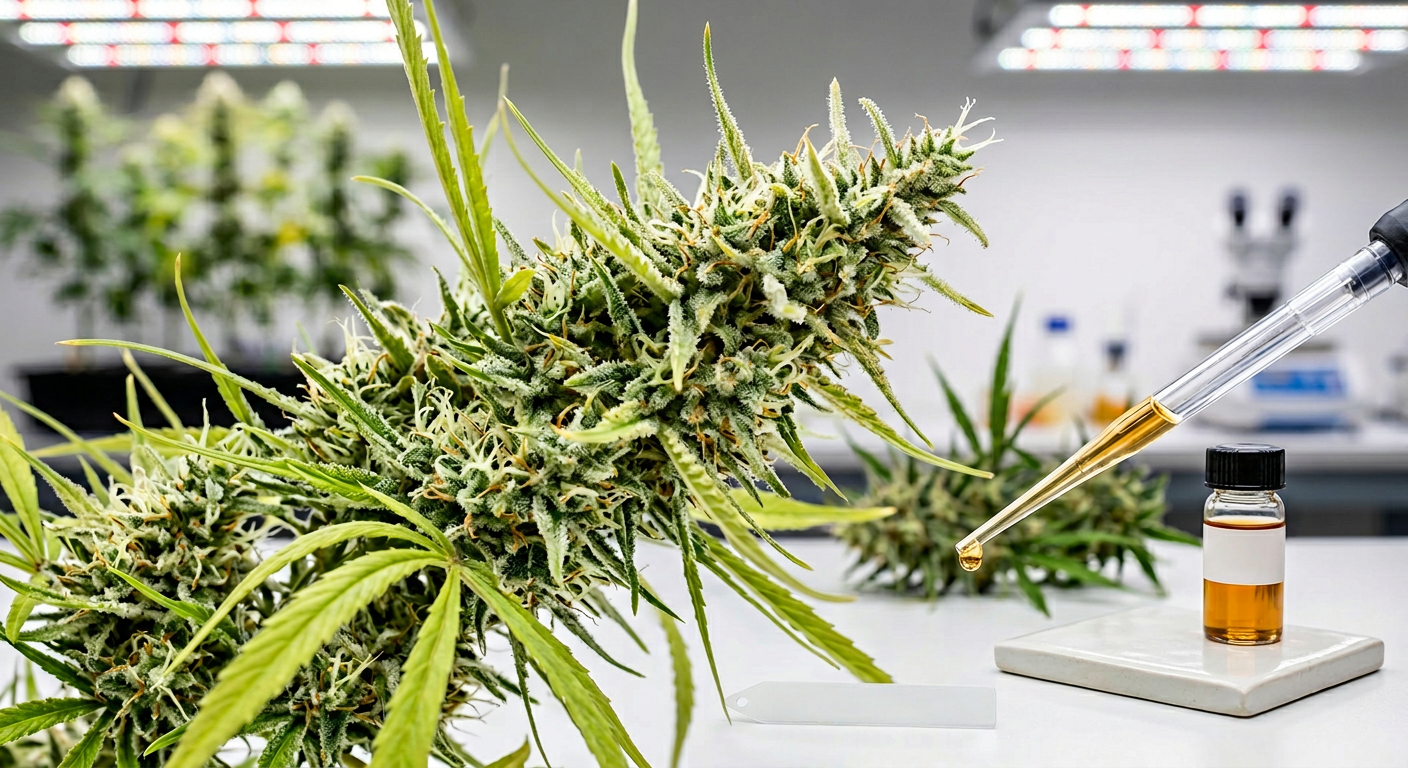
Ask any analytical chemist which cannabis populations consistently test highest for THCV, and the answer is always the same: African landrace sativas. Strains from South Africa, Central Africa, and East Africa — particularly those from equatorial and sub-equatorial growing regions — produce THCV at levels that modern hybrids rarely approach.
The reason is evolutionary, not accidental. African cannabis populations evolved under intense, high-UV equatorial sunlight with dramatically variable dry and wet seasons. These conditions created selection pressure for cannabinoid profiles that differ substantially from Eurasian and North American populations. The propyl-chain cannabinoid pathway appears to confer some adaptive advantage in these environments — possibly related to UV protection or pest resistance — and the genetics locked it in over generations.
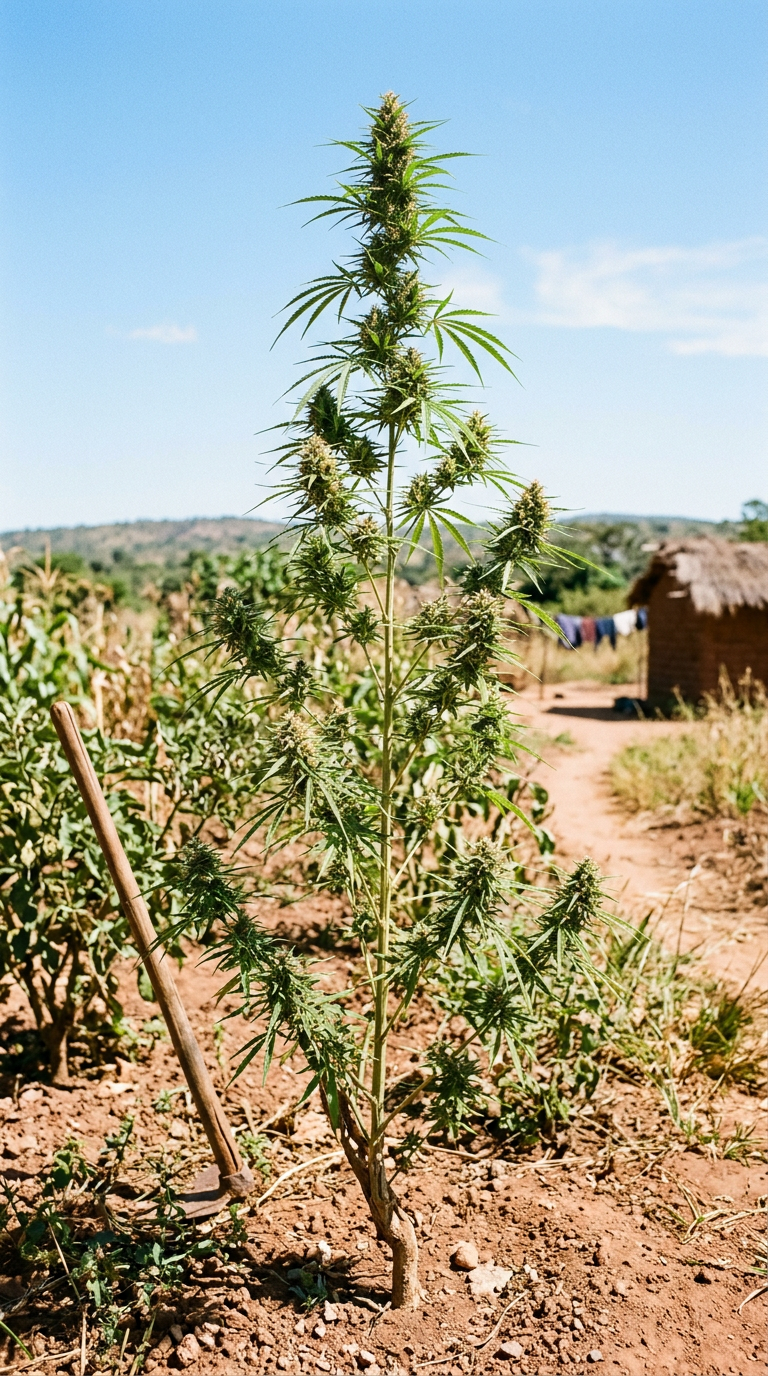
Geographic Origins and THCV Expression
- South Africa (KwaZulu-Natal, Eastern Cape): Durban Poison and Swazi genetics — consistently 0.5–1.5% THCV in landrace samples, higher in selected lines
- Central Africa (Congo Basin): Red Congolese ancestry — some samples test 1–3% THCV
- East Africa (Malawi, Tanzania): Malawi Gold genetics — notable THCV with long flowering windows
- West Africa (Nigeria, Ghana): Less studied but showing propyl-chain cannabinoid expression in ethnobotanical samples
When breeders cross these African landraces into modern hybrids, they introduce the genetic potential for higher THCV — but without careful backcrossing and selection, the THCV trait dilutes quickly. First-generation crosses often show moderate THCV; consistent expression requires multiple generations of selection pressure toward high-THCVA phenotypes.
Our heirloom cannabis strains guide covers the preservation of these landrace genetics in much more depth — essential reading if you're considering working with African lines.
If you're evaluating African sativa seeds for THCV potential, look for documented landrace or F1 lineage from verified African geographic origins. Vague 'African sativa' marketing without specific regional provenance often indicates heavily backcrossed genetics where THCV expression has been diluted for yield or flowering time.
THCV Strain Comparison: Who Delivers the Most
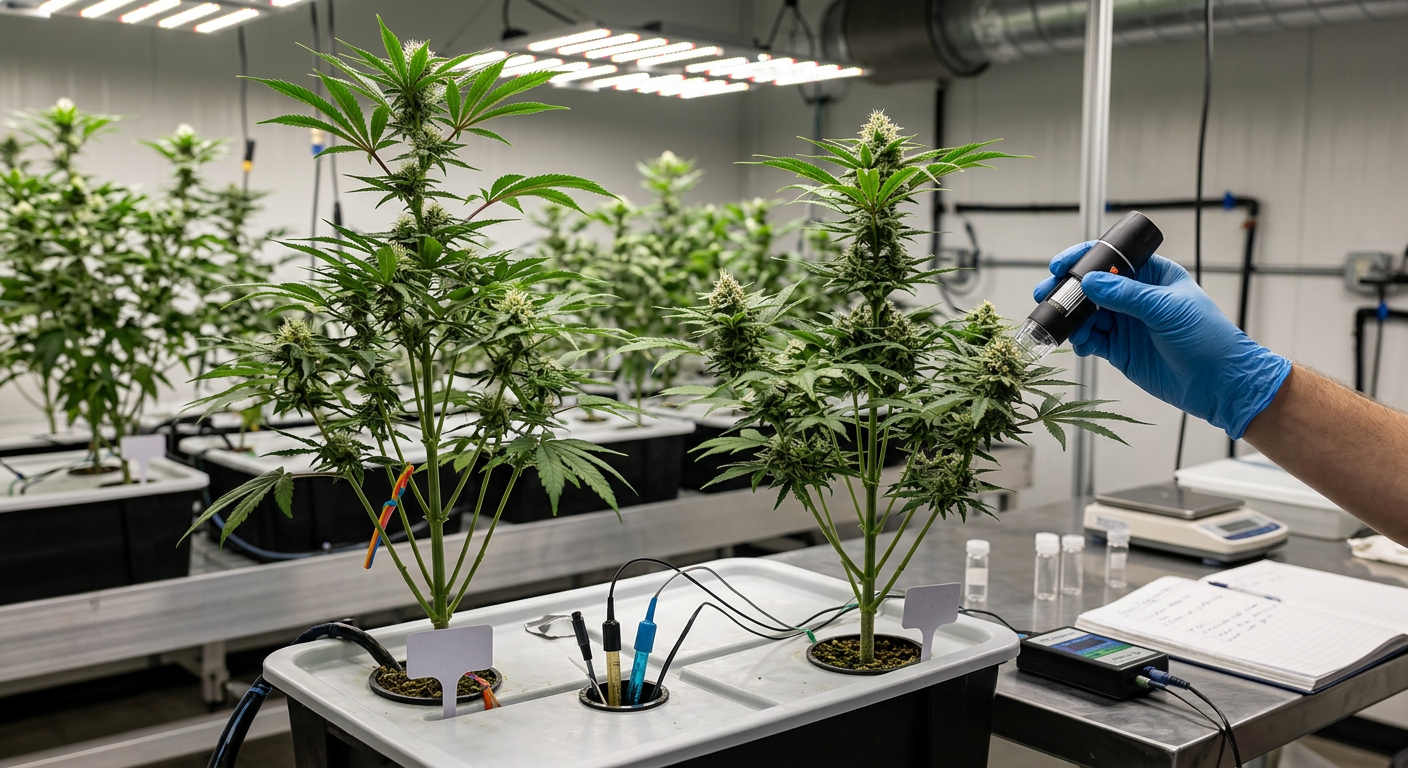
The following table represents the best-documented high-THCV strains based on published lab data and consistent chemotype reports. THCV percentages vary significantly by phenotype, growing conditions, and testing methodology — treat these as reliable ranges rather than guaranteed figures.
| Strain | Est. THCV % | THC % | Dominant Terpenes | Effect Profile | Grow Difficulty |
|---|---|---|---|---|---|
| Doug's Varin | 3.0–4.5% | 6–12% | Terpinolene, myrcene, ocimene | Clear-headed energy, strong appetite suppression, short duration | Moderate–Hard |
| Pineapple Purps | 3.0–4.2% | 10–15% | Terpinolene, caryophyllene, limonene | Uplifting, focused, fruity aroma, mild appetite suppression | Moderate |
| Durban Poison | 0.5–1.5% | 17–22% | Terpinolene, myrcene, ocimene | Energetic, creative, social — classic sativa effect | Easy–Moderate |
| Red Congolese | 1.0–3.0% | 16–20% | Terpinolene, pinene, myrcene | Mental clarity, functional energy, long-lasting | Hard (long flower) |
| Willie Nelson | 0.8–1.5% | 20–22% | Terpinolene, caryophyllene, limonene | Euphoric, creative, racey energy, thin-leafed sativa structure | Moderate |
| Swazi | 0.6–1.2% | 16–18% | Myrcene, terpinolene, caryophyllene | Classic African landrace energy, earthy-spicy, functional | Easy–Moderate |
| Malawi Gold | 0.5–1.0% | 12–13% | Terpinolene, myrcene, pinene | Smooth, uplifting, gentle body warmth, mood elevation | Easy (auto) |
| Tangerine Haze | 0.3–0.7% | 16–18% | Limonene, myrcene, terpinolene | Citrusy, energetic, creative — haze-dominant expression | Moderate |
| Super Lemon Haze | 0.2–0.5% | 21–23% | Terpinolene, caryophyllene, myrcene | Energetic, social, lemony — haze backbone with THCV trace | Moderate |
| Red Dragon | 0.2–0.5% | 20–22% | Caryophyllene, myrcene, limonene | Uplifting euphoria, fruity-spicy profile, balanced head effect | Easy–Moderate |
THCV percentages vary widely depending on phenotype selection, testing lab methodology, and growing conditions. A strain listed at 1.5% THCV from one phenotype may test below 0.3% from another — even with identical seeds. Pheno-hunting and consistent lab testing are essential for building a reliable high-THCV cultivation program.
A Note on Terpinolene and the THCV Connection
Notice that terpinolene appears as a dominant terpene across almost every high-THCV strain in this table. This isn't coincidence. Terpinolene-dominant chemotypes are disproportionately represented in African sativa genetics and in the sativa-leaning lineages where THCV naturally concentrates. Terpinolene itself produces uplifting, slightly floral, fresh pine-citrus aromas — and strains that carry it often also carry the broader chemotype profile associated with THCV expression. When seed hunting, a terpinolene-dominant lab profile is a useful (though not guaranteed) indicator of potential THCV content.
For a deep dive into how terpenes and cannabinoids interact to shape the overall experience, our guide to the entourage effect covers the science in detail.
THCV Effects on Energy, Focus, and Weight Management
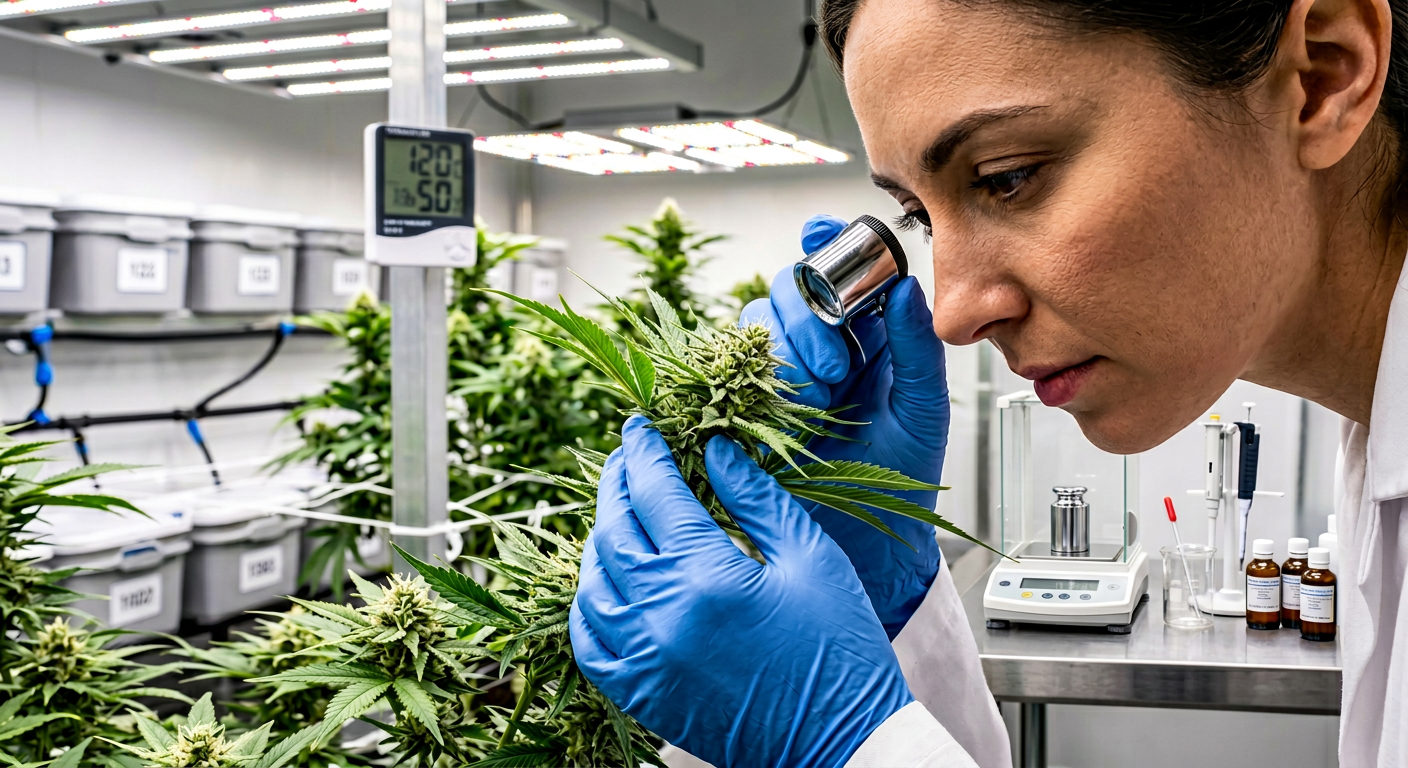
THCV's reputation as a 'sports car cannabinoid' — fast-acting, energizing, short-lasting — has made it the subject of growing interest among consumers who want cannabis effects without the heaviness of high-THC indicas. Here's what the research and user experience actually support.
Energy and Focus
Multiple human studies and extensive anecdotal data support THCV's ability to produce alert, focused mental states at low doses. Unlike THC, which can impair working memory and slow reaction time, THCV at sub-psychoactive doses appears to enhance cognitive engagement. This maps directly to its CB1 antagonism — blocking the receptor site that, when activated by THC, can produce cognitive slowing.
- Reported peak onset: 5–15 minutes faster than equivalent THC doses
- Reported duration: 30–60% shorter than THC effects at comparable dosing
- Functional activities commonly reported: creative work, physical exercise, social engagement
If you're specifically looking for cannabis varieties that trend toward energy and mental clarity, our guide to the best cannabis strains for energy and focus explores complementary options across a range of cannabinoid profiles.
Appetite Suppression and Weight Management
THCV's appetite-suppressing effects are its most studied and most commercially exciting property. A 2016 double-blind placebo study published in Diabetes Care found that THCV improved fasting glucose levels and improved insulin sensitivity markers in type 2 diabetes patients without significant adverse effects. A separate preclinical study found that THCV reduced food intake and body weight in obese mouse models.
The mechanism is straightforward: by blocking CB1 receptors in the hypothalamus (the brain region that regulates hunger), THCV interrupts the appetite-stimulating pathway that THC activates. Cannabis users who have consumed Durban Poison or other high-THCV strains frequently report the absence of the munchies — and some report active appetite reduction.
Other Potential Therapeutic Directions
Preclinical research has also explored THCV in the context of:
- Anxiety and PTSD: CB1 antagonism in the amygdala may reduce conditioned fear responses (mouse model data)
- Parkinson's disease: A 2011 study found neuroprotective effects via CB1 and CB2 receptor modulation in animal models
- Anti-inflammatory activity: CB2 agonism supports potential immune-modulating properties
- Anti-epileptic potential: Early-stage data shows THCV may reduce seizure frequency in some models
THCV's therapeutic potential spans metabolic, neurological, and inflammatory pathways — but most evidence remains at the preclinical stage. The appetite suppression and glycemic control data is the most human-trial-supported finding to date. Don't overstate what the current science proves.
How to Maximize THCV When Growing Cannabis
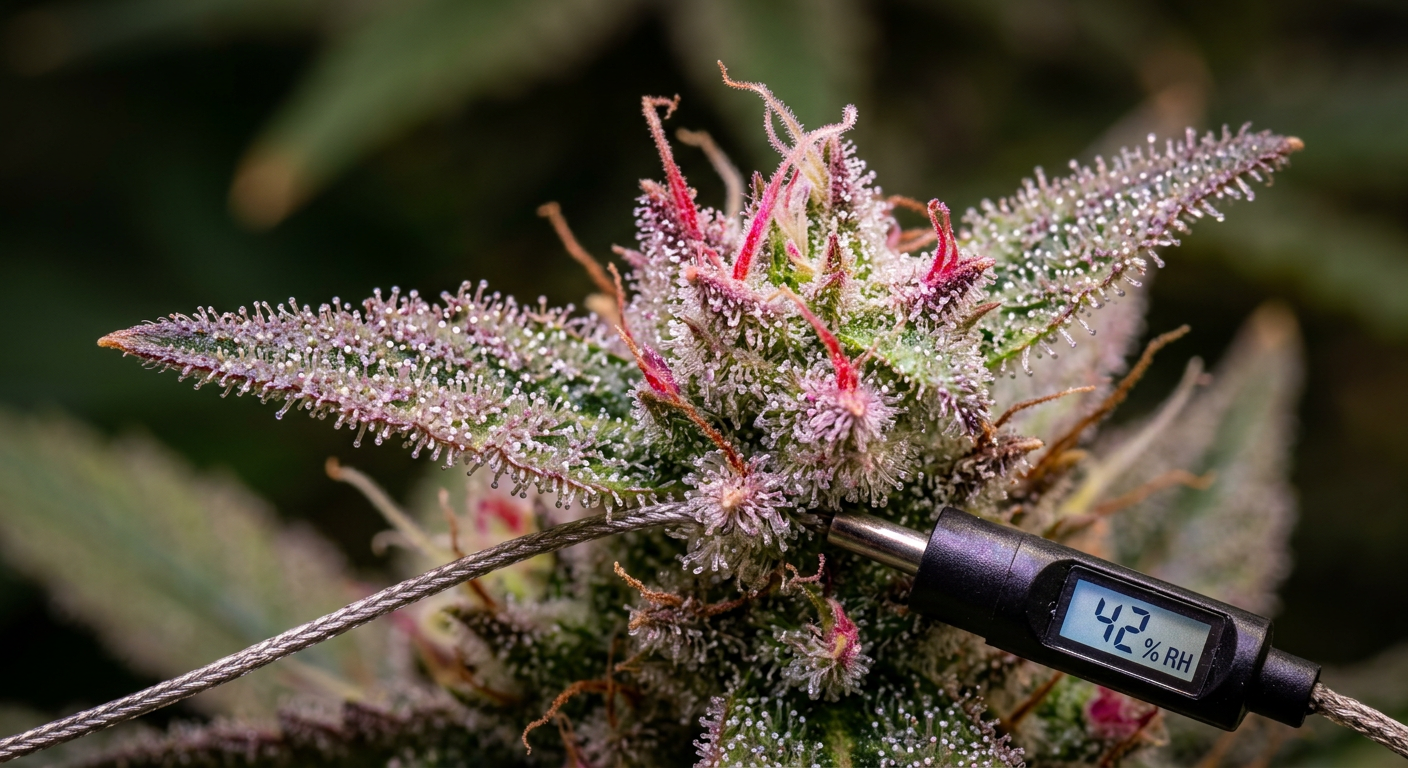
Starting with the right genetics is non-negotiable — but environment and cultivation technique can meaningfully push THCV expression upward within whatever genetic ceiling your chosen strain carries. These strategies target the THCVA biosynthesis pathway directly.
1. Genetic Foundation First
No cultivation technique will turn a THCV-poor strain into a THCV-rich one. The divarinolic acid starter unit availability is genetically determined. Select strains with documented African landrace ancestry or proven lab-tested THCV expression before investing in any of the techniques below.
2. UV-B Light Supplementation in Late Flower
This is the single most effective environmental trigger for upregulating cannabinoid biosynthesis, including THCV. African sativas evolved under intense equatorial UV radiation — replicating that stress signal encourages the plant to ramp up protective resin production.
Time Your UV-B Exposure
Introduce UV-B supplemental lighting (specifically UVB at 280–315nm wavelength) during the final 2–3 weeks of flower. Earlier introduction risks light stress damage; this late-stage window maximizes cannabinoid accumulation without harming yield.
Dosing UV-B Correctly
Run UV-B lamps for 2–4 hours per day within the light period — not as a full replacement for your primary grow light. Overexposure causes bleaching and trichome degradation. Start with 2 hours and monitor plant response across 3–4 days before extending.
Distance Matters
Position UV-B sources 12–18 inches above the canopy. UV-B intensity drops sharply with distance, but too close creates hotspots. Even light distribution across the canopy produces the most consistent results.
3. Day-to-Night Temperature Differentials
Temperature stress in late flower triggers stress-response metabolite production, including upregulated terpene and cannabinoid synthesis. African sativas in their native environments experience significant diurnal temperature swings — desert nights following hot equatorial days.
- Target daytime canopy temperature: 24–26°C (75–79°F)
- Target nighttime drop: 10–15°C lower than daytime — landing in the 13–18°C (55–64°F) range
- Timing: Apply this differential during the final 3 weeks of flower only
- Do not drop below 12°C — below this threshold, microbial activity and root function slow enough to damage yield
Temperature management is one of the most underutilized tools in advanced cannabinoid cultivation. If you're not already tracking canopy temperature with precision, our VPD guide explains how temperature and humidity interact — and why getting both right simultaneously matters for quality. Use the VPD calculator to dial in your environment during this critical late-flower window.
4. Extending the Dark Period Slightly
Some cultivators report increased terpene and minor cannabinoid expression when extending the dark period from 12 hours to 13 hours in the final 2 weeks of flower. The mechanism isn't fully established, but the practice mirrors the longer equatorial nights African sativas would experience as their native seasons shift. Use this in combination with other techniques rather than as a standalone strategy.
5. Harvest Timing for THCV Preservation
THCVA degrades to CBVA (cannabivarin) with extended light and heat exposure — just as THCA degrades to CBN. Harvest at or slightly before peak trichome maturity to preserve THCV content. Most high-THCV strains with sativa lineage show clearest trichomes or transitioning milky heads at optimal THCV harvest timing — before significant amber coloration sets in.
Our detailed guide on when to harvest cannabis for maximum potency covers trichome assessment in depth. The same timing principles apply to THCV, with the additional note that earlier harvesting (more clear/milky trichomes) may preserve more THCVA before degradation.
Post-harvest handling is critical for THCV preservation. Cure in cool, dark, low-humidity conditions (60°F / 15°C is ideal). Heat and UV light during drying and curing both accelerate THCVA decarboxylation and subsequent degradation — reducing your final THCV content before the product even reaches the consumer.
6. Soil vs. Hydro Considerations
No definitive controlled study proves that soil versus hydroponic growing directly affects THCV expression. However, cultivators working with African landraces consistently report that well-draining, lower-nutrient media — mimicking the leached laterite soils of African growing regions — produces better expression from these genetics. Avoid heavy nitrogen feeding in late veg and flower; African sativas are adapted to lean conditions.
If you're exploring living soil cultivation for African sativa varieties, our living soil growing guide outlines how to build a microbially active substrate that supports these genetics without overfeeding.
Track your THCV cultivation experiments by recording genetics, UV-B exposure hours, temperature differentials, and harvest timing for each run. After 2–3 harvests from the same seed stock with varying techniques, you'll have actionable data on which variables move THCV expression most in your specific setup. Our grow planner tool helps you log and track these variables systematically.
Choosing Seeds with High-THCV Lineage: What to Look For
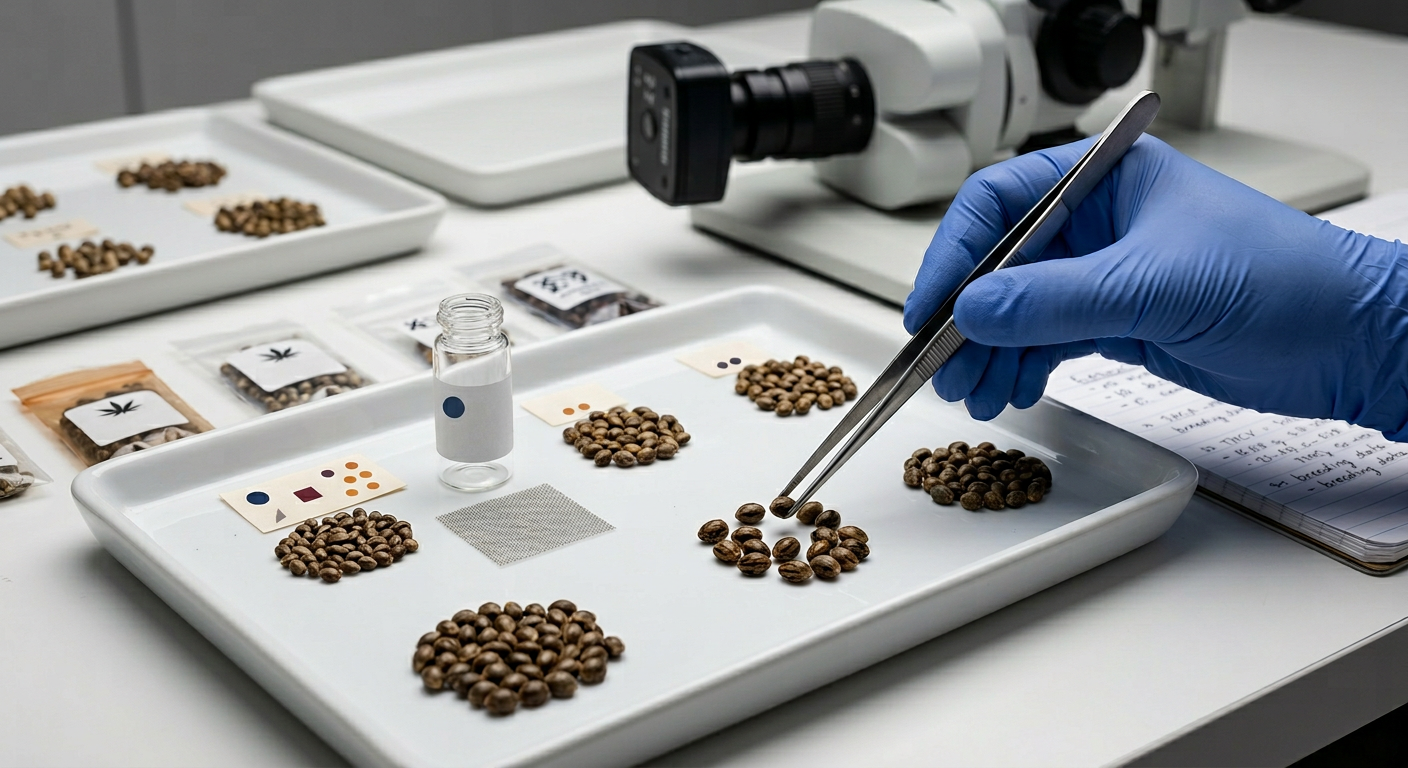
Selecting seeds for THCV content is where many growers waste money and time. The market is full of vague claims — 'African genetics,' 'sativa-dominant,' 'energetic effects' — none of which guarantee meaningful THCV expression. Here's how to evaluate seeds with real rigor.
Red Flags to Avoid
- No documented African landrace ancestry in the lineage
- THCV claims without third-party lab data to support them
- Indica-dominant or heavily indica-crossed genetics marketed as 'THCV-rich'
- Extremely short flowering times for African sativa crosses (authentic lines usually require 10–14 weeks)
- Terpene profiles dominated by myrcene only, with no terpinolene or ocimene
- No phenotype stability data — THCV expression is highly phenotype-dependent
Green Flags to Seek
- Documented geographic origin from South Africa, Central Africa, or East Africa
- Terpinolene as a primary or co-dominant terpene in lab profiles
- Published THCV percentages from third-party ISO-accredited labs
- Longer flowering windows (10–14 weeks) consistent with authentic sativa genetics
- Strain descriptions emphasizing energetic, clear-headed, functional effects
- Thin, narrow leaflets — the classic narrow-leaf drug (NLD) sativa morphology
Our African-Heritage and Sativa Options
For growers wanting to work with THCV-relevant genetics from our catalog, two varieties stand out based on their African landrace ancestry and verified sativa characteristics.
Swazi Feminized Seeds carry direct South African heritage — Swazi genetics are among the oldest and most studied of the African landrace populations. These plants express the classic narrow-leafed sativa structure, require longer flowering windows, and produce the terpinolene-forward aroma profile associated with THCV-bearing chemotypes. At 18% THC with landrace sativa genetics, Swazi is the most authentic African-heritage option in our catalog for growers targeting THCV expression through verified lineage.
Malawi Gold Autoflower Seeds bring East African genetics in an autoflowering format — a useful option for growers who want to work with THCV-relevant ancestry without managing a 12–14 week photoperiod flowering cycle. Malawi Gold produces the uplifting, smooth functional energy characteristic of African sativas, with documented terpene profiles that include terpinolene expression.
For sativa-forward haze genetics that carry some THCV lineage potential through their sativa backbone, Super Lemon Haze and Tangerine Haze both bring haze-dominant genetics with the terpinolene-forward profiles associated with higher-THCV expression within hybrid lines. These won't reach the THCV heights of pure African landraces, but they represent practical, manageable options for growers not yet ready to tackle pure sativa cultivation challenges.
For growers interested in the full picture of sativa genetics and stable expression, our guide on cannabis strain stability and genetic consistency explains how breeders lock in trait expression across generations — directly relevant to THCV-focused pheno-hunting programs.
Breeding note: If you want to develop your own high-THCV line, start with verified African landrace genetics and self-select the most energetic, clearest-headed phenotypes across F2 and F3 generations. Lab-test THCV at each generation. The THCV trait is recessive enough that consistent expression requires deliberate selection pressure over multiple generations — not just one cross.
Using Our Tools to Plan a THCV Grow
Before committing to a THCV cultivation run — especially with longer-flowering African sativa lines — use our yield estimator to project harvest weight from these typically lower-yielding, longer-cycling varieties. Also run your numbers through the grow cost calculator to assess whether a 14-week photoperiod sativa run pencils out given your setup costs and energy inputs. Planning ahead avoids the common mistake of starting a long African sativa grow without accounting for the extended resource commitment.
THCV in Commercial Cannabis: The Market Opportunity
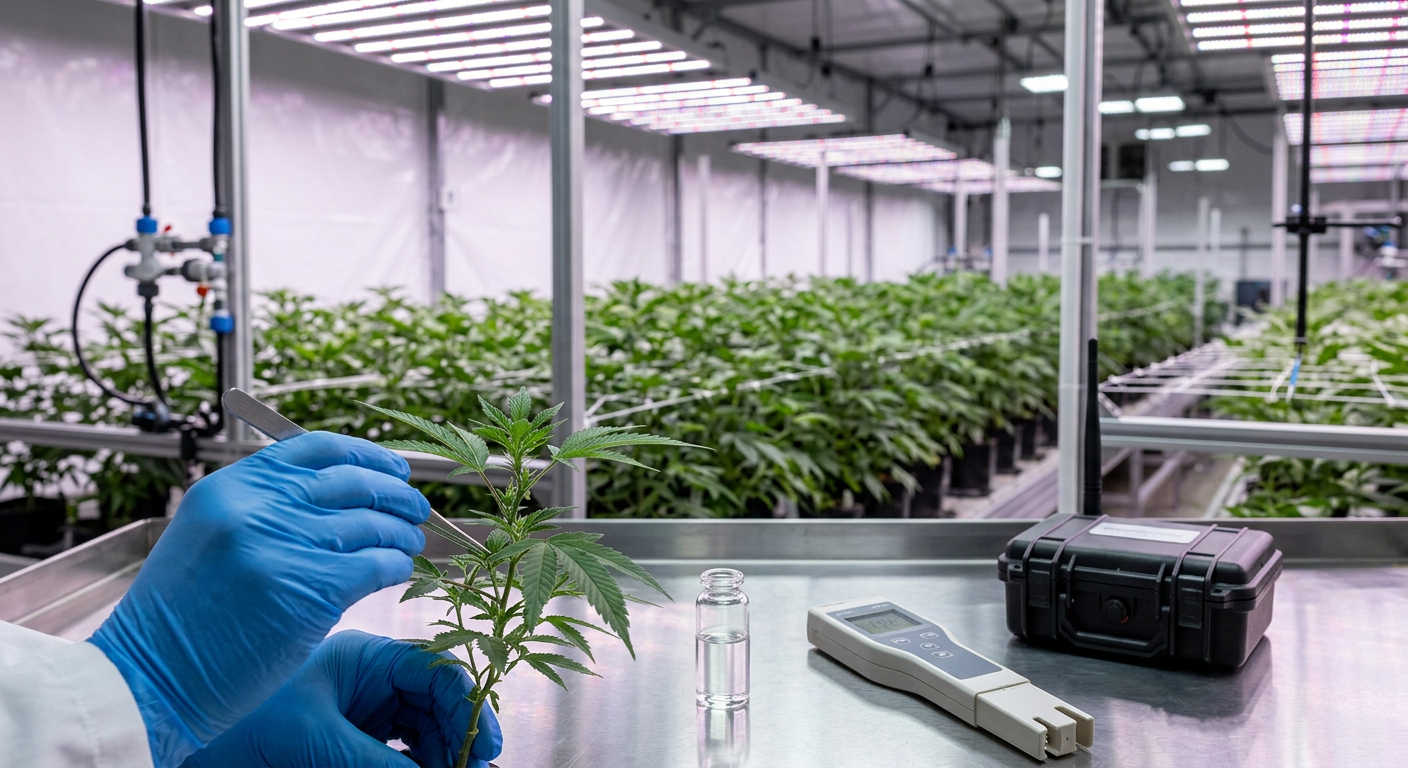
THCV is transitioning from a curiosity to a commercial category. Consumer interest in minor cannabinoids with specific effect profiles — functional energy, appetite management, metabolic support — is growing faster than the supply of verified high-THCV products. This creates a genuine opportunity for cultivators who get ahead of the trend.
Medical dispensaries in legal markets increasingly offer THCV-specific products: tinctures, vape cartridges, and flower marketed specifically around appetite suppression and energy. These products command significant price premiums over standard THC-dominant flower. A verified high-THCV harvest — even at 1.5–2% THCV — can position a grower in a differentiated, less-crowded product category.
- THCV isolate has sold at 2–4x the price per gram compared to THC isolate in wholesale markets
- THCV-dominant flower carries premium retail pricing of 20–40% above equivalent THC-only product in some markets
- Consumer awareness of THCV is growing at over 30% year-over-year in survey data from North American dispensaries
The cultivation challenge is real — African sativas are notoriously lower-yielding and slower-finishing than the high-THC hybrids that dominate commercial production. But for craft cultivators and boutique operations, the margin opportunity may justify the tradeoff. Use the grow planner to model a side-by-side comparison of a standard photoperiod grow versus a THCV-focused African sativa run across a full season.
THCV represents a meaningful commercial opportunity precisely because the supply chain is thin. Most commercial cannabis is bred and grown for maximum THC — creating an undersupplied niche for verified high-THCV genetics. Growers who develop reliable high-THCV cultivation programs now are positioned ahead of a trend that lab-testing infrastructure is just beginning to make commercially viable at scale.
Frequently Asked Questions About THCV
What does THCV do?
At low doses, THCV acts as a CB1 receptor antagonist — it blocks the receptor site rather than activating it. This produces appetite suppression, increased mental clarity, and an energetic, focused headspace. At higher doses, THCV transitions to partial CB1 agonism and produces mild psychoactive effects similar to a shorter, cleaner version of THC. It also acts as a partial CB2 agonist across dose ranges, which may contribute to anti-inflammatory properties.
Which cannabis strains are highest in THCV?
African landrace sativas consistently test highest. Doug's Varin and Pineapple Purps top the list at 3–4.5% THCV in selected phenotypes. Red Congolese tests 1–3% in well-selected lines. Durban Poison and Swazi genetics carry 0.5–1.5% THCV and are far more accessible for most growers. Modern hybrids with African sativa parentage typically range from 0.2–0.8% THCV — significantly less than pure landrace selections.
Does THCV really suppress appetite?
Yes — through a well-documented mechanism. THCV blocks CB1 receptors in the hypothalamus, interrupting the appetite-signaling pathway that THC activates. Human studies and consistent anecdotal reports both support real appetite suppression at low-to-moderate doses. It's one of the few cannabis cannabinoids with human clinical trial data supporting a specific metabolic effect, including a 2016 study showing improved fasting glucose and insulin sensitivity markers in type 2 diabetes patients.
How do I grow cannabis with higher THCV content?
Start with African sativa genetics — this is non-negotiable. Then apply UV-B light supplementation (2–4 hours daily) in the final 2–3 weeks of flower, create 10–15°C day-to-night temperature differentials, and harvest at or slightly before peak trichome maturity to preserve THCVA before degradation. Grow in lean, well-draining media that mimics the low-nutrient laterite soils of African growing regions. Lab test every harvest to track which techniques move your THCV numbers.
Is THCV legal?
THCV derived from cannabis (marijuana) follows the same legal status as other cannabis cannabinoids in your jurisdiction — legal where cannabis is legal, controlled where it isn't. THCV derived from hemp (below 0.3% total THC) occupies a more complex legal space that varies by country and state. Always verify the current regulatory status in your specific location before cultivating, selling, or purchasing THCV-dominant cannabis products. Regulations change frequently as minor cannabinoid commerce evolves.